Rennell Island
Rennell Island, Solomon Islands
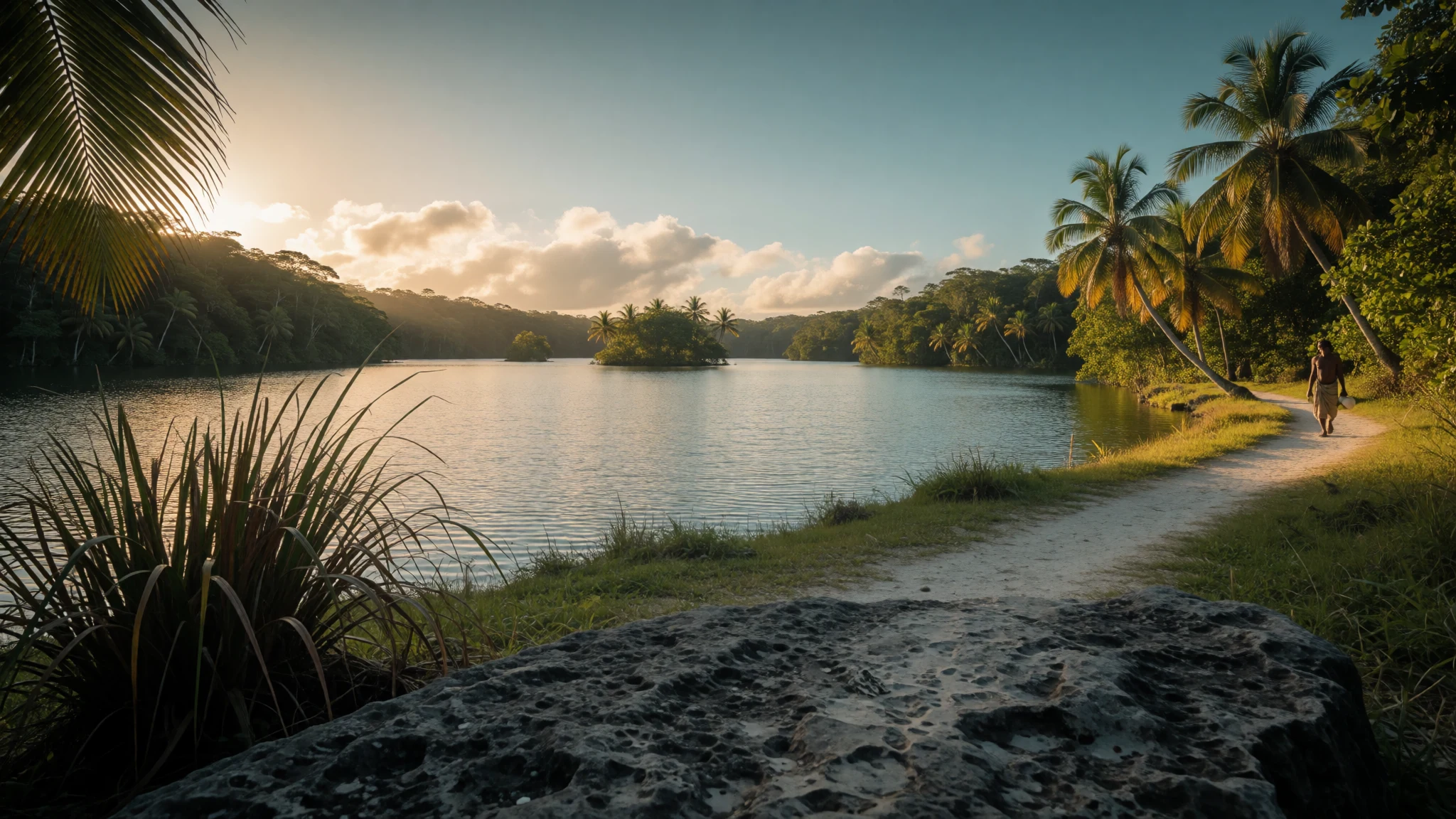
Rennell Island offers a remote lake, rare wildlife and village life on a coral atoll lifted from the sea, far from any resort.
The place
Rennell Island sits in the south-west Pacific, part of the Solomon Islands, and its southern end, East Rennell, is a UNESCO World Heritage Site. The island is a raised coral atoll: a ring of reef that was lifted out of the sea, leaving a limestone rim of forest around an inland lake. Lake Tegano fills much of the eastern side, and the land around it shelters many species found nowhere else. That isolation is the reason for the listing, and it shapes what a visit is like. There are no resorts, no town centre and no sightseeing circuit. About 800 people live here, in four villages around the lake, and the forest and water are their farm, larder and road. Travel depends on small aircraft and local boats, so plans bend around weather and schedules. Heat and humidity are constant, and rain can arrive in any month. The reward is quiet: dense forest, still water, and a landscape that has mostly been left to get on with itself. It is also a place in trouble. Since 2013 East Rennell has been on the List of World Heritage in Danger, because of the threat from commercial logging, and rats are a further worry for the native wildlife. A visit means simple village hospitality rather than polish, and it is as much a stay in a living community as a trip to a nature reserve.
Its story
The story of Rennell Island is partly geological and partly about who looks after the land. Geologically, it began as a coral reef that grew around a lagoon. As the seabed shifted, the whole structure rose, and the old lagoon became the freshwater and brackish lake that now dominates the east. Cut off by open ocean, its plants and animals developed on their own, which is why scientists value it. The people of East Rennell live by gardening and fishing, drawing food and building materials from the forest and lake. Their way of life has gone on for generations, and it is not considered a danger to the site. Island families and outside advisers worked together on a management plan that protects local rights to land and custom. Conservation bodies such as the IUCN have argued that land held by custom can be better protected by the people who live on it than by a distant government office. The pressure comes from elsewhere. Logging companies have been eyeing the forests, and in 2013 the World Heritage Committee moved the site to its in-danger list for that reason. Introduced rats add to the strain on native species. The island's future depends on whether landowners can keep control of their own forest.
What to see
- East Rennell World Heritage area — Southern Rennell
The southern part of Rennell Island is the protected core, a stretch of raised coral limestone covered in forest. Walking here means following village paths rather than marked trails. Local guides are the sensible way to see it, and arranging one through the community keeps the money where it matters.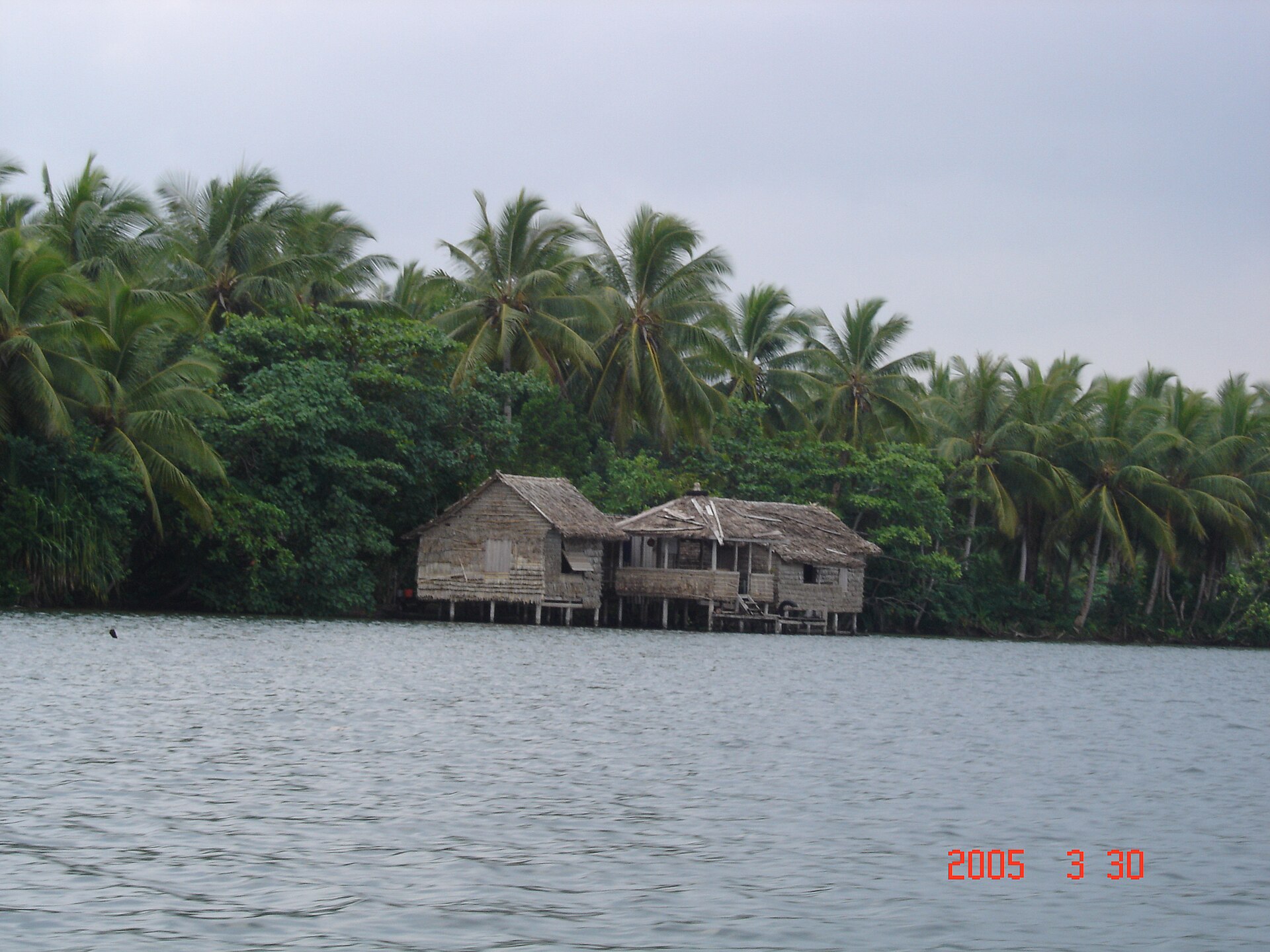
- Lake Tegano (Te Nggano) — Eastern Rennell
The big inland lake is the centre of East Rennell and the reason most people come. Boat trips with local paddlers pass islets, birdlife and the edges of the villages. The water is calm, but the heat is strong, so bring a hat and plenty of drinking water.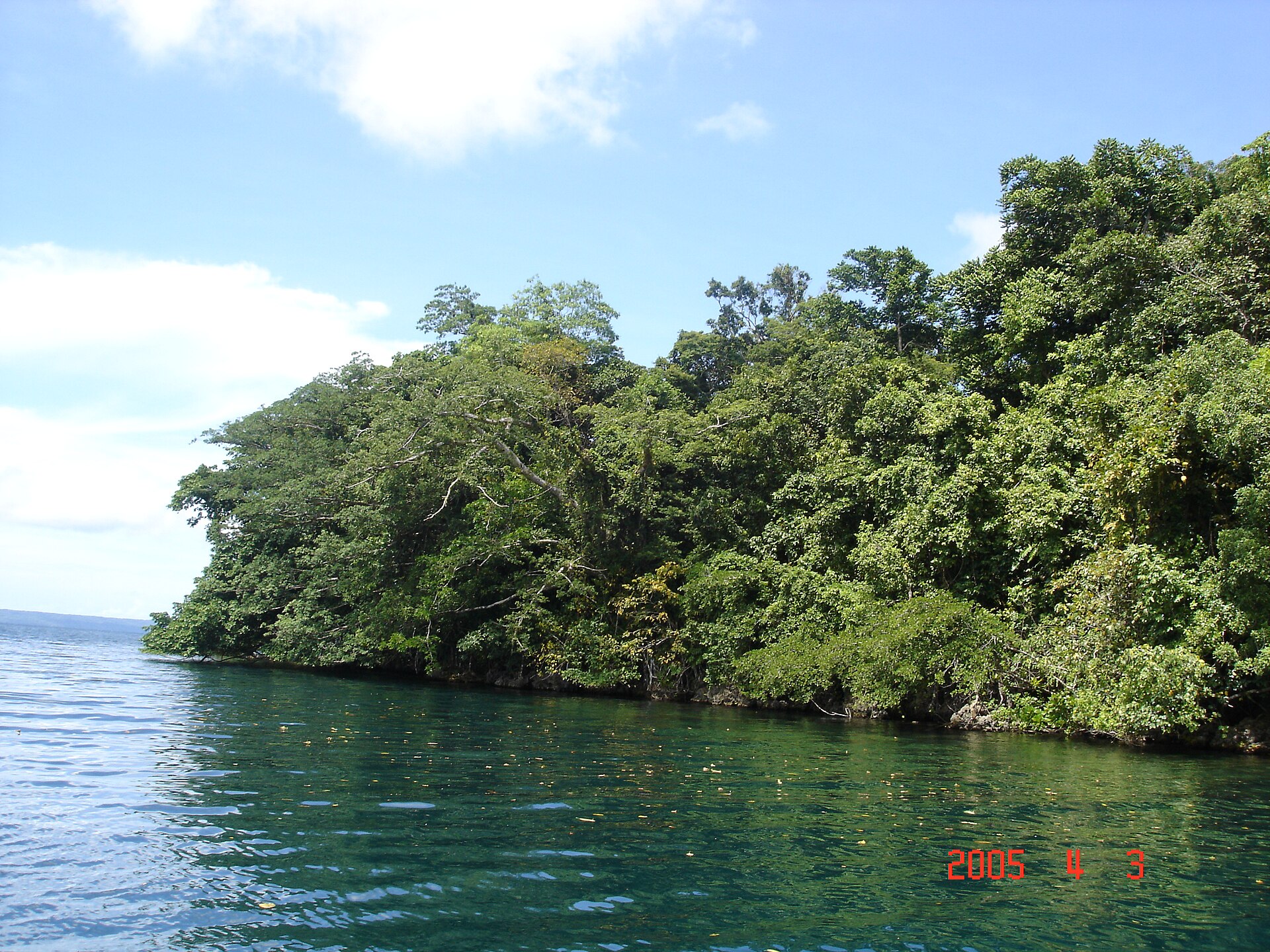
- Village life around the lake — Lake Tegano shoreline
The four lakeside villages are the human heart of the site. Visits work best when arranged in advance with a community member, who can explain gardens, canoes and fishing. Treat it as a stay with hosts, not a tour, and expect plain food and shared spaces.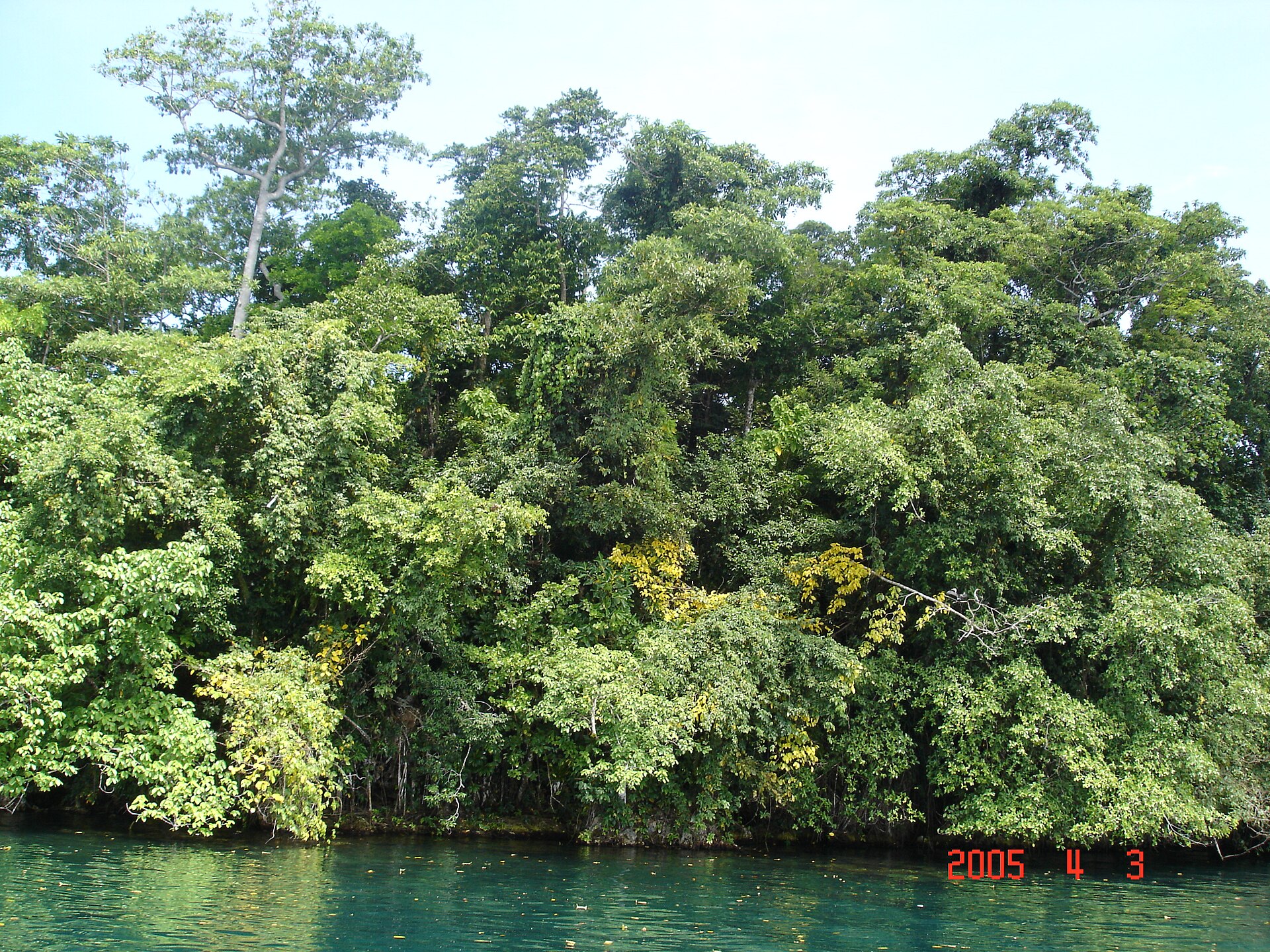
- Coconut crab country — Forest and village edges
The forests hold coconut crabs, huge land crustaceans that climb trees and even wander into buildings. They are wary and best watched quietly from a distance, ideally with a guide. Do not pick one up, and never take one without permission from the landowners.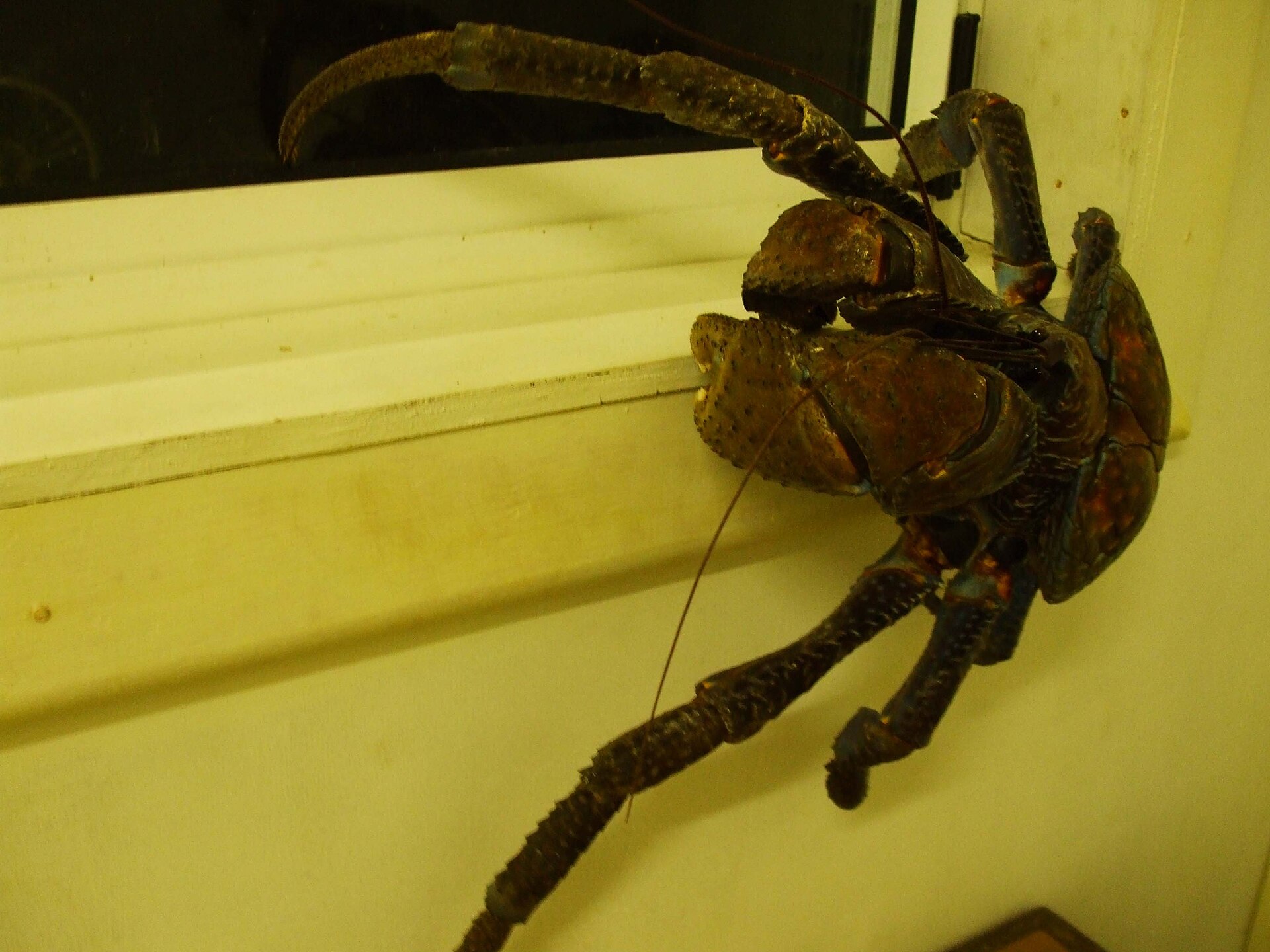
- Bellona — Neighbouring island
Bellona is Rennell's smaller neighbour, and the scheduled flight usually links the two islands before returning to Honiara. It is worth knowing about when planning, since flight order affects timing. Ask locally and check with the airline before committing to any onward plan.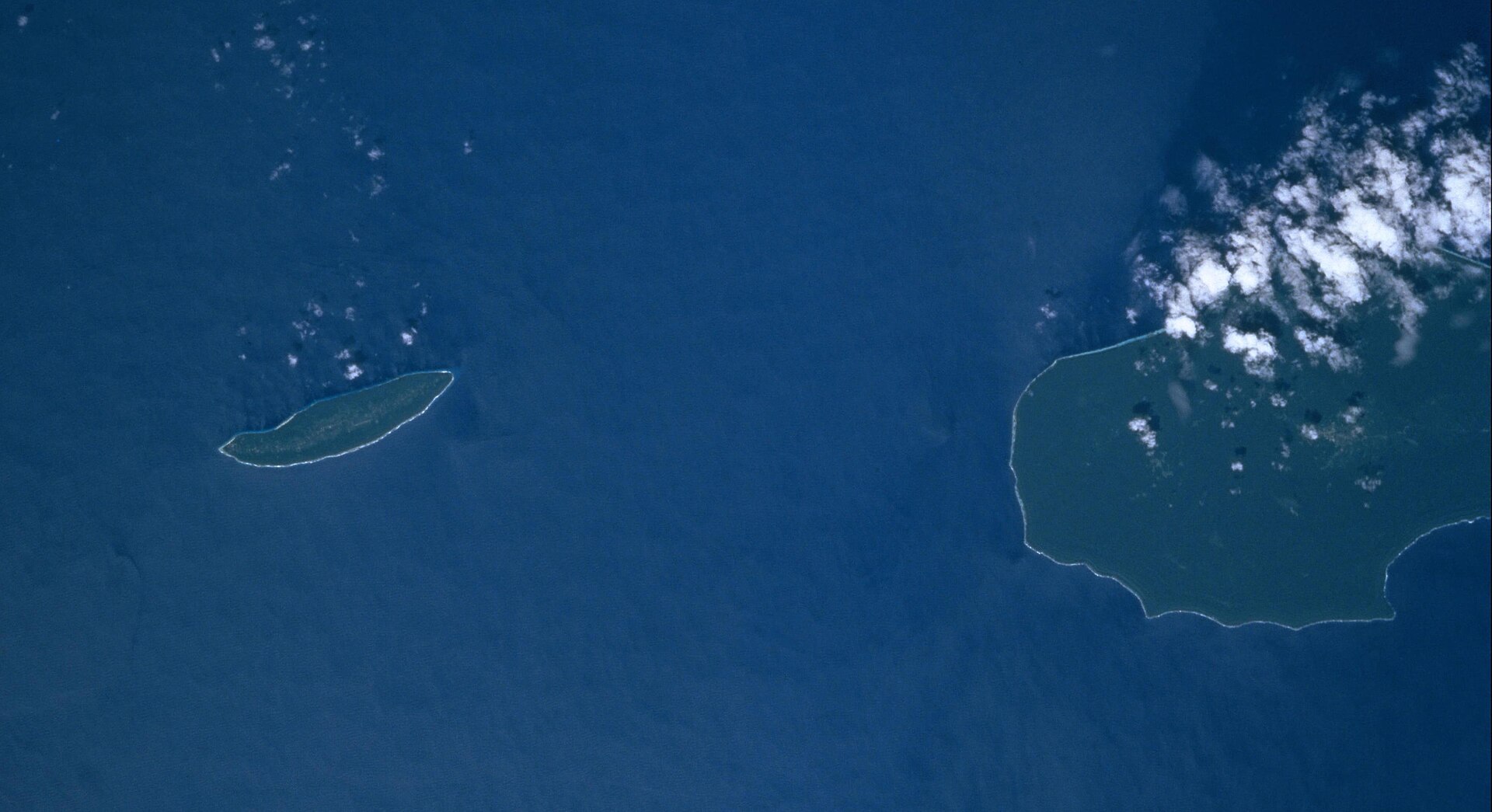
Culture
Rennell Island is a place where land belongs to families and communities, not to an office or a company, and that fact explains most of what a visitor needs to know about its culture. Decisions about who may walk where, fish where or build where are made through local custom, and the people of East Rennell have worked hard to keep that authority. The management arrangements for the World Heritage area recognise it. Daily life centres on gardens, fishing and the lake, with church and family obligations shaping the week. Christianity is widespread across the Solomon Islands, so Sundays are likely to be quiet, with services taking priority over visitors. Hospitality matters, and guests are usually looked after generously even where resources are thin. In return, they are expected to be patient, to listen, and to accept that schedules are loose and that plans can change with weather, boats or community events. Respect for elders and for hosts goes a long way. The island is also dealing with outside pressure from logging interests, so people may have strong views about outsiders and their motives. Listening is better than lecturing. Before taking photographs of people, homes or gardens, or walking onto land you have not been invited onto, ask your host and the landowner first and accept the answer.
What to wear
Rennell Island has its own customary dress, but the details of fabrics, patterns and occasions vary by family and community, and the brief for this reading does not record them, so it is best to ask local people rather than rely on a general account. In the Solomon Islands more widely, traditional adornment often uses plant fibres, shell and woven material, and is mostly seen at ceremonies, church festivals or community events rather than day to day. Everyday clothing on East Rennell is practical and modest: cotton T-shirts, shirts, shorts or knee-length skirts, and wraparound cloths, with rubber sandals or bare feet around the village. Work clothes for gardening and boats are old and washable. Visitors should dress for heat, humidity and sun, and for a conservative village setting. Light, quick-drying cotton or synthetic layers that cover shoulders and knees are the safest choice. Women especially should avoid swimming in anything skimpy near villages, and a wraparound cloth is useful for bathing. Bring a wide-brimmed hat, sunglasses and a light rain jacket, since showers come without warning. Footwear needs thought: sturdy shoes with grip for rough limestone and muddy forest paths, plus sandals or water shoes for boats and wet landings. Church on Sunday calls for neater clothes than usual, so pack one clean outfit that covers knees and shoulders.
What to eat
- Root crops: taro and sweet potato — Family meals in the lakeside villages
Garden roots are the backbone of meals across the Solomon Islands, boiled or baked and served in generous portions. On East Rennell they come straight from family plots. Expect them at any shared village meal, usually plain, filling and eaten with fish or greens. - Fresh fish — Village kitchens and shoreline fires
Fish from the lake and reef is the main protein. It is typically grilled over a fire, boiled or cooked with coconut. What is on offer depends on the day's catch, so meals are never fixed. Ask your host what is available and whether you may pay your share. - Coconut and coconut cream — Village gardens and family homes
Coconut is used for drinking, cooking and thickening dishes. Cream pressed from the flesh turns greens and root crops into a richer meal. Drinking coconuts are a safe, welcome refreshment in the heat, but always ask before taking one from a tree. - Island greens and fruit — Home meals, from the local gardens
Cooked leaves, bananas, papaya and other garden fruit appear with meals according to the season. They add sweetness and variety to an otherwise simple table. Supplies are limited, so bring snacks of your own and share them, rather than relying on what is grown.
Plan it
Best time. The drier months, roughly May to October, are usually easier for flying, boat trips and walking, though showers can occur in any month and heat and humidity stay high all year. The brief carries no detailed climate record, so check current forecasts before going.
How long. 4–6
Getting there. Solomon Airlines runs two flights a week from Honiara that serve Rennell and Bellona, and the direction of travel can vary with the schedule. From the airstrip, the last leg to the lake and villages is arranged locally, usually by vehicle or boat. Check current timetables with the airline.
Budget. mid
Tips
- Book flights early and keep a few spare days, as small aircraft schedules change with weather
- Arrange your stay and guide through the community before arriving, not on landing
- Bring cash in small notes, as cards and cash machines are unlikely to be available
- Carry water, purification tablets, sun protection and insect repellent
- Pack medicines and basic supplies, since shops and clinics are limited
Etiquette
- Ask the landowner and your host before walking, swimming, fishing or camping anywhere
- Ask before photographing people, homes or gardens
- Keep Sundays quiet and dress neatly for church
Nearby
Sources
- Wikidata Q852433 (CC0)
- Wikipedia: East Rennell (CC BY-SA 4.0)
- Wikivoyage: East Rennell (CC BY-SA 4.0)
- East Rennell photo 112653, S. A. Tabbasum (CC BY-SA 3.0 igo)
- East Rennell photo 112635, S. A. Tabbasum (CC BY-SA 3.0 igo)
- East Rennell photo 112637, S. A. Tabbasum (CC BY-SA 3.0 igo)
- East Rennell photo 112639, S. A. Tabbasum (CC BY-SA 3.0 igo)
- East Rennell photo 112641, S. A. Tabbasum (CC BY-SA 3.0 igo)
- East Rennell photo 112647, S. A. Tabbasum (CC BY-SA 3.0 igo)
- Bellona from space, NASA (STS-088) (Public domain)
- Coconut crab climbing, en:User:Phenss (Public domain)


