Uunartoq
Uunartoq, Greenland
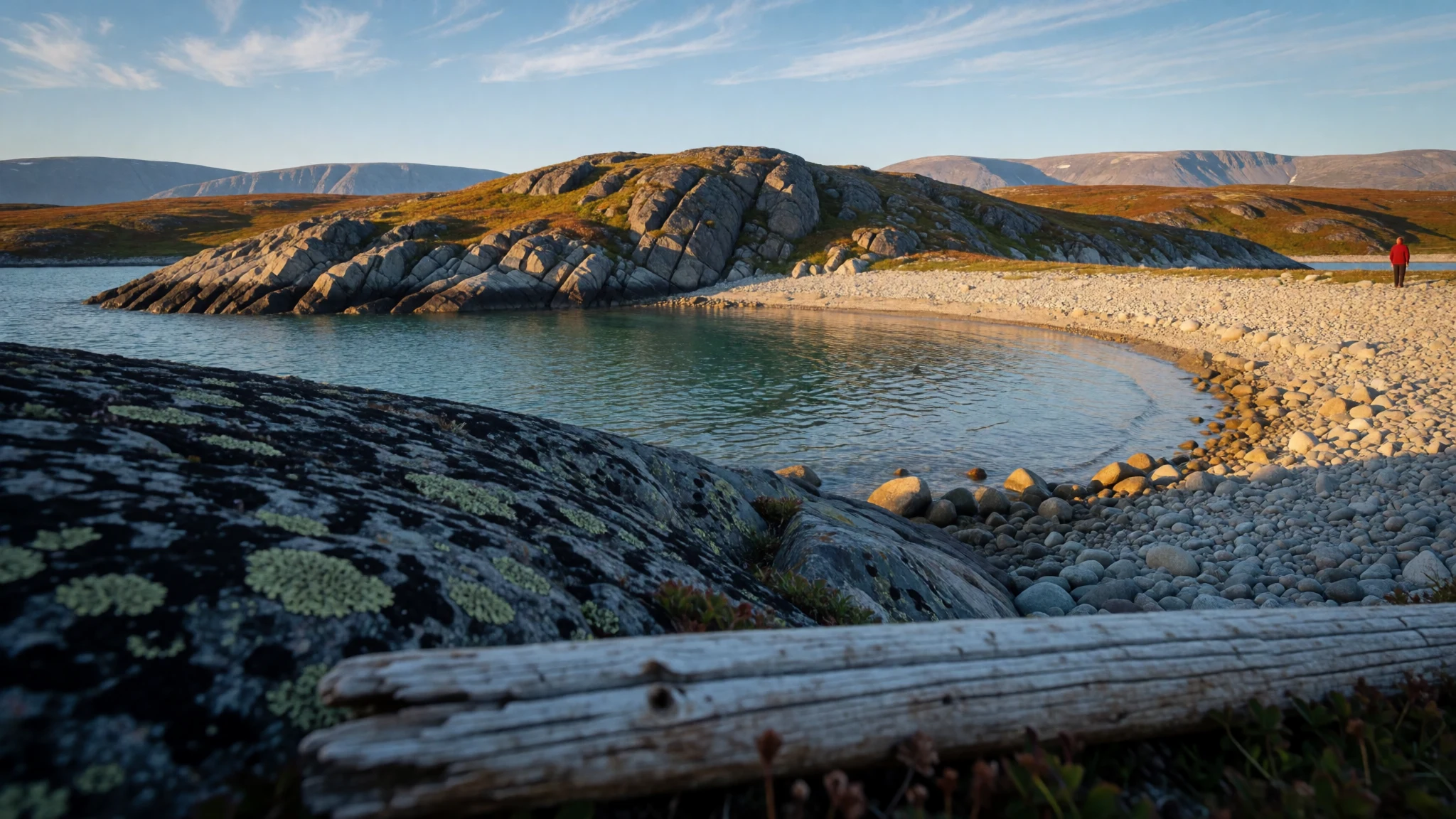
Uunartoq is an island in southern Greenland, set in a region of Norse ruins, quiet fjords and long summer light.
The place
Uunartoq is an island in southern Greenland known for its geothermal springs. It lies off the coast near the village of Alluitsup Paa in Kujalleq municipality. That village had 136 residents in 2025 and is the practical base for this stretch of coast. Nothing here is built around visitors the way a ski resort is. Settlements are small, signs are rare, and people simply know where things are, so asking is the normal way to find a shop, a meal or a bed. A fully stocked supermarket may turn up inside a plain grey building with nothing else around it. Distances look short on the map but run long in practice, because travel between settlements is by boat or helicopter and the weather decides the day. The land is bare rock, cold water and low plants. The name Greenland makes more sense on this southern coast than almost anywhere else: the slopes turn green in summer, while much of the country stays under ice. Light matters too. Around midsummer the sky barely darkens, and winter days are short and hard. Map names often just describe a landform, so a name that looks odd usually has a plain meaning. The island is also known locally for a warm spring, but access and conditions change, so ask in Alluitsup Paa before building a plan around it.
Its story
Uunartoq sits in country the Norse knew as Vatnahverfi, a district they used between the 10th and 15th centuries. Archaeologists know of seven Norse sites a short distance from today's village of Alluitsup Paa. The settlers generally preferred land further inland, so the outer coast was more likely a route than a home. Tradition says Erik the Red chose the name Greenland to tempt people over from Iceland. The southern coast really is green in summer, and was probably greener during the medieval warm spell. The modern village began as a Danish trading station called Sydprøven, meaning South Prøven, founded in 1830. The name set it apart from Nordprøven, now Narsaq, which was established earlier the same year. Its Greenlandic name points to the mouth of the fjord of Alluitsoq, an abandoned settlement whose own name describes a place where seals have no breathing holes in the ice. The village belonged to Nanortalik Municipality until the 2009 reform, and before that change it was Greenland's largest settlement without municipal status. On 1 January 2009 it joined the new Kujalleq municipality. The island is a notable local landmark due to its warm springs. Greenland gained self-government in 1979, and the history of this coast is now told by Greenlanders themselves, not only through Norse sagas or Danish trading records.
What to see
- Uunartoq island — Off the coast near Alluitsup Paa
Uunartoq itself is a low, rocky island with open water on every side. Most people see it from a boat, and landing depends on tide, swell and local advice. Come for the bare shoreline, the sea light and the sense of being far from anything built. Ask in Alluitsup Paa about the warm spring.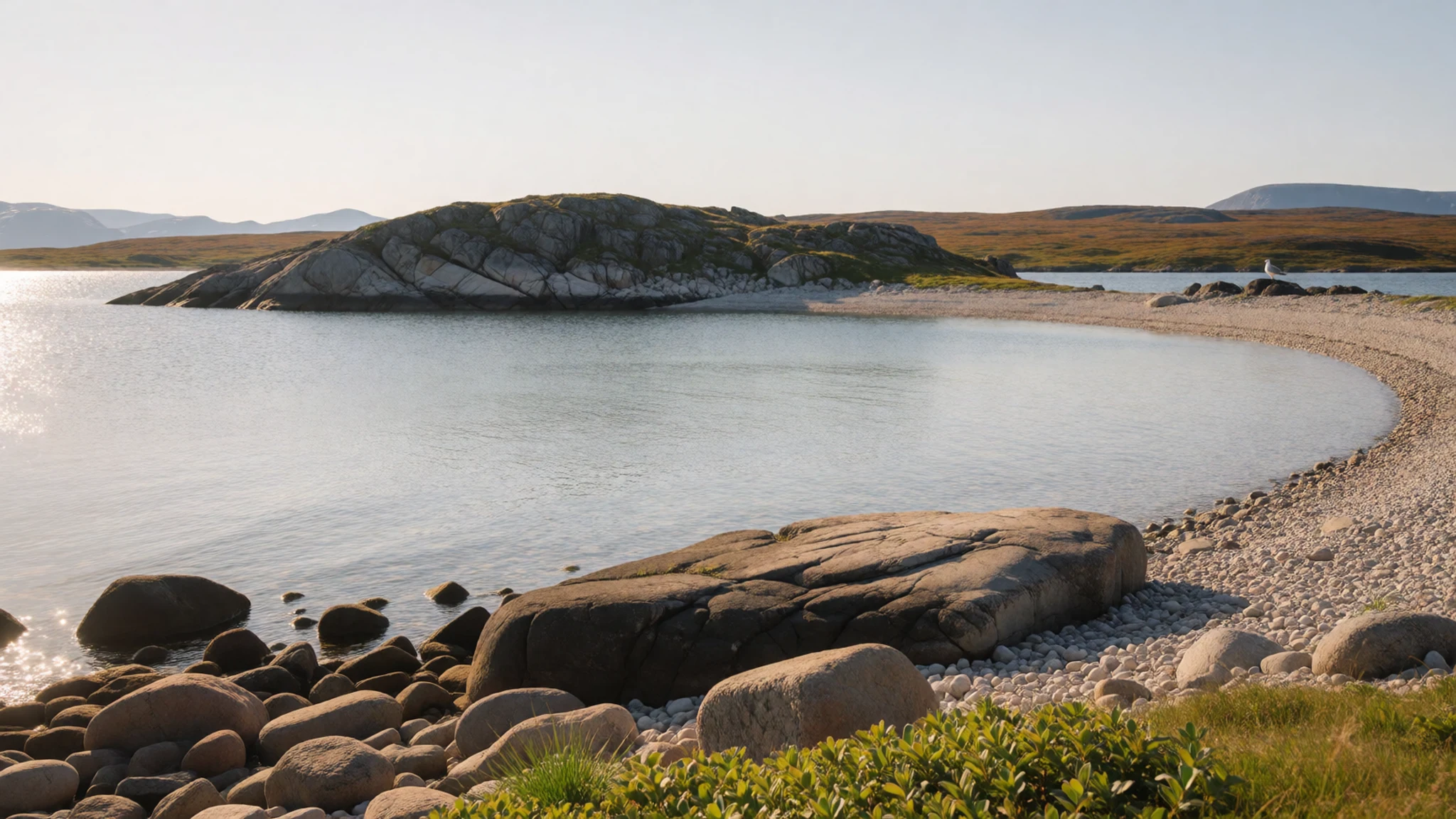
- Alluitsup Paa village — Kujalleq municipality
Alluitsup Paa is the nearest village and the sensible starting point. It is small, with a supermarket, a harbour and houses stepping up the rock. Walk round slowly, ask about boat trips, and watch the fishing boats come in. There is little formal sightseeing, which is part of its character.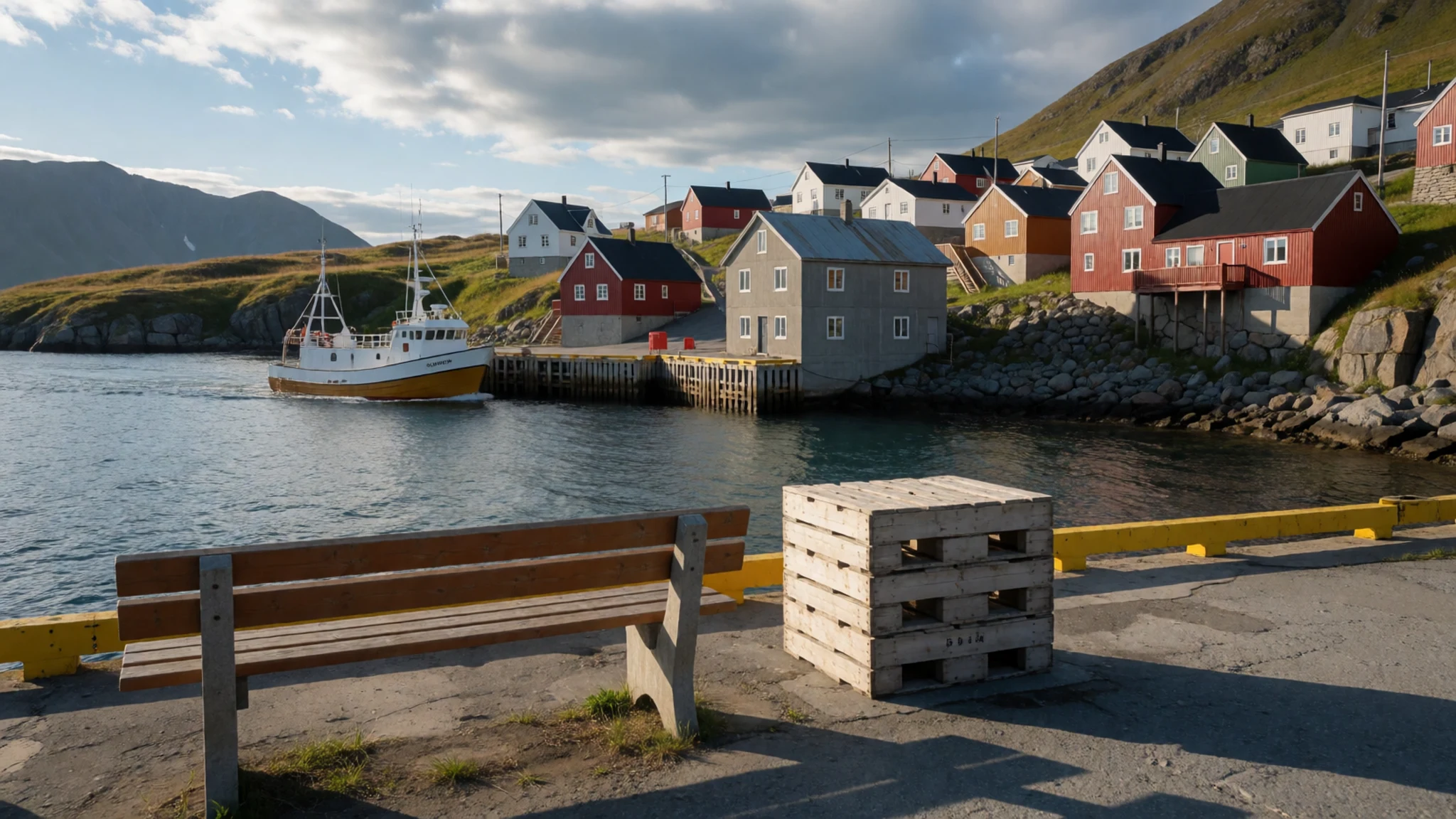
- Norse sites near the village — Around Alluitsup Paa
Seven Norse sites are recorded within a few kilometres of Alluitsup Paa. They are low ruins, mostly grass-covered stone outlines, rather than standing buildings. Go with a local guide or good map, keep to the paths, and leave stones where they lie. For a larger Norse church, look to the nearby places listed at the end.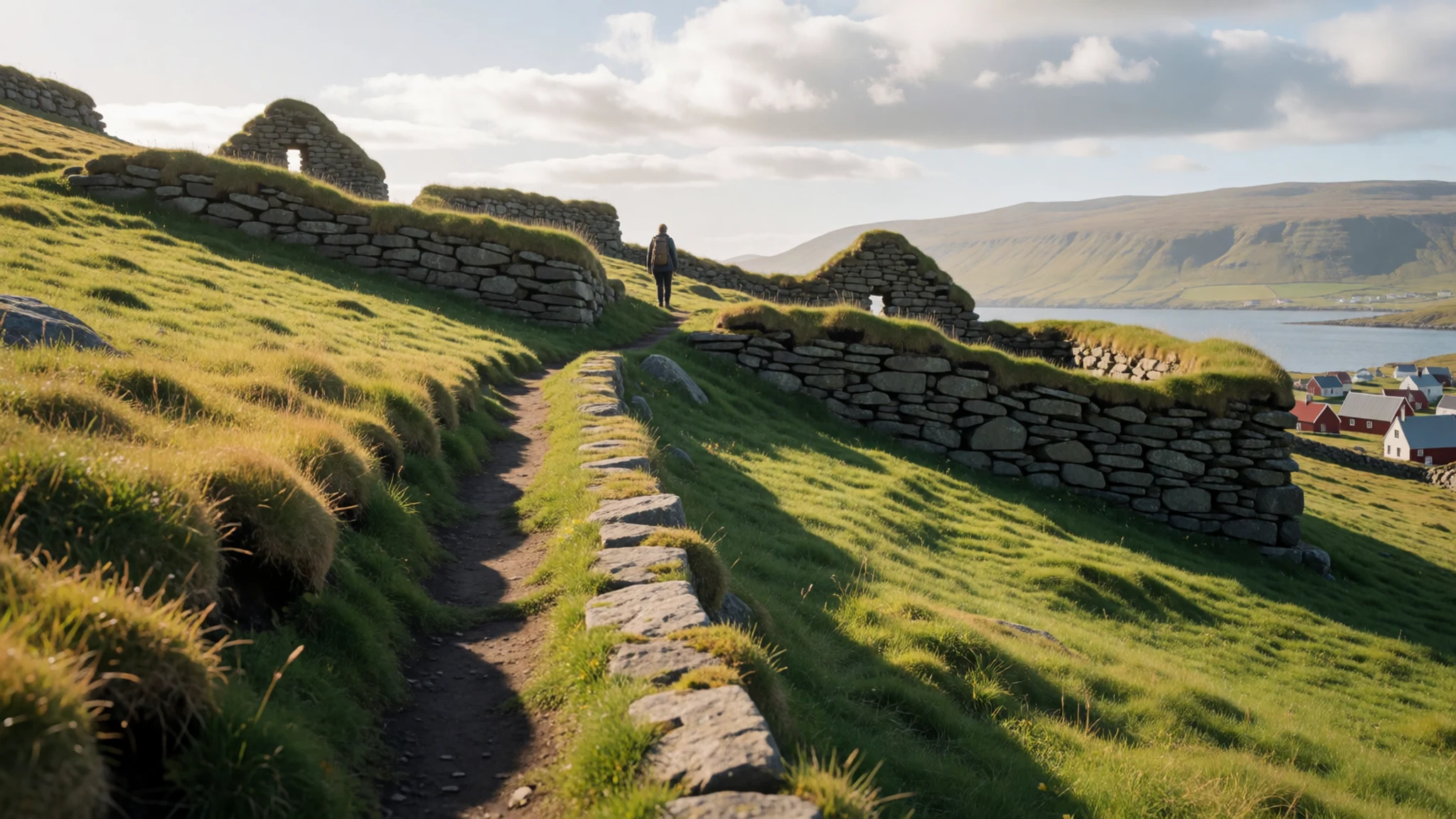
- Walking the coast — Hills and shoreline near Alluitsup Paa
There is no private land ownership in Greenland, so walkers can roam freely near most settlements. Paths are few, which makes the open hills above Alluitsup Paa feel untouched. Carry a map, water and warm layers, and tell someone your route. Permits are needed for glacier and national park expeditions, not for a coastal ramble.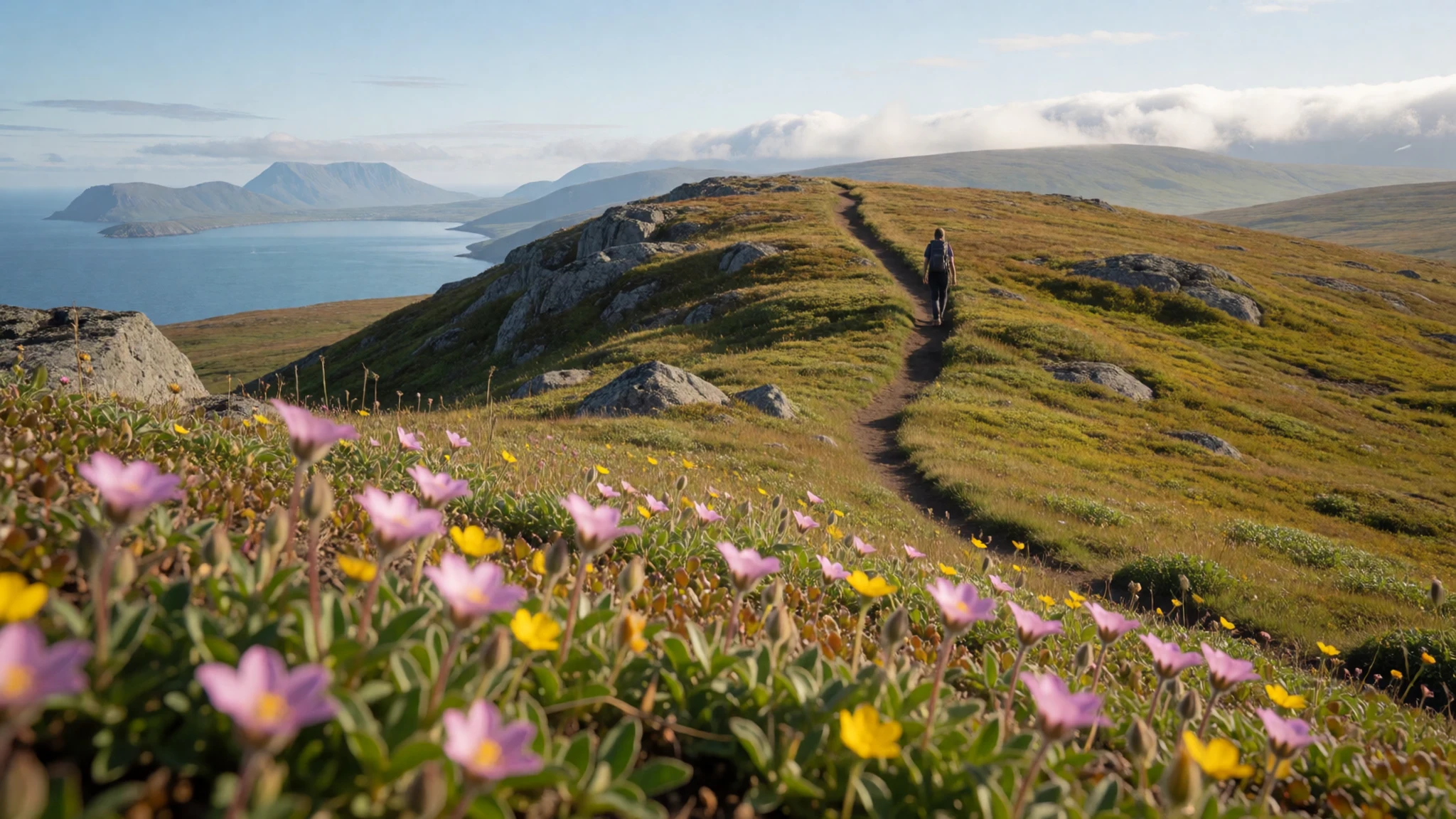
- Summer light and sea life — Coastal waters off southern Greenland
In the weeks around the summer solstice the sun dips only briefly below the horizon and the sky never gets fully dark. Boat trips along the coast may show seals and, with luck, whales. Wildlife is never guaranteed, so treat any sighting as a bonus and keep a respectful distance.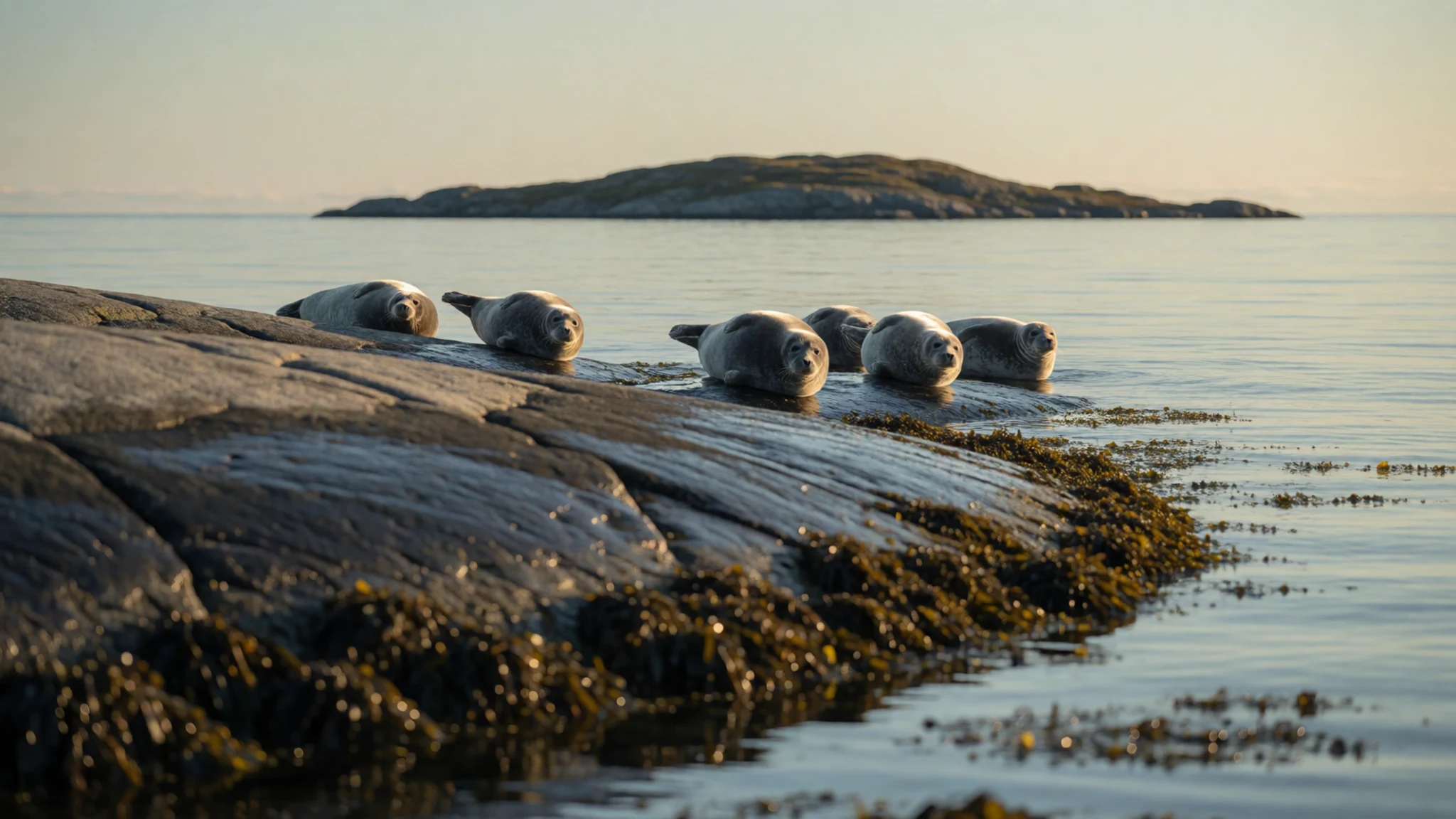
Culture
Uunartoq lies in a part of Greenland where daily life still follows the sea and the seasons. The people call themselves Kalaallit, and Greenlander is also fine. Fishing and hunting for seal and other animals remain part of how households eat and earn, and visitors will see skins, drying racks and boats at work. The villages are small and close-knit, and strangers are usually met with quiet courtesy rather than fuss. Religious life is shared across the district: at present the community of Alluitsup Paa holds its church activities in Qaqortoq. Greenland has governed its own affairs since 1979, voted for more autonomy in 2008, and many people talk openly about an independent future. Greenlanders consider theirs a separate nation, so do not say you are in Denmark. If sovereignty comes up, the correct phrase is the Kingdom of Denmark. The old outsiders' word Eskimo is now regarded as a slur and should never be used. Crime and hostility to foreigners are very rare, and the real hazards are weather and cold. Local life runs without fuss over signs and schedules, so patience and a willingness to ask are the best manners. Never use the word Eskimo, and say you are in Greenland, not in Denmark.
What to wear
Uunartoq and the villages around it share the Greenlandic national dress, called kalaallisuut, which is worn for confirmations, weddings and national days. Women wear sealskin trousers or skirts, a wide beaded collar in bright colours, and tall boots, and the beadwork often tells of family and region. Men's versions use sealskin and cloth with simpler decoration. For everyday life people dress for weather: wool, fleece, windproof anoraks, rubber boots and hats, with fishermen in heavy waterproofs. In the village, sportswear and outdoor brands are the norm, and neat but practical clothes are fine for shops and meals. Visitors should dress in layers whatever the month. Bring a waterproof, windproof shell, a warm mid-layer, wool socks, a hat and gloves, even in summer, as sea wind can be cold. Sturdy waterproof boots matter more than anything, since the ground is rock, bog and loose stone. In summer, bring an insect head net or repellent for still days. There are no dress codes for visitors beyond common sense, though covered shoulders and tidy clothes are polite at a church. If invited to a celebration, quiet, clean clothes show respect.
What to eat
- Locally caught fish — Harbour and local market in Alluitsup Paa
Fish from the surrounding fjords and open sea is the everyday protein here. Expect it boiled, fried or dried, usually with potatoes. Ask at the harbour or the village shop what came in recently, as the catch changes with season and weather.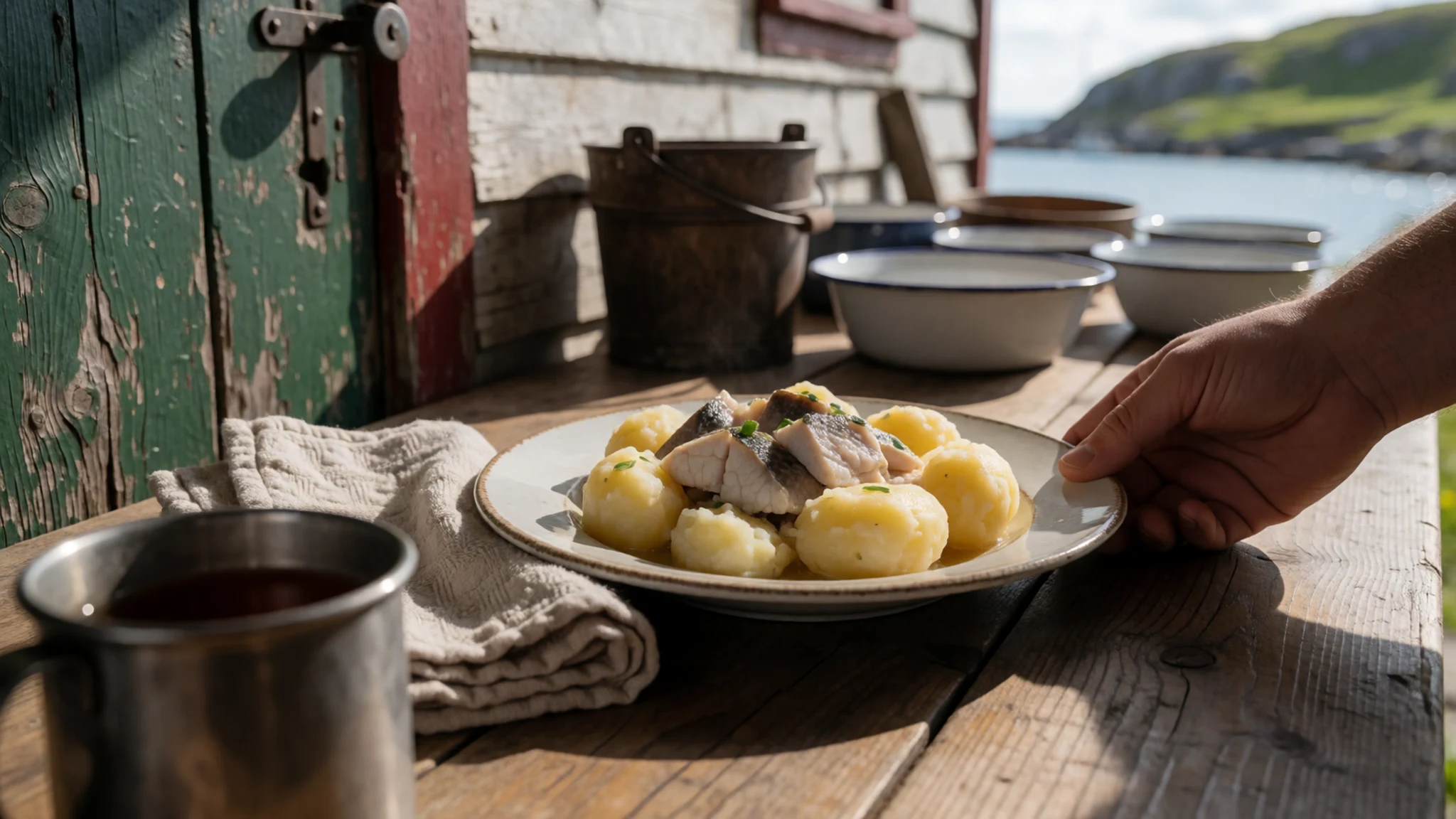
- Greenland shrimp — Village shops and small eateries
Cold-water shrimp are a staple across Greenland, served peeled in sandwiches, on salads or by the bowl. They are sweet, small and simple. Look for them wherever the village sells prepared food or fresh seafood.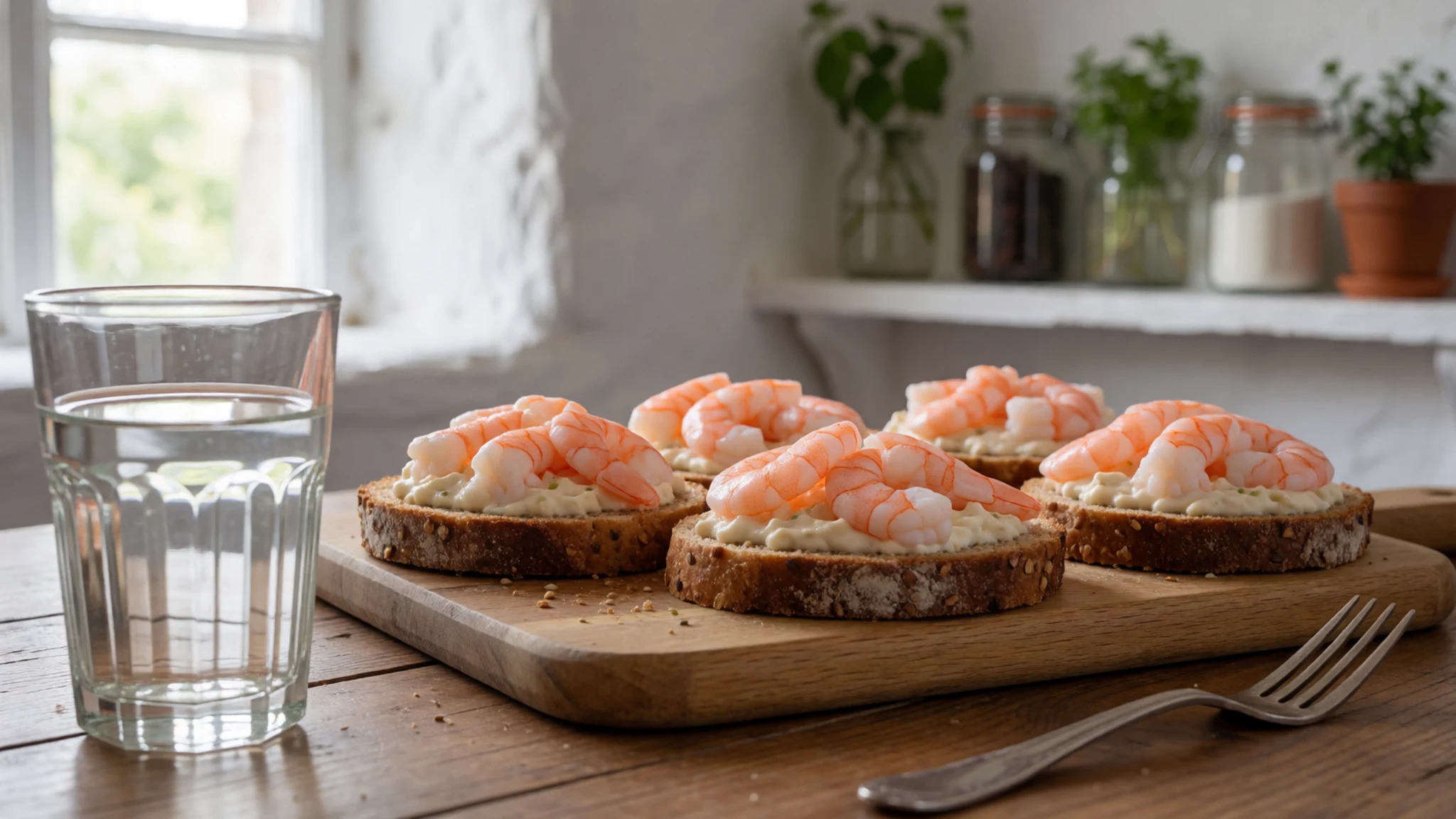
- Seal and whale meat — Local markets in nearby towns such as Qaqortoq
Traditional hunted foods are still part of Greenlandic cooking and are sold at local markets in many towns. Seal is dark and rich, whale often served as raw or cooked pieces. Visitors can try small portions, but should respect that these are living traditions. - Muskox and reindeer — Restaurants in larger southern towns
Muskox and reindeer appear on menus as roasts, stews or steaks, often alongside familiar European sides. Both are lean and strongly flavoured. They are easier to find in larger towns than in Alluitsup Paa itself. - Greenlandic coffee — Restaurants in towns such as Nuuk or Qaqortoq
A showy drink made with coffee and a mix of liqueurs and whisky, sometimes prepared with flame at the table. It is strong, so go slowly. It is served in restaurants rather than village shops.
Plan it
Best time. June to September. The days are long and the weather is milder, with sea routes mostly open, and midsummer light barely fades. Winter is cold, dark and hard to travel in, so only go then with proper clothing and local arrangements.
How long. 3–4
Getting there. Fly into Greenland, usually via Nuuk or Narsarsuaq, then continue by helicopter or boat towards Alluitsup Paa; check Air Greenland and the coastal ferry operators for current routes. The last leg to Uunartoq itself is a local boat trip arranged in the village. Non-Nordic visitors need a passport, and a Schengen visa is not valid here.
Budget. high
Tips
- Allow spare days: weather regularly delays boats and helicopters
- Book accommodation and boat transport before arrival, since options in the village are limited
- Carry cash and a card, and check what the village shop accepts
- Pack layers, waterproofs and insect protection even in summer
- Tell someone your walking route and carry a map and water
Etiquette
- Ask before photographing people or their drying meat and skins
- Say Greenland, not Denmark, and never use the word Eskimo
- Leave Norse ruins and stones exactly as you found them
Nearby
Sources
- Wikidata Q1569332 (CC0)
- Wikipedia: Uunartoq (CC BY-SA 4.0)
- Wikivoyage: Greenland (CC BY-SA 4.0)
- Uunartoq photo by Svickova, via Wikimedia Commons (Public domain)

Wildlife
- Harbour seal (animal)
The harbour seal, also called the common seal, is a whiskery swimmer that lives in cold northern seas and rests near the shore. Around Uunartoq, outings by boat beside the shoreline may bring one into view, though no particular season or hour is promised, so count it a happy chance. Watch from the boat, keep your voice low and your movements gentle, stay well back, and never offer food. Let the seal choose whether to come closer.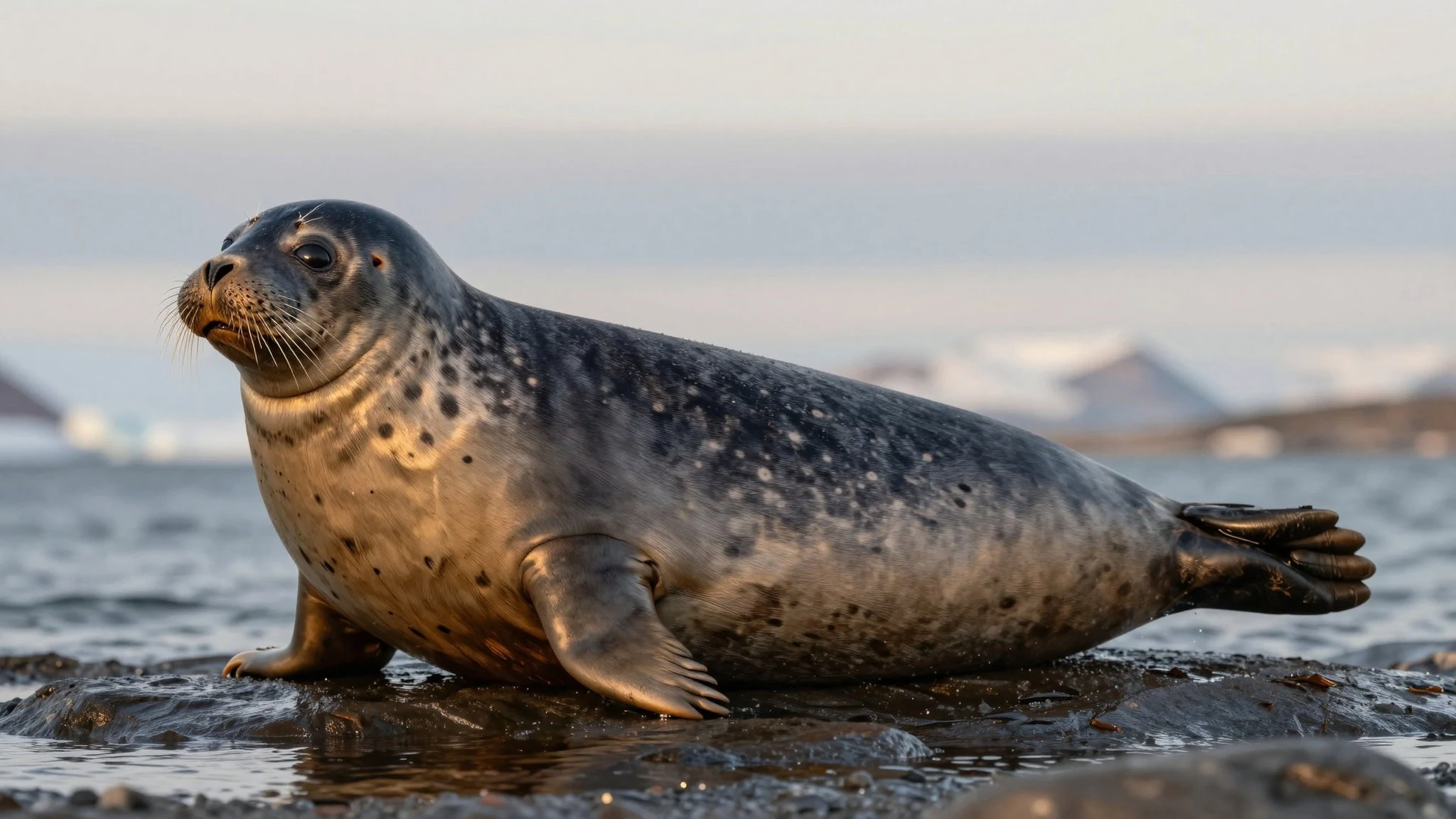
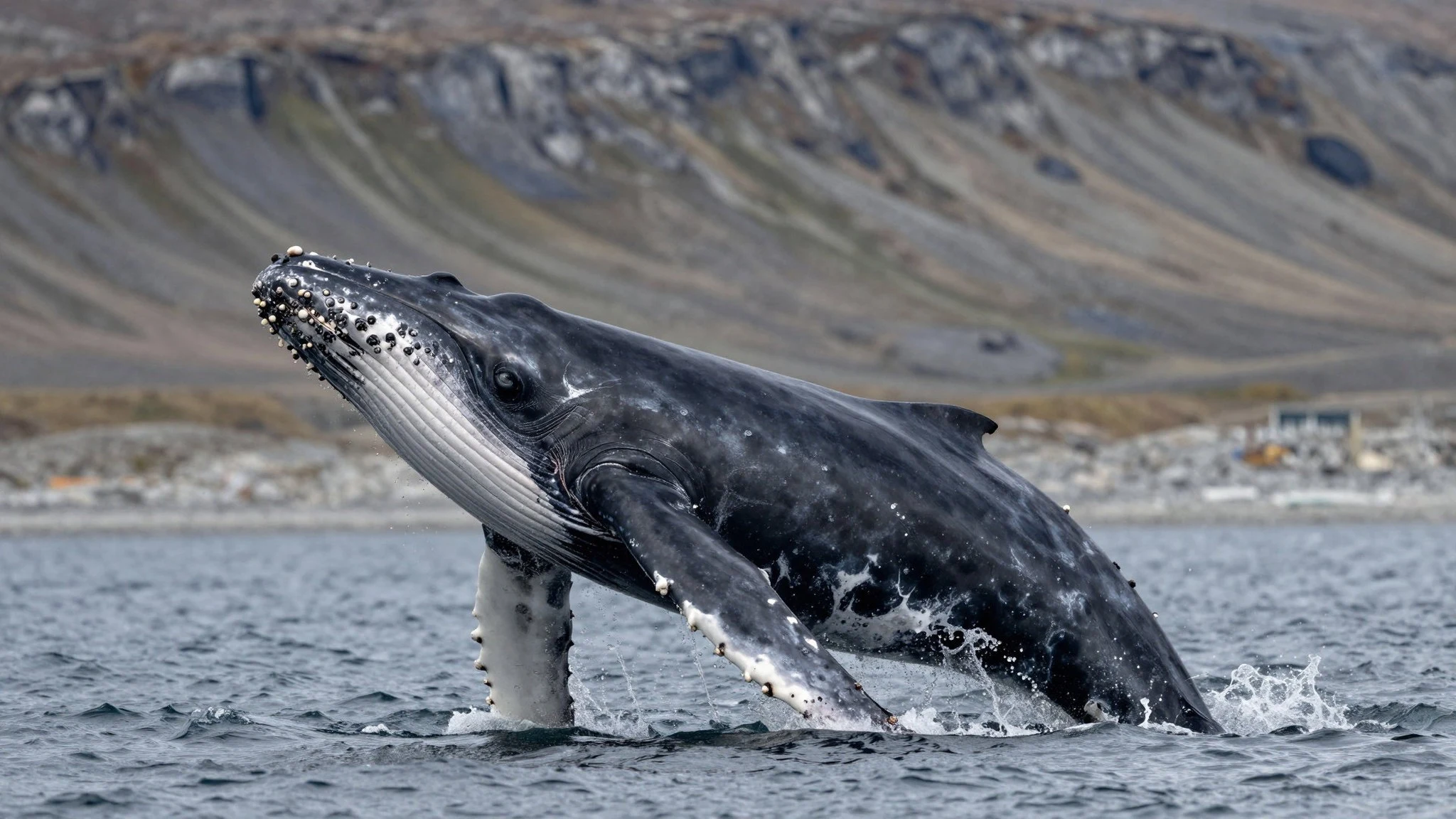
- Humpback whale (animal)
The humpback whale is a gigantic, gentle giant with long flippers and knobbly bumps on its head, famous for leaping from the sea and for the long songs the males sing. Around Uunartoq, an outing by boat beside the shoreline may, with luck, reveal whales, though no season or time of day is given, so treat any sighting as a gift. Keep a respectful distance, stay quiet, follow your boat crew's lead, and never feed it.