Nuuk
Nuuk, Greenland
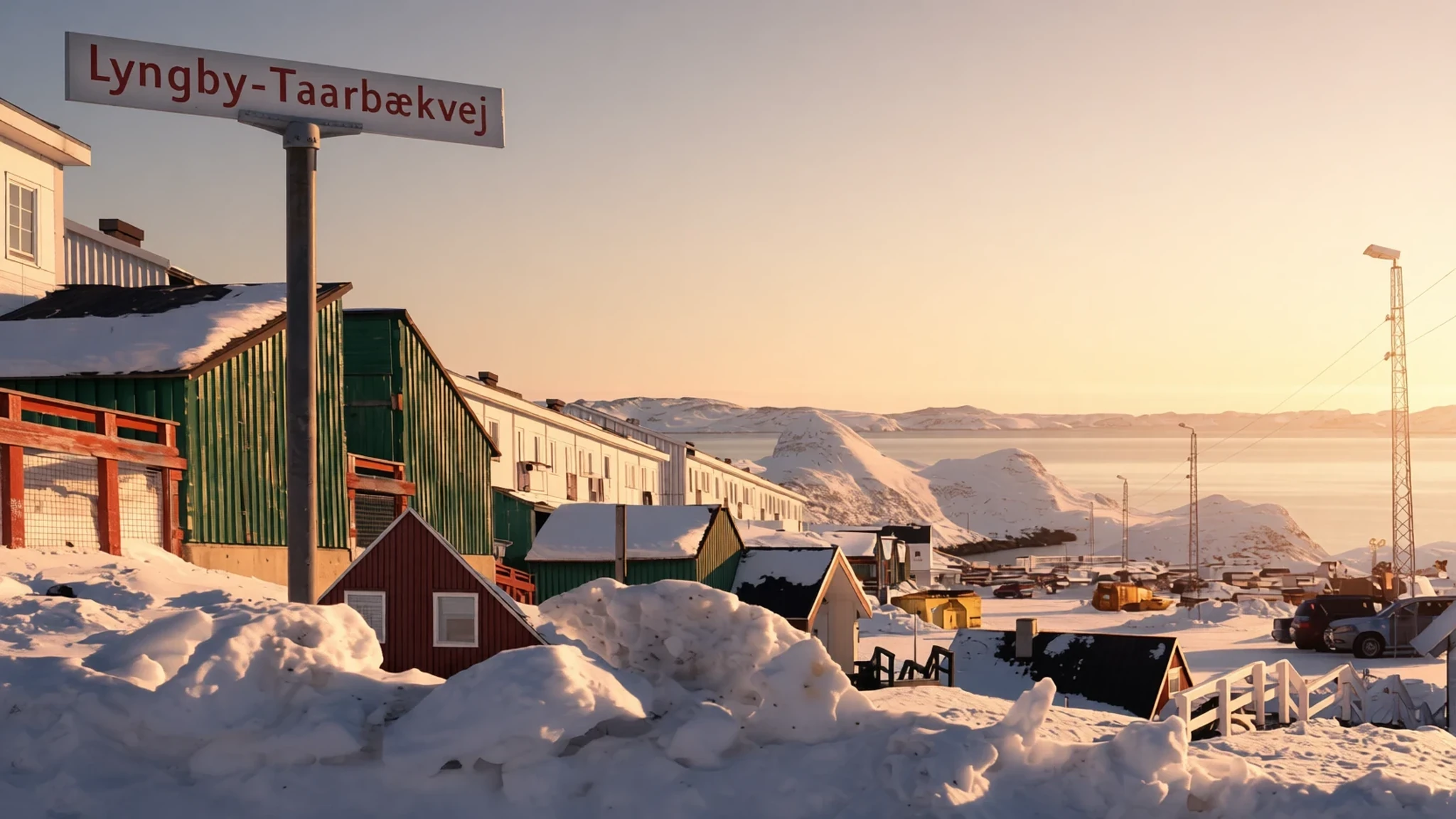
Nuuk is the world's northernmost capital, a small harbour city at the end of a long fjord on Greenland's southwestern coast.
The place
Nuuk is the capital of Greenland, an autonomous territory of Denmark, and the largest cultural and economic centre on the island. With a population of about 18,000, it is one of the smallest capitals in the world, yet it holds more than a third of the territory's people. The town sits where the Nuup Kangerlua fjord meets the Labrador Sea, roughly 10 kilometres from open water and about 240 kilometres south of the Arctic Circle. Its latitude, around 64 degrees north, makes it the northernmost capital in the world, a few kilometres farther north than Reykjavík.
The name Nuuk is the Greenlandic word for 'cape', a common element in place names across the country, and it refers to the headland setting of the settlement. For generations the town was known in Danish as Godthåb. After home rule was introduced in 1979, Greenlandic authorities took over the naming of places and favoured local names, and the older Danish form fell out of use over the following two decades.
Today Nuuk is the seat of the Sermersooq municipality and of the Greenlandic government. Government offices, shops, cultural venues and the harbour are concentrated in a compact centre, and the town is small enough that its main districts can be crossed on foot. Because there are no roads or railways linking towns in Greenland, the capital is also the hub from which boats and aircraft leave for the rest of the country.
Its story
Nuuk's story begins long before the town existed, because people lived around the Nuup Kangerlua fjord for thousands of years. Early groups of the Saqqaq culture were among the first to settle the area, followed by the Dorset culture, which occupied the district around the island of Kangeq for a long period. Norse settlers arrived later, but their presence in the Nuuk district ended in the late medieval period, for reasons historians still debate.
The modern town grew out of a missionary venture. Hans Egede, a Danish-Norwegian missionary and merchant, arrived in 1721 and set up the Hope Colony (Haabets Koloni) on Kangeq Island. The colony struggled, and the royal governor Claus Paarss moved the settlement to the mainland in 1728, founding the fort of Godt-Haab beside the Inuit settlement of Nûk. Greenland was still formally a colony under the united Danish-Norwegian Crown, although it had had little contact with Europe for a very long time. The first colonists were a difficult mix of mutinous soldiers, convicts and others, and most of them died of scurvy and other illnesses within the first year.
Disease then struck the local population hard. A smallpox epidemic a few years later killed most of the Greenlandic people in the area, and it also took Egede's wife. Over the following decades the colonial settlement became a trading post, a church centre and eventually the administrative hub of the country, and the old colonial quarter still preserves much of that history.
What to see
- Greenland National Museum — Town centre
The national museum is the best place to begin with Greenland's history and culture. Its most striking exhibits are centuries-old mummies, found decades ago and so well preserved that some of their facial tattoos can still be recognised. The displays cover Greenlandic life from early settlement to the present day, which gives useful context before heading out to the coast and the fjords.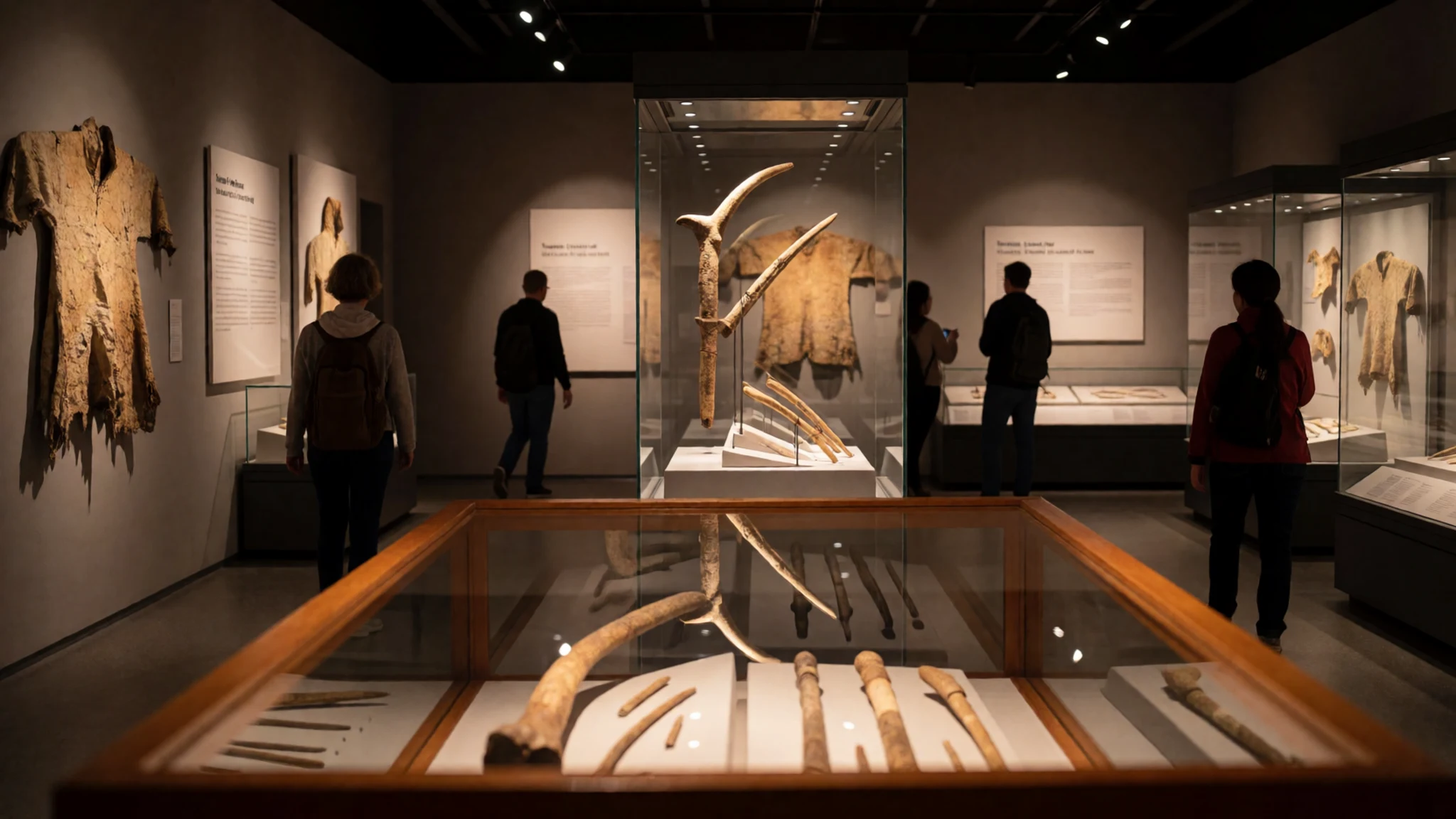
- Old Colonial Town — Old Nuuk, east side of the town centre
The old colonial quarter lies on the east side of the town centre and is the easiest part of Nuuk to read as history. Here stand a statue of Hans Egede, the missionary who founded the settlement, and Hans Egede's House, built in 1721 and reputed to be the oldest building in the country. It was later the residence of the prime minister and is now used for government receptions. The wooden Hans Egede Church is close by.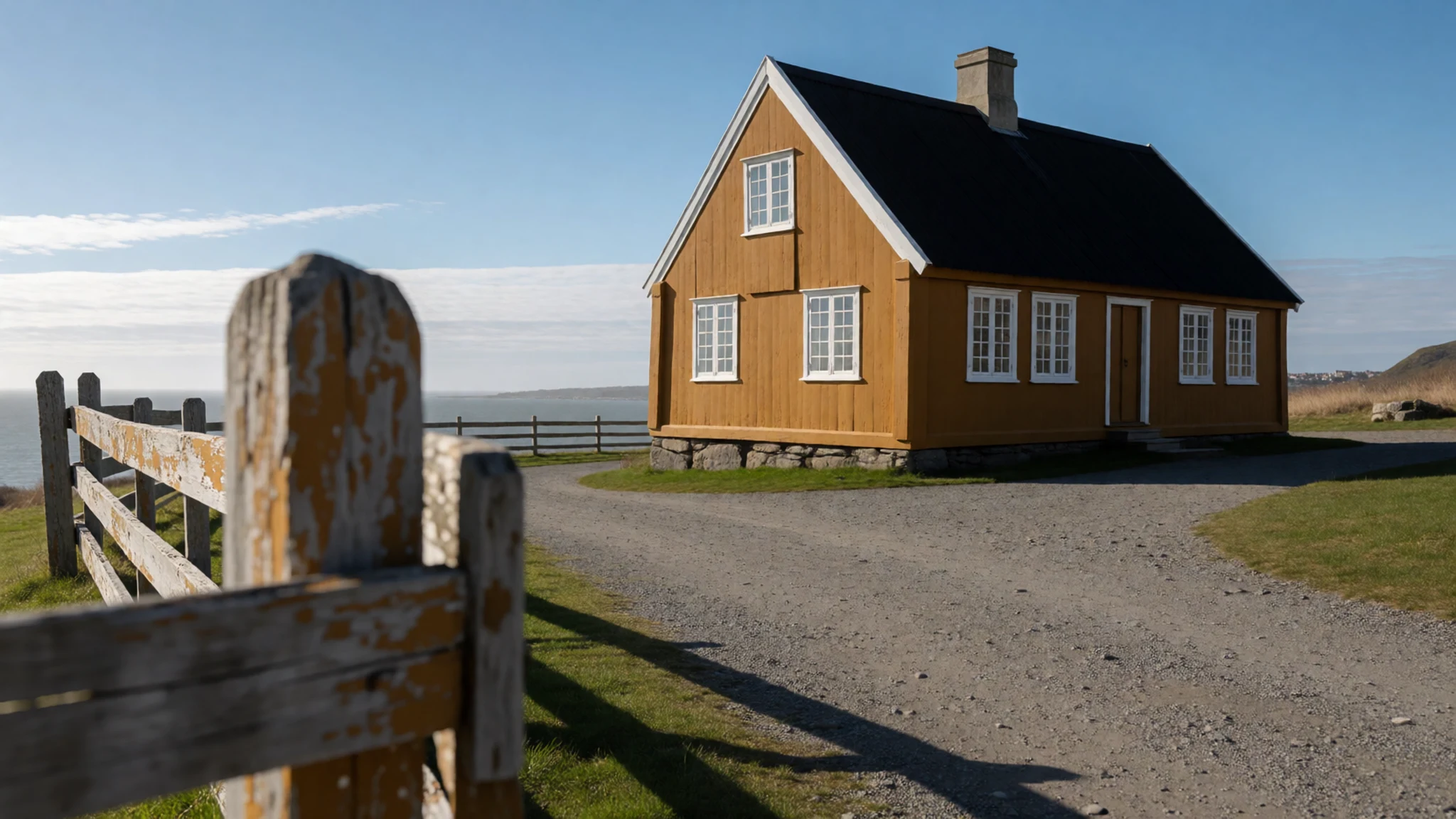
- Nuuk Cathedral — Town centre
Also called the Cathedral of Our Saviour, this red wooden church stands out in the town centre. It was established in the nineteenth century and remains one of the most visible landmarks in the built-up area. On National Day the church is the usual gathering point, and large crowds come to stand around it for the celebrations.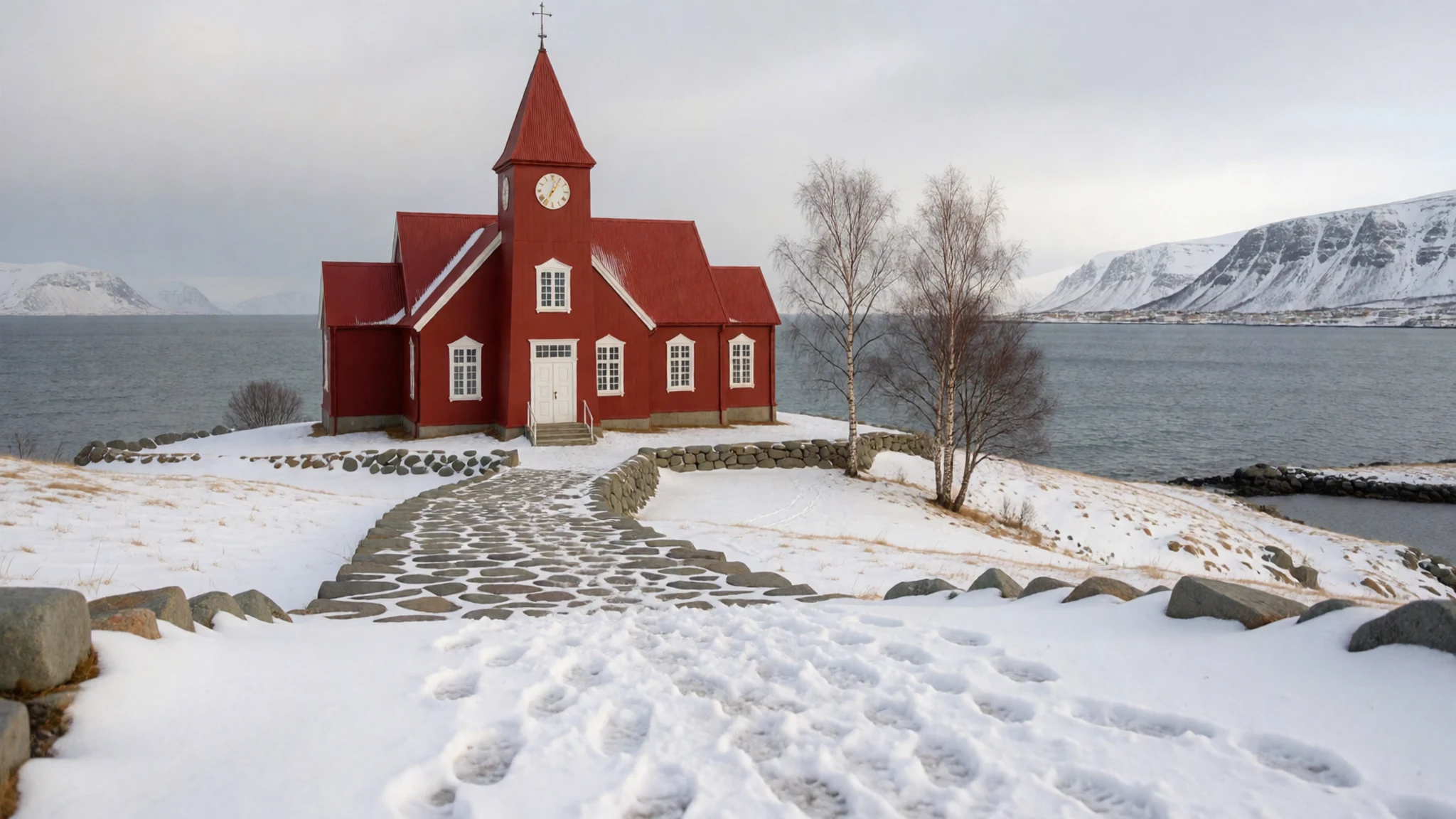
- Katuaq Cultural Centre — Town centre, near the harbour
Katuaq is the town's main cultural centre, hosting concerts, exhibitions and events. It is a practical stop for seeing contemporary Greenlandic culture alongside the historic buildings of the old town. Programmes change through the year, so check the official listings before planning a visit around a particular event.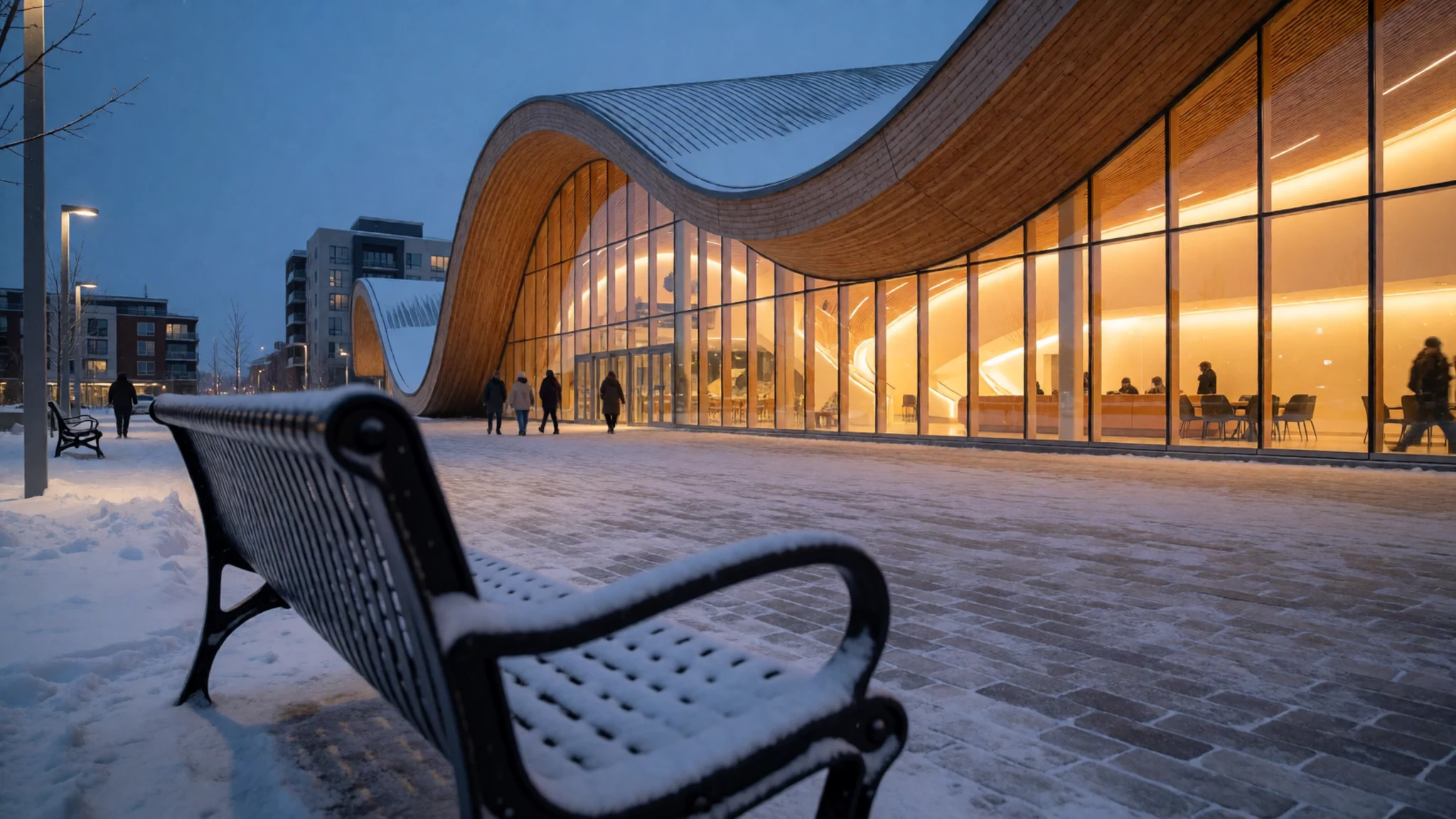
Culture
Nuuk is a town where Greenlandic identity is very visible. Greenlandic is the everyday language, and place names, street signs and shop notices often use the Greenlandic form rather than the older Danish one. The town's biggest shared occasion is National Day, when crowds gather around the cathedral. Hunting, fishing and sharing food from the sea remain part of daily life for many families, and that shapes what appears on restaurant menus.
Social life in Nuuk is friendly and direct but not loud. Conversation often starts with the weather, the sea or the day's catch, and people are glad to talk about their work and families once they feel at ease with you. Greenlanders have lived through a long colonial history, and the statues and museum displays in the old town are part of an ongoing discussion about that past, so it helps to listen before assuming a story is simple.
Hospitality is informal. Accepting coffee or a meal from someone is a friendly gesture, and in a small town people notice quickly how others behave, so loud or disrespectful conduct in public is noticed. Nightlife clusters in the town centre, where several bars sit within a short walk of each other, and the same courtesy applies there. Ask before photographing people, especially children, and keep your camera away from private gatherings.
What to wear
Nuuk dresses for the weather first, but its clothing has deep roots in Greenlandic craft. Traditional dress is built around sealskin and caribou hide, cut into parkas and trousers and worn with kamik, the soft skin boots designed for snow and wet ground. Beadwork and embroidered trim, often in bright colours, mark a garment as regional. These pieces are still worn for festivals, celebrations and some formal occasions, though many people now keep them for special days rather than daily use.
What people in Nuuk wear today is mostly modern outdoor clothing: waterproof jackets, fleece, wool jumpers and insulated boots. Knitwear is common, and the layered look suits the changeable Arctic coast. Some younger Greenlanders combine traditional materials and motifs with contemporary cuts, so a beaded collar or a sealskin detail may appear on an otherwise ordinary jacket.
For a visit, dress in layers that can be added or removed as the day warms or cools. A windproof, waterproof outer shell matters more than a heavy coat, because wind off the fjord can feel colder than the thermometer suggests. Bring a warm hat and gloves even in summer, and choose footwear with good grip for wet pavements, gravel and rocky ground. Smart dress is not expected in the cathedral or the museum, but warm, practical clothing is sensible throughout.
What to eat
- Mattak — Local-menu restaurants in the town centre
Mattak is whale skin with a thin layer of blubber, often served raw and cut into thin slices. It is a traditional food that many Greenlanders still eat, and it appears on the menus of restaurants that offer a local menu alongside international dishes. Ask the staff to explain it if the idea is new.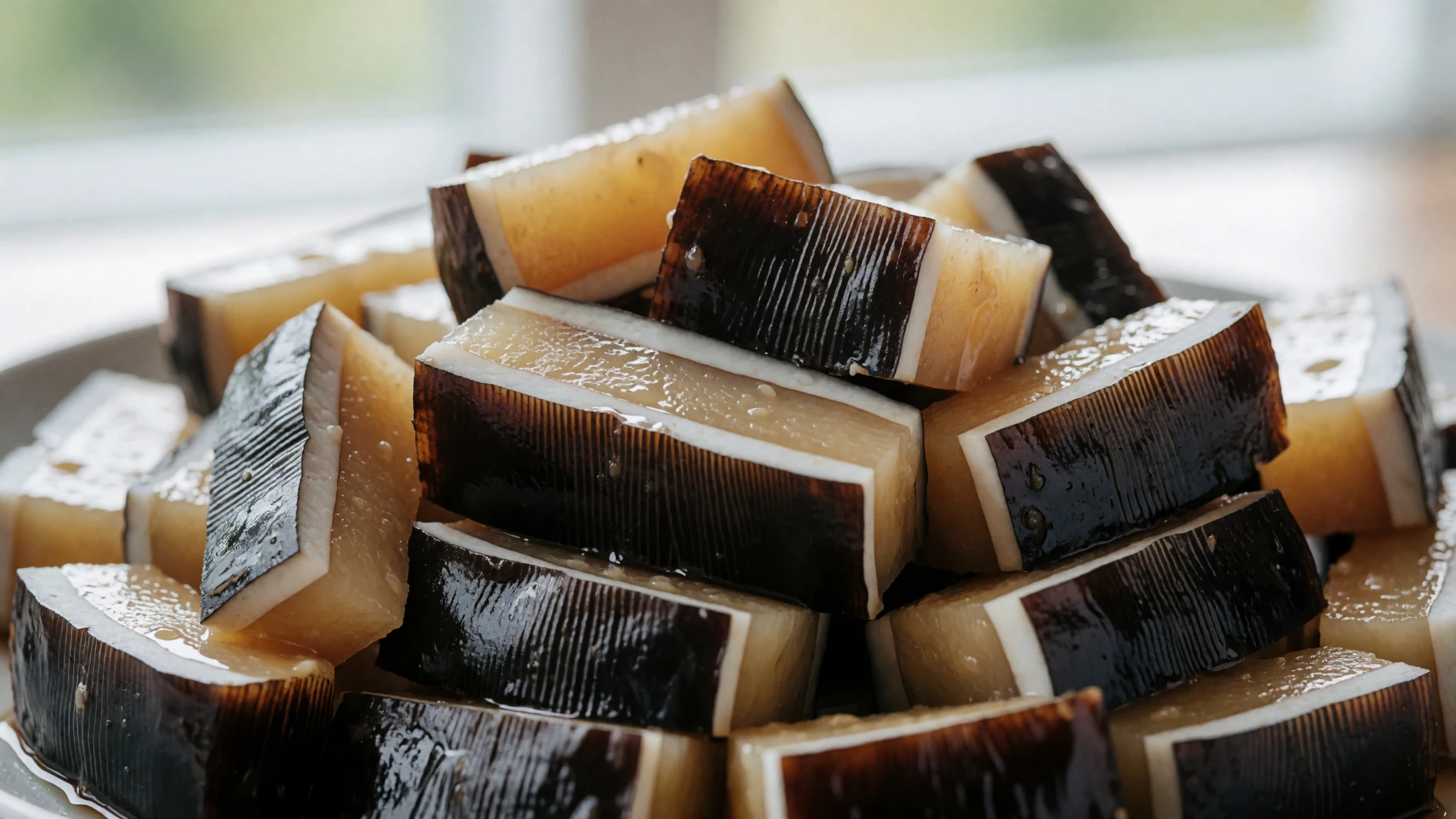
- Halibut — Thai-Greenlandic kitchens in the town centre
Halibut from the cold waters off the coast is a staple on local menus, often grilled or pan-fried and served simply with potatoes or vegetables. Its firm white flesh suits the fresh fish that arrives through the harbour. Look for it at Thai-Greenlandic kitchens in the town centre.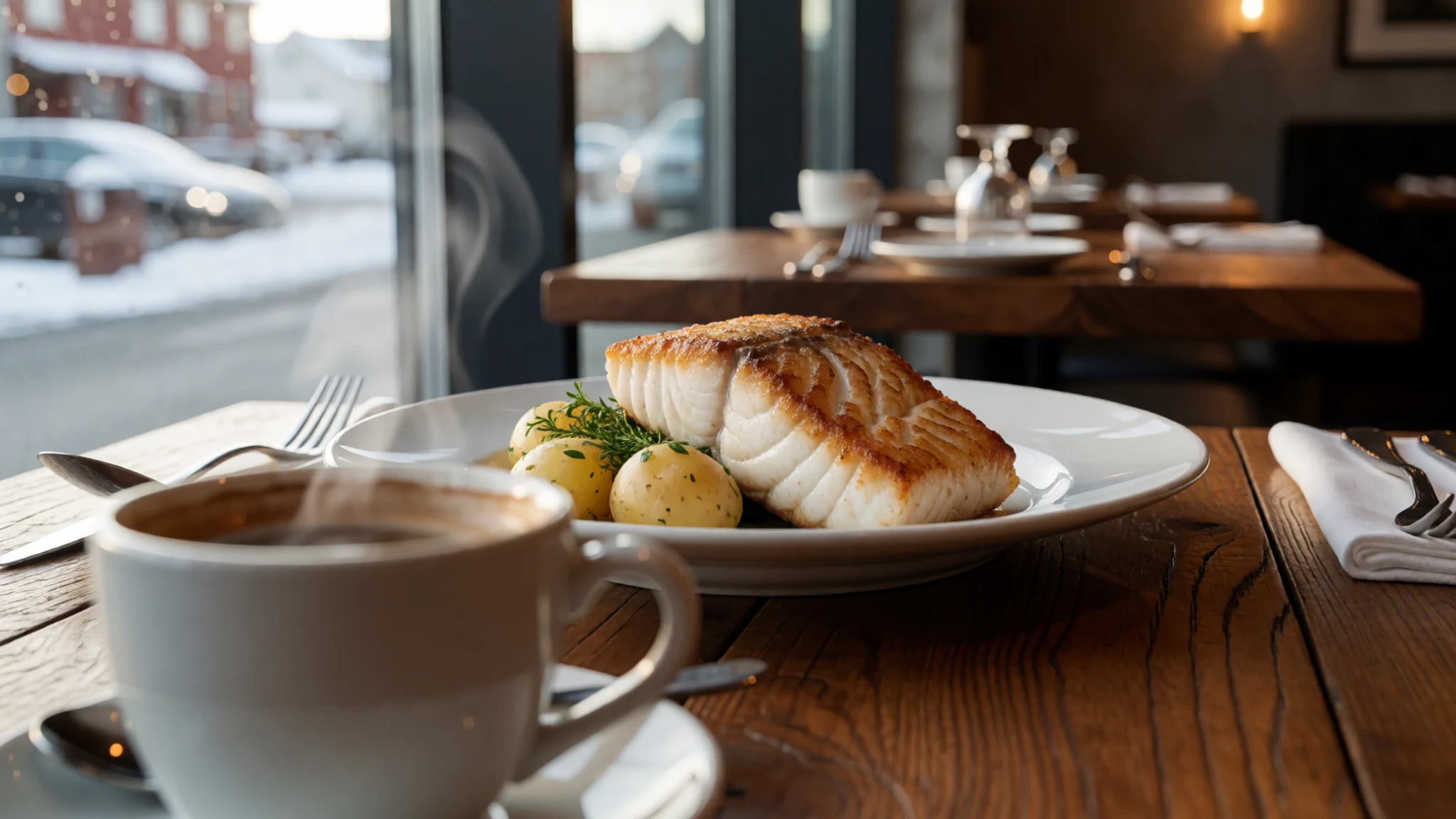
- Musk ox and caribou — Local-menu restaurants in the town centre
Game is one of the most distinctly Greenlandic features of many menus. Musk ox is dark, lean and rich, while caribou is milder and tender, often served as a thin steak or in a stew. Both show up on the local-menu restaurants in town, so check the menu. - Seal — Local-menu restaurants, the best place to ask about traditional dishes
Seal meat is a traditional food and a long-standing part of Greenlandic cooking. Its flavour is strong and rich, so it usually comes in small portions. Look for it on local-menu restaurants in the town centre, where staff can explain how it is prepared.
Plan it
Best time. Late June to August is the mildest stretch, with long daylight for walking and boat trips, though it stays cool and changeable. Late August into September suits aurora viewing as nights lengthen. Winter is dark and cold, and the harbour can be icebound.
How long. 2–3
Getting there. Nuuk Airport takes direct jet flights, with Air Greenland services to Copenhagen and Keflavík, and Icelandair flights to Reykjavík year-round, three times a week in summer and twice a week in winter. Within Greenland there are no roads or railways between towns, so the last leg is by Air Greenland or by boat.
Budget. high
Tips
- Book flights and accommodation early for summer, when seats and beds fill quickly.
- Check the Air Greenland timetable before committing to a connection, as weather can delay flights.
- Give the compact old colonial quarter a morning, and leave the afternoon for the harbour and museum.
- Carry a card and some cash, and check what each restaurant accepts before ordering.
- Pack waterproof and wind-resistant layers, because conditions change quickly off the Labrador Sea.
Etiquette
- Ask before photographing people, especially at family or community gatherings.
- Keep noise down in residential streets late at night.
- Use Greenlandic place names where you can, as the town now favours them.
Nearby
Sources
- Wikidata Q226 (CC0)
- Wikipedia: Nuuk (rev 1382271502) (CC BY-SA 4.0)
- Wikivoyage: Nuuk (rev 5412934) (CC BY-SA 4.0)
- Nuuk - capital of Greenland (patano), photo 01 (CC BY 3.0)
- Aerial view of downtown Nuuk (Quintin Soloviev), photo 02 (CC BY 4.0)
- Nuuk Cathedral in 2023 (Snoopy 31), photo 03 (CC BY-SA 4.0)
- Nuuk and Katuaq (Visit Greenland), photo 04 (CC BY 2.5)
- Statue of Hans Egede in Nuuk (Svickova), photo 05 (Public domain)
- Greenlandic children playing, ca. 1878 (Andreas Kornerup, National Museum of Denmark), photo 06 (CC BY-SA 2.0)
- Godthaabsfjord, photo 07 (Public domain)
- Nuuk skyline at night under the northern lights (Quintin Soloviev), photo 08 (CC BY-SA 4.0)


