Upernavik
Upernavik, Greenland
Upernavik is a working hunting town on a treeless Arctic island, where icebergs, midnight sun and sled dogs set the rhythm of daily life.
The place
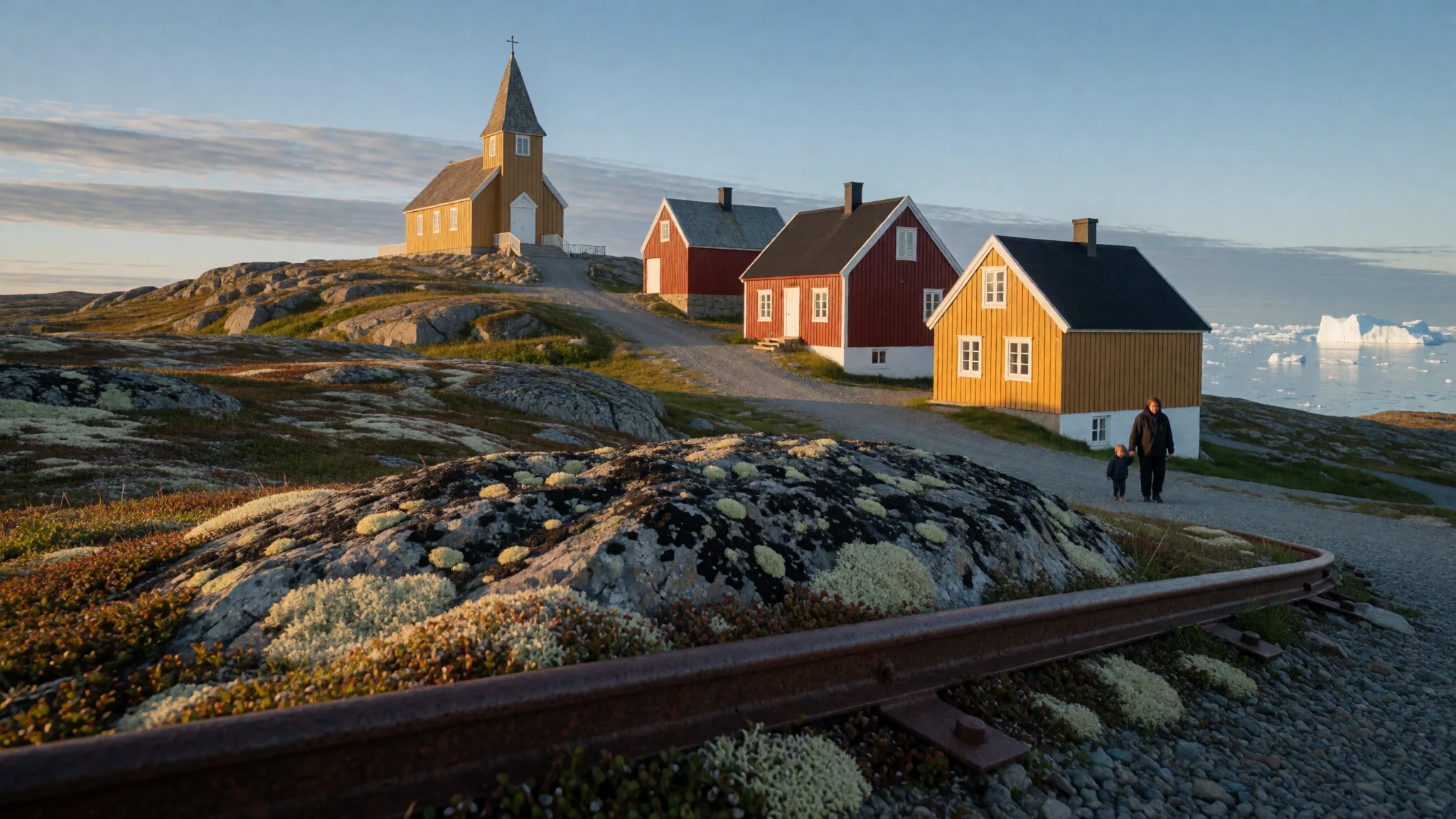
Upernavik is a small town on a small island off the northwest coast of Greenland, in the Avannaata municipality. About 1,100 people live here in brightly painted wooden houses scattered over bare rock. There are no trees, because summers are too cool for them, and the ground is tundra: lichen, moss and low plants between outcrops. The town is the hub for smaller settlements along the coast, and there is no road to any of them. People travel by helicopter, by boat in summer and by dog sled when the sea freezes. Beyond the harbour lies an archipelago of islands, channels crowded with icebergs from glaciers further inland, and the open water of Davis Strait. Light rules the year. In midsummer the sun stays up around the clock, while deep winter brings a long dark spell. The climate is classed as tundra. Winters are very cold and snowy and summers stay cool, with July averaging only 6.4 °C. Autumn and winter are the wettest seasons and spring is the driest. The sea is frozen from December until June, which decides how people hunt, fish and move about. The centre is modest: a museum, a church, a harbour, a few shops and a great deal of weather. This is a working Arctic community where hunting still shapes the calendar, not a resort dressed up for visitors, and it is quiet, remote and expensive to reach.
Its story
Upernavik was founded as a colonial settlement in 1772, and its island was once called Women's Island, a name that survives in older books alongside the English spelling "Uppernavik". The Danish trading post grew on ground that Greenlandic hunters had long used as a spring hunting ground, when seals and birds returned to the coast. Others had passed this way far earlier. In 1824 a stone carved with runes was found outside the town, now known as the Kingittorsuaq Runestone. Norse travellers probably left it in the late 13th century. The inscription lists three names and records the building of a stone cairn nearby. Norse finds this far north are rare, and small objects could have been carried even further by Inuit traders, so the stone is taken as the firm marker of how far known Norse voyaging reached. In later years the town served another purpose. Sailors searching for lost polar expeditions sometimes used it as a staging ground, a sign of how far it sat from anywhere else. What makes the story unusual is the overlap. Norse sailors, Inuit hunters, Danish traders and search crews all used the same sheltered patch of rock for the same reason: a workable harbour on an exposed coast. The museum keeps the original colonial buildings, so the trading-post years can still be walked through, and the harbour remains the centre of daily life.
What to see
- Upernavik Museum — Town centre
The museum occupies the original colonial buildings of the old trading settlement, so the site itself is part of the exhibit. Displays cover hunting, the trading era and daily life on this coast. It is small and works best as an hour's orientation before walking the harbour. Opening times change with the season, so ask at the tourist office.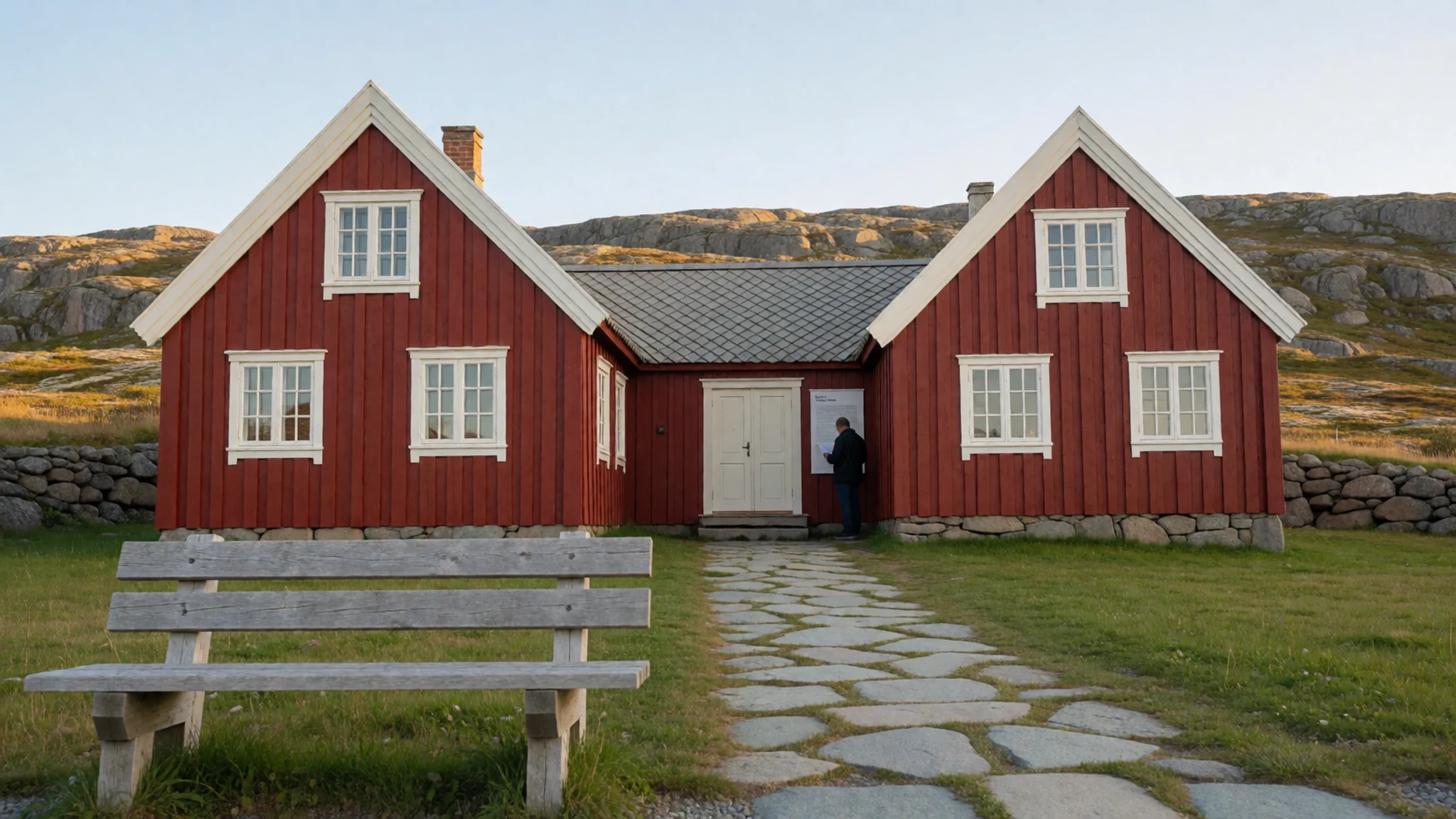
- Church of Upernavik — Town centre
The Protestant church is a modest building, but its colour and position make it the easiest landmark to spot from the water. Walkers use it as a fixed point on the rocky paths between the houses. Services are for the community, so step inside quietly or ask first.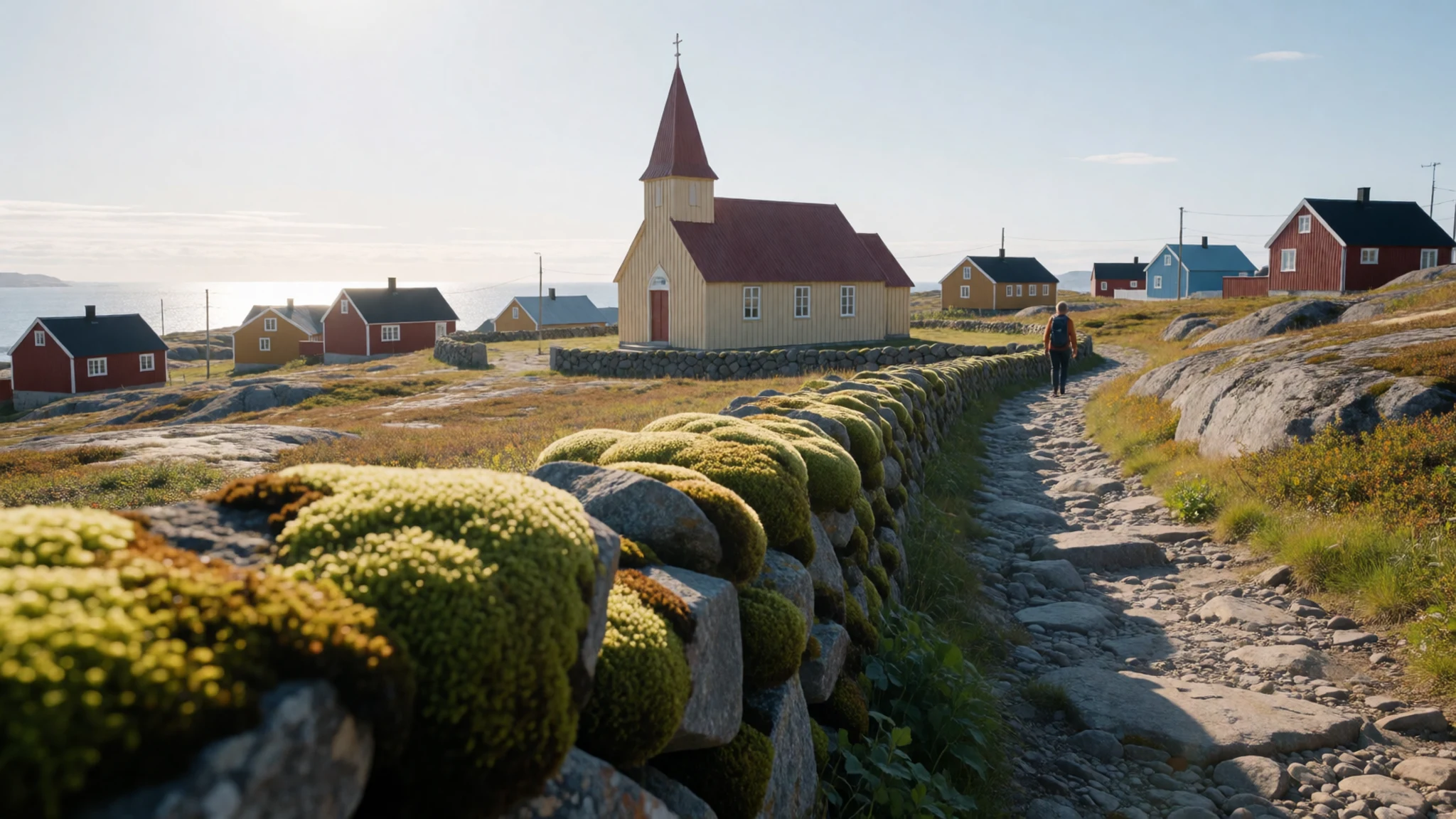
- Dog sledding across Davis Strait — Sea ice off the town
In winter the sea ice carries sled teams across the strait to fishing grounds used by local fishers. It is the only way to reach them while the water is frozen, from December until June. Trips depend on ice and weather, so book through the tourist office well ahead and be ready for plans to change.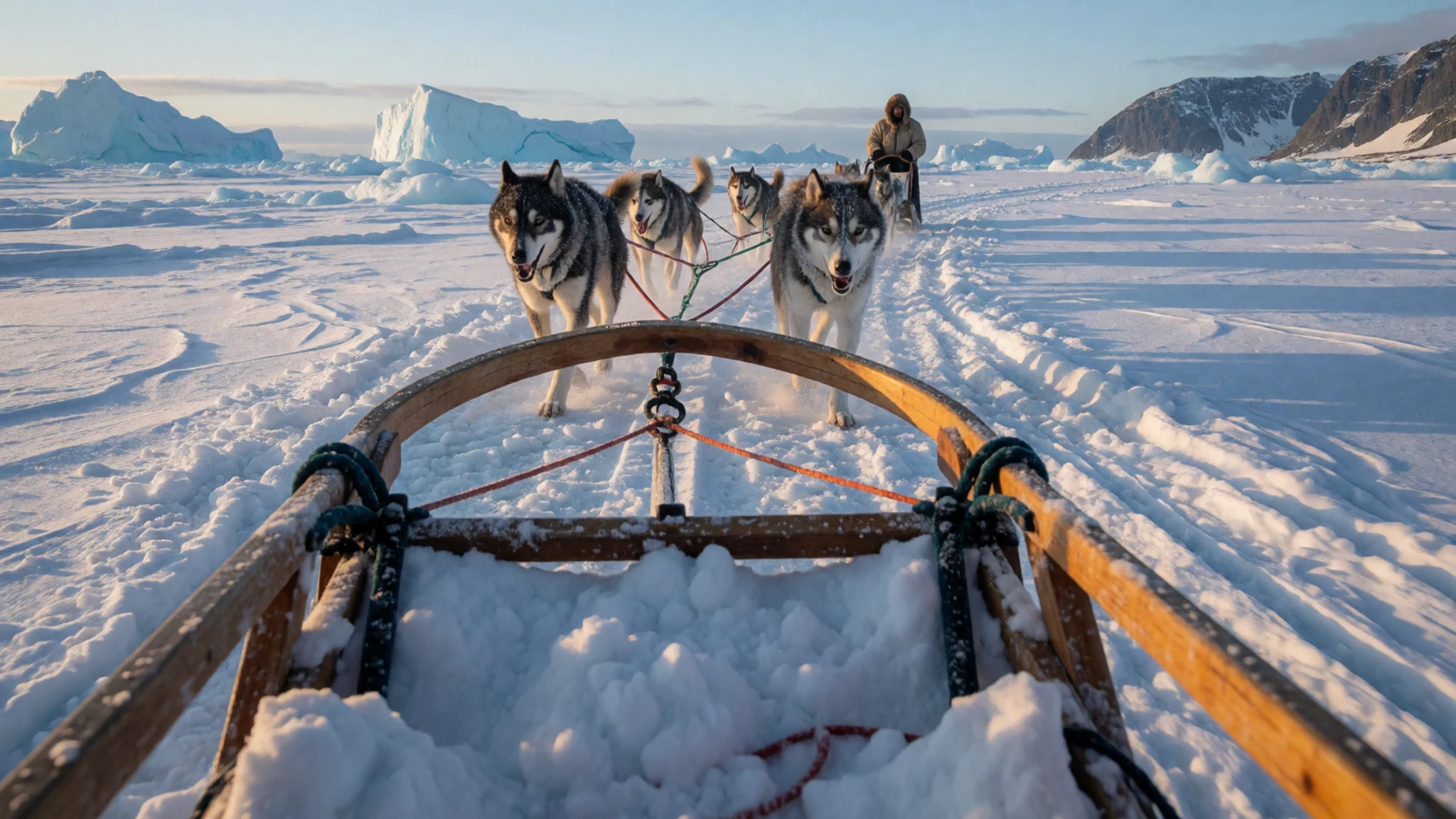
- Kayaking — Lakes and coast around the town
Kayaks and equipment can be rented in town, and the island's many small lakes are calm enough for paddling. Local hunters still use kayaks along the ice edge in spring and summer, so on the open sea it is wise to go with a guide who reads the ice and currents.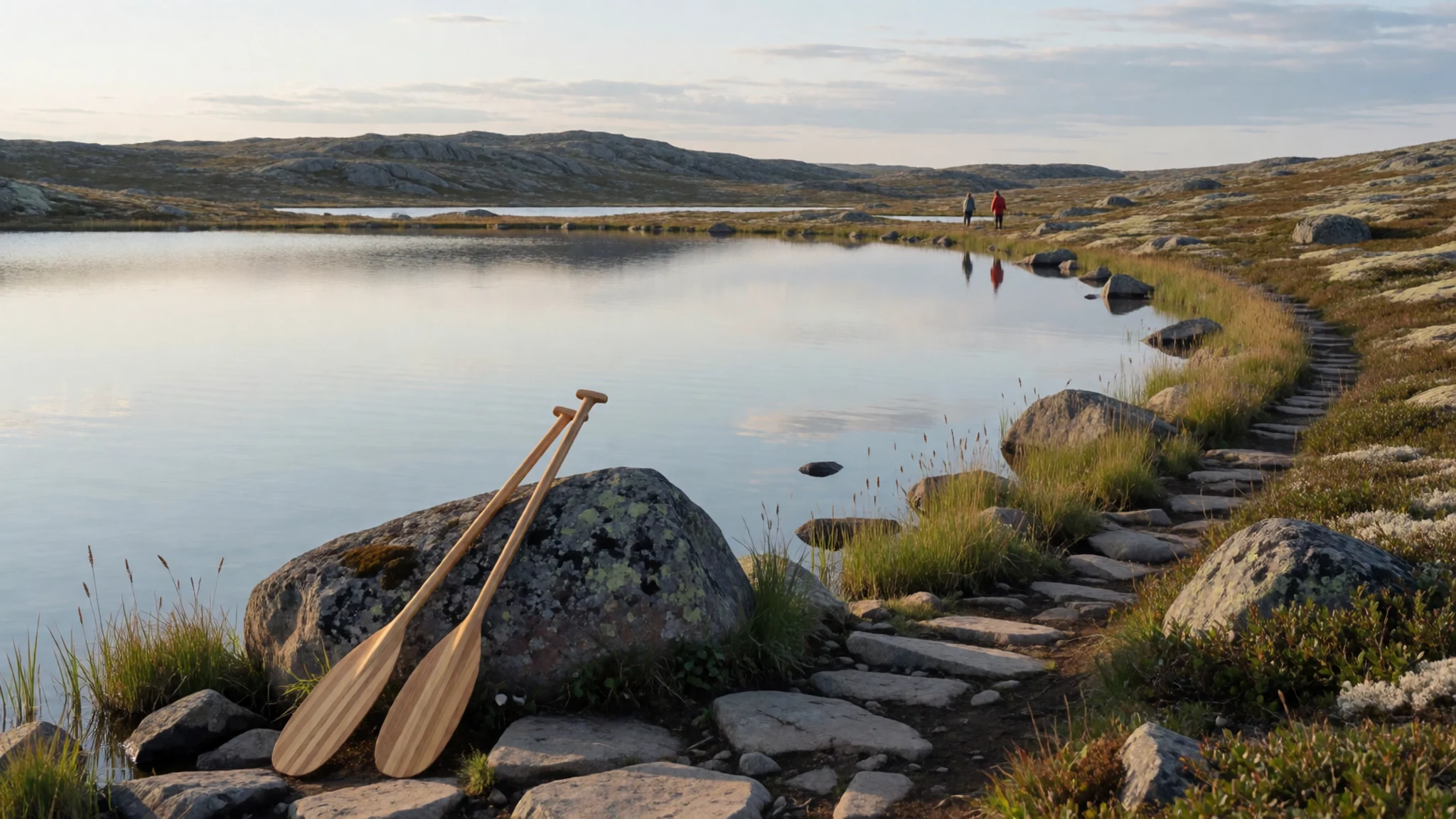
- Boat trips to the Upernavik Icefjord — Harbour and icefjord
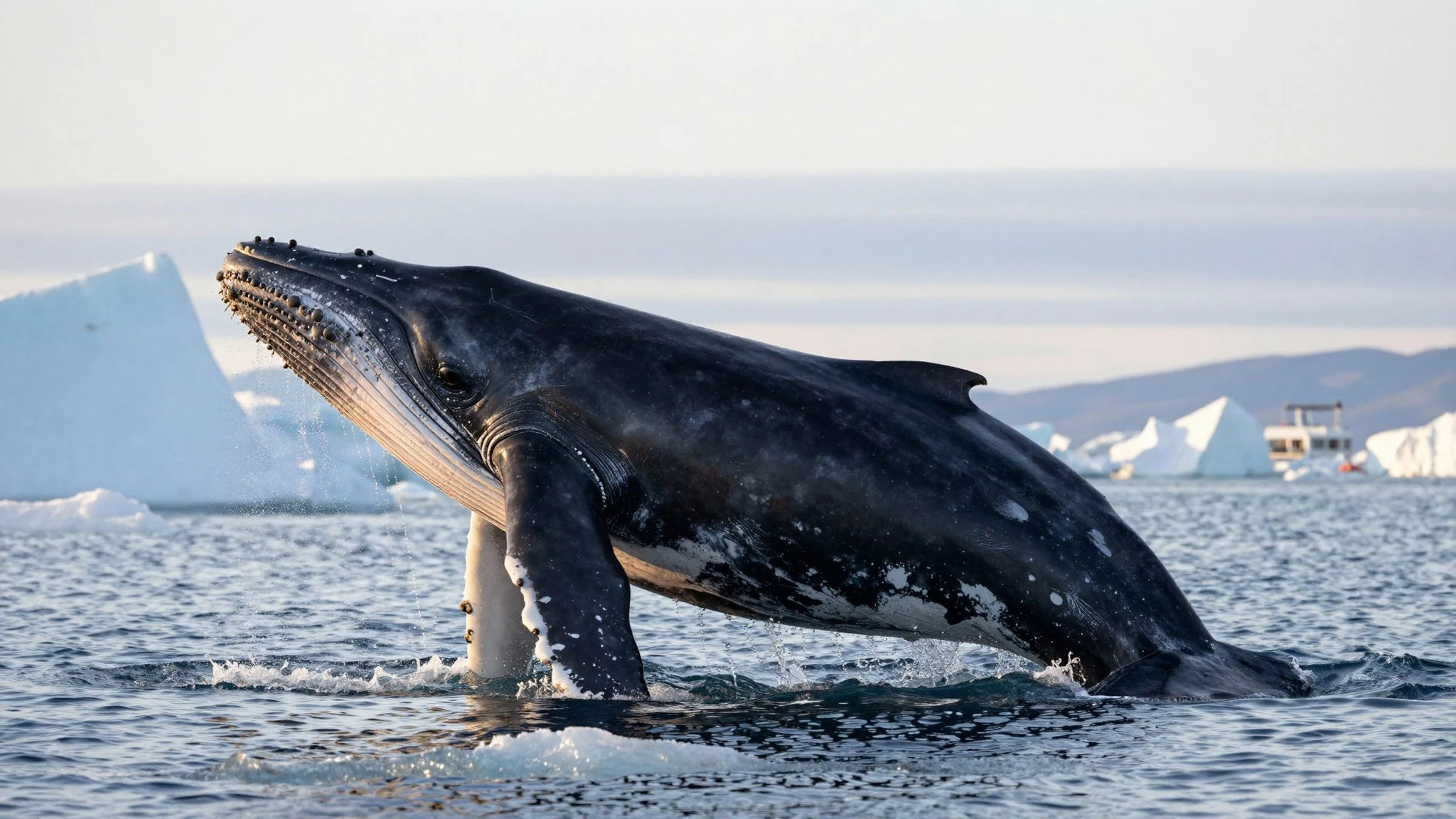
Boats head out among the icebergs and into the Upernavik Icefjord, and some outings are run as whale-watching trips. Icebergs roll and shed ice without warning, so skippers keep a safe distance. Summer is the main season, when the water is open. Ask the tourist office about current operators.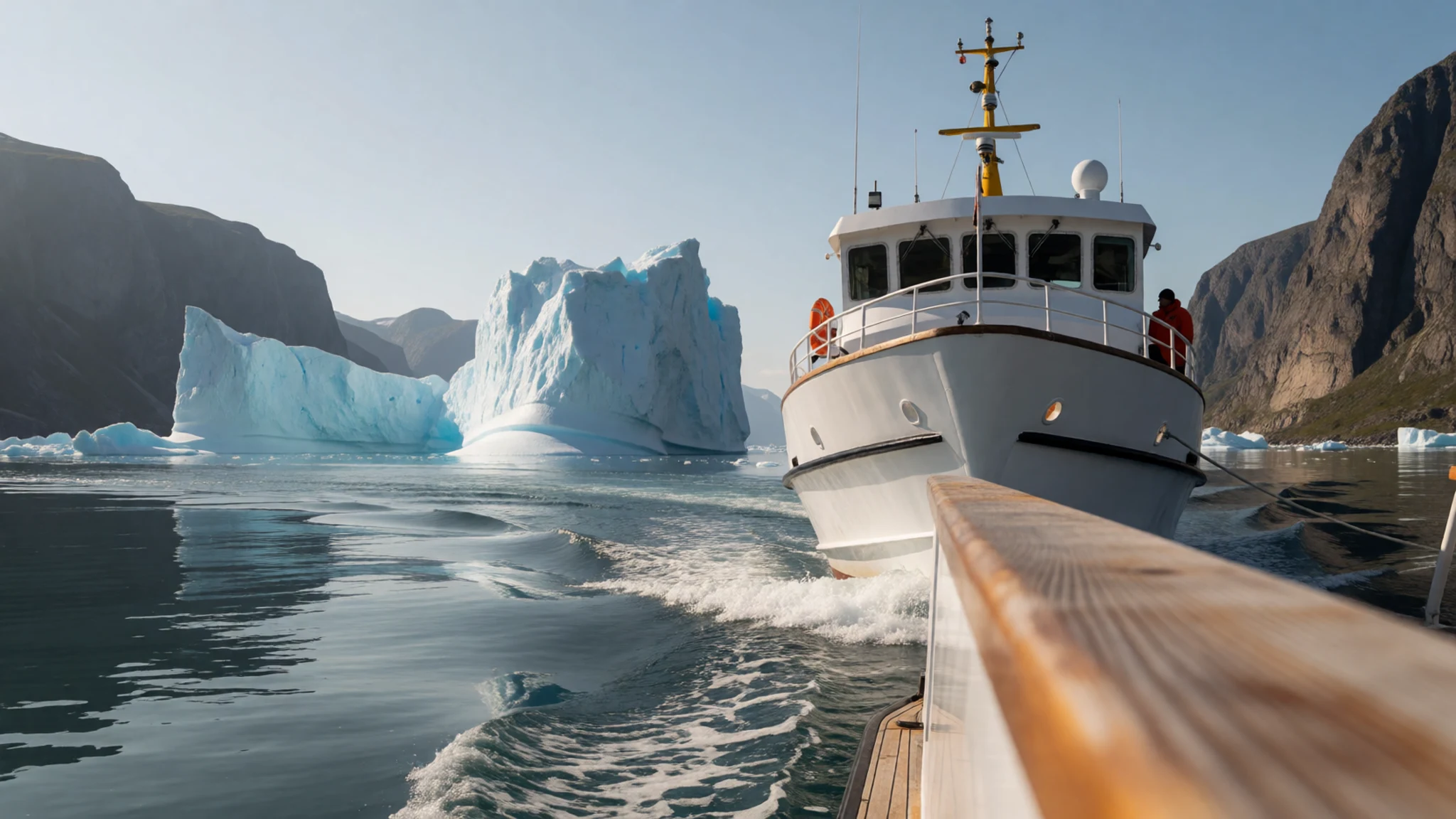
- The Kingittorsuaq Runestone story — Outside the town
The runestone was found outside the town in 1824 and carries Norse runes from the late 13th century. It is not a staffed attraction, so ask at the museum what is displayed and what can be visited. Even without a trip, the story explains why this coast matters to Norse history.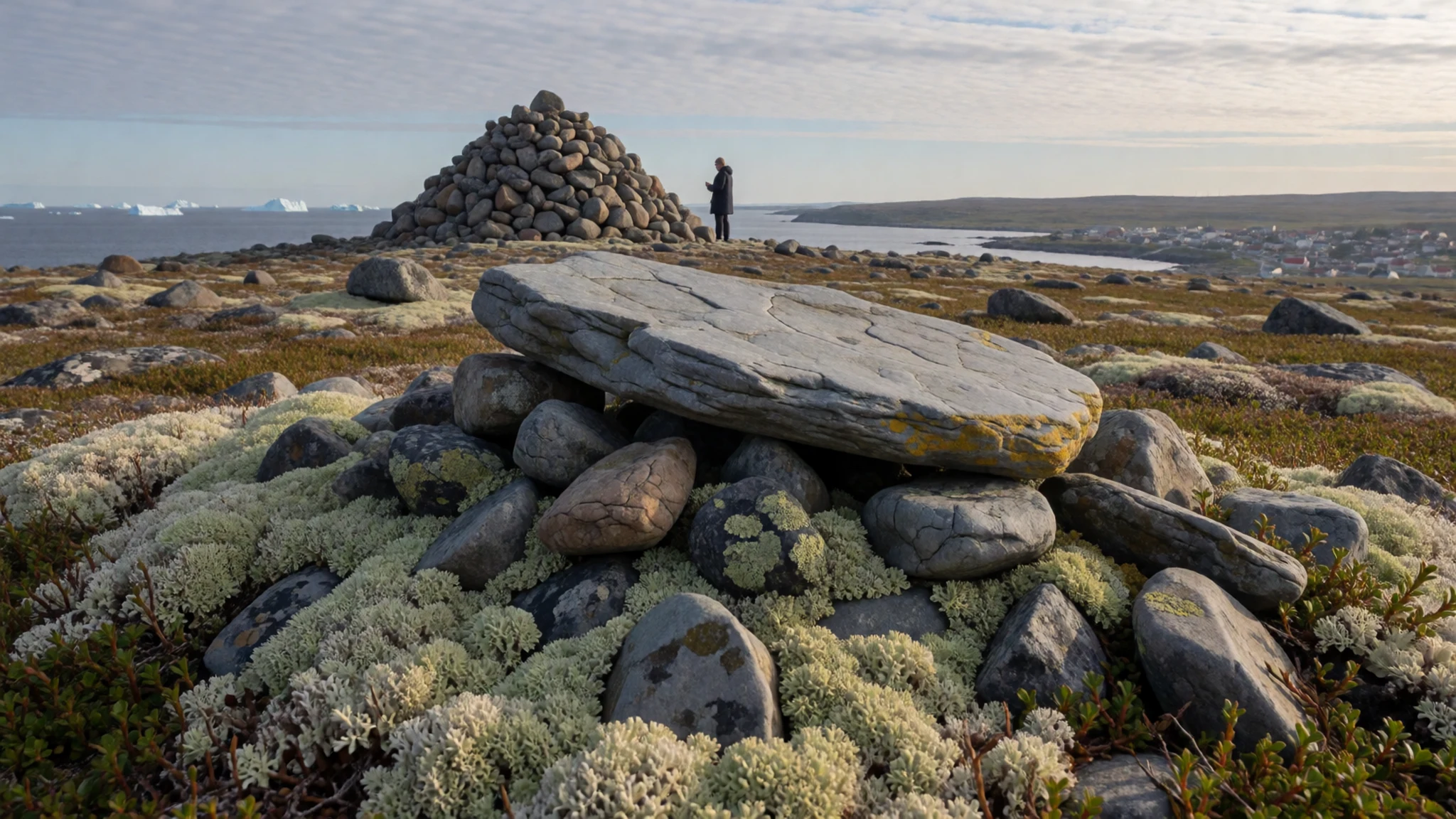
Culture
Upernavik is a community where hunting is a living trade, not a heritage show. Seals, fish and sea birds feed families, and the calendar bends around the ice: sledding in the frozen months, kayaks and boats once the water opens. This coast was a spring hunting ground long before the colonial settlement of 1772, and that continuity is the real culture here. Greenlandic is the language of daily life, with Danish widely understood and some English at the tourist office and in shops. The Lutheran church marks weddings, confirmations and funerals, and community events bring most of the town together. Home gatherings are informal and generous, and coffee and cake are offered to guests as a matter of course. Hunting gear, drying racks and dog teams are working tools, not props, and they stand beside houses where families live. The dogs are working animals, kept outside and not to be petted or fed as pets. Quiet watching from a distance is welcome, and landscapes and icebergs are fair game for photographs. People, their catches and their sleds belong to them. Ask before you point a camera at a person, a hunter's catch or a dog team, and accept a no without argument.
What to wear
Upernavik's traditional dress comes from the hunting life. Sealskin made the boots (kamiit), trousers and anoraks that kept hunters dry and warm on ice and in kayaks. Women's national costume pairs sealskin trousers and boots with a short top and a wide beaded collar in bright colours. Fabric, beadwork and fur are combined, and pieces are often made at home or handed down. This dress is worn for confirmations, weddings, church festivals and national day, not every day. Everyday clothes in town are practical and modern: fleeces, padded jackets, windproof shells, jeans, woollen hats and insulated or rubber boots. Hunters out on the ice still favour windproof anoraks and sealskin or heavily insulated boots. Visitors should dress in layers, since even a summer day can be cool and the wind off the water cuts through thin clothing. Pack a waterproof, windproof shell, warm hat and gloves, sturdy waterproof boots for rock and mud, sunglasses for glare off water and ice, and a head net for mosquitoes in summer. In winter, a proper polar parka, insulated boots and mitts are essential, and operators often lend gear, so ask. For the church, neat and modest clothes are enough, and no formal dress code applies.
What to eat
- Suaasat — Home kitchens, community events and local eateries
A thick Greenlandic soup, traditionally made with seal, whale or reindeer meat, onion and potato, and thickened with rice or oats. It is warming, simple and usually served at home or at community events, so ask locally where it is on offer.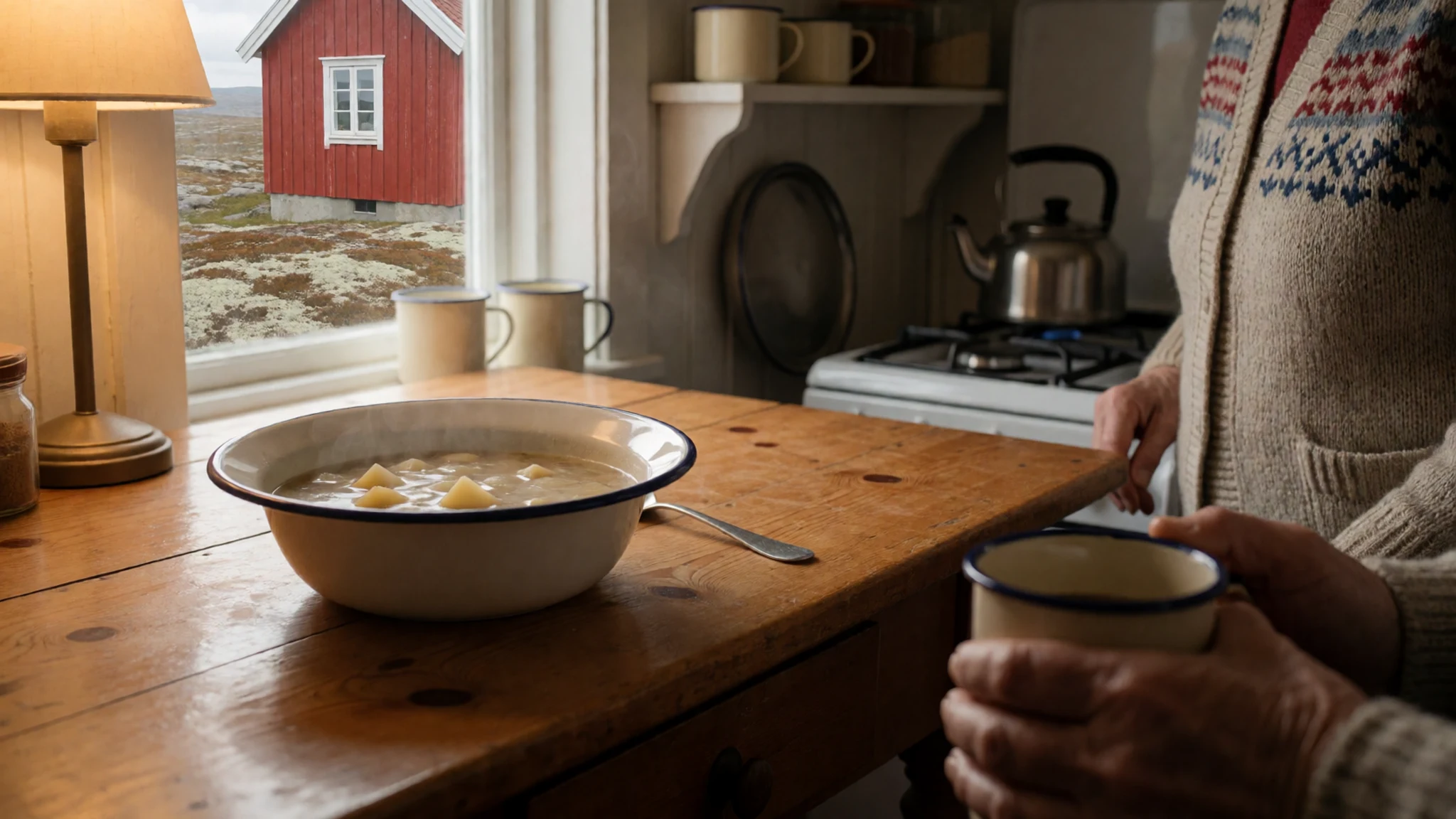
- Fresh halibut — Local eateries and the harbour
Halibut caught in the cold waters of the fjords is cooked simply, often boiled or fried, and served with potatoes. The catch comes in by small boat, so what is available depends on the season and the ice.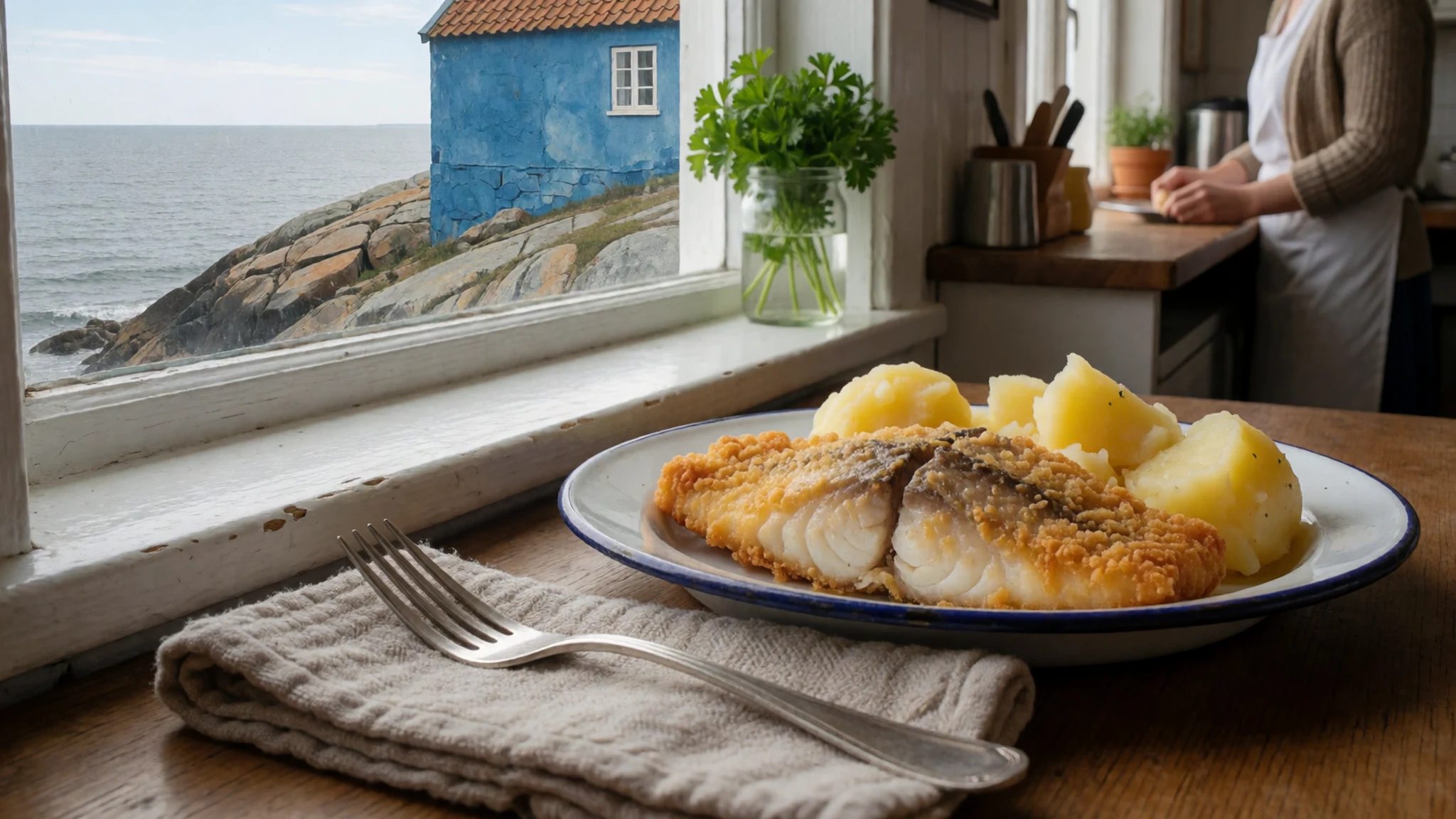
- Dried fish — Drying racks by the houses and small local shops
Fish hung on racks in the wind and cold keeps without refrigeration and is eaten as a salty, chewy snack, sometimes with butter. The racks beside houses show it is a normal part of local life. - Mattak — Harbour-side sales by hunters, or as a guest at home
Whale skin with a thin layer of blubber, eaten raw in small cubes and chewed slowly. It is an acquired taste and a traditional food of the Arctic. It is usually shared at home or bought from hunters after a catch. - Seal meat — Family tables and local eateries
Seal is a staple of hunting households, served boiled, dried or in soup. Its rich, dark flavour is strong. Eating it is a way to understand the local economy, which is built on what the sea provides. - Coffee and cake — Private homes at celebrations
A kaffemik, an open-house gathering with coffee and cake, is the usual way to celebrate birthdays and confirmations. Visitors are occasionally welcomed, so accept an invitation warmly if one comes.
Plan it
Best time. June to September, when the sea is open for boats and kayaks and the midsummer sun barely sets; July averages only 6.4 °C, so it is cool, not warm. Winter, with sea ice from December until June, suits dog sledding for the well-equipped, but it is very cold, snowy and dark.
How long. 3–4
Getting there. Fly to Kangerlussuaq, then take the connecting flight via Ilulissat to Upernavik, which runs several times a week; check the airline timetable for current schedules. There is no road in, and travel to nearby settlements is by helicopter, boat or dog sled.
Budget. high
Tips
- Book flights and accommodation well ahead, as seats and beds are few and weather can delay flights
- Allow spare days in the plan, since fog, wind and ice often change schedules
- Ask the tourist office about boat trips, kayak hire and dog sledding before arriving
- Carry cash and a card, as small shops may not take every payment type
- Bring a head net and insect repellent for the summer mosquitoes
Etiquette
- Ask before photographing people, their catches or their dog teams
- Do not feed or pet the working sled dogs
- Greet people and accept a coffee if offered
Nearby
Sources
- Wikidata Q303160 (CC0)
- Wikipedia: Upernavik (rev 1379294944) (CC BY-SA 4.0)
- Wikivoyage: Upernavik (rev 5251182) (CC BY-SA 4.0)
- Photo: Upernavik town aerial, Kim Hansen (CC BY 3.0)
- Photo: The church in Upernavik, Kim Hansen (CC BY-SA 2.5)
- Photo: Upernavik population dynamics, Algkalv (Public domain)
- Painting: Grønlænderdrenge på æggerov i et fuglefjeld, Luplau Janssen (Public domain)
- Painting: Isfjelde ved Upernavik, Luplau Janssen (Public domain)
- Painting: To inuitter fra Upernavik, Luplau Janssen (Public domain)
- Painting: Hvalfangerskib i Upernaviks Skærgaard, Emanuel Petersen (Public domain)
- Painting: Midnatssol, Upernavik Skærgaard, Emanuel Petersen (Public domain)


Wildlife
- Humpback whale (animal)
The humpback is a gigantic whale with very long flippers, a bumpy head and a habit of leaping clear of the water, while the males sing long, winding songs. In Upernavik, boats wind between drifting icebergs into the icefjord, and some of these outings are organised just for finding whales. Join one with a guide, keep a respectful distance, stay quiet so you do not disturb the animals, and never offer them food.