Ulu Temburong National Park
Ulu Temburong National Park, Brunei
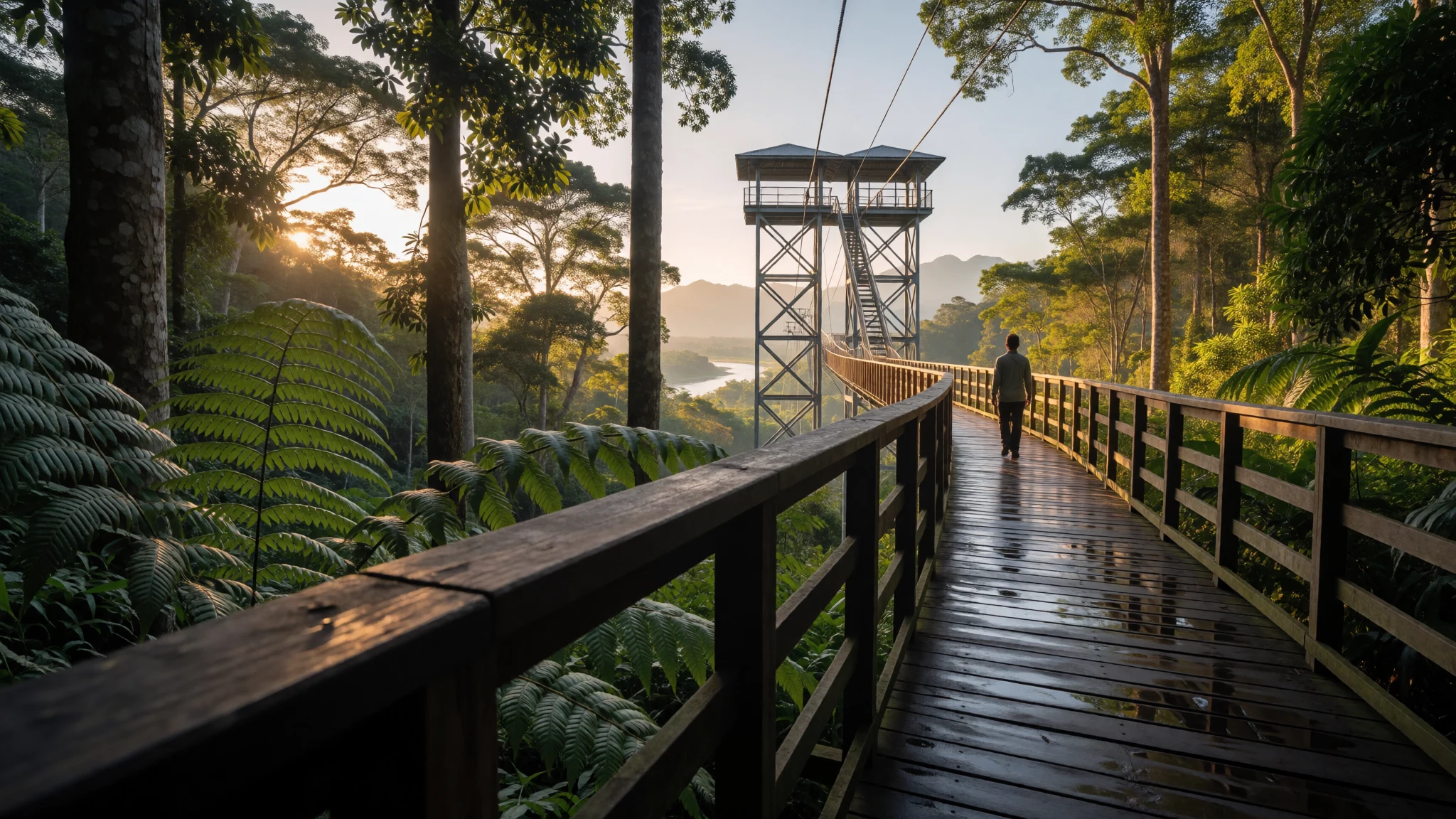
Ulu Temburong National Park offers lowland rainforest in Brunei, reached only by longboat, with a canopy walkway above the treetops.
The place
Ulu Temburong National Park sits in the far east of Brunei, in Temburong District, and takes in a large share of the district's southern part. Wikipedia-style figures put it at about 550 square kilometres, but the better way to picture it is as a green wedge pressed against the Sarawak border, with other Bruneian districts on its remaining sides. It lies inside the Batu Apoi Forest Reserve, and it has been protected since 1991, the first national park Brunei set up.
The land rises from low, river-cut valleys in the north to hilly, mountainous ground in the south. The Temburong and Belalong rivers are the main waterways, and they carve narrow valleys through the forest. This is lowland rainforest, humid and loud with insects, and most of it is left untouched.
There is no road in. Visitors go by longboat from the capital region, Bandar Seri Begawan, towards Bangar, then continue by road to Batang Duri, where boats take over again and head up the Temburong River. The boatmen are Iban people who read the sandbars, logs and boulders with the ease of long practice. Park headquarters stands near where the Belalong joins the Temburong, and the Ulu Ulu Resort, the main base for ecotourism here, is nearby. The park is run by the Forestry Department, and a university field studies centre operates on the Belalong. Few places in Southeast Asia let you step so quickly from a quiet river onto proper primary-looking forest.
Its story
Ulu Temburong National Park is a story about a small country choosing to keep its forest standing. Brunei declared the park in 1991, and it is often described locally as the Green Jewel of Brunei. It was presented as a showcase of the sultanate's forest protection policy, and the label has stuck because the forest is still there to be seen.
Science came early. In 1990 Universiti Brunei Darussalam founded the Kuala Belalong Field Studies Centre on the west bank of the Belalong, a short distance up from its mouth. Researchers and students from many countries have used it for study and training, and it also runs environmental education for schoolchildren. So the park is both a place to visit and a working outdoor laboratory.
Its protection also fits a wider pattern. The park belongs to the Heart of Borneo conservation agreement, which links forest across the island's borders. That matters because Borneo's rainforest is fragmented in many places, and a large intact block next to Sarawak helps keep animals and plants connected.
Tourism arrived as a way to pay for and explain all this. A network of boardwalks, bridges and stairways, about 7 kilometres in all, lets visitors reach different parts of the forest without trampling it, and interpretation boards explain what they are looking at. The steel-towered canopy walkway, rising 50 metres above the forest floor, is the part most people remember. The approach is deliberately gentle: small groups, river transport, and plenty of listening.
What to see
- The longboat ride up the Temburong River — Batang Duri to the park
The journey is half the point. Slim longboats, steered by experienced Iban boatmen, pick a route between sandbars, fallen logs and boulders while forested banks close in. Expect to get splashed and to stop where the water is shallow. Sit near the front for the best views of kingfishers and hornbills.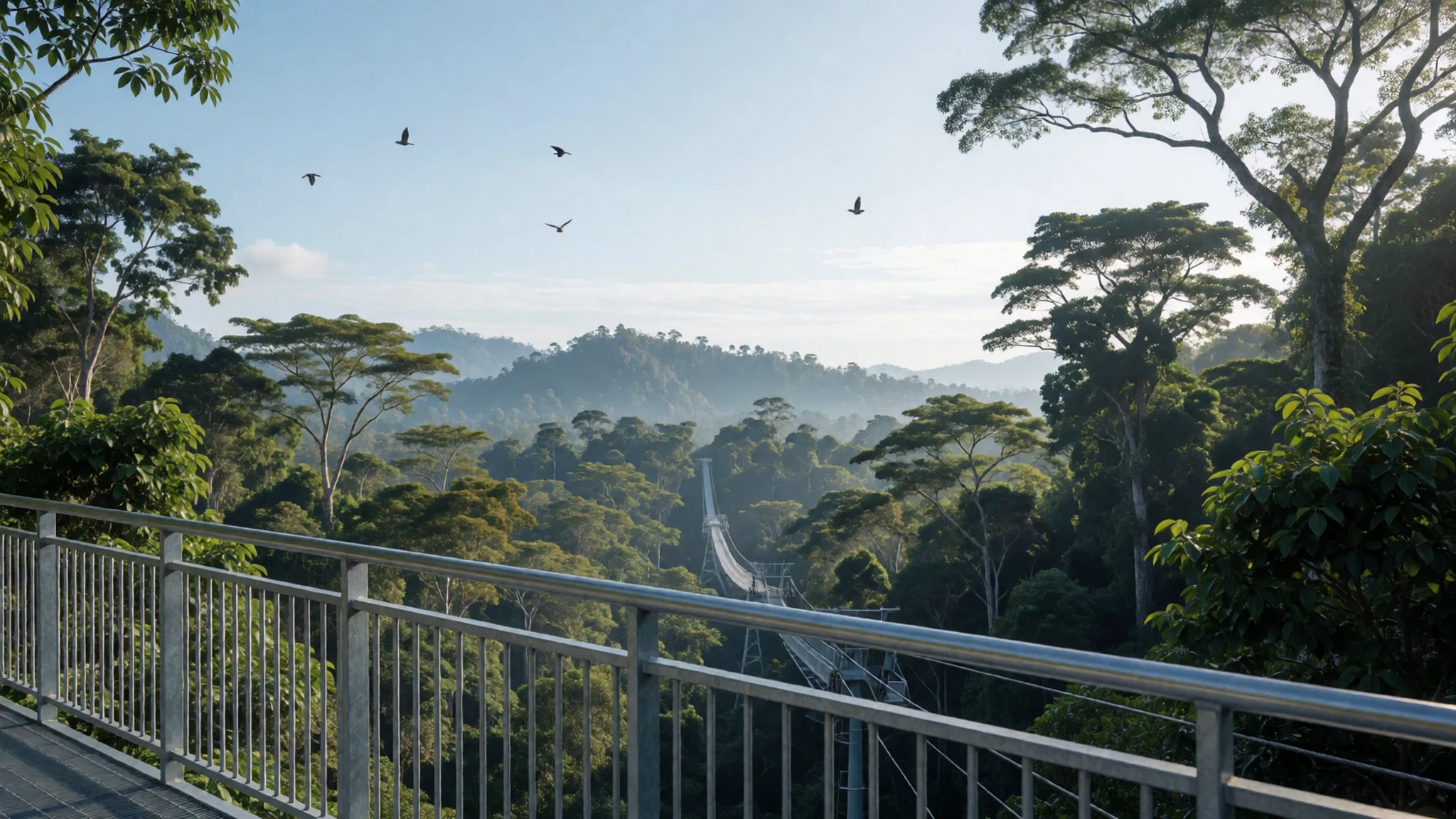
- The canopy walkway — Inside the park
A cableway on steel towers lifts visitors 50 metres above the forest floor, level with the highest tree crowns. From here the forest looks like a rolling green sea, and birds and butterflies pass at eye level. The climb is a stairway and quite steep, so go slowly and bring water. Early mornings are usually clearer.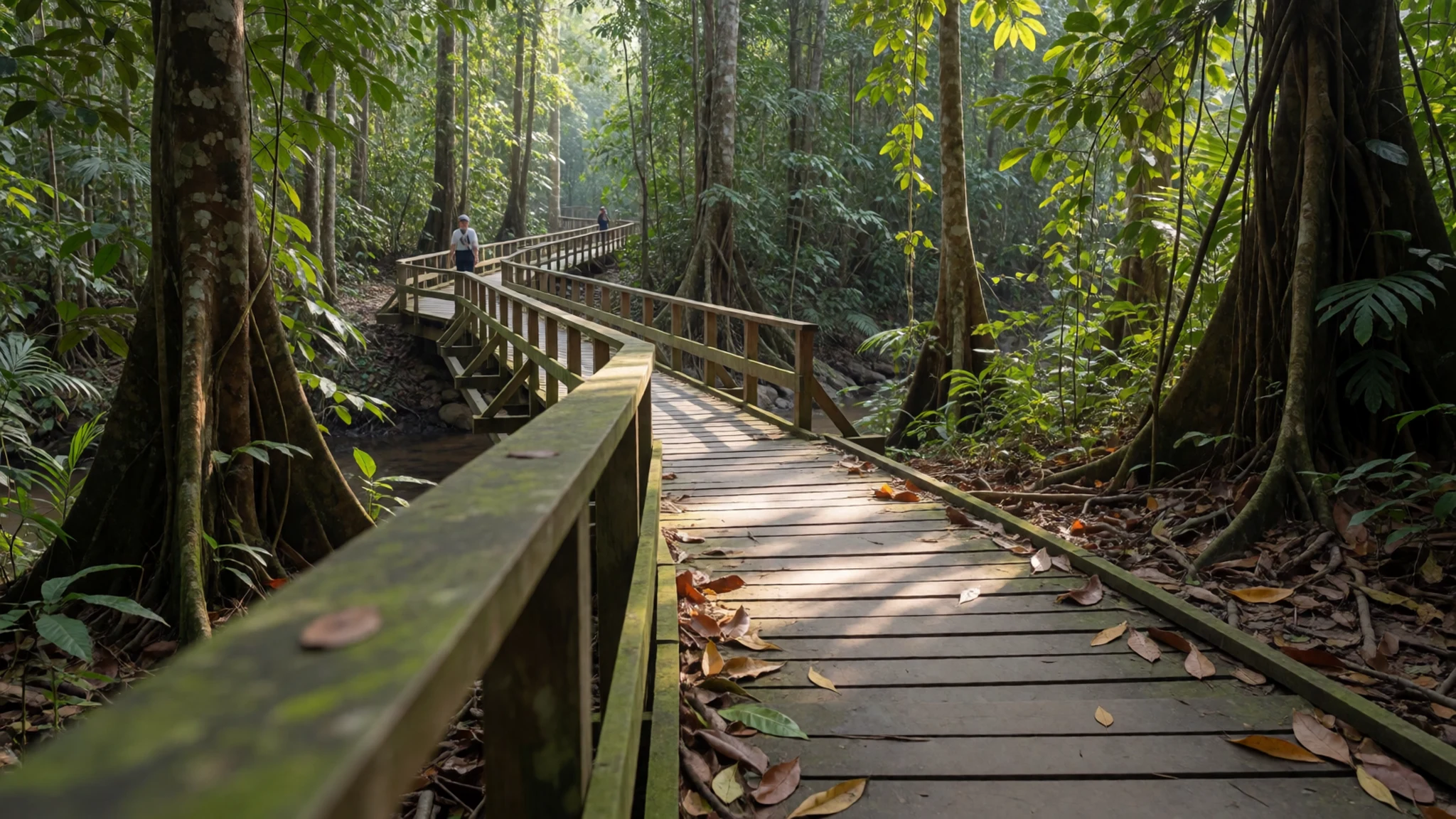
- Boardwalks and interpretation trails — Inside the park
About 7 kilometres of boardwalks, bridges and stairways link the main areas without cutting into the soil. Interpretation boards explain trees, fungi and animals along the way. The wooden surfaces can be slick in rain, so grippy shoes matter. Walking quietly gives the best chance of seeing wildlife.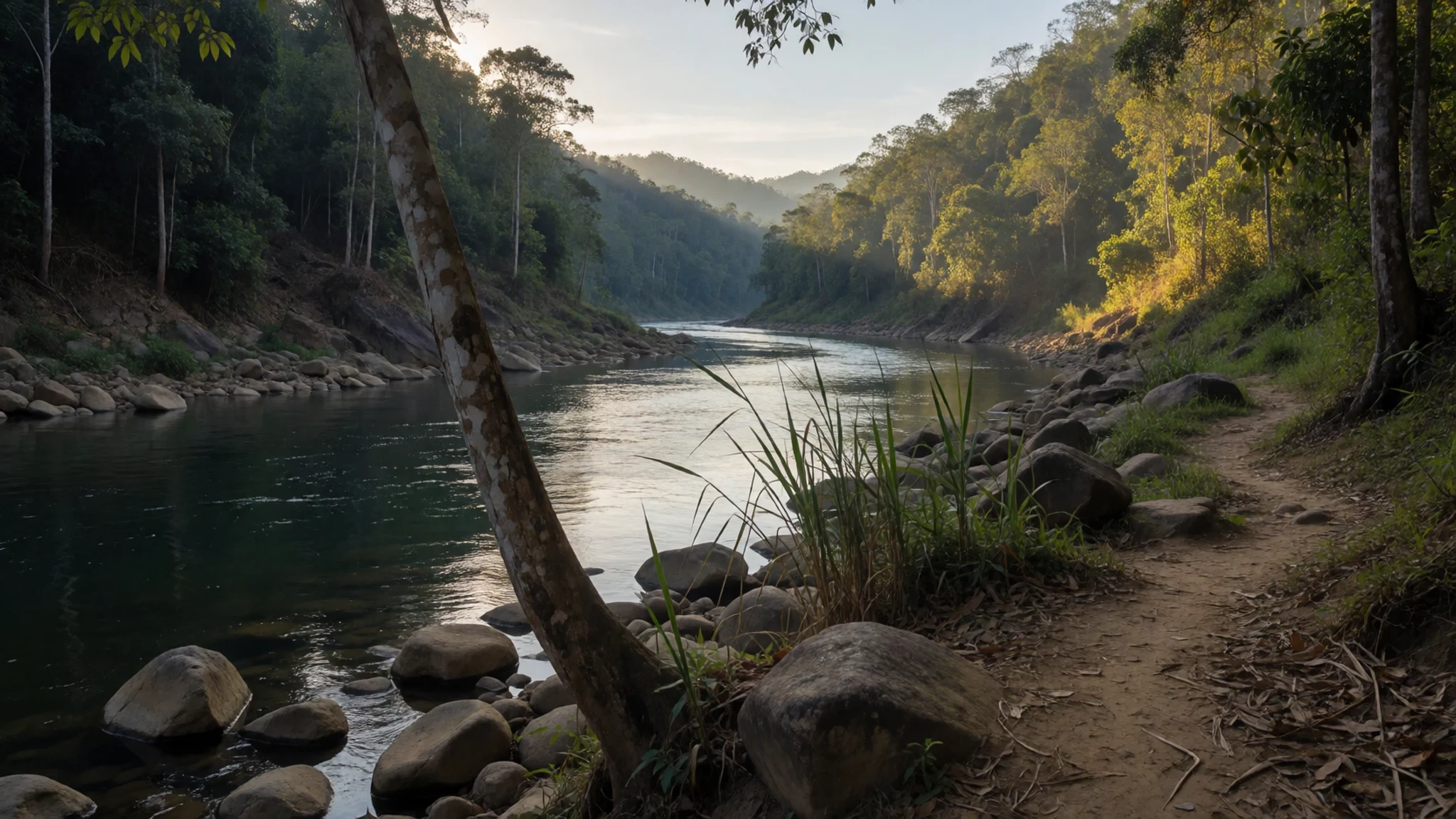
- Ulu Ulu Resort and its jetty — Near park headquarters
The resort is the park's main ecotourism base, and its jetty is where arriving guests first register. It is a good place to arrange guided walks and to ask about the day's river conditions. Staying overnight lets you hear the forest at dusk and dawn, when it is most active.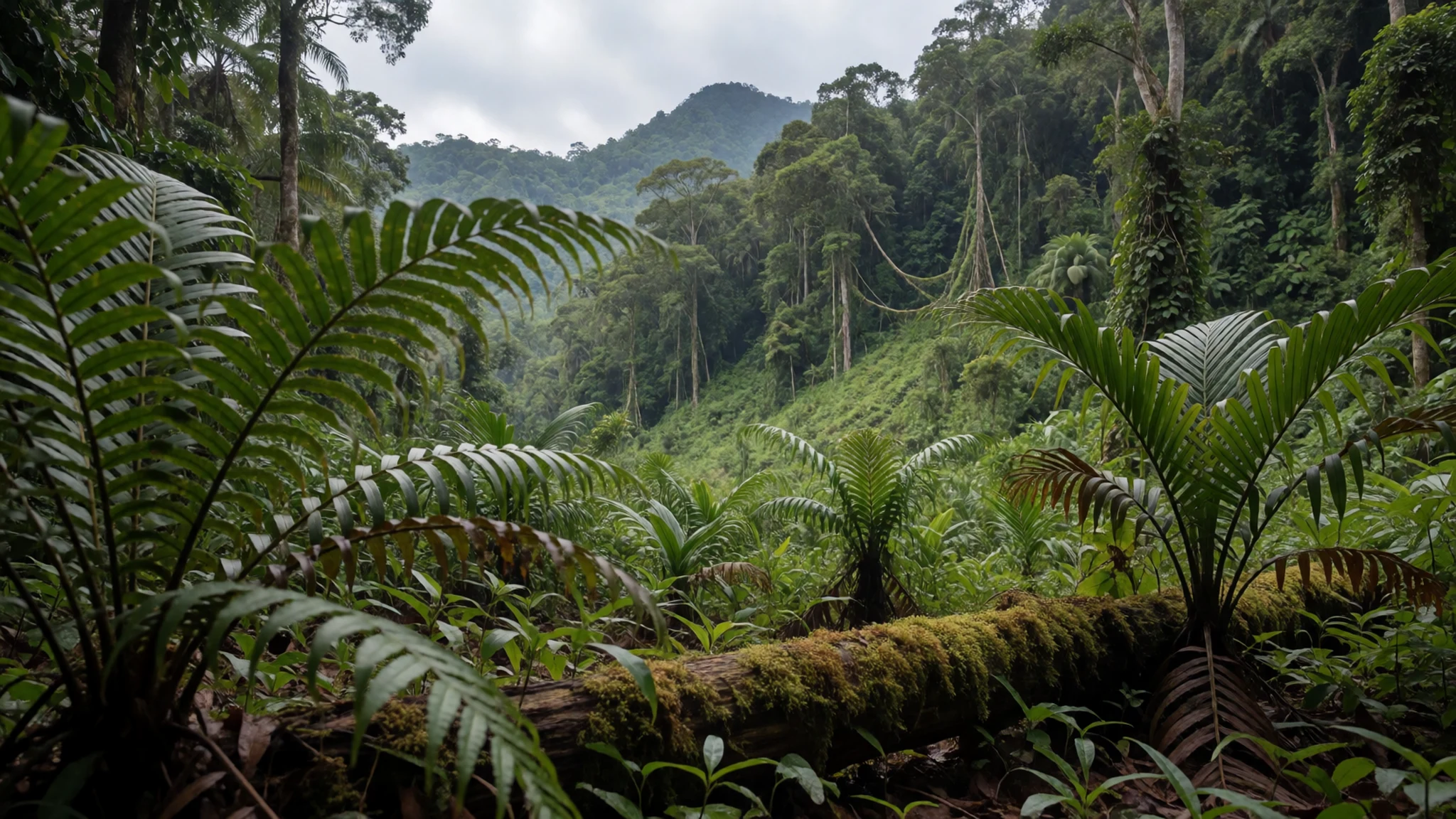
- Kuala Belalong Field Studies Centre — Belalong River
The university research station stands on the west bank of the Belalong, near its mouth. It is a working scientific site rather than an attraction, so access depends on arrangements and programmes. Even from outside, it shows how much study the forest supports, from insects to river life.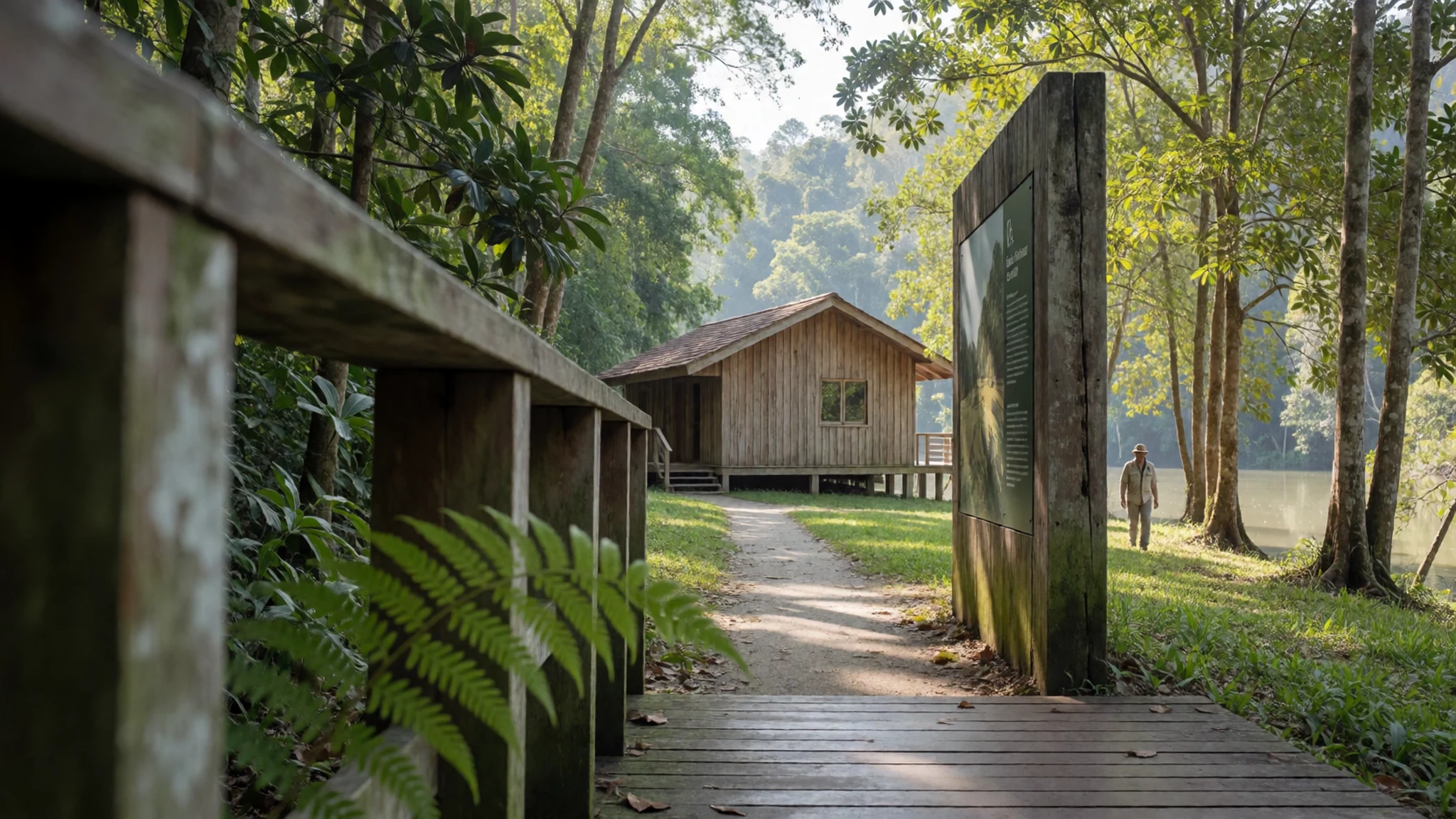
- Butterflies and river insects — Riverbanks and trails
Brunei's forests hold swallowtails such as Graphium and Chilasa species, often seen drinking minerals at damp river sand. Streams here also support specialised mayflies studied by scientists. Pause at sandbars and stream crossings, stay still, and look low rather than only up into the trees.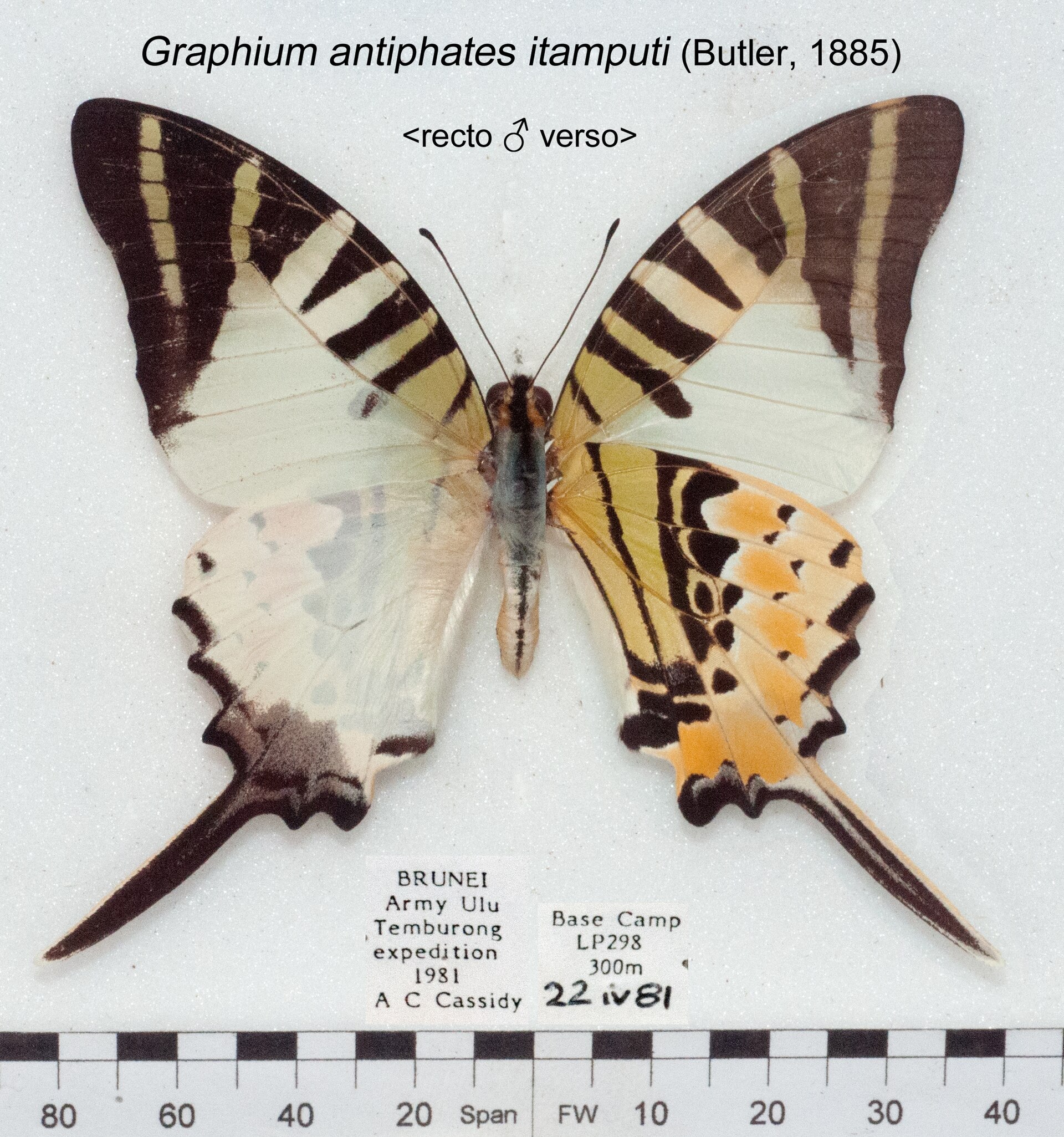
Culture
Ulu Temburong National Park sits in a landscape shared with Iban people, whose river skills are what get visitors in. The boats are run by experienced Iban boatmen, and the trip is a reminder that the rivers here were roads long before any tourism. Brunei is a Malay Islamic monarchy, and Temburong District is quieter and more rural than the capital, so daily life moves at a gentler pace.
The park also has a strong scientific and educational culture. Universiti Brunei Darussalam's field centre has trained students and hosted visiting researchers for decades, and environmental education for schools is part of its routine. That gives the place a respectful, learning-first tone, which most guides share. Expect plenty of explanation about trees, insects and conservation rather than thrill-seeking.
Brunei has its own rules around alcohol and public behaviour, so the park is a calm, sober outing. Guides appreciate visitors who listen to briefings, stay on the boardwalks and keep voices low so that wildlife stays visible. Tipping is not a big custom, but a thank you to boatmen and guides is always welcome.
Stay on the marked boardwalks, take all your litter out with you, and keep your voice low so the forest and the people sharing it are left undisturbed.
What to wear
Ulu Temburong National Park is in Brunei, where the traditional dress for Malay people is the baju kurung for women and the baju melayu for men, often with a songkok cap and a sampin wrap. Brunei is also known for songket, a cloth with gold or silver thread woven into silk or cotton, worn at weddings, religious festivals and state occasions. The Iban have their own woven textiles, notably pua kumbu, made with patterned ikat dyeing, though visitors are unlikely to see these on the river.
Day to day, people in Temburong wear what suits the heat: light cotton shirts, loose trousers, long skirts and sandals. In towns and offices, modest clothing is the norm, and women often wear a tudong headscarf. Rural life is relaxed, but shoulders and knees are usually covered in public.
For the park, think practical. Choose quick-drying, long-sleeved shirts and light long trousers, which protect against insects, thorns and the sun. Wear shoes with good grip, because boardwalks and riverbanks are slippery, and be ready for wet feet on the boat. Bring a light rain jacket or poncho, a hat, and a change of dry clothes to leave in the vehicle. Avoid bright perfumes and loud colours if you hope to see wildlife. Swimwear is fine for river dips in appropriate spots, but cover up with a shirt or sarong when walking back through the resort area.
What to eat
- Ambuyat — Local eateries in Bandar Seri Begawan
Brunei's national dish is a sticky paste made from sago starch, twirled onto a bamboo fork called a chandas and dipped in sour sauces. It has little taste on its own, and the dip does the work. Eat it at local family restaurants in Bandar Seri Begawan.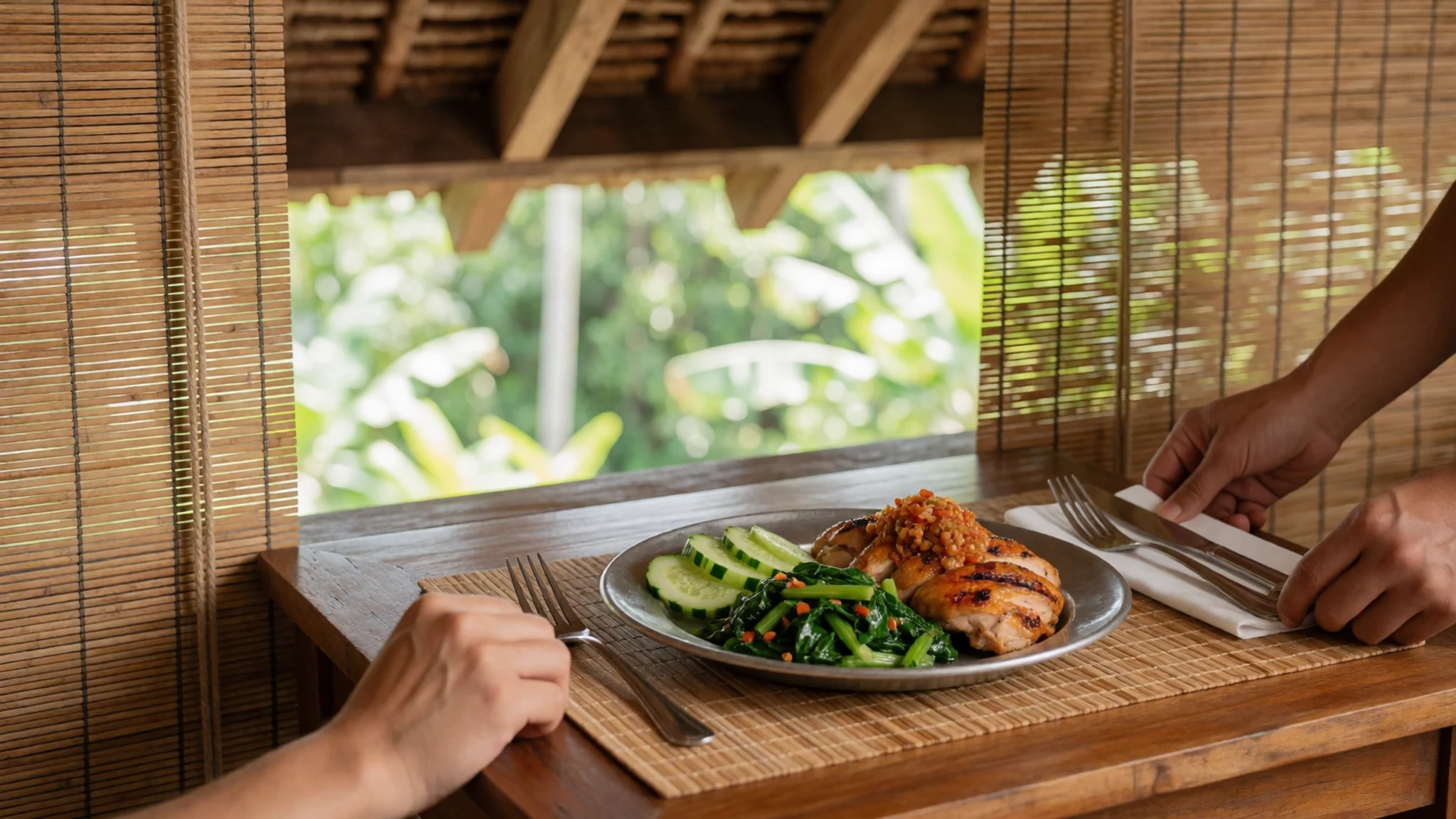
- Nasi katok — Small takeaway stalls across Brunei
A cheap, popular meal of rice with fried chicken and a spoonful of spicy sambal, often sold in simple wrapped packets. It suits a packed lunch for a long river day. Look for small takeaway stalls and neighbourhood eateries.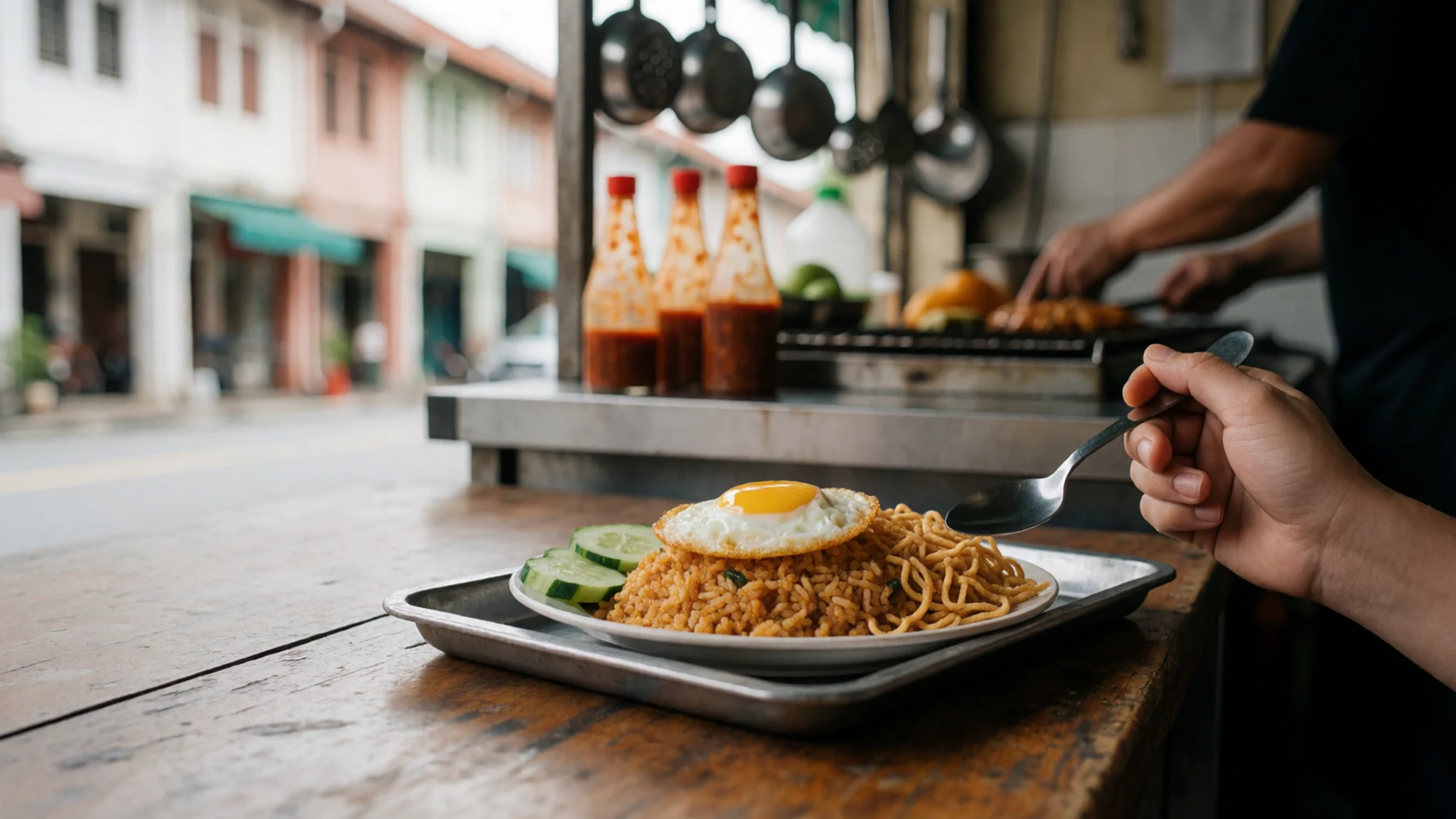
- Soto — Coffee shops in Bangar and the capital
A warm noodle or rice-cake soup with a spiced, herby broth, usually with chicken or beef and fresh lime. It is a comforting breakfast after an early boat journey. Local coffee shops serve it in the mornings. - River fish with rice — Village eateries in Temburong District
Freshwater fish, grilled or fried with chilli and served with rice, appears in homely meals in Temburong. The flavours lean on lemongrass, turmeric and garlic. Ask at village eateries or the resort's dining area. - Kuih and tea — Morning markets in Bangar and Bandar Seri Begawan
Small sweet snacks such as coconut-based cakes and fried sweets are sold at the tamu, or open-air market, with hot sweet tea. They make a good afternoon pause. Markets are best in the morning.
Plan it
Best time. February–April and July–August tend to be drier and are the easier months for river travel, though this is equatorial rainforest and showers can come at any time. Heavy rain can raise rivers or delay boats, so check conditions before you go.
How long. 1–2
Getting there. Fly to Brunei International Airport near Bandar Seri Begawan. From the capital area, boats and roads lead to Bangar, then by road to Batang Duri, where longboats go up the Temburong River into the park. Tours usually arrange all legs; check the official tourism site or the park's operators.
Budget. mid
Tips
- Book through a licensed operator or the resort ahead, as the park is reached only by river
- Start early, as mornings are cooler and the canopy is clearer
- Carry drinking water and insect repellent
- Bring a dry bag for phones and cameras
- Carry some cash for small purchases in Temburong
Etiquette
- Stay on boardwalks and follow guide instructions
- Keep noise low so wildlife stays visible
- Dress modestly when travelling through towns and villages
Nearby
Sources
- Wikidata Q9055985 (CC0)
- Wikipedia: Ulu Temburong National Park (rev 1362944759) (CC BY-SA 4.0)
- JP Bennett, Rhinoceros Hornbills at Singapore Zoo (CC BY 2.5)
- Bruneimaju, Ulu Ulu Resort Jetty (CC BY 3.0)
- Christian Trede, Ulu-Temburong in Brunei (CC BY 3.0)
- Accassidy, Chilasa slateri hewitsoni (CC BY 3.0)
- Accassidy, Graphium antiphates itamputi (CC BY-SA 4.0)
- Accassidy, Graphium doson evemonides (CC BY-SA 4.0)
- Kaltenbach & Gattolliat 2020, ZooKeys 914, Figure 14 (CC BY 4.0)
- Brendan, Rain forests of Borneo (CC BY-SA 2.0)
- Wikivoyage (CC BY-SA 4.0)


