Jerudong Park
Jerudong Park, Brunei
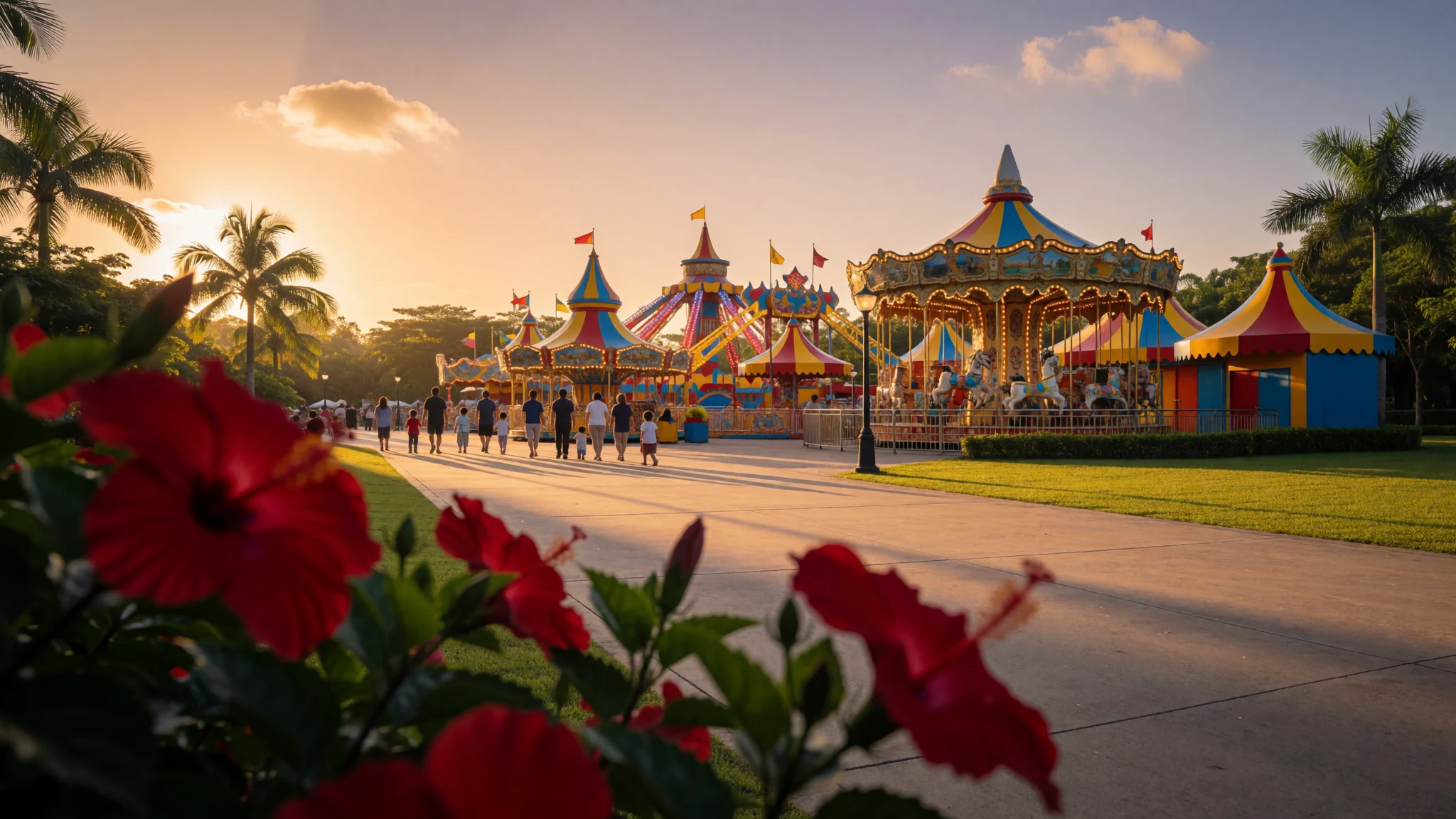
Jerudong Park is Brunei’s family-focused amusement park—easy to plan, fun in short bursts, and convenient for visitors who want a low-effort day out.
The place
Jerudong Park sits in Jerudong, Brunei-Muara District in Brunei, and it’s an amusement park built for people who like a full day of rides rather than a single viewpoint. It opened in 1994 and, over time, it has shifted its focus and footprint so the experience feels more “playground and attractions” than sprawling mega-theme-park.
What stands out is how entry works in practice. The park is free for the general public, but attractions use a ride-and-ticket approach: visitors can enter without paying for entry, then pay to use specific rides. A ticket card system is used to cover multiple rides in one go, with a fixed number of slots and “free” slots on top. So the plan is simple—arrive, spend a little, then decide how adventurous the day becomes.
In terms of atmosphere, it tends to feel lively and family-led rather than nightlife, with the entertainment vibe built around kids, schools and weekend programming. If the weather is hot or humid (as it often can be in this part of the world), the shaded indoor food areas and ride queues help break up the day.
Crowd-wise, expect it to be busier during school breaks and popular weekends. On quieter days, it plays well for a slower route—pick a few signature rides, take breaks, and let the day breathe. On busy days, the ticket system is still straightforward, but queues can shape the order of what to do.
Its story
Jerudong Park opened in 1994 and has been through a few visible phases of change since then: adjustments to rides, entertainment style, and how visitors pay for attractions. Early on, the park ran on a simple model—general admission and rides were free—so the early experience was all about strolling in and trying whatever caught attention.
Later, management reacted to changing visitor numbers by introducing a paid admission model and then, more specifically, a ride ticket system. The approach became “free entry, pay to ride,” with a card that bundles multiple attraction uses rather than making every ride a separate transaction.
Entertainment also evolved. The park introduced family-oriented entertainment programming that brought performers for school-age audiences, plus weekends that mixed local performers and family-friendly acts. That kind of schedule matters because it changes the rhythm of the park: it’s not only about the rides, but about having something happening around them.
Jerudong Park also reopened after internal remodelling, leaning into newer family attractions and transport-like ride experiences. The result is a park that still feels like a place for families and groups, with programming and ticketing that encourage repeat visits.
Finally, the park has faced setbacks like a fire at the food court in 2021, which damaged a portion of the facilities in Phase 2. The takeaway is that the park keeps adapting—ticketing and programming have shifted, but the central idea remains: a practical, family-first day of attractions in Brunei.
What to see
- Rides and the Phase 1 & 2 park areas — Jerudong Park (Phase 1 & Phase 2)
Jerudong Park now runs on a reduced footprint, focused on the original playground and the two main phases. Expect a day of looping attractions—short ride sessions, frequent queue pauses, and plenty of family-friendly things to dip into rather than committing to one long show.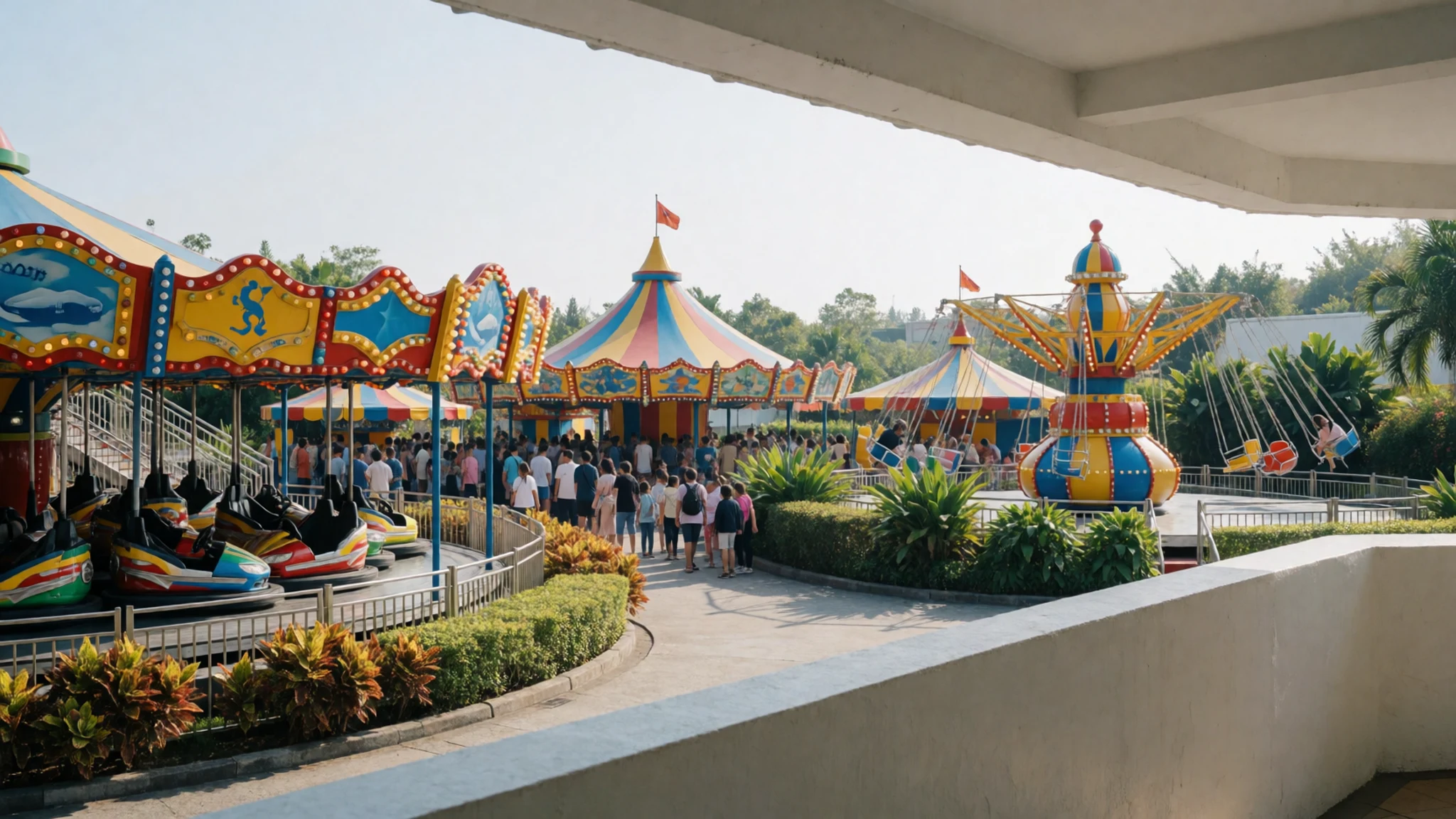
- Playground & open-park zones — Jerudong Park open areas
Jerudong Park includes playground and open areas designed for families, so even non-riders can spend time there. These spaces help break up a ride-heavy itinerary, especially when it’s hot or humid and people want a breather between attractions.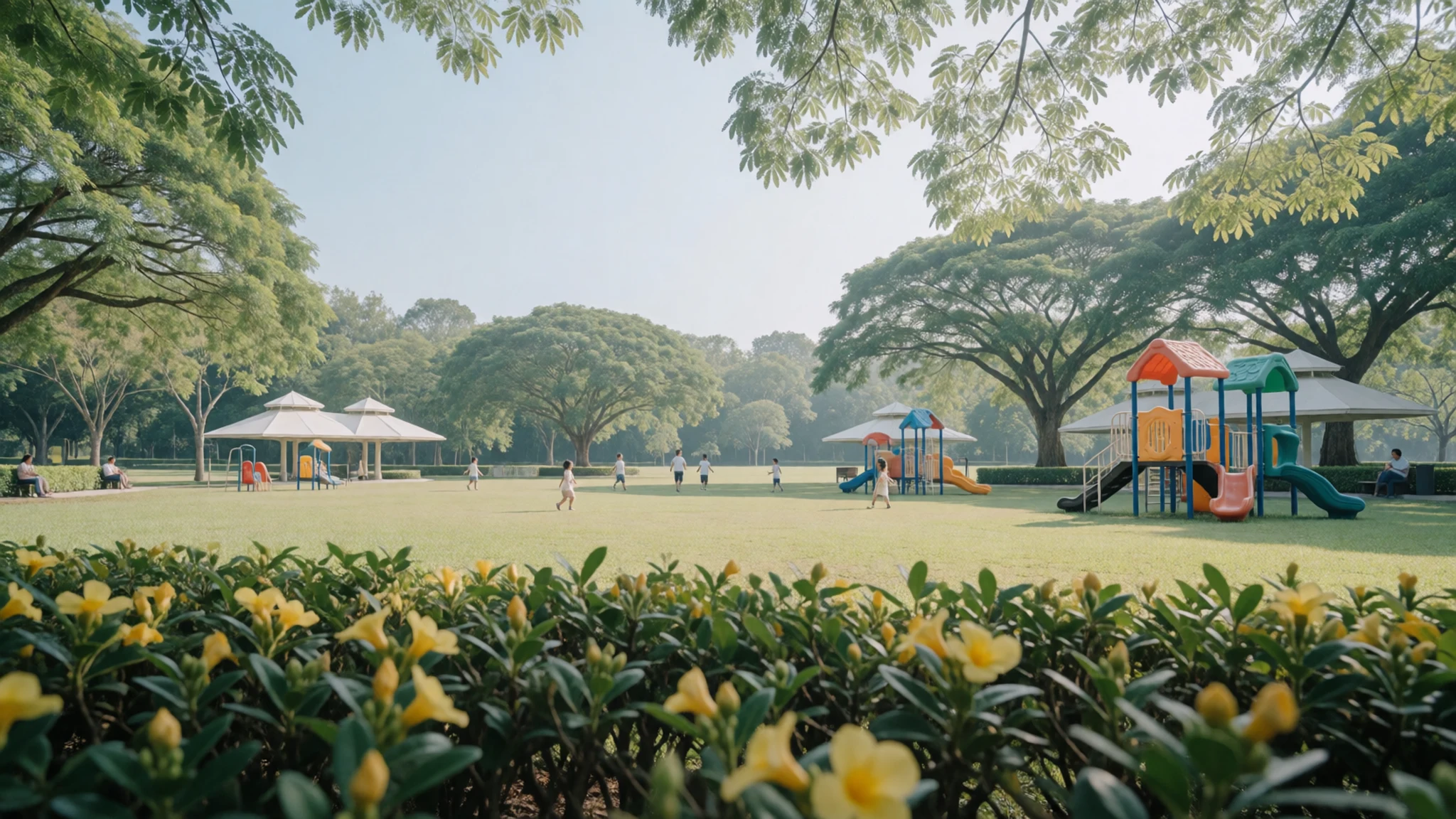
- Food court zone (after fire repairs) — Jerudong Park Food Court (Phase 2)
The food court is a central “reset” point for the day—somewhere to sit, cool down, and regroup before returning to queues. After the 2021 fire damage in Phase 2, parts of the food court were destroyed, so check on current layouts once on site.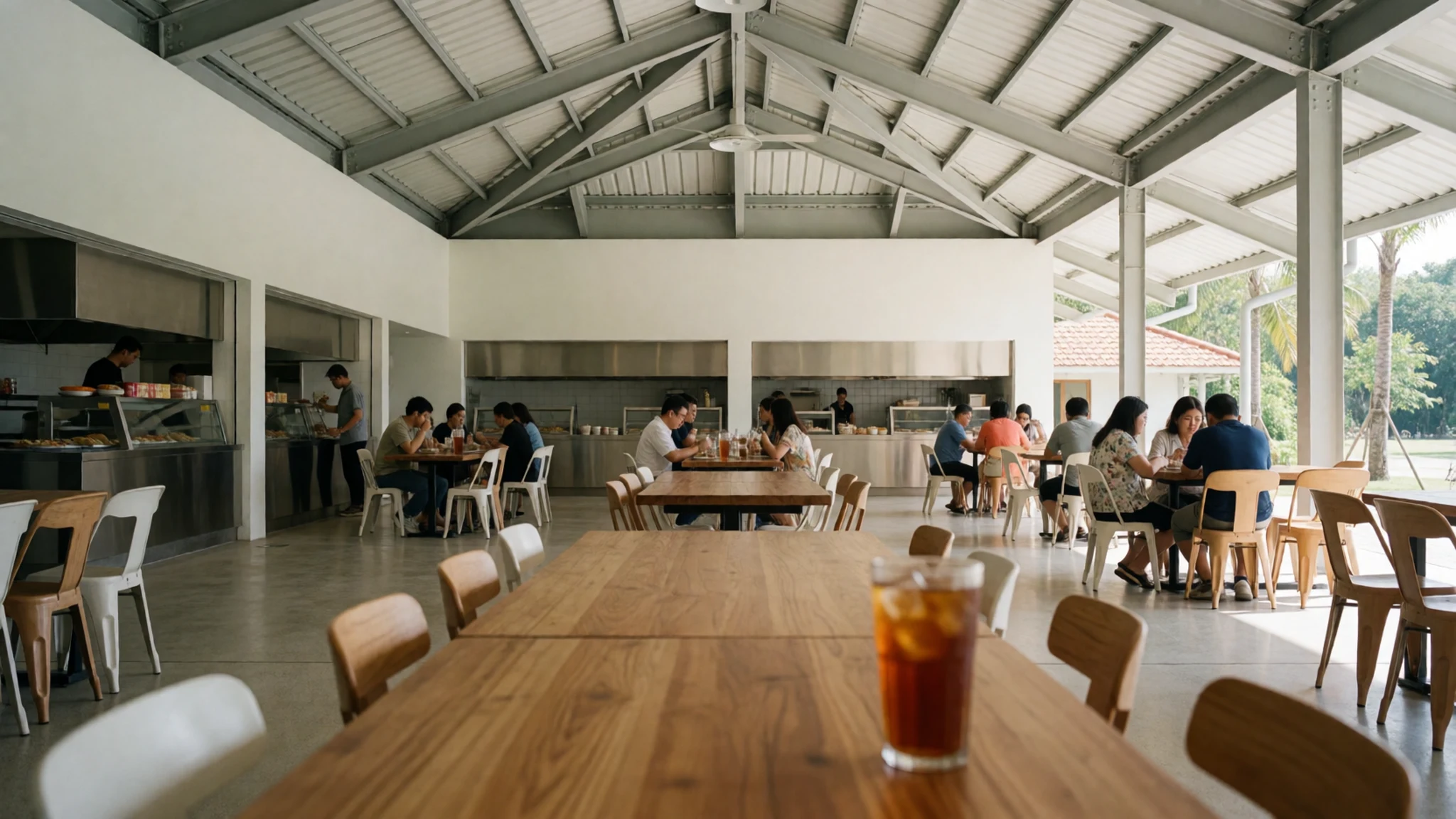
- Borneo elephant enclosure behind the park — Behind Jerudong Park (elephant enclosure)
Behind Jerudong Park there’s an enclosure connected to a Brunei elephant experience, which makes a simple add-on for visitors who want animal time without leaving the area. It’s a good contrast to the rides—quiet viewing versus active play.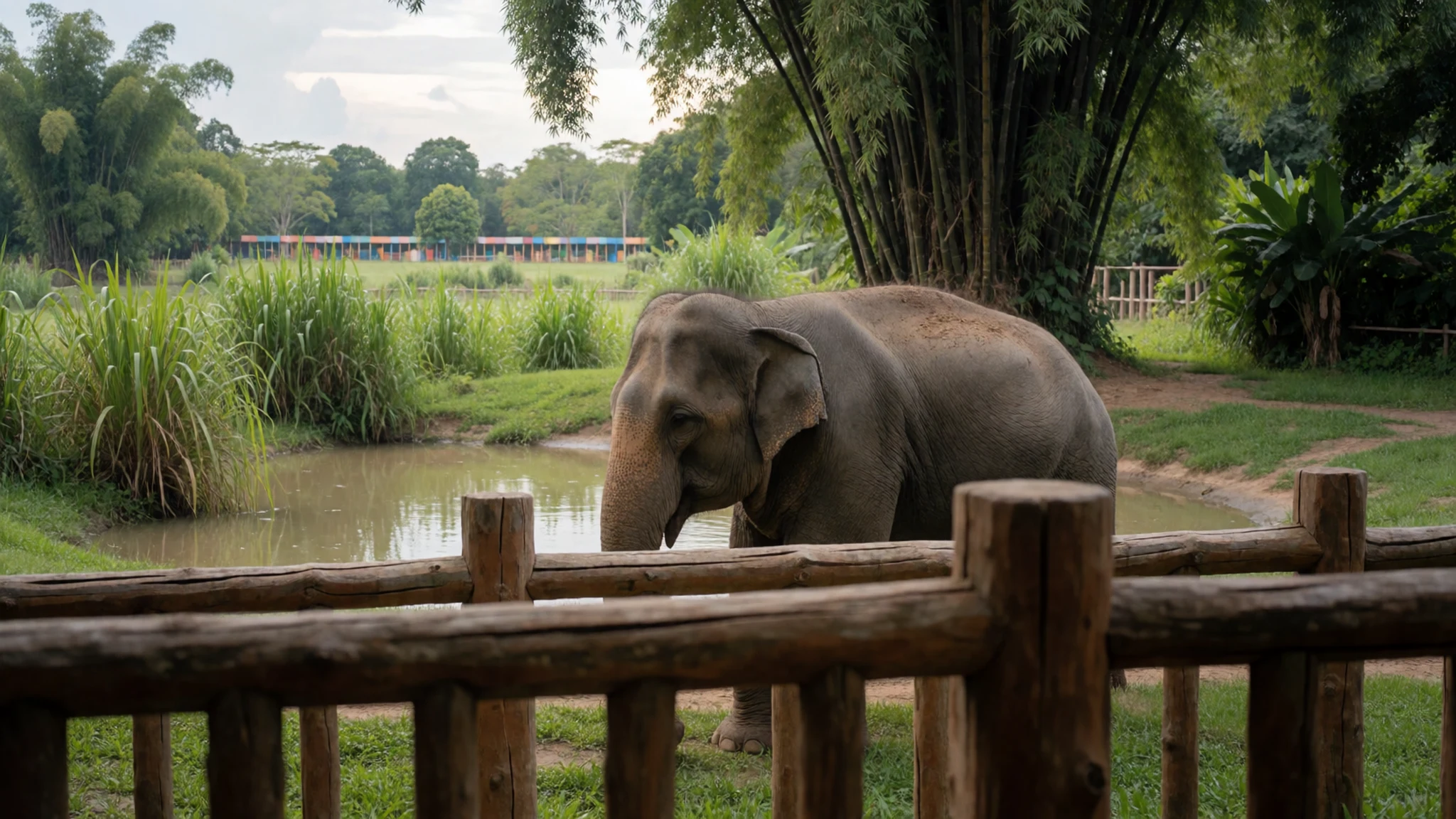
- Entry area near Jerudong’s wider landmarks — Jerudong (park approach)
The arrival stretch is more than a driveway—it’s where the park energy kicks in, with pathways leading into the main attraction zones. If arriving for a full day, it’s a convenient moment to plan routes and figure out which rides are worth prioritising.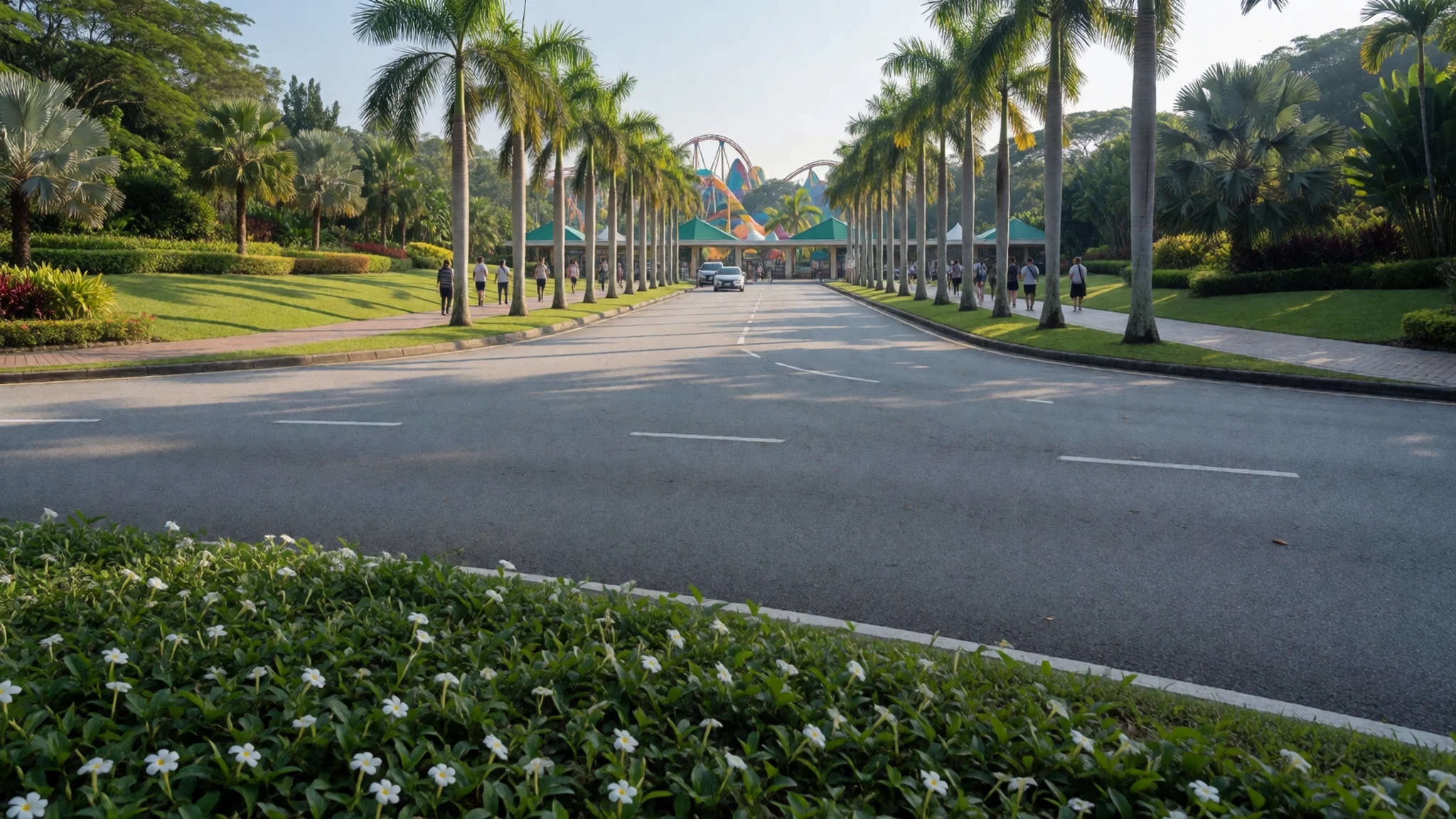
Culture
Jerudong Park is built around family entertainment, and the culture you’ll feel on the ground is that of scheduled fun: weekend-style performances, kid-friendly activities, and public programming that suits groups including school-age visitors. That matters because it changes how people behave inside the park—families move together, take breaks often, and look for predictable moments rather than wandering aimlessly.
Brunei’s wider social norms also influence the park: it’s generally a place where visitors keep things relaxed and appropriate, with families letting children explore while adults manage queues and shared spaces. The ticket card system adds another layer of “local logic”—people tend to think in batches (a few rides at a time) and then pause for food or shade.
If a performance is running, the best atmosphere comes from keeping your voice down and treating the space like a community event rather than a stage for your own filming session. The park is usually comfortable for casual attire, but still expect a modest, neat look in shared indoor areas like eateries.
Visitor etiquette: keep queues orderly, speak quietly near performances, and dress modestly in indoor food areas.
What to wear
At Jerudong Park, dressing is mostly about comfort in warm, humid outdoor weather and practicality for rides and walking. Traditional dress in Brunei commonly includes garments such as baju kurung and baju melayu (with sarong-style bottoms), and visitors will see them especially around community settings and on days when people dress up. Textiles can be richly patterned, and traditional outfits are typically worn when there’s a cultural or religious reason.
Day to day, most people at the park wear light casual clothing—T-shirts, shorts or loose trousers, and comfortable shoes—because it’s a place for movement, queues and repeated short ride sessions. That said, Brunei’s norms also mean very revealing outfits may draw attention in indoor areas.
For visitors: choose breathable fabrics, light colours if sun is strong, and bring a thin layer if air conditioning is heavy in eateries. Wear trainers or other grippy footwear suited to indoor-outdoor floors and queue floors, and consider a cap or umbrella. If planning animal time behind the park, footwear should be easy to walk in and comfortable for longer standing.
In short: casual and modest is the sweet spot, with practical shoes and lightweight breathable layers doing most of the work.
What to eat
- Food court meals — Jerudong Park Food Court
Jerudong Park’s food court is the obvious place to eat when the day turns into queues and waiting. It’s the easiest option for a sit-down meal in air-conditioned comfort and a quick reset between attractions.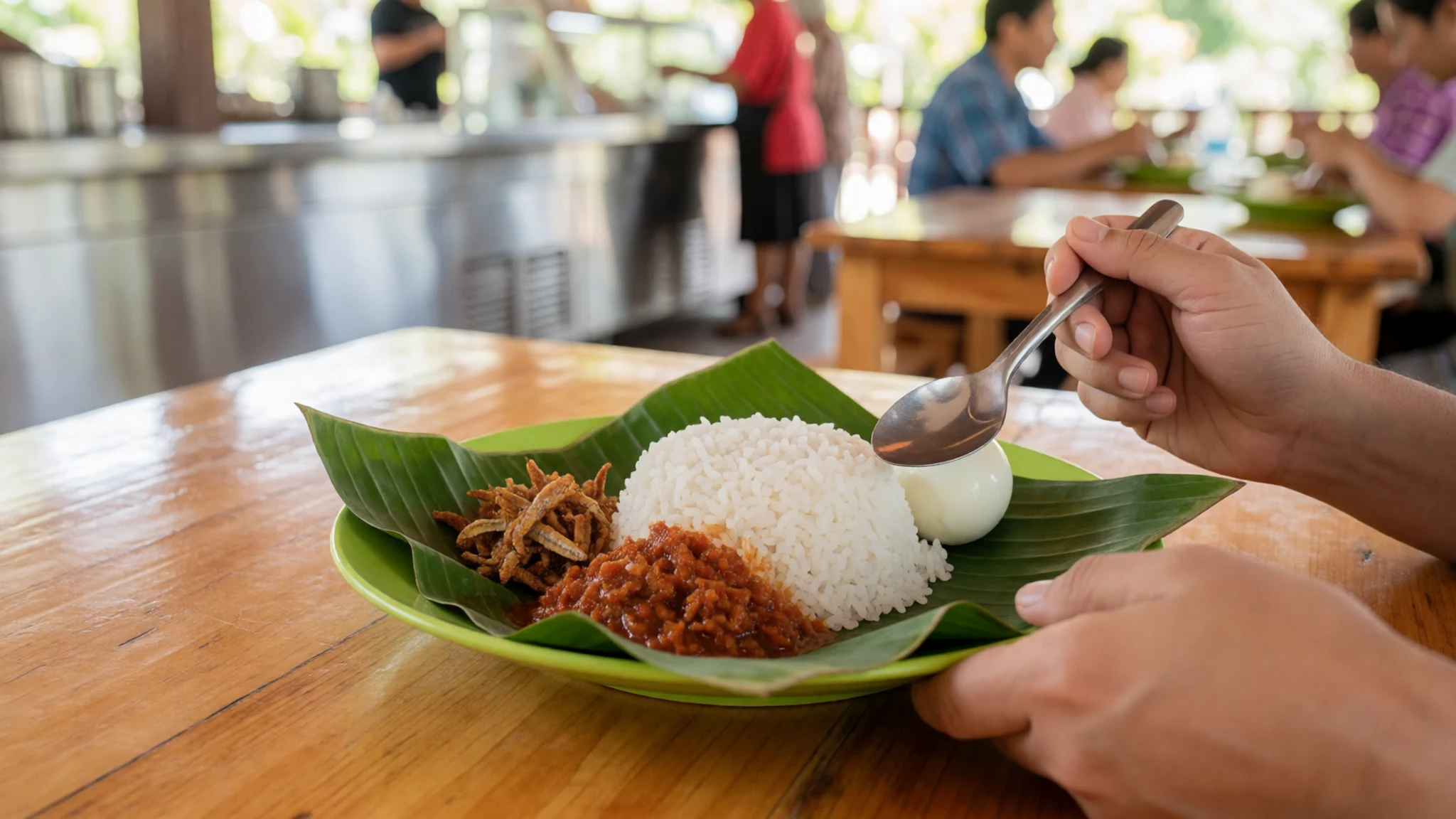
- Snacks and refreshments around the park — Around the main ride areas
Between rides, families often grab quick snacks and drinks so they don’t lose time to long breaks. Look for convenient on-site stalls or counters near high-traffic ride zones for quick bites and cold drinks.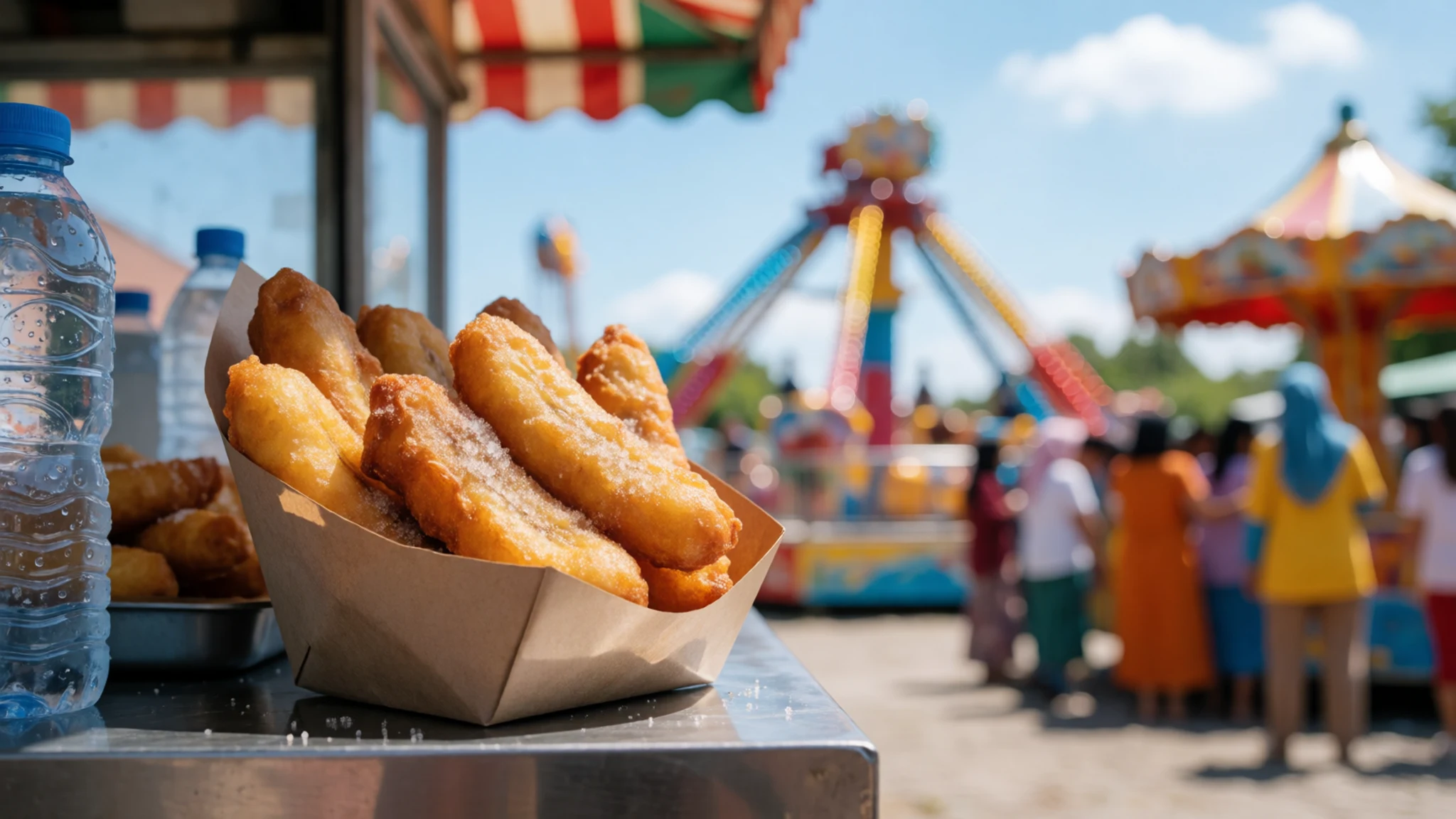
- Family meal-style options — Food court seating areas
Food at the park is geared towards sharing—simple, filling plates that suit groups and kids. Choosing something easy to divide helps keep the day moving, especially if a performance starts when you’re still eating. - Desserts and cooling treats — Food court kiosks and counters
On hot days, small sweet items and cooling drinks make a practical break. The point isn’t fancy dining—it’s recovery between rides, with something quick that doesn’t derail the itinerary.
Plan it
Best time. December and February are the coolest and most comfortable months for outdoor time, based on mean daily temperatures; the park also tends to feel busiest around school holidays and popular weekends.
How long. 2–3
Getting there. Fly into Brunei International Airport, then take a car/taxi to Jerudong; the last leg is a short, direct drive into Jerudong Park.
Budget. mid
Tips
- Arrive earlier in the day to beat the biggest family crowds and make ride queues shorter.
- Plan around attractions rather than just entry: decide which rides are worth paying for first.
- Keep the ticket card approach simple—pick the number of rides needed for the day, then switch to food breaks.
- If visiting during the busiest times, build in extra buffer time for queues and indoor cooling.
Etiquette
- Follow the park’s queue flow and keep groups together so others aren’t blocked.
- Use respectful volume near performances or entertainment areas.
- Dress modestly in indoor areas like eateries.
Nearby
Sources
- Wikidata Q6185044 (CC0)
- Wikipedia (Jerudong Park) (CC BY-SA 4.0)
- Photo photos/01-jerudong-park-31-december-2022-33.jpg (CC BY-SA 4.0)
- Photo photos/02-jerudong-park-31-december-2022-01.jpg (CC BY-SA 4.0)
- Photo photos/03-borneo-elephant-in-brunei.jpg (CC BY-SA 4.0)
- Photo photos/04-bn-jerud-park-zufahrtl.jpg (CC BY 3.0)
- Photo photos/05-jerudong-24-august-2024-01.jpg (CC BY-SA 4.0)
- Photo photos/06-jerudong-24-august-2024-02.jpg (CC BY-SA 4.0)
- Photo photos/07-jerudong-31-december-2022-04.jpg (CC BY-SA 4.0)
- Photo photos/08-jerudong-park-01.jpg (CC BY-SA 4.0)
- Wikivoyage (CC BY-SA 4.0)


