Bangar
Bangar, Brunei
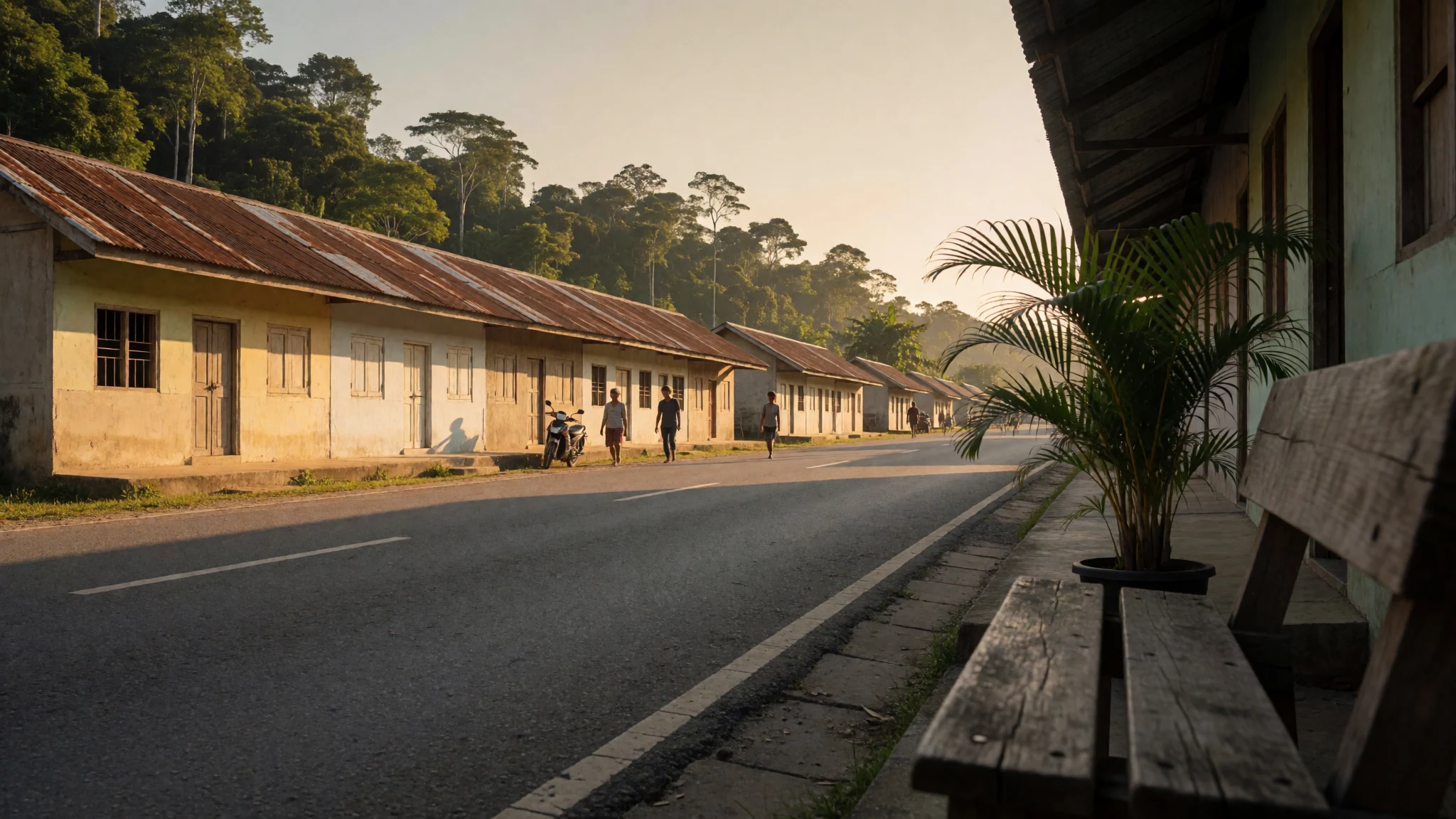
Bangar is a quiet Bornean district town and the road-end gateway to Temburong's rainforest, for travellers who prefer ordinary life to attractions.
The place
Bangar is the small town where Temburong District, a detached part of Brunei, keeps its offices and shops. Its population is 626, which makes it closer to a village than a town by most visitors' standards, and the pace matches. Temburong is an exclave: the Malaysian state of Sarawak lies between it and the rest of the country, so Bangar sits on the far side of a border from the capital, Bandar Seri Begawan. One main road runs through, roughly east to west. Eastwards it carries on to Lawas in Sarawak; westwards it reaches a river crossing for Limbang, also in Sarawak. Along that road stands a row of small shops selling clothes, handicrafts and everyday supplies, with a few eateries among them. The same road serves a nearby quarry, where boulders are processed and then sent to the capital for the building trade, so lorries are part of the soundtrack. The climate is tropical rainforest, with heavy rain in every month and no real dry season, which explains the green hills and the humidity. Bangar is not a town of landmarks. Its worth is as a calm base at the edge of Borneo's rainforest, a place to watch an ordinary Bruneian district centre going about its day, and the closest town of any size to Ulu Temburong National Park further south.
Its story
Bangar's recent story is largely about how people reach it. For years the usual approach from the capital was by water: a fast boat left Bandar Seri Begawan, threaded through the channels where the Brunei and Temburong rivers meet the sea, and slipped briefly through Malaysian waters, with no checkpoint, before landing at the town. The ride was widely treated as a highlight in its own right. That changed with the Sultan Haji Omar Ali Saifuddien Bridge, which opened in 2020 and joins Temburong to the rest of Brunei by road, so a car can now travel from the capital to Bangar without passing through Malaysian customs. By 2024 the boats back to the capital had stopped. The old main pier in Bangar now belongs to Radio Television Brunei and cannot be used, and the jetties across the river sit mostly idle. Road is the only practical way in. The bridge has also made Bangar a convenient stop for people driving overland between the Malaysian states of Sabah and Sarawak, who pass through Temburong on the way. Meanwhile the town's economy keeps its older shape: shop-houses along the main road, offices for the district, and quarry trucks carrying stone towards the capital's building sites. A community of 626 people has watched the exclave's isolation soften without quite disappearing.
What to see
- Ulu Temburong National Park — South of Bangar, Batu Apoi Forest Reserve
Ulu Temburong National Park lies south of Bangar in the remote Batu Apoi Forest Reserve and covers 550 square kilometres of rainforest, most of it kept for protection. It is the main reason many people come to Temburong. Visits are usually arranged through operators, so check current options before arriving, and bring footwear that copes with mud.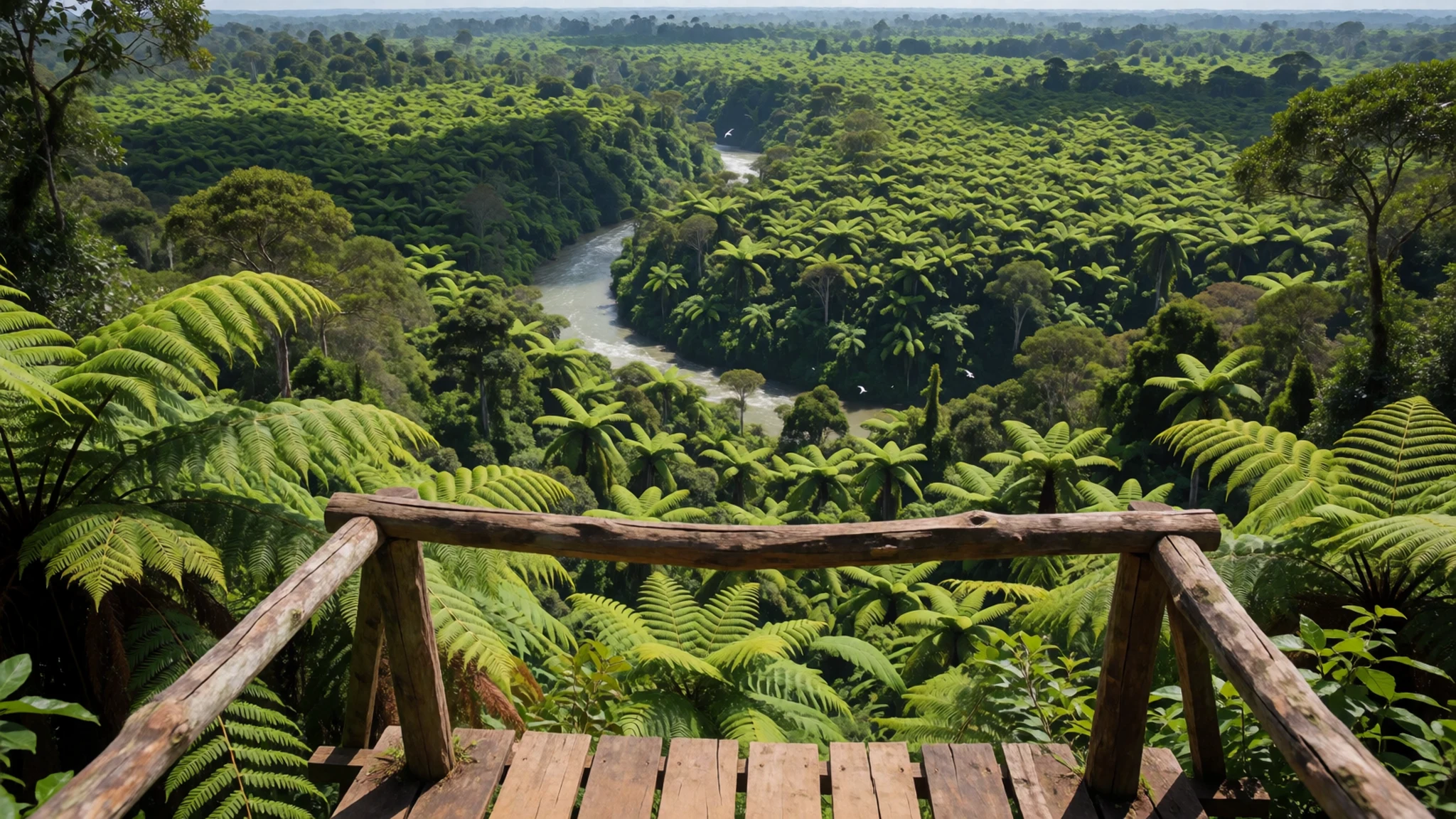
- The main road and its shop-houses — Bangar town centre
The shop-houses along Bangar's single main road are the real centre of town. Small shops sell clothes, handicrafts and basics, and a few eateries sit among them. Walking the stretch takes little time, but it gives a plain, unhurried look at daily life in a district seat, with quarry lorries rumbling past.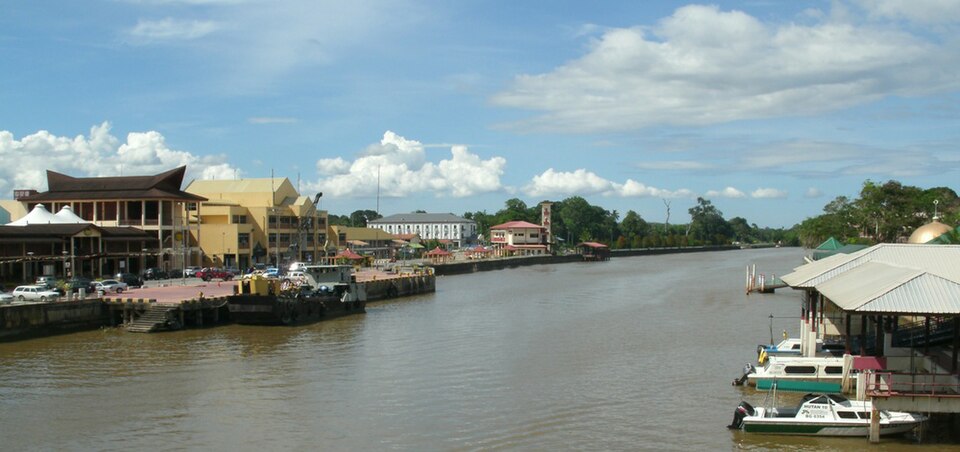
- Sultan Haji Omar Ali Saifuddien Bridge — Approach road from Bandar Seri Begawan
The Sultan Haji Omar Ali Saifuddien Bridge opened in 2020 and ties Temburong to the rest of Brunei without a Malaysian border stop. It is infrastructure more than attraction, but crossing it is how nearly every visitor now arrives, and it explains why Bangar feels less cut off than older accounts suggest. - The river crossing towards Limbang — Western edge of Bangar
At the western end of Bangar's main road is the river crossing towards Limbang in Sarawak, Malaysia. It shows how the exclave still depends on its neighbour, and the road is used by travellers going overland between Sabah and Sarawak. Check current border arrangements before planning to cross, as they can change. - Temburong's green countryside — Roads around Bangar
Beyond the shop-houses, the land around Bangar turns quickly to rainforest-covered hills and river plain. A slow drive or short walk at the edge of town shows the setting well, especially in the early morning before the heat and the afternoon showers arrive. Carry water and a rain layer.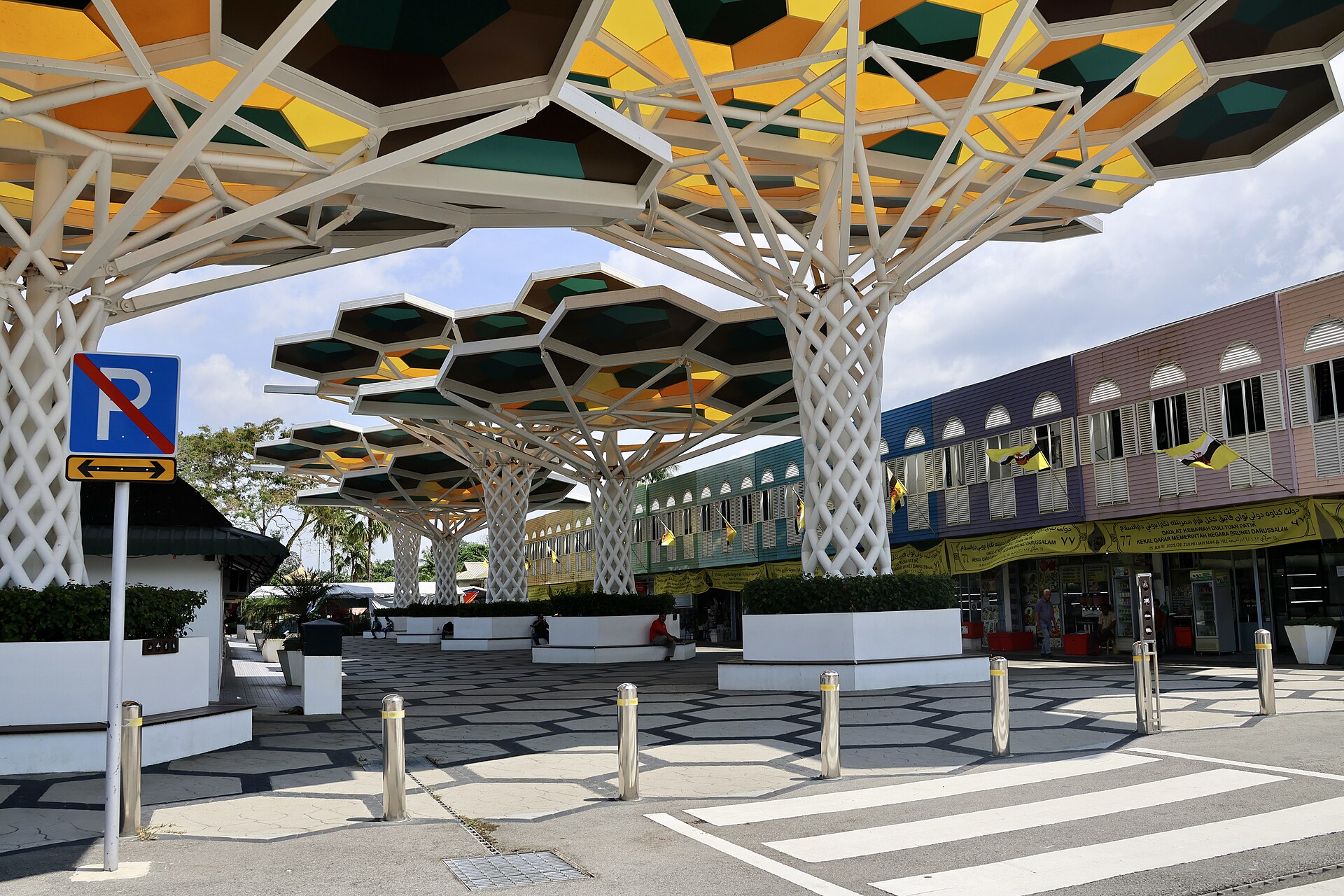
Culture
Bangar belongs to Brunei, a Malay Islamic monarchy, and daily life in the town follows that. Mosques anchor communities, prayer times shape the rhythm of the day, and Friday is the main day of congregational prayer, so some businesses close around midday. Alcohol is not sold openly, and anyone thinking of bringing some should check the current rules before travelling. Most people in Temburong speak Malay, and English is understood in many shops and by younger residents, but a few words go down well: terima kasih for thank you, selamat pagi for good morning. Hospitality is real in small towns like this, and a stranger who looks lost is likely to be helped. Public displays of affection between couples are frowned on, and evenings are quiet, with little nightlife. Rain interrupts plans often and locals treat it as routine, so shelter in a shop-house and wait it out. Festivals such as Hari Raya, which follows Ramadan, bring families home and close many shops for a few days, so plan around them if the dates overlap. Remove your shoes before entering a mosque or someone's home, dress modestly, and use your right hand when giving or receiving anything.
What to wear
Traditional dress in Bangar is Malay dress as worn across Brunei. Women wear the baju kurung, a long tunic over a skirt, often with a tudung headscarf. Men wear the baju Melayu, a loose shirt and trousers, sometimes with a wrapped cloth at the waist and a black songkok cap. For weddings, Hari Raya and formal ceremonies, people add songket, cloth woven with gold or silver thread, usually on a silk or cotton base. Everyday wear is plainer. Expect cotton shirts, batik prints, long trousers or skirts, and many women in tudung, with uniforms for school and government work. Shorts and sleeveless tops are uncommon in town. A visitor should dress for heat, humidity and modesty together: light, quick-drying cotton or linen, shoulders and knees covered, and trousers or a long skirt for mosque visits and offices. Women may want a light scarf to hand. Pack a rain jacket, since showers are heavy in every month. For rainforest walks, wear closed shoes with good grip, as paths are often wet and muddy, and keep sandals for town and for the many places where shoes come off at the door.
What to eat
- Ambuyat — Malay eateries along the main road
Ambuyat is sticky starch from the sago palm, twirled around a two-pronged bamboo stick and dipped in a sour sauce, eaten with vegetables and fish. It is plain on its own, so the sauce does the work. Ask at Malay eateries; it may need ordering ahead.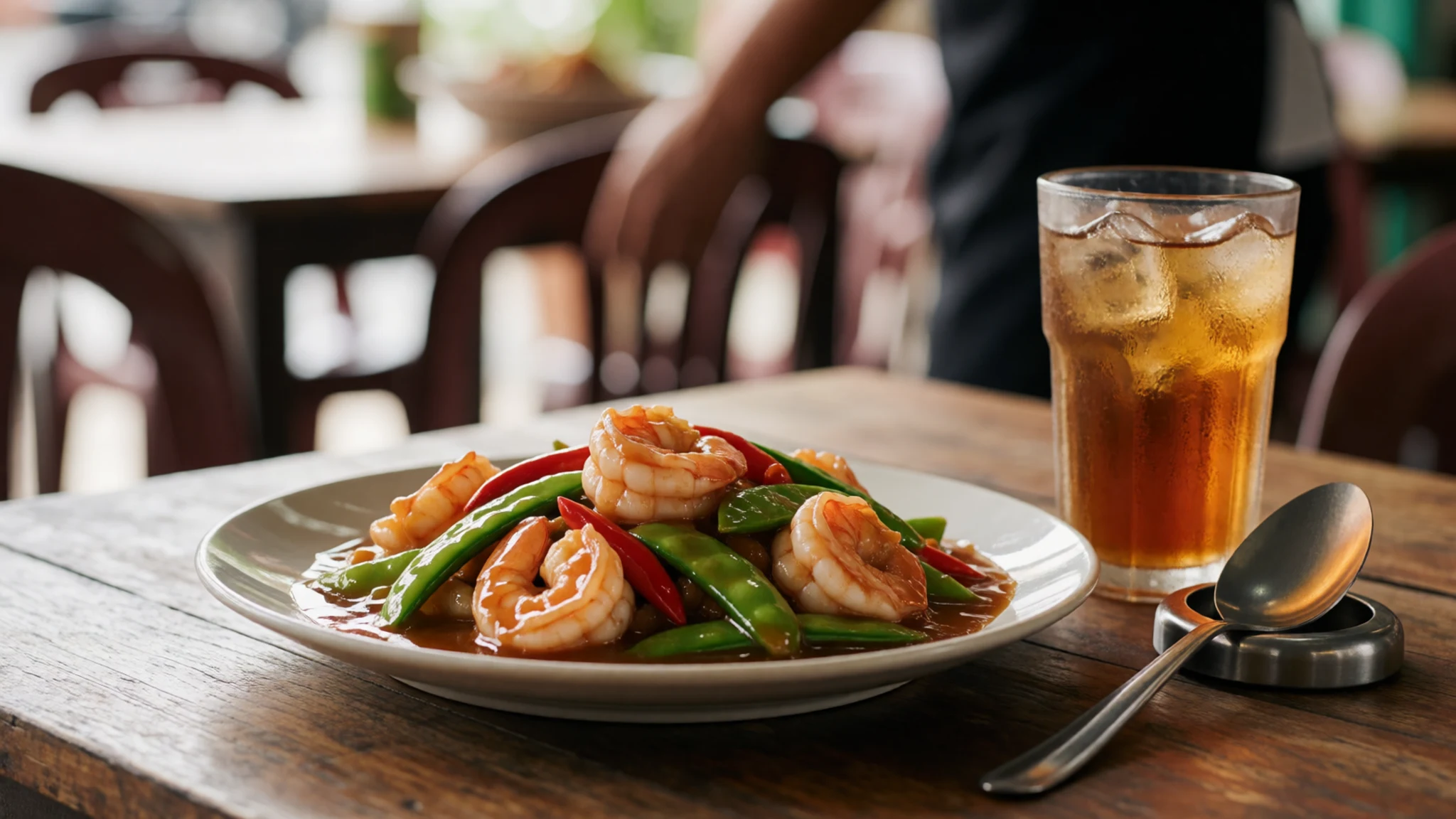
- Nasi katok — Small takeaway stalls and Malay eateries in town
Nasi katok is a cheap, filling parcel of rice with fried chicken and a spoon of chilli sambal. It suits an early lunch or a quick stop before a rainforest trip, and it is easy to eat on the move.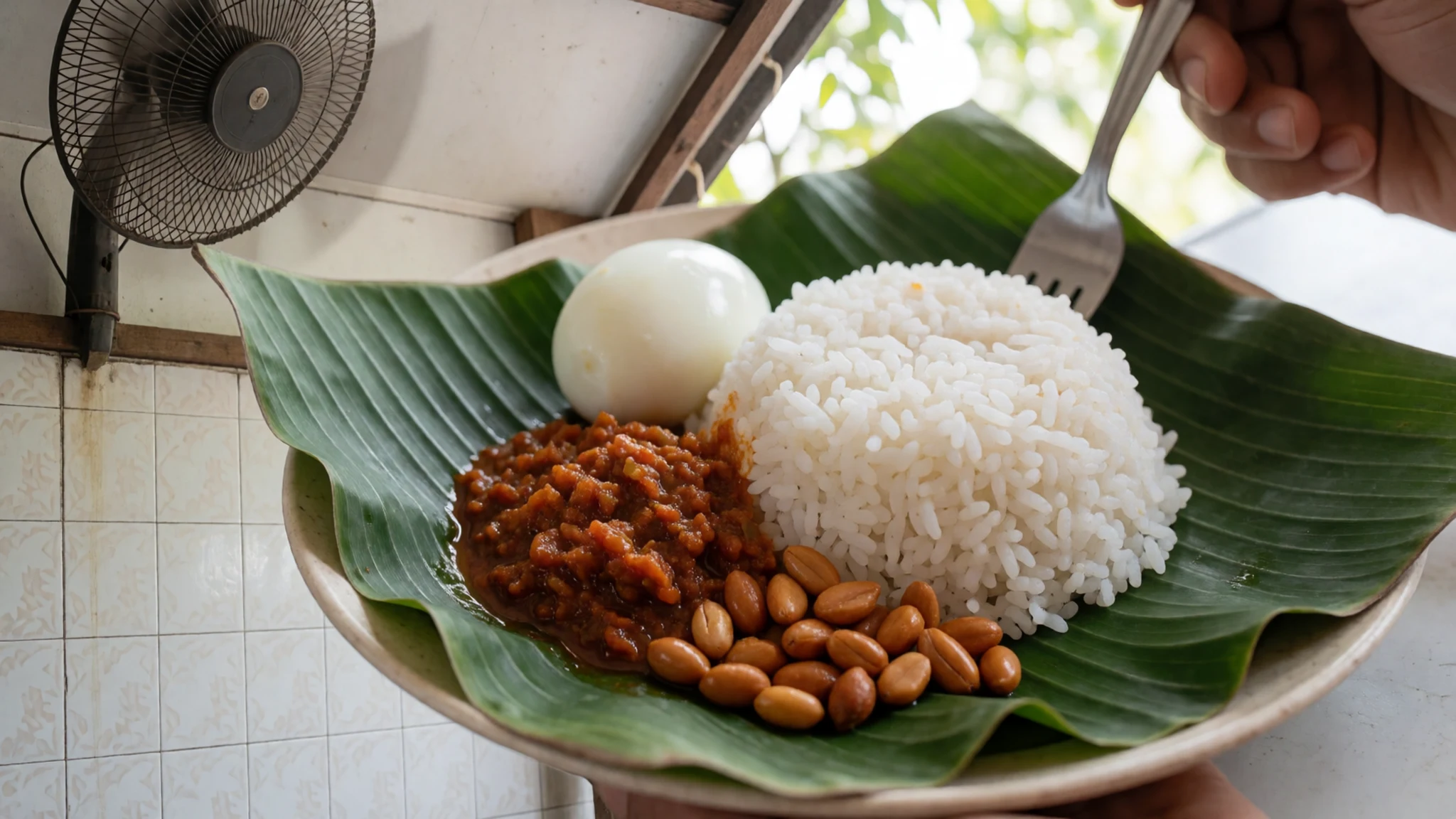
- Chinese-Malay rice dishes — Restaurants in the row of shop-houses
The town's shop-row has restaurants serving a mix of Chinese and Malay cooking: stir-fried vegetables, fish, chicken and eggs with rice, and sambal on the side. Order a few plates to share and see what the kitchen is best at that day. - Mee goreng and noodle soups — Coffee shops and local eateries
Fried noodles with egg, greens and chilli, or a bowl of noodle soup in a light broth, are the reliable choice at any small coffee shop. Breakfast and lunch are the busiest times, and portions are generous. - Kuih — Small shops and morning stalls in town
Kuih are small sweet or savoury cakes made from rice flour, coconut, palm sugar and pandan, eaten with tea or coffee. They sell best in the morning, so go early, and pick a mix to try different textures.
Plan it
Best time. Rain is heavy in every month, so there is no dry season to aim for. February to April is a sensible choice, as these months are commonly a little lighter, but pack for showers whenever you go. Mornings are usually clearer and cooler than afternoons.
How long. 1–2
Getting there. Fly to Brunei International Airport near Bandar Seri Begawan, then travel by road over the Sultan Haji Omar Ali Saifuddien Bridge to Bangar. There are no direct buses from the capital and the old boat service has stopped, so hire a car or arrange a taxi or tour transfer. Overland travellers can come through Limbang or Lawas in Sarawak, Malaysia.
Budget. mid
Tips
- Arrange transport before you arrive: there is no direct bus and boats no longer run from the capital
- Carry cash for small shops and eateries, as card acceptance can be patchy
- Book park visits and accommodation ahead, and check current details on official Brunei tourism and park pages
- Carry a rain jacket and a dry bag; showers are heavy in any month
- Eat and explore early, as the town is quiet after dark
Etiquette
- Dress modestly and remove shoes before entering a mosque or a home
- Use your right hand to give, receive and eat
- Ask before photographing people, especially women and children
Nearby
Sources
- Wikidata Q1125479 (CC0)
- Wikipedia: Bangar, Brunei (rev 1374981061) (CC BY-SA 4.0)
- Wikivoyage: Bangar (rev 5372767) (CC BY-SA 4.0)
- Temburong on 27 July 2023 (37), Pangalau (CC BY-SA 4.0)
- Temburong on 27 July 2023 (64), Pangalau (CC BY-SA 4.0)
- Temburong on 27 July 2023 (29), Pangalau (CC BY-SA 4.0)
- 2023 Majlis Ramah Mesra Temburong (17), Pangalau (CC BY-SA 4.0)
- Bangar, Виктор Пинчук (CC BY-SA 4.0)
- Bangar Camp entrance, Temburong on 27 July 2023 (69), Pangalau (CC BY-SA 4.0)
- Temburong on 27 July 2023 (63), Pangalau (CC BY-SA 4.0)
- Tugu Peringatan 1962, Government of Brunei (Public domain)


