Ulong Island
Ulong Island, Palau
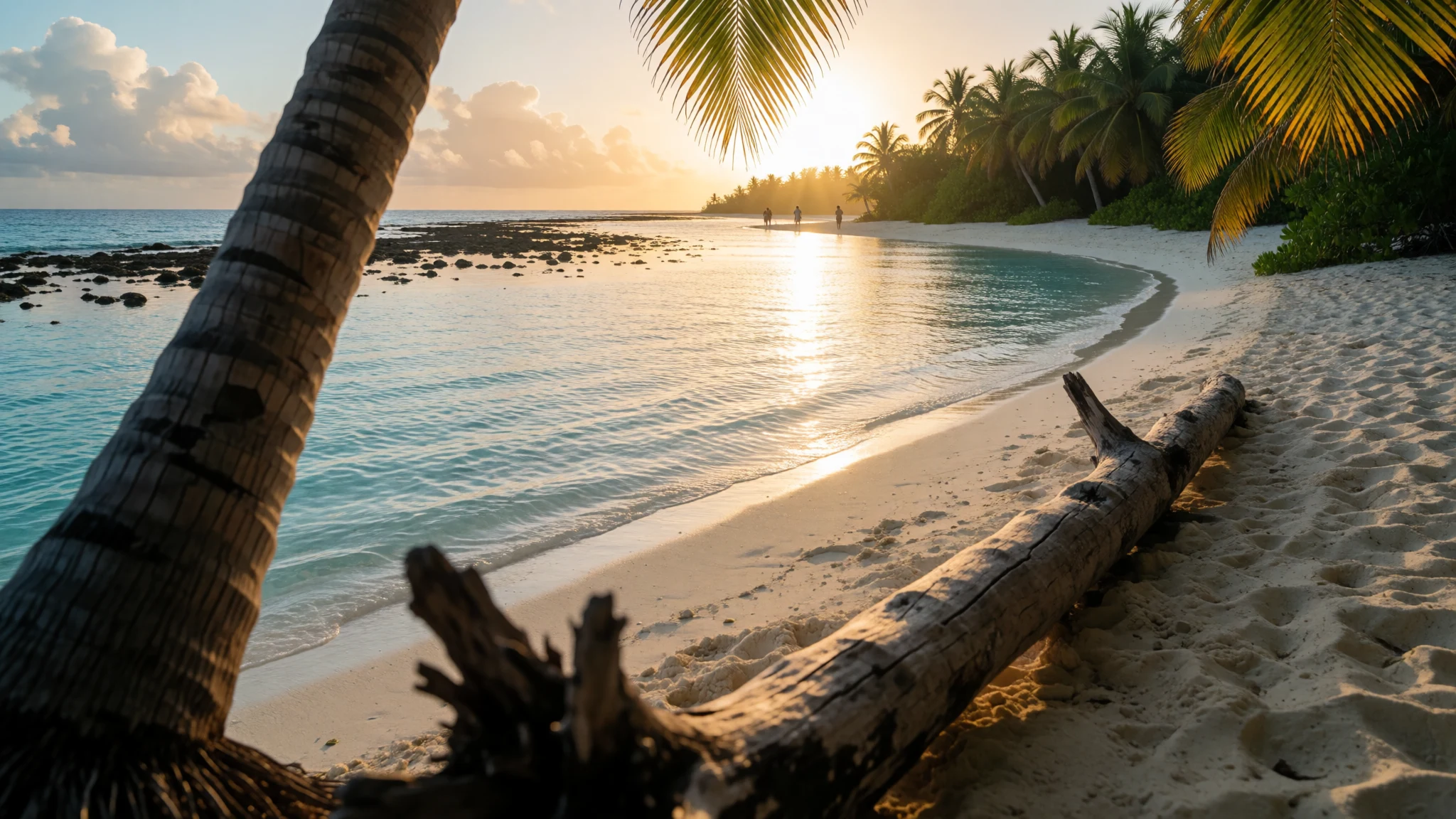
Ulong Island in Palau pairs a quiet sandy beach with a reef channel where divers ride the current among sharks and giant clams.
The place
Ulong Island sits in the west of Palau, in the Pacific, a short run by boat from the main town of Koror. It is a limestone island, low and green, with pale beaches around its edge. Its name is also written Aulong, and older English accounts spell it Oroolong. The island matters to visitors for two reasons: the sand and the water beside it.
Cutting through the reef close to the island is Ngerumekaol Pass, more often called Ulong Channel. It runs for about 500 metres and averages about 33 metres across, and it opens into a calm reef lagoon. Water pushes through it with the tide, which is why divers use it for drift dives, letting the current carry them along rather than kicking against it. Many divers regard it as one of the best drift dives anywhere. Sharks work the currents in the channel and around Ulong Corner. On the channel floor sit giant clams and a very large patch of green lettuce coral, which is among the biggest known.
Geographically, Ulong lies about 3.2 km off the western point of Uruktapel, the large island south of Koror. The lagoon between Ulong and Malakal Harbour can be navigated, but the passages nearer the island, Denges and Eil Malk, are trickier for boats. In practice nearly everyone arrives with a local operator who knows the tides. There are no villages to wander into: a visit means a beach, a reef and the boat.
Its story
Ulong Island has a recorded history that reaches back to the end of the eighteenth century. In 1783 an English naval captain, Henry Wilson, was aboard his packet ship Antelope when it was wrecked off the island. Wilson was serving the British East India Company at the time. The crew survived and were helped by the Palauans, and when Wilson sailed for home he took with him a local prince, Lee Boo. That voyage is one of the earliest well-documented contacts between Palau and Britain, and it left Lee Boo's name in British accounts of the islands.
The island had a violent chapter too. Around the same period its inhabitants tried to defend Ulong against an attack launched along Ikesakes Reef. They were defeated and forced to leave, so the island that visitors now see as empty and peaceful was once contested ground, with people who had to abandon it.
There is older evidence of human presence as well. Ulong has Palau Cave Paintings, a reminder that people lived and worked here long before any ship arrived. Details of how to see them are best asked of a local guide or the state authorities, since access to such sites is often regulated. Taken together, the wreck, the lost battle and the cave art make Ulong more than a beach: it is a place with a layered human past sitting behind the reef.
What to see
- The beach — Ulong Island shoreline
Ulong's beach is the reason most day trips stop here: a gentle curve of pale sand backed by trees, with shallow, clear water. It is a place for a swim, a picnic from the boat and a slow walk along the tideline. Bring shade, because cover is limited.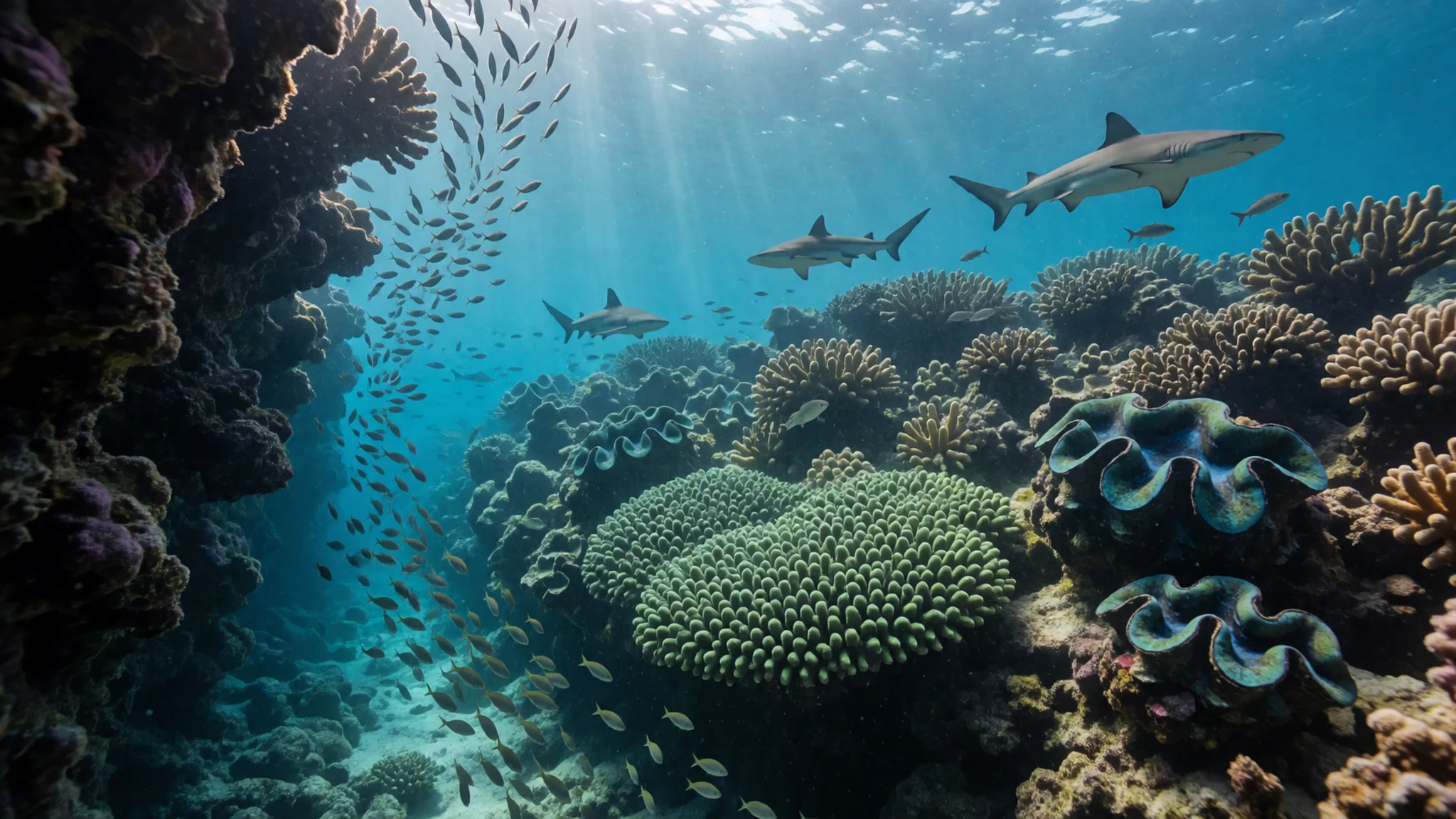
- Ulong Channel drift dive — Ngerumekaol Pass
Ngerumekaol Pass is a reef cut of about 500 metres that leads into the lagoon. Divers enter on the current and are carried through. Expect sharks in the flow, giant clams on the bottom and a wide patch of green lettuce coral. It suits confident divers; currents decide the timing.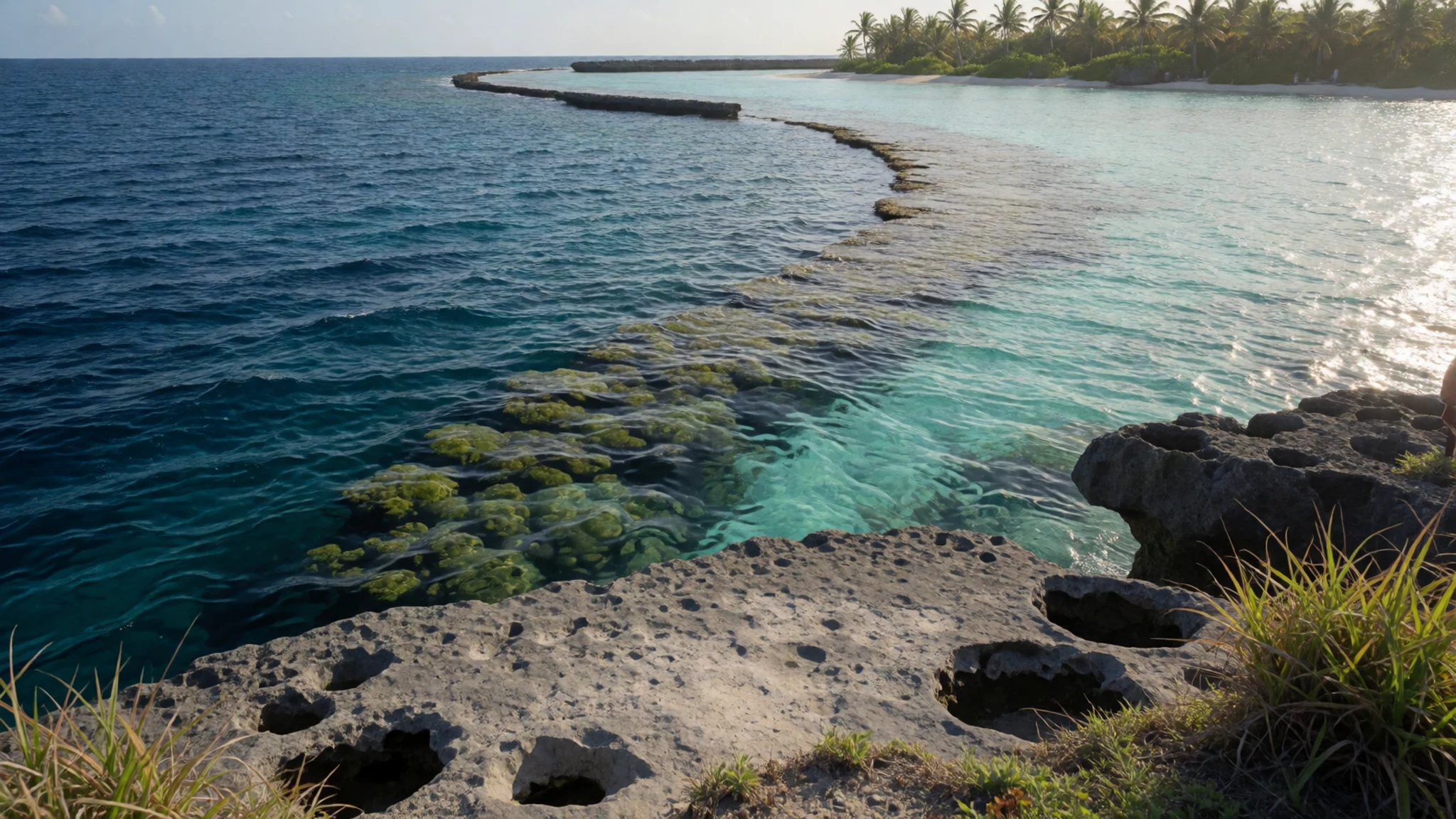
- Ulong Corner — Outer reef by the channel
At the reef edge near the channel mouth, the water moves quickly and sharks gather in the current. This is a spot for experienced divers with a guide who reads the tide. From the surface, the line where calm lagoon meets open sea is easy to spot.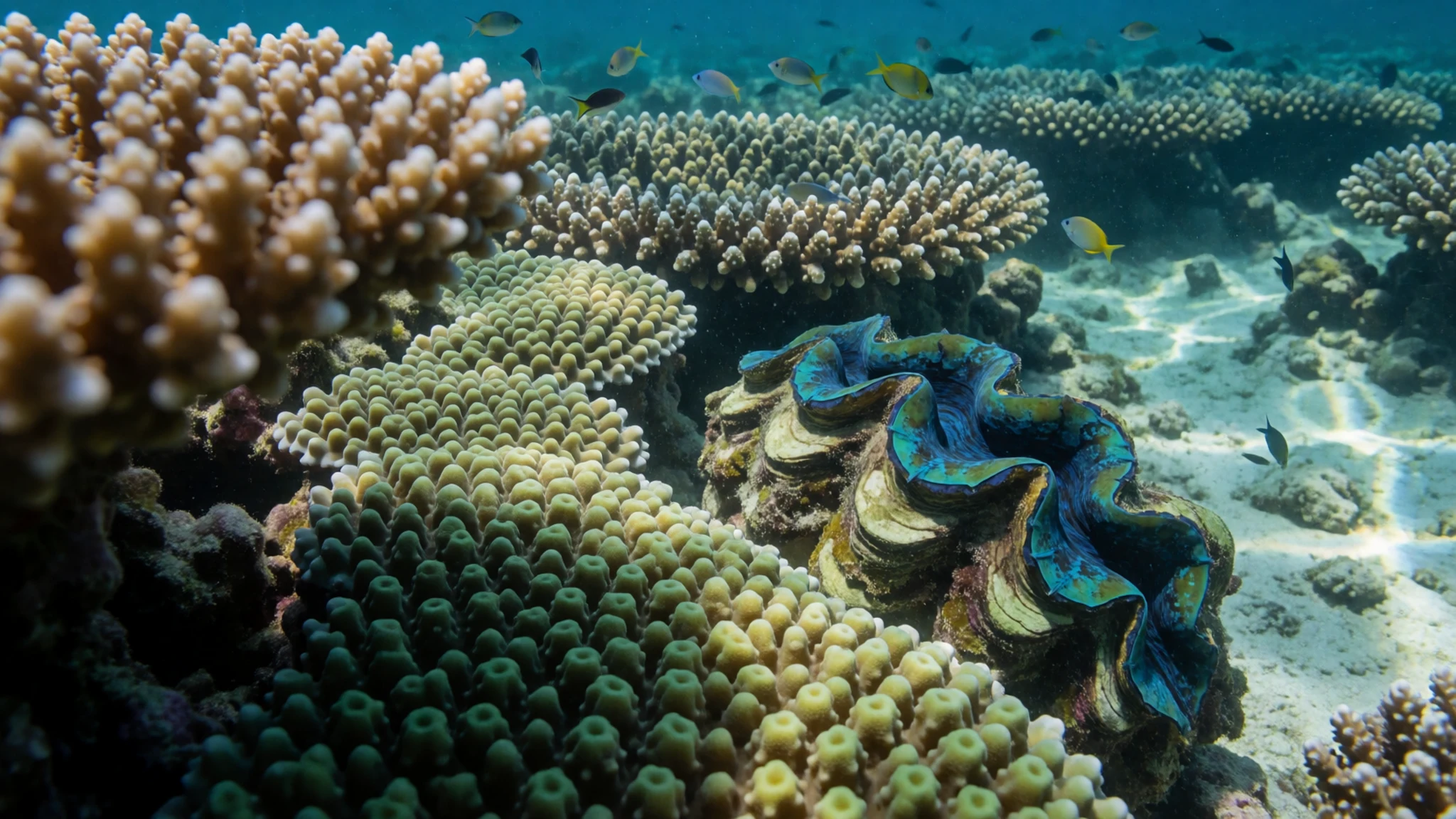
- The lagoon — Lagoon towards Malakal Harbour
Inside the reef, the lagoon is calm and shallow enough for snorkelling at the right tide. The route from Ulong back towards Malakal Harbour is navigable, so boats usually combine it with other stops. Ask the crew which sections are safest for swimming that day.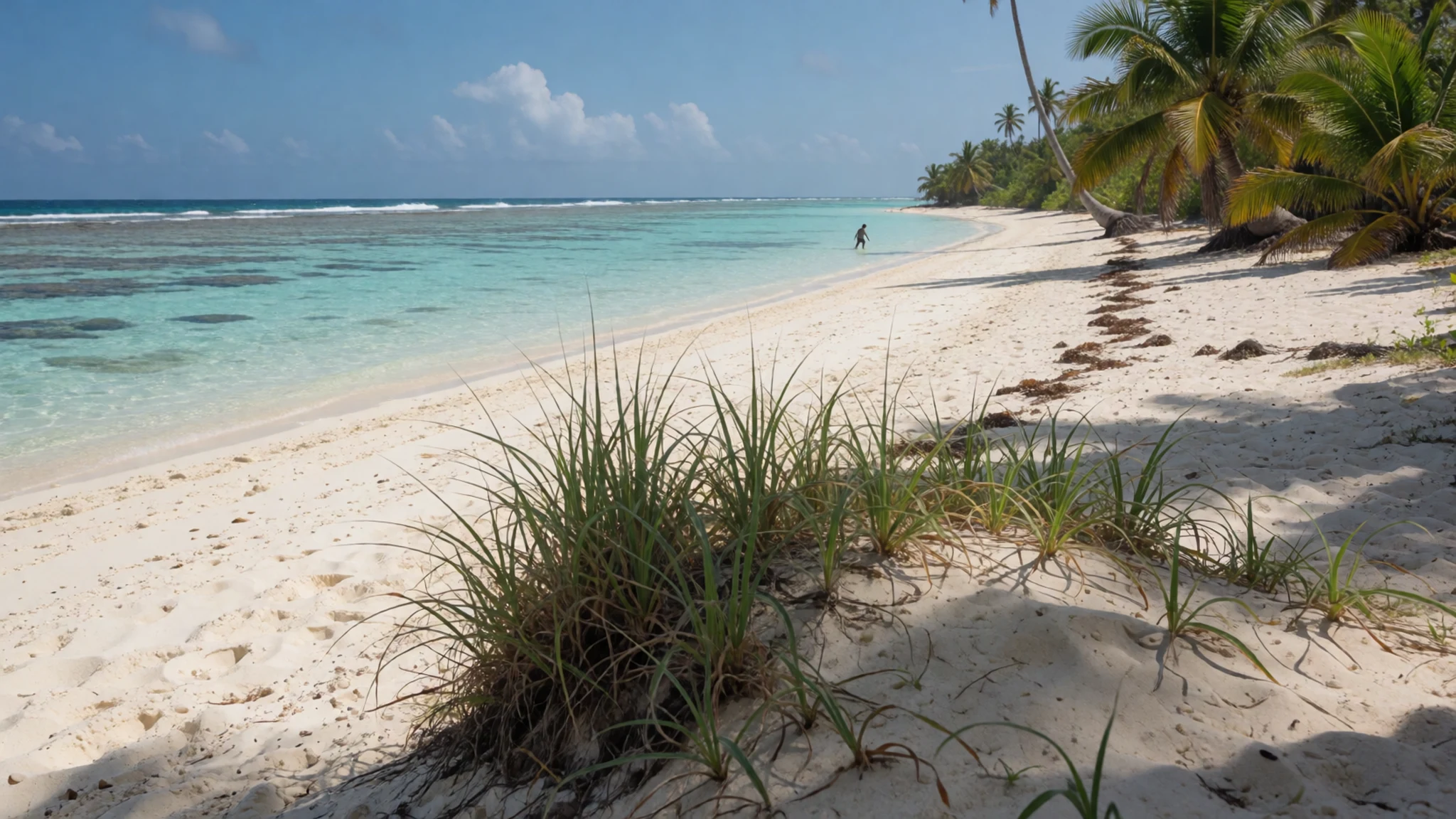
- Palau Cave Paintings — Ulong Island interior
The island holds cave paintings that show how long people have used this place. Access can be restricted and the sites are fragile, so go only with a licensed guide, ask before entering, and treat them as heritage rather than a photo stop.
Culture
Ulong Island is uninhabited by visitors' standards, so the culture of a visit is really the culture of Palau, the country it belongs to. Palauans have a long tradition of looking after reef, lagoon and land, and the guides who take boats out here often speak about the sea with real care. Listening to them is part of the trip.
The island's past is also a living reference. The Palau Cave Paintings show that people were here long before the Antelope was wrecked in 1783. The story of Prince Lee Boo travelling to England with Captain Wilson is still part of how Palau's history is told, and the defeat on Ikesakes Reef is a reminder that the island was once defended and then lost. These are not tourist legends but family and community history, so questions are welcome when asked with respect.
Day to day, the most visible custom is courtesy towards the water. Boat crews take pride in leaving beaches clean, and operators brief visitors on what may and may not be touched. Dive guides in particular expect divers to follow their instructions about currents, depth and distance from marine life. Conversations tend to be quiet and unhurried, and a friendly greeting to the crew goes a long way.
Before stepping onto the sand or into the water, follow your guide's instructions, take every piece of rubbish back to the boat, and never touch or stand on coral, giant clams or sharks.
What to wear
Ulong Island has no fashion of its own, so this is about Palau. Traditional dress in Palau has centred on skirts made from plant fibres and grasses, worn with woven or shell ornaments, and shell and bead jewellery marked status and occasion. Today such dress mostly appears at festivals, dances and ceremonies, and it is best seen in Koror rather than out on the reef.
Everyday clothing in Palau is practical and tropical: light cotton shirts, shorts or knee-length skirts, sandals or flip-flops, and often a cap. People are used to heat and humidity, and dress is relaxed. In towns, covering shoulders and knees is polite, particularly in churches and government buildings, though nobody expects anything formal.
For Ulong itself, visitors should dress for a boat day. Wear swimwear under quick-drying shorts and a loose shirt, and bring a long-sleeved rash vest or light cover-up, because sun on open water is strong and shade on the beach is limited. A wide-brimmed hat and sunglasses help. Reef-safe sunscreen is the considerate choice, since it protects the coral the day depends on. Footwear should be easy to slip off: sandals or water shoes for the sand and boat, with dive boots if diving. Pack a light waterproof layer, as showers can pass through, and a dry bag for phones and documents.
What to eat
- Fresh reef and ocean fish — Eateries and seafood restaurants in Koror
Fish is the centre of Palauan eating, grilled, fried, in soup or served raw. Menus in Koror usually offer the catch of the day. Choose what the kitchen recommends and ask how it was caught, as locals are glad to talk about it.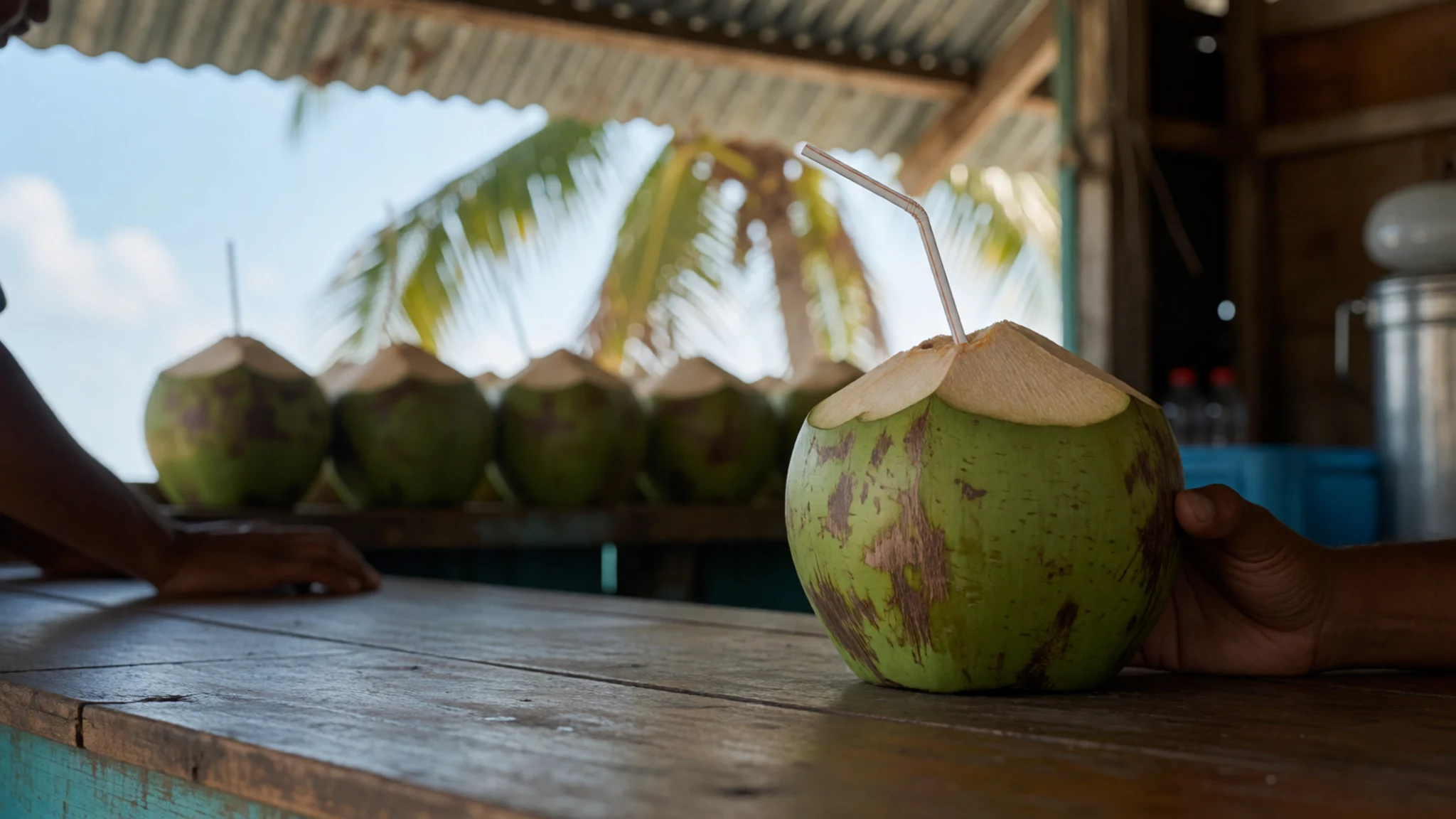
- Taro — Local markets and home-style eateries in Koror
Taro is a traditional starchy staple, boiled or steamed and eaten alongside fish and other dishes. It has a mild, earthy flavour and a dense texture, and it shows how island cooking relies on what grows nearby.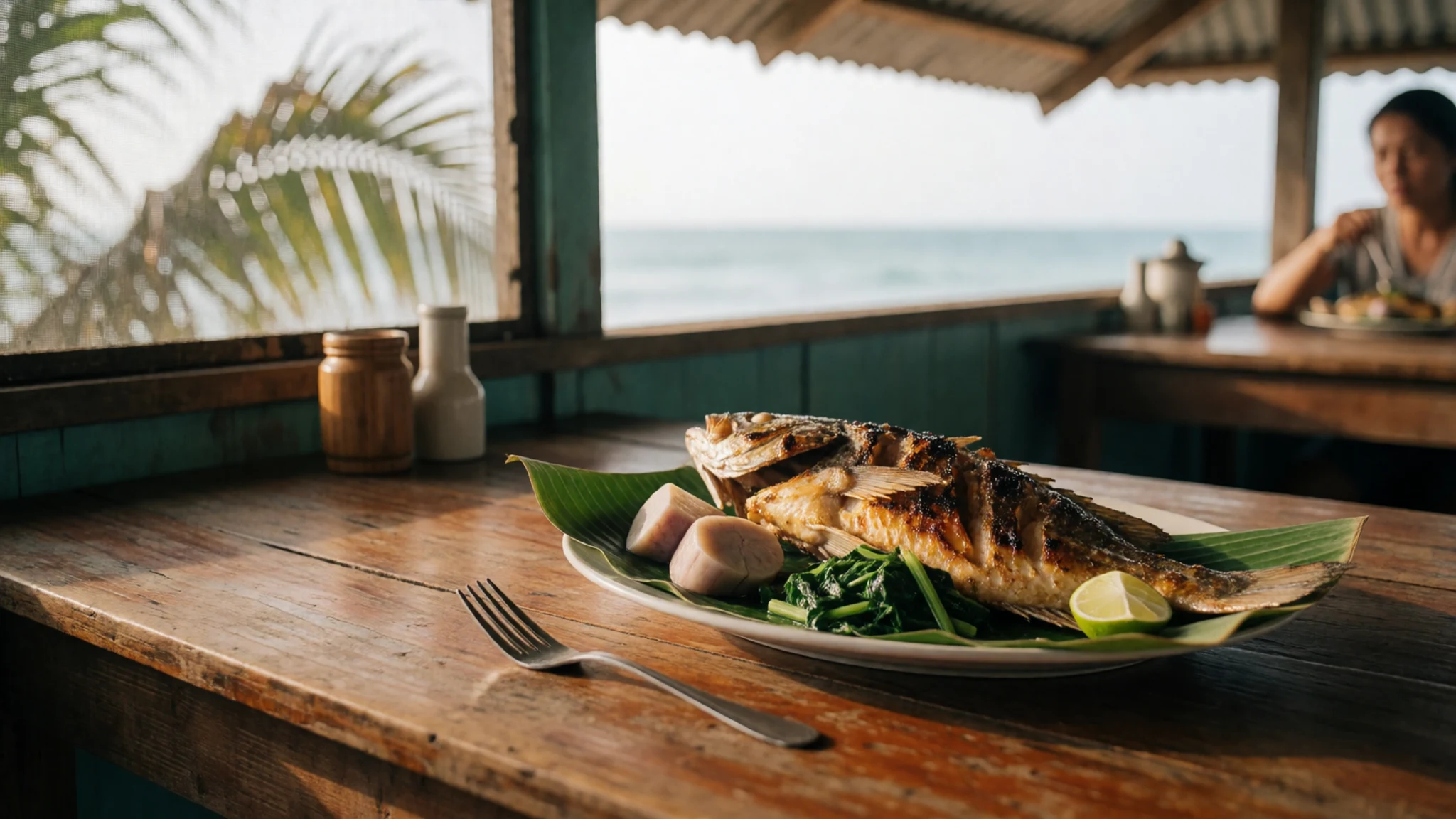
- Coconut crab and coconut dishes — Traditional restaurants and community feasts
Coconut features in many island dishes, from milk-based sauces to sweet preparations. Crab cooked in coconut is a local favourite. Ask whether the species is in season, because some shellfish are protected at certain times. - Tropical fruit — Roadside stalls and small shops around Koror
Papaya, banana, pineapple and coconut water are easy, cheap ways to refuel in the heat. Fruit stalls and shops sell them fresh, and they travel well in a bag for a boat day on the reef. - Boat-day picnic lunch — Served by tour and dive operators on the day trip
Most Ulong trips include a packed lunch eaten on the beach: rice, fish or chicken, salad and fruit. It is simple, filling and tastes better after a swim. Mention any dietary needs when booking, since options are limited at sea.
Plan it
Best time. December to April is generally the drier, calmer part of the year in Palau, which suits boat trips and diving. Wetter months bring showers and rougher seas, and the heat is humid all year, so check conditions with your operator.
How long. 2–3
Getting there. Fly to Palau's international airport, then travel to Koror. From Koror or Malakal Harbour, Ulong is reached by boat with a local operator; the lagoon route from Malakal is navigable, but the nearby passages are tricky, so go with a crew who know the tides.
Budget. high
Tips
- Book the boat or dive trip in advance through a licensed local operator
- Dive Ulong Channel only with a guide who reads the current
- Bring sun protection, water and a dry bag, as there are no shops on the island
- Carry some cash for small purchases in Koror
- Confirm permit or access rules with your operator and official Palau tourism sources
Etiquette
- Take all rubbish back to the boat
- Do not touch or stand on coral, giant clams or marine life
- Ask your guide before visiting the cave paintings
Nearby
Sources
- Wikidata Q5925705 (CC0)
- Wikipedia: Ulong Island (rev 1356452309) (CC BY-SA 4.0)
- Wikivoyage (CC BY-SA 4.0)
- Beach at Ulong Island, Palau (1) — Matt Kieffer (CC BY-SA 2.0)
- Beach at Ulong Island, Palau (2) — Matt Kieffer (CC BY-SA 2.0)
- Beach at Ulong Island, Palau (3) — Matt Kieffer (CC BY-SA 2.0)
- Beach at Ulong Island, Palau (4) — Matt Kieffer (CC BY-SA 2.0)
- Beach at Ulong Island, Palau (5) — Matt Kieffer (CC BY-SA 2.0)


Wildlife
- Grey reef shark (animal)
The grey reef shark is the sleek, round-snouted patrol officer of the coral reef, with big eyes and a black edge on its tail. Around Ulong Island the currents bring sharks into the mix, and this species is often seen in shallow water near the steep edges of reefs, so look along the reef edge. Watch with a local guide, stay calm and quiet in the water, keep a respectful distance, and never feed it. Let it pass in its own time.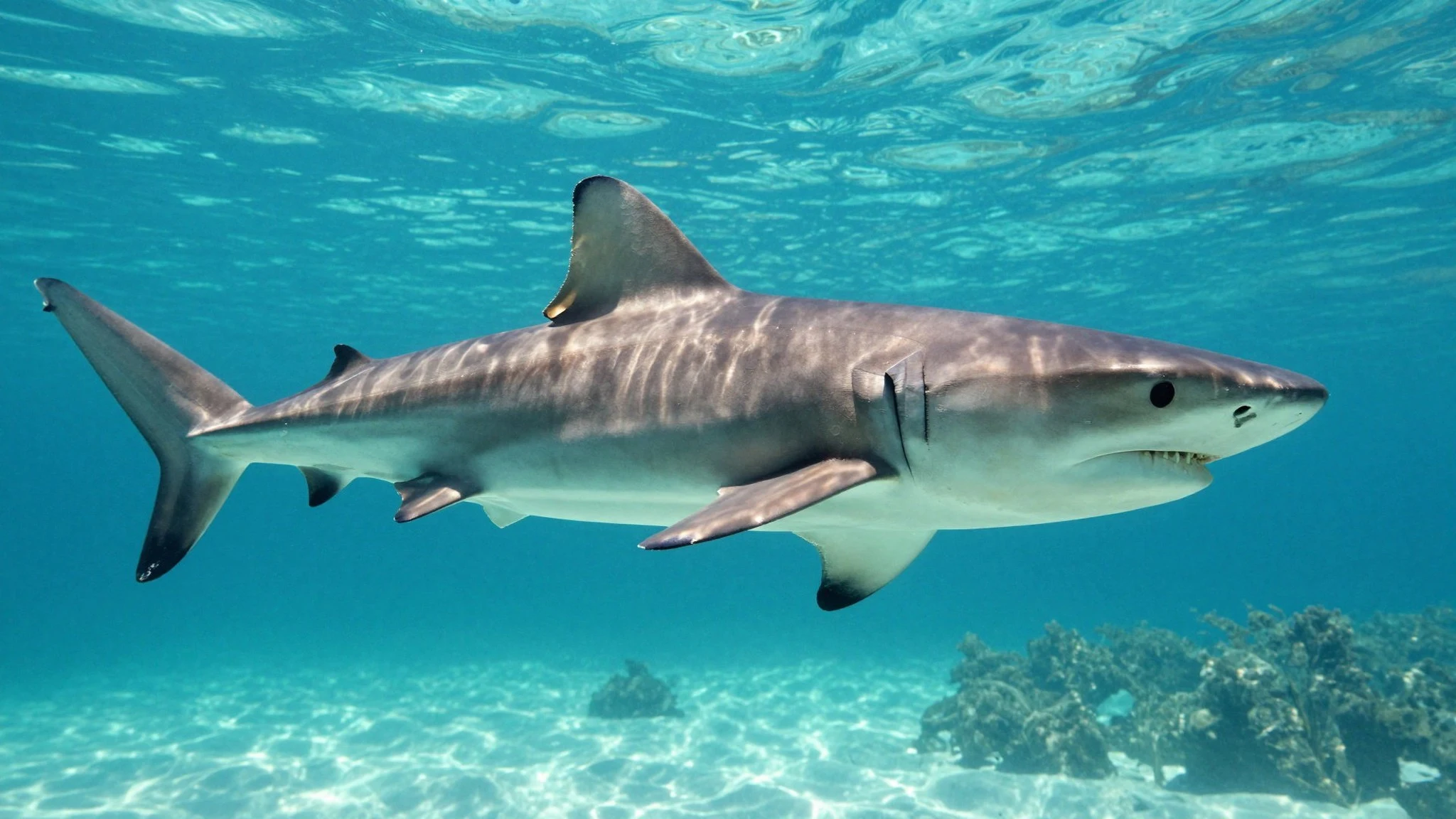
- Giant clam (animal)
The giant clam is the biggest two-shelled creature alive, a gentle giant that sits tucked into the reef. At Ulong Island you may spot giant clams nestled in the reef structure, so look closely along the coral rather than out in open water. Several similar clams are often mistaken for this one, so a guide helps with naming it. Watch quietly from a distance, never touch or feed it, and let it be.