Ngardmau Waterfall
Ngardmau Waterfall, Palau
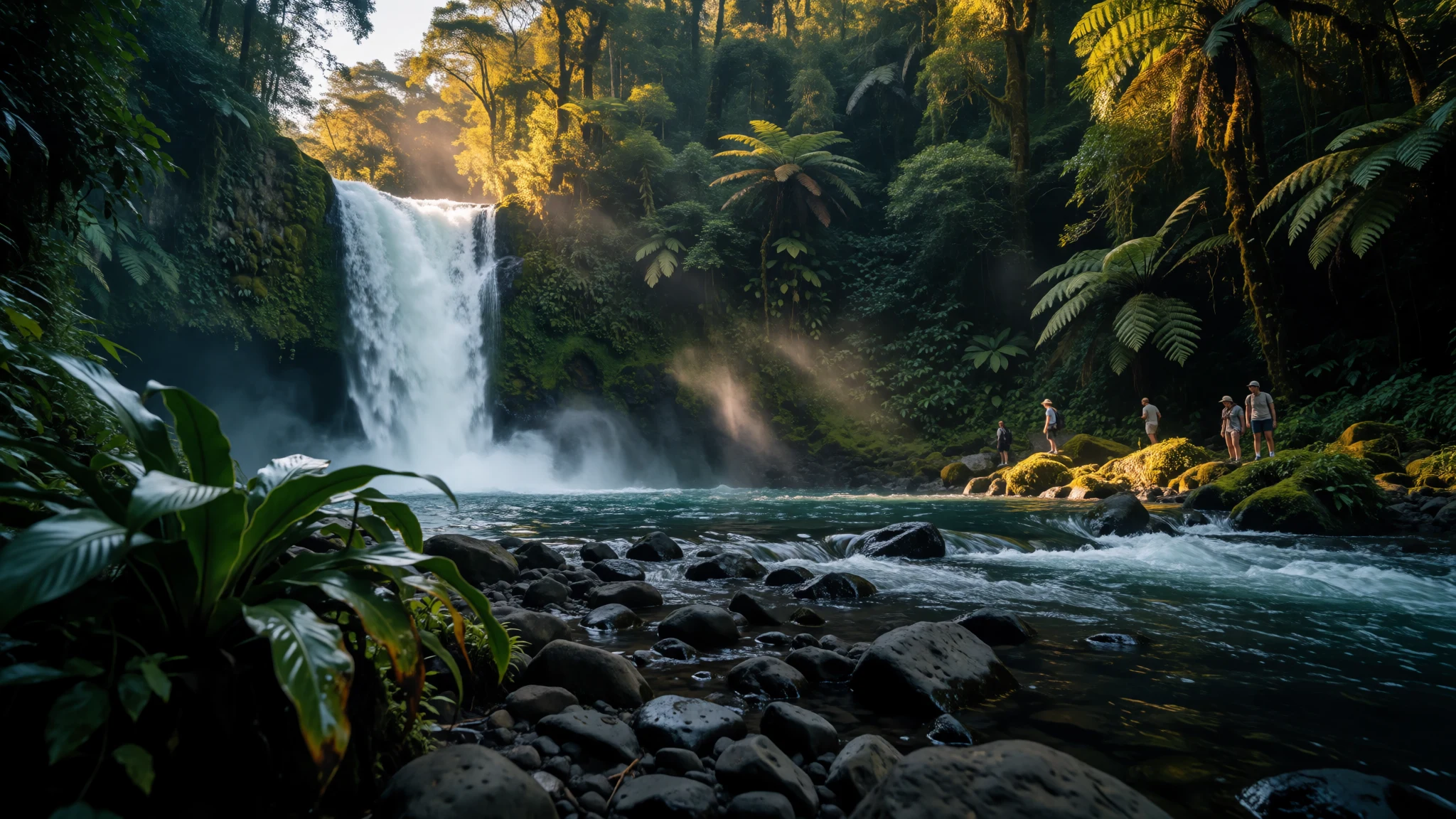
Ngardmau Waterfall offers a green, freshwater day on Palau's main island, a change from the reefs and lagoons that draw most visitors.
The place
Ngardmau Waterfall lies on Babeldaob, the large island of Palau where the country's only international airport stands. Palau is a scatter of islands at the western end of the Caroline chain, and most visitors spend their days around Koror and the Rock Islands, diving or snorkelling. The falls offer a different kind of outing: fresh water, forest and red-brown earth instead of reef and lagoon. Reaching them means a drive across Babeldaob and then a walk, so the trip suits a half day or a full one, usually arranged through a local guide or a tour operator. The climate shapes everything. Palau is tropical all year, with an annual mean temperature of about 28 °C and rain that can arrive in any month, adding up to roughly 3,800 mm in a year. Paths are therefore often muddy, the stream runs fuller after downpours, and the air under the trees is warm and heavy. Photographs show a pale ribbon of water against dark rock and bright foliage, and that is a fair picture of the place: scenic and photogenic rather than overwhelming. Tour groups can make the viewpoint busy at certain times, though it is nothing like the queues at famous waterfalls elsewhere. Facilities are basic, so water, snacks and cash are worth carrying. Babeldaob itself is quiet, with villages, taro patches, mangroves and open grassy hills along the road, and that drive is part of the pleasure. Visitors who know Palau only from dive brochures often find this inland side a welcome change of pace.
Its story
Ngardmau Waterfall stands in a country with a layered history, and Babeldaob has been part of every chapter. Palauans have lived on these islands for thousands of years in a matrilineal society, in which family lines and land pass through women. Their origins are debated: ancestry may trace to Asia, Polynesia and other parts of the Pacific, and Palauans are not traditionally counted as Micronesian. Contact with outsiders stayed limited until the English captain Henry Wilson was shipwrecked off Ulong in 1783. It was Wilson who gave the group the name Pelew, which turns up in older European writing. Britain, Spain and Germany all later claimed the islands, and Spain held them until it sold them to Germany in 1899. German administrators developed mining of bauxite and phosphate, along with a coconut trade. After the First World War the League of Nations handed Palau to Japan, and that Japanese presence made the islands a target in the Second World War, leaving wartime relics on land and under the sea. Palau then came under United States administration as part of the UN Trust Territory of the Pacific. In 1978 Palauans chose not to join the Federated States of Micronesia, and the country became independent on 1 October 1994, after an agreement of free association with the United States had finally been ratified. For a traveller the past shows in small things: Japanese-style lunch boxes in the shops, wartime sites, a strong sense of family land, and a national habit of protecting the sea. Ngardmau's quiet inland forest, far from the dive boats, belongs to that same inheritance.
What to see
- Ngardmau Waterfall — Ngardmau, Babeldaob
The falls are the reason for the trip: a pale sheet of water dropping over dark rock into a pool framed by dense forest. Rain changes the view, since after heavy showers the flow is stronger, though the approach is muddier and swimming conditions should be checked locally.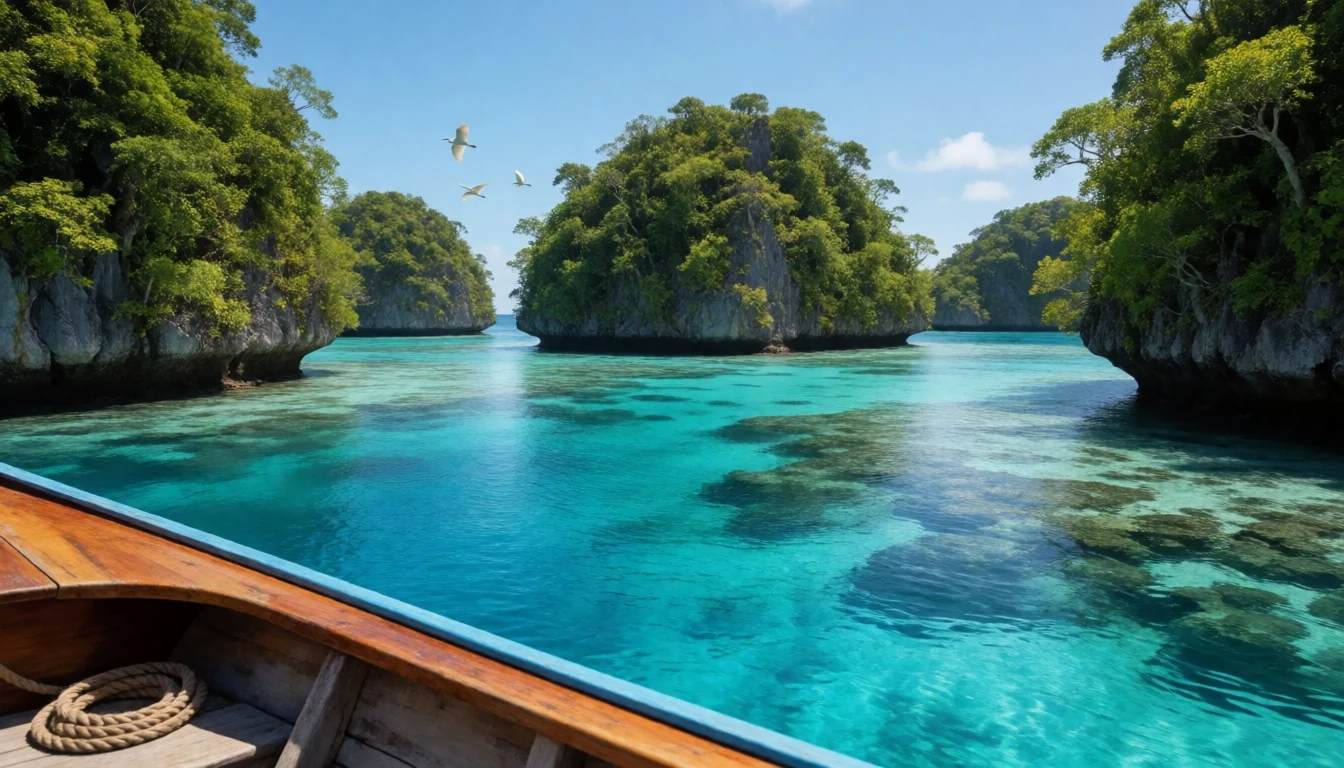
- The forest approach — Ngardmau, Babeldaob
The walk in is half the experience: tropical forest, ferns, birdsong and roots across the path. Humidity is high and the ground can be slippery, so a slow pace and a full water bottle matter more than fitness. A local guide can name plants and explain how they are used.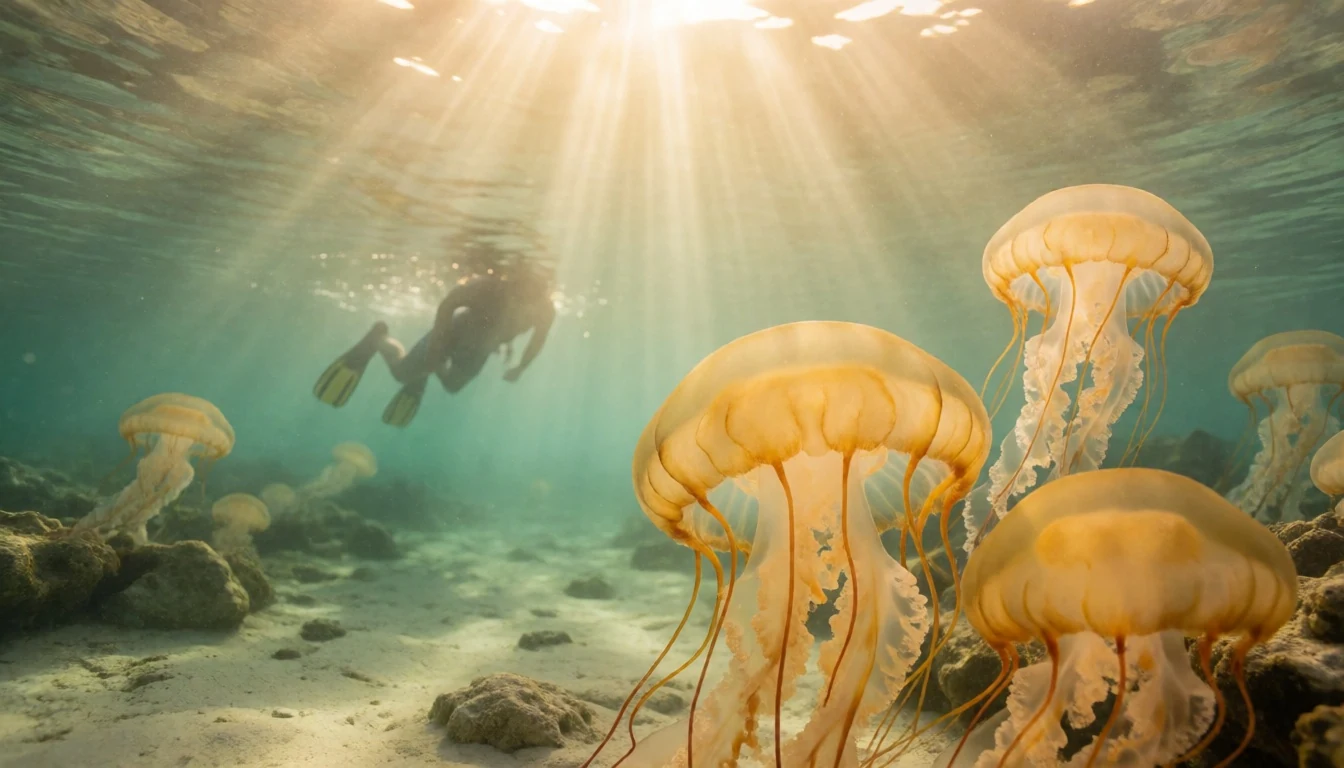
- The Babeldaob road — Across Babeldaob
The drive from the airport side of the island to Ngardmau passes villages, taro patches, mangroves and open grassy hills. Stopping for a few photographs and a cold drink at a roadside shop gives a quieter picture of Palau than the dive resorts around Koror.
- The Rock Islands — South of Koror
About 250 rock islands, many tiny and uninhabited, form a World Heritage site that most visitors pair with the waterfall. Boat trips, snorkelling and diving here are the usual way to see them. Day tours leave from Koror and are best booked with a licensed operator.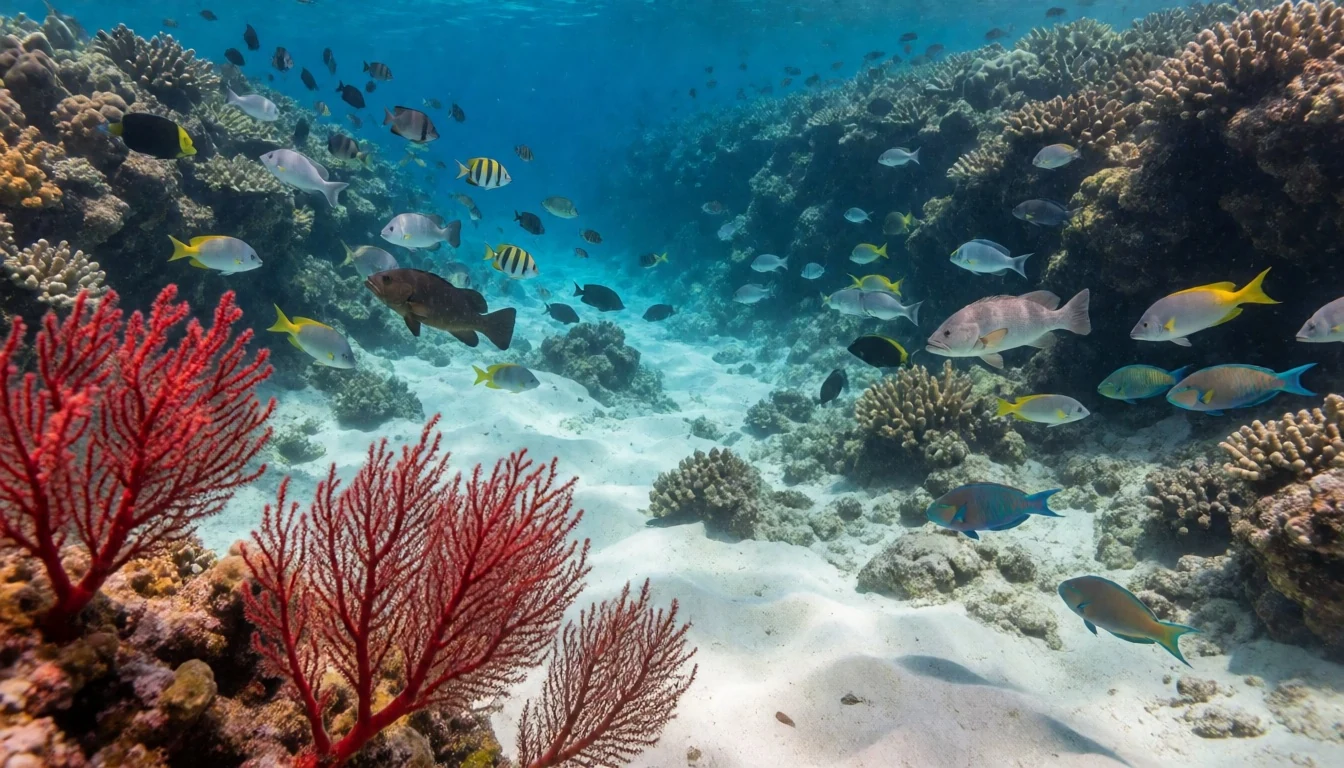
- Jellyfish Lake — Rock Islands
This marine lake holds jellyfish that have lost their stings. Warming water has driven them away at times, so they appear only now and then and in smaller numbers than a few decades ago. Seeing them is never guaranteed, and scuba diving is not permitted.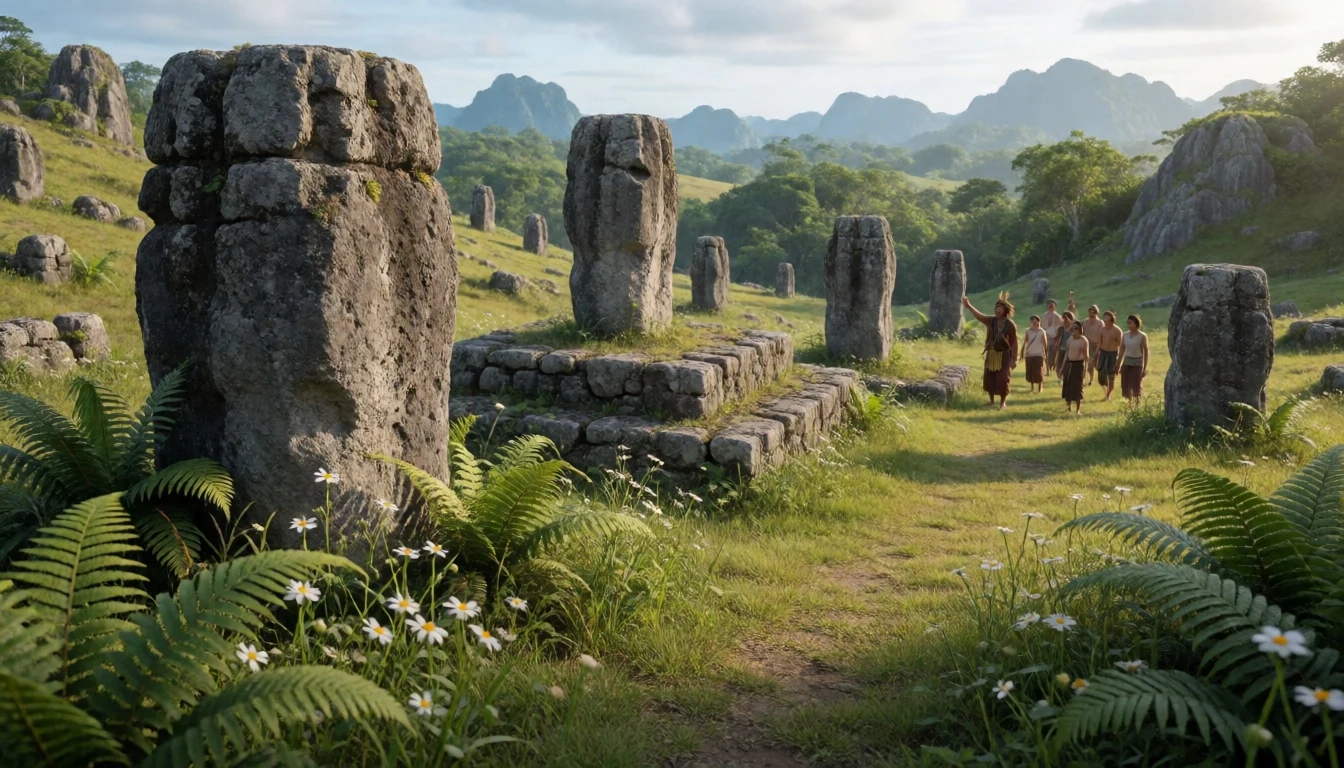
Culture
Ngardmau Waterfall sits within Palauan culture, where hospitality and respect for land and sea sit at the centre of life. Palau has a long-established matrilineal society, and clan ties to land and village are taken seriously, so even a popular natural spot belongs to a community. Palauans have a reputation for welcoming visitors, and most are patient with cultural differences, but rude remarks or prejudice about local customs are not taken kindly. Historic places, whether old stone terraces or wartime remains, are not souvenirs, and nothing should be moved, climbed on or taken home. Care for the environment is part of national identity as well. Visitors sign the Palau Pledge on arrival, a promise to protect the islands, and single-use plastics and sunscreens that harm reef are prohibited. That matters even inland, because every stream eventually reaches the sea. Daily life is relaxed, so tours may start late or shift with the weather, and patience is rewarded. A guide from a nearby village often adds stories and plant knowledge that no signboard offers. Alcohol is sold in shops, but public drinking is not allowed, so a picnic at the falls should stay dry. Sign the Palau Pledge in earnest: stay on the marked trail, carry every piece of rubbish out, and use only reef-safe sunscreen before you get near the water.
What to wear
Fashion around Ngardmau and the rest of Palau blends older island dress with practical clothes for a warm, wet climate. Traditional dress was made from plant fibre, with skirts of woven or shredded leaf and bark in different forms for women and men, often worn with flowers, shell ornaments and natural colouring for ceremonies. Today such pieces mostly appear at festivals, dances and cultural events rather than on ordinary days. Everyday wear is simple: T-shirts, shorts, island-print shirts, loose dresses, rubber sandals and a rain jacket when showers arrive. Dive-shop T-shirts are everywhere. Villages and churches lean modest, so covered shoulders and knees suit Sundays and community events. For the waterfall, a visitor should wear quick-drying clothes, since cotton stays damp in the humidity, with swimwear underneath if a dip is planned. Shoes matter most: closed shoes or trail sandals with a good grip, because the path can be muddy and crossed with roots. Add a light rain jacket, insect repellent and a hat. Reef-safe sunscreen is the legal choice and many ordinary brands are banned, so check labels before packing. In Koror and the villages, beachwear belongs at the beach.
What to eat
- Bento lunch boxes — Shops and takeaway counters in Koror
Japanese-inspired bento boxes are a popular local lunch, usually rice with fish, meat and a few vegetables. They travel well, which makes them a sensible packed lunch for the drive to the waterfall and the walk in.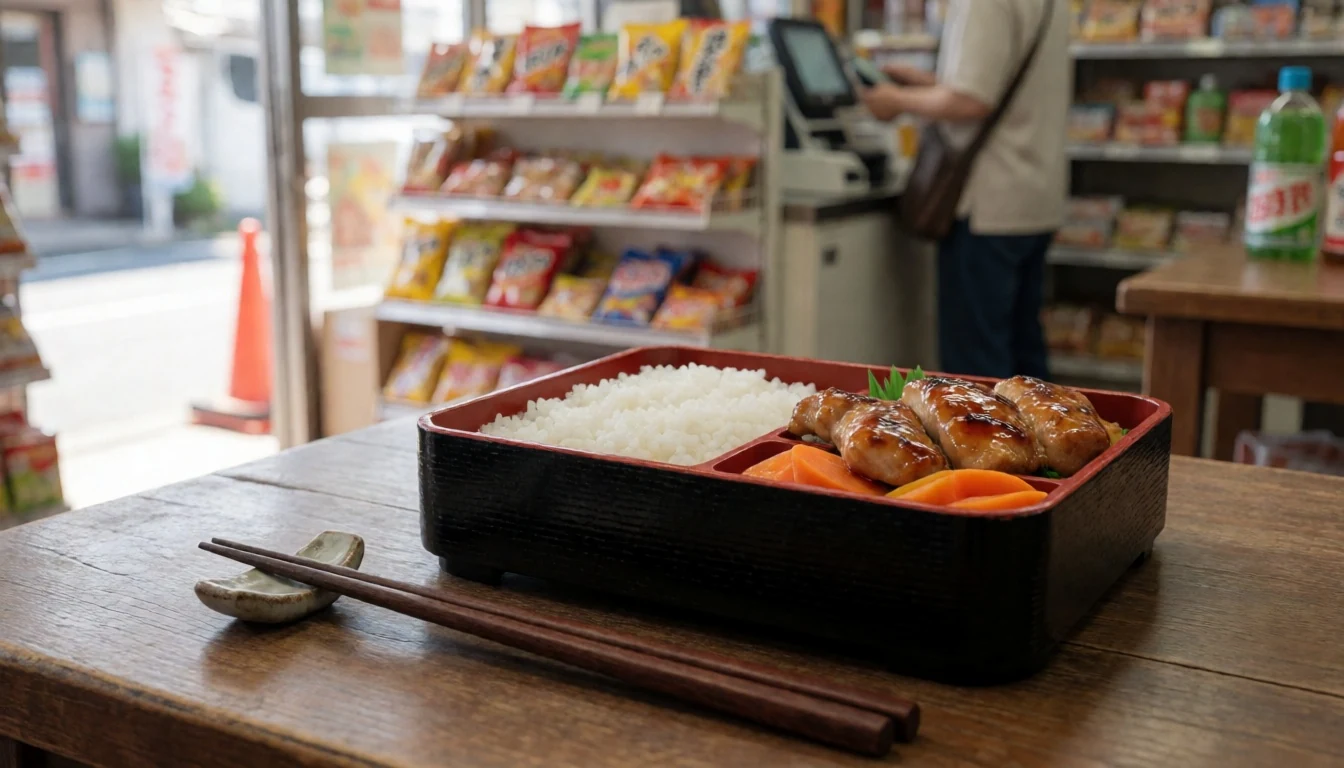
- Fresh fruit smoothies — Small huts and stalls in Koror
Blended tropical fruit drinks are sold from small huts around the main town. Cold and sweet, they suit the humidity after a muddy trail. Ask what fruit is in season, as it changes through the year.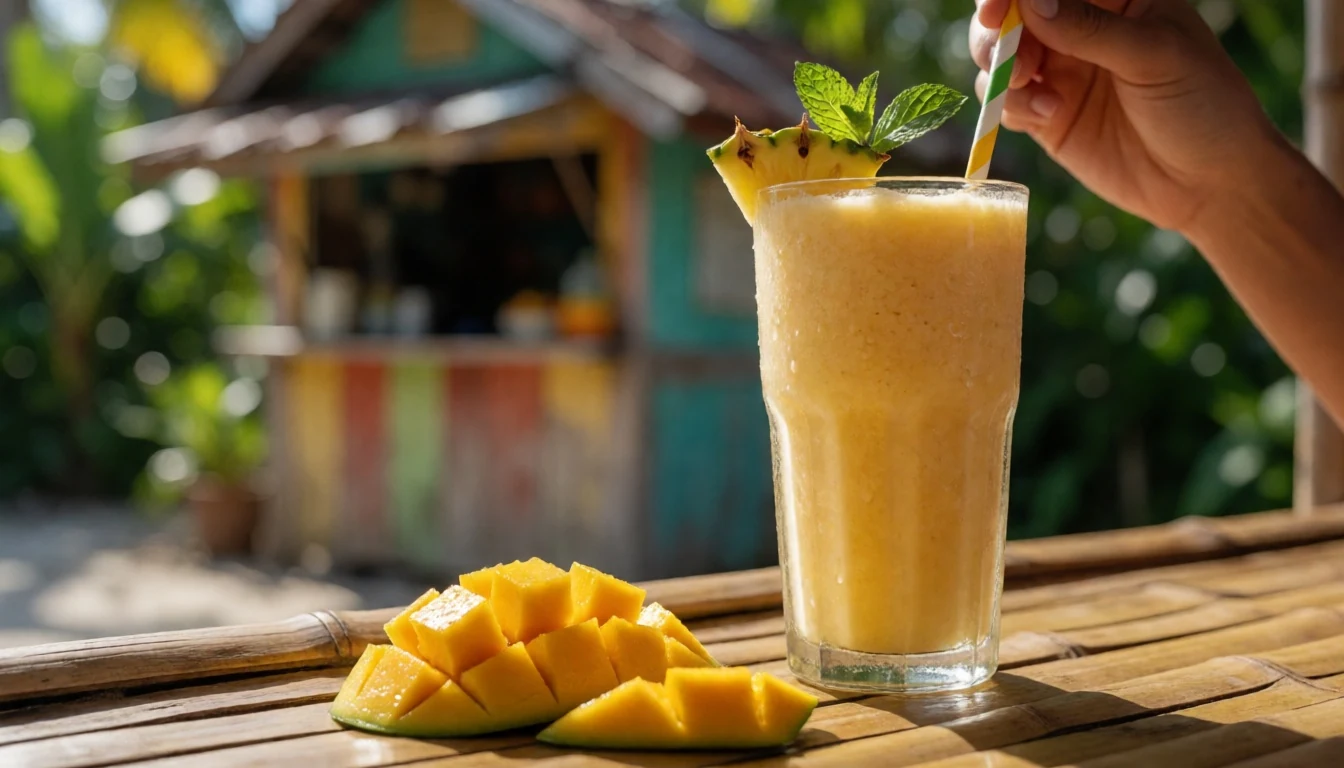
- Local reef fish and taro — Family-run eateries and community gatherings
Palau's traditional table leans on fish from the lagoon and taro grown in village patches. Look for them at local-style eateries, or when a guide or host invites visitors to share a family meal. - Filipino, Korean and Taiwanese home cooking — Eateries and stores around Koror
Large communities from Taiwan, the Philippines, Korea and Japan have shaped the shops and restaurants in Koror, where most of the eating places cluster. Noodle dishes, grilled meat and stews are easy to find and good value for a quick meal. - Locally brewed beer — The small brewery near Koror's waterfront
Palau has a small brewery making an amber ale, a stout and a few other styles. Drink it in a licensed bar or at the brewery, because public drinking is not allowed and the police do enforce it.
Plan it
Best time. February to April tends to be the drier stretch, but Palau is tropical all year with an annual mean around 28 °C and rain possible in any month, so pack for showers whenever you go. The trail is muddiest after heavy rain, and the falls run fullest then too.
How long. 1
Getting there. Fly to Roman Tmetuchl International Airport (Airai, ROR) on Babeldaob, which has scheduled flights from Guam, Manila, Taipei, Tokyo and a few other cities. The last leg is a drive by road across Babeldaob to Ngardmau, usually on a guided tour or a pre-arranged transfer, as taxis may not be waiting at the airport.
Budget. mid
Tips
- Arrange your airport transfer and waterfall guide before you arrive
- Start the walk in the morning, when it is cooler and tour groups have not yet arrived
- Carry water, snacks, a rain jacket and some cash, as facilities are basic
- Wear shoes with a good grip and quick-drying clothes
- Check the weather and trail conditions locally before setting out
Etiquette
- Sign the Palau Pledge at arrival and keep to it: take all rubbish out and use only reef-safe sunscreen
- Stay on the marked trail and leave plants, stones and historic remains untouched
- Ask before photographing local people or entering village land
Nearby
Sources
- Wikidata Q34847757 (CC0)
- Wikipedia: Palau (CC BY-SA 4.0)
- Wikivoyage: Palau (rev 5325308) (CC BY-SA 4.0)
- Ngardmau Waterfall photo by Mandrusian, via Wikimedia Commons (CC BY 3.0)
