Rock Islands
Rock Islands, Palau
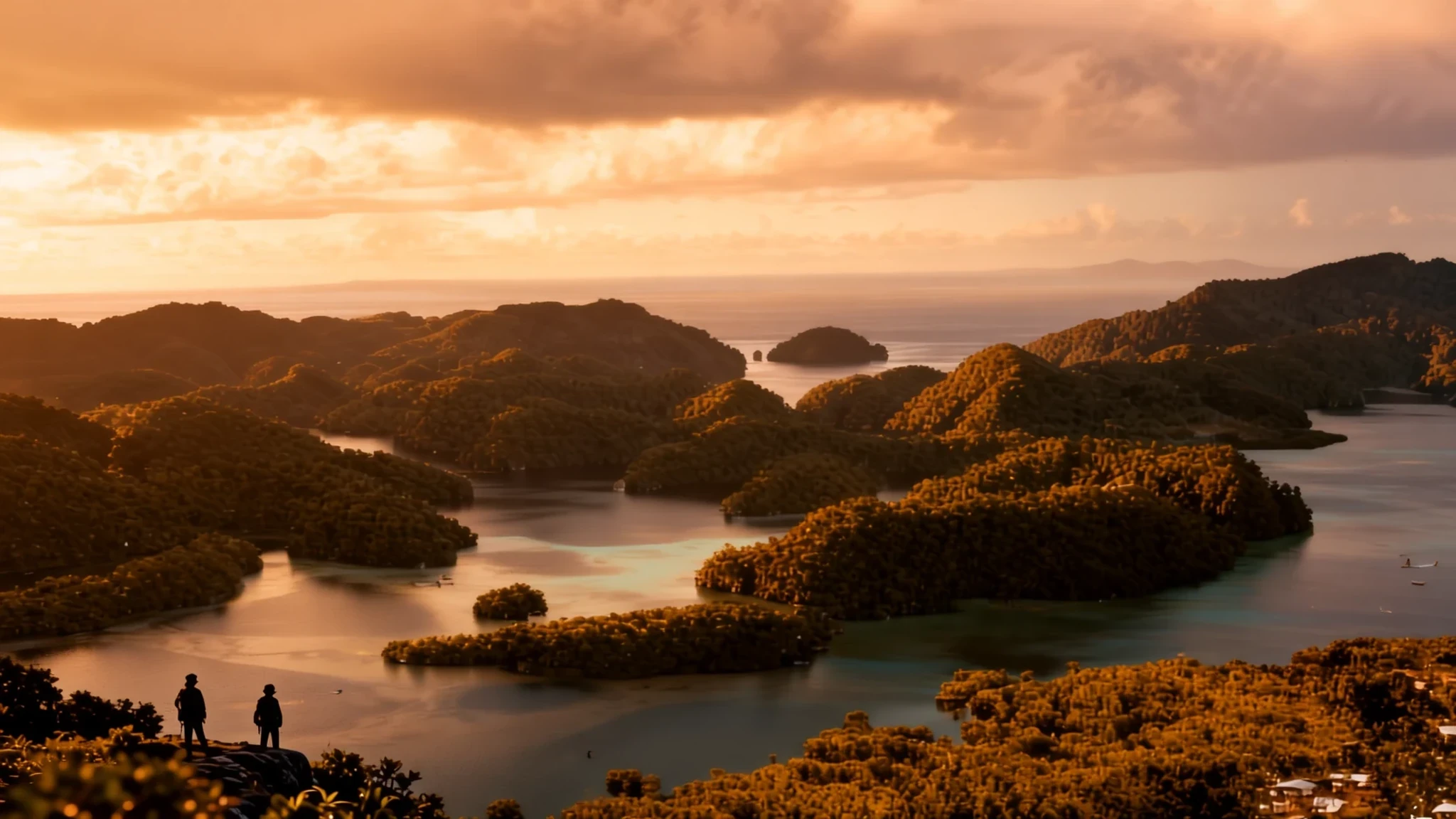
Rock Islands in Palau are a scatter of forested limestone mushrooms in a turquoise lagoon, made for kayaking, snorkelling and diving.
The place
The Rock Islands, also called Chelbacheb, sit in the Southern Lagoon of Palau, between the town of Koror and the island of Peleliu. They are part of Koror State. Sources differ on the count, but the group runs to a few hundred small islands, and together they cover about 42 square kilometres. The highest point reaches 207 metres.
The islands are raised coral and limestone, now thickly wooded. Many have a distinctive mushroom shape, wide on top and narrow at the waterline. That narrow base is the intertidal notch, cut by waves and by a crowd of grazing creatures: sponges, chitons, snails, urchins and bivalves that feed on algae. Wind, rain and plant roots have kept sculpting them.
Almost nobody lives here. The 2014 population figure was 6, so the experience is of water, rock and sky rather than villages. Some islands have white sand beaches fringed with coconut palms, while others are cliffs with no landing at all. Marine lakes sit inside several islands, and the best known is Jellyfish Lake.
The archipelago was inscribed as a mixed World Heritage Site in 2012, recognised for both nature and culture. There are no shops, no tap water and no shade other than trees, so the place is visited by boat on day trips from Koror, or by kayak and camping with permits. Divers come for the reefs outside the lagoon.
Its story
The Rock Islands began as coral reef. Over a long span of geological time, parts of that reef were pushed above the sea and became limestone, which is why the archipelago is described as a reef partly sticking up from the ocean. Rain and sea have been carving it ever since, and forest has settled on every ledge it could grip.
For the people of Palau the islands are not empty scenery. The group is known locally as Chelbacheb, and the 2012 listing recognised cultural value alongside the natural one. Island names in the area often exist in more than one form, such as Eil Malk, also known as Mecherchar, and Ngerukewid, also known as Orukuizu. These double names show how long the lagoon has been named, mapped and re-mapped.
The lakes inside the islands have their own history. Jellyfish Lake was once linked to the sea by a passage. Cut off, its jellyfish multiplied with no predators to thin them, and a stingless population developed that is found only in Palau. Several marine lakes in the group shelter similar species.
Today the story is about protection. The islands are sparsely inhabited, permits govern fishing and visits, and rangers watch popular spots. Sun, fresh water and reef health are the daily concerns of anyone who goes, and the rules exist because a lagoon this small and this popular can be worn down quickly.
What to see
- Jellyfish Lake — Eil Malk
A brackish marine lake inside one of the islands, once joined to the sea by a channel. Its stingless jellyfish are found only in Palau. Access and swimming rules have changed over the years, so check with a Koror operator or the rangers before planning around it.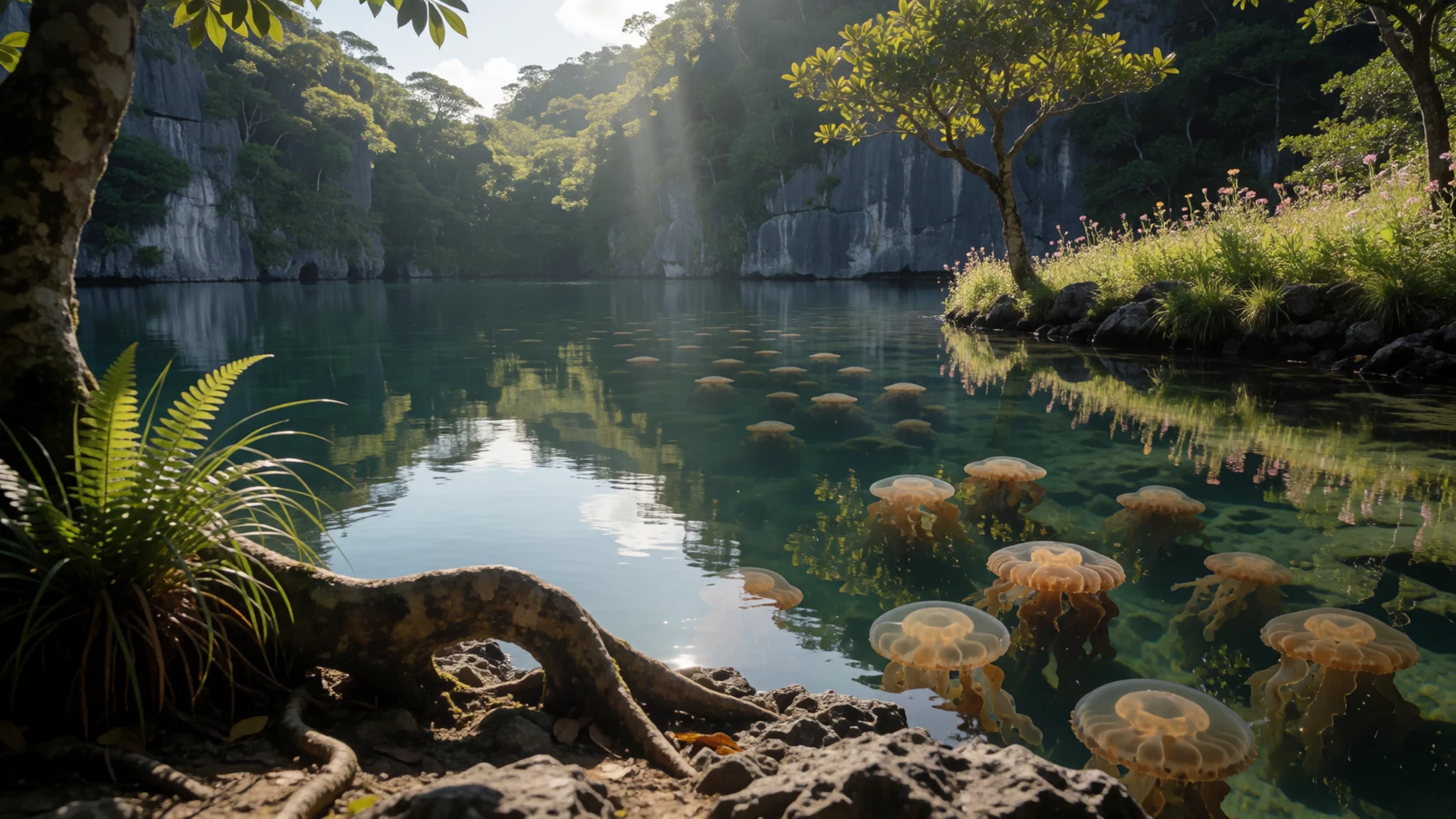
- Blue Corner — Outer reef, south-west
A famous dive site on the outer reef where currents are strong and sharks are a good bet. It suits experienced divers with a reputable Koror operator. Snorkellers should ask the boat crew whether conditions allow it, as the current can be serious.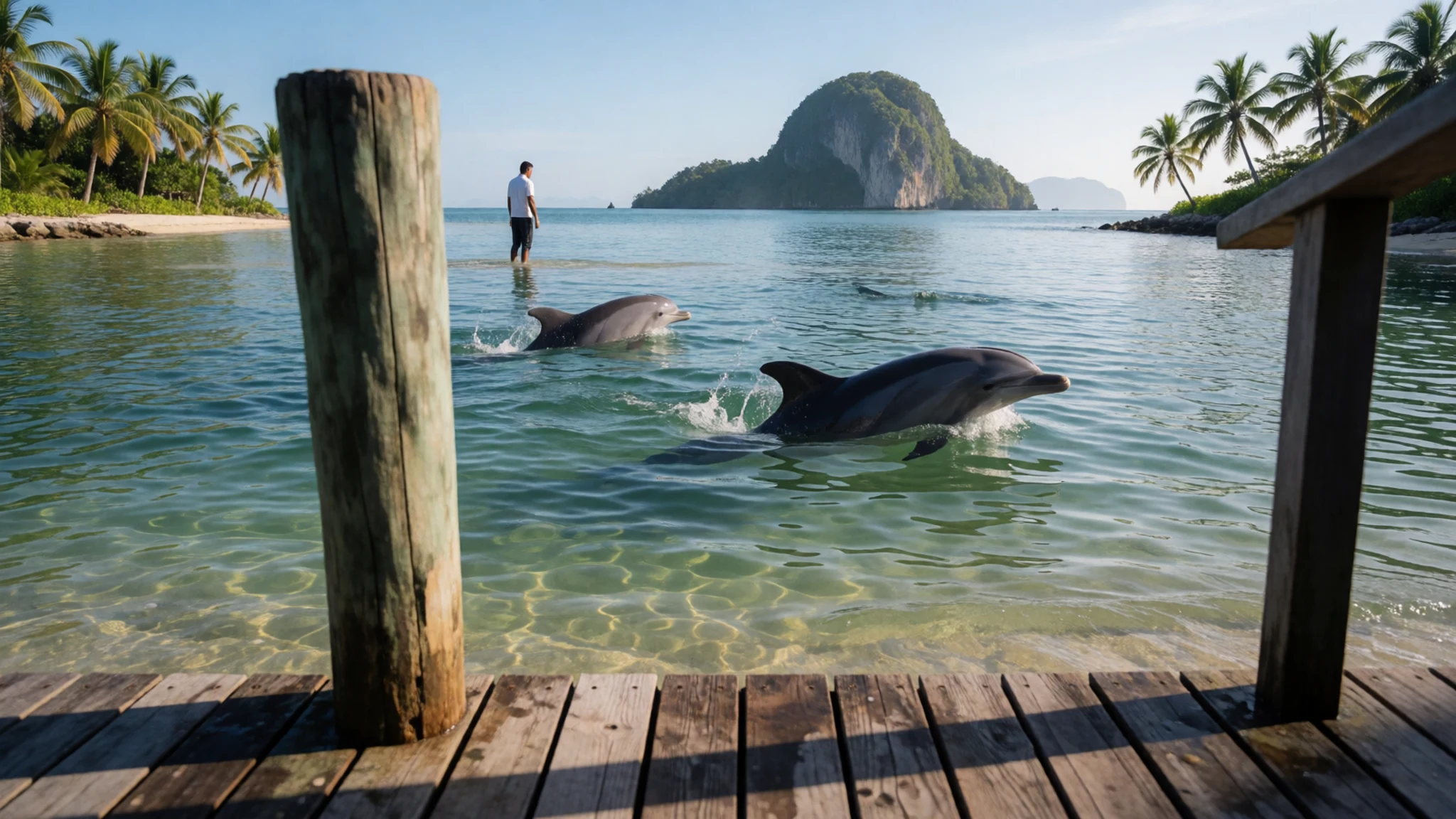
- Big Drop-off — Outer reef, south
A wall dive on the edge of the reef, where the shallows end and the water plunges into deep blue. It is a favourite with scuba divers who like sheer walls and big water. Dives are arranged through operators based in Koror.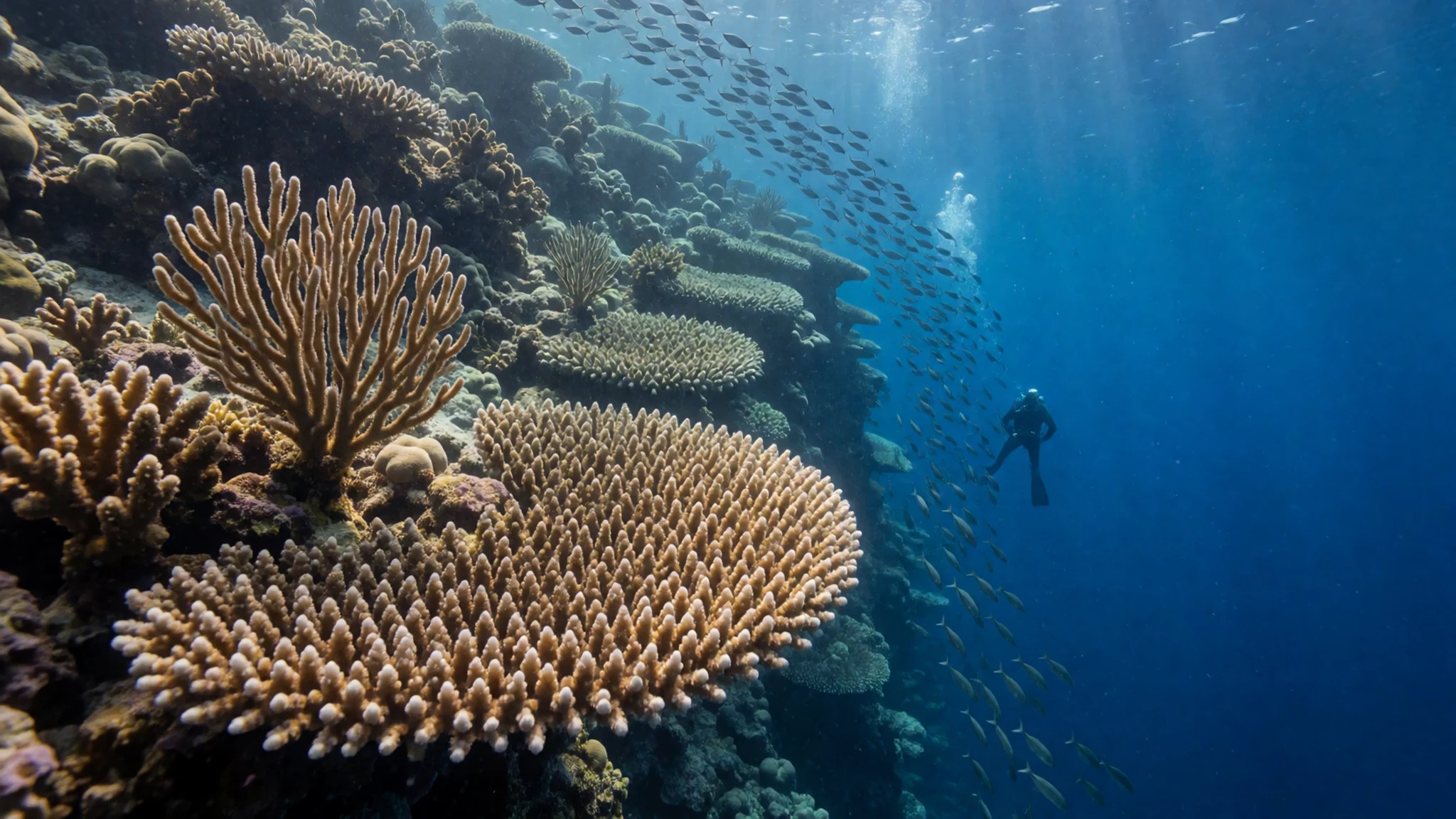
- Ngercheu Island — Southern Lagoon
A small island with a white sand beach edged by coconut palms, a straightforward stop for a swim and a picnic on a boat day. Bring all food and water, and carry your rubbish back out with you.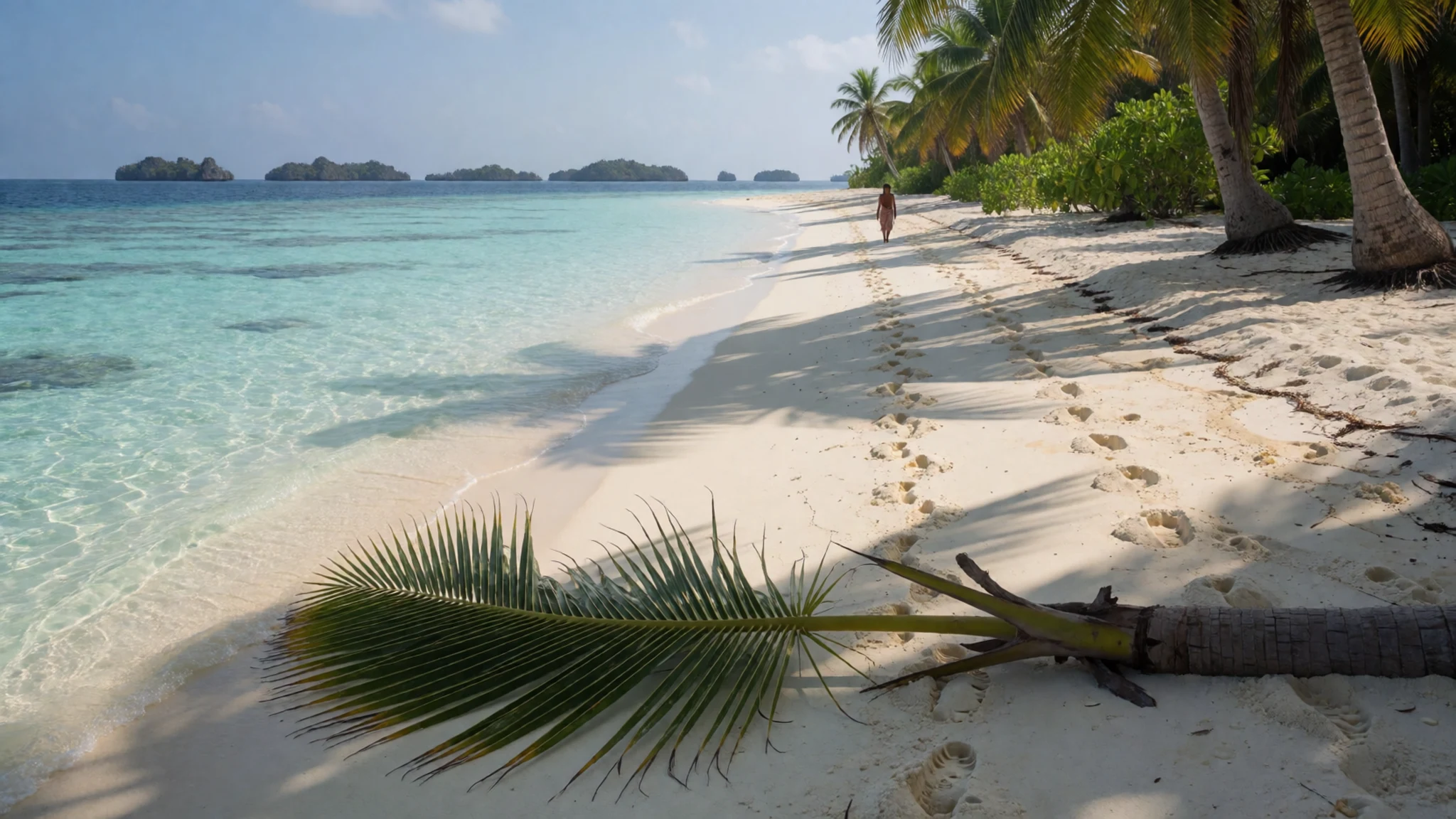
- Dolphins Pacific — Near Koror
A dolphin research and education facility that welcomes visitors to swim with and learn about trained dolphins. Opening arrangements and booking rules vary, and the listing was marked as possibly closed, so confirm directly before building a day around it.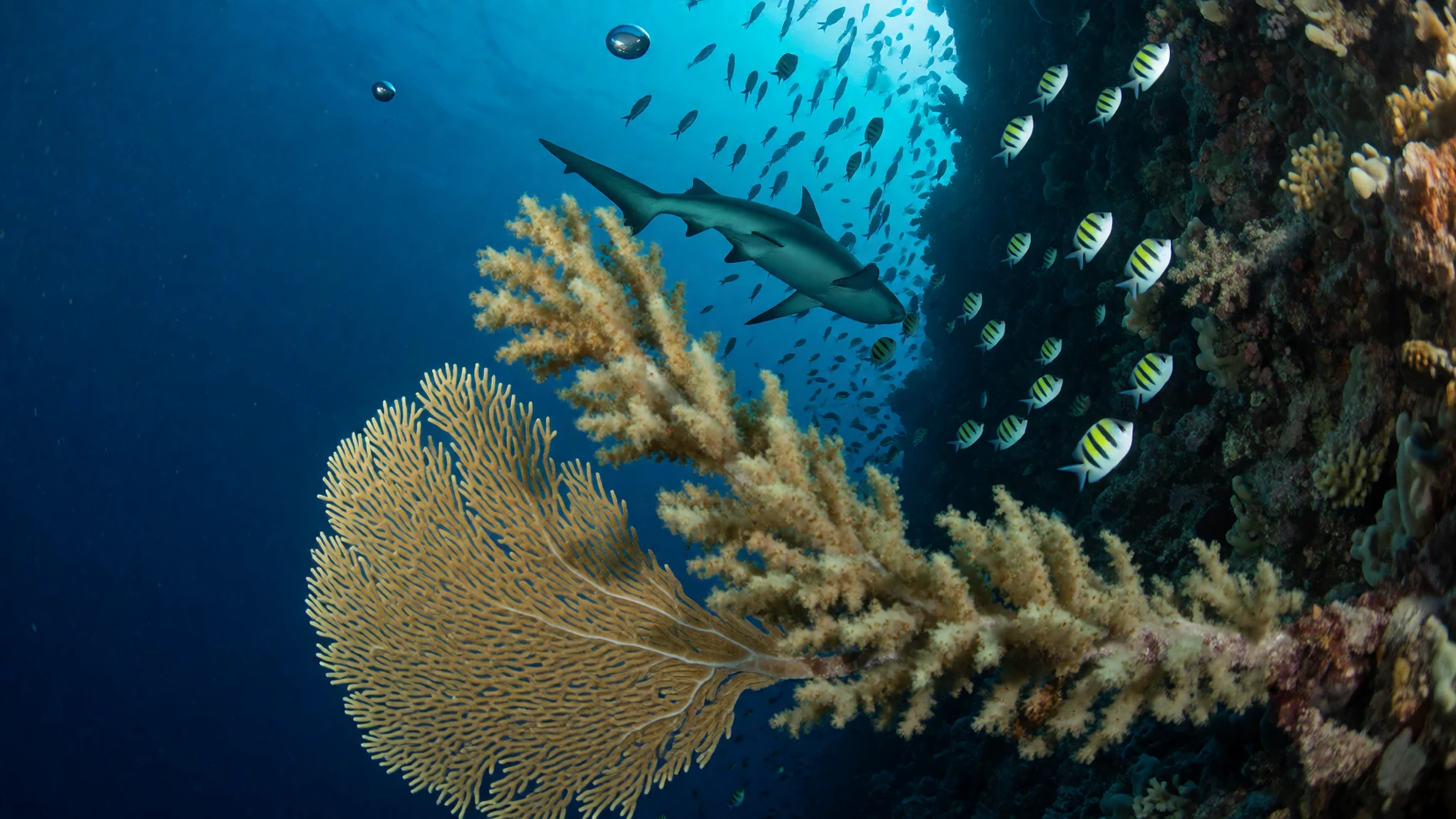
- Aerial and lagoon views — Southern Lagoon
The shapes of the islands make most sense from above or from a boat at water level, where the undercut bases show clearly. Ask operators about scenic flights, or simply sit on deck as the boat threads between the islands.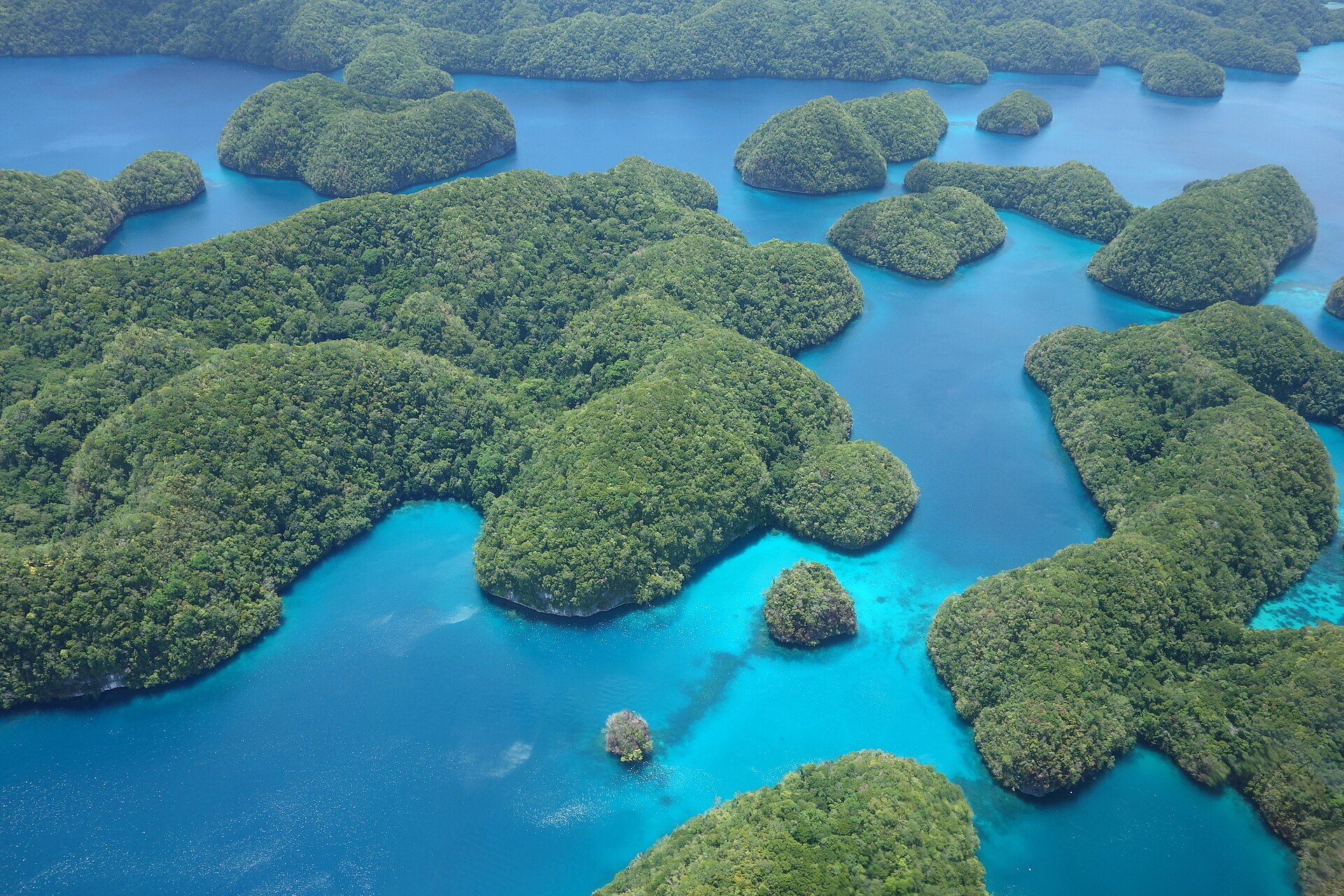
Culture
Rock Islands culture is Palauan culture, and the lagoon is part of it. Chelbacheb is the local name, and the 2012 World Heritage listing was as a mixed site, which acknowledges the human story as well as the reef. Palauan communities have long fished, travelled and told stories about these waters, and many islands and channels carry traditional names that differ from the ones on tourist maps.
Modern life here is organised around protection. Koror State manages the area and visitors need permits for the lagoon. Fishing is controlled, and reef-safe sunscreen is required in Palau. These rules are not bureaucratic fuss: the lagoon is small, popular and fragile, and local people have a direct stake in keeping it healthy.
Most visitors meet Palauan culture through the guides and boat crews who run the day trips. They know the tides, the lakes and the quiet corners, and they are the best source of names, stories and current rules. Ask questions, listen to the briefing at the start of the day, and follow the lead of the crew about where to swim and where to keep out.
The islands have no permanent settlements to wander through, so cultural encounters happen mostly in Koror, before and after the boat. Treat the lagoon as someone's home waters rather than an attraction. Use only reef-safe sunscreen, take every scrap of rubbish back to Koror, and do not touch or stand on coral or take shells, rock or marine life away.
What to wear
Traditional Palauan dress has historically been made from natural materials: woven plant fibres and leaves, with skirts of fibre for everyday wear and ceremonial adornment. Details of textiles and when each garment is worn vary by occasion and community, so the Rock Islands themselves, which are almost uninhabited, are not where to look for them. Local cultural events and museums in Koror are better places to learn.
What people wear now is practical and island-casual. Cotton shirts, shorts and dresses are normal in Koror, and on the water the crews wear quick-drying layers, hats and sandals or reef shoes. Uniforms and sun-protective clothing are common among boat operators, since the sun is the main hazard.
For a visitor, the sun decides the wardrobe. Plan to stay close to fully covered through the middle of the day: a long-sleeved rash vest, leggings or long swim trousers, and a full-brimmed hat. Local shops only stock sunscreen up to SPF 30, which is not enough for hours on the water, and reef-safe sunscreen is required in Palau, so bring a stronger reef-safe one from home.
Paddlers may want thin gloves to protect the backs of their hands, and paddling shoes are needed to protect the tops of their feet. Reef shoes help on rocky landings. In towns and villages, modest everyday clothing is respectful: swimwear belongs at the beach and on the boat, not in the streets of Koror. Bring a light rain jacket, as showers can arrive quickly.
What to eat
- Fresh reef fish — Restaurants in Koror; beach lunches on boat trips
Fish is the backbone of island eating, grilled, fried or served raw in simple preparations. Look for it on restaurant menus in Koror, and on boat days where crews cook a catch for lunch on a beach.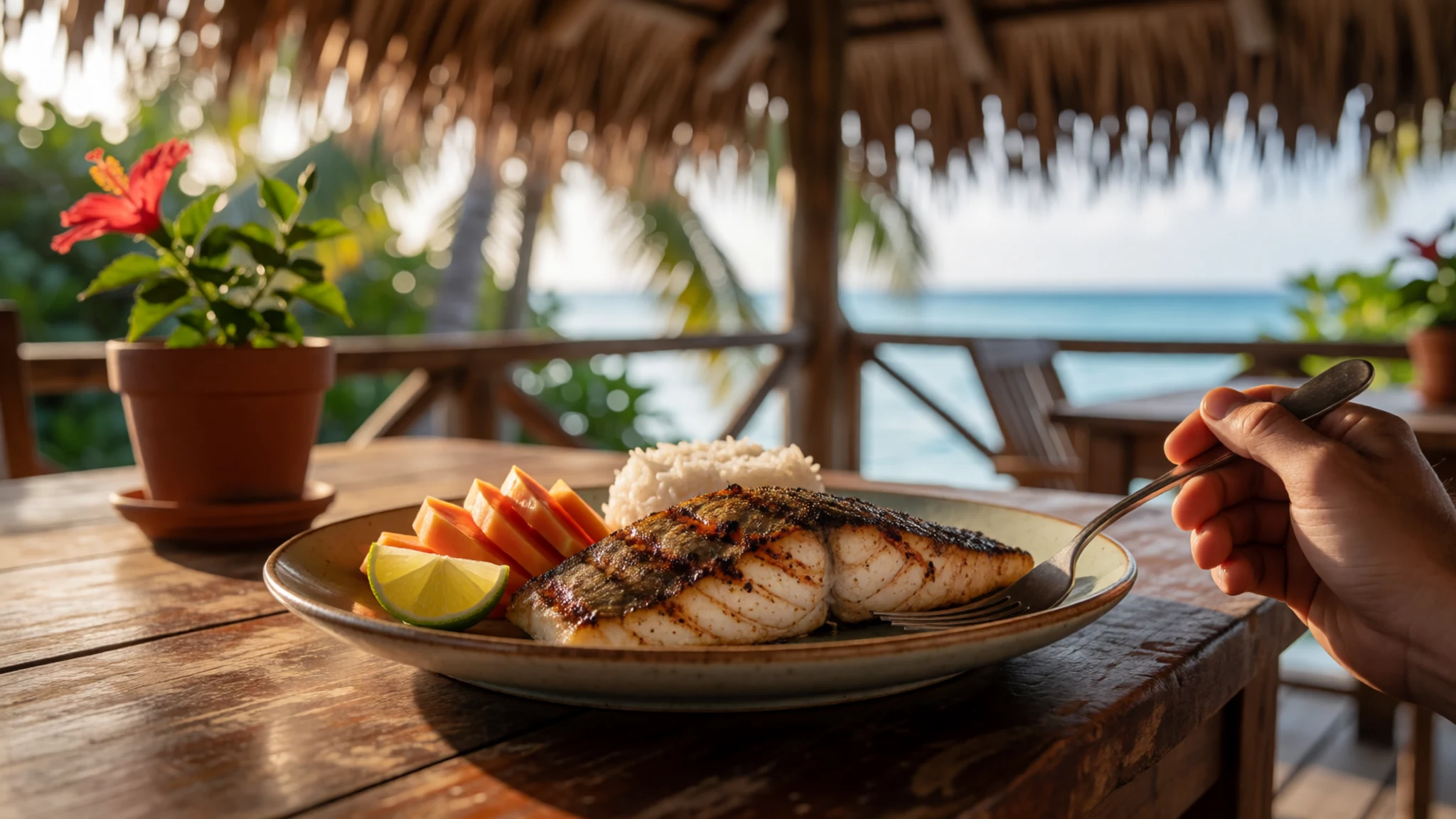
- Boat-trip beach lunch — A beach stop on an organised day tour
Most day tours include a packed or cooked lunch, eaten on a sandy island. It is usually rice, fish or chicken and fruit. Confirm with your operator what is included and tell them about dietary needs in advance.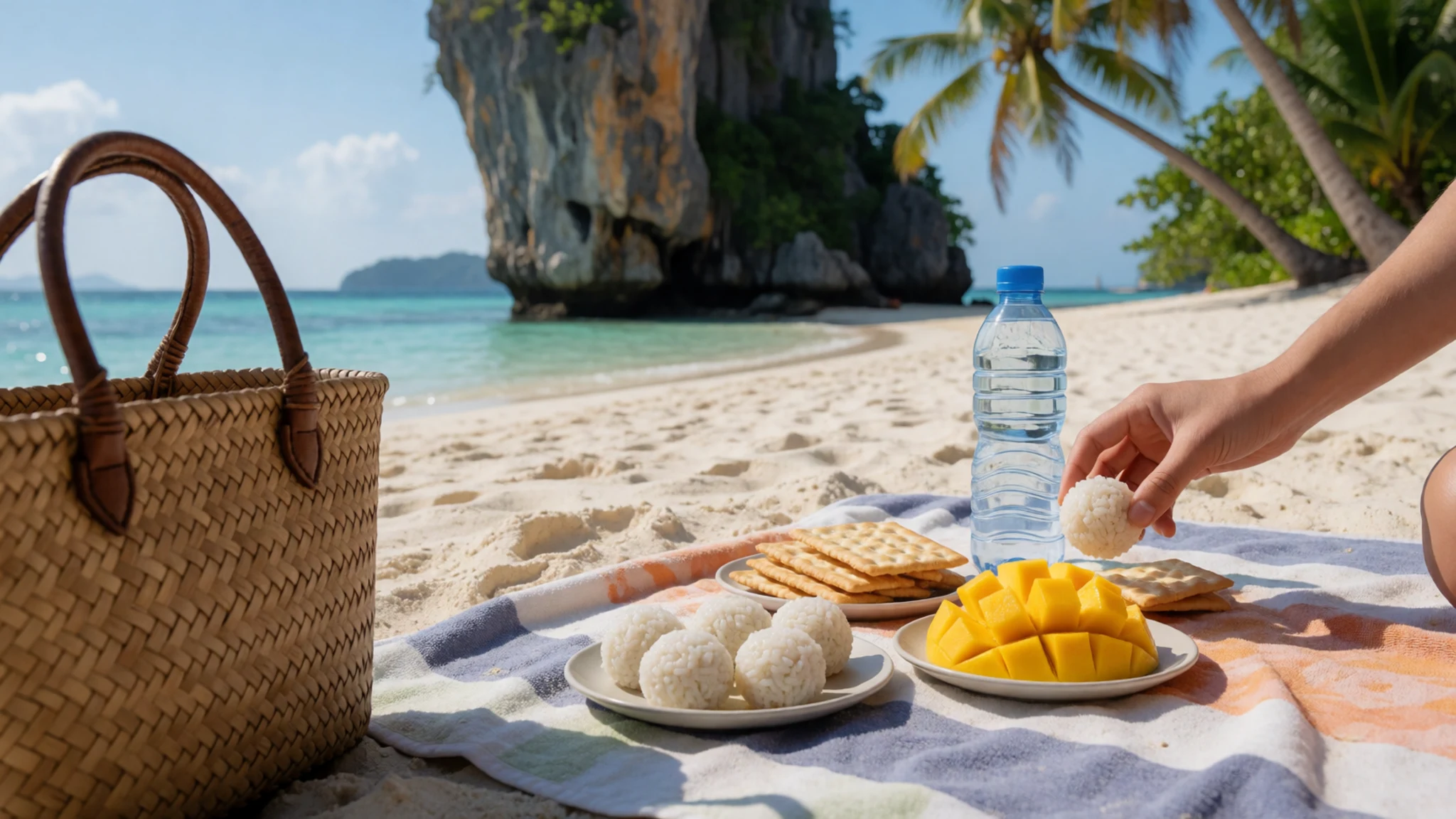
- Coconut and tropical fruit — Markets and shops in Koror
Coconut palms line some of the beaches, and tropical fruit is part of island meals. Fresh coconut and local fruit make a good, light snack in the heat, usually bought in Koror rather than found on the islands. - Carp Island Resort meals — Carp Island Resort
Carp Island has a resort that serves food and drink, which makes it a practical stop for people travelling in the southern lagoon. Check in advance whether meals are available on the day you plan to visit. - Your own catch — Permitted campsites in the lagoon
Those who hold a fishing permit can cook what they catch, which is how some campers eat. Rules are strict, so arrange the permit through proper channels and ask the rangers or an operator what is allowed.
Plan it
Best time. Roughly February to May is the usual choice, when seas are generally calmer, though weather in the lagoon is changeable at any time of year. The sun is strong in every month, so plan around shade and covering up rather than avoiding heat.
How long. 2–4
Getting there. Fly to Palau's international airport and travel to Koror, where the diving and tour operators are based. The last leg is by boat from Koror into the lagoon; there is no road, and most visitors go on guided day trips.
Budget. high
Tips
- Book a Koror operator and your permits ahead, especially for busy months
- Take all drinking water with you, as there is no fresh water among the islands and old rain collectors no longer work
- Wear a full-brimmed hat and cover up through the middle of the day, since the sun is fierce and local sunscreen only reaches SPF 30
- Bring reef-safe sunscreen, which is required in Palau
- Carry cash and snacks, as there are no shops on the islands
Etiquette
- Take all your rubbish back to Koror
- Do not touch coral or take shells or marine life
- Follow your guide's rules on where to swim and land
Nearby
Sources
- Wikidata Q1068224 (CC0)
- Wikipedia: Rock Islands (rev 1379540528) (CC BY-SA 4.0)
- Wikivoyage: Rock Islands (rev 5319202) (CC BY-SA 4.0)
- Palau Rock Islands, Peter R. Binter (Public domain)
- Ngerukewid aerial view, Luka Peternel (CC BY-SA 4.0)
- Rock Islands UNESCO map, Ori~ (CC BY-SA 2.0)
- Rock Islands aerial view, Luka Peternel (CC BY-SA 4.0)
- Rock Islands sea view, Luka Peternel (CC BY-SA 4.0)
- C-130J photo, Yasuo Osakabe (Public domain)
- Aerial view of limestone islands (cropped), Dr. James P. McVey, NOAA Sea Grant (Public domain)
- Aerial view of limestone islands, Dr. James P. McVey, NOAA Sea Grant (Public domain)


Wildlife
- Golden jellyfish (animal)
The golden jellyfish is a soft, drifting bell that carries tiny algae inside its body, which use sunlight to make food, like a floating garden. In the Rock Islands, travellers come to the calm lagoon to watch these jellyfish in sheltered, shallow water, where they are described as stingless. They do belong to a family of stinging sea creatures, though, so watch with gentle, unhurried curiosity and let them drift as they please.