Kayangel Atoll
Kayangel Atoll, Palau
Kayangel Atoll is Palau's quiet northern ring of palms and reef, where a calm lagoon and village life replace the dive crowds.
The place
Kayangel Atoll lies at the northern end of Palau, a low ring of coral islets around a shallow lagoon. Wikidata records its elevation at four metres, which says most of what matters: this is a place shaped by tide, wind and weather rather than by hills. Visitors to Palau usually stay around Koror, far to the south, where the dive boats, restaurants and scenic Rock Islands are concentrated. Kayangel is a different proposition, a small village among coconut palms and sandy lanes, with the open Pacific on one side and calm turquoise water on the other. Satellite pictures show the atoll as a pale loop on the edge of a much wider shallow reef system, with deep blue ocean all around. Because the land is so low, fresh water, food and fuel arrive from elsewhere or are carefully rationed, and facilities for travellers are basic. It sits under waterfalls and lakes here only because of how Ask Terra files water places; there is no waterfall, and the water on offer is lagoon and sea. Heat and humidity are constant, shade is scarce away from the palms, and other visitors are few. The honest trade-off is cost and effort: reaching the atoll means an extra boat journey on top of an already expensive island nation. It suits travellers who want quiet reef and village life rather than headline dive sites, and it works best as a day trip or a short, simple stay arranged through local operators.
Its story
Kayangel Atoll belongs to a Palauan story that is much older than any flag. Palauans have lived on these islands for thousands of years, in a matrilineal society where clan lines run through women, and their ancestry draws on Asia and the wider Pacific. Contact with outsiders stayed limited until the age of European sailing, when an English captain, Henry Wilson, was wrecked on Ulong and gave the group the name Pelew Islands. During the colonial scramble for the Pacific, Britain, Spain and Germany all claimed the archipelago, and the dispute went to the Pope, who favoured Spain while granting trading concessions to the others. Germany later bought out Spain's interest, opened mines for bauxite and phosphate, and expanded the harvest of copra, dried coconut flesh sold for oil. Decades of US administration followed, and then a negotiated settlement that gave Palau self-government in free association with the United States. Independence is therefore recent enough to be remembered by many families. For Kayangel the modern chapter is quieter. The atoll is far from the capital, and each December a US Air Force crew drops bundles of supplies onto its shore as part of a long-running humanitarian exercise, which is how the island ended up in public-domain aerial photographs. Beyond that, the lagoon, the village and the reef carry on much as they have for generations.
What to see
- The lagoon — Inside the atoll ring
The sheltered lagoon is the main draw, with calm, shallow water over sand and coral heads. Snorkelling here is relaxed rather than dramatic, and best on clear, windless days. Go with a local boatman who knows the channels and tides, use only reef-safe sun protection, and keep fins well away from the coral.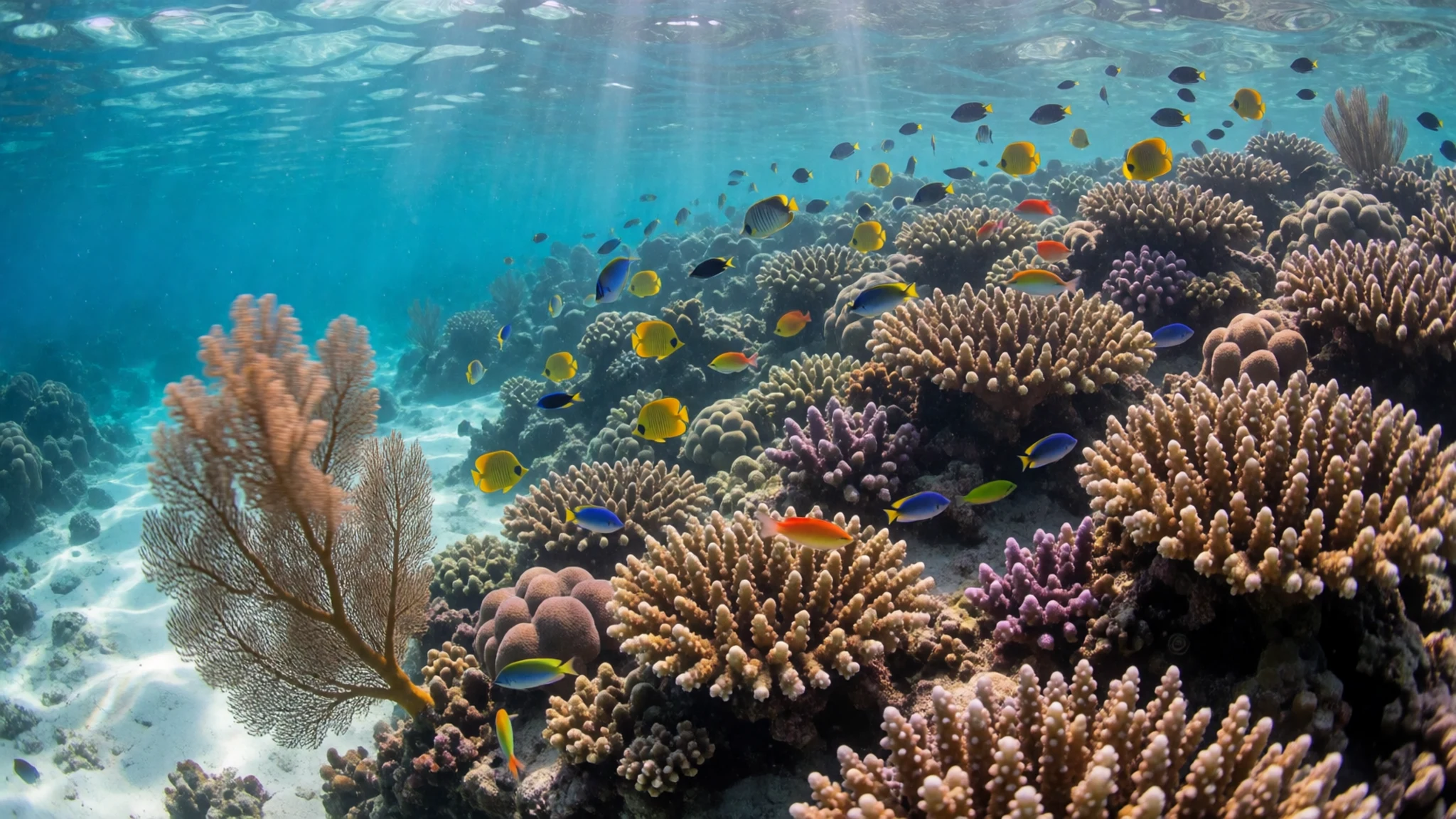
- The village lanes — Kayangel village
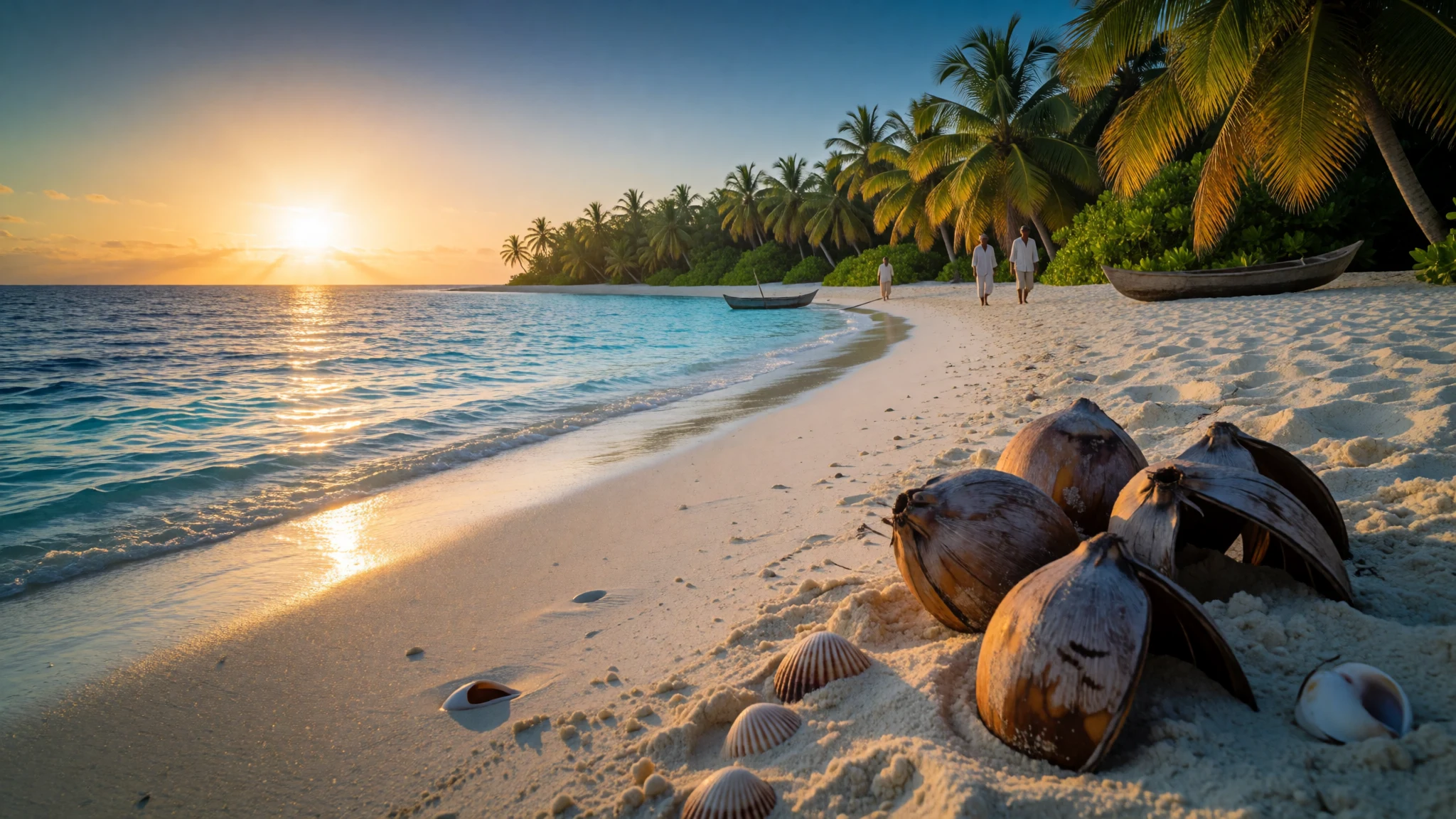
The village is a short, flat walk along sandy and concrete lanes between houses, gardens and coconut groves. It gives a plain sense of daily life on a tiny atoll: boats pulled up on the shore, washing on lines, shared water tanks. Treat it as a visit to a community, not an attraction.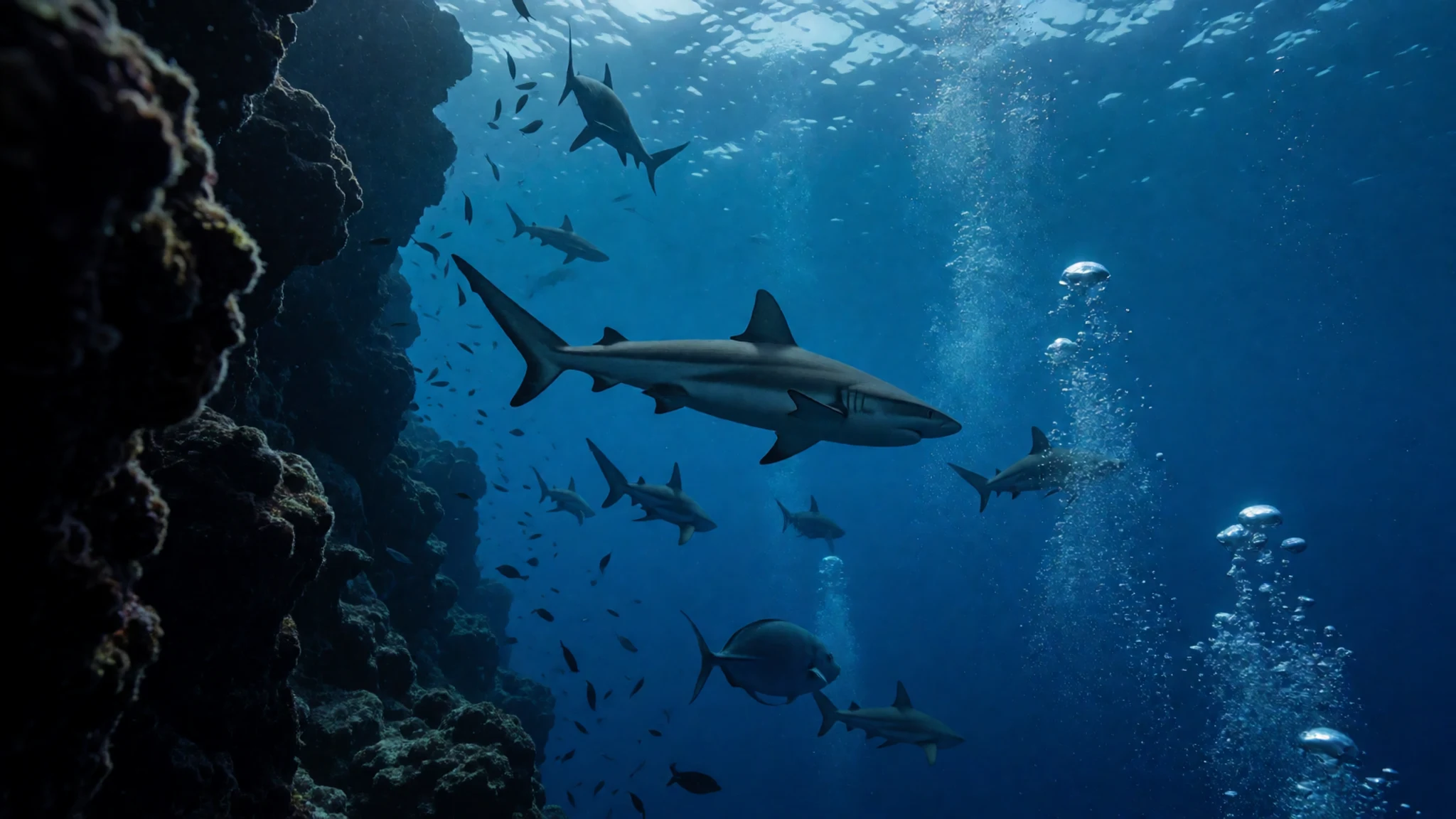
- The supply-drop shore — Kayangel beach
The landing zone on Kayangel's shore appears in public-domain US Air Force photographs of the December supply drop, when bundles float down from a transport aircraft. Timing varies, so a trip should not be planned around it, but the images show the beach, palms and reef edge clearly.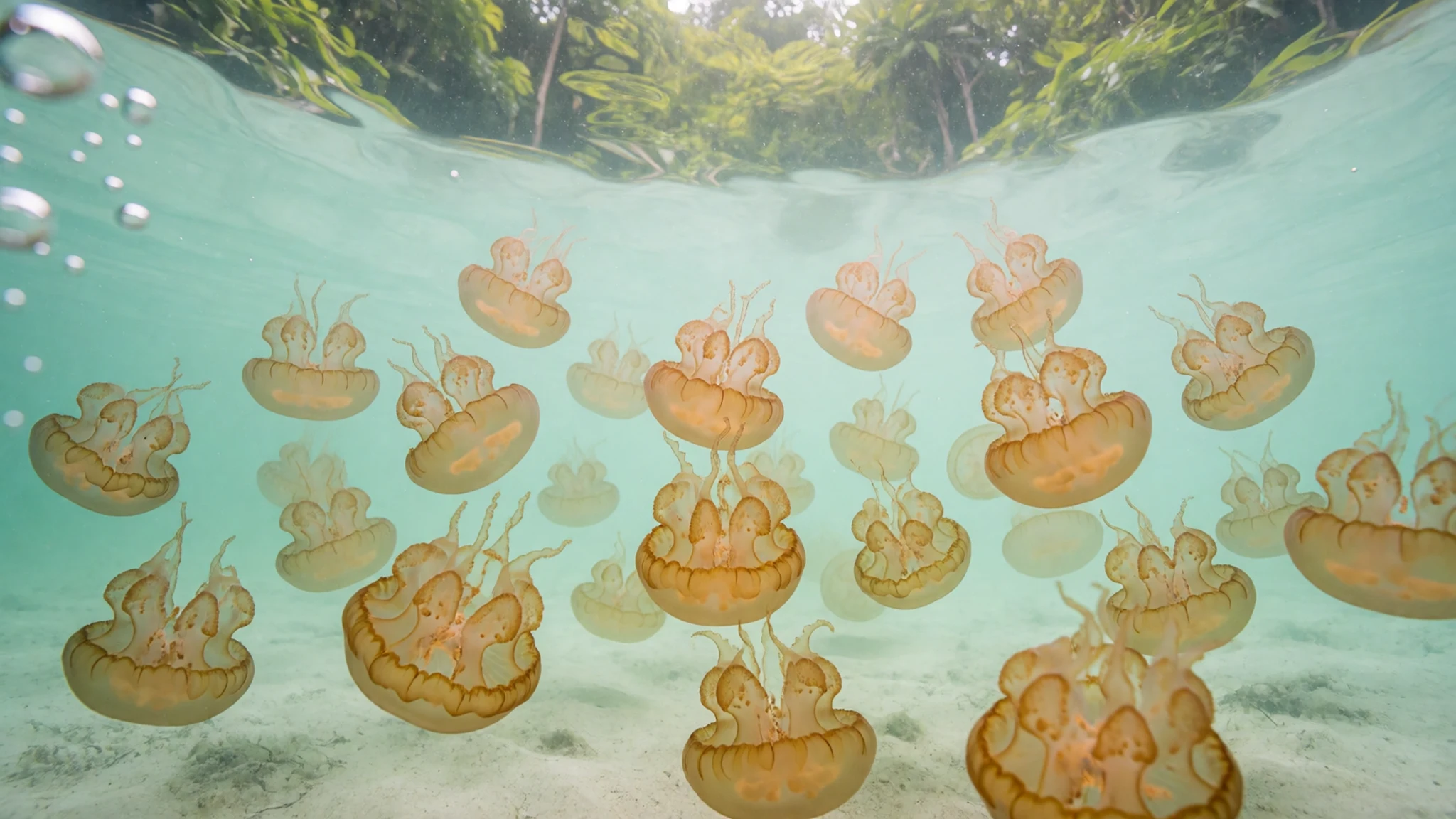
- The reefs from above — Northern Palau
A NASA photograph of northern Palau shows Kayangel as one part of a broad submerged reef system, with the large Velasco Reef to the north. It is useful before a visit for grasping the atoll's scale: small, flat, and surrounded by shallow bank and deep ocean.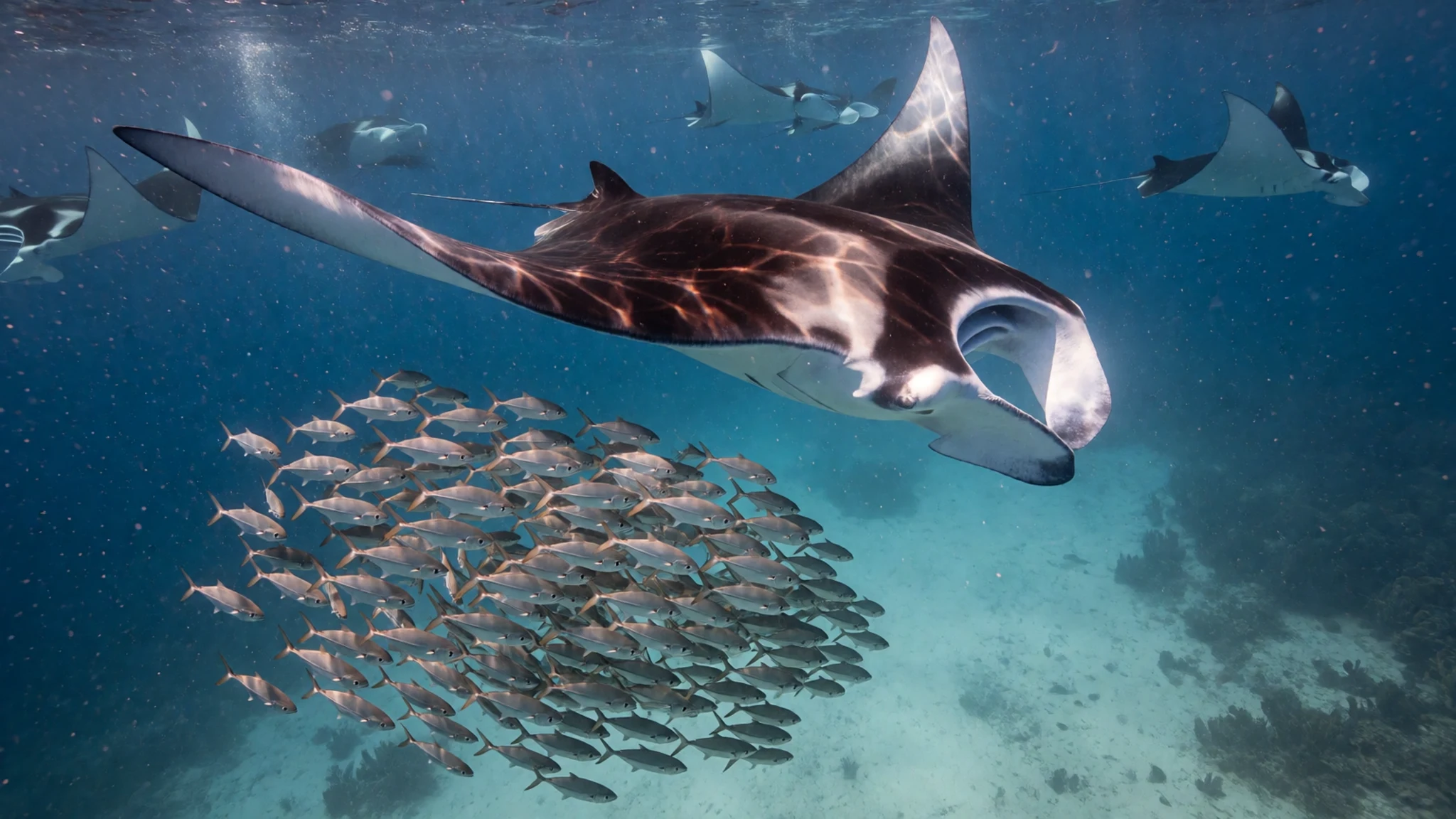
- Rock Islands day trips — Near Koror, southern Palau
For a fuller Palau trip, the Rock Islands near Koror are many small, mostly uninhabited limestone islands with scenic channels and dive sites such as Blue Corner. They are far busier than Kayangel, with boats running daily, but they are the natural pairing for an atoll visit. Choose licensed operators and follow marine rules.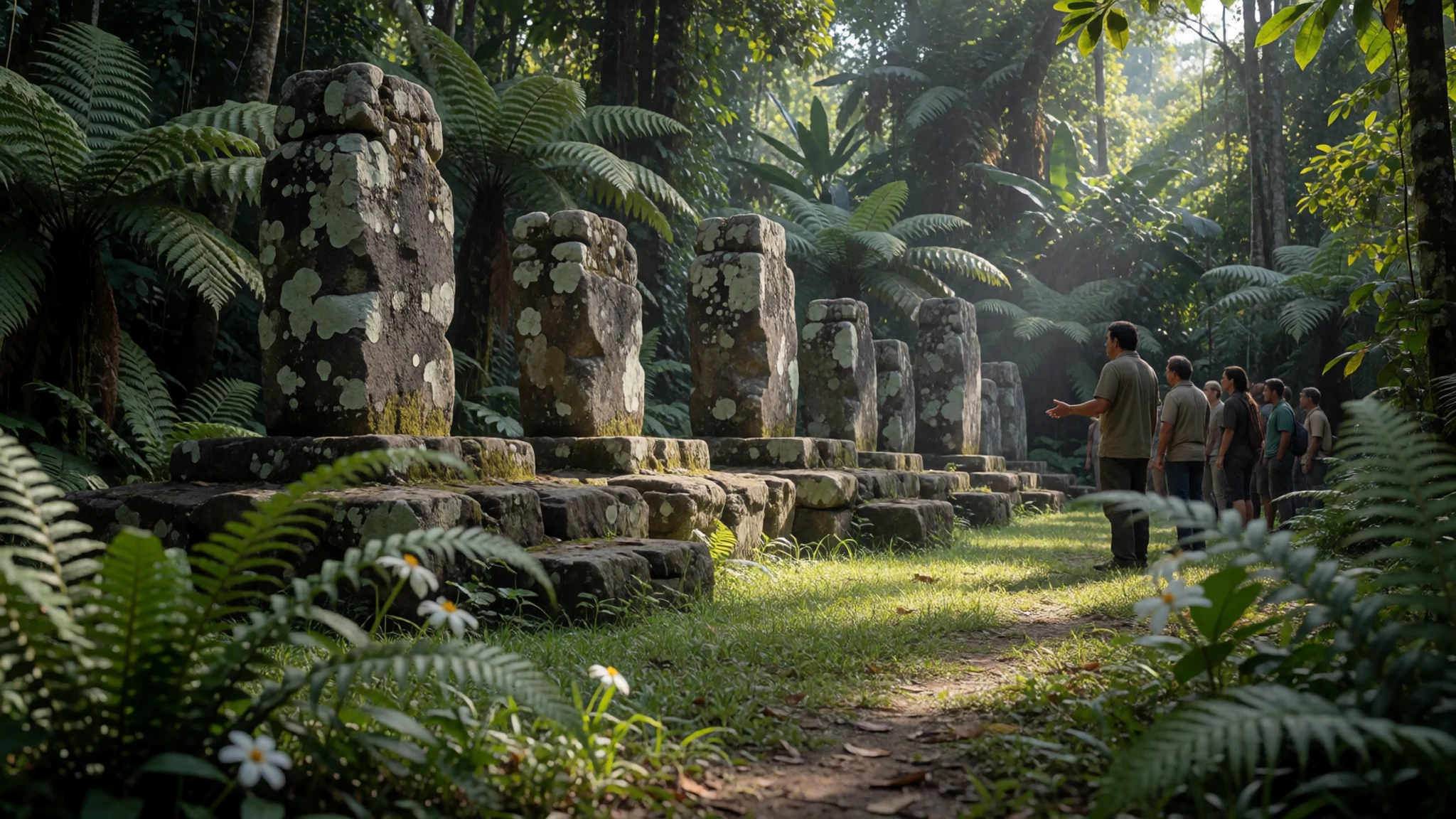
Culture
Kayangel Atoll is a small community within Palau, and a visit there means being a guest in a place where everyone knows everyone. Palauan society is traditionally matrilineal, with clan ties running through women, and chiefs and elders still carry weight alongside modern government. Hospitality is a point of pride, and people are generally patient with visitors who do not know local ways, but rude remarks about the culture are not taken lightly. Respect extends to land and sea: historic sites, burial places and reefs are not for casual wandering, littering or souvenir collecting. Every arriving visitor to Palau signs the Palau Pledge, a promise to protect the environment, and single-use plastics and reef-damaging sunscreens are banned. That matters even more on a tiny atoll with limited waste handling. Alcohol is sold in shops, but public drinking is not allowed, so it is best to leave it for licensed places in Koror. Daily rhythm is relaxed, and plans bend to tides, weather and boat schedules, so patience is part of the trip. Churches and family occasions are important in village life, and quiet behaviour is expected near them. Ask the village or your boatman before walking onto private land, photographing people or visiting any old stone site, and take every piece of rubbish back with you.
What to wear
Kayangel Atoll sits within Palauan tradition, where older dress used skirts made from plant fibres, and woven pandanus mats and baskets were everyday craft work, largely women's. Fibre skirts and ornaments now appear mainly at festivals, dance performances and cultural events rather than in daily life. What people actually wear now is simple island clothing shaped by heat and sea: T-shirts, shorts, board shorts, cotton dresses, flip-flops and sun hats, with neater clothes for church and formal gatherings. Japanese and American influences show in casual styles, and school or office wear is more formal in Koror than on the atoll. A visitor should dress for strong sun, salt water and a conservative village. Pack light, quick-dry long sleeves and trousers or a sarong for sun cover, a wide-brimmed hat and sunglasses, and swimwear with a shirt or wrap to put on over it once away from the beach. Reef shoes or sturdy water sandals protect feet from coral and sharp shells, and flip-flops suit sandy lanes. Bring a light waterproof layer for squalls. Use only reef-safe sun protection, since reef-damaging products are illegal in Palau. Shoulders and knees covered is a sensible default in the village and around churches.
What to eat
- Fresh reef fish and tuna — Boat-day lunches and village kitchens
On a small atoll, the catch of the day is the obvious meal, usually grilled, fried or served raw in the Japanese style that Palau has long absorbed. Ask your boat operator whether lunch is included, and what was caught that morning.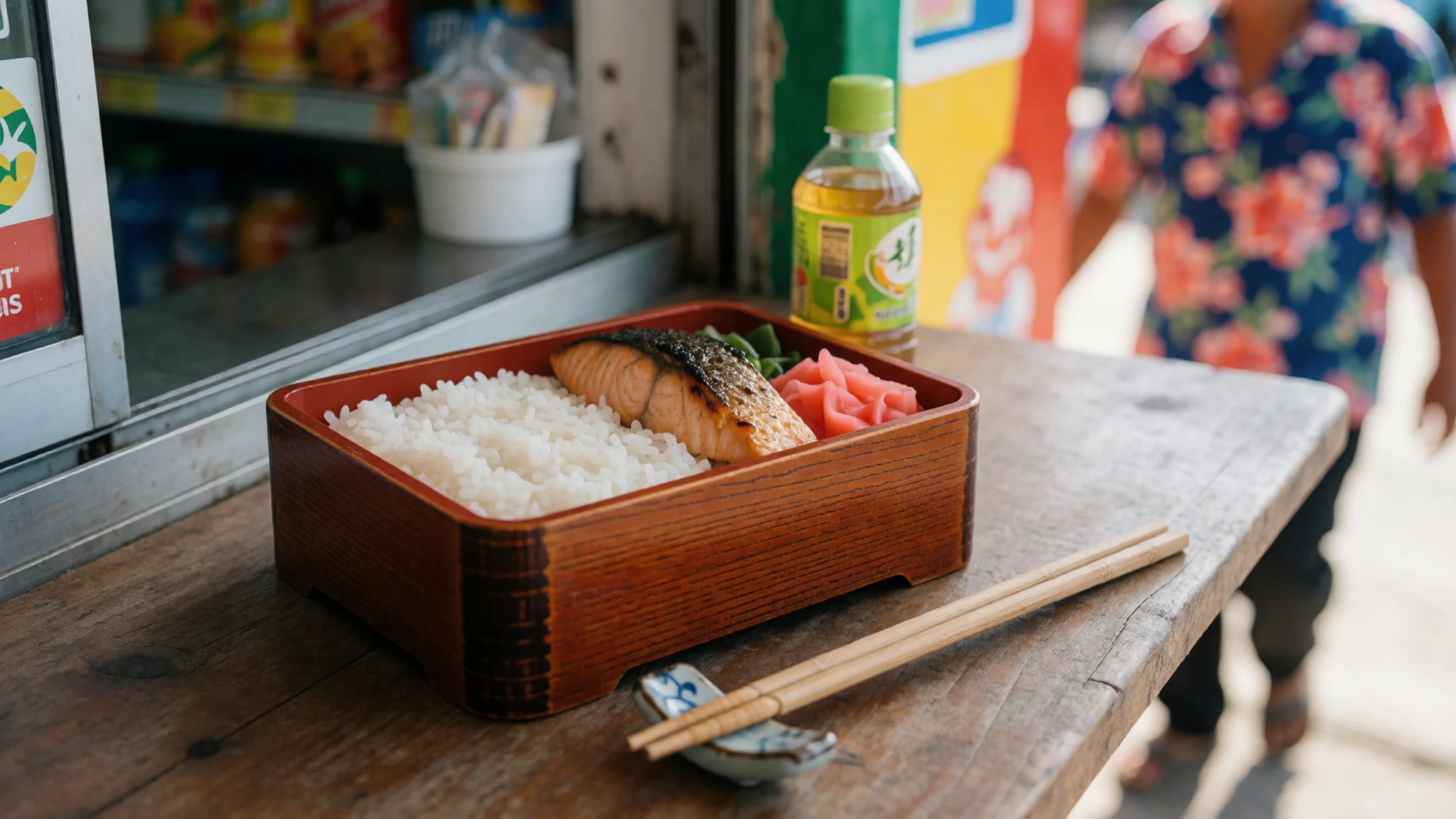
- Bento lunch boxes — Convenience stores and shops in Koror
Japanese-inspired bento boxes are popular across Palau and are the easy way to carry a packed lunch to the atoll. Rice, fish or meat and a little pickle make a sturdy, cheap meal that survives a boat ride.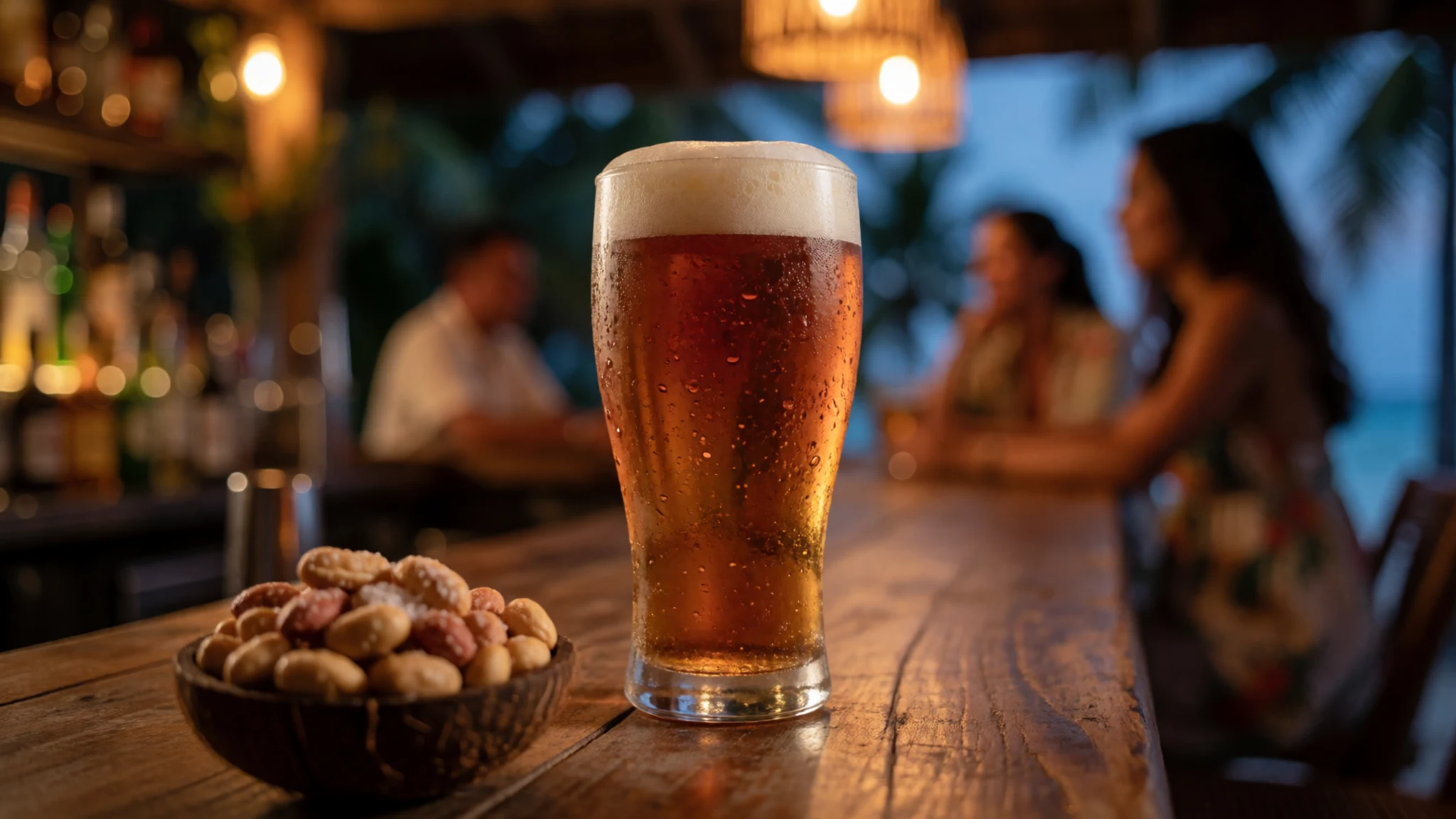
- Taro and coconut dishes — Village homes and community meals
Taro, a starchy root, and coconut are the traditional staples of island cooking, and both suit a place with thin soil and limited farmland. They turn up boiled, mashed or cooked in coconut milk, usually only when invited to a family meal. - Fresh fruit smoothies — Small huts and stalls in Koror
Koror has little huts selling blended fresh fruit, a welcome cold drink after a hot boat day. Stop in before the crossing, as drinks and snacks on the atoll itself are limited and not something to rely on. - Local Amber and Stout beer — Small brewery and licensed bars near Koror
Palau has a small local brewery making amber and stout beers, sold in licensed bars and shops in the Koror area. Drink in licensed premises only, since public drinking is not allowed, and not before getting on a boat.
Plan it
Best time. Palau is tropical and warm all year, but February to April is the usual choice for calmer seas on the boat crossing, while wetter months bring squalls and rougher water. Check the forecast with your boat operator before committing.
How long. 1–2
Getting there. Fly to Roman Tmetuchl International Airport (Airai, ROR) on Babeldaob, Palau's only airport, with direct flights from Guam, Manila, Taipei, Tokyo and a few other cities. Arrange the airport transfer in advance, as taxis may not be waiting. Kayangel itself is reached by boat from the mainland coast; book the crossing through a Koror operator or the local state office.
Budget. mid
Tips
- Arrange transfers and the boat crossing in advance, since there is no walk-up service to rely on
- Carry cash, as card payment on the atoll cannot be assumed
- Bring plenty of drinking water and sun protection, because shade and shops are scarce
- Start early for calmer water and cooler hours on the crossing
- Saltwater crocodiles live in Palau's mangroves, so ask your boatman where it is safe to swim
Etiquette
- Sign the Palau Pledge on arrival and use only reef-safe sun protection
- Ask before photographing people or entering private land and old stone sites
- Take all rubbish back with you, and avoid single-use plastics
Nearby
Sources
- Wikidata Q1518436 (CC0)
- Wikipedia: Kayangel (CC BY-SA 4.0)
- Wikivoyage: Palau (rev 5325308) (CC BY-SA 4.0)
- Photo: C-130 Hercules over Kayangel, SrA Marianique Santos (Public domain)
- Photo: Cargo drop toward Kayangel shore, SrA Marianique Santos (Public domain)
- Photo: Northern Palau archipelago, NASA (Public domain)
- Photo: Topographic map sheet of Ngcheangel (Kayangel), USGS (Public domain)


Wildlife
- Golden jellyfish (animal)
The golden jellyfish is a soft, pulsing bell of gold that carries tiny algae inside its body, which make food from sunlight. In Kayangel Atoll you look for it in a rare marine lake, where the jellies have grown up without stingers because nothing there hunts them. Ask your guide about the best time of year and day. Float quietly, keep your hands to yourself, and never feed or chase them.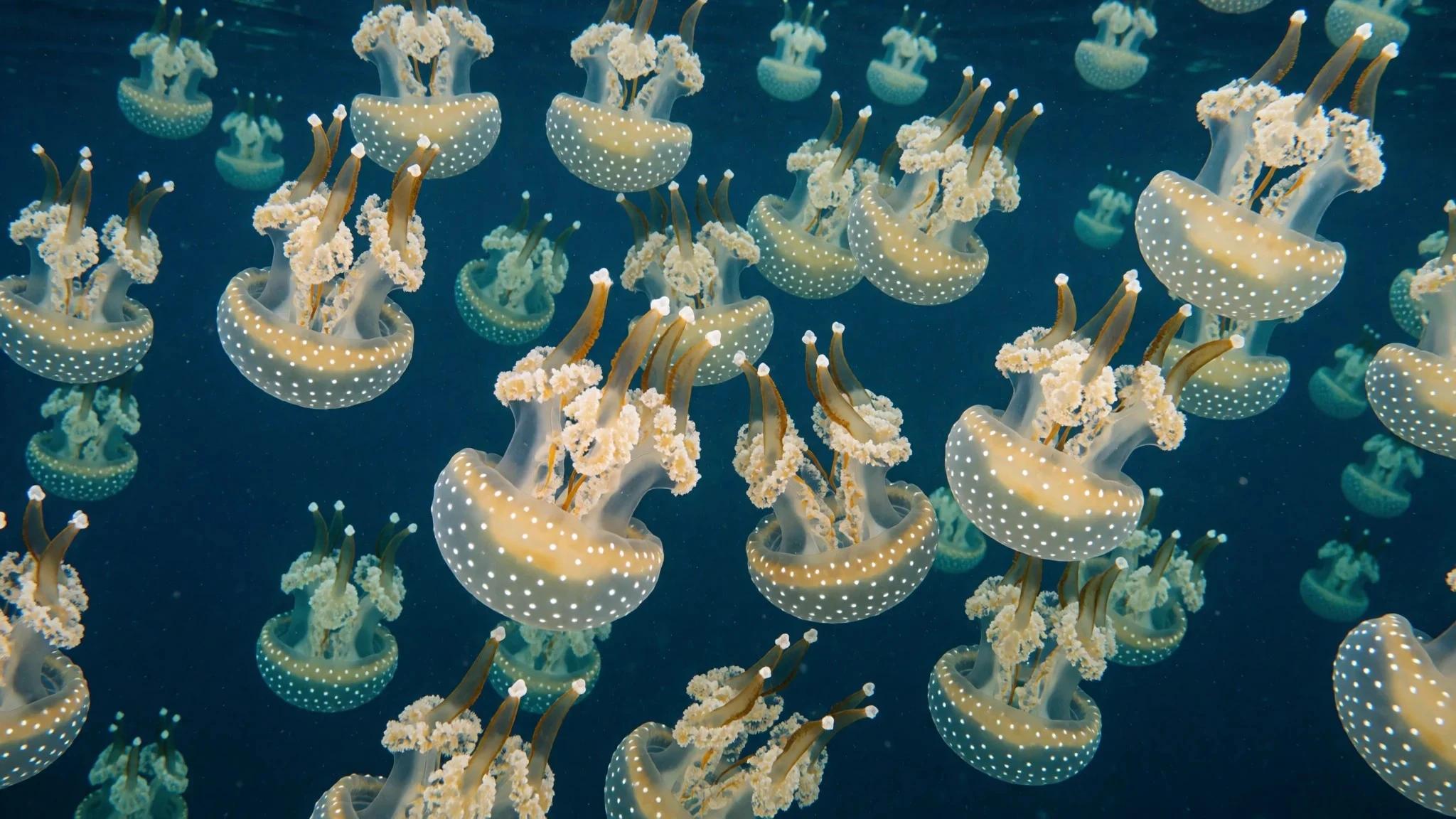
- Manta rays (animal)
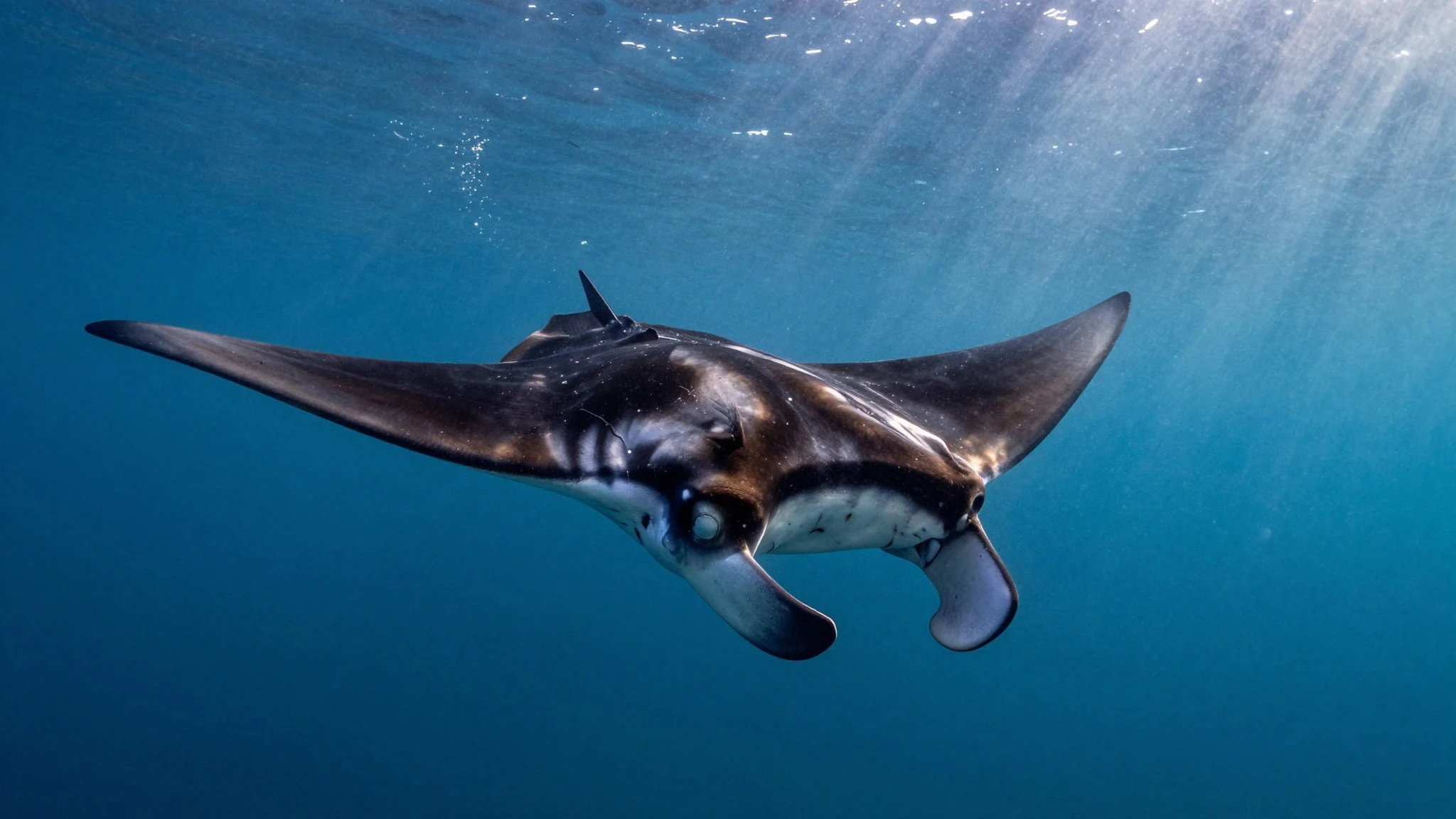
The giant manta ray is the largest ray in the world, a great flat swimmer that glides through the sea like an underwater kite. Around Kayangel Atoll it is seen by divers at the atoll's dive sites, alongside various sharks. Ask a local guide when to go, as the season and hour are not certain. Keep a respectful distance, stay calm and quiet in the water, and never feed it.