Ngerukewid Islands Wildlife Preserve
Ngerukewid Islands Wildlife Preserve, Palau
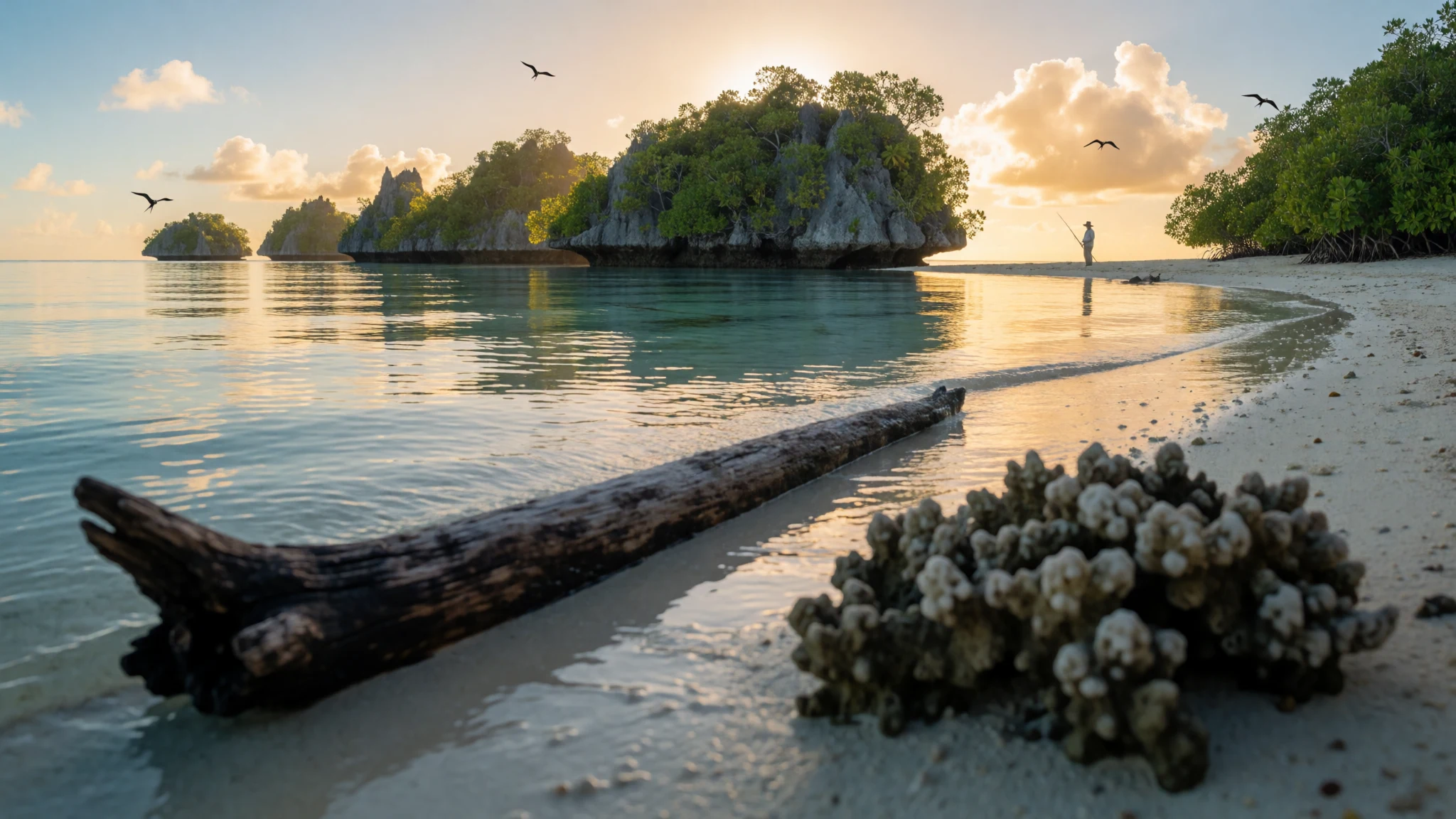
Dozens of tiny green limestone islands sit in Palau's lagoon, protected as a wildlife preserve and best seen by boat and by mask.
The place
Ngerukewid Islands Wildlife Preserve lies inside the lagoon of Palau, in the western Pacific. It is a cluster of 37 small raised coral islands, the smallest only 0.1 hectares and the largest 48.5 hectares, adding up to about 87.3 hectares of land. Ngerukewid is also spelt Ngerukeuid, and the group has been known as Orukuizu. Seen from the air, the islands look like green crumbs dropped on pale water. They are old reef limestone lifted above the sea, with the rock undercut at the waterline, so many of them have a mushroom-like outline. Trees and scrub cover most of the tops, and the surrounding shallows are protected along with the land. Nobody lives here and there are no cafés, shops or jetties, so the visit is about boats, water and birds. The preserve sits within the wider Rock Islands, a scatter of around 250 mostly uninhabited islands that dominate Palau's tourism. Operators based in Koror, the main town, run day trips through the lagoon, and the quality of the guide matters a great deal here. Access rules, permits and which islands are open to landing change, so ask a licensed operator and check official Palau sources before booking. Expect hot sun, glare off the water and very little shade on a boat. The reward is quiet: clear water, small beaches and reef within a short swim.
Its story
Ngerukewid Islands Wildlife Preserve was formally protected in 1956, a long time before conservation became part of Palau's national identity. The reserve covers the islands and the water around them. The wider story of the archipelago is one of changing outside powers. Palauans built a matrilineal society over thousands of years, with family lines and land passing through women, and for a long time they dealt mainly with neighbours such as Yap and Java. European contact came late. In 1783 the English captain Henry Wilson was wrecked off the island of Ulong, and it was his account that gave the group the name Pelew Islands. In 1885 Britain, Spain and Germany all claimed the islands, and the dispute went to the Pope, who sided with Spain while granting trading concessions to the others. Spain sold the islands to Germany in 1899. German administrators developed mining of bauxite and phosphate and a copra trade. Later came Japanese and then American administration, the last under a United Nations trusteeship. In 1978 Palau voted to go its own way instead of joining the Federated States of Micronesia. The treaty linking it to the United States took years to ratify, and full independence arrived only in the last decade of the twentieth century. Today the lagoon is better known for diving and conservation than for any of this history.
What to see
- Ngerukewid from the air and the water — Palau lagoon, southern Rock Islands
The 37 islands of Ngerukewid are best taken in from a boat that loops slowly between them. Look for the undercut limestone bases, the green crowns and the colour change where shallow sand gives way to deeper blue. Aerial views show the pattern clearly, but a boat gives the detail.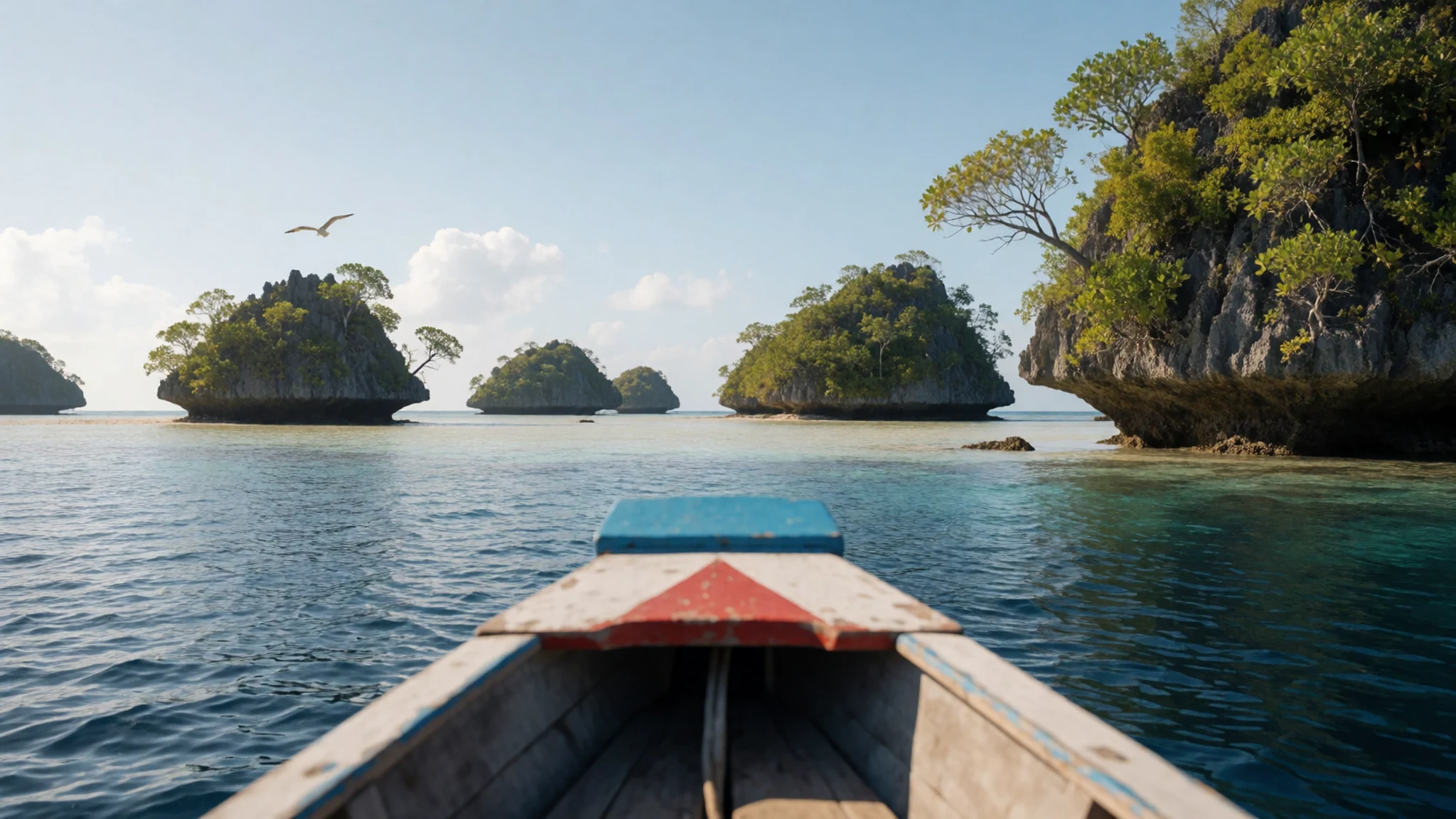
- The Rock Islands — Rock Islands (Chelbachebover)
Around 250 mostly uninhabited limestone islands form the wider Rock Islands, which are a World Heritage site. Day trips run from Koror and combine island hopping, snorkelling stops and small beaches. Go early if possible, because boats bunch up at the popular stops by late morning.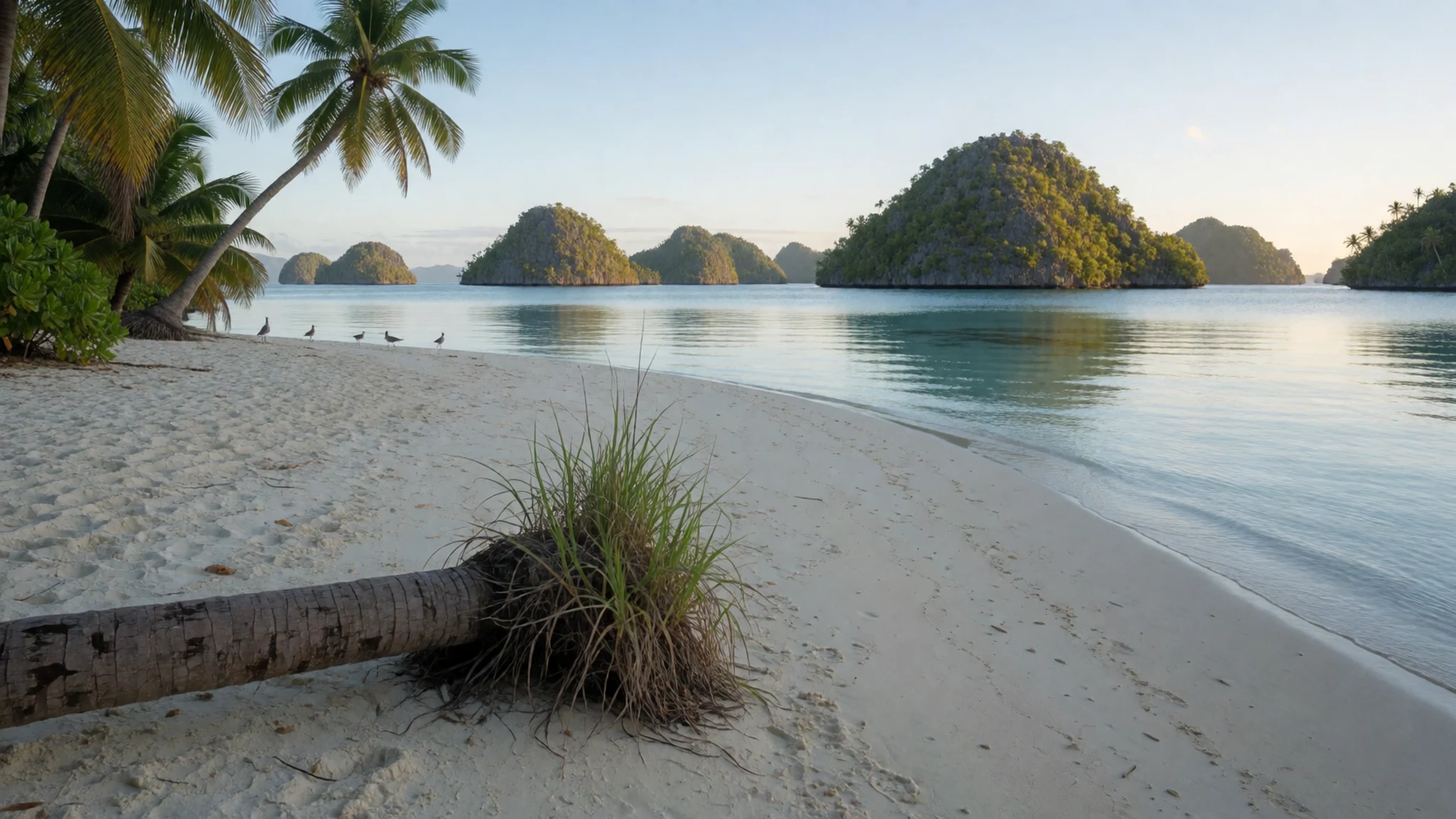
- Blue Corner — Outer reef, west of the Rock Islands
Blue Corner is Palau's best-known dive site, famous for steady sharks and a strong current. Divers hook on to the reef edge and watch the traffic go by. It is under an hour by boat from most resorts. The current makes it a site for experienced divers with a good operator.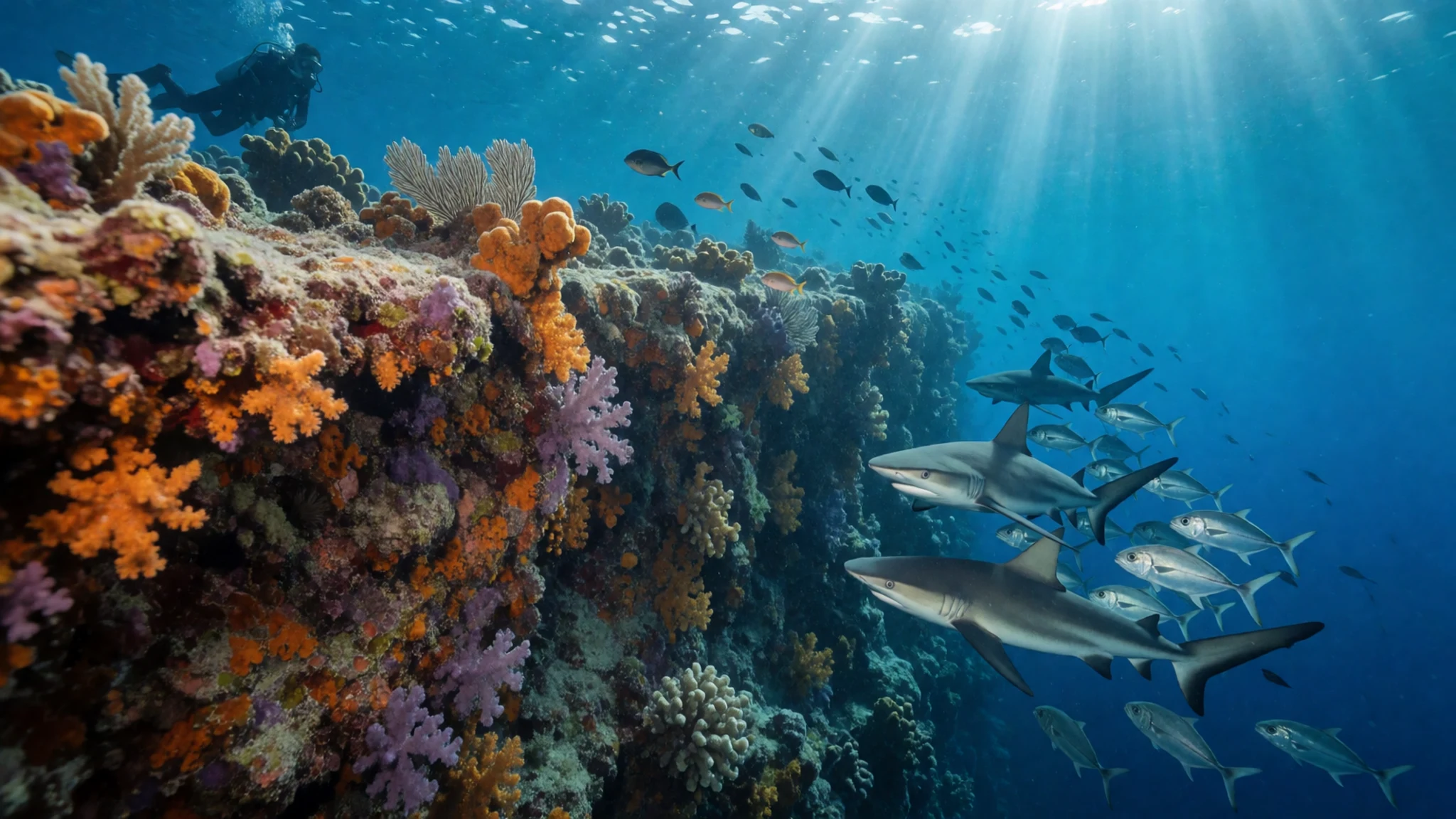
- German Channel — Between Koror and the southern lagoon
German Channel is a cut through the reef that is popular with divers and also with snorkellers on calmer days. Tides and currents shape what you see, so operators plan around them. Following their timing matters more here than at a quiet beach stop.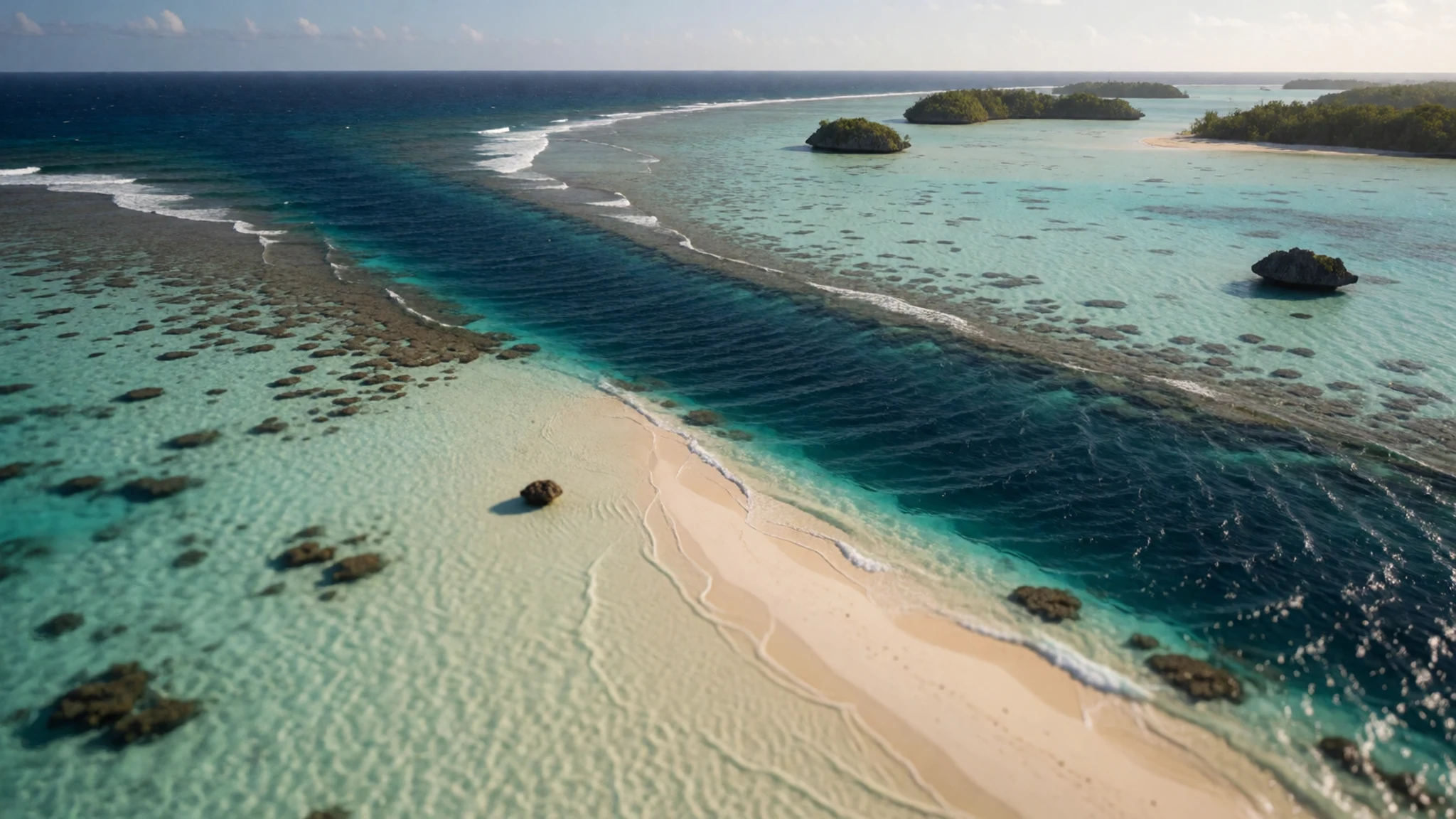
- Jellyfish Lake — Eil Malk, Rock Islands
This marine lake holds jellyfish that have lost their stinging power after generations without predators, and visitors snorkel among them. Warming water has driven the jellyfish away at times, so they appear only now and then. Ask your operator about current conditions, because seeing them is not guaranteed. Scuba is not permitted.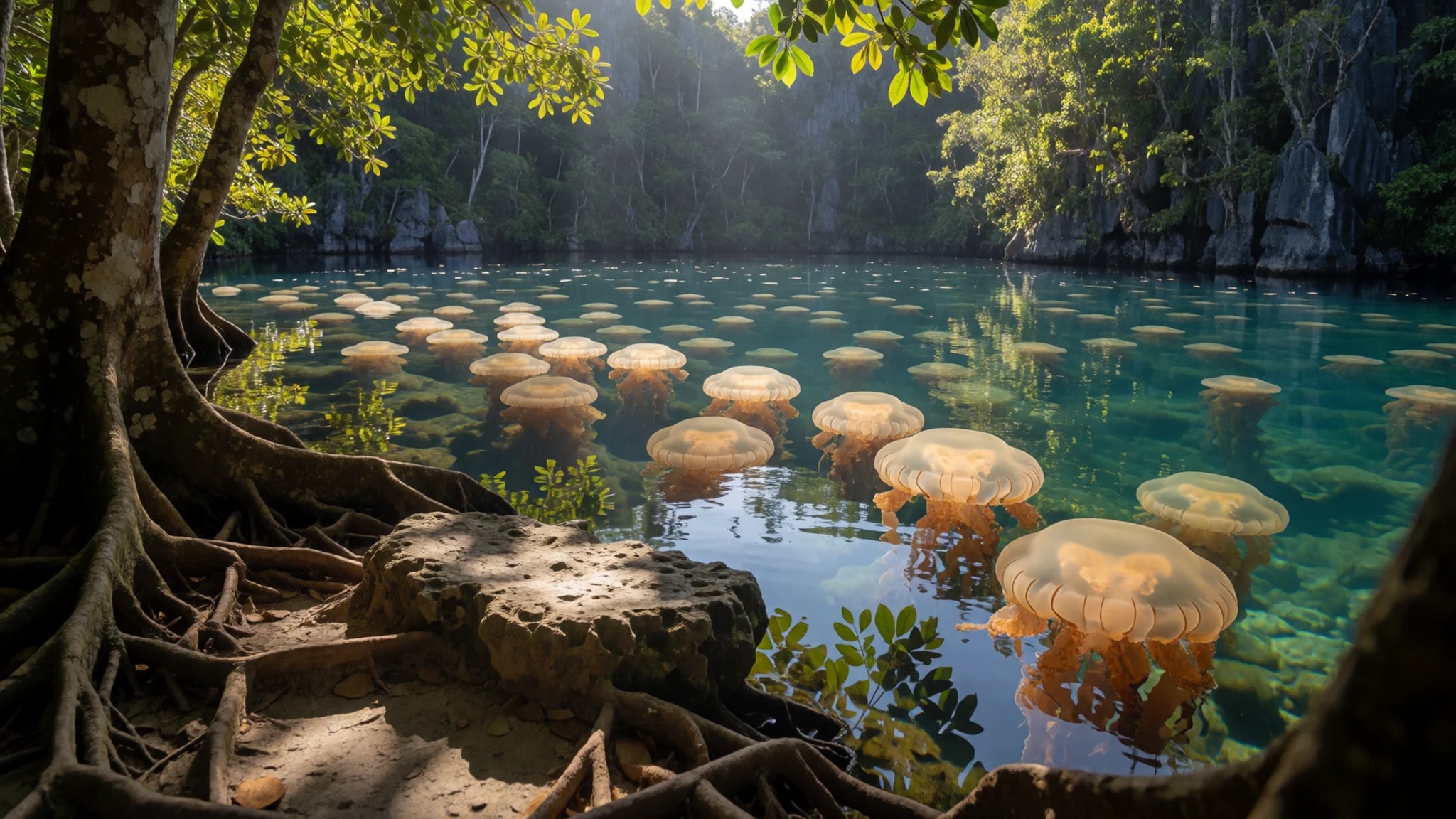
Culture
Palau has long been known for hospitality, and visitors in Koror and the island communities are generally met with patience and good humour. The society is matrilineal, with family ties, land and titles tracing through the mother's line, and clan obligations still shape community life. The lagoon matters as much as the land, because reefs, channels and fishing grounds carry family and village claims, and some places have historical or ceremonial importance. Palau's population has also been shaped by contact with Japan, the Philippines, Taiwan, Korea and the United States, so everyday life blends several influences. That mix shows up in shops, music, language and food. Conservation is treated as a cultural value rather than a rule for tourists alone. On arrival, visitors sign the Palau Pledge, a promise to protect the environment, and single-use plastics and reef-damaging sunscreens are prohibited. Locals are relaxed and easy-going as long as visitors do not insult the culture, enter historic areas without permission, litter or harm the sea. Public drinking is not allowed and police do enforce it. Pedestrians should take care in Koror, where pavements are limited. Rude remarks about local custom are taken badly, as they would be anywhere. Wear reef-safe sunscreen only, take all your rubbish back from the boat, and ask your guide before landing on any island or stepping onto historic sites.
What to wear
Traditional Palauan dress was made from local plant fibres, with skirts of woven or shredded leaf and fibre, and shell and bead ornaments for ceremony. These pieces are mostly worn today at festivals, dance performances and cultural events rather than every day, and they are made by hand, so they are worth looking at in museums and craft shops in Koror. Everyday clothing now is practical and tropical: cotton T-shirts, shorts, light dresses, board shorts and flip-flops, with school and office wear a little smarter. Island life is casual, and nobody dresses up for a boat day. For a visitor, the climate is hot, humid and sunny, so quick-dry shirts, a wide-brimmed hat, sunglasses and a long-sleeved rash vest are more useful than fashion. Reef-safe sunscreen is a legal requirement, so check the label before packing it. Sturdy reef shoes or sandals with a grip help on rocky landing spots and slippery boat steps. In Koror and villages, cover swimwear with a T-shirt or sarong when away from the beach. A light rain jacket is worth carrying for sudden showers. Keep clothes and bags in a dry bag, because spray is constant on small boats.
What to eat
- Bento lunch boxes — Grocery stores and lunch counters in Koror
Japanese-style bento boxes are a staple lunch in Palau, usually rice with fish, chicken or pork and a few sides. They are easy to pack for a boat day. Look for them in Koror's grocery stores and small lunch counters.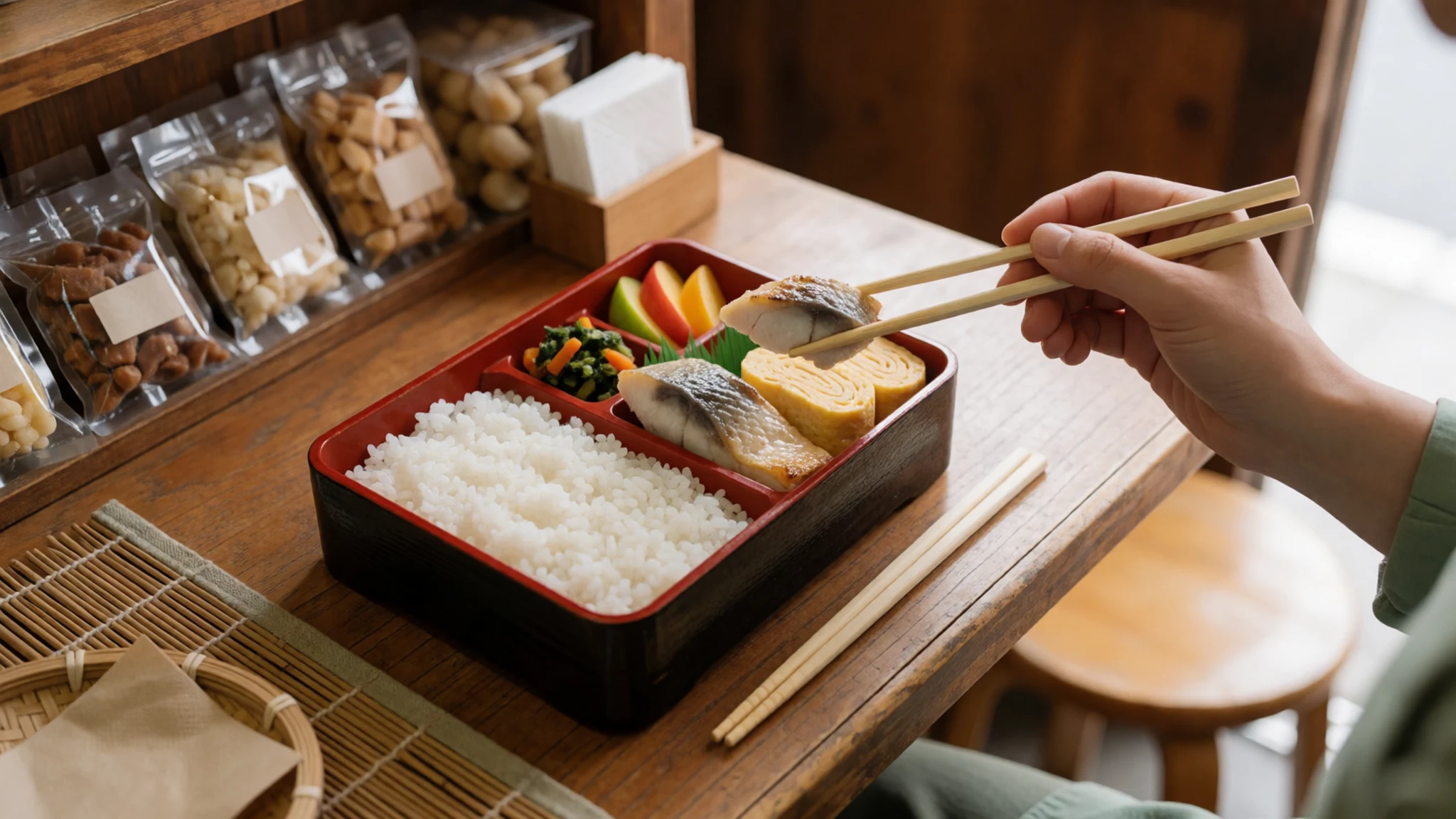
- Fresh reef fish and sashimi — Waterfront eateries and dive-resort restaurants in Koror
Japanese influence shows in raw and grilled fish, served simply with soy, lime or rice. What is on offer depends on the day's catch. Ask what is local and in season, and which fish are from sustainable sources.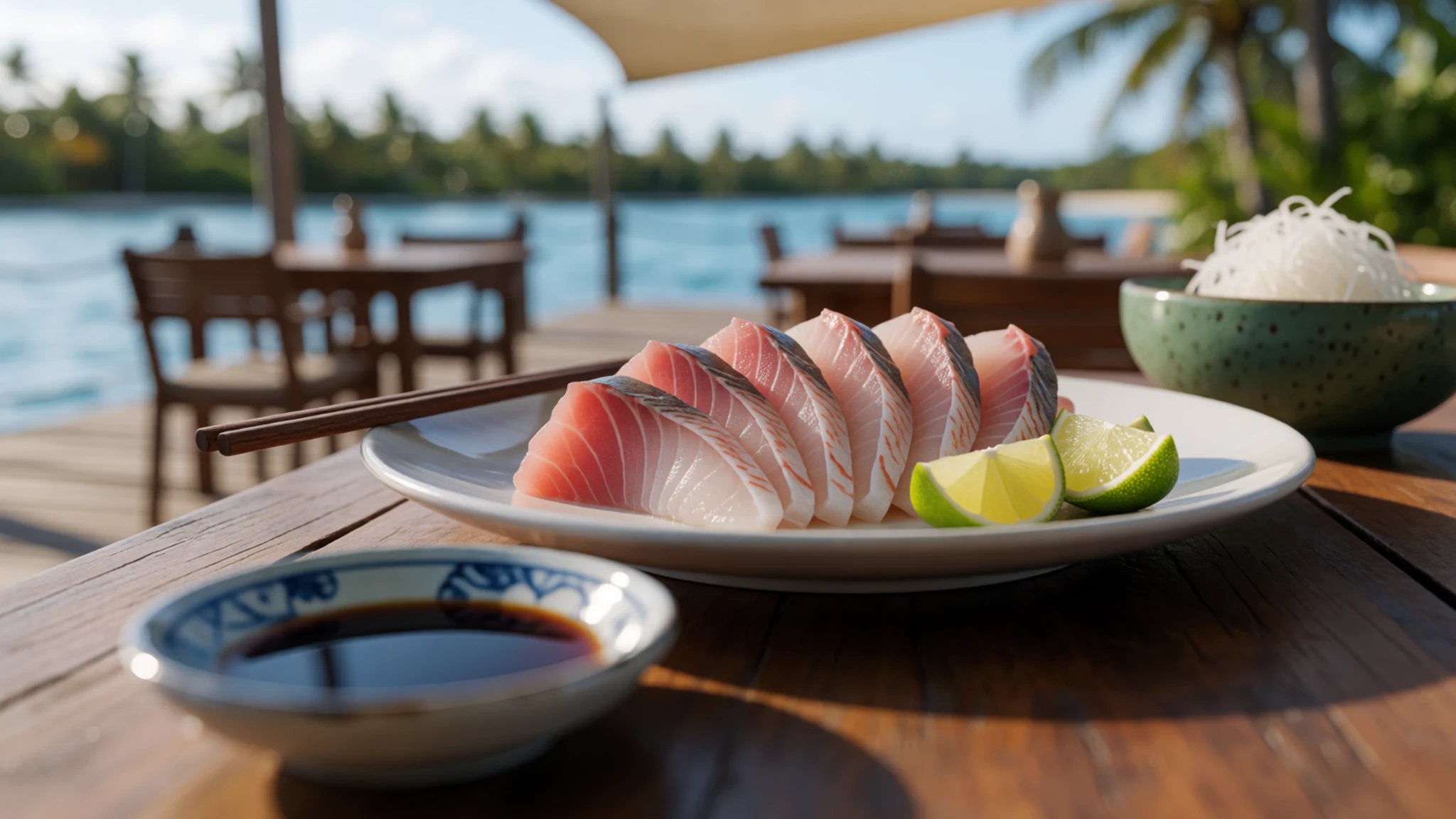
- Taro and island root crops — Home-style eateries and community gatherings
Taro is a long-standing Palauan staple, boiled or steamed and eaten with fish or coconut. It is filling and mild, a good counterpoint to salty or spicy dishes. Home-style meals and community events are the best place to try it. - Fresh fruit smoothies — Roadside huts and snack stands in Koror
Small huts in Koror blend tropical fruit into cold smoothies, a welcome stop in the heat. They are good value, easy to find and a refreshing change after a day on the water. Ask what is in season. - Local brewery beer — Brewery and licensed bars in Koror
Palau has a small brewery near the waterfront in Koror that makes an amber, a stout and a few other beers. Alcohol is sold in most shops, but public drinking is banned, so enjoy it at a licensed bar or restaurant.
Plan it
Best time. Generally the drier months from about January to April suit boat days, with calmer seas and more sun, though Palau is warm and humid all year and showers can come at any time. Check forecasts and operators' advice close to your dates.
How long. 2–3
Getting there. Fly to Roman Tmetuchl International Airport (Airai, ROR) on Babeldaob, which has scheduled flights from places such as Guam, Manila, Taipei and Tokyo. No taxis wait at the airport, so arrange a transfer to Koror in advance. From Koror, take a licensed boat operator out to the lagoon.
Budget. high
Tips
- Book boat trips and any permits ahead through a licensed operator, and check official Palau sources for current rules
- Start early, as boats are quieter and the sea is usually calmer in the morning
- Carry water, a hat, a dry bag and reef-safe sunscreen only
- Bring cash and cards, as small shops and snack stands may not take cards
- Check visa rules for your passport before travelling, as they vary by nationality
Etiquette
- Sign the Palau Pledge and take it seriously, carrying all rubbish back
- Ask your guide before landing on an island or touching anything on historic sites
- Do not drink alcohol in public places
Nearby
Sources
- Wikidata Q1984250 (CC0)
- Wikipedia: Ngerukewid (CC BY-SA 4.0)
- Wikivoyage: Palau (CC BY-SA 4.0)
- Photo: Aerial view of Ngerukewid by Luka Peternel (CC BY-SA 4.0)
