Udawalawe
Udawalawe, Sri Lanka
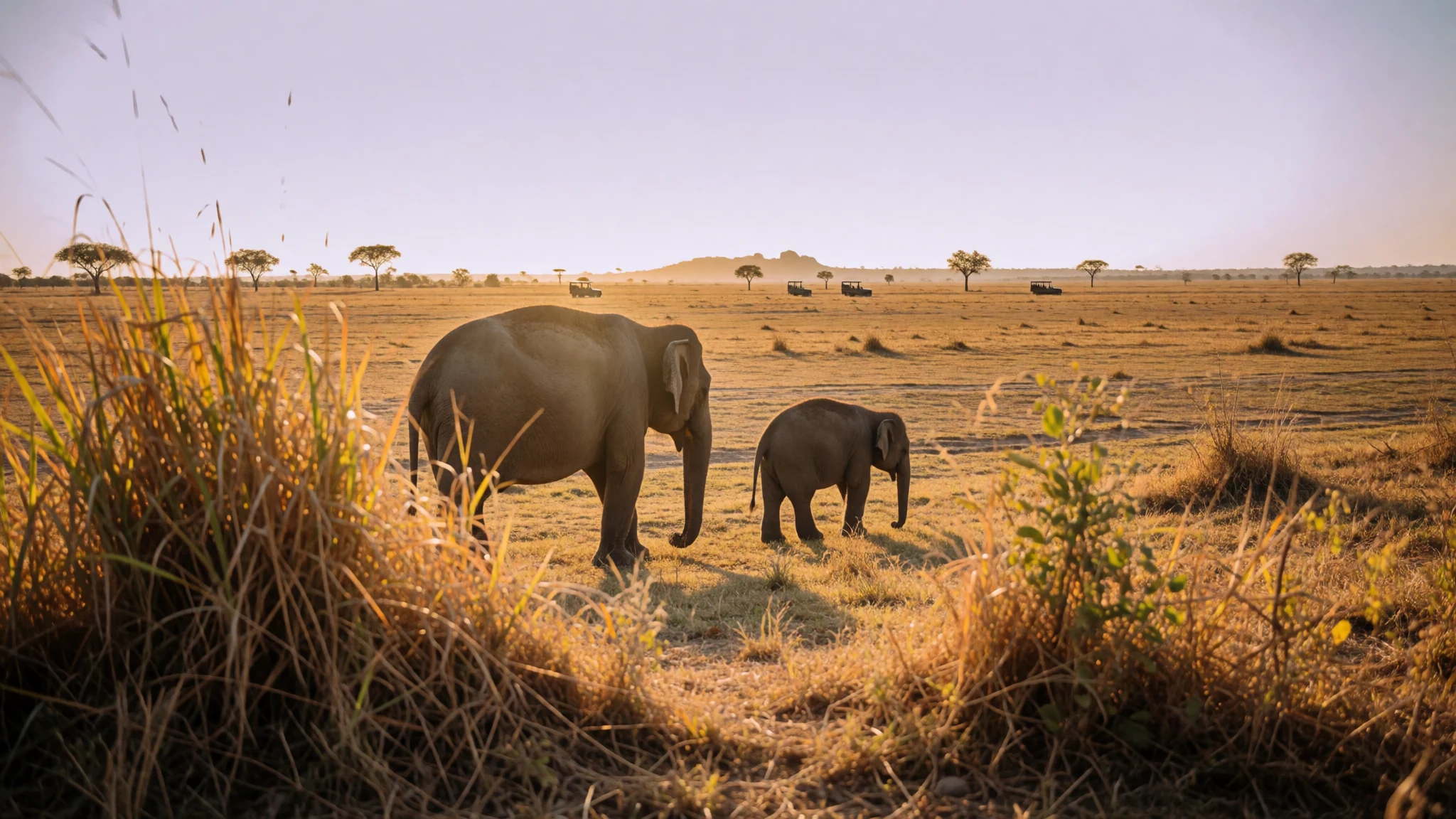
Udawalawe is a flat, open Sri Lankan park where elephant herds and water birds can be watched from a jeep around a reservoir.
The place
Udawalawe National Park lies in southern Sri Lanka, on the border between Uva and Sabaragamuwa Provinces, in country that is mostly flat and open. It sits where the island's wet zone meets its dry zone, and the land shows it: grassland and scrub that turn yellow in dry spells and green once the rains return, with patches of evergreen forest and scattered ponds and small tanks that draw animals in. The centrepiece is the Udawalawe Reservoir, water held back on the Walawe River. Its shoreline, shallows and dead trees give water birds somewhere to feed, and give elephants somewhere to drink and bathe. The park's high point is Ulgala, a pointed outcrop of rock that rises modestly from the plain; it is a landmark rather than a climb. Because the ground is level and crossed by many vehicle tracks, a jeep can cover a good part of the park in a single morning or afternoon, and animals are often easy to spot across the open grass. Sri Lankan elephants are the headline, but the park matters for birds too. The small town of Udawalawe, at the south-western edge of the reservoir, is where most visitors sleep, eat and arrange a safari. There is little else in the area to see, so the trip is really about the park itself. Sleeping inside the park is not permitted, which keeps the nights quiet for the wildlife and makes the town the practical base.
Its story
Udawalawe National Park exists because of a dam. When the Walawe River was held back to form a reservoir, the rising water flooded ground that animals had used, and a protected area was declared in 1972 to give the displaced wildlife a refuge and to guard the land that feeds the reservoir. Before that, much of the area was worked by chena farmers, who clear and burn a patch of forest, plant it for a few seasons and then leave it to regrow. Once the park was declared, those farmers were gradually moved out, a change that still shapes the villages around the boundary, where cultivated land now presses close against the edge of the reserve. The park's troubles did not end with its creation. Pine and eucalyptus plantations, clearing of natural forest, gem mining, logging, overgrazing and poaching have all been named as threats, and the falling water level of the Walawe is linked to some of them. Invasive plants such as lantana crowd out the vegetation elephants feed on, and there have been reports of elephants shot with illegal muzzle-loading guns. So this is an animal refuge that was itself born of a development project, and has had to defend its edges ever since. It is worth knowing before a safari: the herds on the grass are partly the result of a conservation decision made in 1972, and they depend on that decision holding.
What to see
- Udawalawe Reservoir — Centre and north of the park
The reservoir is the water that explains the park. Its edges draw elephants down to drink, and its shallows and dead trees give storks, herons and kingfishers places to perch and fish. Late afternoon is the pleasant time to watch from the shore tracks, when the heat eases and animals move towards the margin.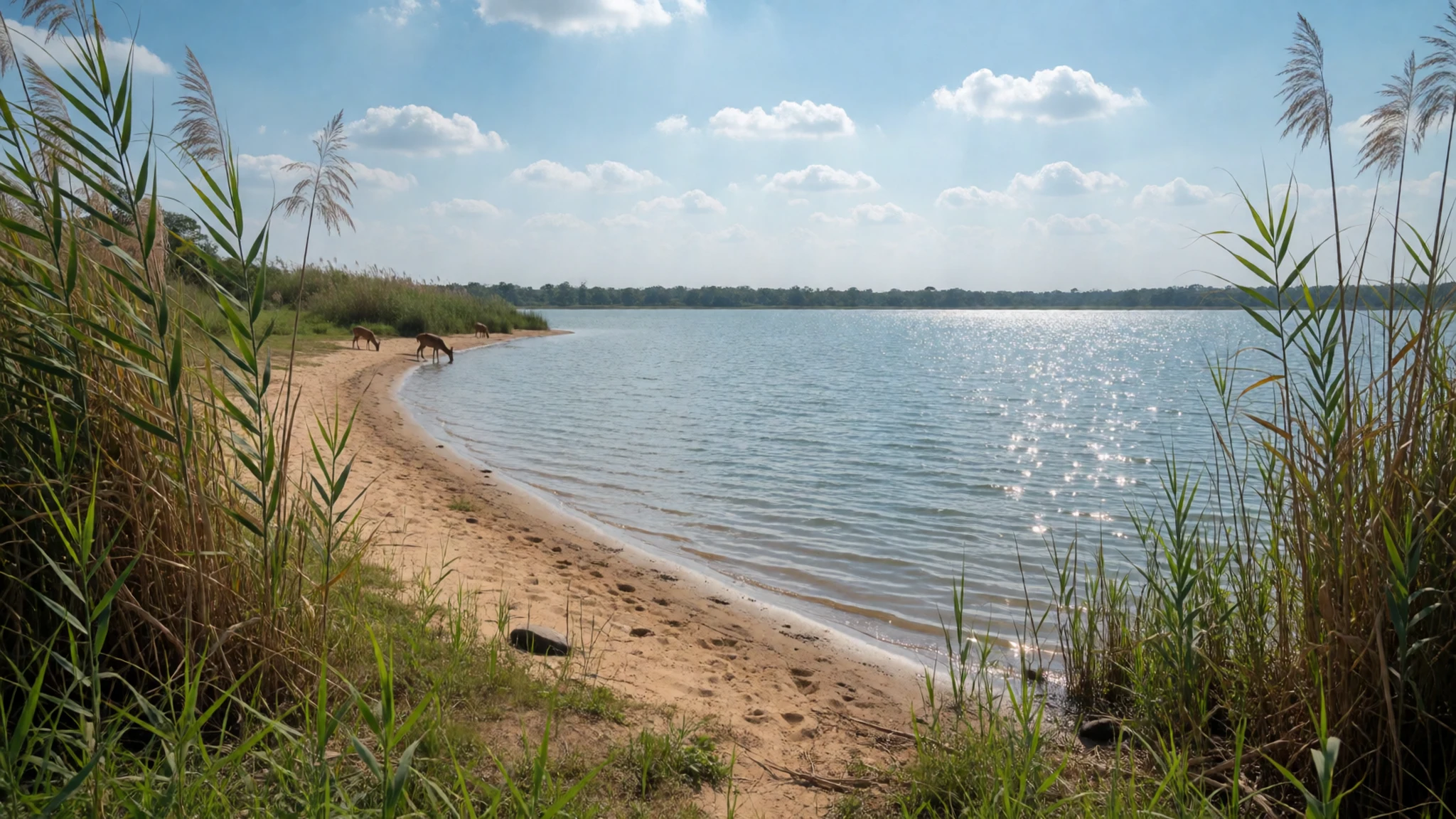
- Elephants on the open grassland — Grassland tracks across the park
The open grass inside the park is where Sri Lankan elephants are most often seen, usually in family groups with calves close to their mothers. Jeeps stop at a respectful distance and cut their engines. Patience pays: herds move slowly, feed almost constantly, and sometimes cross the track right in front of the vehicle.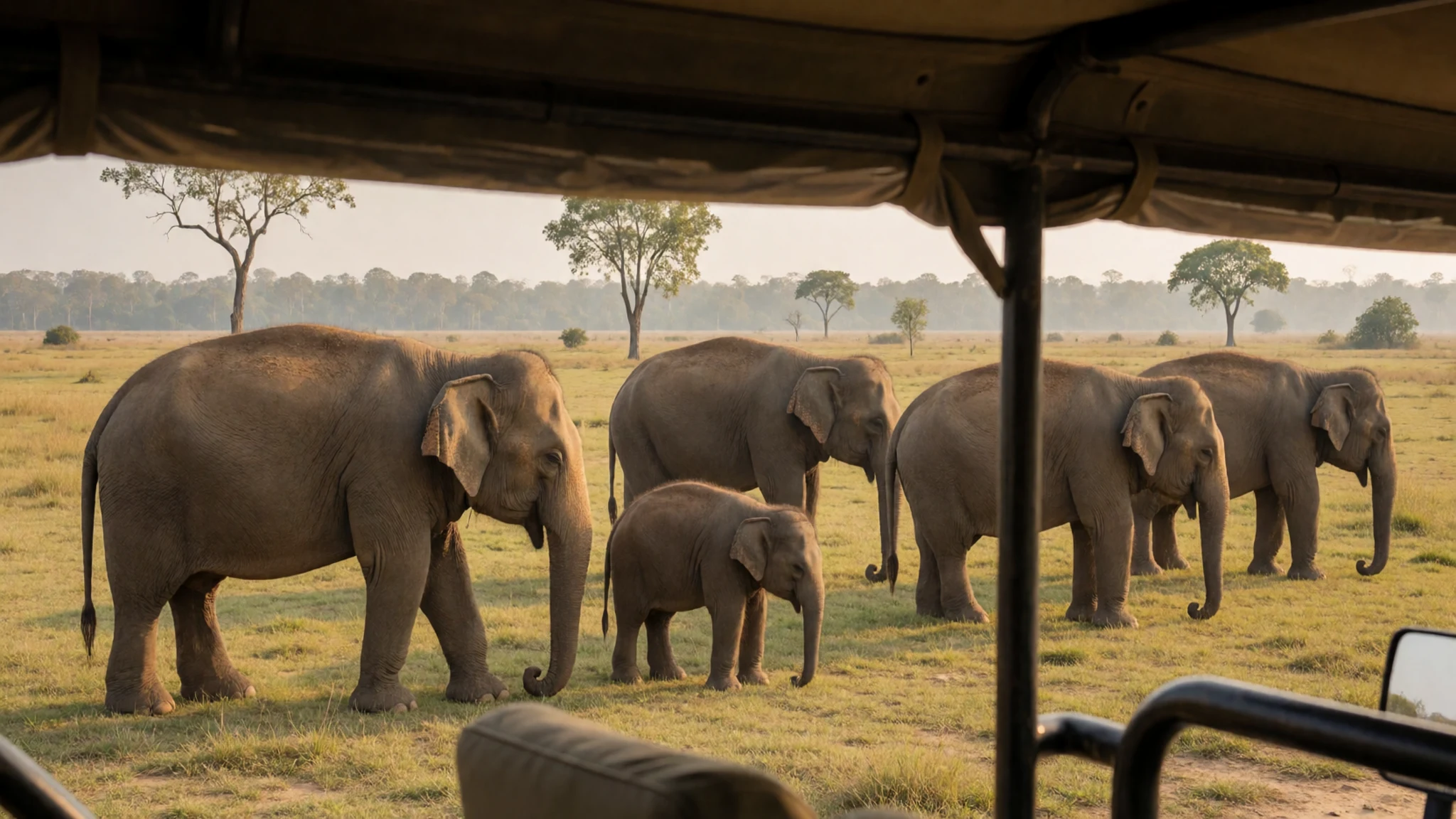
- Painted storks and wading birds — Reservoir shallows and small tanks
Along the reservoir and the smaller tanks, painted storks stand in the shallows with other wading birds, sweeping their bills through the water. They are easy to pick out by their size and pale plumage with a hint of pink. Binoculars help, and so does a driver who knows which tank is currently holding water.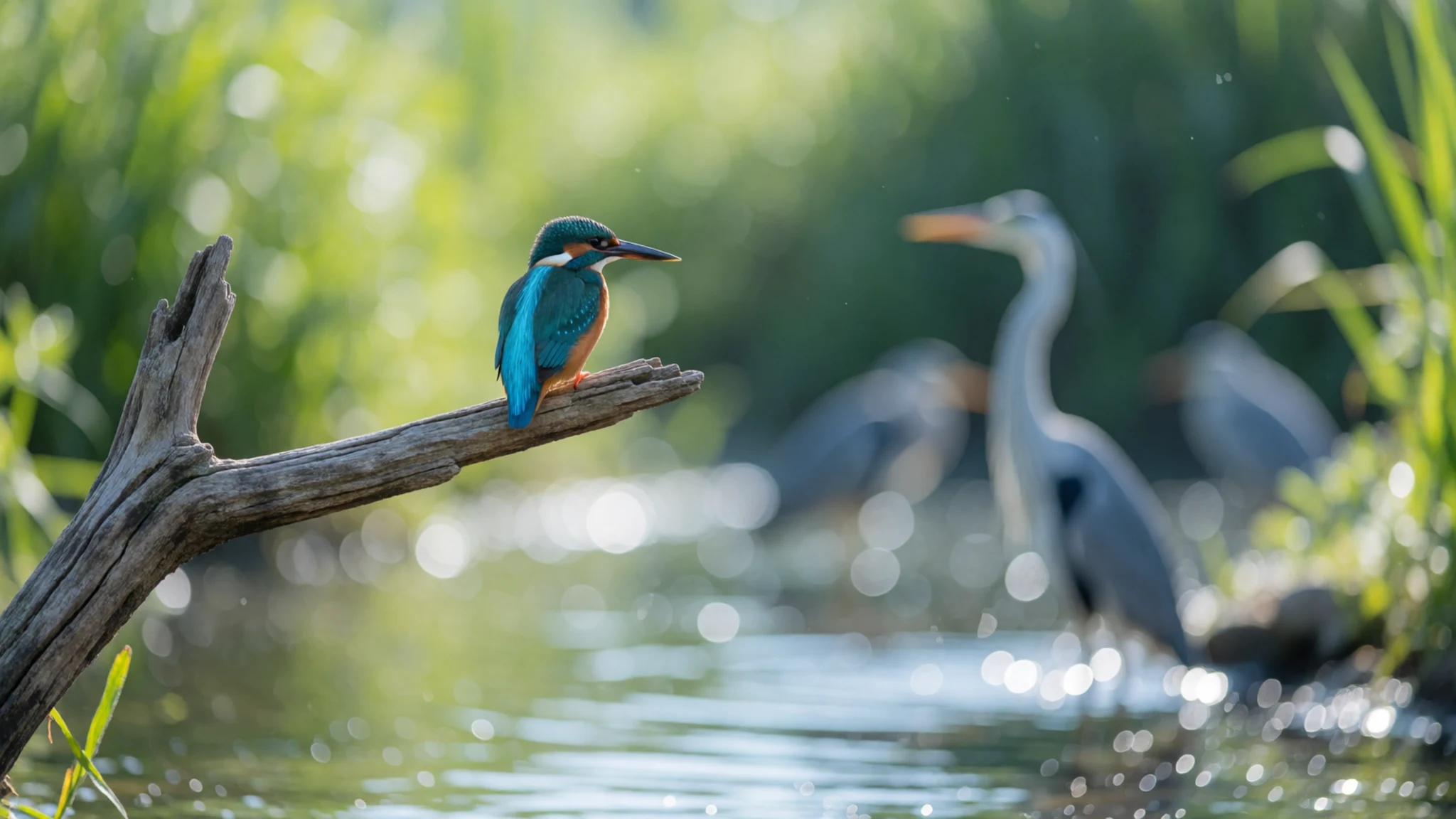
- Bee-eaters and kingfishers on the tracks — Tracks and tree lines through the park
Smaller birds reward slow driving. Blue-tailed bee-eaters and kingfishers perch on bare branches beside the tracks and launch after insects or fish, then return to the same spot. Mornings are best for them. Ask the driver to stop rather than trying to photograph from a moving jeep.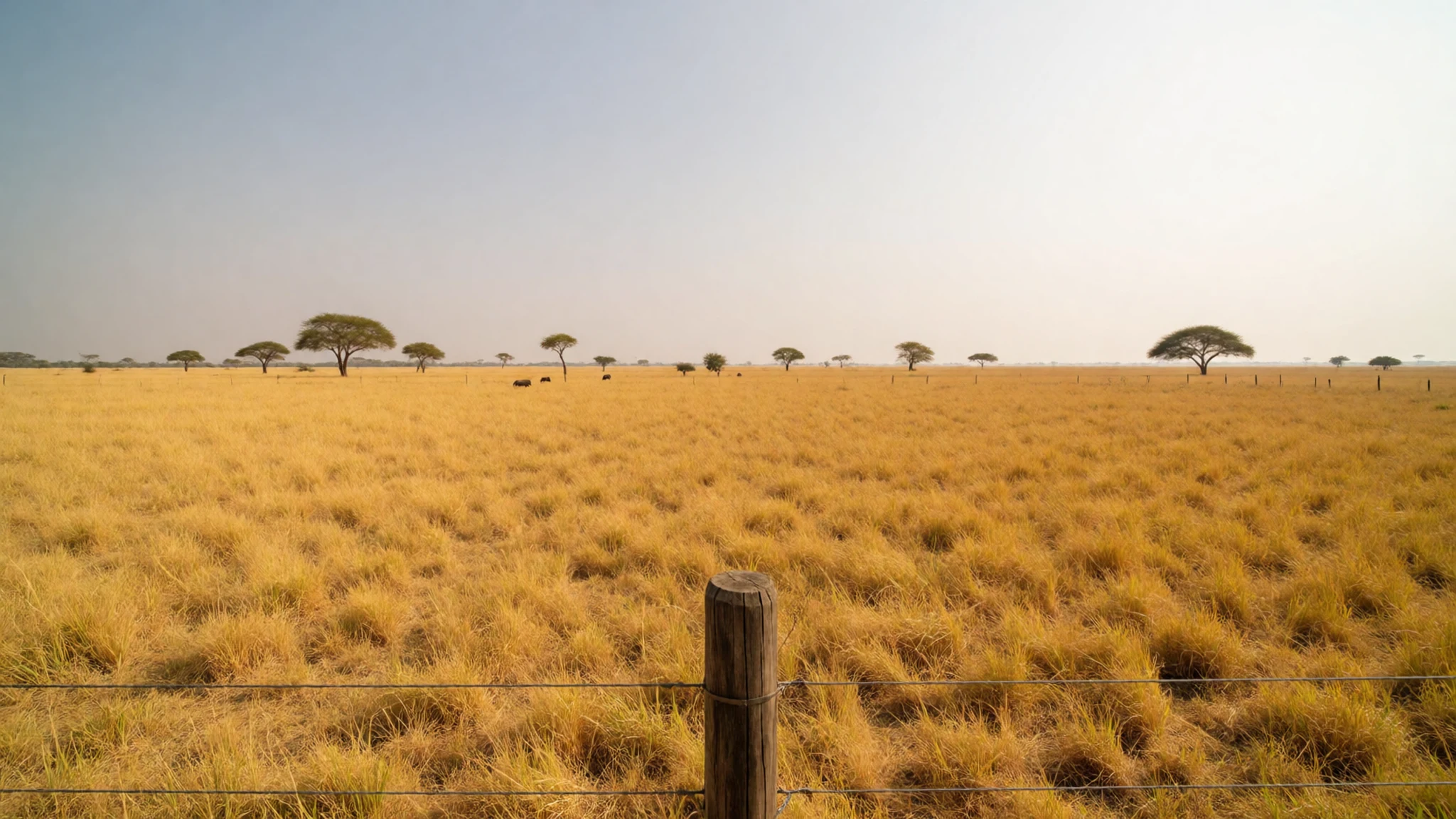
- Ulgala, the pointed rock — Within the national park
Ulgala is the highest point in an otherwise flat park, a pointed outcrop that works as a landmark when the tracks begin to look alike. It is seen from the vehicle rather than climbed. The surrounding landscape changes character with the seasons, from pale yellow grass in dry spells to fresh green after rain.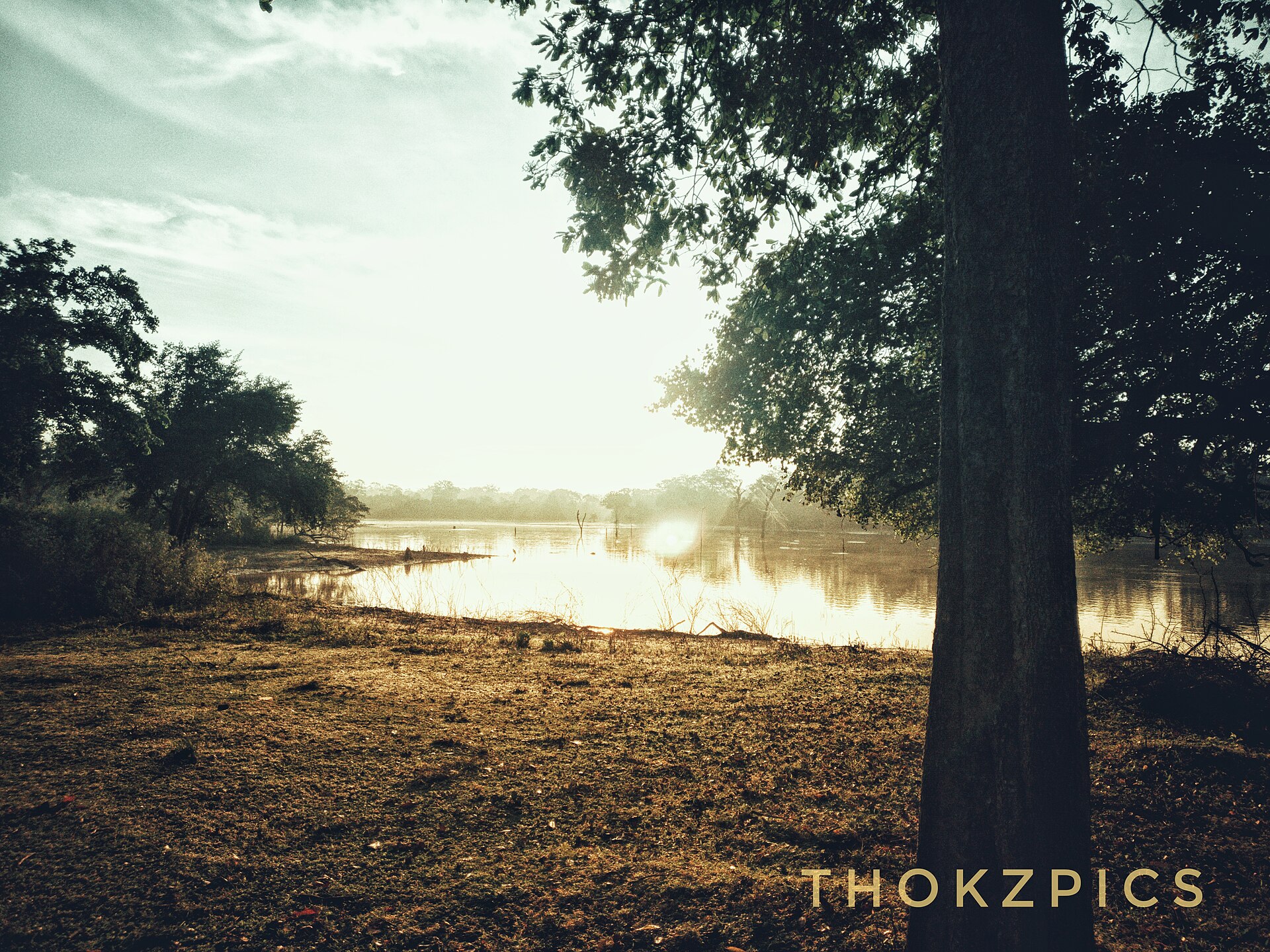
Culture
Udawalawe sits in a part of southern Sri Lanka where village life and wildlife share an uneasy border. The communities around the park are largely farming families, and many of their grandparents worked chena plots on land that is now protected. That history explains why feelings about the park can be mixed: it brings safari work, guides, drivers and guesthouse income, but it also keeps farmland and elephants in constant contact. Crops near the boundary are at real risk from hungry herds, and local people have their own methods of watching and guarding fields. Most people in the region are Buddhist, and small temples and shrines are part of the road to the park. Visitors passing through will notice that daily rhythms start early, with farming and travel done in the cooler hours, which suits safari timing neatly. Guides and drivers are usually a good source of local knowledge about animal behaviour, the seasons, and which tracks are in good order. Tipping a driver or guide who has done a careful job is a common courtesy, though there is no fixed amount. Respect for the animals is part of the etiquette of the place, as much as respect for people. Stay inside your vehicle at all times, keep voices low, never feed or tempt the animals, and ask before photographing villagers or people working by the road.
What to wear
Fashion around Udawalawe follows Sri Lankan village habits rather than any park custom. Traditional dress for men is the sarong, a length of woven cotton wrapped at the waist, often worn at home and for relaxed occasions. Women have the saree and, in the Kandyan style, the osariya, a draped saree worn with a fitted blouse for weddings, temple visits and festivals such as the Sinhala and Tamil New Year. Handloom cotton and batik, with wax-resist patterns dyed onto cloth, are the textiles most associated with the island. Day to day, people in the town mostly wear what is practical for heat: cotton shirts, trousers, T-shirts and skirts, with sarongs still common among older men and farmers, and school uniforms very much in evidence on weekdays. For a visitor, safari clothing should be light, long-sleeved if possible, and in muted greens, browns and khaki, which draw less attention from animals than bright colours. A hat, sunglasses and sunscreen matter, as does a scarf or buff against dust on open tracks. Closed shoes are better than sandals for getting in and out of jeeps. Bring a light rain jacket in the wetter months. If the trip includes a temple, carry something to cover shoulders and knees, and be ready to remove shoes and hats.
What to eat
- Rice and curry — Small local eateries in Udawalawe town
The everyday meal: rice with several small curries, typically dhal, a vegetable or two, a fish or chicken curry and a coconut sambol. Portions are generous and mostly eaten at lunchtime. Spice levels vary, so ask for milder if needed. Fresh and filling, it suits a long safari day.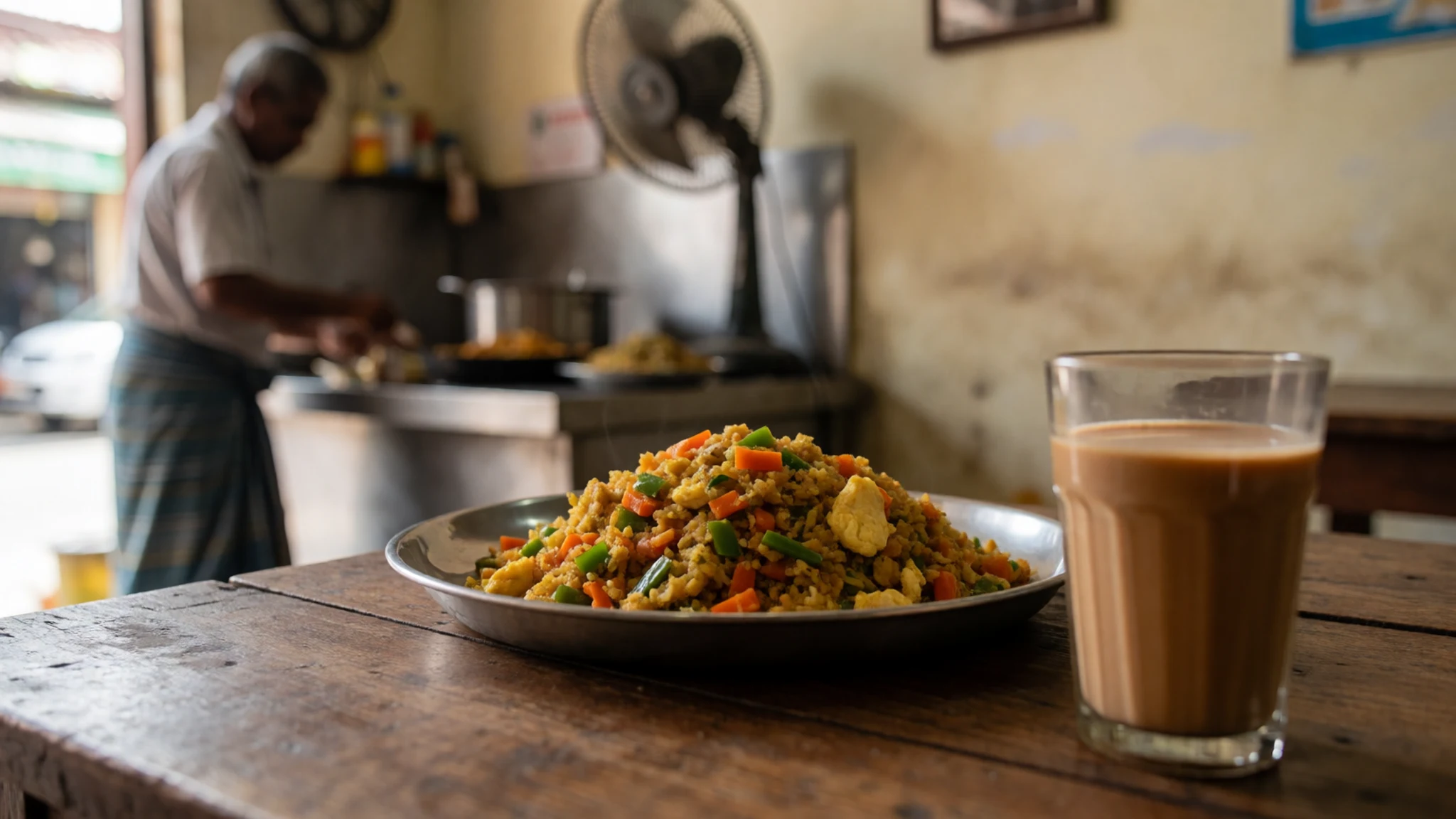
- Kottu roti — Street stalls and simple eateries along the main road in the evening
Flatbread chopped on a hot griddle with vegetables, egg and sometimes meat or cheese, the rhythmic clatter of blades announcing it from a distance. It is a hearty evening dish, filling and savoury, and a good way to end a dusty day in the park.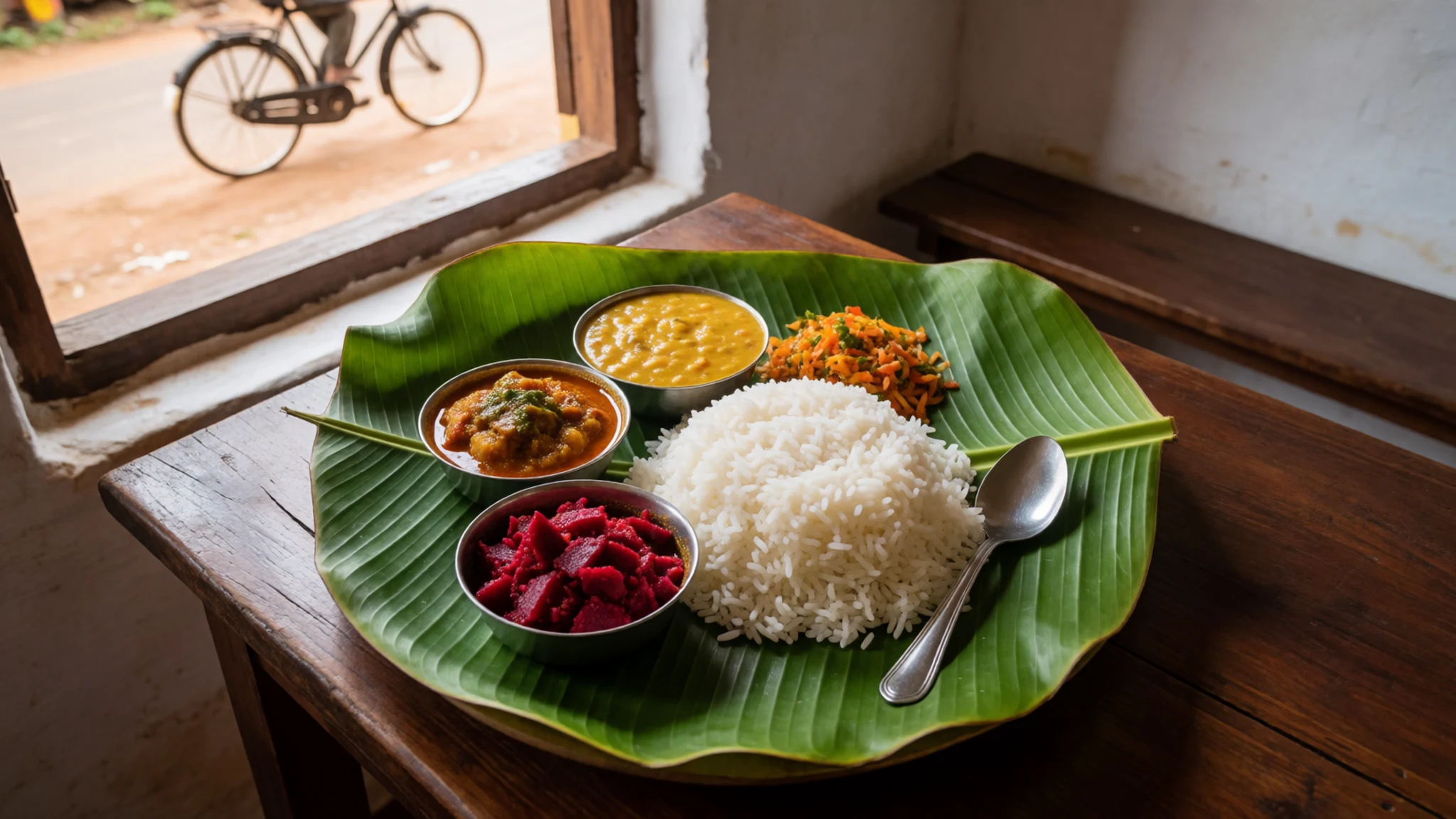
- Hoppers and string hoppers — Breakfast stops and guesthouse kitchens in town
Hoppers are bowl-shaped, lacy-edged pancakes made from fermented rice batter, often with an egg cooked in the middle. String hoppers are steamed nests of rice noodles served with curry and sambol. Both are classic breakfasts, handy before an early start. - Short eats — Bakeries and tea stalls in Udawalawe town
Small fried or baked snacks such as vegetable rolls, fish cutlets and patties. They are cheap, portable and good for the road. Check that wrappers are the biodegradable kind if taking snacks into the park, as plastic is discouraged. - King coconut and fresh fruit — Roadside fruit stalls near the park entrance and town
The orange king coconut, cut open with a machete and drunk straight from the shell, is a welcome relief in the heat. Roadside sellers also offer bananas, papaya and pineapple in season, usually sliced to order with a dusting of salt and chilli.
Plan it
Best time. The drier months, roughly May to September, are the easiest for safaris, as animals gather at the reservoir and the tracks are in better shape. The land turns green when rain returns, which is attractive but can make tracks soft. Expect heat and strong sun at any time of year.
How long. 1–2
Getting there. Fly into Bandaranaike International Airport near Colombo, then take a bus or taxi towards Embilipitiya and on to Udawalawe town; regular buses also connect from Ella and the east coast. From the south coast, the train to Beliatta, then a taxi, is another option. The last leg is a short drive from town to the park gate.
Budget. mid
Tips
- Stay a night in Udawalawe town and set off on safari early the next morning, before the heat builds
- Book a jeep and driver through a guesthouse or the town, and check the official wildlife department site for current entry rules
- Bring water, sunscreen and a hat; bottled water is sold at the entrance if needed
- Pack any food in paper or reusable containers, not plastic
- Carry some cash, as small eateries and stalls in town may not take cards
Etiquette
- Stay inside the vehicle at all times and never feed the animals
- Keep noise low and engines off when watching elephants
- Ask before photographing local people
Nearby
Sources
- Wikidata Q131875 (CC0)
- Wikipedia: Udawalawe National Park (rev 1385849278) (CC BY-SA 4.0)
- Wikivoyage: Udawalawe National Park (rev 5179853) (CC BY-SA 4.0)
- Photo: Eléphant au Uda Walawe National Park (Ji-Elle) (CC BY 3.0)
- Photo: Udawalawe National Park (Udawalawa Reservoir) (AntanO) (CC BY-SA 4.0)
- Photo: Parc national de Uda Walawa (Pierre André Leclercq) (CC BY-SA 2.0)
- Photo: Its a National Park (Ranganasen) (CC BY-SA 4.0)
- Photo: Udawalawa trip (Niroshan90) (CC BY-SA 4.0)
- Photo: Bird watcher captured in Udawalawa Sri Lanka (Jayani Jayasinghe) (CC BY-SA 4.0)
- Photo: Kingfisher on a branch (M.S Dulan De Silva) (CC BY-SA 4.0)
- Photo: Buntstorch, Sri Lanka im Udawalawe Nationalpark (CaCo789) (CC BY-SA 4.0)


Wildlife
- Wild boar (animal)
The wild boar is simply a wild pig, and it lives across much of Europe, Asia and North Africa because it copes well in so many places. In Udawalawe, look for it in the open grassy stretches dotted with trees, where it shares the land with deer and other small mammals. Ask your guide about the best time to look. Watch quietly from a distance, and never feed it.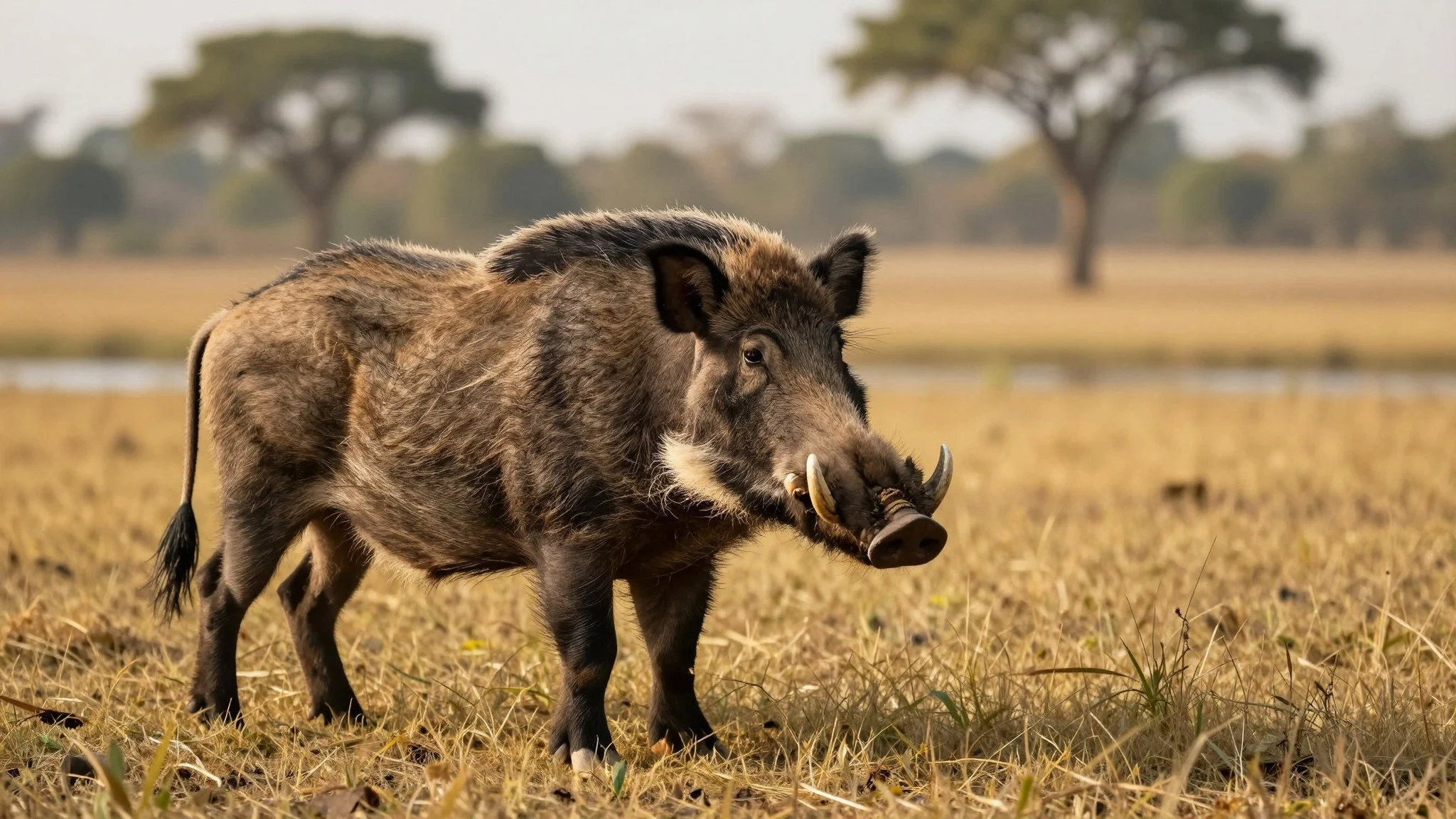
- Sri lankan elephant (animal)
The Sri Lankan elephant is the island's own kind of Asian elephant, a gentle giant that calls Sri Lanka home. Udawalawe is a vital habitat for these elephants, so they are the animal many visitors hope to meet here. Watch from a respectful distance, keep your voice low and let your guide decide where to stop. Elephants also share land with farming communities, so give them room, and never feed them.