Trobriand Islands
Trobriand Islands, Papua New Guinea
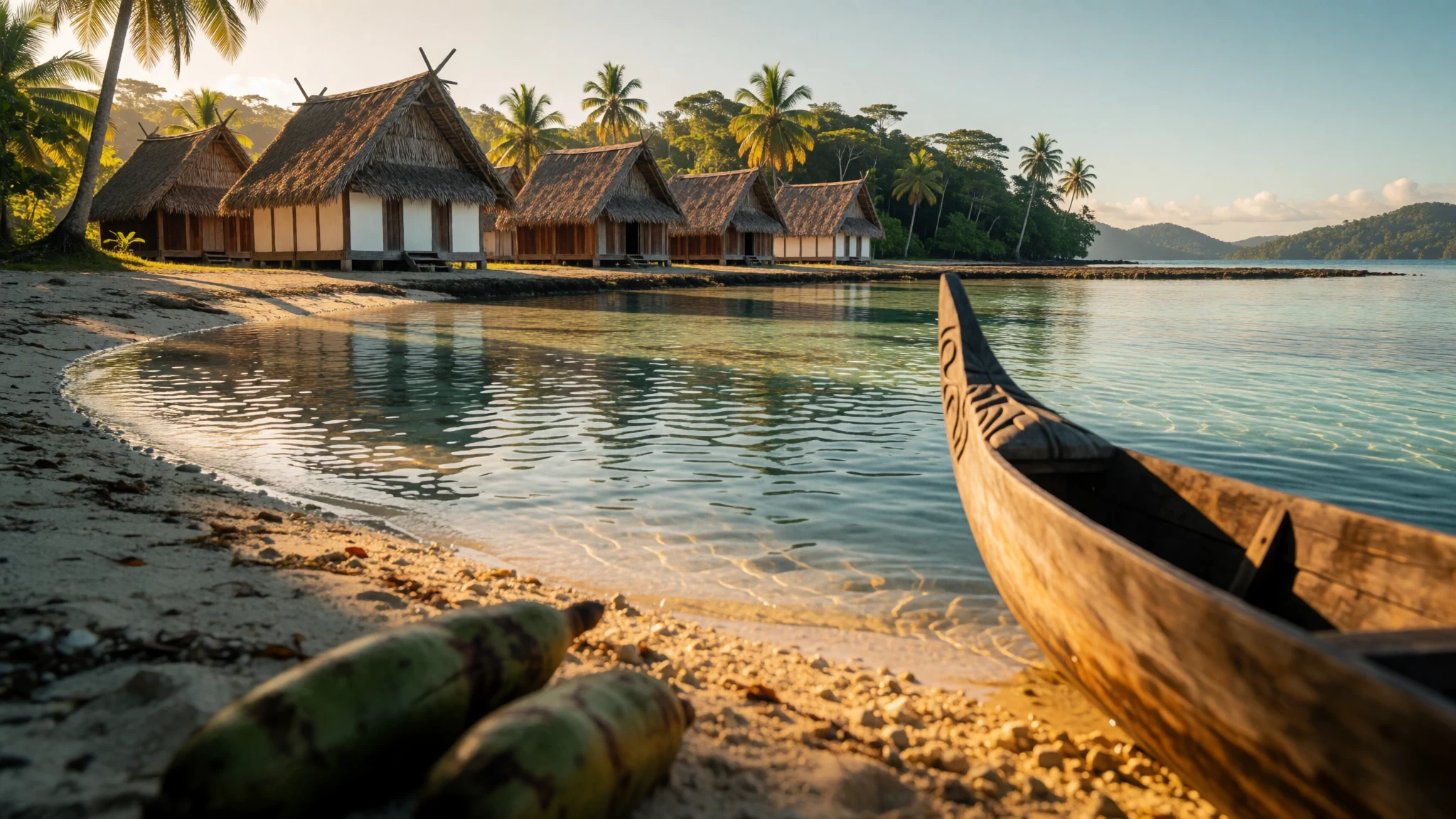
The Trobriand Islands offer coral lagoons, yam-festival dancing and village life still run on its own terms, far from any resort strip.
The place
The Trobriand Islands are a scatter of low coral islands in the Solomon Sea, off the eastern tip of New Guinea, and belong to Milne Bay Province in Papua New Guinea. Four islands matter most: Kiriwina, the biggest and the one most visitors land on, then Kaileuna, Vakuta and Kitava. Kiriwina is long, narrow and flat, a raised-coral island of gardens, palm groves, shallow lagoon and patches of forest rather than mountains. The administrative station of Losuia sits here, along with the airstrip, a few shops and the two lodges that take guests. Roughly 60,000 people live across the group, most of them on Kiriwina, in villages strung along tracks that run between yam gardens and the shore. The islands cover about 450 square kilometres, though much of that is sea edge and swamp rather than land anyone walks across. Daily life is organised around gardening, fishing, carving and exchange between villages. Yams are grown for status as much as for eating, and are kept in open-sided storehouses where a full store is a matter of pride. Tourism is small and informal. There is no resort strip, the roads are rough, and the pace is set by flights and boats that do not always run to plan. Visitors tend to base themselves at a lodge or arrange time in a village, then spend their days walking, snorkelling and watching carvers or dancers. The group is also regarded as an important area of tropical rainforest worth protecting, which is one more reason to tread lightly.
Its story
The Trobriand Islands were home to their people long before any ship appeared on the horizon. The name on maps comes from a French expedition: in 1793 the Espérance, with d'Entrecasteaux as navigator, passed through and named the group after Denis de Trobriand, a lieutenant aboard. Whalers followed in the middle of the nineteenth century, stopping to restock with provisions and fresh water. Missionaries came next. A Methodist couple, Samuel and Sarah Fellows, settled on Kiriwina in 1894, and about a decade later Australian colonial officials opened an administrative post nearby, with traders close behind. A Catholic mission with a primary school arrived in the 1930s. Then the islands entered the textbooks. Bronisław Malinowski, an anthropologist, spent time here during the First World War. Technically he was an enemy subject, since his homeland lay inside Austria-Hungary and Australia, which administered the territory, was at war with it, yet he was allowed to stay as long as he reported to officials from time to time. His fieldwork, learning the language and living in villages, changed how anthropology was done, and his accounts of gardening, gift exchange and chiefly authority made the Trobriands known far beyond the Pacific. A plaque in Omarakana, decorated by village children, now remembers him. Before him, C. G. Seligman had studied the wider Massim peoples of the New Guinea mainland, and Malinowski was his student. Those traditions of yam growing, exchange and dance have outlasted both mission and colony.
What to see
- Yam-festival dancing — Kiriwina villages
Dancing at the yam festival is the clearest view of living tradition on Kiriwina. Performers wear painted faces, oiled skin, flowers, feathers, shell necklaces and woven armbands, and the movement is lively and openly flirtatious. The festival falls around June or July, but dates are decided locally, so ask at a lodge before planning a trip around it.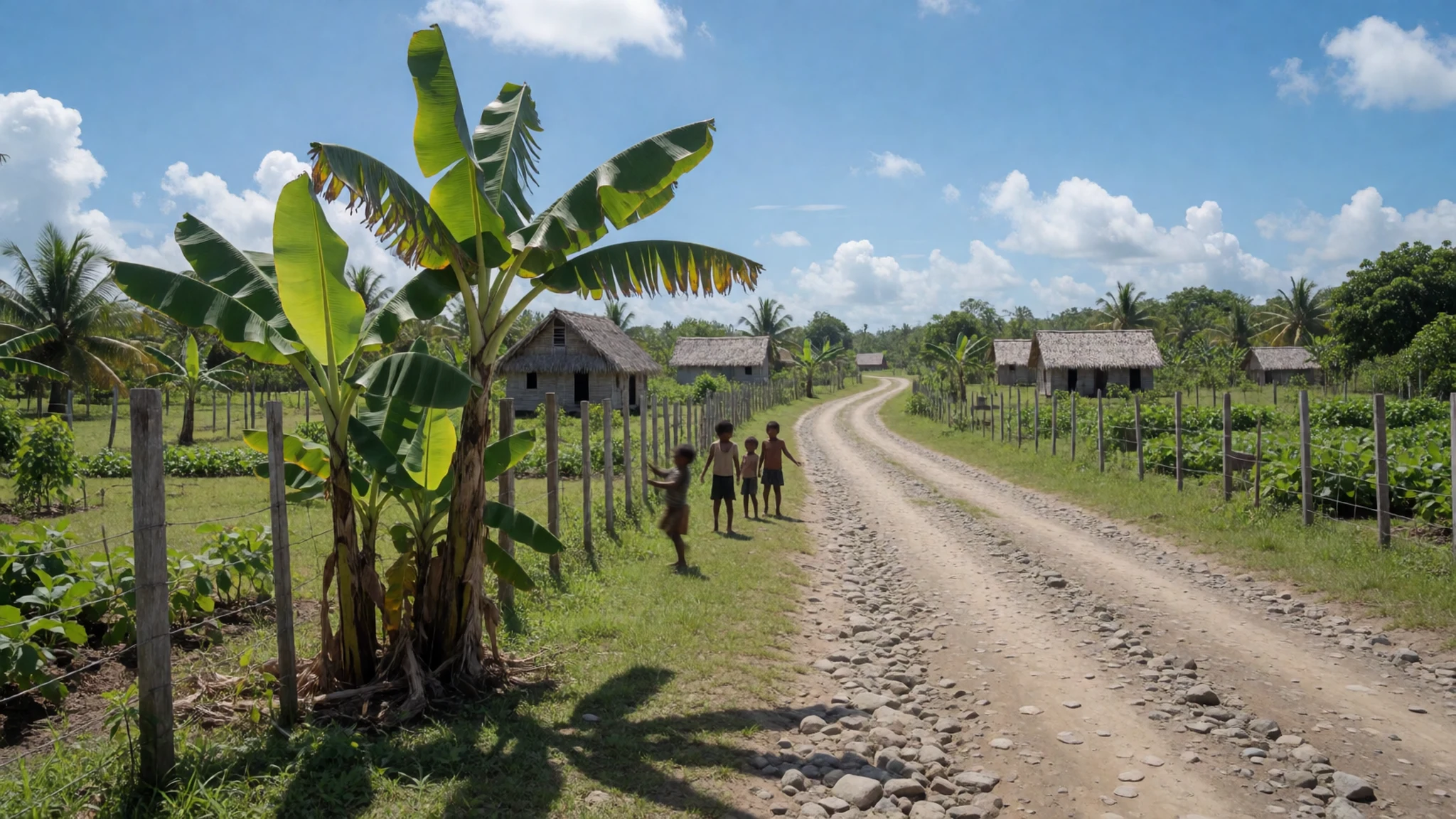
- Omarakana and the Malinowski plaque — Omarakana, Kiriwina
Omarakana is the village tied to Bronisław Malinowski's fieldwork, and a plaque there, decorated by local children, marks his stay. Go with a guide arranged through a lodge or a village host, who can introduce you properly. Treat it as a living community rather than a museum, and ask before photographing people or houses.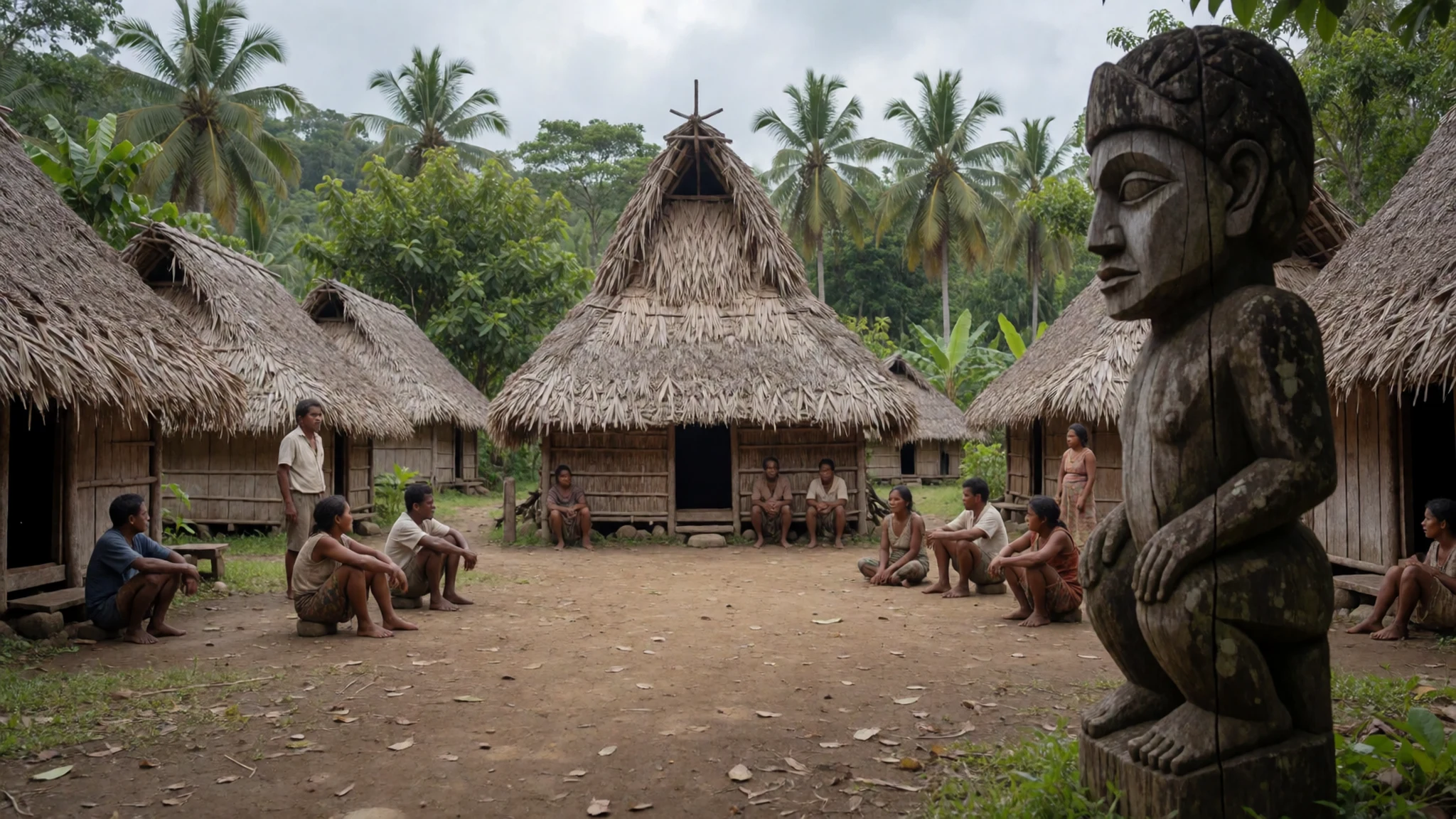
- Village walks on Kiriwina — Kiriwina island
Tracks link villages of thatched houses, yam storehouses and gardens, with the lagoon never far away. Walking is the best way to see the island's rhythm: women weeding, men heading to the water, children everywhere. Go early, carry water, and let a local guide set the route so you pass through villages with permission.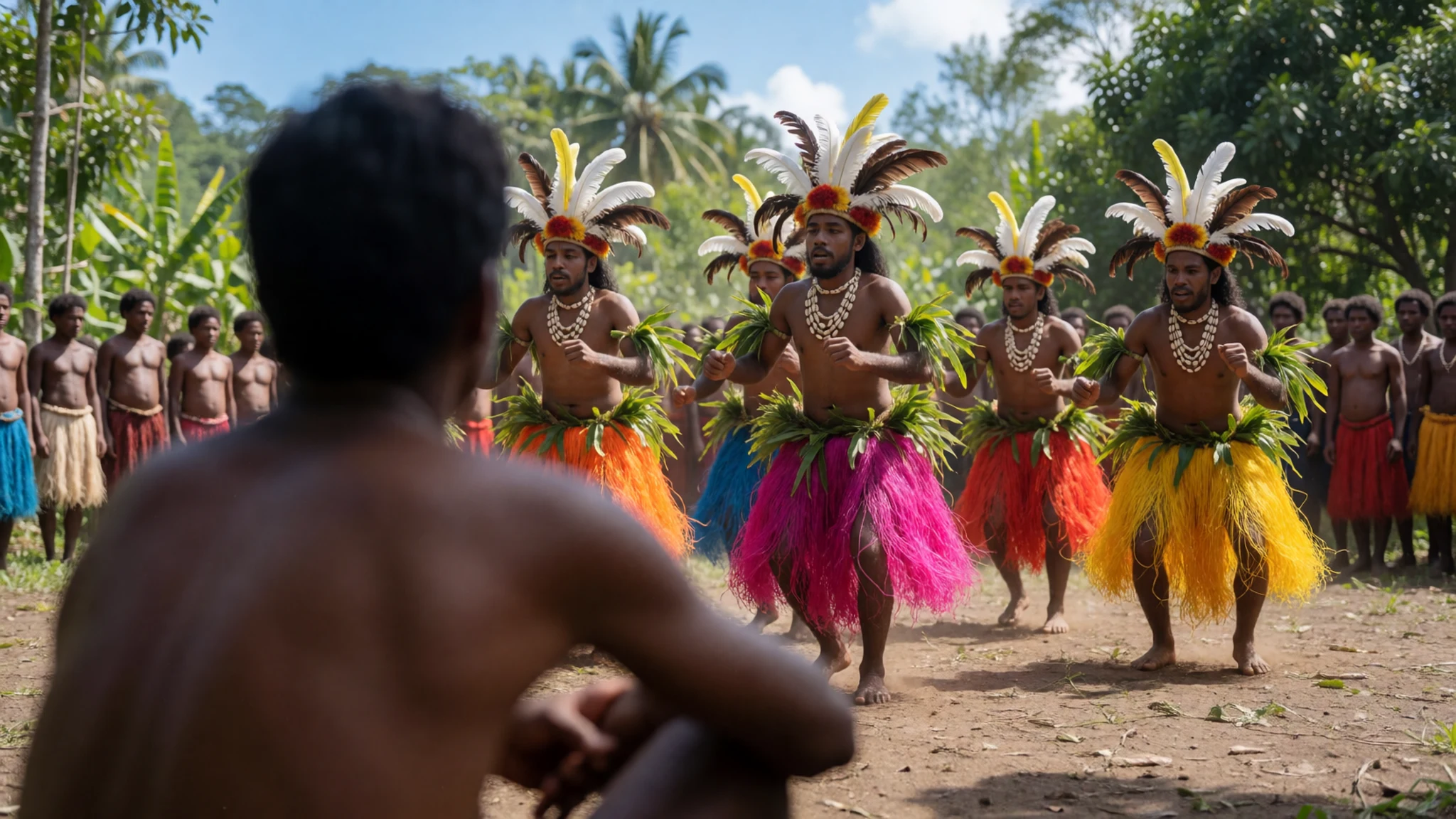
- Carvers and soul boats — Carving villages on Kiriwina
Trobriand carving, from decorated boat parts to small canoe models and figures, can be watched being made in villages. Buying directly from the carver is the usual route. Museum pieces such as the lime-painted soul boat show the style, but check export rules for wood and shell objects before you buy.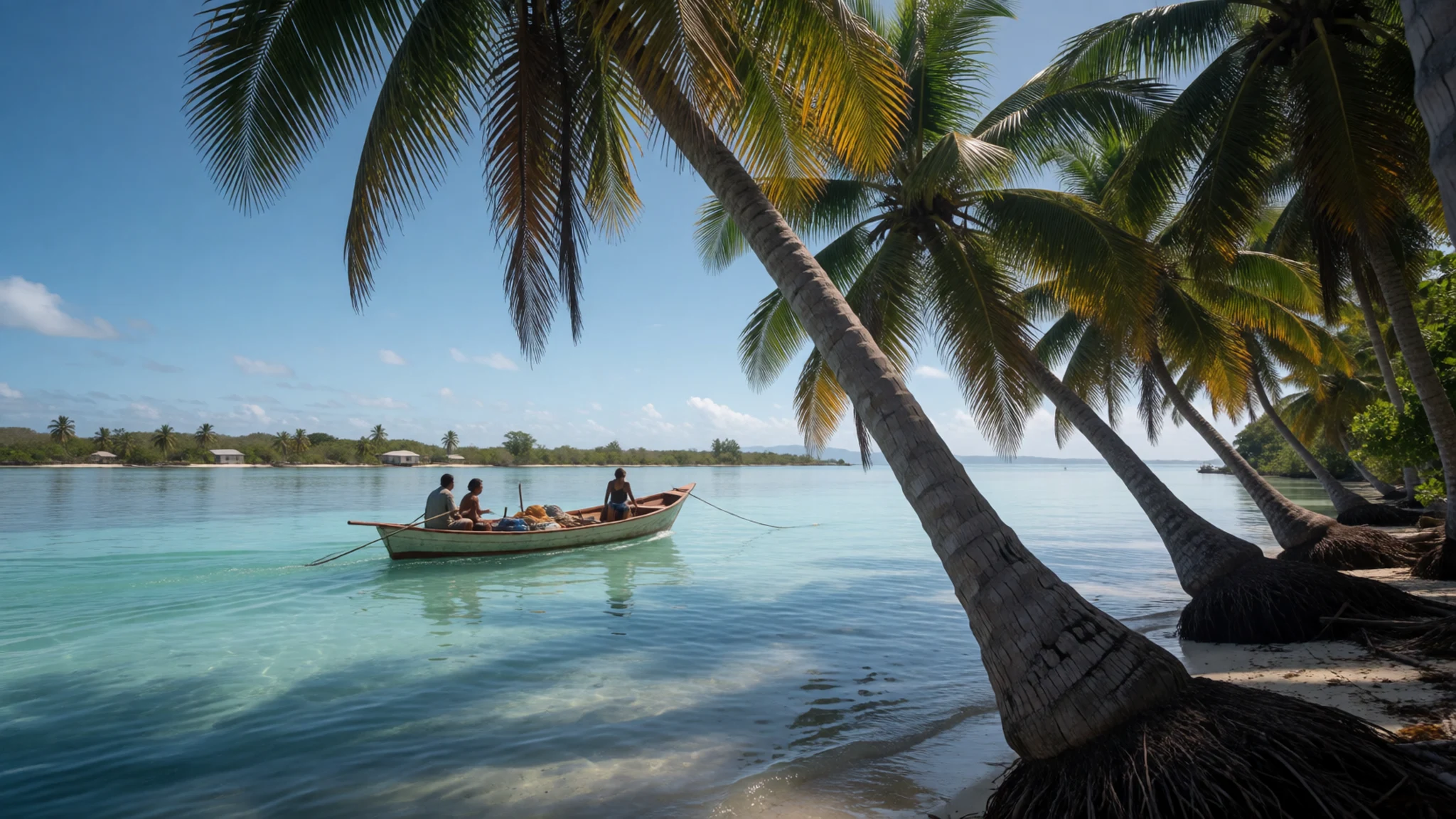
- Lagoon and outer islands — Kaileuna, Kitava and Vakuta
Beyond Kiriwina, the lagoon and the islands of Kaileuna, Kitava and Vakuta reward a day on the water. Snorkelling over coral is the main draw. Boats are arranged through lodges or village hosts, and winds, tides and fuel decide whether a trip happens, so keep plans flexible.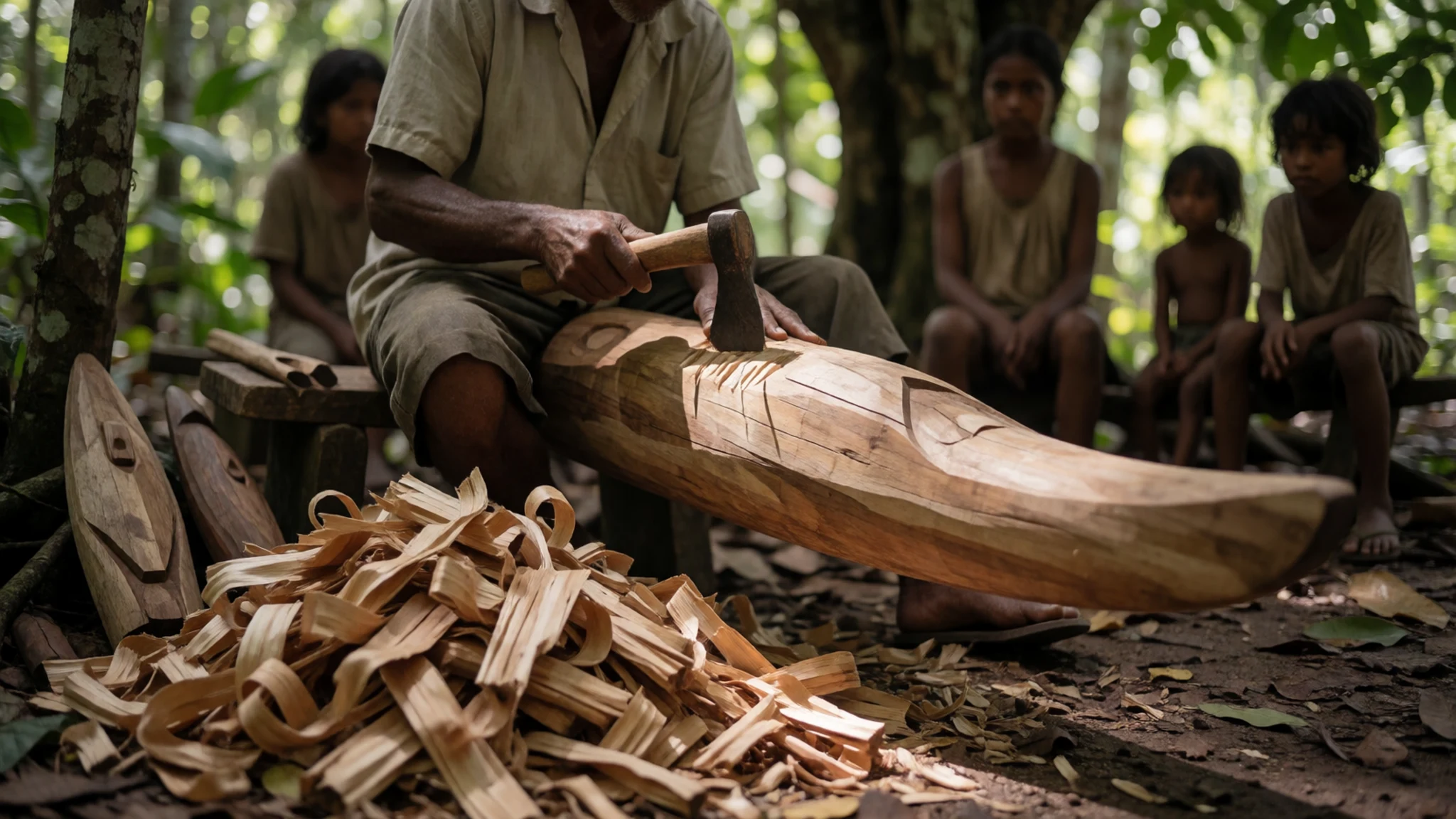
Culture
Trobriand Islands culture is built around yams, kinship and exchange. Descent is traced through the mother's line, and a man's standing is tied to the gardens he works for his sister's family, which is why yam stores are displayed so openly and the harvest is celebrated with a festival. Dance, song and oratory carry history and humour, and Trobriand dancing has kept its sensual, playful character despite generations of missionary disapproval. Carving is another core skill, with boats, prow boards and figures decorated in a recognisable local style. Villages have chiefs and clan structures that still matter, and visitors are usually received through a host who vouches for them. Church is also central, with Sunday observed in most communities, so the day can be quiet and some activities may not be offered. English is widely understood alongside Kilivila, the local language, and a few words in Kilivila, offered with a smile, are noticed. Life moves at the pace of tides, weather and the next flight rather than the clock, and patience is part of the visit. Money and gifts are handled with care: a small payment to a guide or a village for a visit is expected in the spirit of reciprocity, not as a tip. Ask your host before photographing people, dances, houses or yam stores, and wait for a clear yes.
What to wear
Traditional dress in the Trobriand Islands is worn for dances and festivals, above all the yam festival. Girls and women wear short, brightly coloured fibre skirts, with oiled skin, painted faces, and hair decorated with flowers and feathers, plus woven bracelets and shell necklaces. Boys and men may wear grass skirts and headdresses of cockatoo feathers. These outfits are made from plant fibre, shell and feathers, and they are put on for performances rather than every day. In everyday life, people wear what is common across Papua New Guinea: T-shirts, shorts and cotton dresses, with a wraparound cloth for many women and men, and sandals or bare feet on soft ground. Church clothes on Sundays are neater and more covered. A visitor should dress for heat, humidity and village courtesy. Pack light cotton or quick-dry clothing that covers the shoulders and knees, and bring a wraparound cloth for village visits and for swimming in places near houses. Women in particular are better off with a skirt or cloth than with short shorts. A wide-brimmed hat, strong sun protection and a rain jacket are useful. Reef shoes protect feet on coral and in shallows, and sturdy sandals or light trainers cope with sandy, sometimes muddy tracks. Leave revealing swimwear for the lodge beach or boat.
What to eat
- Boiled or roasted yam — Village meals and lodge restaurants
Yam is the centre of Trobriand life and the dish to try first. It is boiled or roasted until firm and slightly sweet, then eaten with fish or greens. Ask your village host or lodge kitchen for it freshly cooked, especially around harvest time.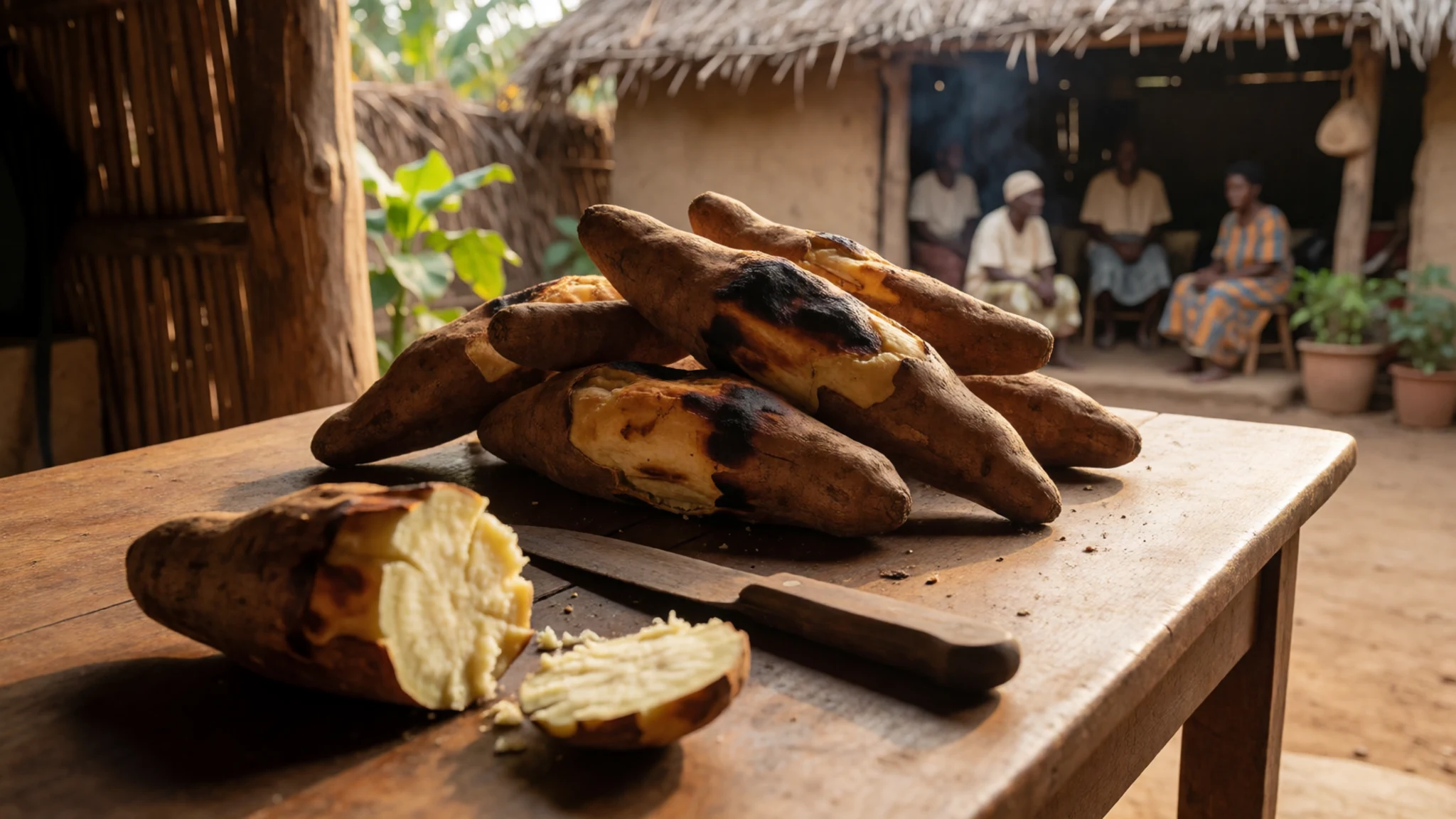
- Grilled reef fish — Village cooking fires and lodge restaurants
Fish from the lagoon is cooked simply over a fire or in coconut milk, with its flesh firm and clean-tasting. Meals depend on the day's catch, so ask what came in that morning and eat it the same day.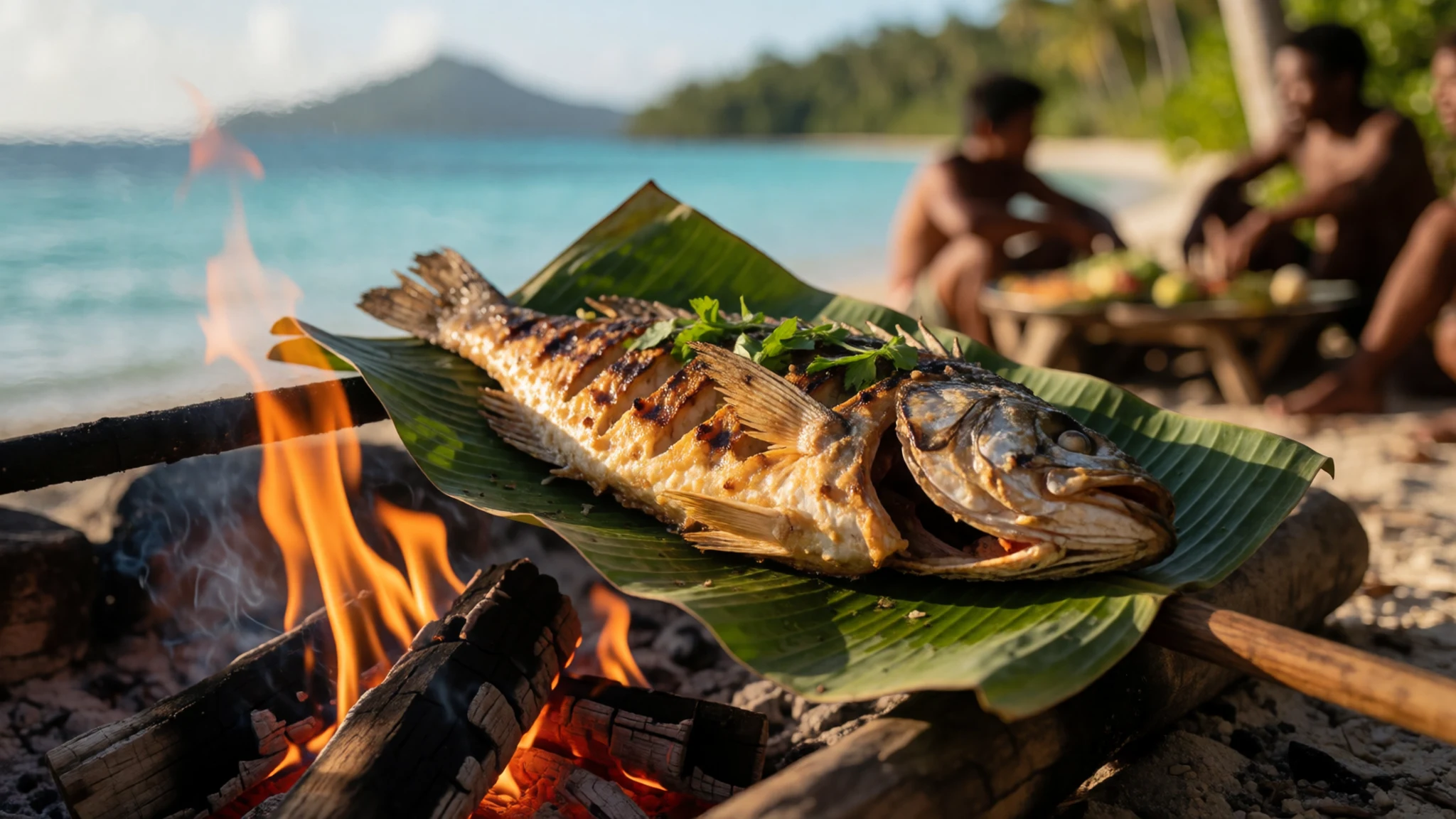
- Greens in coconut milk — Village kitchens and lodge restaurants
Leafy garden greens are often simmered in fresh coconut milk, giving a soft, rich side dish that suits yam and fish. It is usually mild, so a little chilli on the side is welcome if the cook has any. - Taro and sweet potato — Village meals
Alongside yam, taro and sweet potato come from the same gardens and appear boiled, baked in embers or mashed. They are filling and plain, good fuel for a day of walking, and a reminder that this is a garden economy. - Fresh coconut — Roadside stalls and village paths
Green coconuts are cut open on request for a cool, lightly sweet drink, then split for the soft flesh. It is the easiest way to rehydrate on a hot walk, and it comes without plastic.
Plan it
Best time. June to October is the usual choice, when the weather is generally drier and the yam festival is held around June or July. The wet season brings heavier rain and rougher seas, and flights are more likely to be disrupted; heat and humidity are present all year.
How long. 4–6
Getting there. Fly from Port Moresby to the airstrip on Kiriwina near Losuia, usually routed through Alotau in a small propeller aircraft; check current schedules with the airline. Cargo boats from Alotau sometimes carry passengers, but crossings are informal, so ask locally. The last leg to your lodge or village is by road or track.
Budget. mid
Tips
- Book lodges or village stays well ahead, either directly or through a tour operator such as Ecotourism Melanesia
- Flights can be cancelled, so leave a spare day or two before any connection you cannot change
- Carry enough cash in small notes, as cards and cash machines are unlikely to be available
- Bring water purification, insect repellent, sun protection and any medicines you need, as supplies are limited
- Ask your host about the date of the yam festival, since it is set locally
Etiquette
- Ask permission before photographing people, dances or houses
- Arrange village visits through a host or guide, and offer a fair payment
- Dress modestly in villages and keep Sundays quiet
Nearby
Sources
- Wikidata Q738652 (CC0)
- Wikipedia: Trobriand Islands (rev 1369856263) (CC BY-SA 4.0)
- Wikivoyage: Trobriand Islands (rev 5009094) (CC BY-SA 4.0)
- Photo: Malinowski with islanders, 1918 (Public domain)
- Photo: Soul boat, Bishop Museum (Hiart) (CC0 1.0)
- Photo: Malinowski's plaque (Kadamwasila) (CC BY-SA 4.0)
- Photo: Map of Trobriand Islands (CartoGIS, ANU) (CC BY-SA 2.5)
- Photo: A Kiriwina Village (Bishop Museum) (Public domain)
- Photo: Admiralty Chart No 2055 (UKHO) (Public domain)
- Photo: Admiralty Chart No 3458 (UKHO) (Public domain)
- Photo: Anthropomorphic effigy (Wellcome) (CC BY 4.0)


