Kokoda Track
Kokoda Track, Papua New Guinea
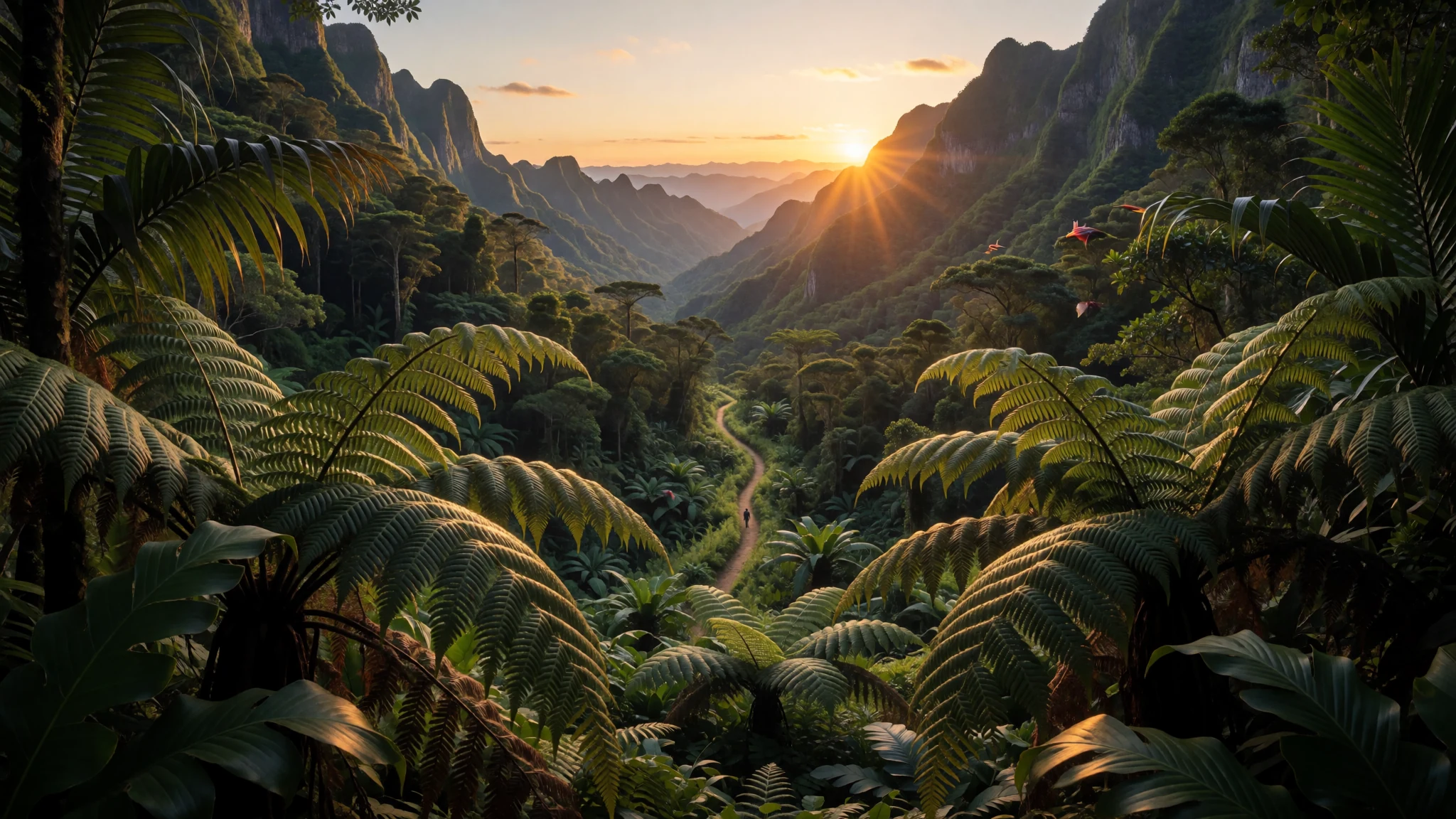
Walk a challenging mountain trail to honour wartime history amidst some of the planet's most rugged tropical terrain.
The place
The Kokoda Track is a demanding single-file foot path that traverses the Owen Stanley Range in Papua New Guinea. It stretches roughly 96 kilometres from Owers' Corner in the south to the village of Kokoda in the north. The terrain is exceptionally isolated and rugged, meaning it can only be navigated on foot. Along the way, the trail climbs to high altitudes, passing the peak of Mount Bellamy.
The environment is a test of endurance for any trekker. Days are typically hot and humid, while nights can be intensely cold. Heavy rainfall is common, turning the path into a muddy challenge and increasing the risk of tropical ailments like malaria. Because of these conditions, most walkers take between four and twelve days to complete the crossing, though elite athletes have done it in far less time.
Historically, the Kokoda Track began as a network of trading routes used by local villagers for centuries. In the late nineteenth century, European gold seekers also used these paths to reach the northern goldfields. Today, the track is as much a spiritual journey as a physical one, particularly for Australians who view the trek as a rite of passage similar to visiting Gallipoli.
Its story
The Kokoda Track gained international prominence during the Second World War. In 1942, the trail became a brutal battlefield where Australian and Japanese forces fought a series of desperate engagements. The Japanese aimed to capture Port Moresby to secure a staging point for a potential invasion of Australia, while Allied forces fought a grueling defensive campaign to stop them.
After the conflict ended, much of the trail fell into disuse and was reclaimed by the jungle. However, it was revived by adventurous runners and explorers in the mid-twentieth century who sought to test their limits against the mountain geography. One notable effort in the 1960s saw a teacher and his students complete the journey in just over three days without the aid of guides or bridges.
Beyond the war, the region is a sanctuary of biological diversity. The Owen Stanley Range is home to thousands of plant species and many animals found nowhere else on Earth. To protect this legacy and support the local Koiari people, various foundations now work to provide healthcare and education to the villages along the route. There are ongoing efforts to establish the area as a heritage destination to prevent industrial mining from damaging the historic and natural landscape.
What to see
- Owers' Corner — Central Province
The southern gateway to the trek. This marks the official start or end of the journey and serves as the primary transition point between the road from Port Moresby and the wilderness of the Owen Stanley Range.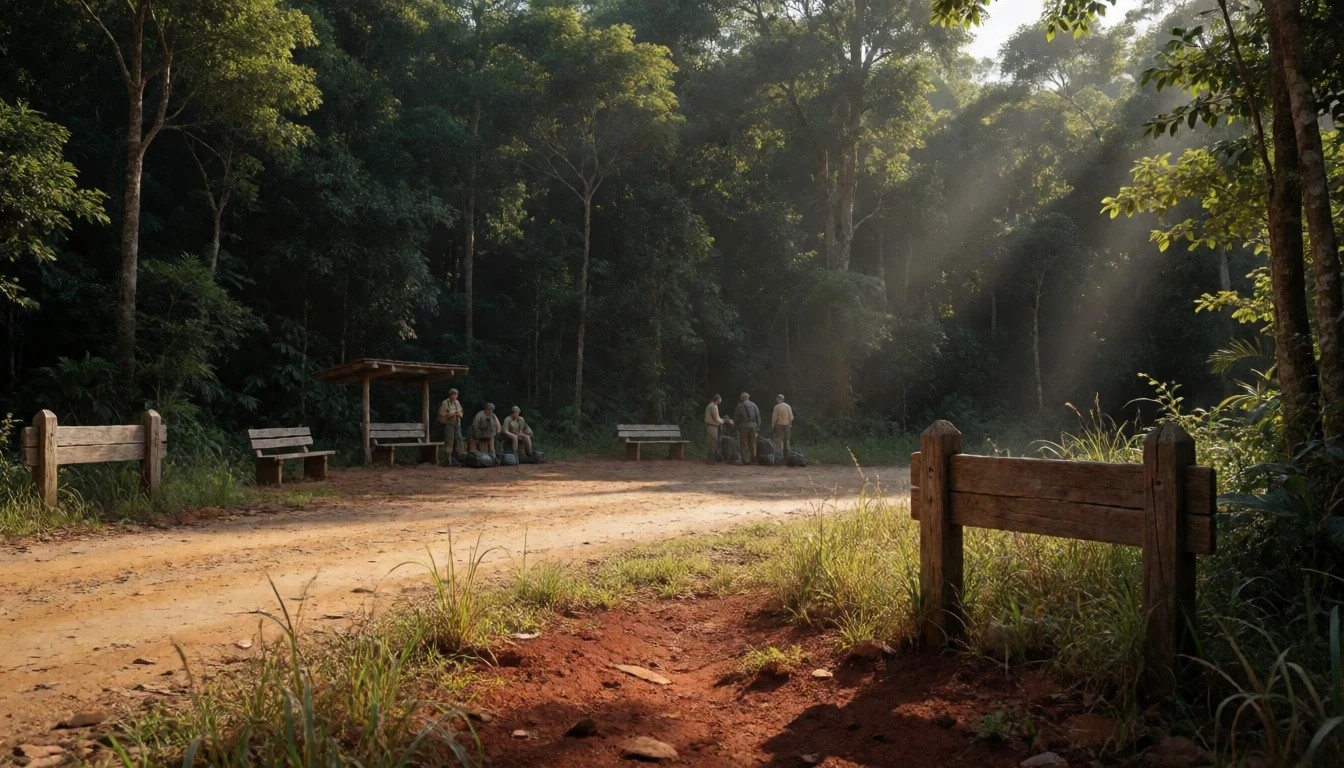
- Bomana War Cemetery — Near Port Moresby
A poignant site of remembrance containing the graves of soldiers who perished during the 1942 campaign. Most trekkers stop here to pay their respects before beginning or after finishing the walk.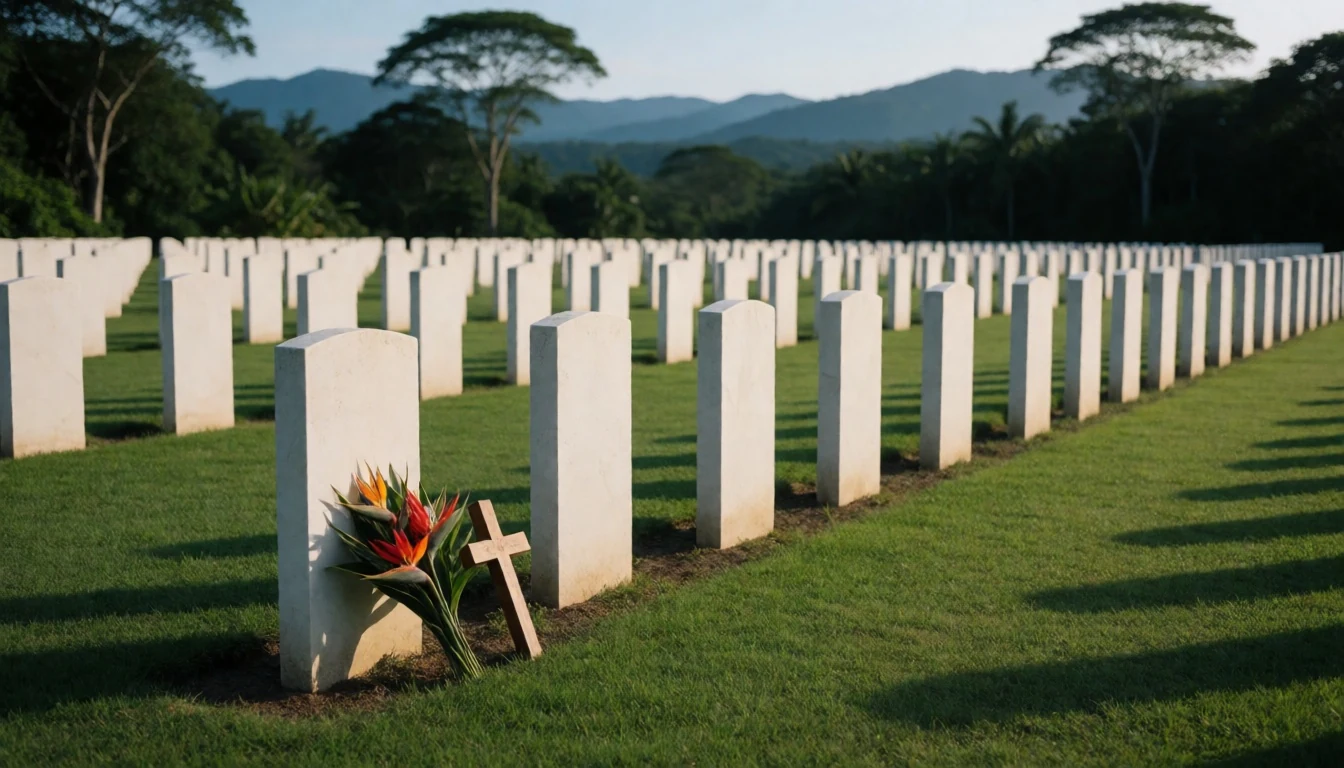
- Naduri Village — Owen Stanley Range
A traditional settlement of the Mountain Koiari people. Visiting the village provides a glimpse into the local way of life and the enduring relationship between the residents and the visiting trekkers.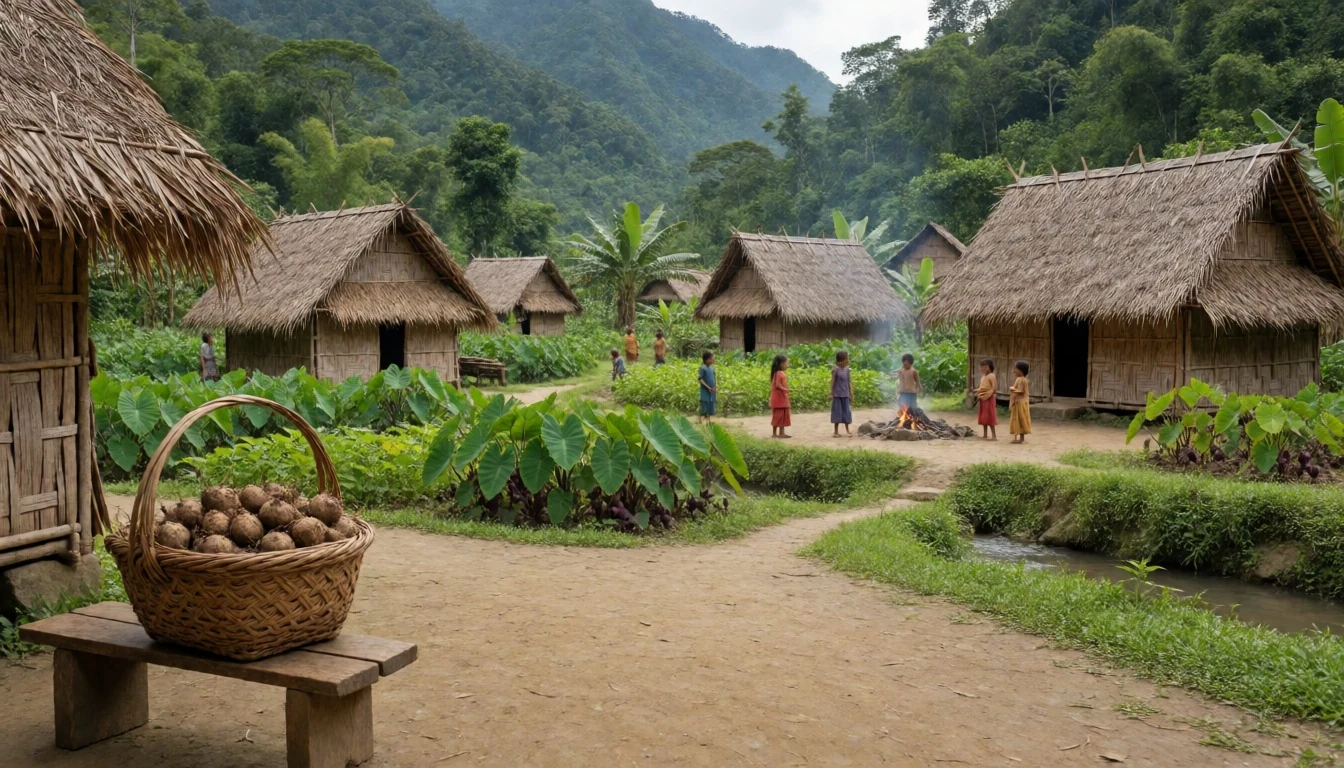
- Kokoda Village — Oro Province
The northern terminus of the track. The village is the heart of the valley and serves as the final destination for those walking south-to-north, featuring local clinics and community hubs.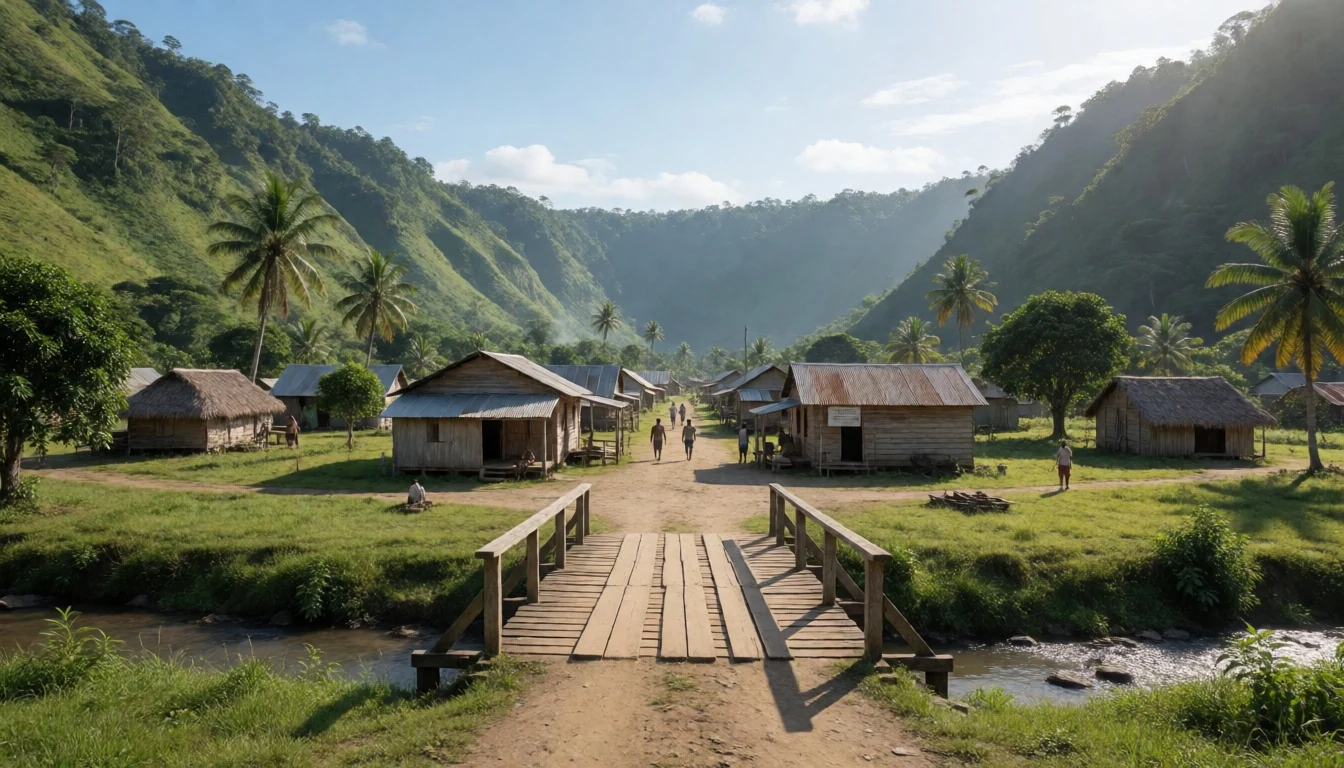
- Mount Bellamy — Owen Stanley Range
The highest point of the trek. Reaching this area offers the most dramatic views of the surrounding peaks and is often the most physically taxing part of the journey due to the elevation.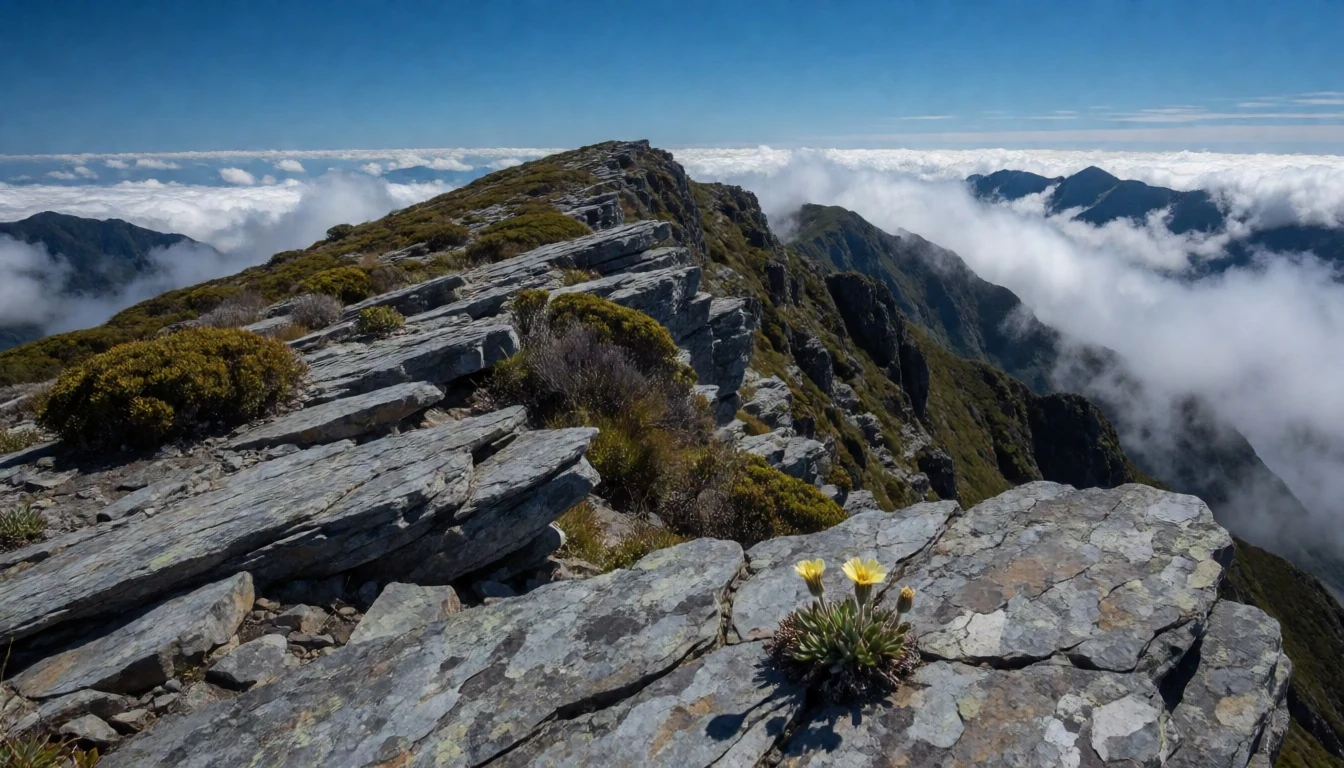
Culture
The Kokoda Track runs primarily through the ancestral lands of the Mountain Koiari people. The culture is defined by a deep connection to the rugged terrain and a history of resilience. For centuries, the Koiari have managed the trade routes that eventually became the famous trail. Today, there is a strong sense of community and hospitality toward visitors, though the remote nature of the villages means life remains simple and tied to the seasons.
There is a profound emotional layer to the culture here, as the local population assisted Allied troops during the war. This shared history has created a lasting bond between Papua New Guineans and Australians. Many villagers now work as guides or porters, sharing their knowledge of the bush and the war's legacy with every group that passes through. You should always ask for permission before taking photographs of villagers or their homes.
What to wear
The Kokoda Track is located in a region where traditional dress among the Koiari people historically involved materials sourced from the forest, including woven fibres and natural ornaments used during ceremonial gatherings. In modern daily life, however, most villagers wear practical, Western-style clothing such as cotton shirts, trousers, and flip-flops, which are better suited for the humid environment.
For visitors, clothing is a matter of survival and comfort. The humidity is oppressive, so lightweight, moisture-wicking synthetic fabrics are essential; cotton is generally avoided as it stays damp and causes chafing. Long sleeves and trousers are recommended to protect against insects and abrasive foliage. Footwear is the most critical choice: sturdy, waterproof hiking boots with deep treads are mandatory for the notorious mud. Many trekkers also carry a lightweight fleece or thermal layer for the surprisingly cold nights at high altitudes, along with a high-quality waterproof jacket for the frequent torrential rain.
What to eat
- Sweet Potato (KauKau) — Village gardens along the track
The staple carbohydrate of the highlands, often roasted or boiled, and served as the main energy source for trekkers and villagers alike.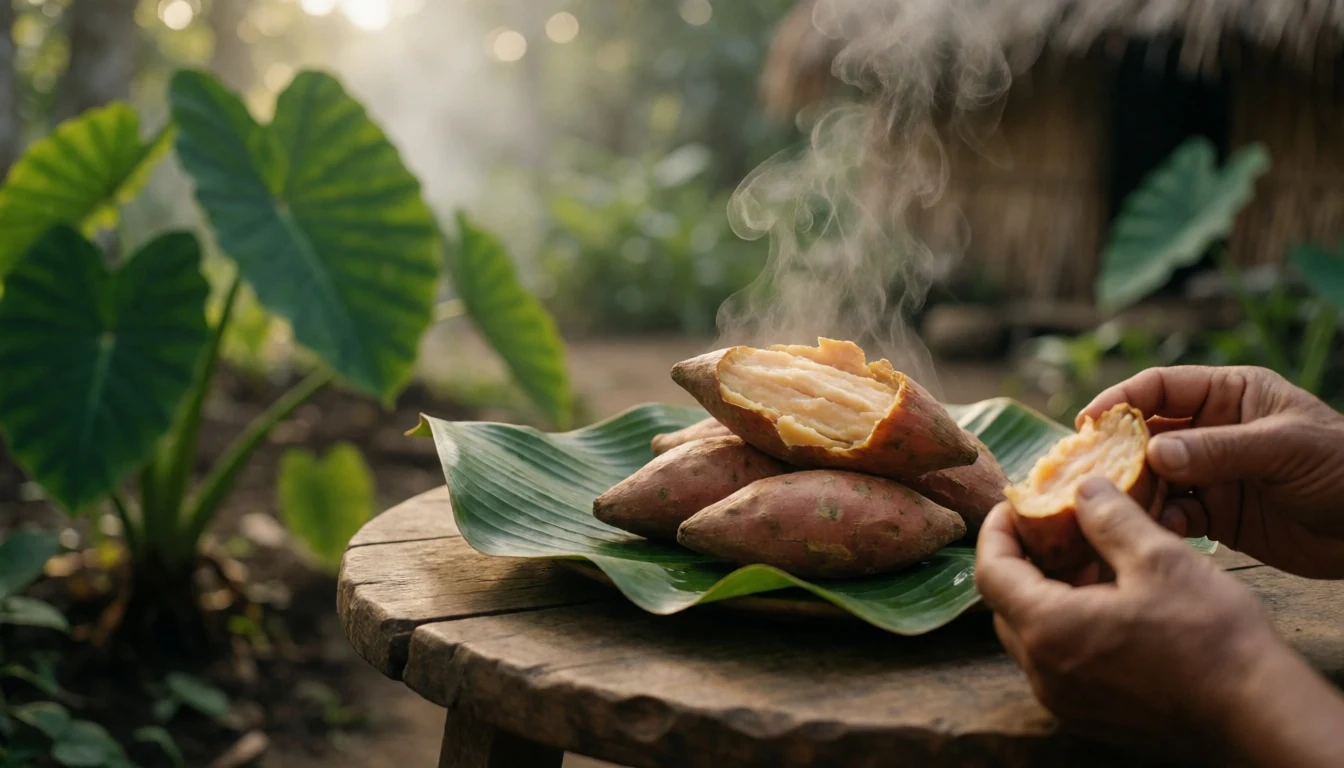
- Fresh Tropical Fruit — Village campsites
Bananas and papayas are common treats provided by villagers or included in guided trek meals to provide quick energy.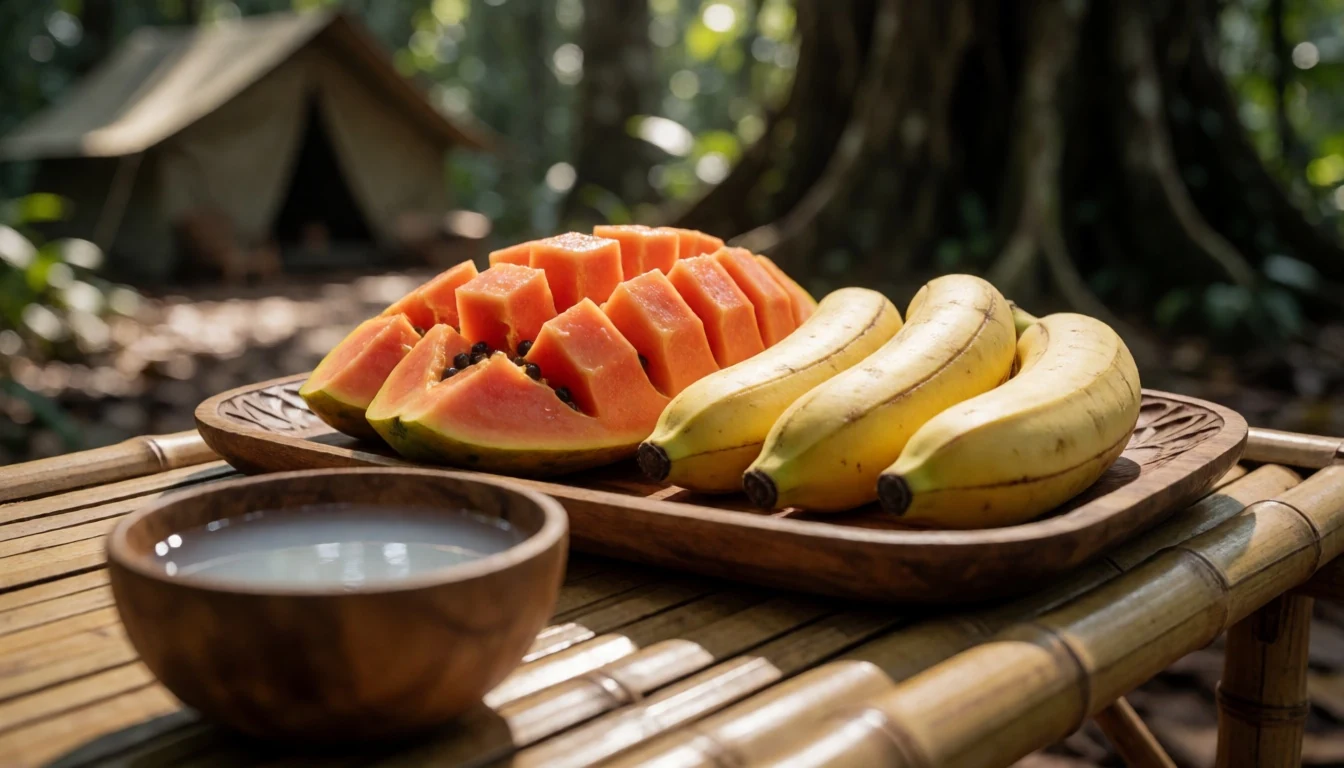
- Rice and Stew — Guided camp kitchens
A standard dinner for guided groups, typically consisting of rice paired with a hearty vegetable or meat stew to aid recovery. - Local Coffee — Village hubs and Kokoda
Papua New Guinea produces high-quality Arabica beans, and a strong cup of coffee is often the highlight of a cold mountain morning.
Plan it
Best time. May to June and August to September are the driest months; avoid the peak of the rainy season when the track becomes dangerous.
How long. 10–14
Getting there. Fly into Port Moresby; from there, take a road transfer to Owers' Corner. Alternatively, internal flights via Airlines PNG can reach Kokoda or Efogi.
Budget. high
Tips
- Hire a professional guide; walking solo is dangerous and culturally insensitive
- Invest in high-quality gaiters to keep mud out of your boots
- Carry a comprehensive first-aid kit including anti-malarials
- Prepare for extreme humidity and steep inclines with a training regime
- Bring a reliable water filtration system or purification tablets
Etiquette
- Respect the silence at the Bomana War Cemetery
- Avoid giving candy or money to children in villages; donate to a local school or clinic instead
- Be patient with porters and guides who carry the bulk of the gear
Nearby
Sources
- Wikidata Q1424748 (CC0)
- Wikipedia (CC BY-SA 4.0)
- Wikivoyage (CC BY-SA 4.0)