New Ireland
New Ireland, Papua New Guinea
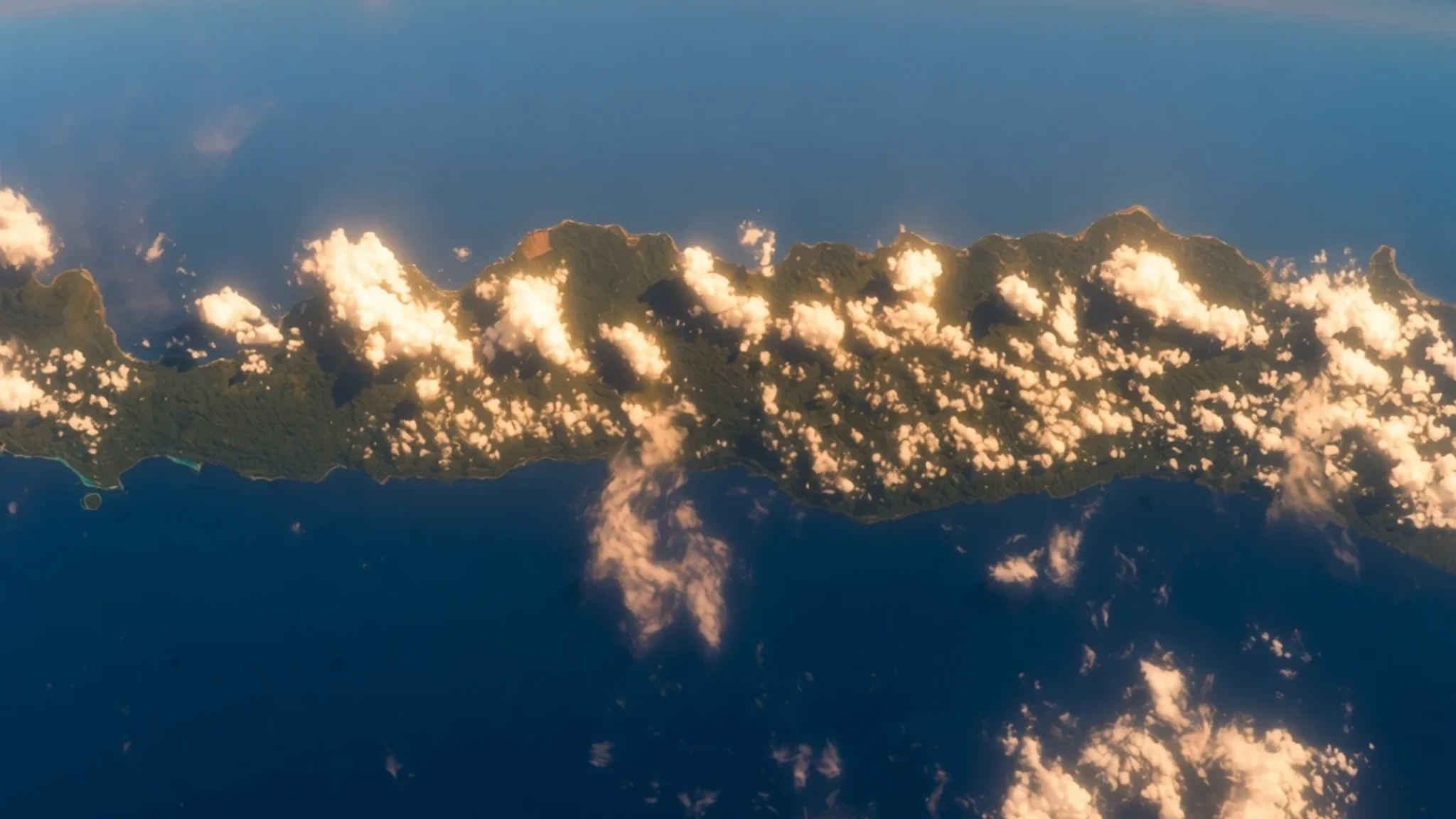
New Ireland is a long, steep, rainforest-covered island in Papua New Guinea, known for living carving traditions, uncrowded surf breaks and warm, quiet seas.
The place
New Ireland is a long, thin island in the Bismarck Archipelago, in Papua New Guinea, and the main island of New Ireland Province. Its Tok Pisin name is Niu Ailan, and an older local name is Latangai. It lies north-east of New Britain, with Saint George's Channel between the two. Old maps often liken its outline to a musket, which suits a landmass that runs for some 360 km but is often only a few kilometres wide, widening to about 40 km in places.
The Bismarck Sea washes the south-western shore and the open Pacific the north-eastern one. Down the middle runs a steep, rugged spine of mountains, including the Hans Meyer, Tirpitz, Schleinitz, Verron and Rossel ranges. The facts record a high point of 2,379 m; the island's best-known summit, Mount Taron, is usually given as a little lower. Rainforest once covered nearly everything, and much of the interior still feels remote.
About 100,000 people live here, mostly in coastal villages strung along the one main road. The only real town is Kavieng, at the northern tip, which is the provincial capital and the usual gateway. Sitting just a few degrees below the equator, the island is hot and humid all year, with sea breezes doing most of the work of keeping it bearable. Distances are short on the map but slow on the ground, and the pace of life follows suit.
Its story
New Ireland's human story is very old. People first reached the Bismarck Archipelago around 33,000 years ago, sailing across from the New Guinea mainland. Much later, about 3,000 years ago, the Lapita people arrived, bringing the voyaging and pottery traditions that spread across the Pacific. Out of these layers grew three cultural practices still associated with the island: Kabai, Malagan and Tubuan.
Europeans came late and in passing. Dutch sailors landed in the early seventeenth century, but it took later navigators, among them Dampier, Carteret and Bougainville, to establish that the island was separate from New Guinea and from New Britain. Whaling ships then called for water, wood and food through the nineteenth century, and some islanders worked as crew on board.
The most dramatic episode was a failed French scheme. A nobleman, the Marquis de Rays, sold the idea of a colony called New France and sent four expeditions; the worst of them cost 123 settlers their lives. Germany then took control and renamed the island Neumecklenburg, running profitable copra plantations and building a road to carry the harvest to the coast. That road, much patched since, is still the island's spine of travel today. Colonial names have faded from daily use, but Malagan carving and ceremony carried on throughout and remain central.
What to see
- Kavieng and its harbour — Northern tip of the island
Kavieng, at the northern tip of New Ireland, is the base for almost every visit. The harbour is a working one, with boats, children swimming off the jetties and small markets nearby. It is a relaxed place to adjust to the heat and arrange boats, drivers and fishing trips.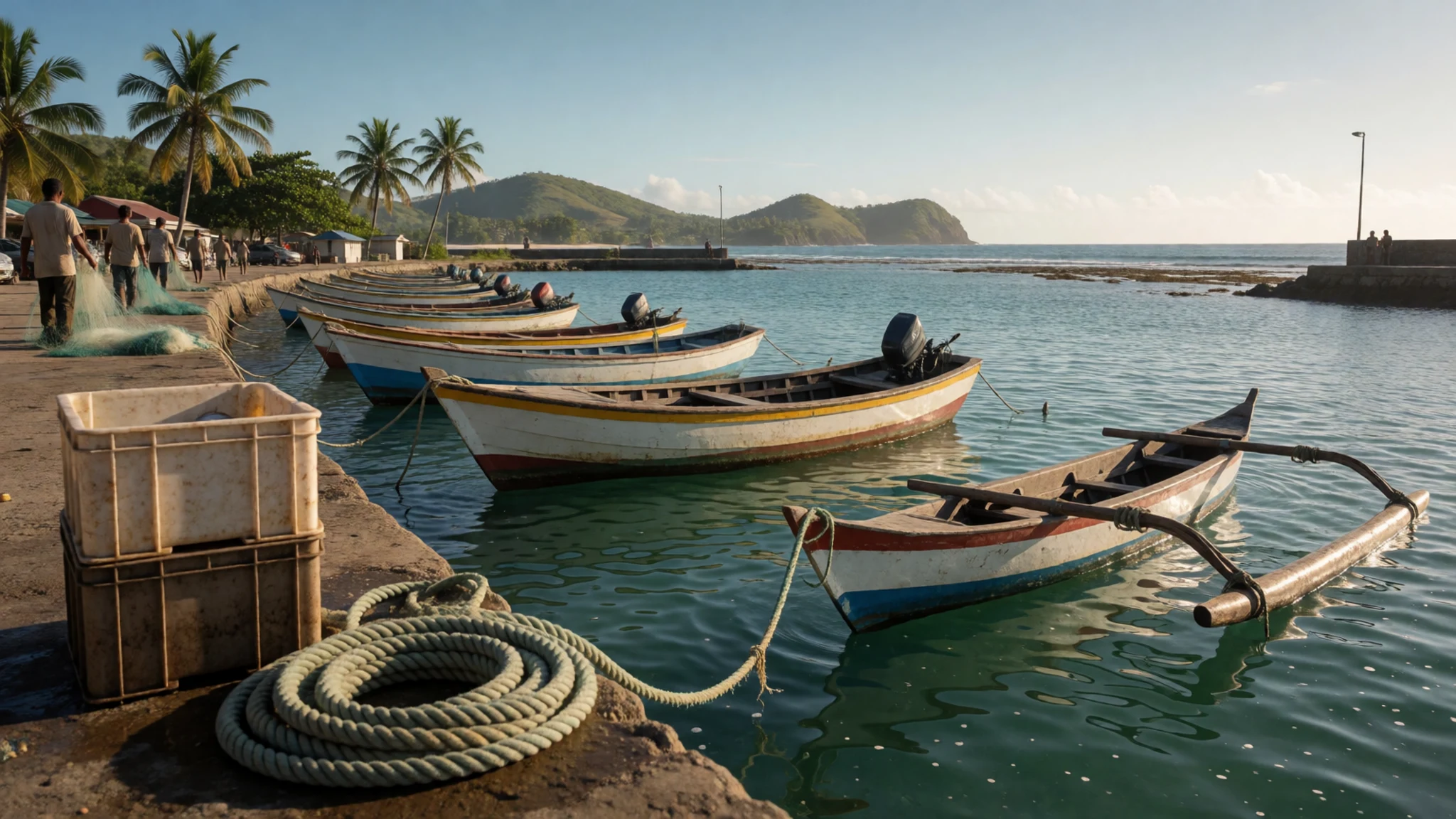
- Surfing the northern coast — Around Kavieng and the east coast
Swells from the North Pacific reach the Kavieng area between November and April, and it is the most accessible surf on the island. Breaks are reached by boat, and there are few other surfers. Other stretches along the east coast are only beginning to be explored, so ask locally and go with someone who knows the reef.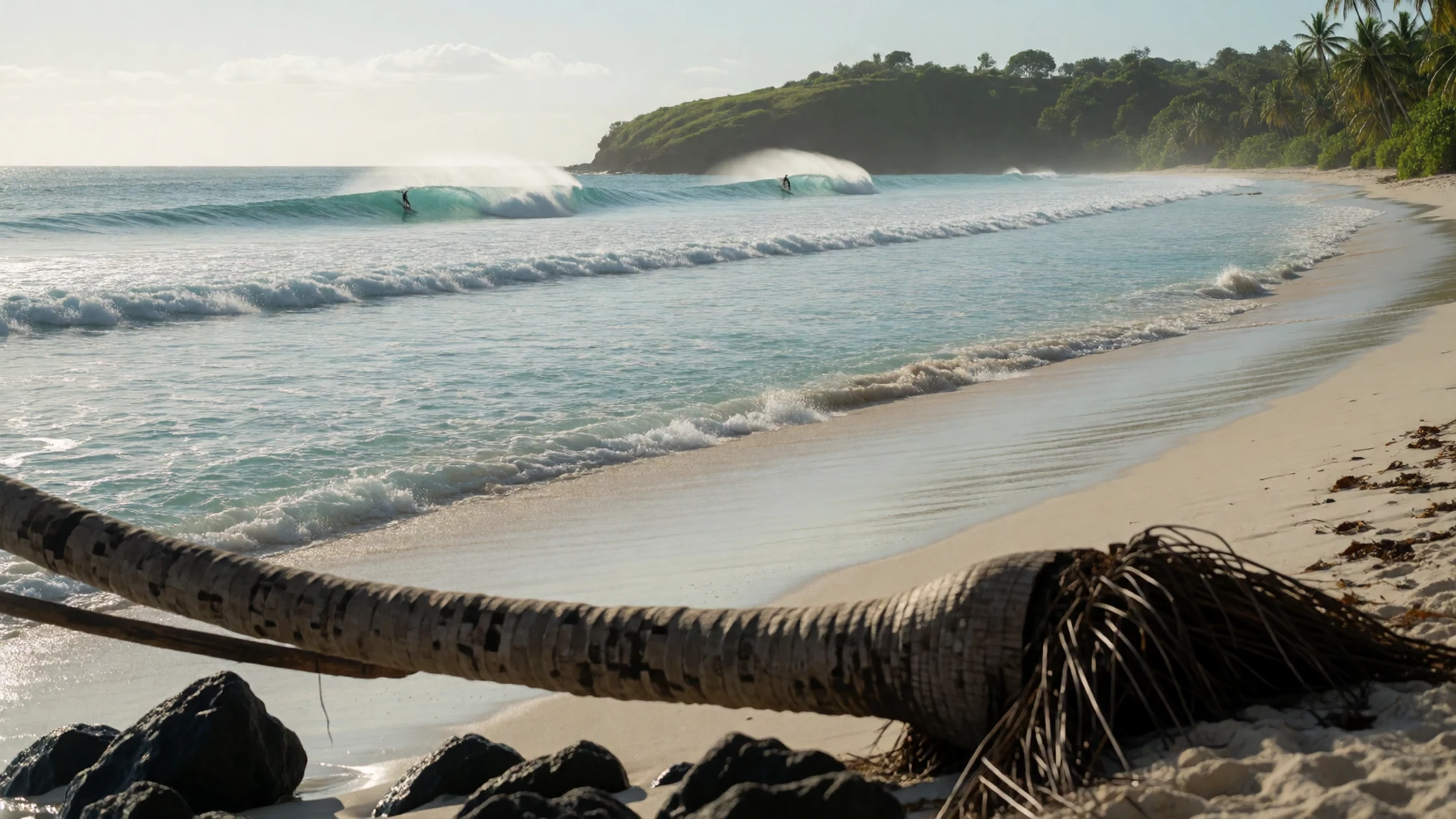
- Game fishing — Waters off Kavieng
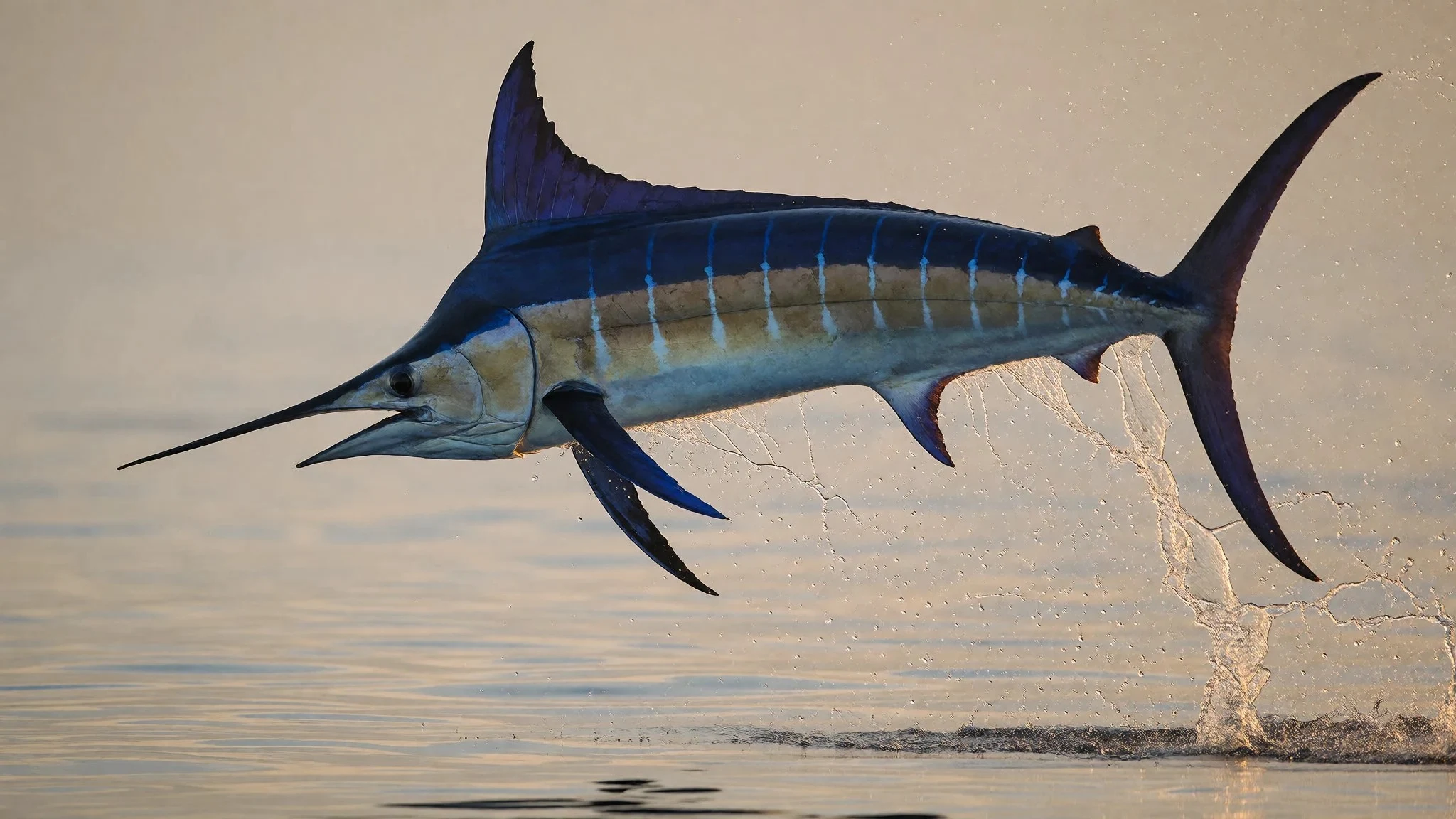
Deep water lies within minutes of Kavieng, so charter boats reach marlin, sailfish, tuna, giant trevally and wahoo without a long run. Reef and mangrove fishing add coral trout, snapper and mangrove jack. Book a charter through the operators in town and agree what is included before setting out.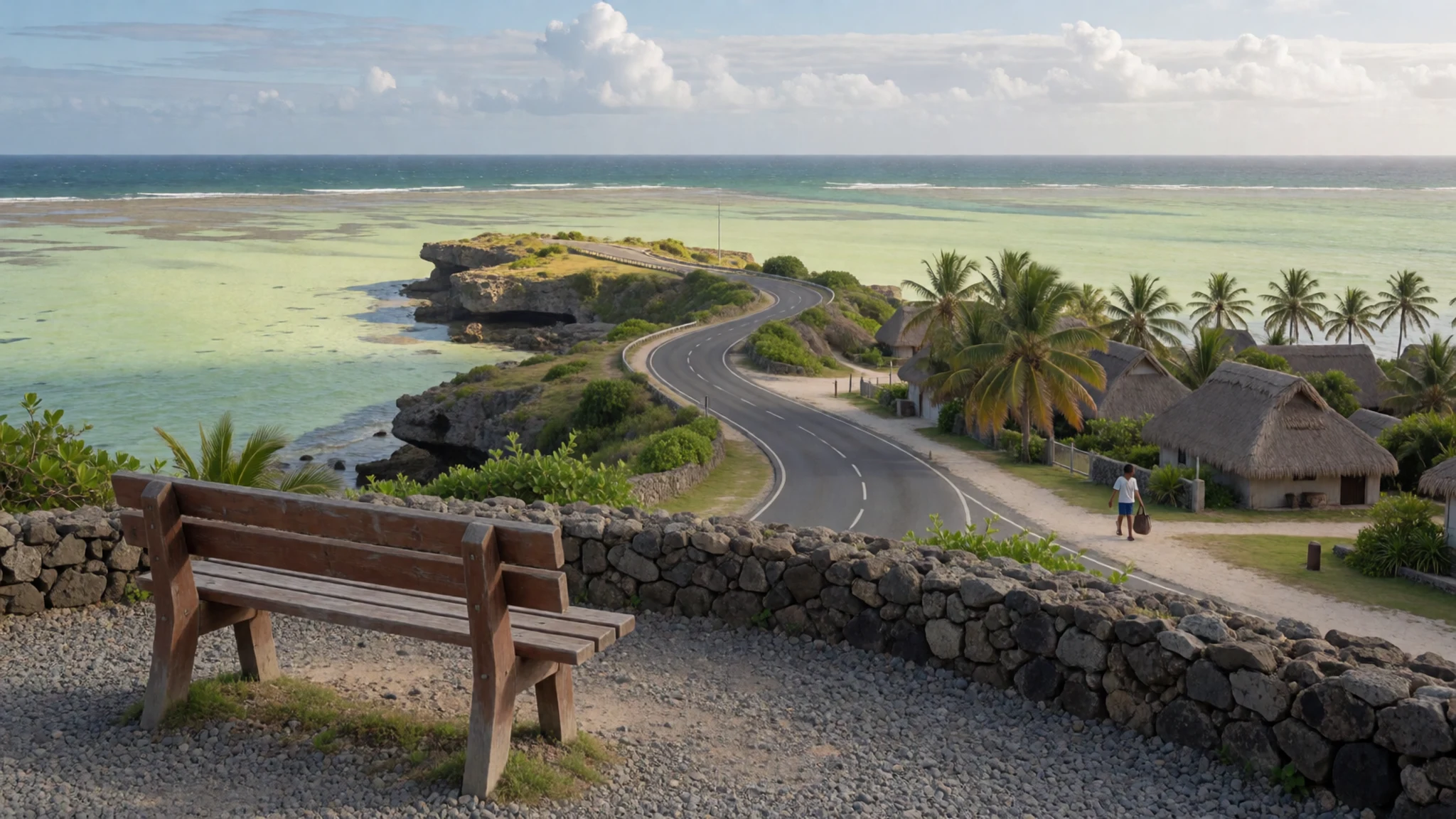
- Sailing the island's coast — Coastal waters, May to October
The south-east trade wind blows steadily from mid-May to late October, which makes those months the dependable ones for sailing. The island sits too near the equator for cyclones. Winds are more changeable the rest of the year, so build slack into any itinerary that depends on a passage.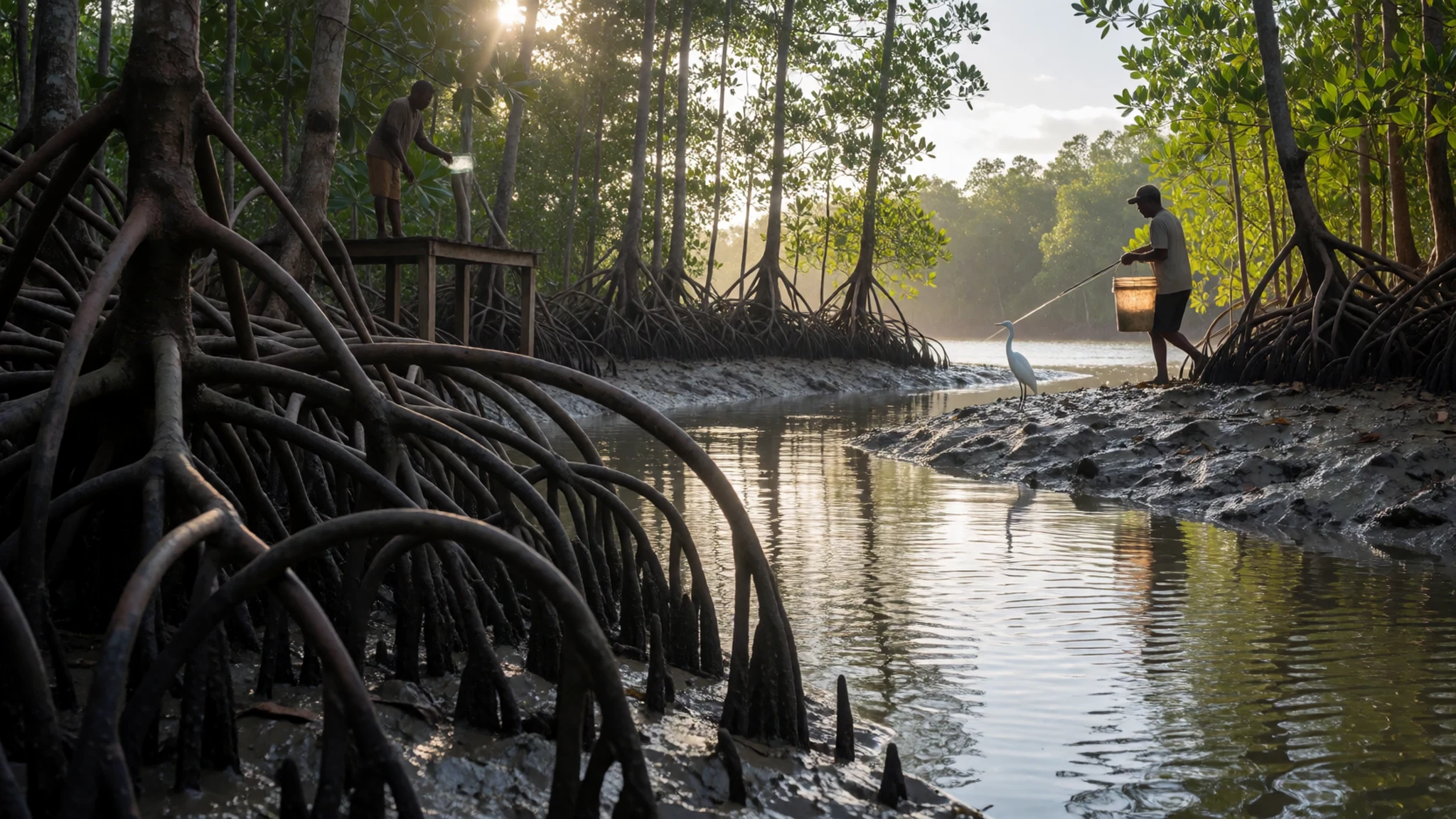
- The island's long coast road — Length of the island
A single road, first built in German times, runs most of the island's length and links villages, plantations and beaches. Journeys are slow, so treat the drive as part of the visit. Stopping at roadside stalls and villages is the easiest way to see everyday life and, with permission, local carving.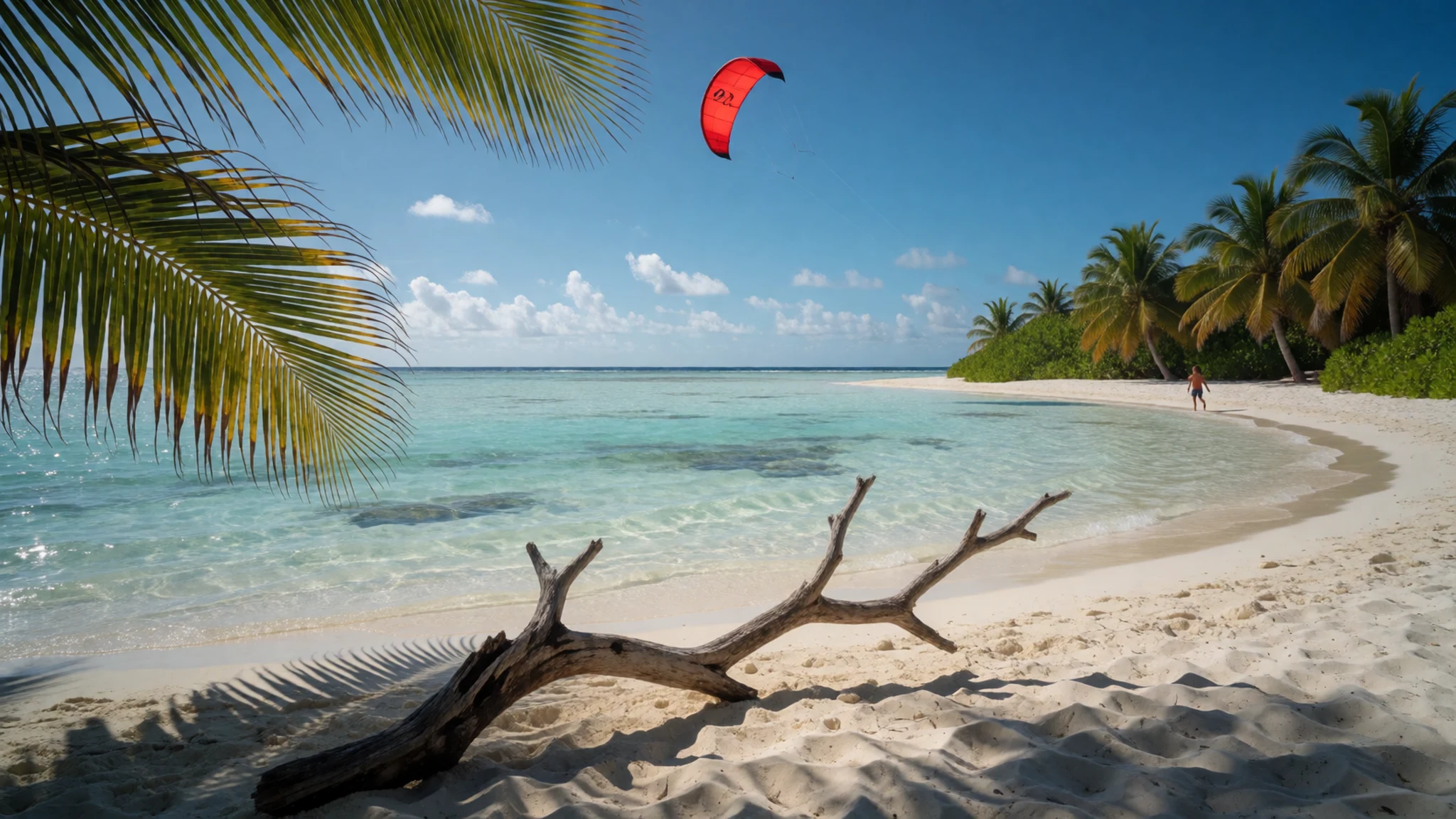
Culture
New Ireland is best known for Malagan, a body of funerary art and ceremony that originated in the Tabar Group and spread into the north of the island. Carvings are made for memorial rites honouring the dead, and they belong to particular families, who hold rights over designs. Their making and display follow strict customs, so they are not simply decorative objects.
The tatanua is a related tradition of masked dance. Whoever stages a performance chooses the music and dancers, forms a male chorus and hires masks, which sculptors often lend out for the occasion. Another tradition is kulap, funerary sculpture made from chalky limestone. Kabai and Tubuan, the other named practices of the island, also carry deep meaning for the communities that keep them.
Village life is organised around kin, land and the sea, and most people are Christian, with older beliefs still woven through ceremony. Visitors are usually received with warmth, but access to ceremonies and carvings depends on the people who own them. Relationships matter more than schedules, and a polite approach through a guide or village contact goes a long way.
Always ask the owner or village elder before photographing, buying or handling any Malagan carving, mask or ceremony, and accept a refusal graciously.
What to wear
Traditional dress in New Ireland is tied to ceremony rather than daily life. For Malagan and tatanua occasions, dancers wear carved and painted wooden masks and headpieces, along with plant fibres, leaves, shell ornaments and body paint. These are worn for memorial rites and dances, not as everyday clothing, and the designs belong to the families who own them.
Day to day, people dress simply and for the heat. Men commonly wear shorts or trousers with T-shirts or shirts, and women often wear loose cotton dresses or a lap-lap, the wrapped cloth skirt common across Papua New Guinea. On Sundays, people dress more smartly for church, and you will see bright, pressed clothes in every village.
A visitor should pack light, quick-drying clothing for constant heat and humidity, and cover shoulders and knees in villages and churches, where modest dress is the norm. Women will be more comfortable in a knee-length skirt or loose trousers than in short shorts, and swimwear is best kept for the beach or boat. Bring a sun hat, reef shoes for coral and rocky shores, sturdy sandals, and a light rain jacket, because showers arrive quickly. Sturdy shoes help on muddy tracks and plantation paths.
What to eat
- Fresh reef and ocean fish — Kavieng market and coastal villages
Fish is the daily staple, grilled over a fire or baked in leaves with coconut. Tuna and reef fish come straight off the boats. Look for it at the Kavieng market, at guesthouse tables and in coastal villages where the catch is landed.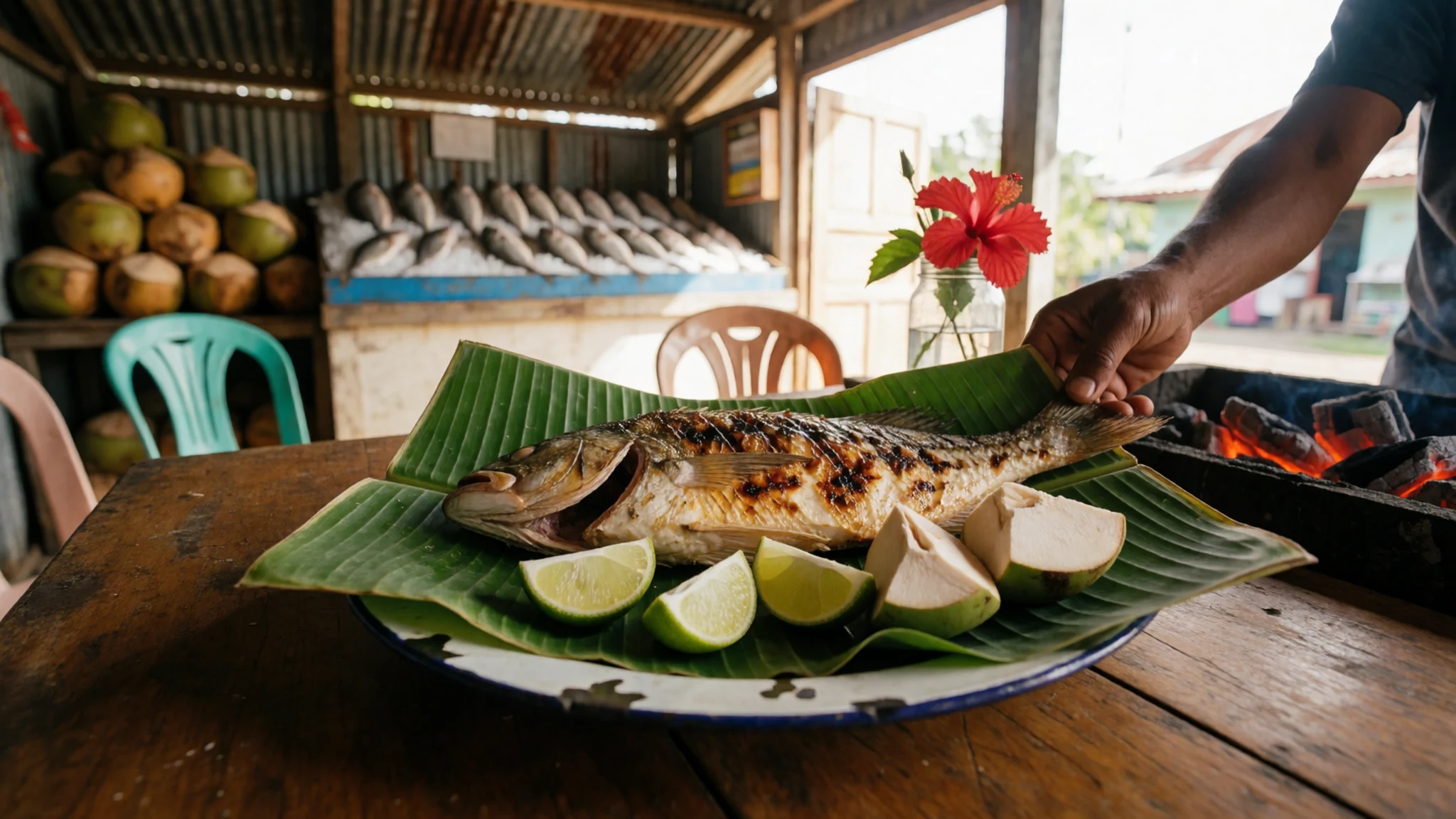
- Mumu — Village feasts and ceremonies
A mumu is a ground oven, where food is wrapped in leaves and cooked on hot stones beneath the earth. Pork, fish, taro and greens come out tender and smoky. It is cooked for feasts and ceremonies, so ask a guesthouse host about joining one.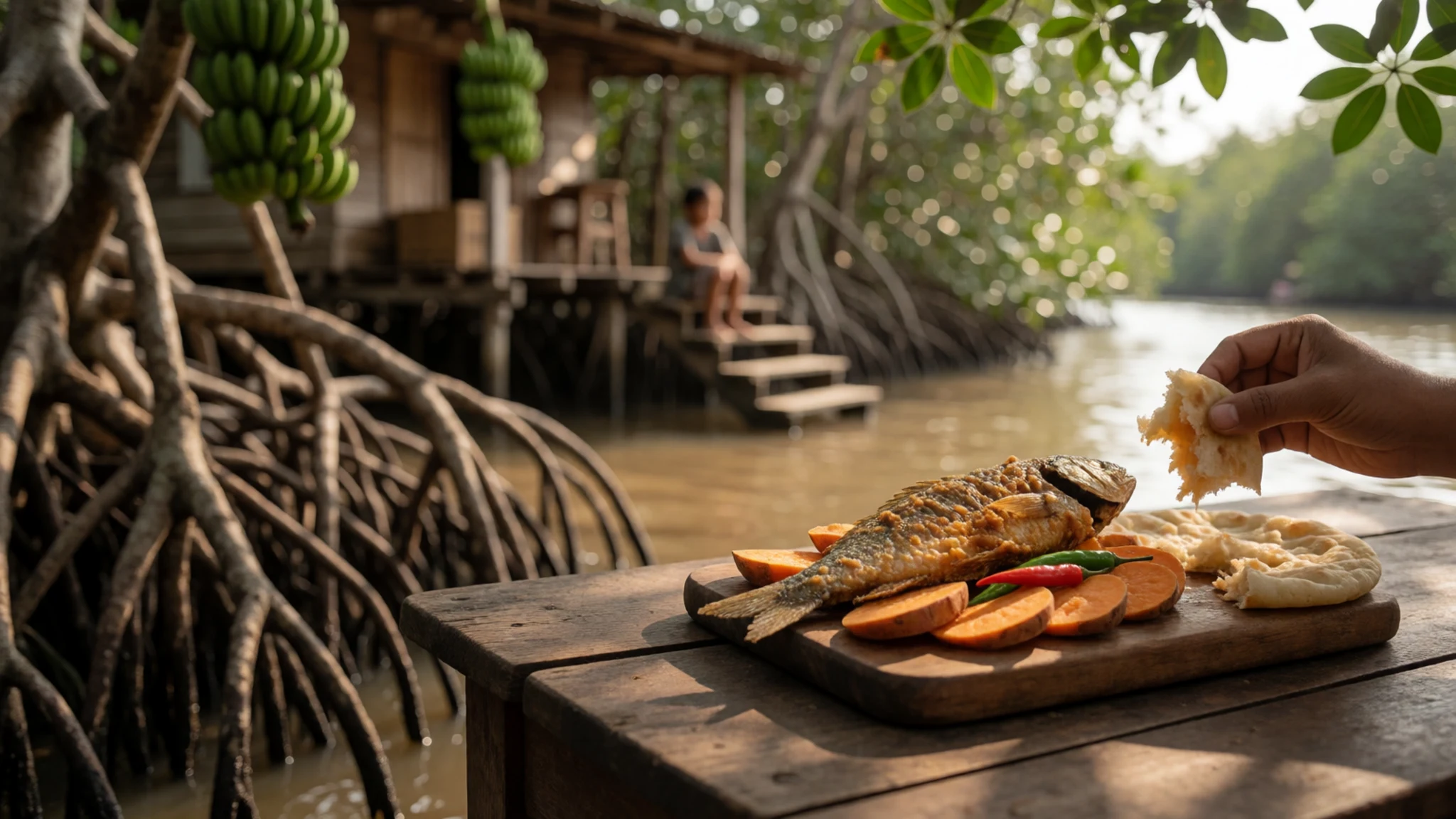
- Taro, yam and sweet potato — Roadside stalls and Kavieng market
Root crops are the base of most meals and are boiled, roasted or baked in a mumu. They are filling, mild and good with fish and coconut. Piles of them are sold at stalls beside the road and in the main market. - Coconut and coconut crab dishes — Village homes and guesthouses
Coconut is used everywhere, as cream in cooking, as drinking nuts and as a snack. Where coconut crab is served, it is a local treat, but ask whether it is legally and sustainably sourced before ordering. - Tropical fruit — Kavieng market and roadside stalls
Bananas, pawpaw, pineapple and watermelon are sold in small piles at markets and along the road. They are cheap, sweet and make an easy breakfast. Wash or peel anything you eat raw, and carry small change for stalls.
Plan it
Best time. The sailing wind is steadiest from mid-May to late October, while North Pacific swells reach the northern surf breaks from November to April. The island is hot and humid all year, so choose by activity: May to October for boats, November to April for surf.
How long. 4–6
Getting there. Air Niugini flies daily from Port Moresby to Kavieng, and also links Kavieng with Rabaul, Manus and other places in Papua New Guinea. From Kavieng airport, take a transfer to town; beyond that, hire a driver or boat.
Budget. mid
Tips
- Book flights and accommodation well ahead, as services are limited
- Carry cash in small notes, since card machines are rare outside Kavieng
- Bring all essential medicines, sun protection and insect repellent
- Allow slack in the schedule, because road and boat journeys run slowly
- Check current travel advice for Papua New Guinea before you go and arrange local guides through your lodging
Etiquette
- Ask before photographing people, carvings or ceremonies
- Dress modestly in villages and churches
- Agree prices for boats, guides and carvings before you begin
Nearby
Sources
- Wikidata Q215089 (CC0)
- Wikipedia: New Ireland (island) (CC BY-SA 4.0)
- Wikivoyage: New Ireland (CC BY-SA 4.0)
- Kavieng 1996, Apolanthar (CC BY-SA 4.0)
- New Ireland Topography, Sadalmelik (Public domain)
- New Ireland 2022 OSM map, Kelisi (CC BY-SA 4.0)
- Five views of the coast of New Ireland (Public domain)
- Landschaft in Neumecklenburg, Fritz Baumgarten (Public domain)
- ISS039-E-5851, NASA (Public domain)
- ISS039-E-5854, NASA (Public domain)
- ISS039-E-5855, NASA (Public domain)


Wildlife
- Skipjack tuna (animal)
The skipjack is a sleek, speedy member of the tuna family that cruises warm open seas and can grow to just over a metre, which is why it matters so much to fisheries. Tuna are among the fish mentioned for this region, but which ones you meet depends on the season and on local knowledge, so I will not promise a place or hour. Ask a local guide where the fish are running, keep the boat calm and quiet, watch from a respectful distance, and never feed anything.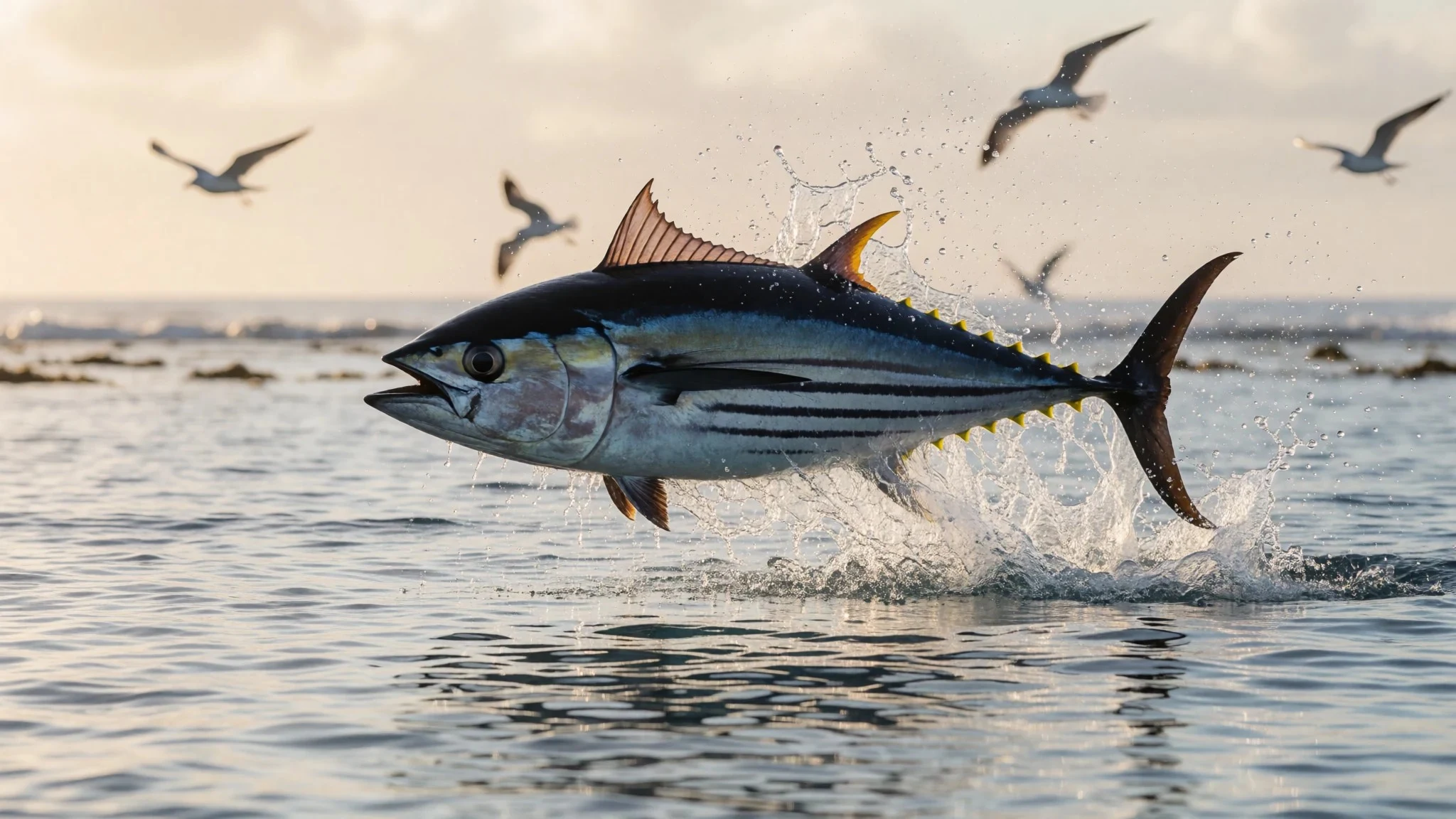
- Blue marlin (animal)
Think of the blue marlin as a great blue traveller of the open ocean, a marlin whose Indo-Pacific kind is one of the blue marlins. Marlin-style game fish are mentioned for this region, yet nothing here fixes a particular spot or time of day, and sightings depend on season and local knowledge. Go with a guide who knows the water, keep voices low and the boat steady, stay well back, and never offer food.