Bougainville
Bougainville, Papua New Guinea
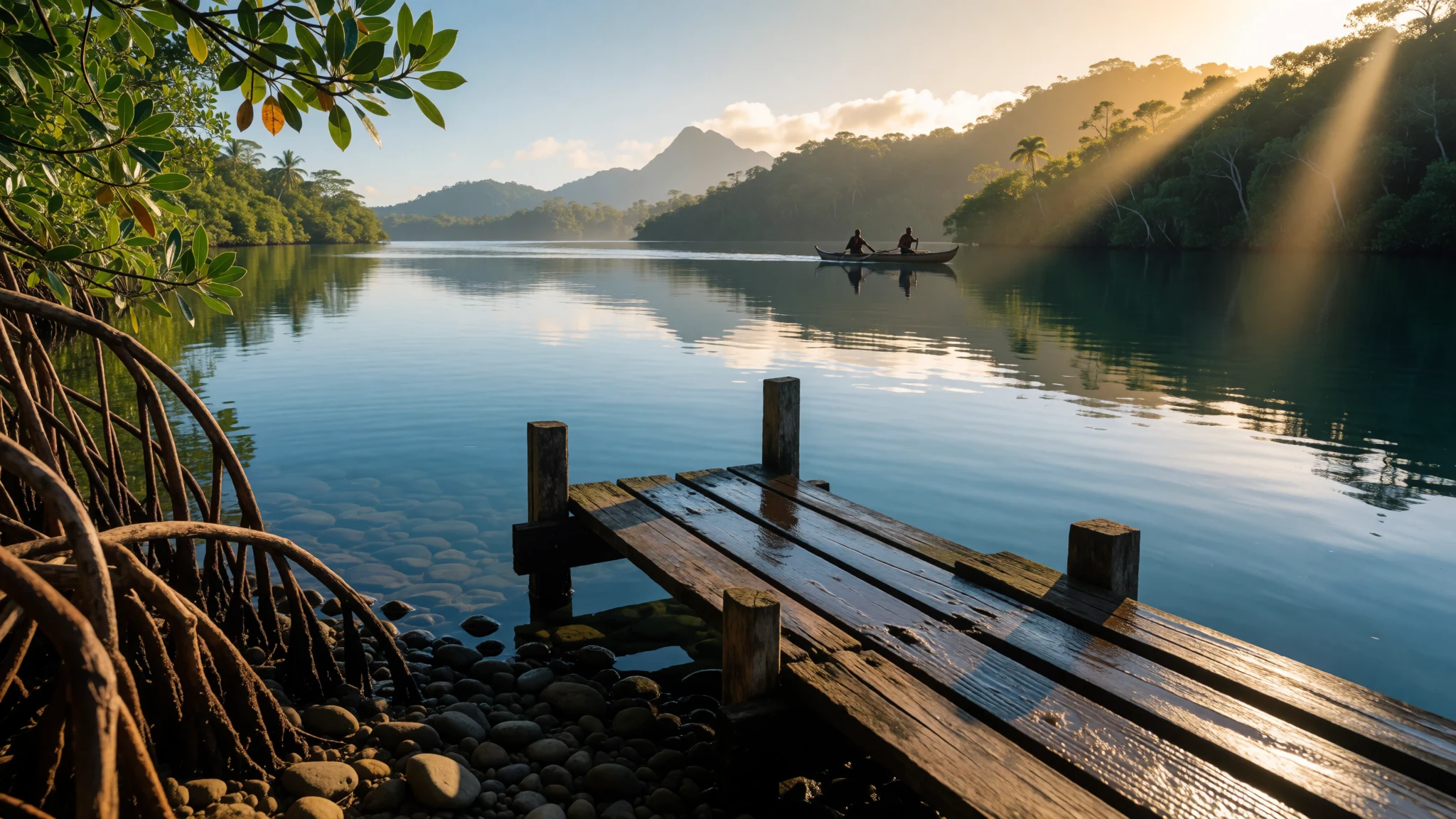
Explore the largest and most ecologically diverse island of the Solomon archipelago, where untouched tropical rainforests meet quiet volcanic shores.
The place
Bougainville Island stands as the principal landmass of its autonomous region within Papua New Guinea, shaping the western edge of the wider Solomon Islands archipelago. Dense tropical rainforests blanket much of the interior terrain, rising sharply toward towering volcanic peaks. The highest of these volcanic heights is Mount Balbi, which commands the island's landscape with steep ridges and remote crater lakes. Just off the northern coast, across a narrow ocean channel, lies the smaller Buka Island, linked by regular water taxis and small ferry craft rather than any bridge.
The coastal geography features sheltered bays, mangrove fringes, and tiny uninhabited islets scattered across turquoise waters. Many rushing rivers carve through the dense jungle interior, feeding quiet estuaries before meeting the coral seas. Life on the islands unfolds at a gentle, unhurried pace, centred around small coastal settlements, fishing hamlets, and lively local markets where fresh produce and daily catches are traded. Away from the main administrative hubs, vast stretches of coastline and forested interior remain entirely wild, offering a raw, unpolished glimpse into remote Pacific island ecosystems where traditional ways of living continue largely unchanged by modern tourism infrastructure.
Its story
Long before modern mapping, ancient land bridges connected present-day Bougainville to neighbouring island groups during periods of lower sea levels. Archaeological discoveries at coastal cave sites on nearby Buka Island reveal that human habitation stretches back deep into prehistory, established by early maritime voyagers who settled the rugged interior valleys and rich coastal strips. Successive waves of seafaring migrants later integrated with these communities, bringing advanced tool-making traditions and cultivating the fertile volcanic soils.
European navigators eventually charted the waters of the region during early maritime exploration campaigns, attaching foreign names to the volcanic peaks and island shores. During subsequent colonial eras, outside administrations staked claims over the territory, establishing plantations and trading posts that altered local commerce. The twentieth century brought sweeping global conflict to the region, leaving behind rusted aircraft wrecks, memorial sites, and physical remnants of wartime strategy scattered across the jungle floor and coastal shallows.
In more recent decades, the island community has navigated complex political transitions, striving for self-determination and building local governance structures. Throughout these historical shifts, the resilient population has maintained deep ties to ancestral lands, customary governance systems, and traditional arts, ensuring that indigenous heritage remains the foundational pillar of island society.
What to see
- The Buka Passage — Buka Strait
A narrow coastal channel separating Buka Island from the main northern shore of Bougainville. Small commuter boats carry passengers across the blue waters daily, offering views of mangrove fringes, tiny offshore islets, and traditional outrigger canoes paddling between waterfront settlements.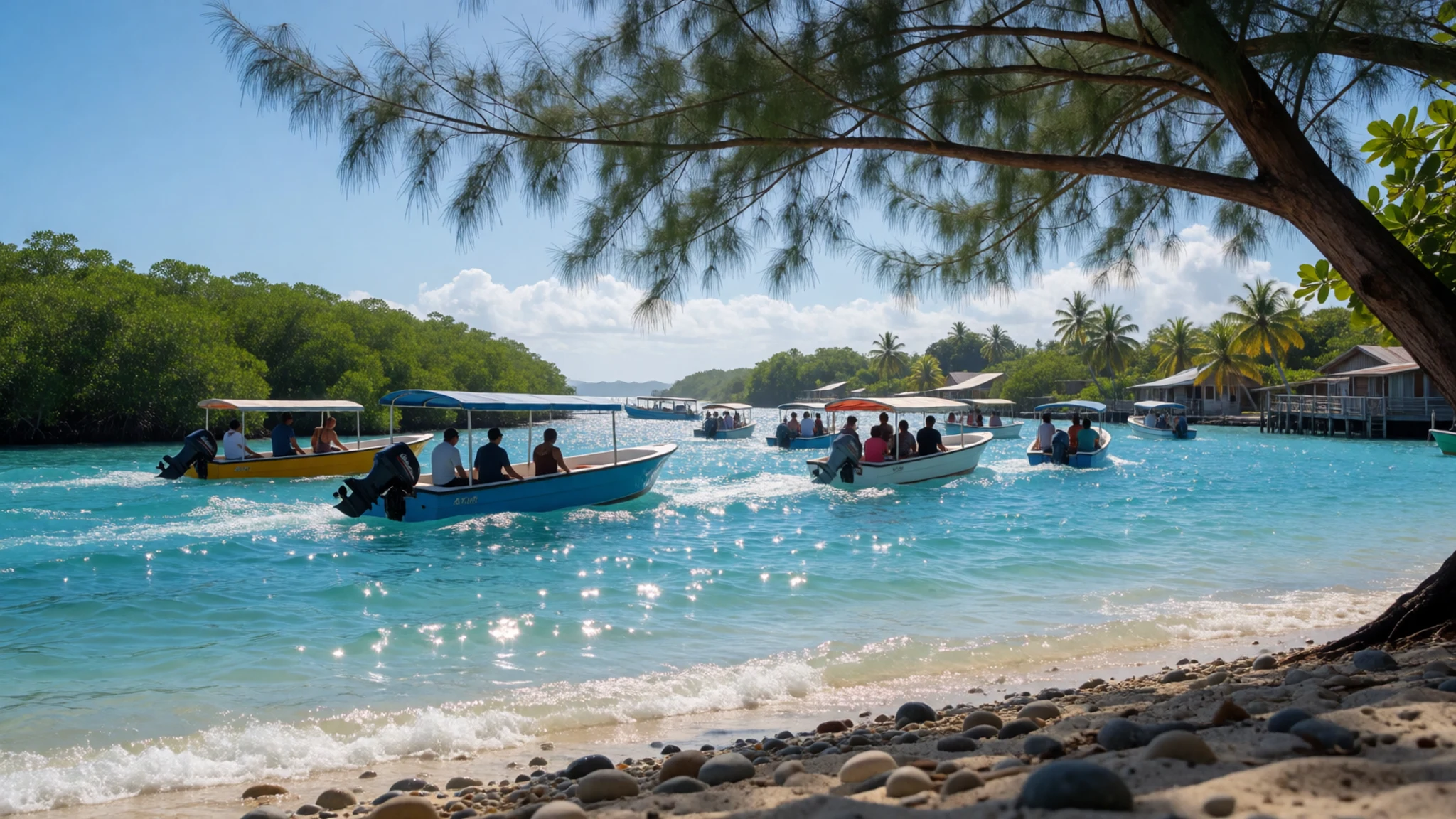
- Sohano Island — Buka Passage
A small, peaceful island positioned within the Buka Passage featuring quiet walking paths, simple local eateries, and remnants of wartime history including a Japanese aircraft wreck and memorial marker. It serves as a relaxed retreat for afternoon strolls and meeting friendly residents.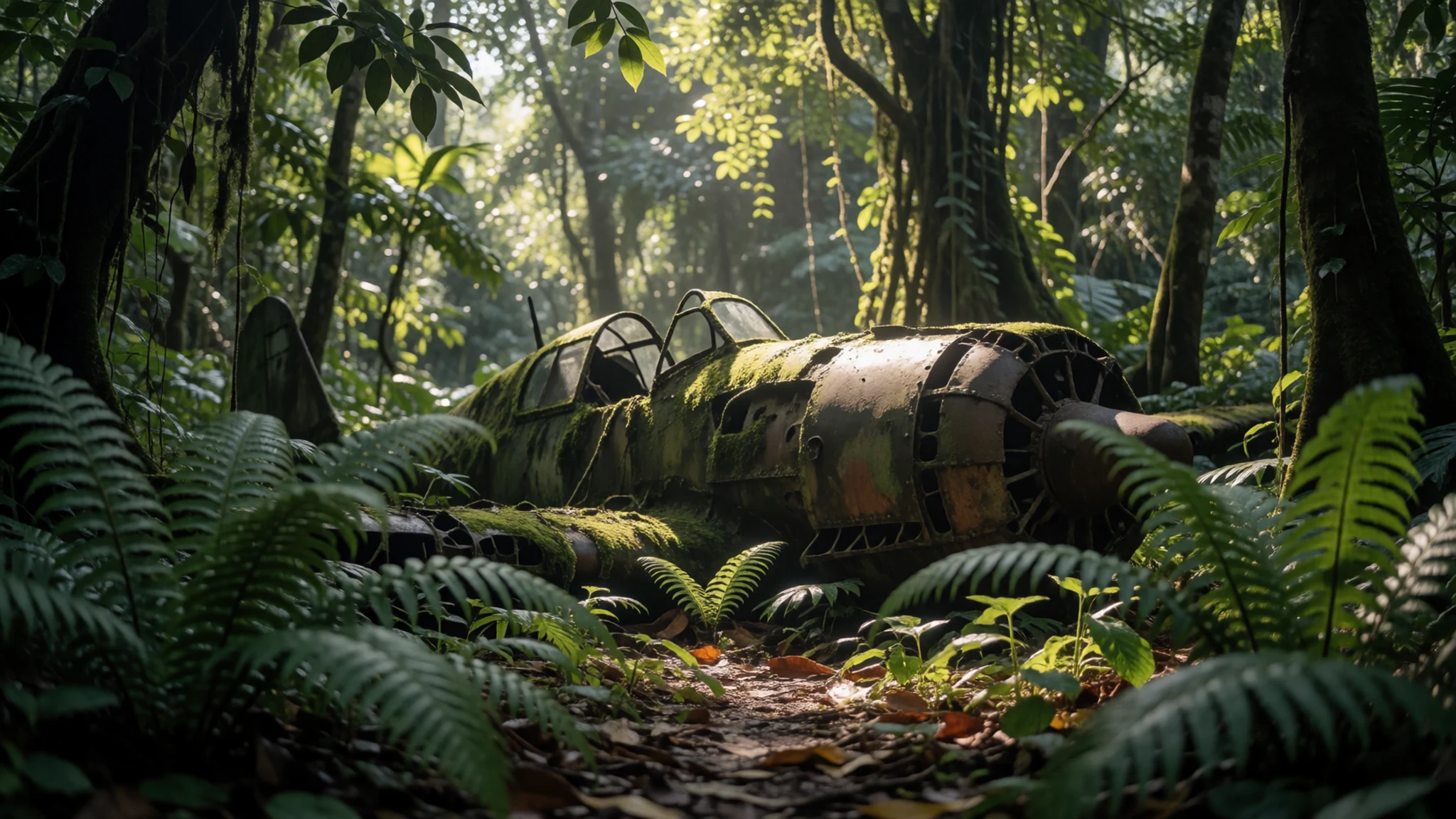
- Mount Balbi Slopes — Interior Highlands
The rugged volcanic heartland rising across the interior of the main island. Though climbing the highest peak requires serious expedition planning through dense jungle and challenging terrain, the lower slopes offer dramatic views of steaming vents and lush vegetation.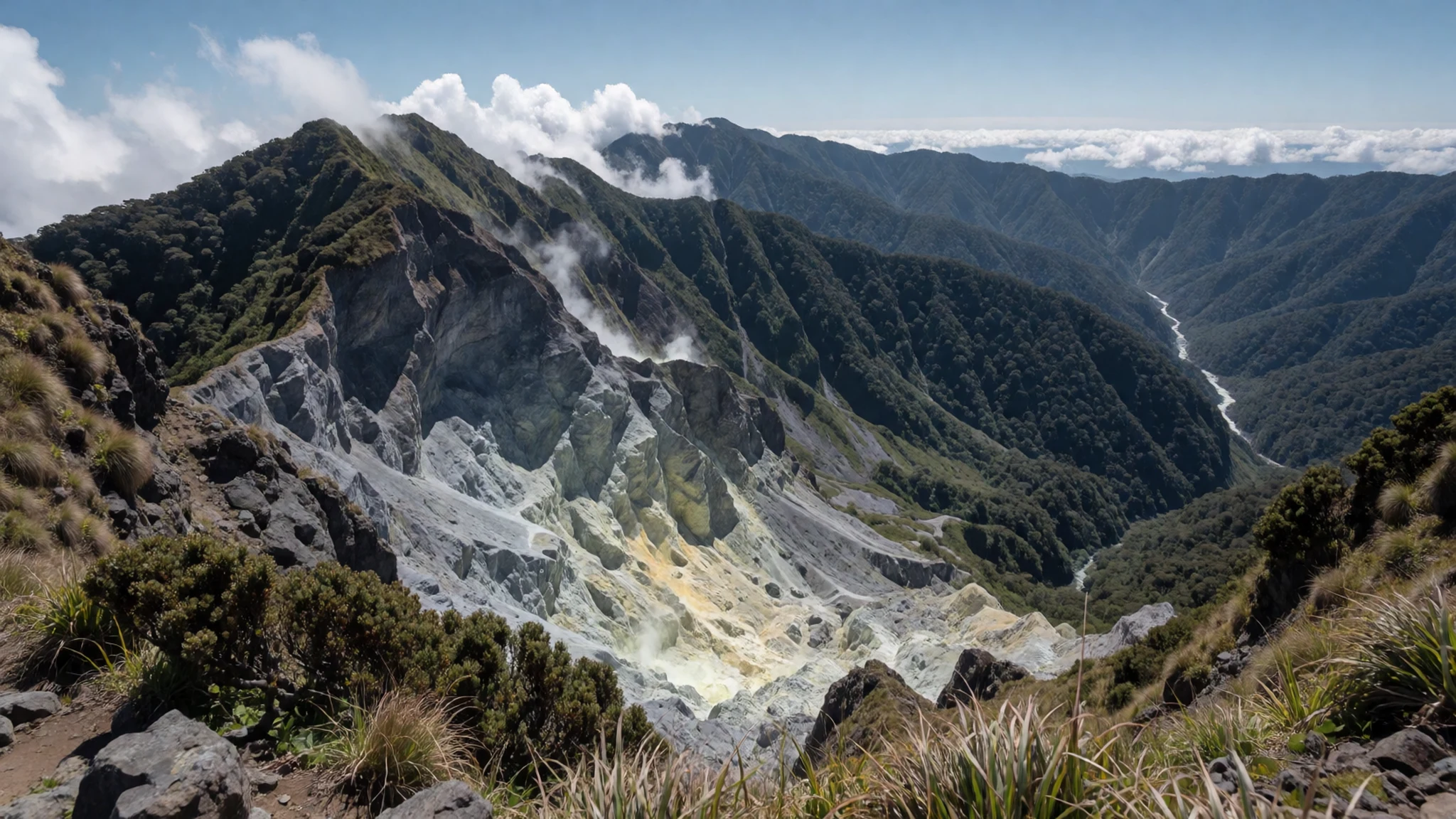
- White Island — Offshore Coast
A picturesque offshore cay characterized by powdery sand beaches and clear coral waters. It provides an exceptional destination for day trips, swimming, and quiet relaxation away from the larger settlements, surrounded by vibrant marine life.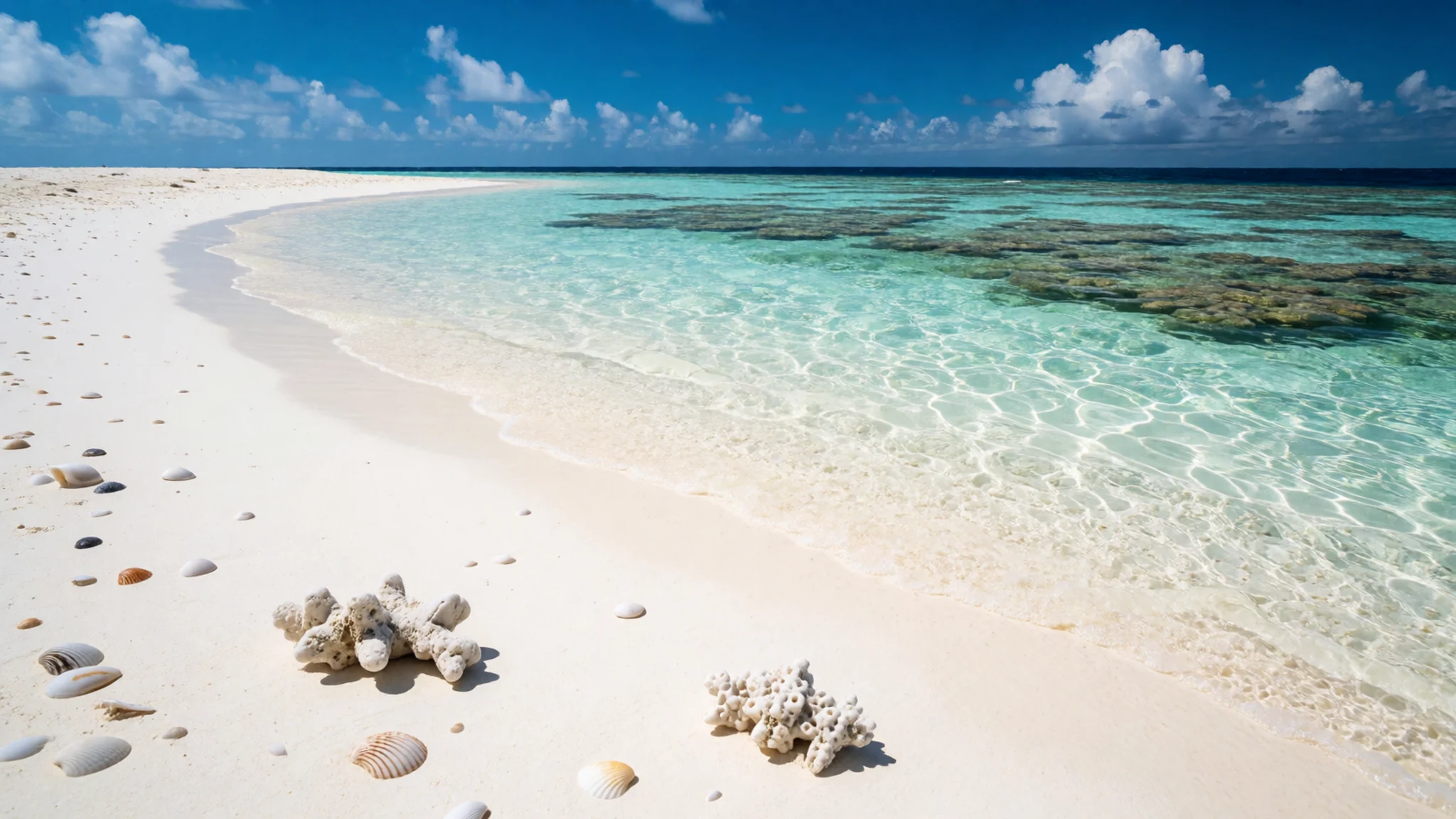
Culture
Society across the islands is deeply rooted in traditional clan structures, customary land ownership, and matrilineal heritage where lineage and land rights pass through mothers and female elders. Village life emphasizes communal cooperation, shared agricultural labor, and ceremonial exchanges during significant life milestones such as harvests, marriages, and coming-of-age gatherings. Music and dance remain vital expressions of cultural identity, showcased during regional festivals where performers wear intricate shell ornaments, woven armbands, and vibrant body paint passed down through generations. Language diversity is rich, with numerous indigenous tongues spoken across different valleys alongside Tok Pisin as a common bridge. Visitors will find communities remarkably welcoming, though social etiquette requires patience and respect for local customs regarding land access and sacred sites. Political history remains a sensitive subject carrying deep emotional weight for many residents, so it is best to avoid asking probing questions about past conflicts or regional sovereignty debates. Always seek permission from village elders before photographing local people, sacred trees, or traditional ceremonial grounds.
What to wear
Traditional attire across the islands historically utilized natural materials crafted from beaten tree bark, plant fibres, and woven pandanus leaves, complemented by decorative shell money, boar tusks, and carved wooden ornaments worn during ceremonies. Today, everyday dress in towns and villages is casual and practical, typically consisting of lightweight cotton shirts, shorts, and skirts suited for a warm tropical climate. Many women wear colourful wraparound lava-lavas or mission dresses, while men favour comfortable t-shirts and trousers. For visitors, dressing modestly is important out of respect for local Christian and traditional values; swimwear should be restricted strictly to beaches and swimming spots, and shoulders and knees should remain covered when visiting rural villages. Sturdy, quick-drying footwear or reliable walking sandals are essential for navigating muddy trails, wet boat landings, and uneven coastal paths during tropical downpours.
What to eat
- Coastal Reef Fish — Waterfront eateries and local markets
Freshly caught fish from the surrounding coral reefs, typically grilled over open coals or wrapped in banana leaves with coconut milk. Available at simple waterfront eateries and guesthouses around Buka and coastal villages.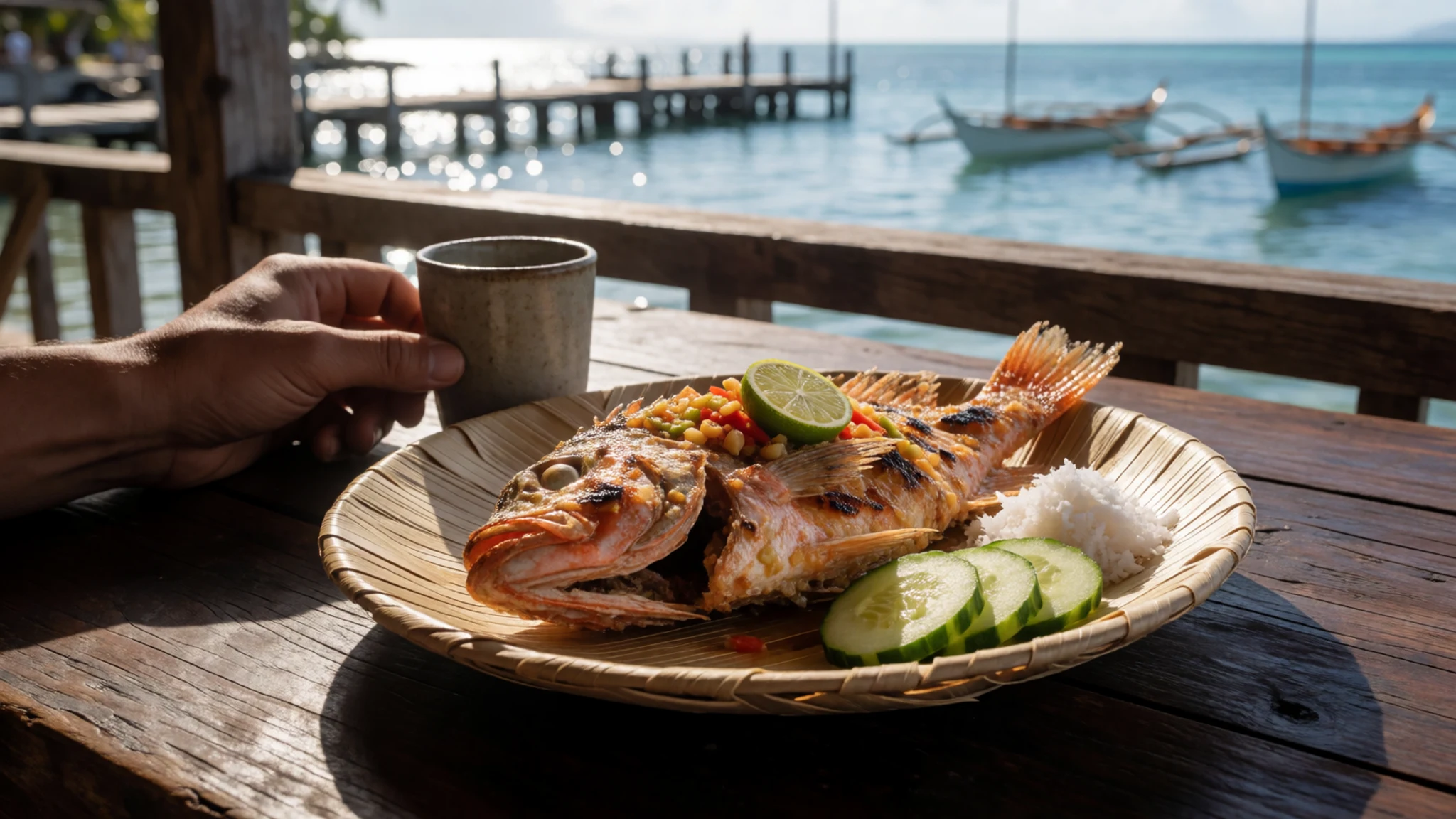
- Market Chicken and Root Vegetables — Buka town market stalls
Simple, hearty portions of local chicken served alongside boiled taro, sweet potato, and green bananas purchased directly from lively outdoor market stalls where farmers sell their daily harvests.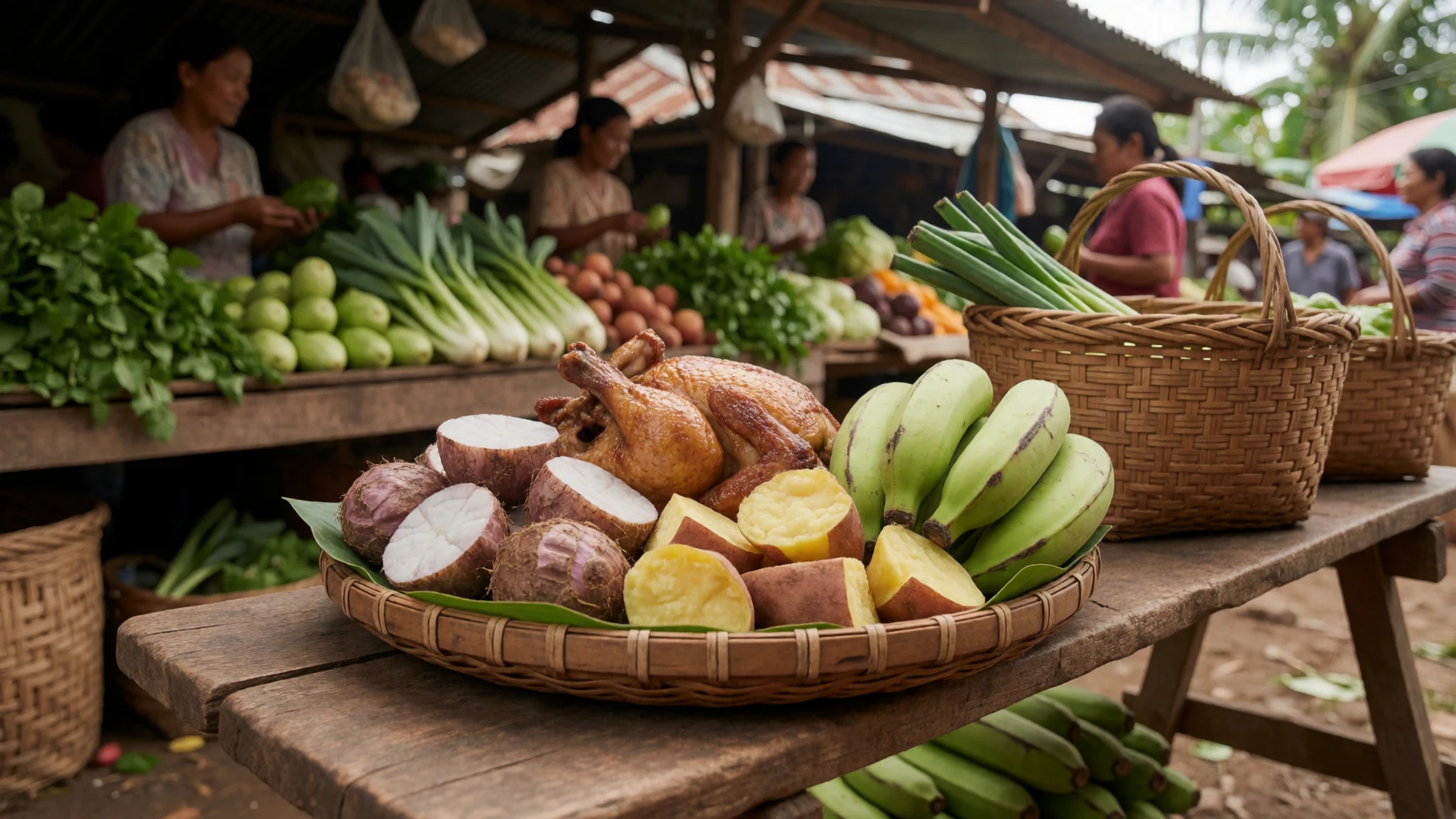
- Fried Fish-on-a-Stick — Buka waterfront beach areas
A popular, convenient daytime street snack consisting of small skewered fish fried golden and crispy, sold by vendors along the beach as small commuter boats glide across the water. - Resort Seafood Platters — Waterfront resort dining rooms in Buka
Fresh prawns, reef fish, and local shellfish prepared simply with garlic and island herbs, served on elevated dining decks overlooking the gentle evening tides.
Plan it
Best time. The drier months between April and November offer the most pleasant weather for travel, avoiding the heaviest tropical downpours.
How long. 4–6
Getting there. Fly from Port Moresby to Buka Island via domestic carriers, followed by a short water taxi crossing to the main island.
Budget. mid
Tips
- Bring plenty of physical cash, as automated teller machines are scarce and credit cards are rarely accepted outside main hotels.
- Pack lightweight, quick-drying clothing and reliable rain protection for frequent tropical showers.
- Arrange accommodation and basic transport logistics well in advance, as tourist infrastructure is limited.
- Drink only bottled or safely treated water throughout your stay.
- Hire local guides when venturing into interior forests or mountain hiking trails.
Etiquette
- Always request permission from village elders before entering traditional settlements or photographing residents.
- Avoid discussing sensitive political histories, wartime conflicts, or regional independence tensions.
- Dress modestly in rural villages, keeping shoulders and knees covered at all times.
Nearby
Sources
- Wikidata Q201766 (CC0)
- Wikipedia (CC BY-SA 4.0)
- Wikivoyage (CC BY-SA 4.0)
- Photo 01-white-island-bougainville.jpg (CC BY 2.5)
- Photo 02-bougainville2022osm.png (CC BY-SA 4.0)
- Photo 03-mtbalbitorenasa.jpg (Public domain)
- Photo 04-buka-passage-nan1jan44.jpg (Public domain)


