Three Sisters
Three Sisters, United States
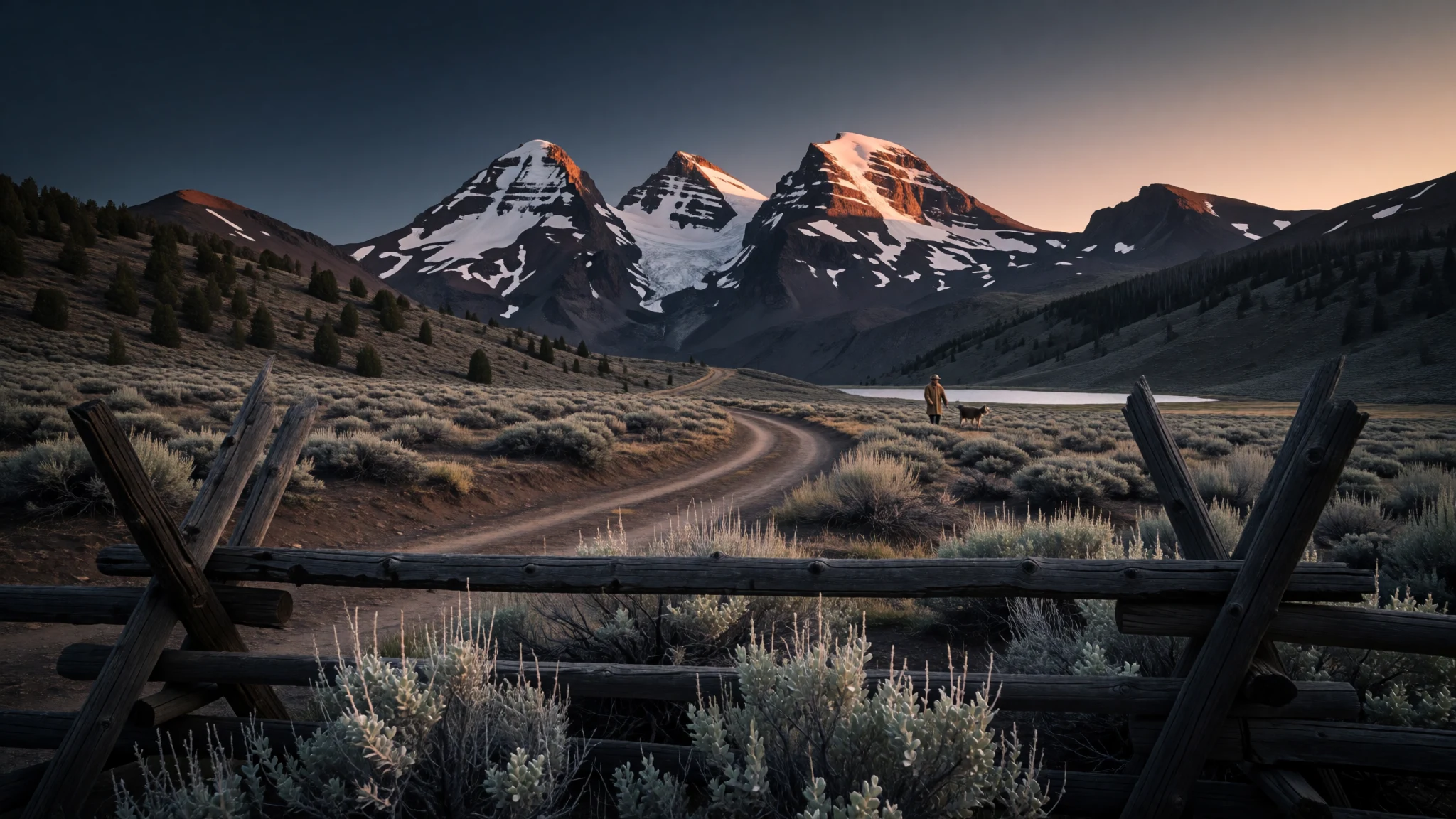
Three Sisters gives central Oregon a skyline of three snow-streaked volcanoes, with lakes, lava fields and trails that suit both easy walkers and summit seekers.
The place
The Three Sisters are a cluster of volcanic peaks in the Cascade Range of central Oregon, named North, Middle and South Sister. They stand inside the Three Sisters Wilderness, on the line between Lane and Deschutes counties. The Willamette National Forest covers the wetter western side and the Deschutes National Forest the drier eastern side. The nearest town is Sisters, about 16 km to the north. The group tops out at around 3159 m, and each of the three is above 3000 m, though they are separate mountains rather than one block. From the Cascade Lakes side they form a jagged line above pine forest. From the east they rise beyond sagebrush and juniper, the edge of the high desert. Between the peaks lie glacier-carved basins, lava flows, meadows and clear lakes. The weather is changeable. Snow can fall for much of the year at height, rain arrives in the shoulder seasons, and the swing between a hot July afternoon and a freezing night is large. Wildlife ranges from deer and marmots to birds of the high forest. Most people come to walk, camp, climb or photograph the peaks from a lakeshore. South Sister is the one climbed most often, as a long day on a trail rather than a technical ascent. The other two are harder and more exposed. There is no road, lift or hut on any of the summits, so supplies and beds are in Sisters and Bend.
Its story
The story of the Three Sisters is mostly one of fire and ice laid down in layers. The peaks belong to the Cascade Volcanic Arc, a chain of volcanoes running from southern British Columbia down into Northern California. They look like siblings but are not twins, because each has its own geology and eruptive history. North Sister is heavily eroded, a battered stack of lava and rock. Neither it nor Middle Sister has erupted for about 14,000 years, and geologists think a return to activity is unlikely. South Sister is different. It last erupted about 2,000 years ago and is considered capable of doing so again. In 2001 satellite images showed the ground swelling near the mountain, and the United States Geological Survey responded by improving its monitoring around it. That is a reason for watchfulness rather than alarm, and the area remains open to visitors. Ice has also shaped the flanks, leaving moraines, bowls and lakes such as Carver Lake, held back by glacial debris. Young obsidian flows such as Rock Mesa show how recent the volcanic chapter is. The human chapter is older than any settler map. Native peoples lived in and travelled through these mountains long before American settlers arrived. The settlers later called the peaks Faith, Hope and Charity before the present names took over, and the town of Sisters is named after the mountains.
What to see
- South Sister summit — Three Sisters Wilderness, central Oregon Cascades
South Sister is the climbers' favourite, a long and strenuous day on a steady trail that ends in loose volcanic scree. The summit has a crater with a small icy pool and views across the whole range. Snow can linger into summer, so check current conditions with the Forest Service before setting off.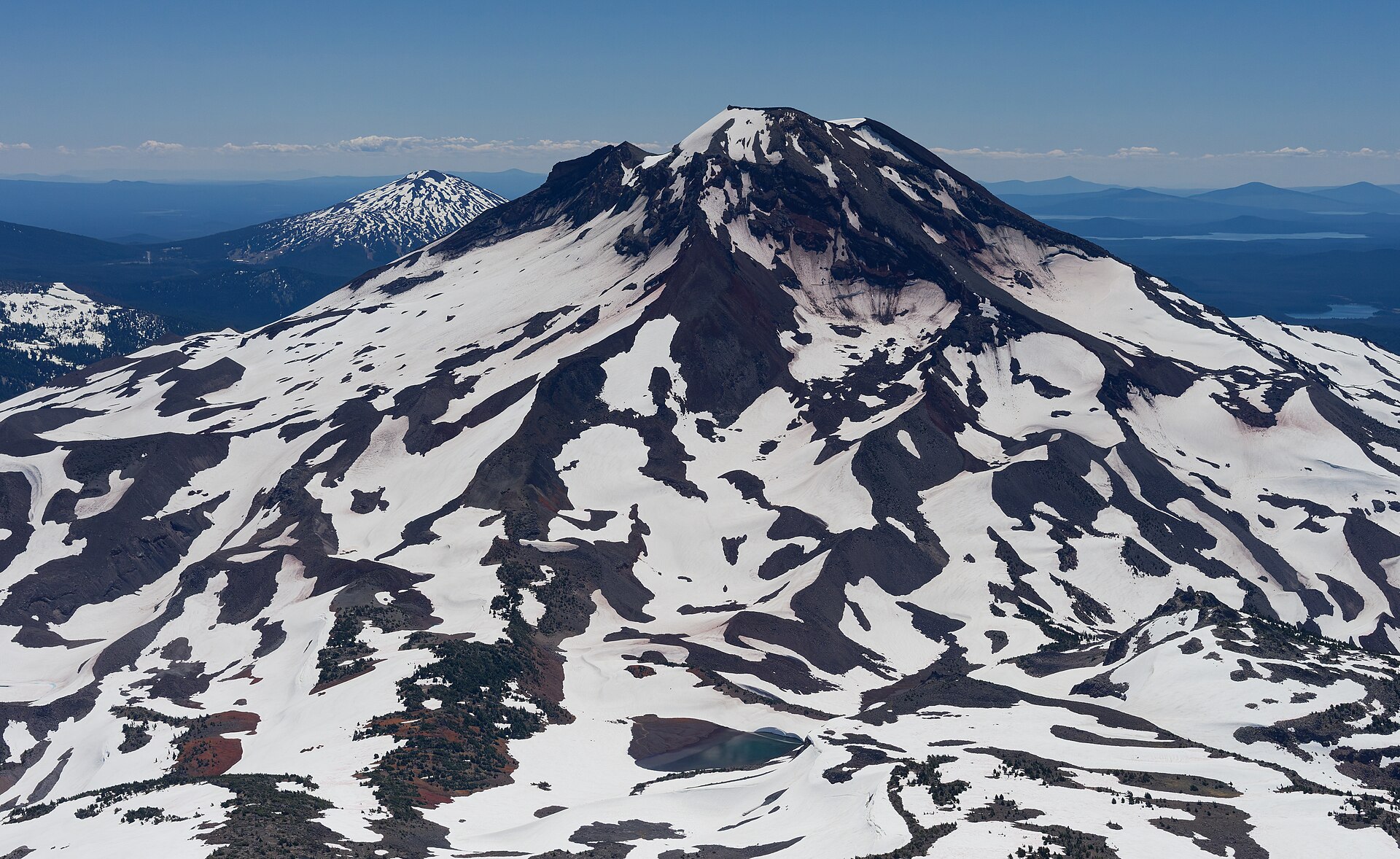
- Green Lakes basin — Between South Sister and Broken Top
Green Lakes fill a basin below South Sister, reached by a popular trail that follows a creek past meadows and small waterfalls. The water takes a turquoise tint from fine glacial silt. It suits a long day walk or an overnight camp, though summer weekends bring heavy foot traffic and a wilderness permit may be needed.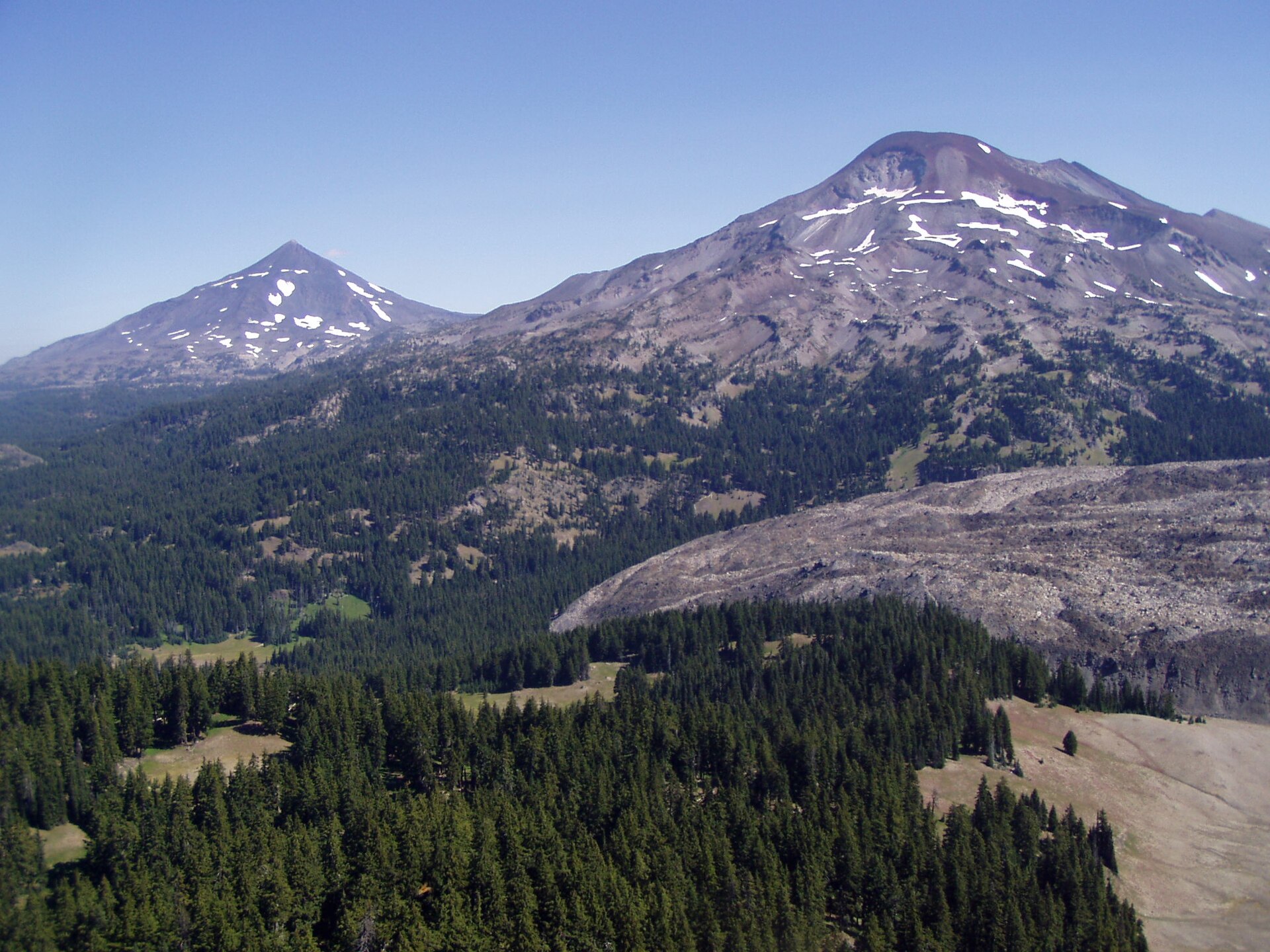
- Carver Lake — Flank of South Sister
Carver Lake sits on the side of South Sister, held back by a moraine, the ridge of rubble a retreating glacier leaves behind. It shows clearly what ice did to these slopes. The setting is stark: loose stone, thin trees, and the mountain filling the sky above the water.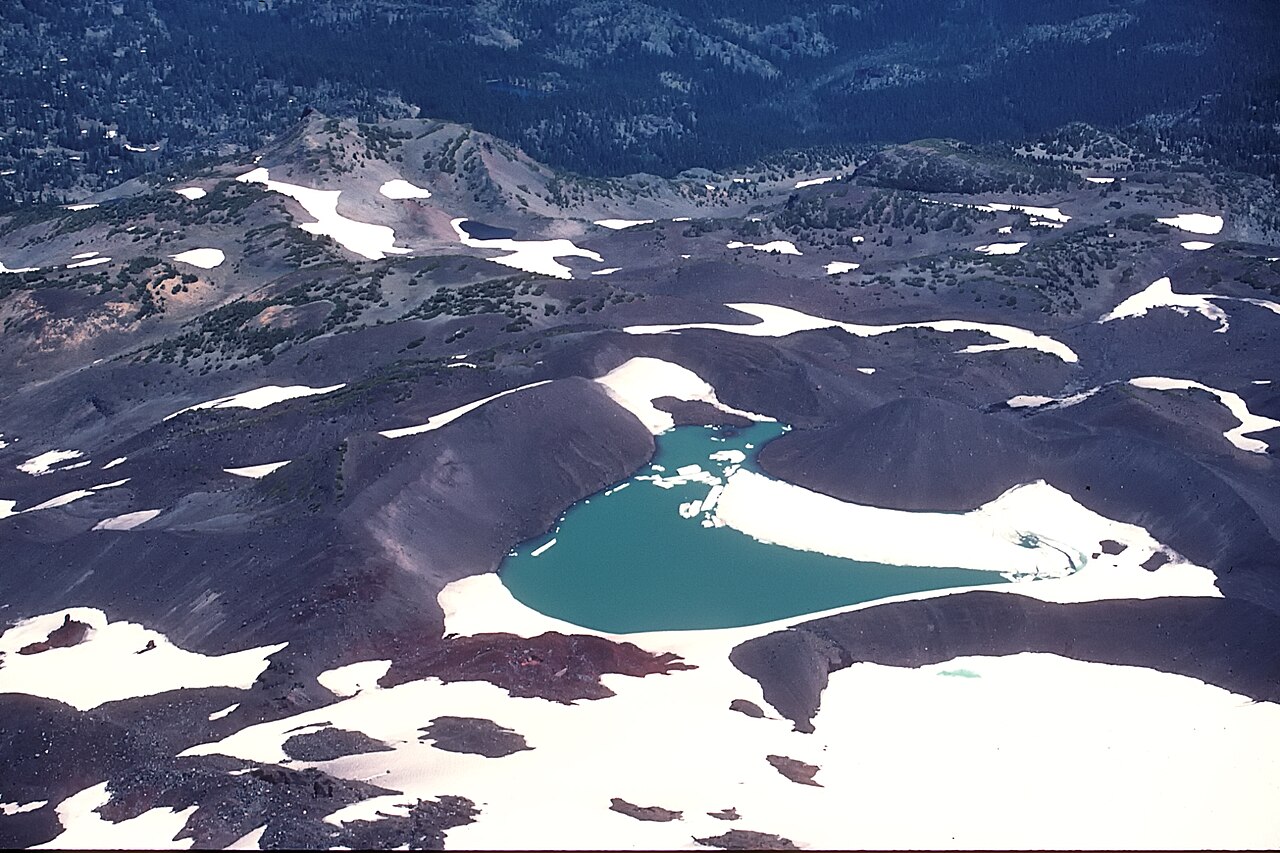
- Rock Mesa obsidian flow — Southern side of South Sister
Rock Mesa is a young lava flow of glassy, dark rock, a rough field of blocks set against green forest with South Sister rising behind. It is a place for looking rather than scrambling. The edges are sharp enough to cut hands and boots, and collecting obsidian is not permitted.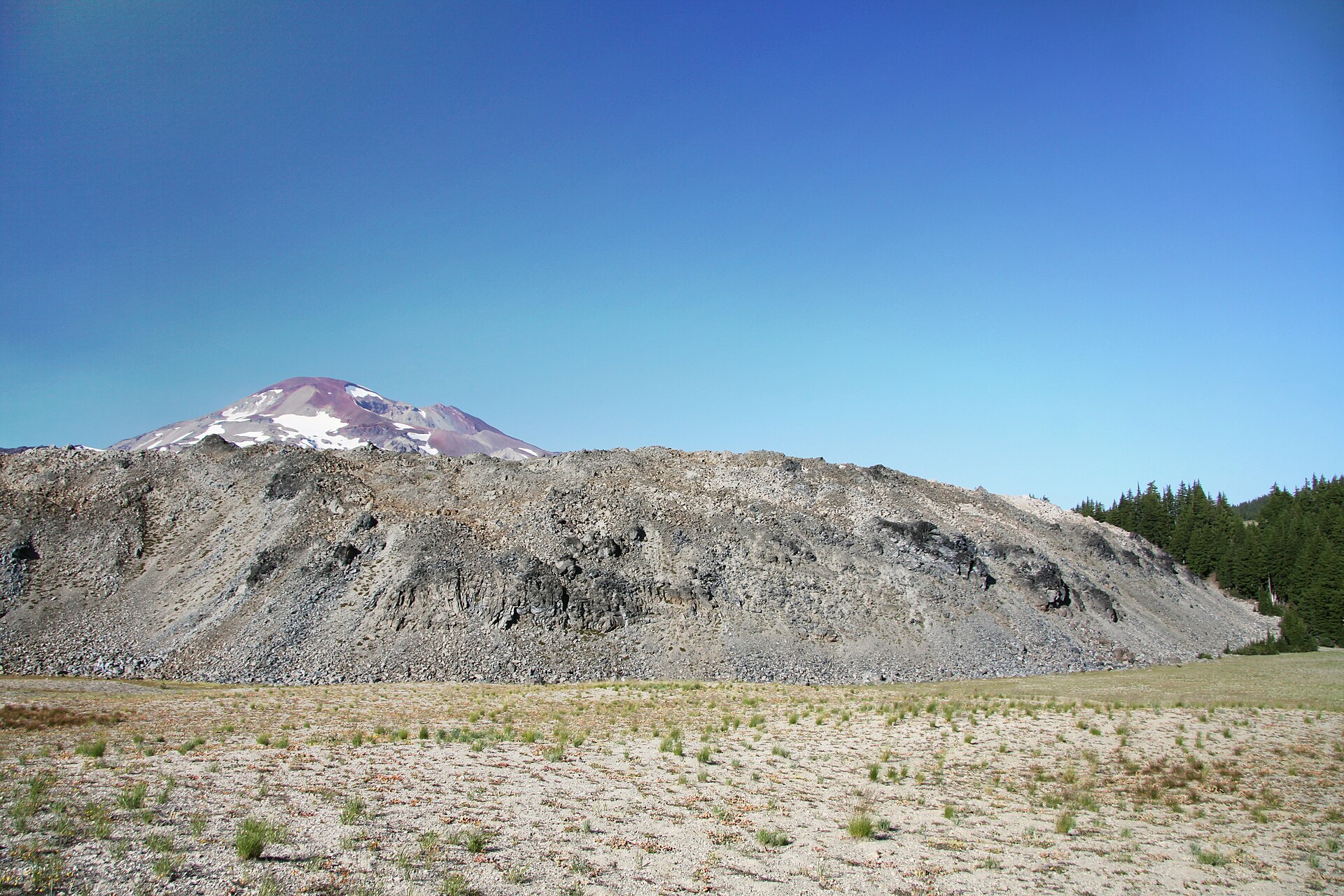
- North Sister — Northern end of the group
North Sister is the most heavily eroded of the three, a dark and jagged pile that looks more like a ruined tower than a cone. Climbing it means crumbling rock and serious route-finding, so most visitors enjoy it from a ridge or lakeshore at sunrise, when the light warms the face.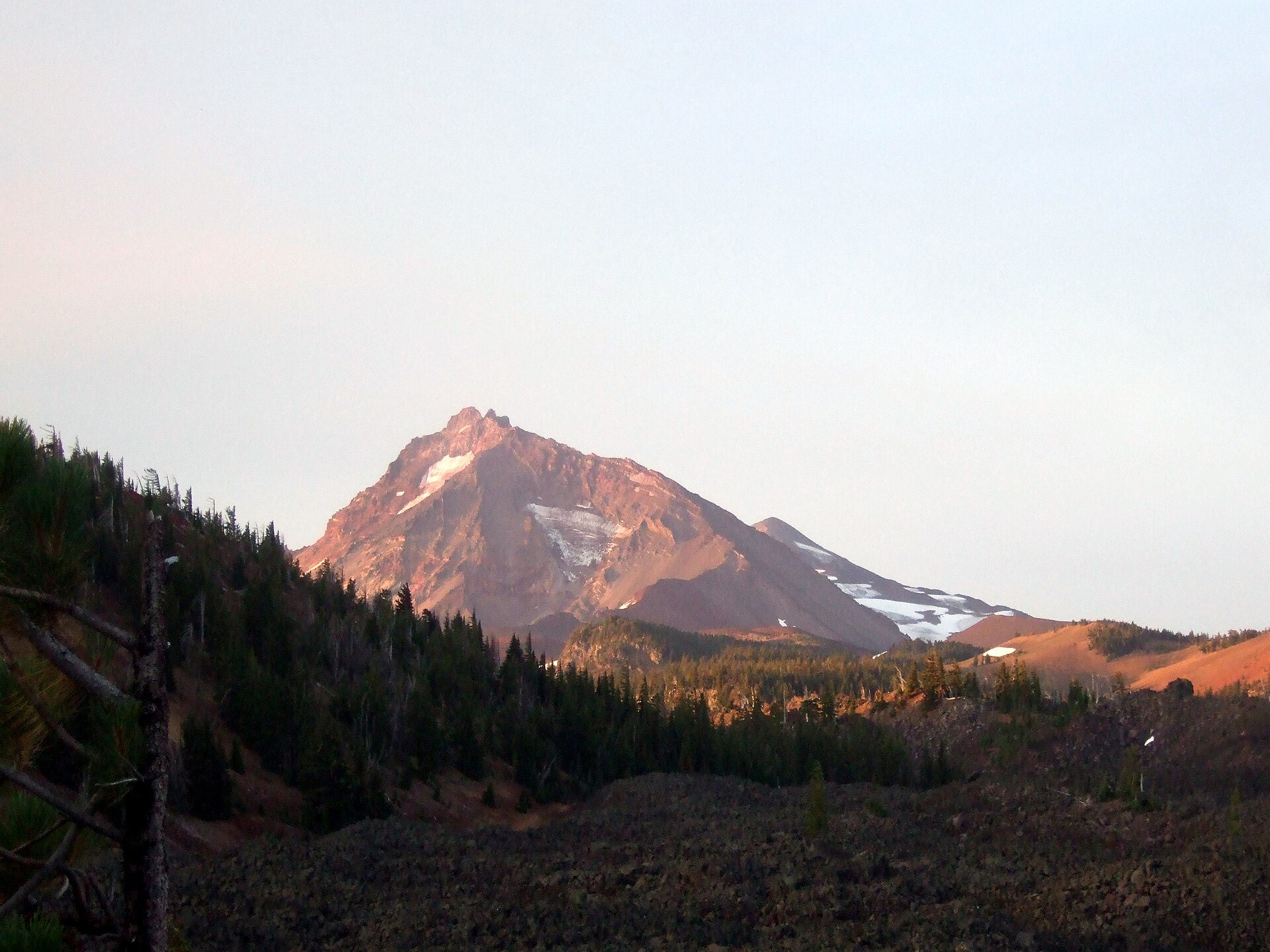
- Middle Sister — Between North and South Sister
Middle Sister sits between its neighbours, smaller in profile and visited far less often. Its summit gives a good view of South Sister and Mt Bachelor beyond. Reaching it takes off-trail effort and map skills, so it suits experienced mountain walkers more than day trippers.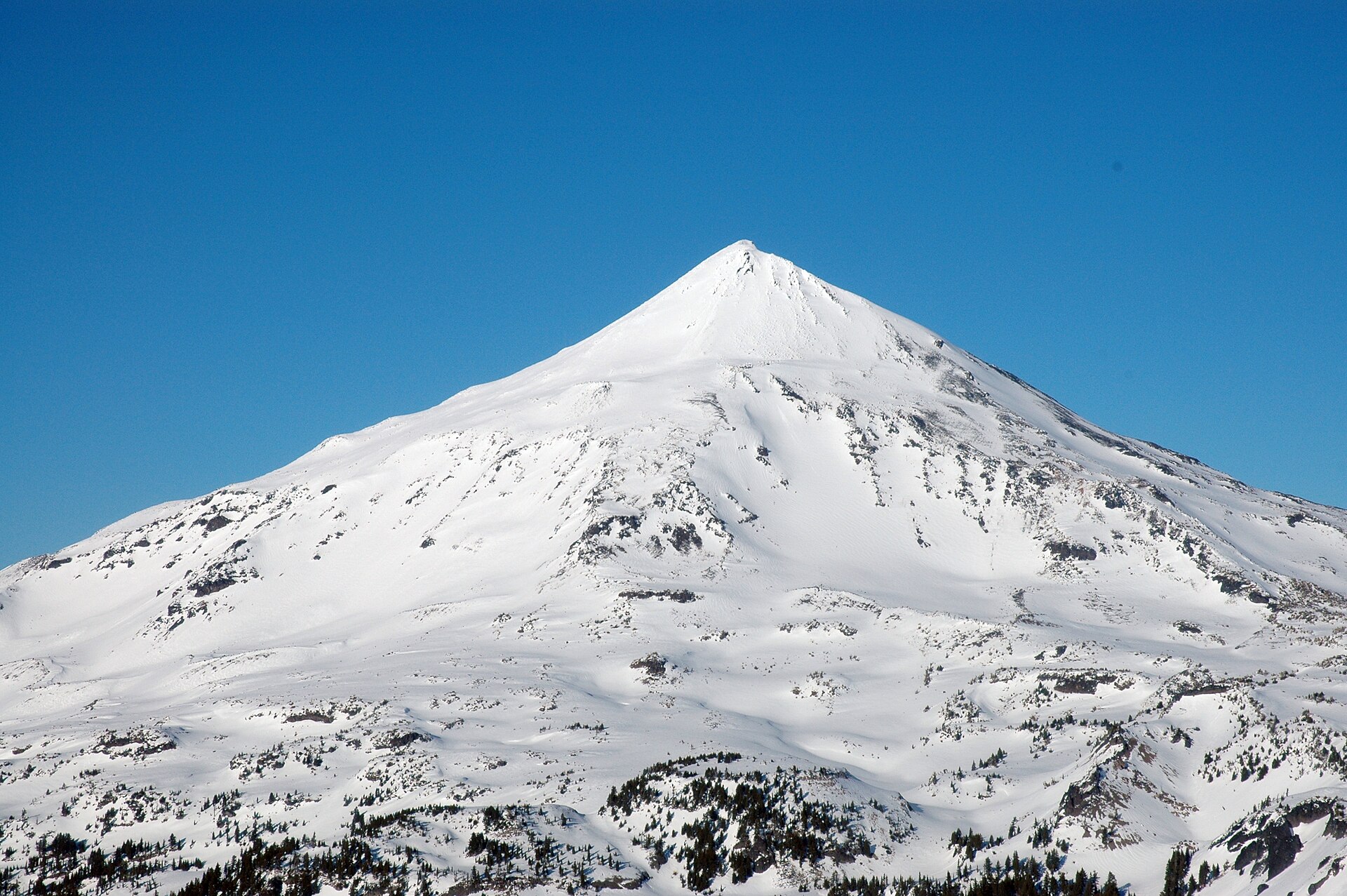
Culture
Three Sisters country sits in central Oregon, where outdoor life is part of local identity. People here hike, ski, fish and camp as a matter of course, and they are proud of the landscape. Littering or harming wildlife draws sharp looks from other visitors and can bring a penalty from rangers in a protected wilderness. The land east of the Cascades is more rural and conservative than the cities of the Willamette Valley. Towns such as Sisters and Bend therefore blend ranching heritage, outdoor-industry money and tourism, and Sisters leans into Western-style shopfronts. Conversation with locals tends to turn to snowpack, trail conditions and fire season. Wildfire smoke and fire restrictions are a regular part of late summer, and people take the rules seriously. The mountains also carry meaning for the Native peoples of the region, and some places within the wilderness are cultural sites. Leaving stones, artefacts and obsidian where they lie is basic respect, and in many places it is also the law. Local pride extends to the beer scene, which is well established, but the wilderness itself has no shops, so what comes in must go out. Carry out all your rubbish, including food scraps and tissue, and keep to the marked trail so the meadows can recover.
What to wear
Three Sisters lies in the homeland of Indigenous peoples of the Columbia Plateau and Cascades region, whose traditional clothing included tanned hide garments, woven hats and bags made of plant fibre, and later glass-bead decoration. Beadwork and regalia are worn today at powwows and ceremonies, and are best seen at events the tribes invite visitors to. Everyday dress in the area is practical and outdoorsy. Locals wear fleeces, down jackets, trail shoes, baseball caps and flannel shirts, with cowboy boots and work jeans more common around ranches and in Sisters. Technical gear is normal even in town, and nobody dresses up for a meal. Visitors should plan for layers, because mornings at the trailheads are cold even in July and afternoons in the sun can be hot. Pack a warm hat, a windproof shell, sun protection and a rain layer. Sturdy boots with a good grip are needed for scree and lava rock, and light gaiters help on the loose summit slopes. Early in the season, snow may call for microspikes or an ice axe. Insect repellent is useful in early summer, when mosquitoes are thick near the lakes. There are no modesty rules in the wilderness, but shirts stay on in town.
What to eat
- Smoked salmon — Delis and farmers' markets in Bend and Sisters
Smoked salmon has been part of Oregon eating since long before European settlement. It turns up as a slab on a deli counter, flaked into chowder, or served on rye with cream cheese. It makes a good trail lunch, and local shops often sell it vacuum-packed. - Marionberry pie — Bakeries, roadside stands and summer farmers' markets
Marionberries were first bred in Oregon, and the blackberry-like fruit, tart and deeply sweet, is baked into pies, crumbles and jams. Summer is the season to look for it fresh. Bakeries in the small towns around the mountains usually have a slice on offer. - Hazelnuts — Farmers' markets, grocery shops and chocolate makers
Hazelnuts, also called filberts, are a popular Oregon specialty, grown mostly in the Willamette Valley. They appear roasted, ground into spreads, folded into chocolate, or sprinkled over salads. A small bag is a useful energy snack for a long day on the trail. - Tillamook cheese — Supermarkets and delis across Oregon
Tillamook cheese comes from the north-west of the state, near the coast. The cheddar is the best known, sold in blocks and sliced into sandwiches. It is easy to find in any supermarket in Bend or Sisters, and keeps well in a rucksack. - Food-cart lunch — Food-cart lots in Bend and Sisters
Food carts have become a popular alternative to sit-down restaurants in Oregon towns. They are usually grouped in lots with picnic tables, serving anything from tacos and wood-fired pizza to Thai noodles. They suit a quick meal before or after a trailhead start. - Craft beer — Brewpubs and taprooms in Bend and Sisters
Oregon takes its brewing seriously, and central Oregon has a thick cluster of brewpubs and taprooms. Porter, stout, pale ale and IPA are common styles. Many places serve food as well, and a tasting flight is a classic way to end a day in the mountains.
Plan it
Best time. July to September, when snow has melted from most trails and days are warm and mostly dry, with cold nights at height. Early summer can still bring snow patches and mosquitoes, and late summer can bring wildfire smoke and fire restrictions. Winter suits skiers and snowshoers, but many access roads are closed by snow.
How long. 2–3
Getting there. Fly to Roberts Field (RDM) in the Bend–Redmond area, the closest airport for central Oregon, or to Portland International (PDX), the main hub for the state. From either, hire a car and drive to Sisters or Bend, then continue by road to the trailhead. There is no public transport to the trailheads.
Budget. mid
Tips
- Check the Forest Service pages for current wilderness permit rules, road closures, snow and fire conditions before setting out
- Start early on South Sister, since the climb is long and afternoons can bring weather
- Carry plenty of water or a filter, as there is none on the upper slopes
- Fill the fuel tank and buy supplies in Sisters or Bend, as the trailheads have no shops
- Layer up even in summer, because nights near the lakes are cold
Etiquette
- Stay on marked trails and camp only where permitted, away from lake edges
- Carry out all rubbish and leave stones, artefacts and obsidian where they lie
- Obey fire restrictions, which can change at short notice in late summer
Nearby
Sources
- Wikidata Q1566089 (CC0)
- Wikipedia: Three Sisters (Oregon), rev 1378291136 (CC BY-SA 4.0)
- Wikivoyage: Oregon, rev 5398902 (CC BY-SA 4.0)
- Photo 01-three-sisters2.jpg, USGS Photograph by Lyn Topinka (Public domain)
- Photo 02-usa-edcp-relief-location-map.png, Uwe Dedering (CC BY 3.0)
- Photo 03-middle-and-south-sister-looking-north.jpg, USGS/Cascades Volcano Observatory (Public domain)
- Photo 04-carver-lake-south-sister-oregon.jpg, U.S. Forest Service (Public domain)
- Photo 05-rock-mesa-obsidian-flow-in-oregon-in-2011-12.jpg, Chmee2 (CC BY-SA 1.0)
- Photo 06-north-sister.jpg, Esprqii (CC BY 3.0)
- Photo 07-middle-sister-from-the-north.jpg, Gene Iwatsubo for the USGS (Public domain)
- Photo 08-south-sister-from-middle-sister.jpg, Photo.joe.peacock (CC BY-SA 4.0)


Wildlife
- Mule deer (animal)
The mule deer is the deer with ears as big as a mule's, and that is how you will remember it. It lives across western North America, and on your visit to Three Sisters you may spot one among the wildlife the area is known for. Ask a guide when they are most likely to appear. Watch from a good distance, stay quiet and still, and never feed them; wild deer should find their own food.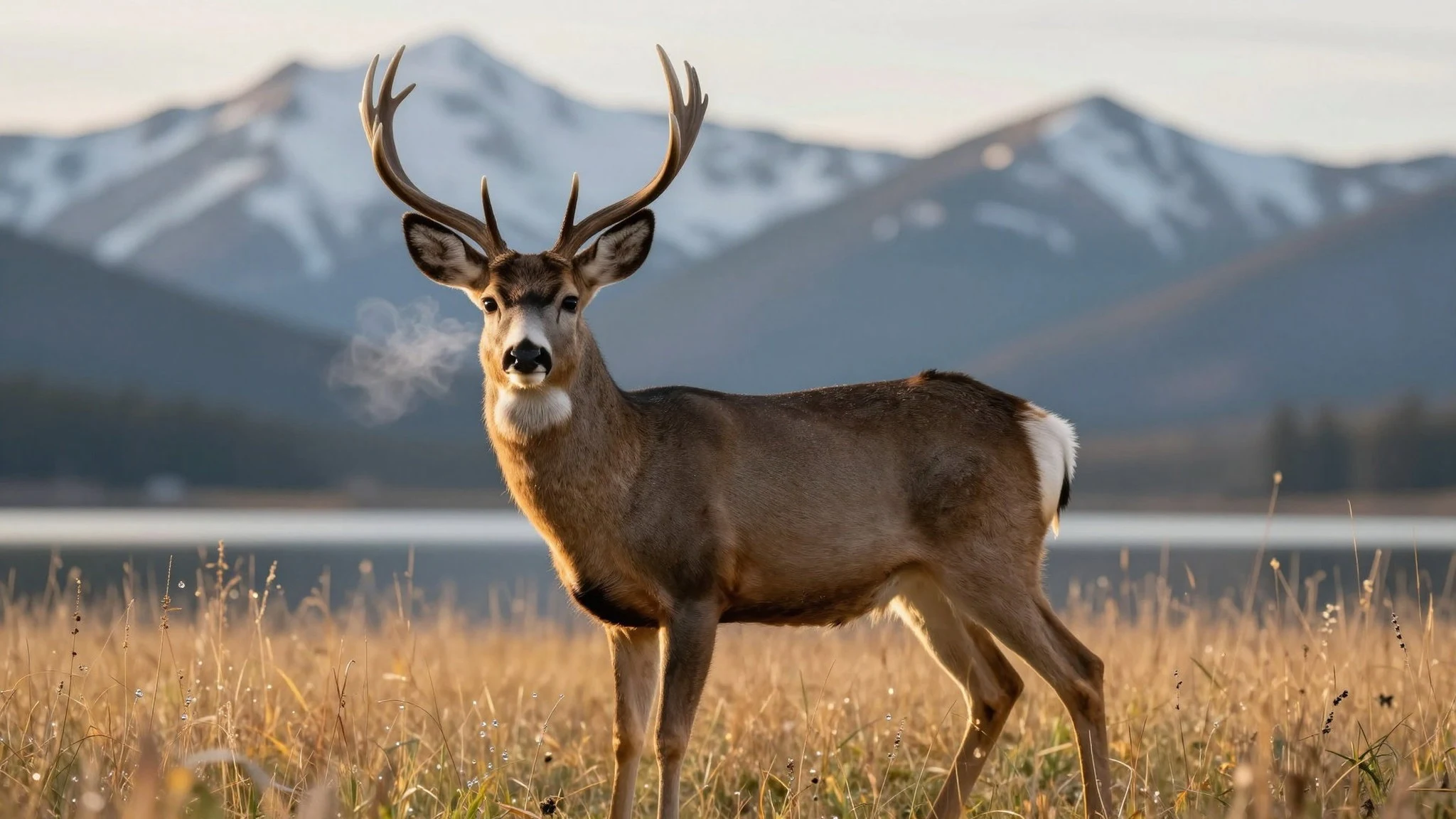
- Hoary marmot (animal)
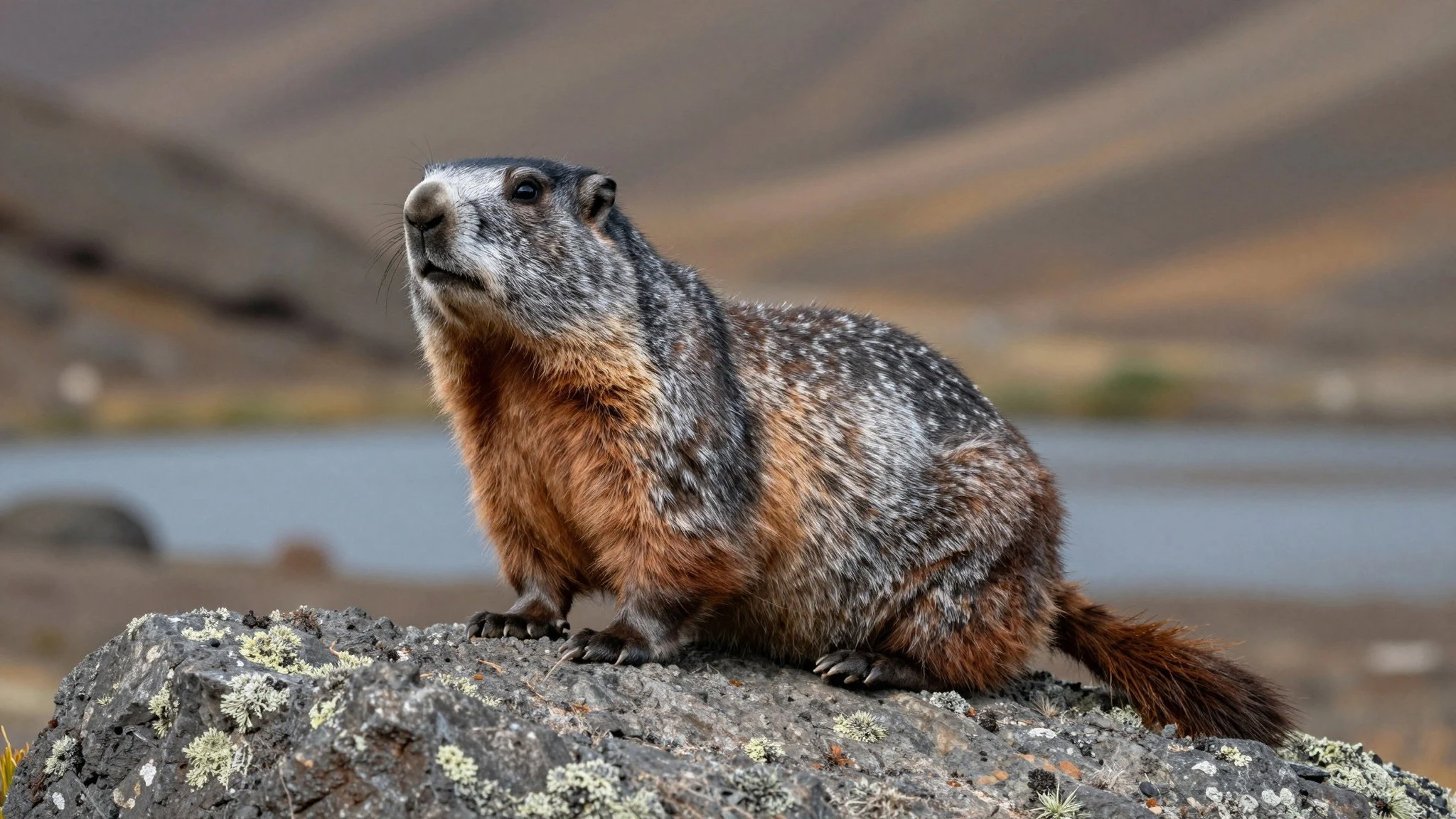
The hoary marmot is a mountain animal that lives among rocks and nibbles grass on the slopes, a bit like a hillside neighbour. In Three Sisters, look near the tree line, where grassy slopes meet rocky ground that gives it shelter. Ask a guide about the best season and time of day. Watch from a respectful distance, keep quiet so it stays relaxed, and never offer food; it finds plenty to eat on its own.