Yellowstone
Yellowstone, United States
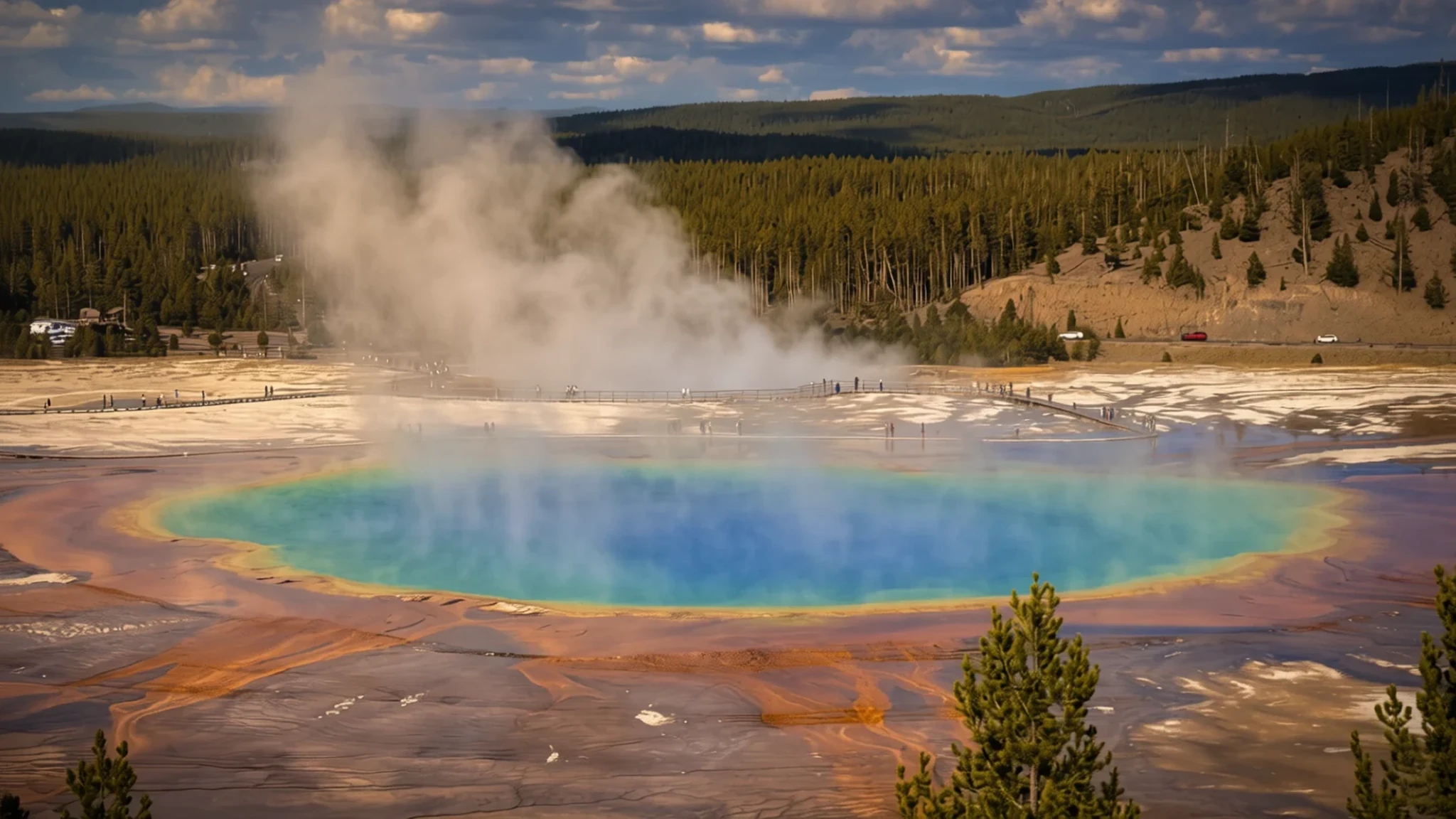
Visit Yellowstone to witness the world's first national park, where extraordinary geothermal wonders and wild herds shape a vast volcanic wilderness.
The place
Yellowstone stretches across the northwest corner of Wyoming and reaches into neighbouring Montana and Idaho, sitting high within the South Central Rockies forests ecoregion. Subalpine forest dominates the landscape, wrapping around thermal basins, deep river canyons, and sweeping upland valleys. This rugged terrain is defined by volcanic forces and elevation, averaging well over two thousand metres above sea level. Beneath the surface lies a restless supervolcano that powers thousands of thermal features, from roaring geysers to acidic mud pots and mineral-rich springs painted in striking shades of orange, yellow, and deep blue. Wildlife thrives across these diverse biomes, offering rare glimpses of large mammals moving freely across high-altitude plains and forested ridges. Despite its protected status, the park experiences heavy visitor traffic along its central corridors during peak months, contrasting sharply with the profound quiet found deep within the backcountry trails. Weather shifts rapidly across the park's elevated plateaus, bringing sudden afternoon storms even during the warmest months.
Its story
Human history in the Yellowstone region stretches back at least eleven thousand years, documented through archaeological finds such as Clovis-era obsidian points recovered near Gardiner. Early Indigenous groups followed migrating bison herds into the high country and regularly quarried obsidian from Obsidian Cliff to fashion tools and weapons. Trade networks carried this volcanic glass hundreds of miles across the continent, where it appeared as ceremonial goods within distant Hopewell culture burial mounds. Later, Shoshone groups established seasonal summer camps at the southern end of Yellowstone Lake, while Cody people fished, boated, and hunted large game along its eastern shore. Non-Indigenous trappers and mountain men traversed the area during the early nineteenth century, returning with tales of boiling mud and roaring steam vents that many dismissed as tall tales. Organized scientific expeditions in the late nineteenth century documented the region's extraordinary natural wonders, prompting lawmakers to protect the land. In the spring of eighteen seventy-two, the United States Congress passed legislation signed by President Ulysses S. Grant establishing Yellowstone as the nation's first national park, setting a global precedent for wilderness preservation.
What to see
- Yellowstone Lake — Southern interior
This natural high-elevation lake is a striking alpine expanse cradled by mountain peaks and pine forests. It forms one of the largest high-altitude lakes on the continent, featuring an extensive shoreline where native cutthroat trout swim and nesting ospreys hunt above the cold, clear water.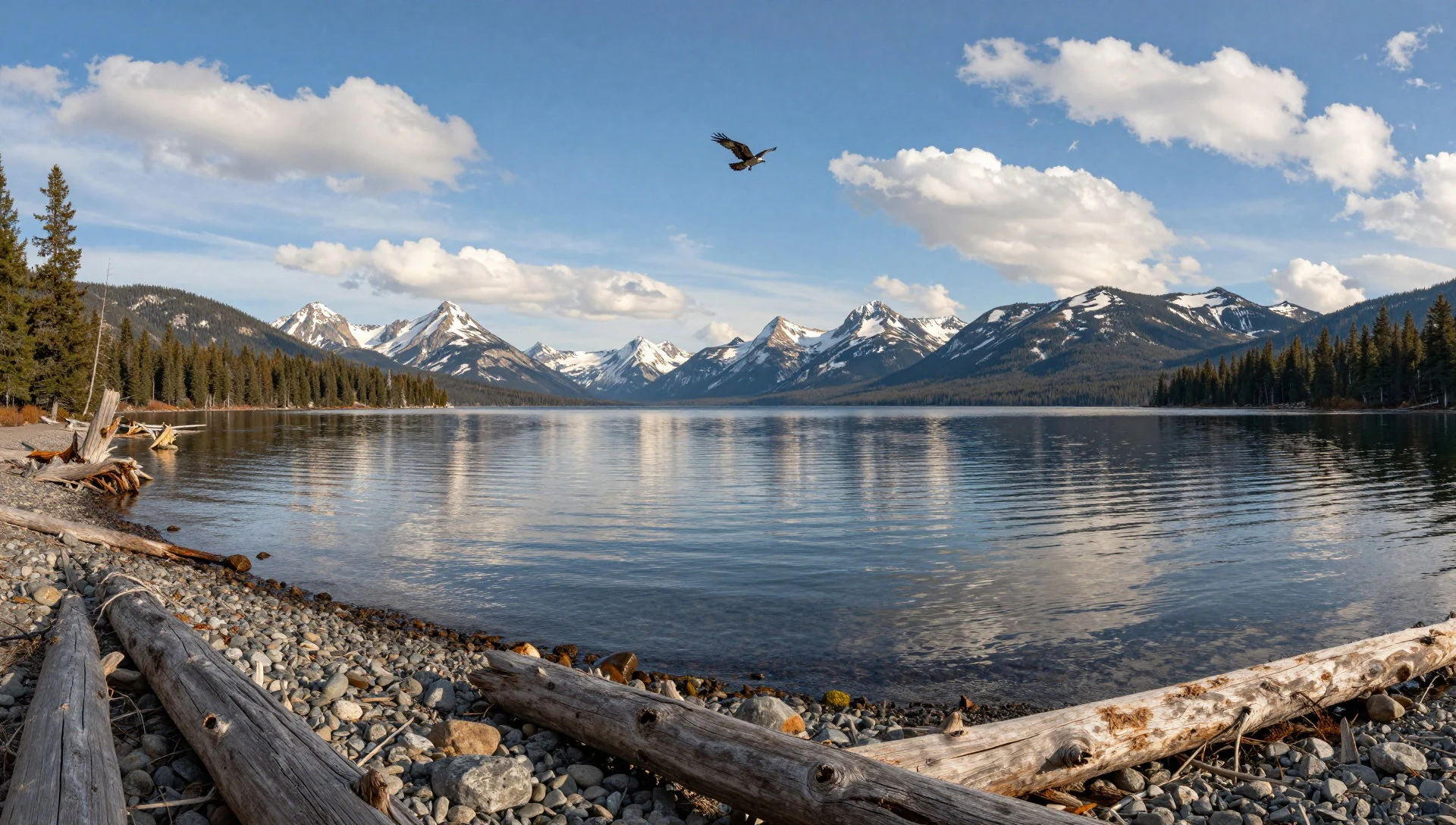
- Hayden and Pelican Valleys — Central plateau
Vast, open expanses flanked by rolling hills and timbered ridges, these broad northern valleys provide premier viewing grounds for large herds of roaming bison, elk, and grizzly bears foraging in the sagebrush and riverside willows during the early morning hours.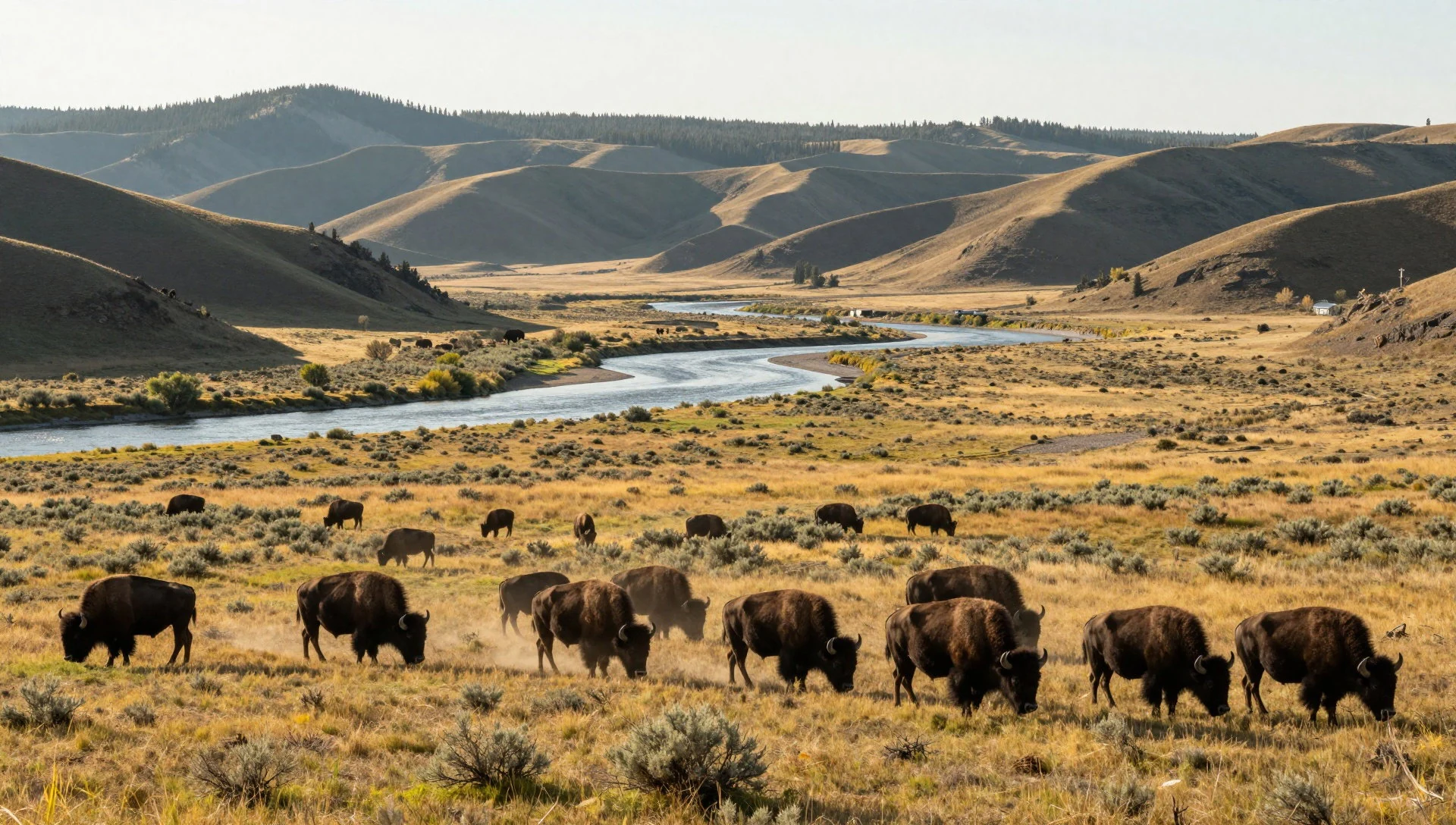
- Natural Bridge — Near Yellowstone Lake
A quiet pathway winds through subalpine forest to this striking geological arch carved entirely from rhyolite rock by the steady flow of Bridge Creek. Visitors can approach the span via an easy walk or bicycle trail away from the heavy roadside crowds.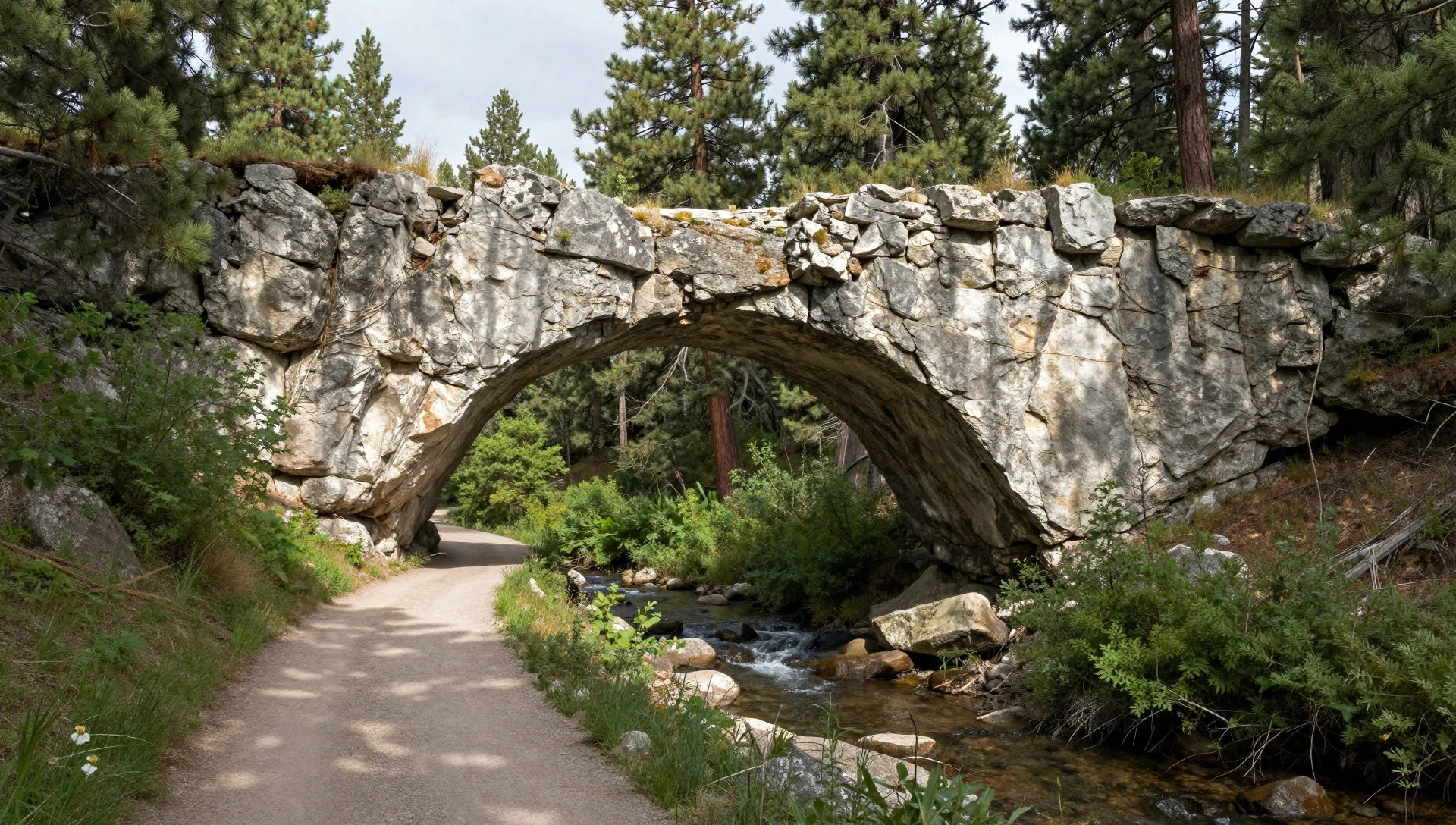
- LeHardy Rapids — Yellowstone River corridor
A powerful, churning cascade where the Yellowstone River surges over rocky ledges as it transitions from the calm expanse of the lake into a northward-flowing canyon. Wooden boardwalks allow observers to watch migrating cutthroat trout attempt to leap the roaring white water.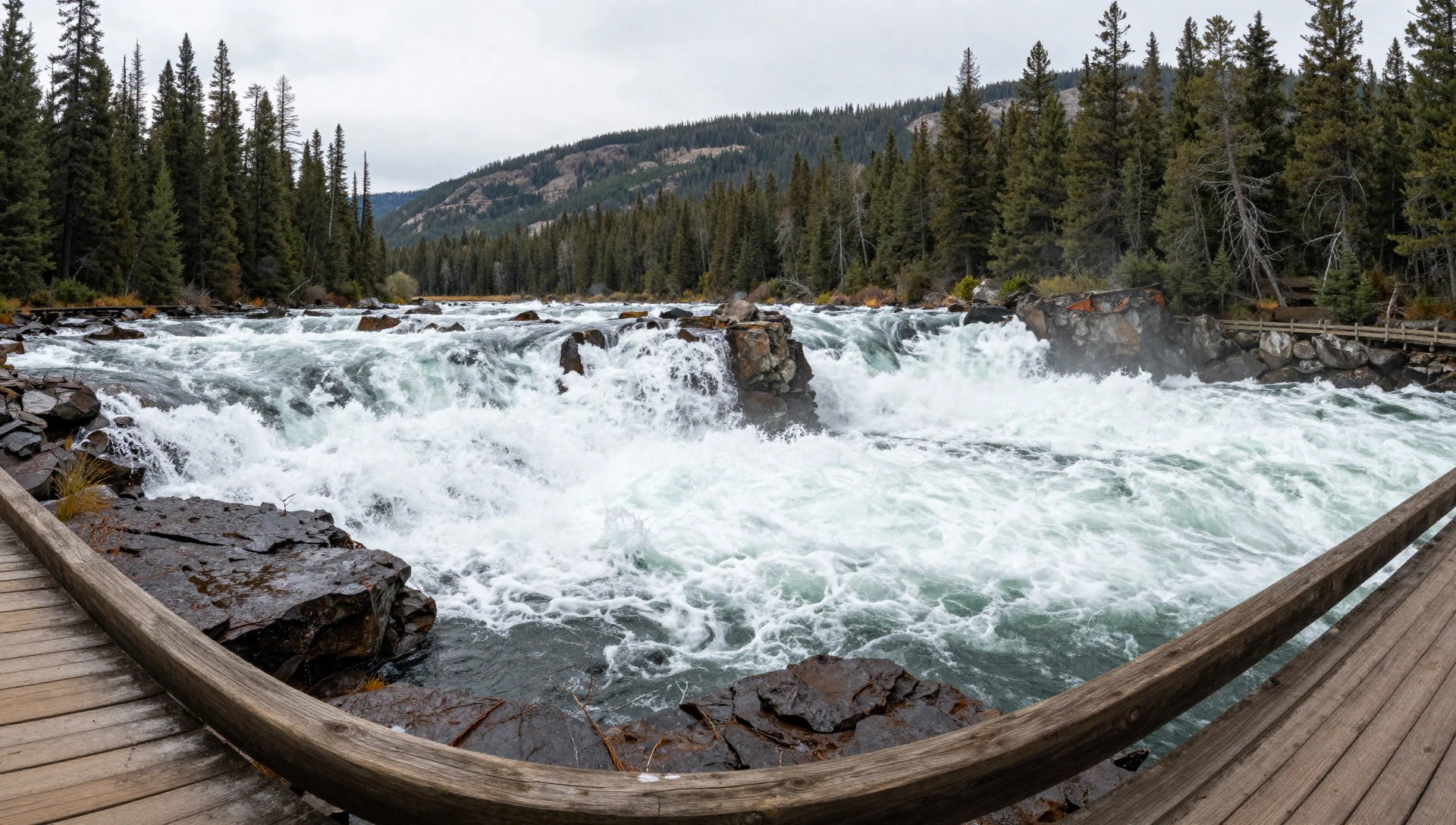
- Mud Volcano and Sulphur Caldron — East-central thermal area
An active thermal area characterized by hissing steam vents, acidic pools, and bubbling grey mud. The pungent smell of hydrogen sulphide fills the air around these restless geothermal features, which are viewed safely from elevated wooden boardwalks.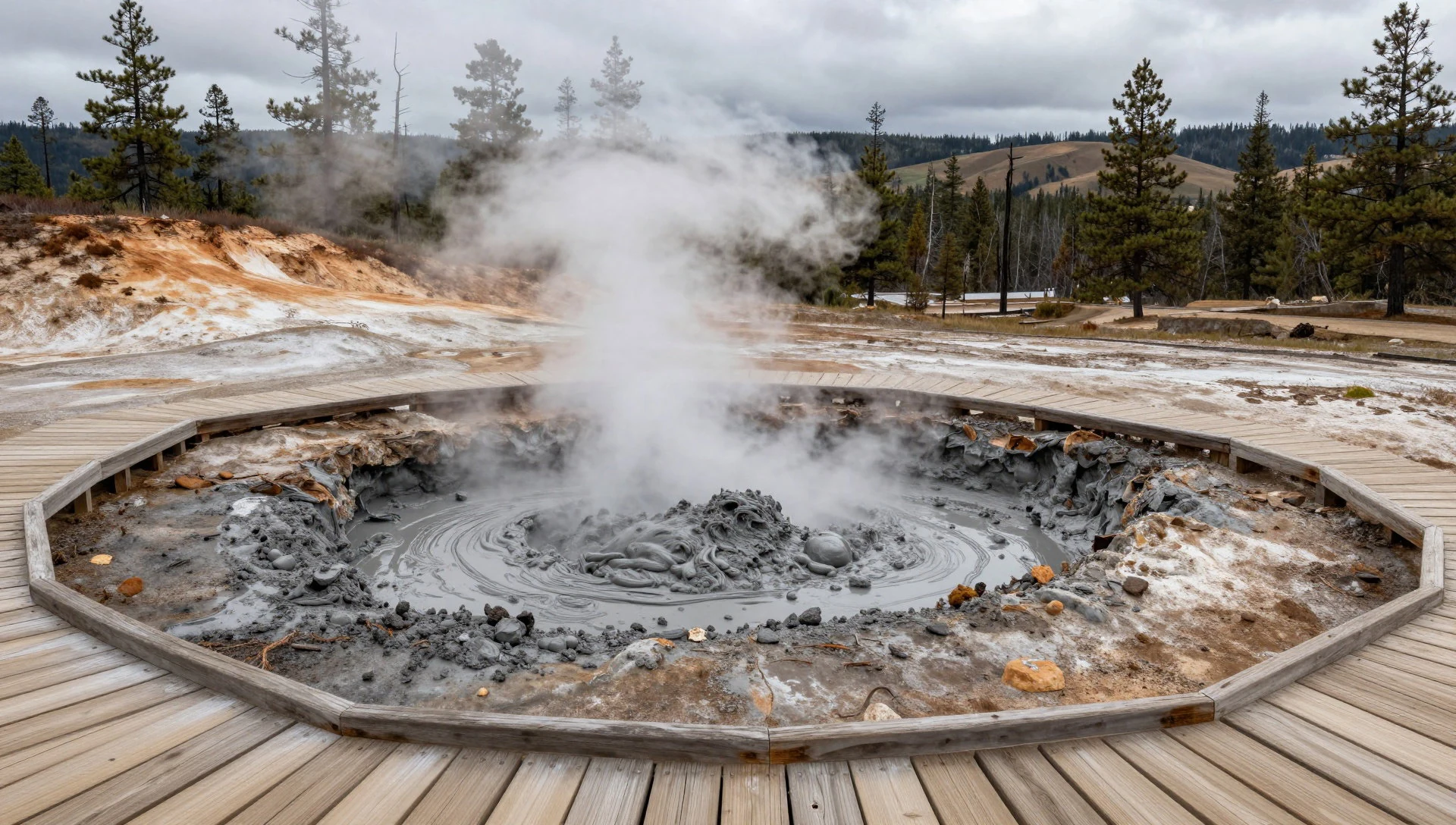
Culture
The cultural fabric of Yellowstone is deeply rooted in the stewardship traditions of numerous Native American tribes who maintained spiritual and economic ties to the landscape long before federal protection began. Modern park culture blends outdoor recreation, conservation science, and respect for wild spaces, drawing travellers from across the globe who come to marvel at geothermal phenomena and iconic North American megafauna. Park rangers play a central role in educating visitors on wilderness ethics and wildlife safety protocols, fostering an atmosphere of shared responsibility for protecting fragile thermal crusts and unpredictable animal populations. Visitors often gather at scenic viewpoints and boardwalks to share observations of passing wildlife, creating an egalitarian community united by a sense of awe for the natural world. Always maintain a safe distance from wild animals and never approach bison or bears, keeping at least the required legal buffer for your own safety and the animals' well-being.
What to wear
While Yellowstone has no distinct traditional folk costume worn today, its historical heritage is reflected in the rugged outdoor attire favoured by generations of park rangers, researchers, and mountain guides. Traditional materials include heavy wool, durable cotton canvas, and sturdy leather boots designed to withstand wet ground and volcanic terrain. Contemporary visitors dress entirely for utility and mountain weather, relying on technical fleeces, waterproof outer shells, moisture-wicking base layers, and sturdy walking shoes or hiking boots with good traction. Because temperatures fluctuate dramatically between bright midday sun and freezing alpine nights, dressing in flexible layers is essential regardless of the season. A wide-brimmed hat, sunglasses, and high-factor sunscreen are necessary for protection against intense ultraviolet radiation at high elevations, while a compact daypack helps carry extra clothing and rain gear during sudden afternoon thunderstorms.
What to eat
- Canyon Lodge Dining Room — Canyon Village complex
A spacious sit-down dining venue offering hearty regional meals, featuring traditional breakfast buffets, midday lunches, and comforting evening mains designed to fuel travellers after long days of hiking. - Canyon Lodge Cafeteria — Canyon Village complex
A casual, self-service eatery providing a wide variety of quick breakfast items, warm soups, deli wraps, and sandwiches ideal for visitors seeking a fast meal before heading out to the trails. - Canyon Lodge Deli — Canyon Village complex
A convenient spot within the village square offering grab-and-go snacks, cold beverages, custom-built deli sandwiches, and ice cream for a quick treat on warm afternoons. - Grant Village Dining Room — Grant Village area
An established sit-down restaurant overlooking southern waters, serving classic American lodge fare including wild salmon and locally sourced bison top sirloin. - Grant Village Lakehouse Restaurant — Grant Village area
A relaxed dining space featuring panoramic lake views and a straightforward menu of burgers, fresh salads, and comforting sandwiches for casual lunches or dinners.
Plan it
Best time. June to September offers accessible roads and milder daytime temperatures, though July and August bring peak crowds. Spring and autumn provide quiet trails but carry risks of snow and temporary road closures.
How long. 3–5
Getting there. Fly into Jackson Hole Airport in neighbouring Grand Teton National Park, then rent a car to drive north into Yellowstone's southern entrance.
Budget. mid
Tips
- Book park lodges and vehicle rentals many months in advance due to high summer demand
- Arrive at popular geothermal basins and trailheads before 8 am to secure parking and avoid crowds
- Keep a safe distance of at least one hundred yards from bears and wolves, and twenty-five yards from bison and elk
- Carry bear spray, know how to use it, and keep it accessible on your hip or chest harness
- Drink plenty of water and wear sunscreen to combat dehydration at high mountain elevations
Etiquette
- Stay strictly on designated boardwalks and paths to protect fragile thermal crusts and prevent severe burns
- Never feed or touch any park wildlife, regardless of how tame or accustomed to humans they may appear
Nearby
Sources
- Wikidata Q351 (CC0)
- Wikipedia (rev 1381614708) (CC BY-SA 4.0)
- Wikivoyage (rev 5370877) (CC BY-SA 4.0)