Tashilhunpo Monastery
Tashilhunpo Monastery, People's Republic of China
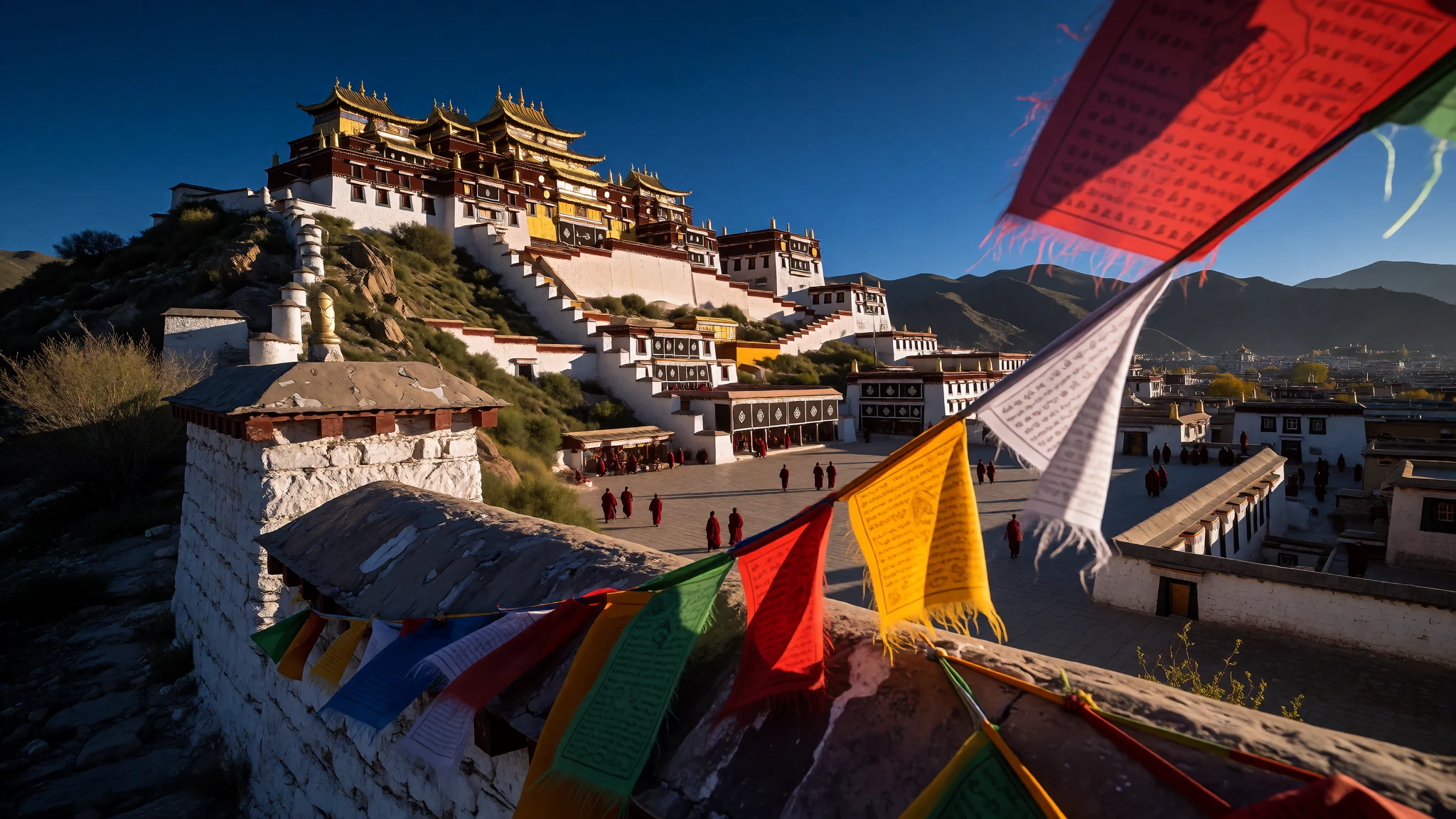
Visit for the spiritual grandeur of the Panchen Lama's seat and the striking architecture of Shigatse's hill.
The place
Tashilhunpo Monastery sits prominently upon a hill in Shigatse, the second-largest city in Tibet. As a primary centre for the Gelug school of Tibetan Buddhism, the complex is an architectural marvel of white-washed walls and gilded roofs. The monastery serves as the traditional seat of the Panchen Lama, making it a site of immense religious and political significance. Its Tibetan name translates to a "heap of glory," reflecting the wealth of spiritual knowledge and art housed within. Pilgrims frequently gather here, moving in a slow, rhythmic clockwise circle around the outer walls on the sacred path known as the lingkhor. The air is thin and often crisp, adding to the sense of isolation and purity that defines the site. Visitors will find the scale of the monastery imposing, with vast courtyards and heavy wooden doors that lead into dimly lit, incense-filled halls. While the city of Shigatse buzzes with modern trade and transit, the monastery remains a pocket of ancient stillness, though it can become quite crowded during regional festivals. The sunlight at this altitude is piercing, often making the gold-plated turrets shine with a brilliance that has captivated foreign travellers for centuries.
Its story
The origins of Tashilhunpo Monastery date back to 1447, when it was established by Gedun Drub. He was a disciple of the philosopher Je Tsongkhapa and later became known as the First Dalai Lama. The initial construction was made possible through the generosity of local nobles who provided the necessary funds to create a sanctuary for study and prayer. Over the following centuries, the monastery grew in prominence, eventually becoming the residence of the Panchen Lamas. One of the most significant periods of expansion occurred under the Fourth Panchen Lama, who was the first of the lineage to receive recognition from Mongolian rulers. However, the monastery's history has not been without turmoil. In 1791, the Gorkha Kingdom invaded Tibet and captured Shigatse, leading to the sacking of the monastery. This prompted a military response from a combined Tibetan and Chinese force, which eventually pushed the invaders back toward Kathmandu. The subsequent peace treaty forced the Gorkhas to return looted items and pay regular tributes. In more recent times, the site has continued to be a focal point of Tibetan administration and faith, maintaining its role as the spiritual home for the Panchen Lama lineage under the evolving political landscape of the region.
What to see
- Main Temple Complex — Central Hill, Shigatse
The heart of Tashilhunpo Monastery contains the residential quarters and administrative offices of the Panchen Lamas. The architecture is characterized by massive walls and ornate gold canopies that house sacred relics, ancient scriptures, and intricate murals depicting Buddhist cosmology and the lives of the saints.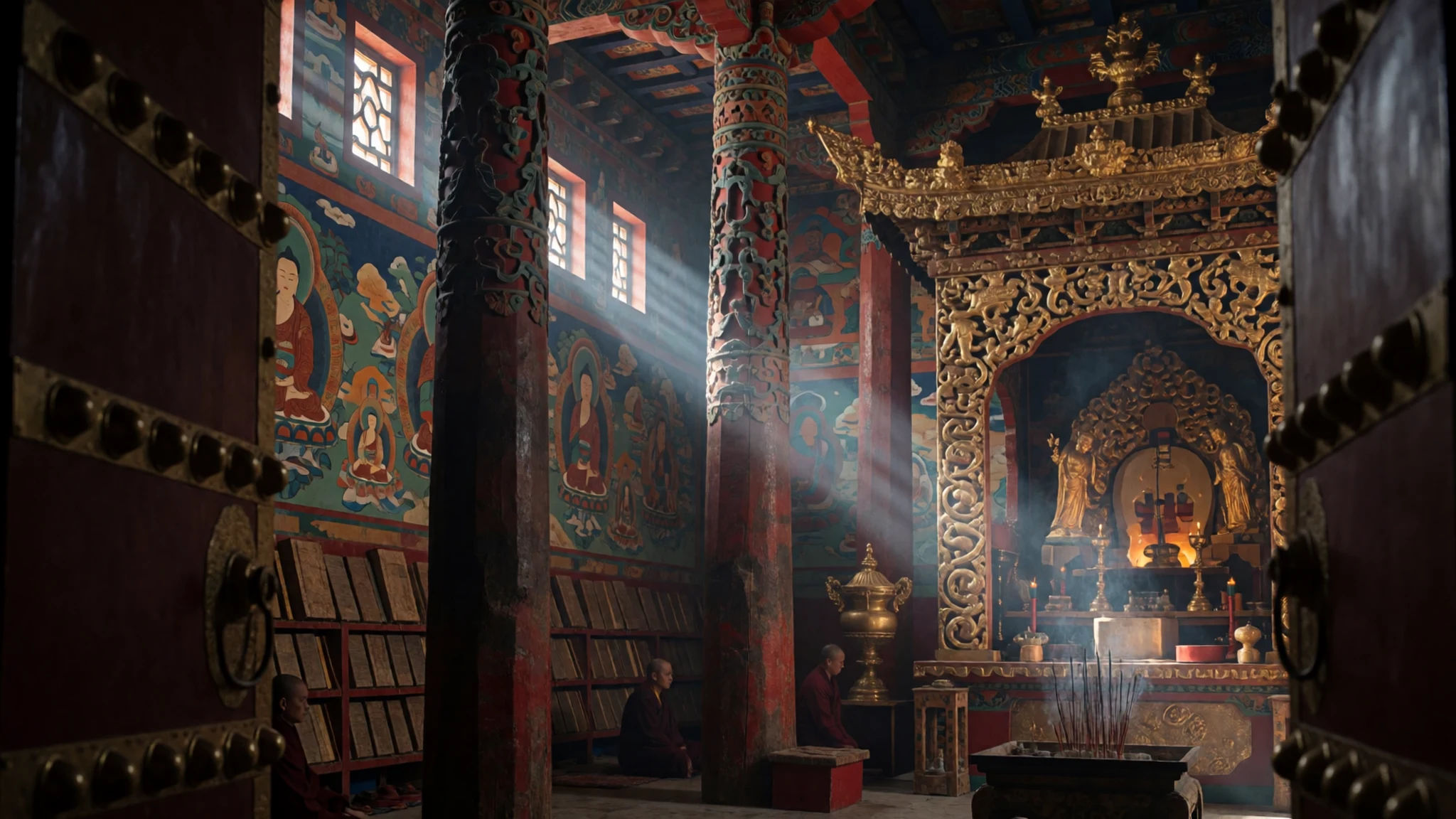
- The Lingkhor Path — Monastery Perimeter, Shigatse
This sacred circumambulation route circles the exterior of the monastery walls. It is a place of deep devotion where pilgrims walk clockwise, spinning prayer wheels and chanting. The path offers a meditative way to experience the monastery's outer scale while observing local faith in action.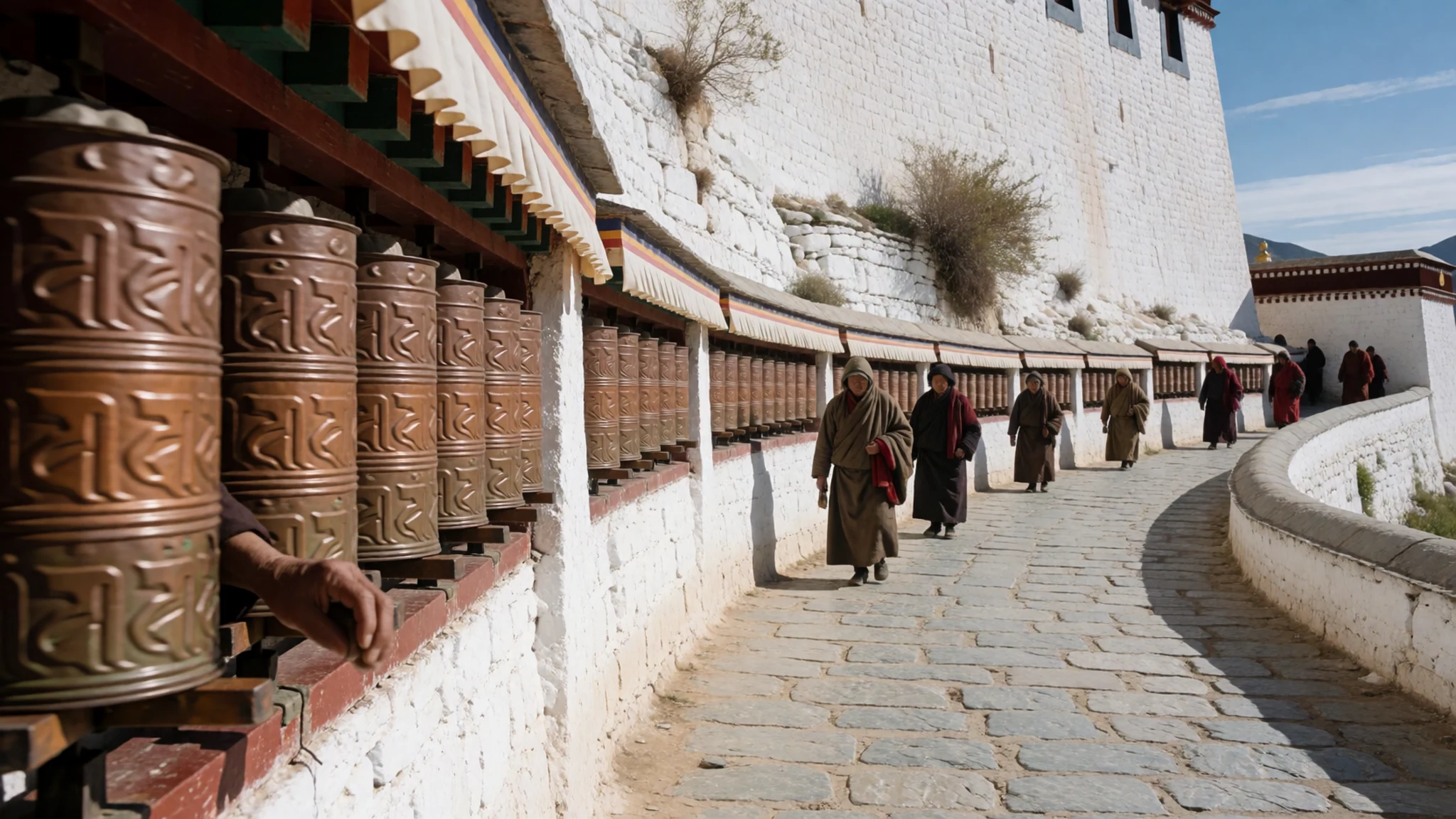
- Old Town Markets — Shigatse Old Town
Located just below the monastery, the free market and gift market provide a vivid contrast to the temple's silence. Here, visitors find traditional Tibetan crafts, prayer flags, and local gemstones, all while experiencing the chaotic energy of Shigatse's historic commercial heart.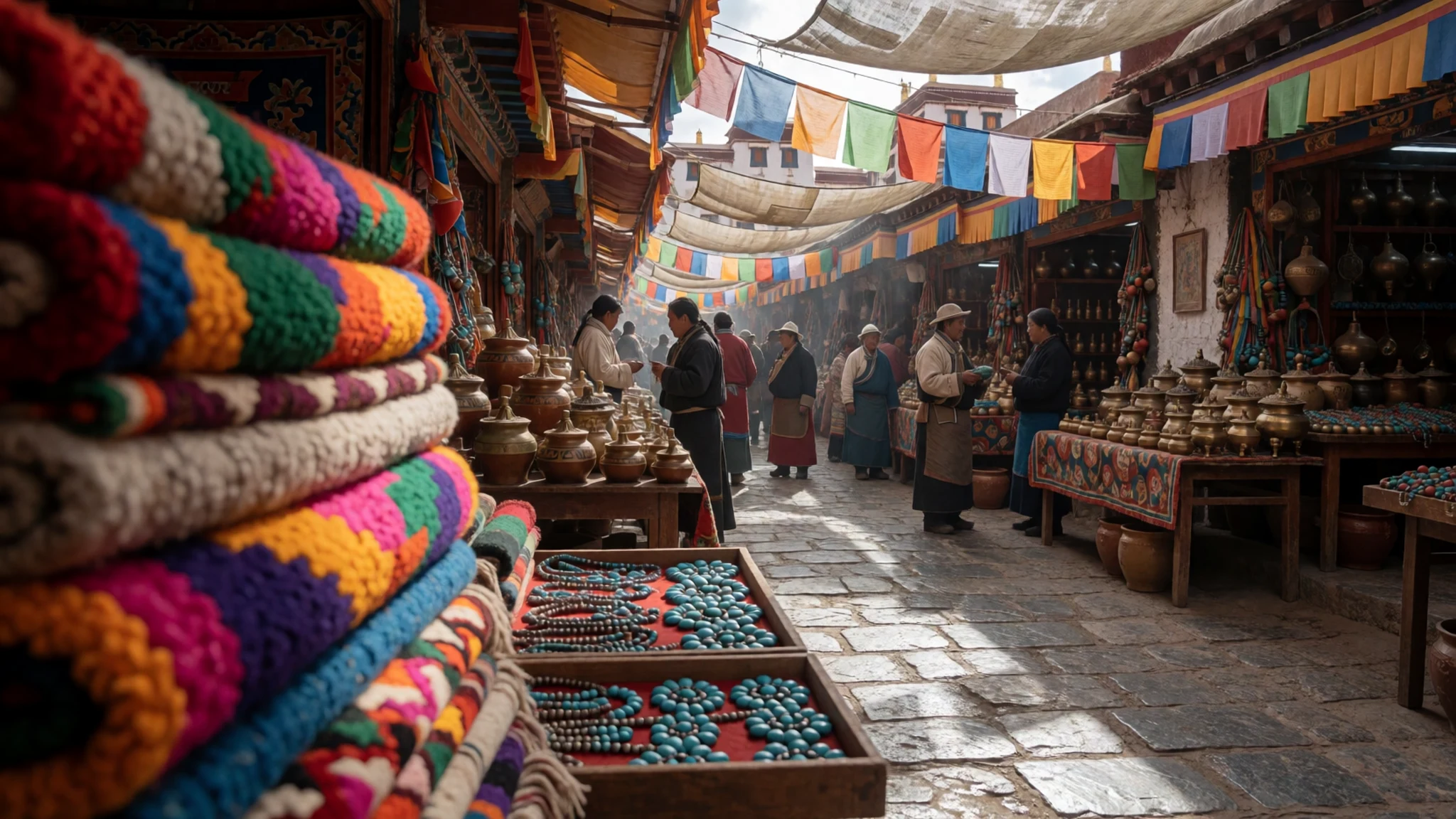
- Shigatse Fortress Ruins — Overlooking Old Town, Shigatse
The remains of the Shigatse Dzong offer a glimpse into the city's military past. These ruins overlook the town and the monastery, providing a historic perspective on how the town was defended and administered by prefects appointed from the capital city of Lhasa.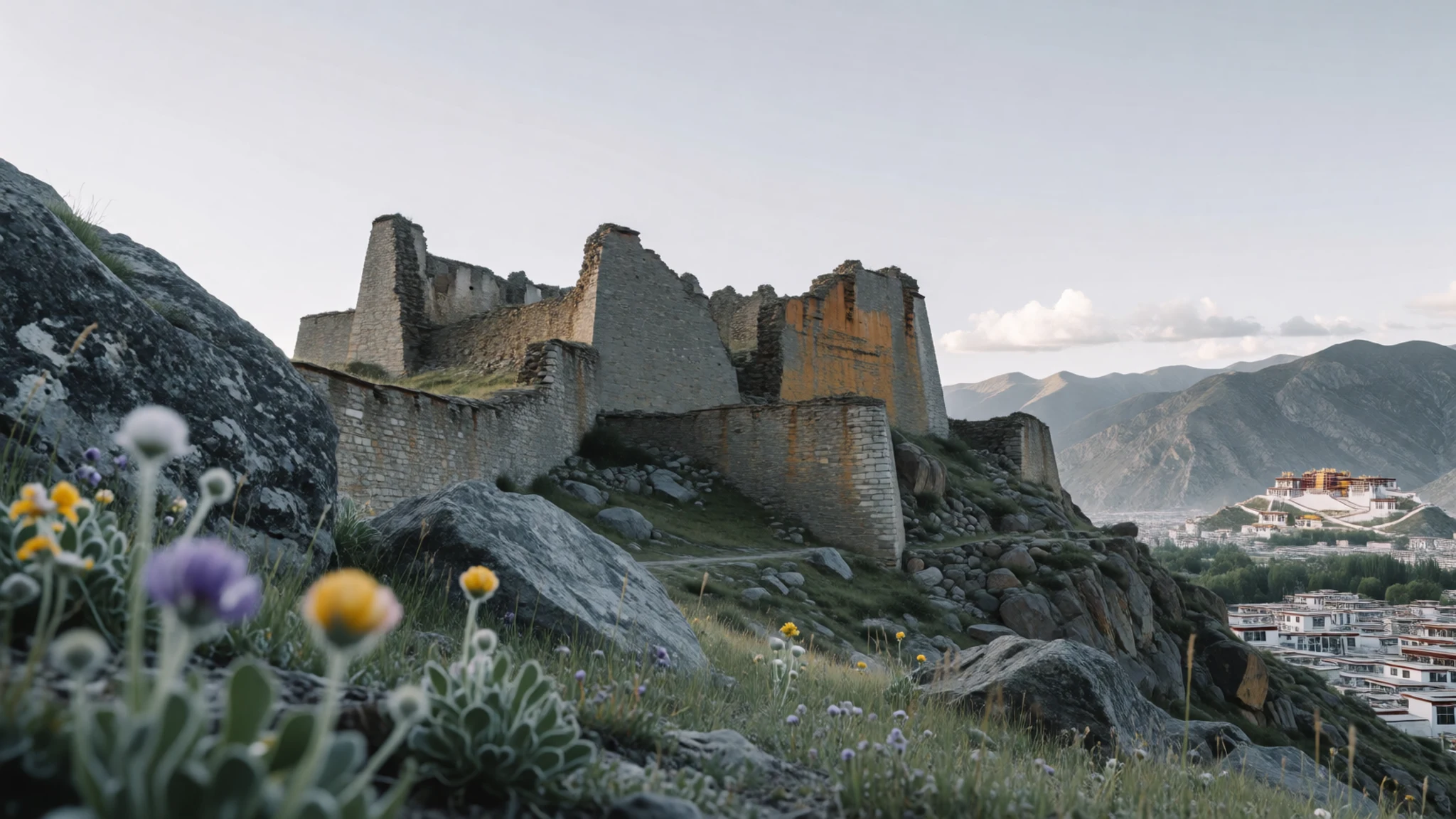
Culture
Life at Tashilhunpo Monastery is governed by the rhythms of the Gelug tradition, where discipline and scholarship are paramount. The monastic community maintains a rigorous schedule of prayer, debate, and meditation. For the local population, the monastery is not just a monument but a living entity that provides spiritual guidance and community structure. The atmosphere is often thick with the scent of juniper incense and the sound of deep-throated chanting during morning services. Respect for the Panchen Lama and the lineage of tulkus is evident in every gesture of the devotees. There is a strong emphasis on the concept of merit, which is why so many spend hours walking the lingkhor path. The interaction between the monks and the laypeople is polite and formal, rooted in a shared identity that has survived centuries of regional conflict and political change. When visiting the inner sanctums, please remember to keep your voice low and avoid pointing your feet toward the altars or monks.
What to wear
Traditional dress at Tashilhunpo Monastery is dominated by the deep crimson and saffron robes of the monks, made from heavy wool to withstand the high-altitude chill. Laypeople often wear the chuba, a long, wrap-around robe made of sheepskin or heavy cotton, which is tied at the waist with a sash. In colder months, these are layered with thick furs. Today, you will see a mix of this traditional wear with modern practicalities; many locals in Shigatse wear fleece jackets, puffer coats, and sturdy boots to deal with the unpredictable weather. For a visitor, clothing must be modest and layered. Shoulders and knees should be covered to respect the religious nature of the site. Because the monastery is situated on a hill and the terrain can be uneven, sturdy walking shoes or boots are essential. Given the thin air and intense sun, a wide-brimmed hat and a windproof jacket are necessary even in the warmer months, as temperatures can drop sharply the moment the sun disappears behind the peaks.
What to eat
- Tsampa — Local eateries near the monastery
A staple roasted barley flour, often mixed with butter tea to form a dough. It is the primary energy source for locals and monks, providing sustained warmth and calories in the cold climate.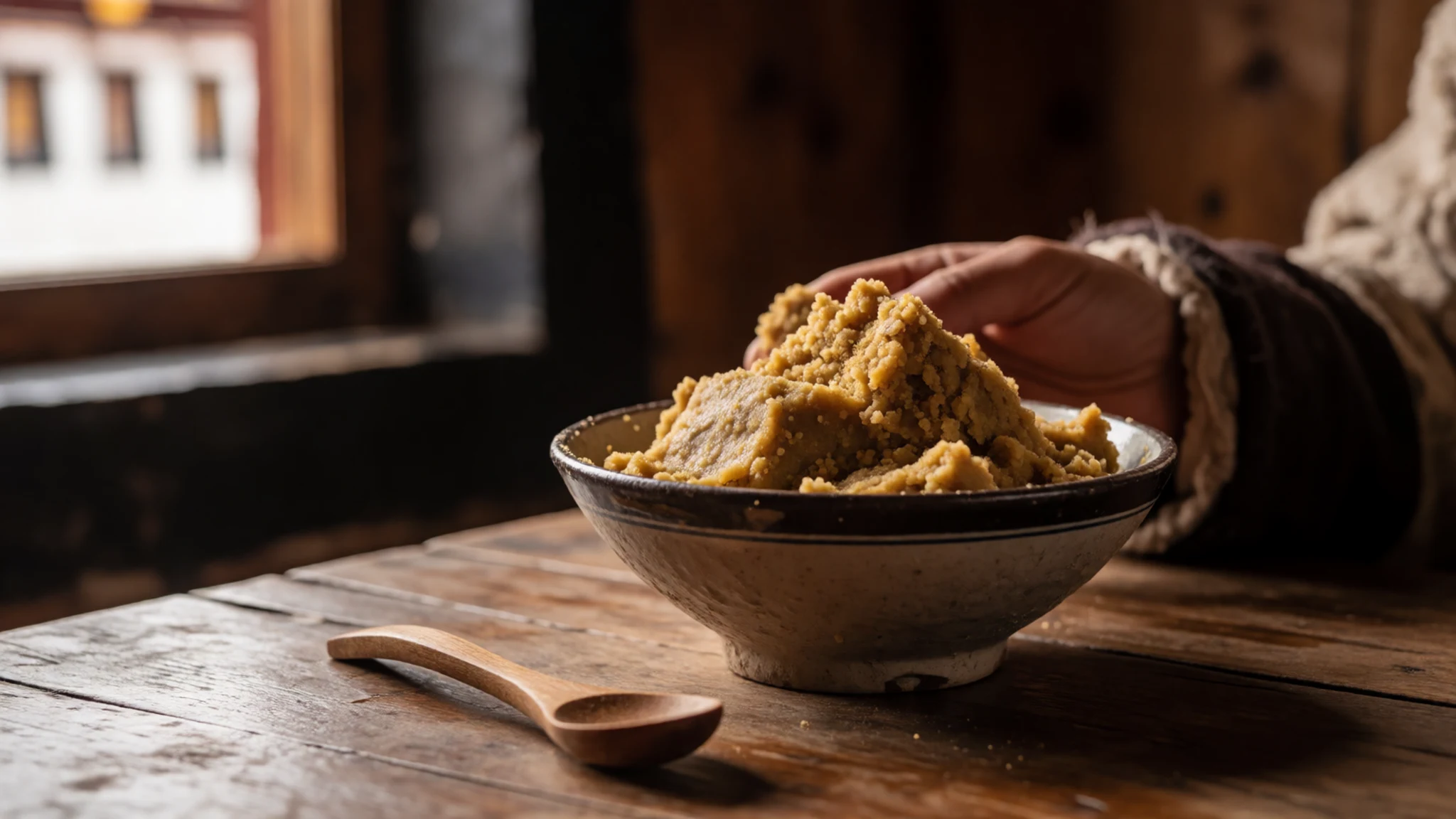
- Butter Tea (Po Cha) — Traditional tea houses in Old Town
A salty, creamy tea churned with yak butter and salt. It is essential for hydration and warmth at high altitudes and is served in almost every home and tea house in Shigatse.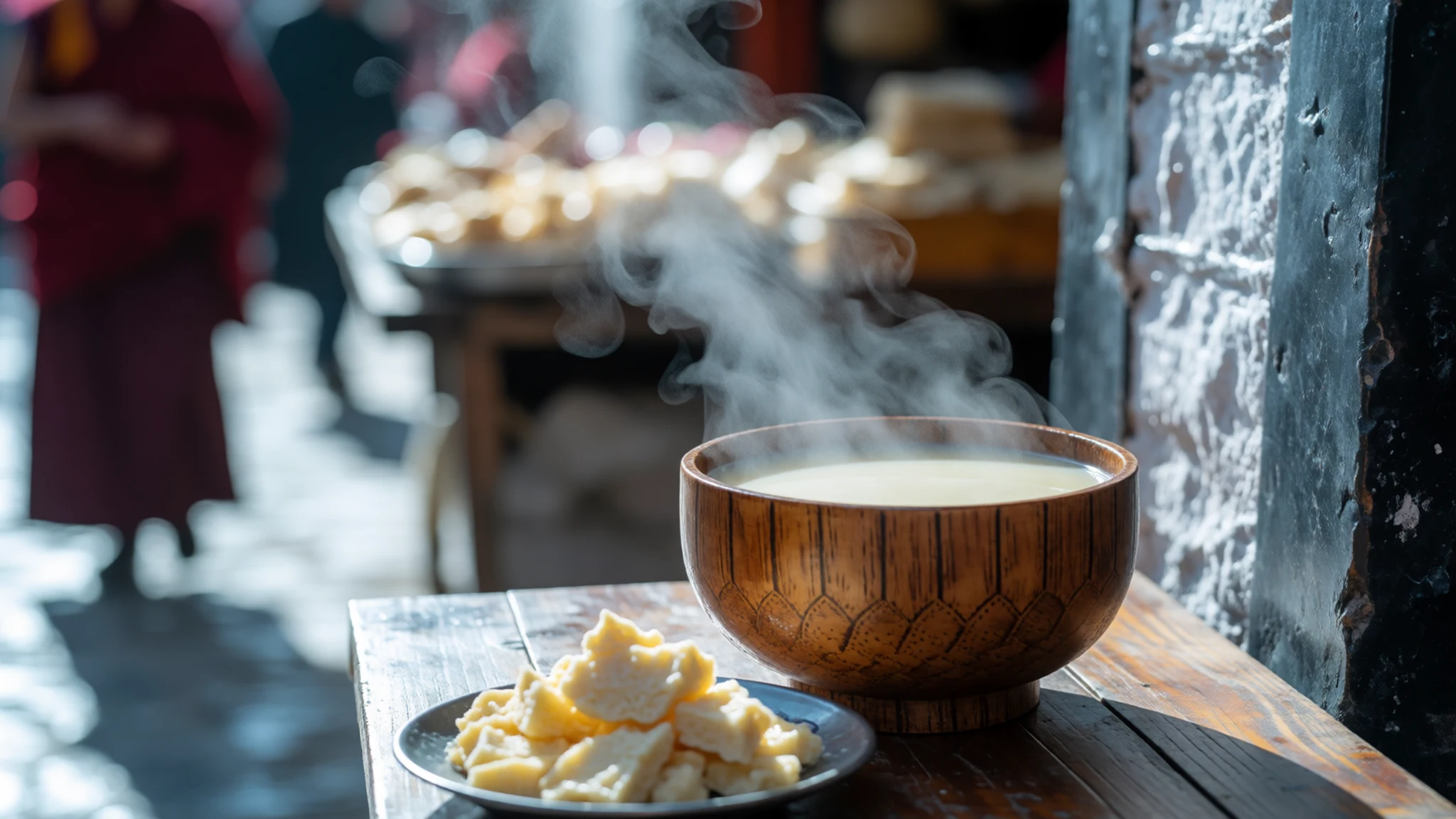
- Tibetan Momos — Street stalls in the free market
Steamed dumplings filled with yak meat or vegetables, usually served with a spicy tomato-based dipping sauce. They are a popular street food and a comforting meal during the chilly evenings. - Yak Meat Stew — Restaurants near the Samdup Hotel
A hearty, slow-cooked stew featuring tough but flavourful yak meat, root vegetables, and local spices. It is a filling dish designed to combat the biting wind of the Tibetan plateau.
Plan it
Best time. April–May and September–October offer the most stable weather and clearer skies; winters are brutally cold and summers can bring heavy rains.
How long. 1–2
Getting there. Fly into Shigatse Peace Airport (45 km from city) or take a train from Lhasa, which takes just under three hours.
Budget. mid
Tips
- Acclimatise to the altitude in Lhasa before heading to Shigatse
- Carry plenty of cash for the Old Town markets as cards are rarely accepted
- Visit the monastery early in the morning to avoid the heaviest pilgrim crowds
- Carry a reusable water bottle and drink plenty of water to prevent altitude sickness
- Check with the local police station in Shigatse for easy travel permit renewals
Etiquette
- Walk clockwise around all shrines, stupas, and the monastery walls
- Dress modestly with shoulders and knees covered
- Avoid taking photos of monks or pilgrims without their explicit permission
Nearby
Sources
- Wikidata Q877445 (CC0)
- Wikipedia (CC BY-SA 4.0)
- Wikivoyage (CC BY-SA 4.0)