Tasermiut Fjord
Tasermiut Fjord, Greenland
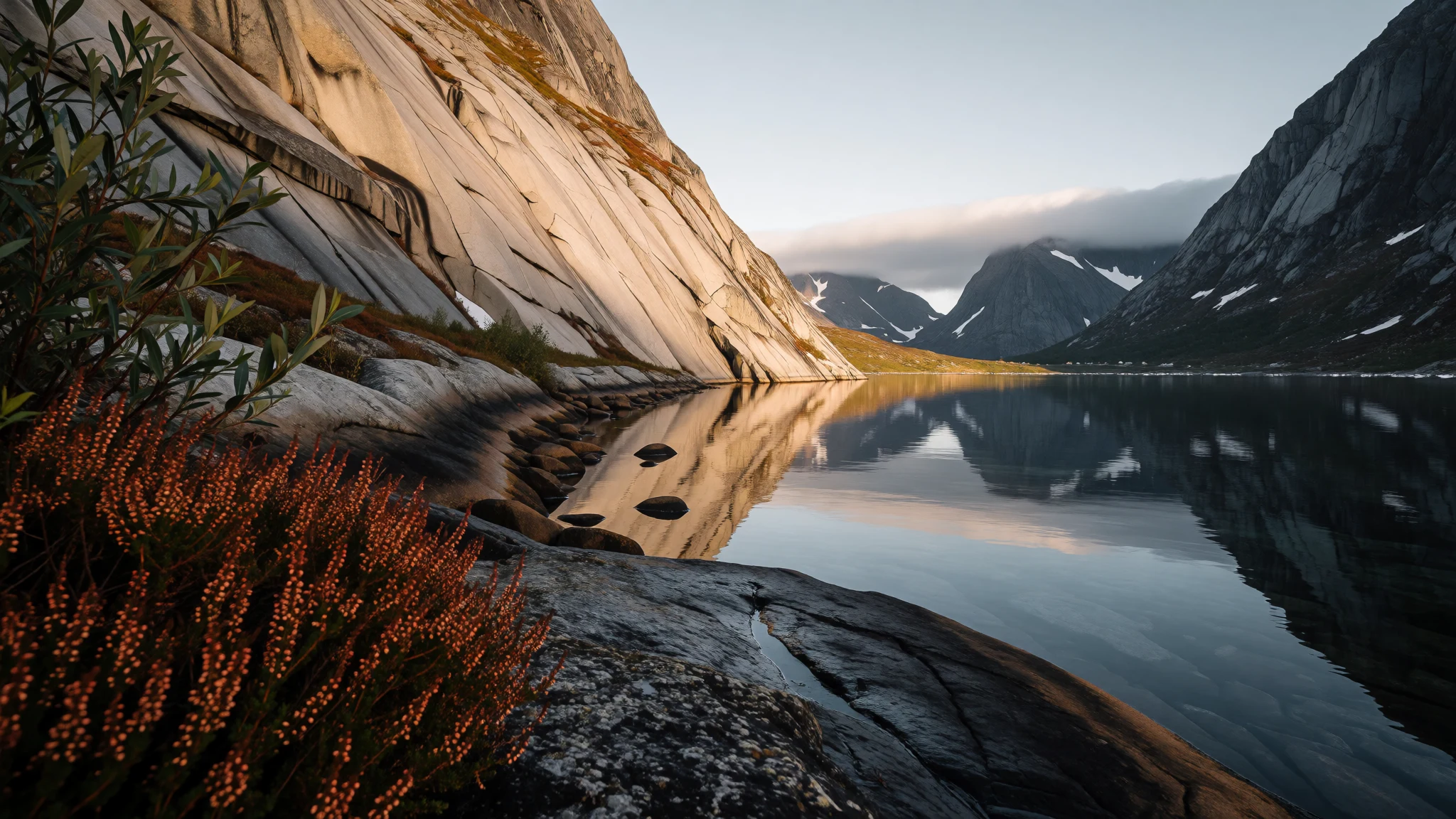
Tasermiut Fjord is southern Greenland's granite cathedral: sheer walls, summer waterfalls and silence, reached only by boat from the small town of Nanortalik.
The place
Tasermiut Fjord cuts into the far south of Greenland, a boat ride from the small town of Nanortalik in the Kujalleq municipality. It is a long, narrow arm of the sea, and its character is vertical. Granite walls rise straight out of the water, and in summer meltwater from the high ground tumbles down them in threads and ribbons. The fjord has no towns. Beyond Nanortalik there are very few permanent homes, some summer camps and the ruins of older settlements, and then the shore gives way to bare rock, heather and low willow and birch scrub that never grows tall. The weather is milder than in the north of the island but wet and changeable. Fog, rain and a cold wind can arrive on a day that began in sunshine. Drifting ice sometimes enters the water, and the sea stays cold enough to demand respect even in August. There are no roads, so boats are the only practical way in. Local operators run day trips and also drop hikers and climbers near the head of the fjord, where a broad valley opens beneath the big granite peaks. The scale is hard to judge from photographs; a fishing boat looks like a toy beside the cliffs. The soundtrack is water, wind and gulls. Because everything depends on weather and tides, plans here bend easily, and a spare day in the schedule is sensible rather than optional. Mosquitoes can be fierce in the warm, still weeks of midsummer.
Its story
Tasermiut Fjord sits in the part of Greenland with the longest record of human use, and the story of the surrounding coast is one of hunters, farmers and traders in turn. Inuit hunting cultures worked the outer coast and fjords for generations, following seals, fish and seabirds with the seasons, and the place names still in use are Greenlandic descriptions of what the land looks like or what lives there. Norse farmers, who settled farther up the west coast of the south, left stone ruins that can still be visited elsewhere in the region, though the Tasermiut area is better known for its Inuit past. Later, Danish colonial trade brought a church, a harbour and a store to Nanortalik, which grew into the main community of the far south and still lives largely from fishing and hunting. The fjord itself stayed quiet for most of that time, a hunting ground and a route rather than a destination. That changed when climbers from Europe and beyond began to notice the granite walls above the water in recent decades. Expeditions arrived with ropes, boats and long waits for good weather, and the big faces gained a name in climbing circles. Today the fjord serves two worlds at once: local families who hunt and fish its waters, and a small number of visitors who come for rock, hiking and landscape. Both depend on the same fragile arrangement of sea, ice and season.
What to see
- A boat trip up Tasermiut Fjord — Between Nanortalik and the head of the fjord
The fjord is best understood from the water. A boat from Nanortalik runs between the walls for hours, passing waterfalls that vary with the weather and rock faces that dwarf the vessel. Bring layers, because the wind off the water is cold even on a bright day, and allow time for stops.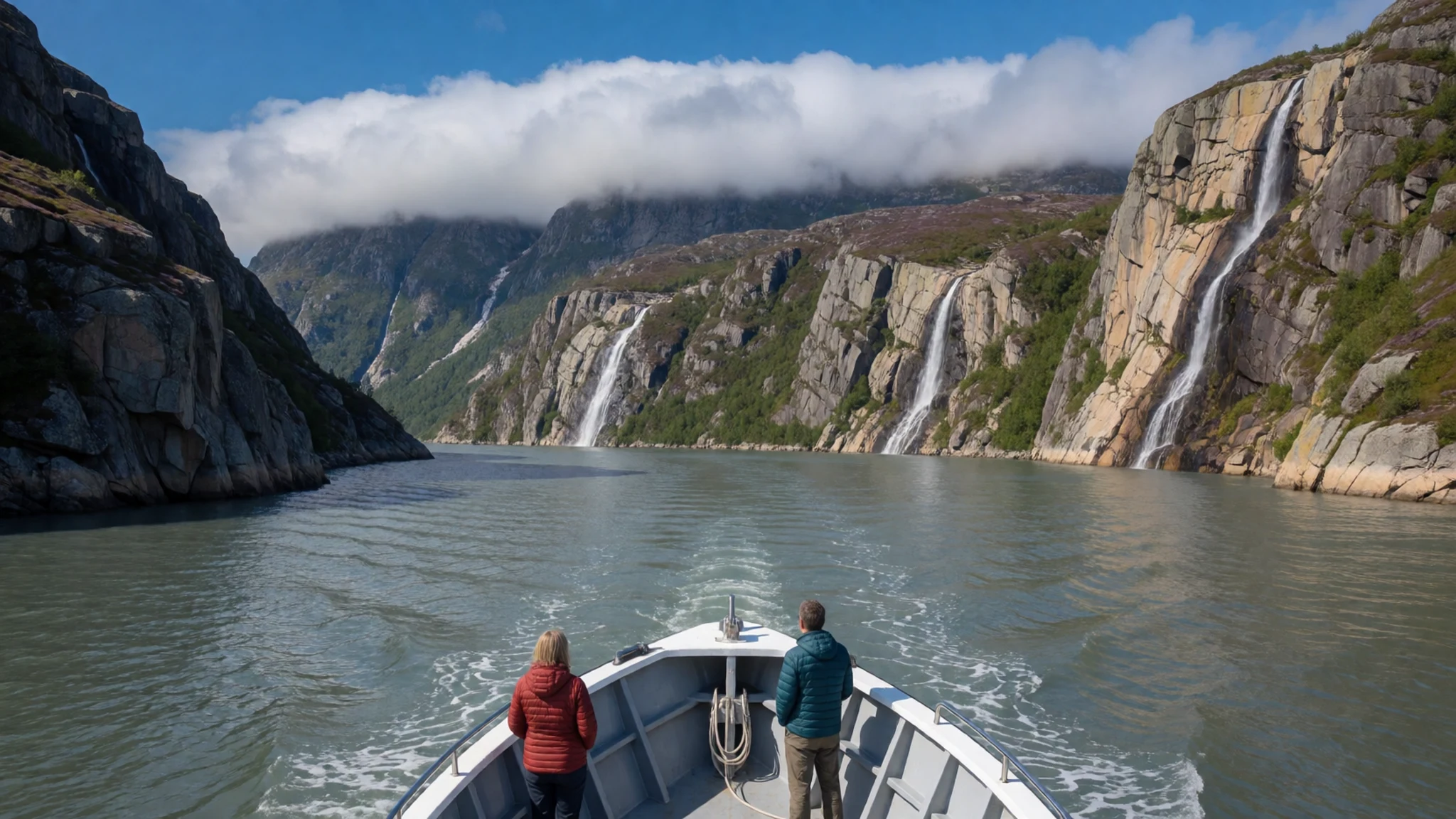
- Nalumasortoq and the granite walls — Head of Tasermiut Fjord
Nalumasortoq is one of the big granite faces seen from the fjord, a pale wall of smooth rock that draws climbers. Most visitors will only look, and that is enough: seen from a boat, the face shows how steep and clean the stone is, and how small any person on it would appear.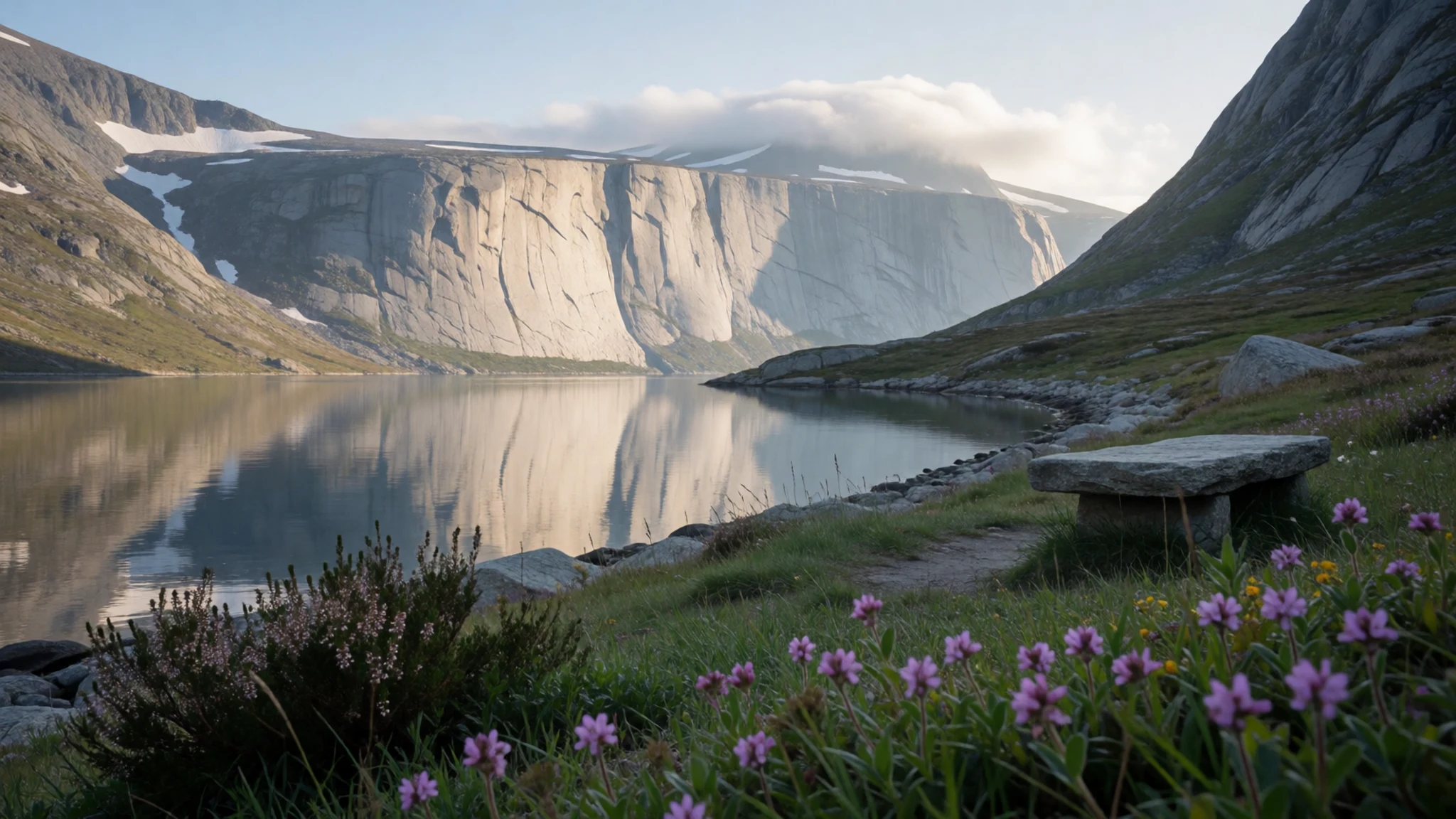
- The valley at the head of the fjord — Head of Tasermiut Fjord
Where the fjord ends, a wide valley runs inland beneath the peaks. Hikers and campers use it as a base, with streams to cross, soft ground and good views back along the water. It is a self-sufficient trip: weather can close in quickly, and help is a long way off.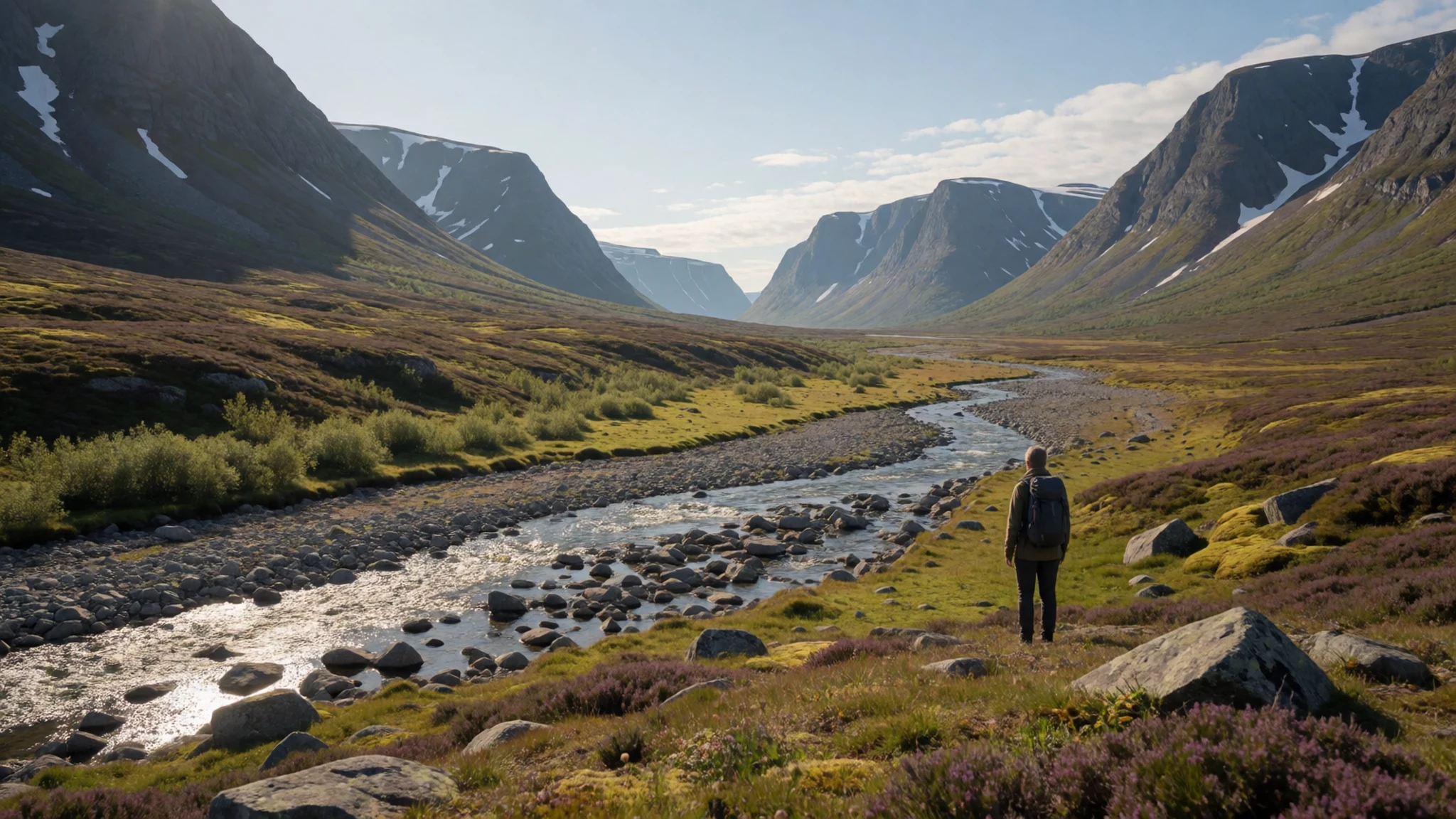
- Nanortalik harbour and museum — Nanortalik
Nanortalik is the practical gateway to the fjord, and a short walk around the harbour shows a working Greenlandic town. The small museum in the older buildings tells the story of Inuit hunting life and colonial trade in the south, and is a useful first stop before heading onto the water.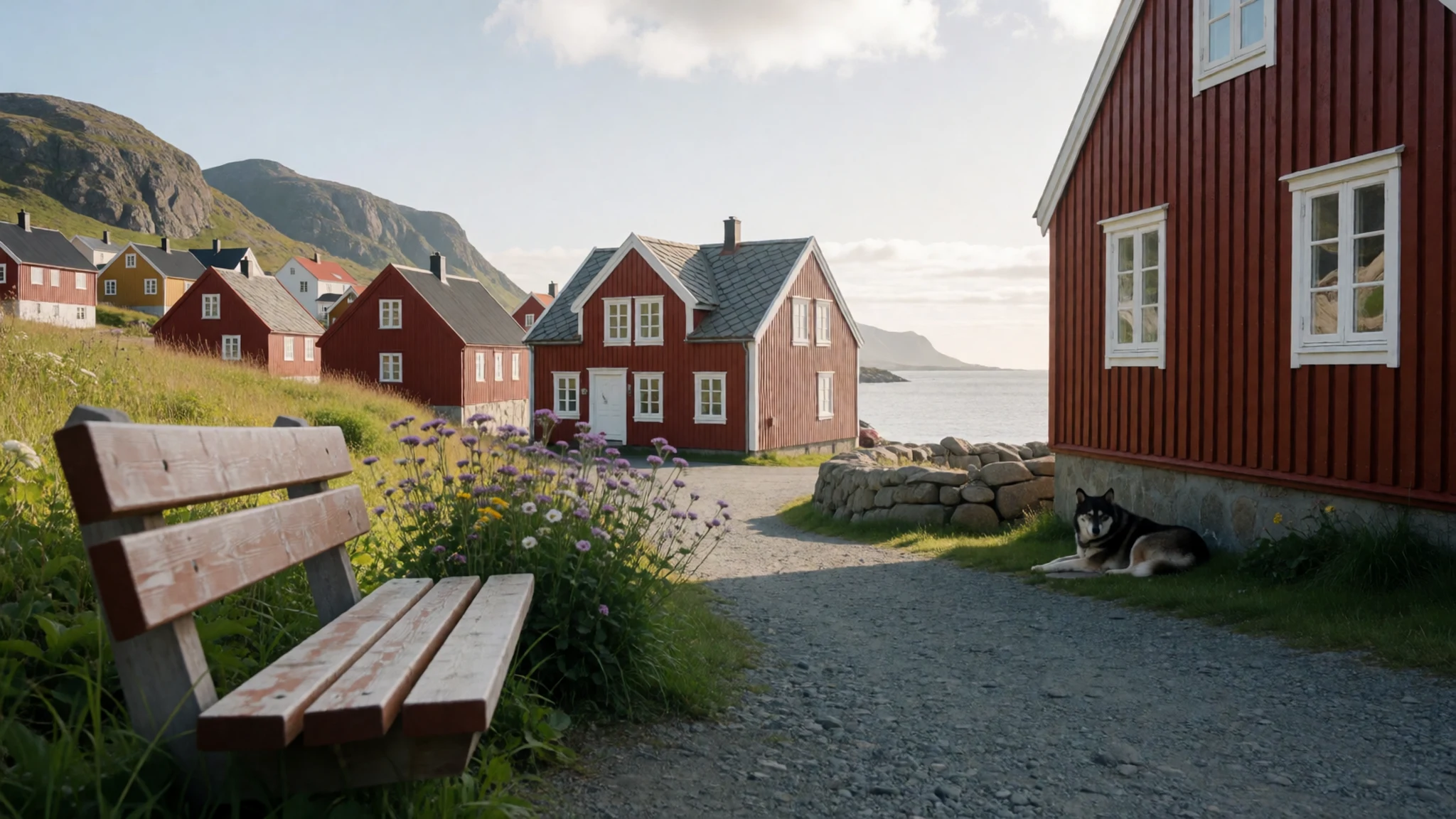
- Uunartoq hot springs — Uunartoq island, near Nanortalik
On an island south-west of the fjord, warm spring water collects in rock pools by the sea, and bathing there with icebergs or open water beyond is a memorable, slightly odd pleasure. Reach it by local boat from Nanortalik, and check conditions and arrangements with operators before setting out.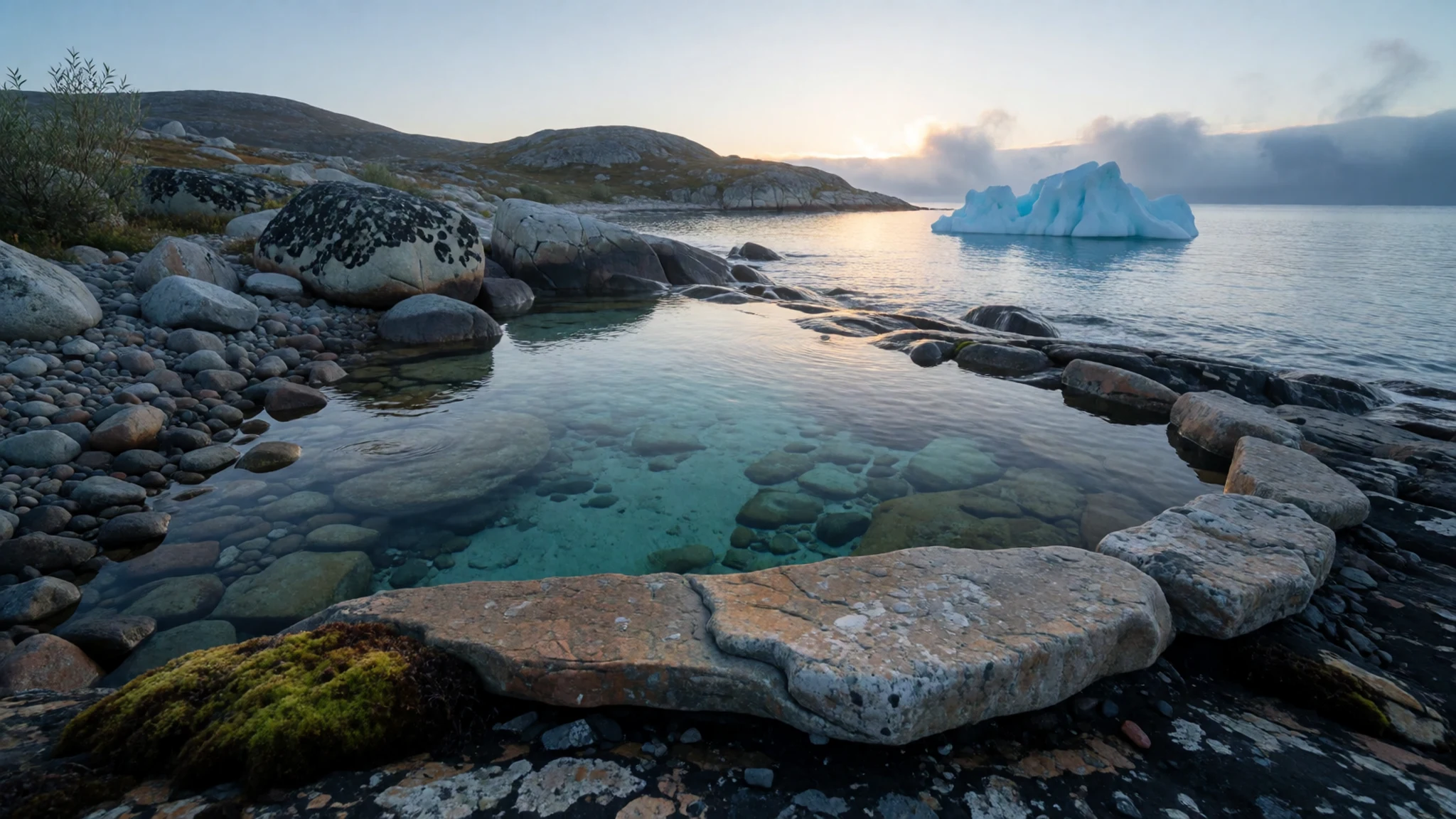
Culture
Tasermiut Fjord belongs to a Greenlandic culture that is Inuit in origin, Danish-influenced in its institutions, and strongly tied to the sea. Kalaallisut, the Greenlandic language, is the everyday tongue in Nanortalik, with Danish widely understood and English spoken by many people who work with visitors. Hunting and fishing are not hobbies here but part of the household economy, and seal, fish and sometimes whale meat reach family tables directly. Kayak building and handling, once essential for hunting, remain a source of pride and are sometimes demonstrated at local events. The Lutheran church is central to community life, and weddings, confirmations and national day are marked with song, coffee and cake in family homes in a custom called kaffemik, where visitors are sometimes welcomed. Drum dancing, once suppressed by missionaries, has been revived as heritage. Humour is dry and understated, and a visitor who listens more than they talk will be treated warmly. The land around the fjord is used and cared for, so old hunting sites, graves and ruins deserve respect even when they look abandoned. Weather decides most things, from boat departures to dinner times, and patience is an accepted part of life. Ask before photographing people, hunters' catch or drying meat and skins, and take every scrap of rubbish away with you.
What to wear
Tasermiut Fjord lies in a region where traditional dress, the kalaallisut, is still made and worn with pride. Women's costume combines sealskin trousers, tall sealskin boots called kamiit, and a heavily beaded collar in bright colours, with the pattern and tones varying by region and family. Men's dress is plainer, usually a sealskin or cloth anorak with boots. These outfits appear at confirmations, weddings, church services and the national day in June, and are carefully kept and often handed down. Day to day, people in Nanortalik wear practical outdoor clothing: waterproof jackets, fleeces, wool jumpers, rubber boots, caps and hats, and knitwear is common. Sealskin may appear at the collar or cuff, and many people wear modern cold-weather gear alongside it. A visitor should dress for cold, wet and wind even in midsummer. Pack a waterproof shell and trousers, warm mid-layers, a wool hat and gloves, and wool socks. Sturdy waterproof walking boots matter for wet, rocky ground, and rubber boots are useful for landings from small boats. A head net and insect repellent help against midsummer mosquitoes. Modesty norms are relaxed, and no special dress is required in town or church, though quiet, tidy clothes are polite at services and family gatherings.
What to eat
- Suaasat — Family homes, guesthouse dining rooms and small cafés in Nanortalik
A traditional Greenlandic soup, made with seal, whale, reindeer or sometimes fish, thickened with rice or oats and seasoned simply with onion and salt. It is warming food for cold, damp days and is the dish most closely tied to home cooking.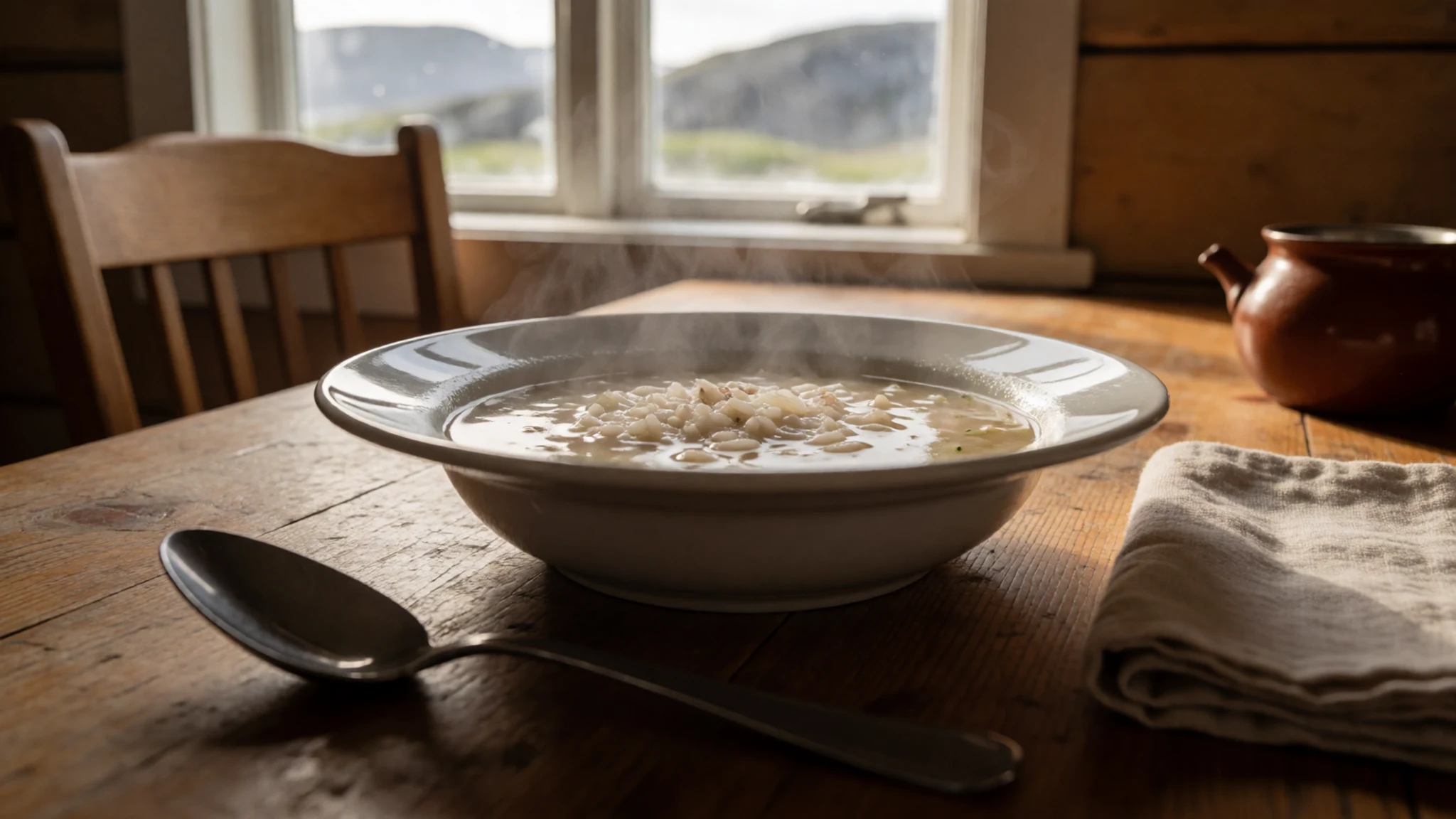
- Arctic char — Fish stalls and the harbour-side market in Nanortalik when the catch is in
Cold-water char, a relative of salmon, is caught in rivers and fjords in the region and served pan-fried, smoked or dried. The flesh is pink and delicate, and it is often the freshest fish on offer when a local boat has just come in.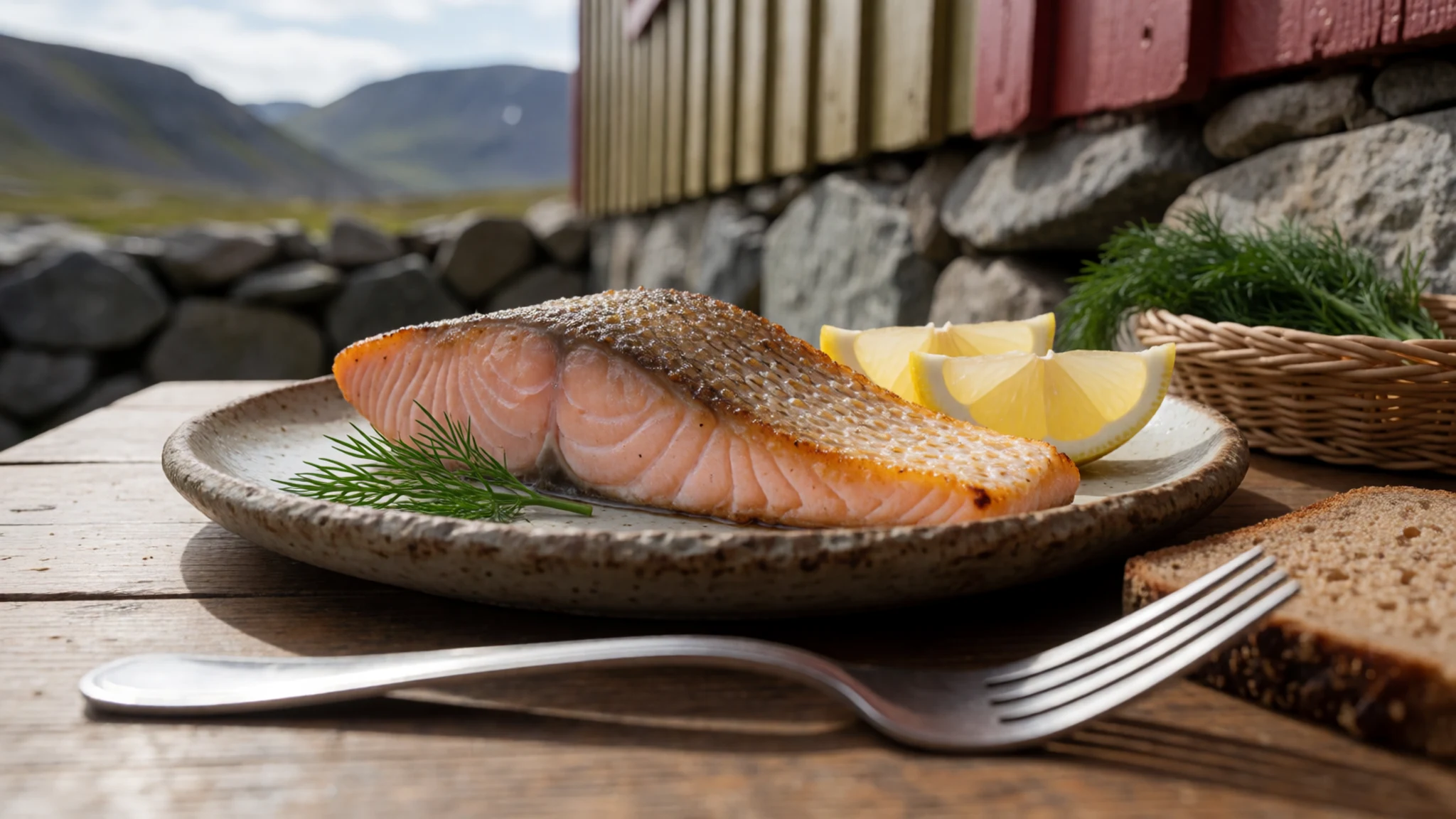
- Dried fish and capelin — Local shops, drying racks near homes and the open-air market in town
Fish dried on racks in sun and wind is a long-standing staple, eaten as a chewy snack with butter or a dip. Small capelin, known locally as ammassat, are dried in large numbers in summer and are salty, oily and strongly flavoured. - Greenlandic lamb — Restaurants and guesthouse dinners in Nanortalik, and shops that stock local meat
Sheep farms in South Greenland produce lamb that grazes on mountain grass and herbs, giving it a clean, slightly wild taste. It is often roasted or served in stews, and is a milder alternative for visitors who want something familiar. - Mattak and other hunters' foods — The hunters' market (brættet) and family tables, usually by invitation
Mattak is whale skin and blubber, eaten raw or cooked and sliced thin. It has a nutty, chewy texture and is a traditional food, not a tourist dish; trying it is a matter of choice and of how it is offered. - Kaffemik cakes — Private homes at celebrations, and cafés in town
Kaffemik is the Greenlandic open-house coffee gathering, where hosts lay out cakes, biscuits and bread with strong coffee. Sweet layer cakes are common, and a visitor invited to one is usually seated, fed generously and asked about home.
Plan it
Best time. July to September is the usual window: the days are long, boats run most reliably, the snow has retreated from the lower ground and waterfalls are at their fullest. July can be buggy with mosquitoes. Rain and fog are possible in any month, and the shoulder months bring colder, shorter days.
How long. 5–7
Getting there. Fly to Narsarsuaq, usually via Copenhagen or Reykjavik, then continue to Nanortalik by helicopter or by coastal boat via Qaqortoq; check the Air Greenland and Disko Line sites for current schedules. From Nanortalik, the last leg up the fjord is by small local boat arranged with a guide or operator.
Budget. high
Tips
- Book flights, boat transfers and any guesthouse or hut space well ahead, because capacity is small in July and August
- Build a spare day or two into the itinerary, since fog and wind can cancel flights and boats
- Carry some cash and a card, as small operators and shops may take only one of them
- Bring all food, fuel and medicines for hiking or camping trips beyond Nanortalik
- Pack a head net and repellent for midsummer, and layers and waterproofs for every day
Etiquette
- Ask before photographing people, catch or drying meat
- Take all rubbish out and leave ruins, graves and old hunting sites undisturbed
- Follow local advice on weather, ice and water safety, and tell someone your plans
Nearby
Sources
- Wikidata — Tasermiut Fjord (CC0)
- Wikipedia — Tasermiut Fjord (CC BY-SA 4.0)
- Wikivoyage — Nanortalik and South Greenland (CC BY-SA 4.0)
- Wikimedia Commons — Relief location map of Greenland (CC BY 3.0)
- Wikimedia Commons — Nalumasortoq West Face, seen from Tasermiut Fjord (Public domain)

Wildlife
- Herring gull (animal)
Herring gull is a name shared by several closely related birds, once all counted as a single kind, so picture a family of gulls with one nickname. In Tasermiut Fjord their calls mingle with running water and wind to make the sound of the place. Watch them well by keeping your distance, staying quiet and calm, and asking your guide where is best to stand. Never feed them; gulls that learn to expect food lose their wild ways.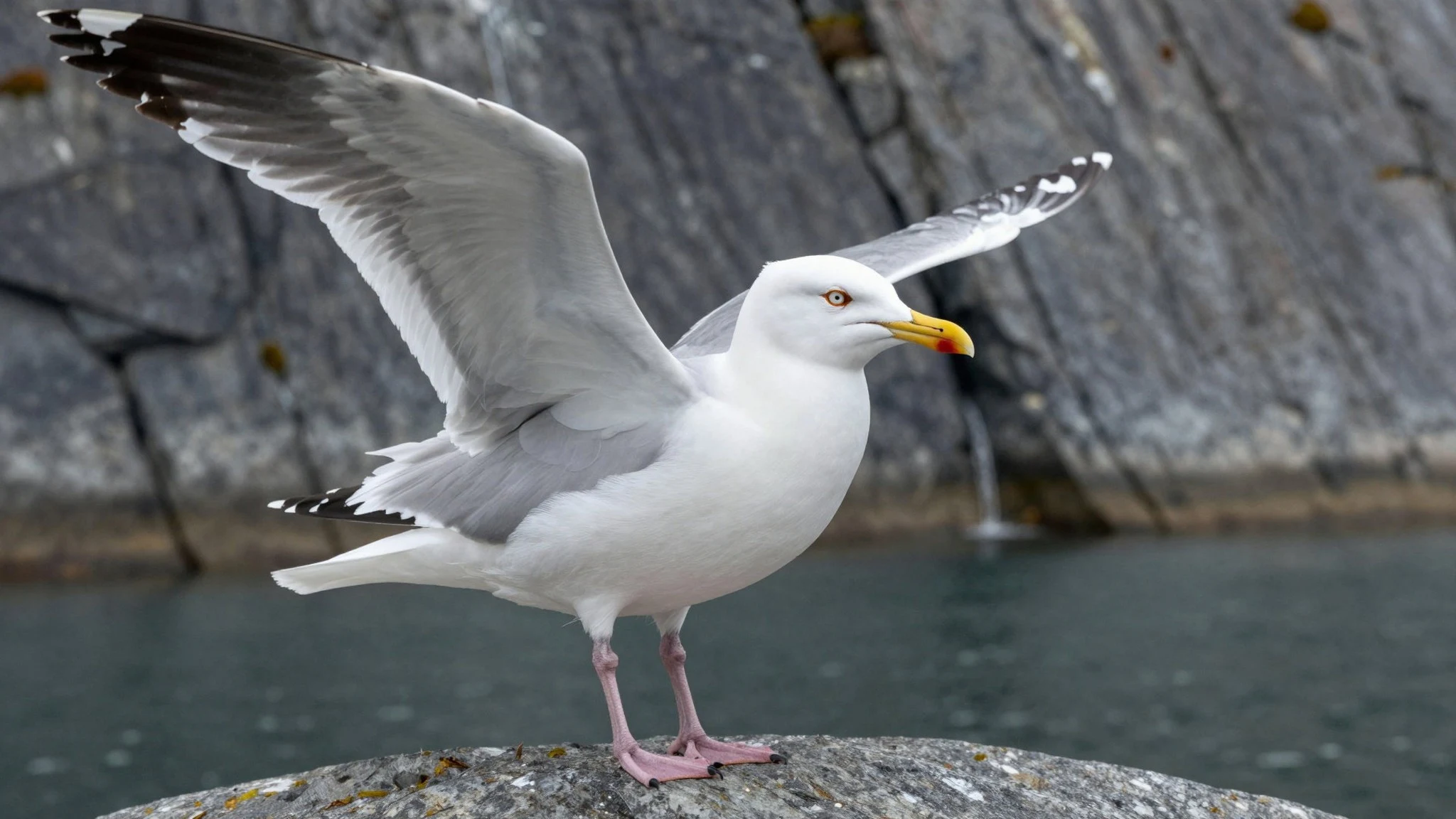
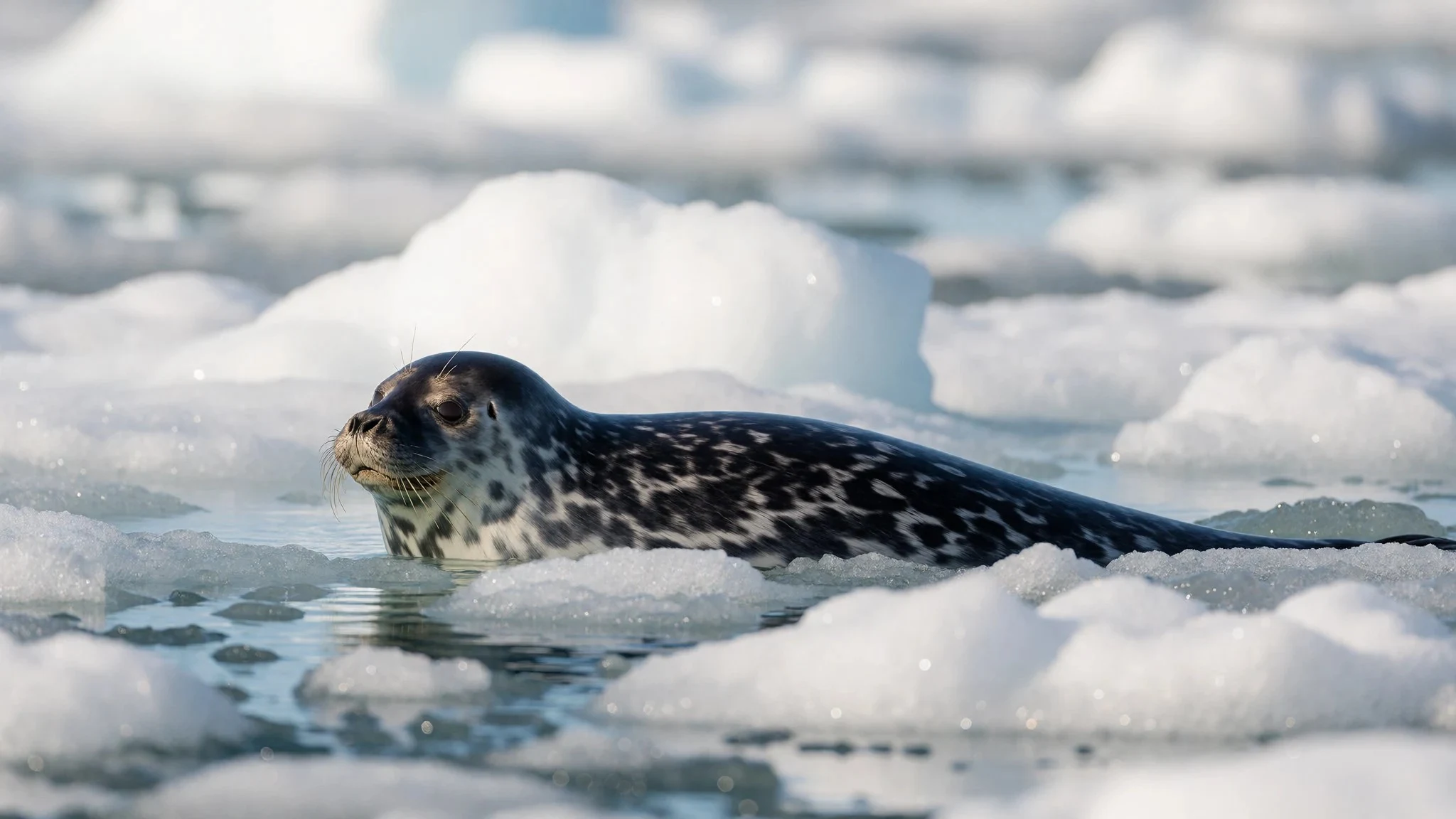
- Ringed seal (animal)
The ringed seal is a small seal with no ear flaps, and its coat is dotted with dark spots, each circled by a pale grey ring, like marks left by a wet cup. In Greenland, Inuit hunters followed seals along the coast and fjords through the seasons for generations, so they are woven into the story of this landscape. The exact place and hour to spot one is best left to your guide. Keep well back, stay quiet and still, and never feed a seal.