Tarutao National Marine Park
Tarutao National Marine Park, Thailand
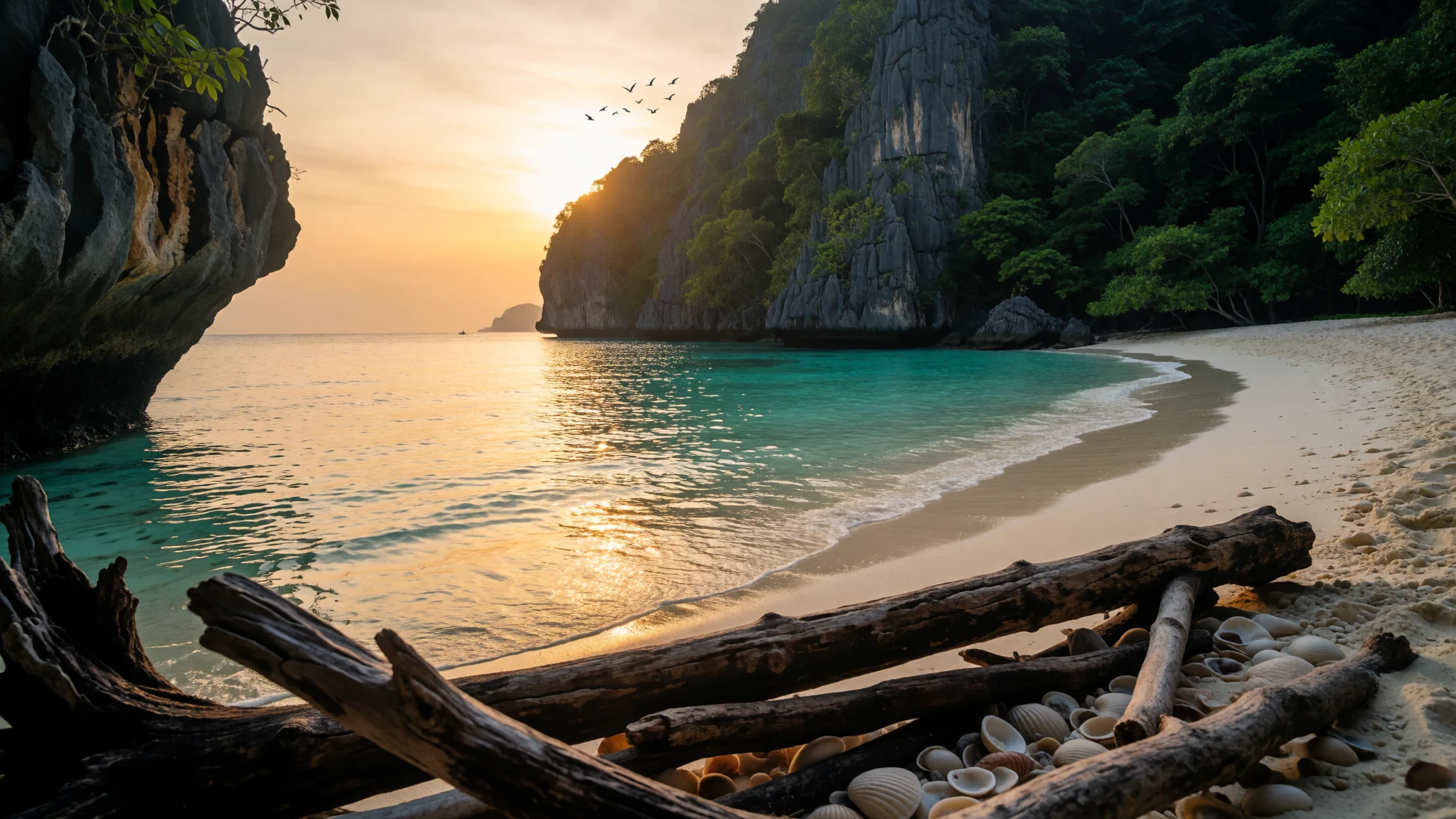
Escape to a remote archipelago of turquoise lagoons and wild jungles, far from the crowded tourist trails of southern Thailand.
The place
Tarutao National Marine Park is a sprawling sanctuary of 51 islands scattered across the Strait of Malacca, just off the coast of Satun Province. The park is split into two primary groups: the Tarutao islands and the Adang-Rawi group, stretching between 20 and 70 km from the mainland. It is a place of stark contrasts, where dense tropical rainforests meet powdery white sands and crystal-clear turquoise waters. Because it is located so far south, it sits right on the maritime border with Malaysia, making it a quiet frontier of the Thai kingdom.
Unlike the more manicured resorts of the Gulf of Thailand, Tarutao feels raw and primitive. The name itself is a Thai adaptation of a Malay phrase meaning an old, mysterious, and primitive island. Visitors will find a landscape dominated by limestone cliffs, hidden lagoons, and nesting grounds for sea turtles. While some islands offer basic amenities, much of the park remains an untouched wilderness. The heat here is intense and humid, and the sun is unforgiving, but the reward is a level of solitude rarely found in the 'Land of Smiles'. It is a destination for those who prefer hiking through jungle trails and snorkelling in undisturbed reefs over luxury lounging.
Its story
The history of Tarutao National Marine Park is as dramatic as its landscape. Long before it became a protected area in 1974, the islands served as a remote outpost in the Andaman Sea. In the late 1930s, the Thai government utilised the main island as a penal colony for political prisoners. This isolated existence took a dark turn during the Second World War. When the mainland cut off support to the colony, the guards and prisoners formed an unlikely alliance for survival.
Led by an American plantation owner who had lost his wealth to the war, and aided by two fugitive British officers, the colony turned into a pirate stronghold. Together, they raided ships passing through the strait, sinking 130 vessels and leaving no survivors. This violent chapter left a lasting mark on the island's reputation as a place of mystery and danger. Later, the park's swamps were known as the final refuge for the saltwater crocodile in Thailand, though the species has since disappeared from the area. Today, the park is recognized as an ASEAN Heritage Park, shifting its legacy from one of captivity and piracy to one of conservation and ecological preservation.
What to see
- Koh Tarutao
The main island is a blend of rocky beaches and dense forest. It is ideal for those wanting to explore the remnants of the old penal colony and hike through primary jungle. The coastline is rugged, providing a sense of isolation and eternity.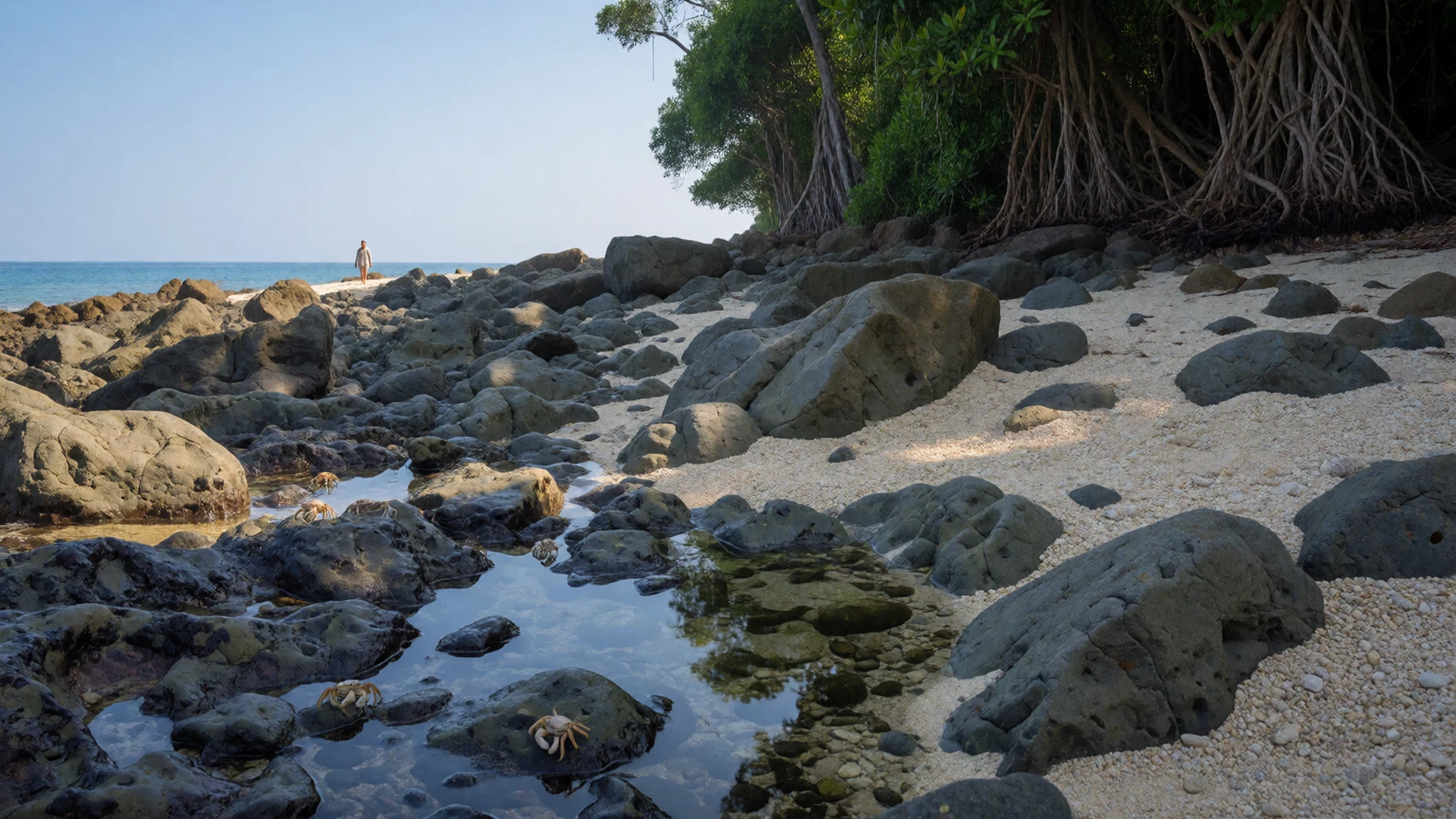
- Koh Adang
Known for its unspoilt nature, this island offers some of the most stunning sunsets in the park. Its lagoons are a vivid turquoise, and the hiking trails lead to vantage points overlooking the surrounding archipelago.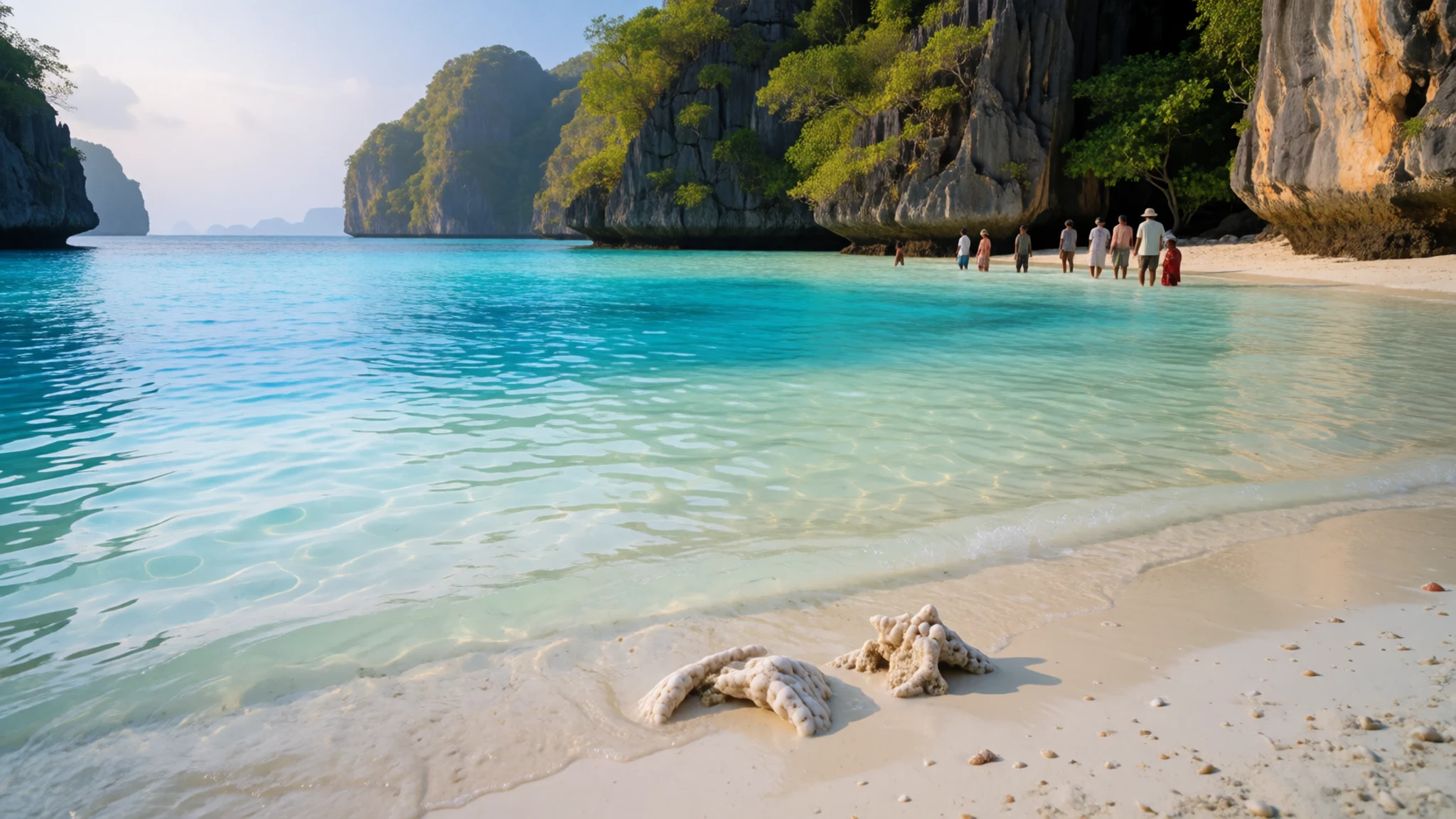
- Koh Rawi
This island is celebrated for its exceptionally clear waters and white sands. Because there are no incoming streams or currents to stir up sediment, the visibility for snorkelling is world-class.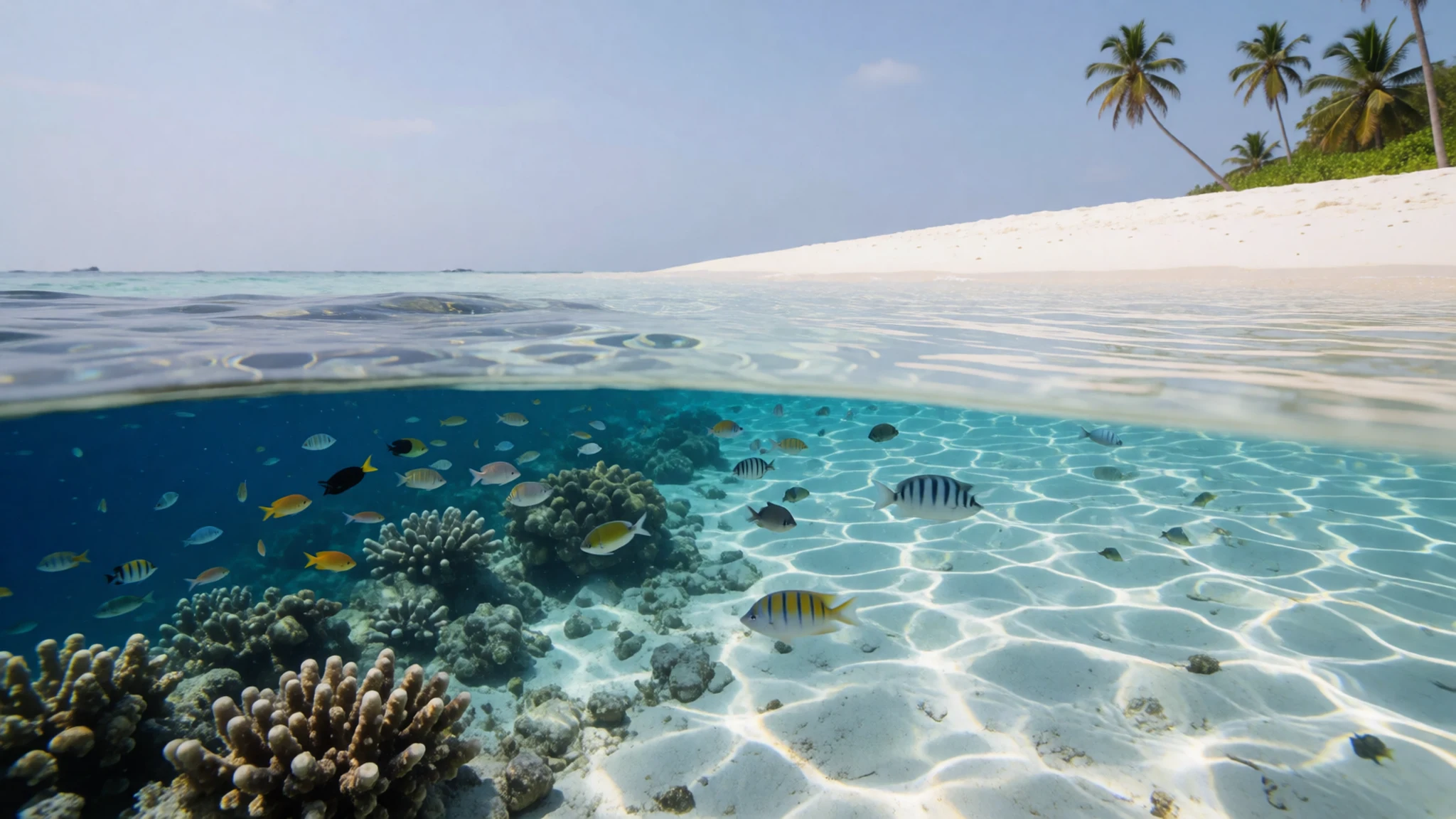
- Koh Lipe
The most developed of the islands, offering a bridge between the wilderness of the park and the comforts of small-scale tourism. Its shallow tropical waters are perfect for swimming and lounging.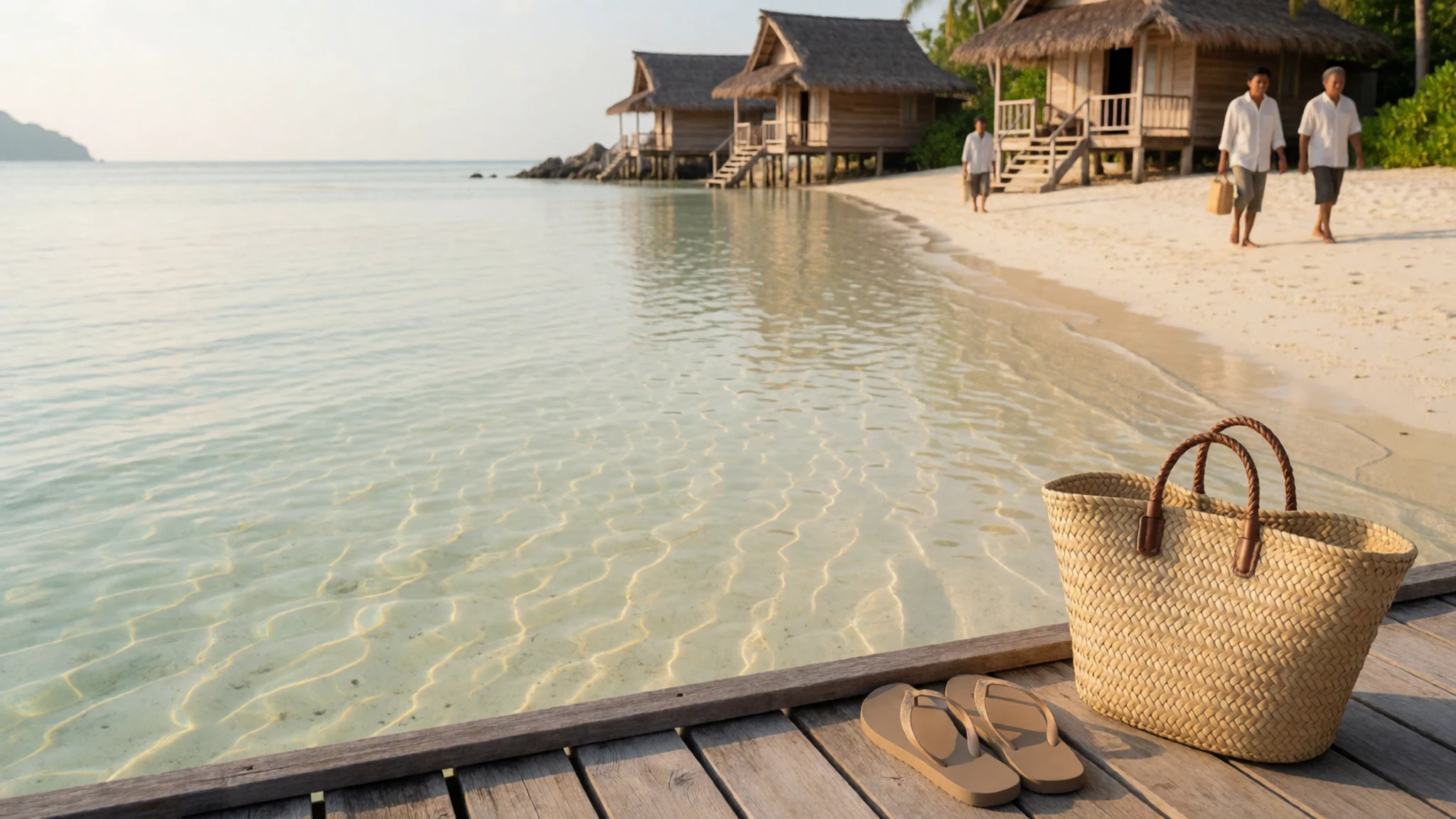
- Turtle Nesting Beaches
The west coast of the main island serves as a critical nesting ground for sea turtles. It is a quiet, protected area where the natural cycle of the ocean remains undisturbed.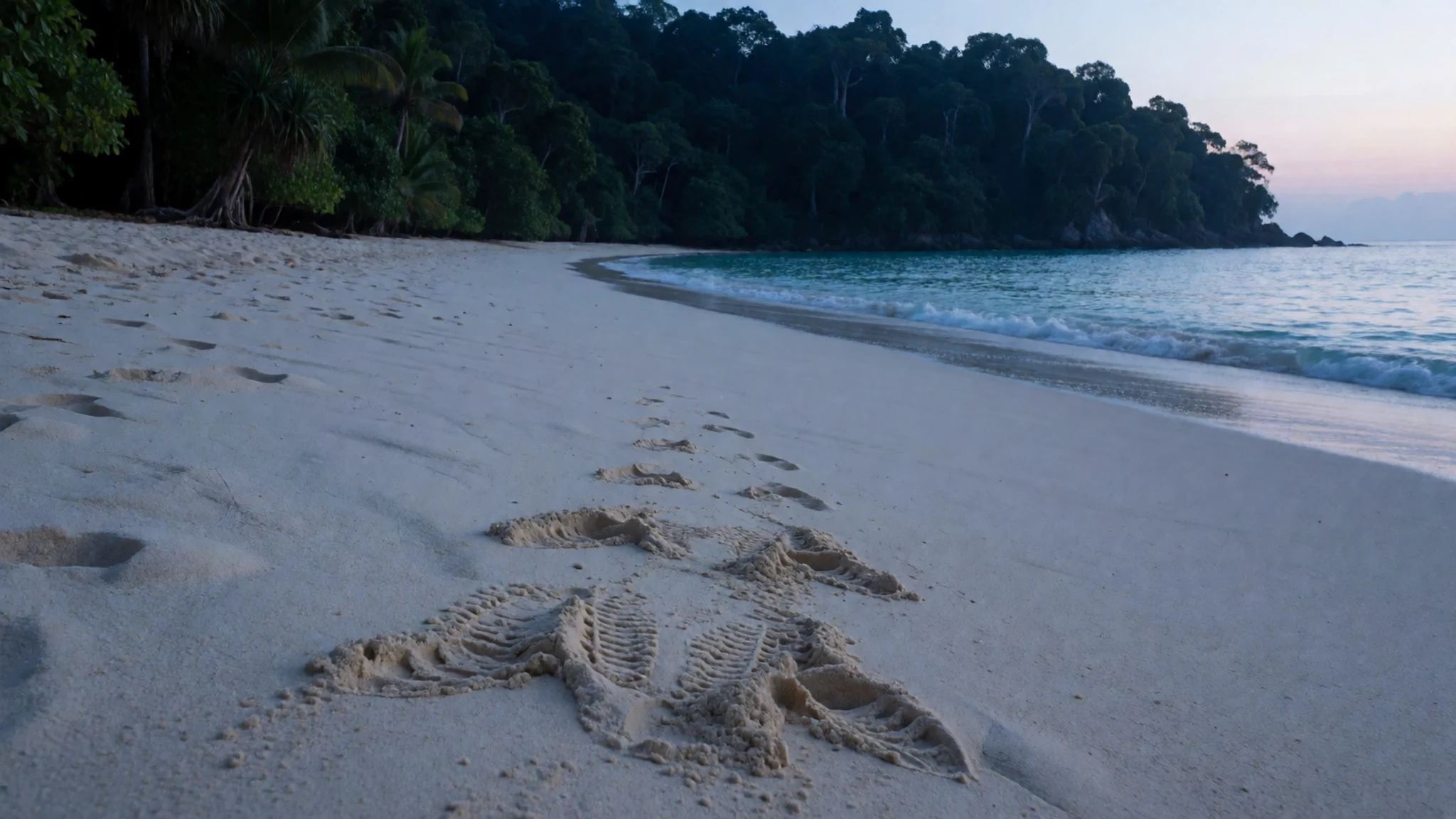
Culture
The culture surrounding Tarutao National Marine Park is shaped by the broader Thai values of politeness and harmony. Visitors will encounter the 'Land of Smiles' philosophy, where people are generally friendly and indirect. In Thai society, there is a strong emphasis on 'saving face', meaning that criticism is rarely delivered openly and communication is often nuanced. A cheerful response or a nod of agreement does not always signal total understanding or consent, but rather a desire to maintain a pleasant atmosphere.
In this remote region, the influence of Malay culture is also felt, given the proximity to Malaysia. Transparency and openness are highly valued, even if the outward communication remains soft and indirect. There is a deep respect for nature and the monarchy, which permeates every level of society. When interacting with locals in the small settlements or with park rangers, a gentle tone and a patient approach are always the most effective tools for communication.
Please dress modestly when visiting mainland villages and avoid speaking loudly or aggressively in public.
What to wear
Traditional Thai dress is characterised by silk and cotton textiles, such as the phasin (a wrap-around skirt) and the pha khao ma (a multi-purpose loincloth), though these are rarely seen in the daily life of the islands. Nowadays, locals and workers in the park wear practical, lightweight clothing—think linen shirts, cotton trousers, and flip-flops—designed to handle the oppressive humidity.
For visitors, the priority is function over form. The terrain consists of abrasive limestone, sandy beaches, and muddy jungle paths, making sturdy walking sandals or hiking shoes essential. Lightweight, moisture-wicking fabrics are recommended to combat the heat, and a wide-brimmed hat is a necessity. Since the park is a natural sanctuary, modest swimwear is appropriate for the beaches, but a light cover-up should be worn when moving through inhabited areas. Long-sleeved thin shirts are also useful for protection against both the sun and the mosquitoes found in the interior forests.
What to eat
- Suki — local eateries
A Thai-style hotpot featuring a variety of meats and vegetables in a savoury broth, often found at popular chains across the region.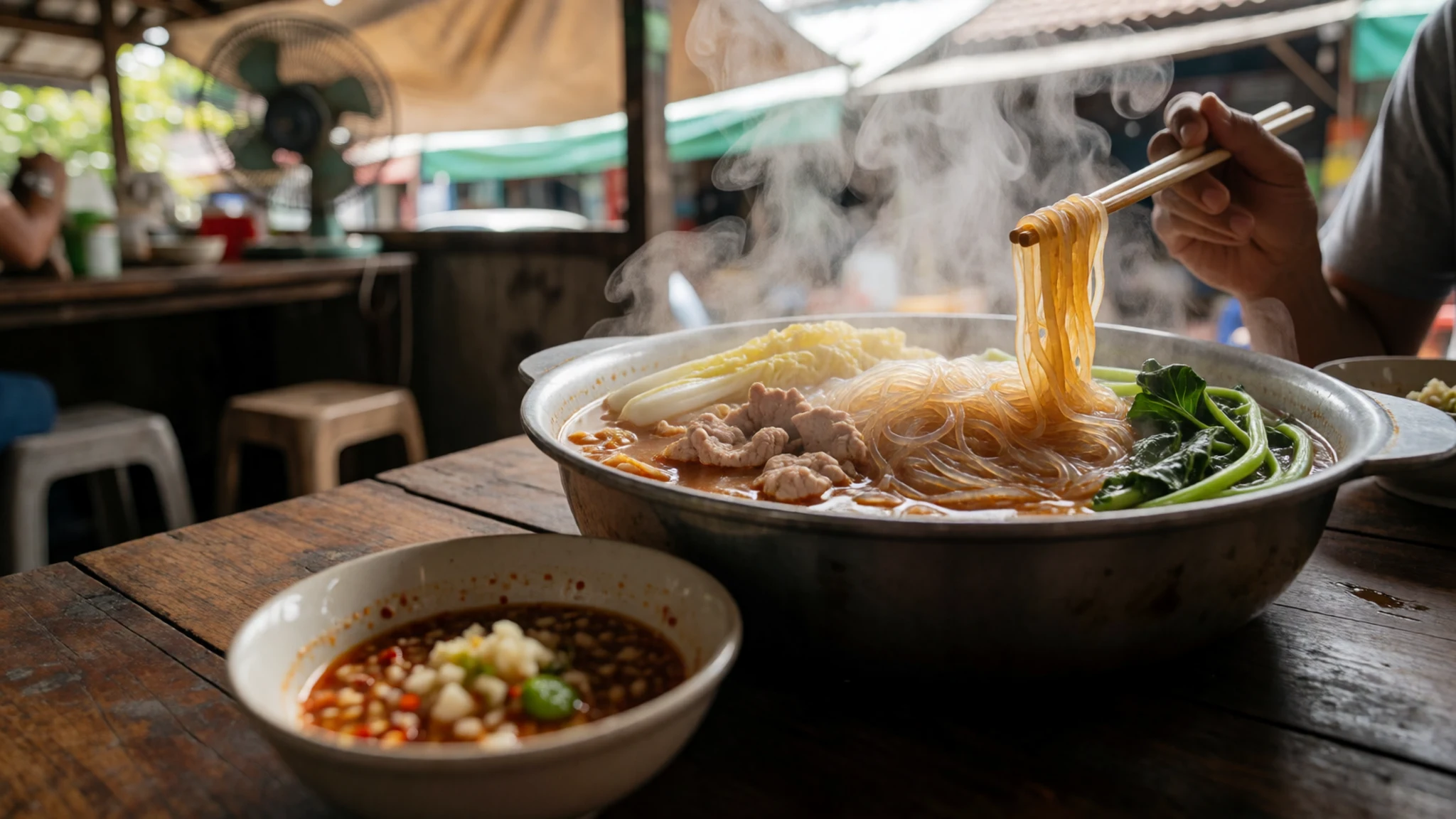
- Boat Noodles (Kuaytiew Ruea) — street stalls
Intense, flavourful noodle soups served in small portions, traditionally sold from boats in canals but available in street stalls.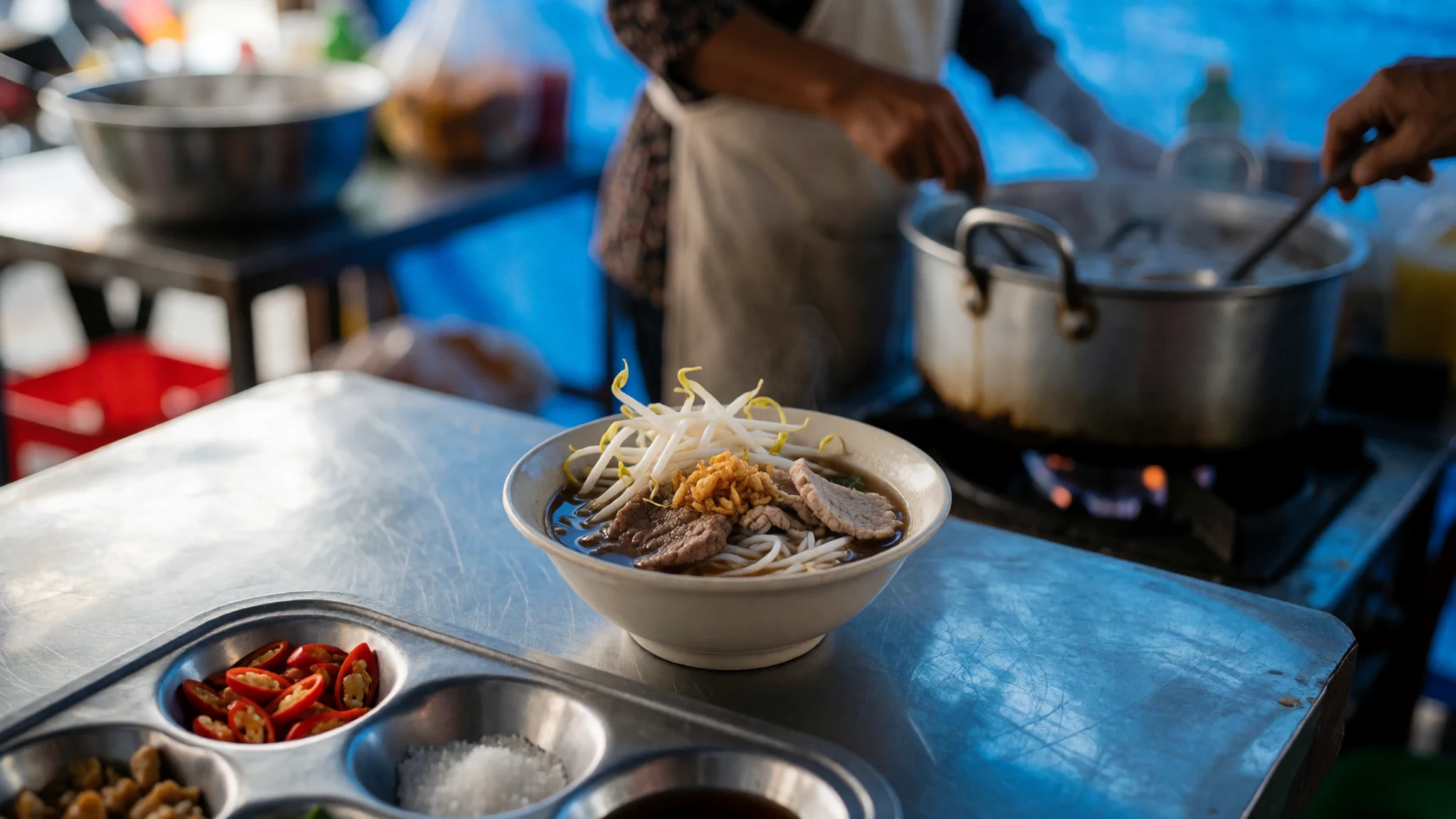
- Yam (Thai Salads) — beachside kiosks
Zesty, spicy salads combining fresh herbs, lime, and chillies, often paired with seafood caught locally from the Andaman Sea. - Bingsoo — dessert cafes
A Korean-style shaved ice dessert adapted with local Thai flavours like mango or durian, very popular among younger crowds. - Fresh Grilled Fish — island shores
Simply seasoned fish caught from the surrounding reefs and grilled over charcoal, served with a spicy dipping sauce.
Plan it
Best time. November to April is the ideal window, as the seas are calmer and the weather is drier. May to October brings the monsoon season with heavy rains and rougher waters.
How long. 3–5
Getting there. Fly into Hat Yai or Bangkok, then travel to Satun. From the mainland, take a scheduled boat or a private charter to the islands.
Budget. mid
Tips
- Complete your Digital Arrival Card online within 72 hours of entering Thailand
- Carry plenty of cash as ATMs are non-existent on the remote islands
- Pack a high-quality waterproof bag for boat transfers
- Bring a personal first-aid kit and insect repellent for jungle treks
- Check with the park office for current boat schedules
Etiquette
- Do not remove coral or shells from the marine park
- Avoid using plastic bags or leaving litter on the beaches
- Dress modestly when visiting local villages
Nearby
Sources
- Wikidata Q541725 (CC0)
- Wikipedia (CC BY-SA 4.0)
- Wikivoyage (CC BY-SA 4.0)
Wildlife
- Sea turtle (animal)
A sea turtle is a reptile that lives in the ocean, rather like a tortoise that learned to swim. Tarutao has nesting grounds for these animals, which makes the park a hopeful place to meet them; ask your guide which part of the shore and which time of year suit you best. Of the seven kinds in the world, five are threatened with extinction. Keep your distance, stay quiet, and never touch or feed them.