Ayutthaya Historical Park
Ayutthaya Historical Park, Thailand
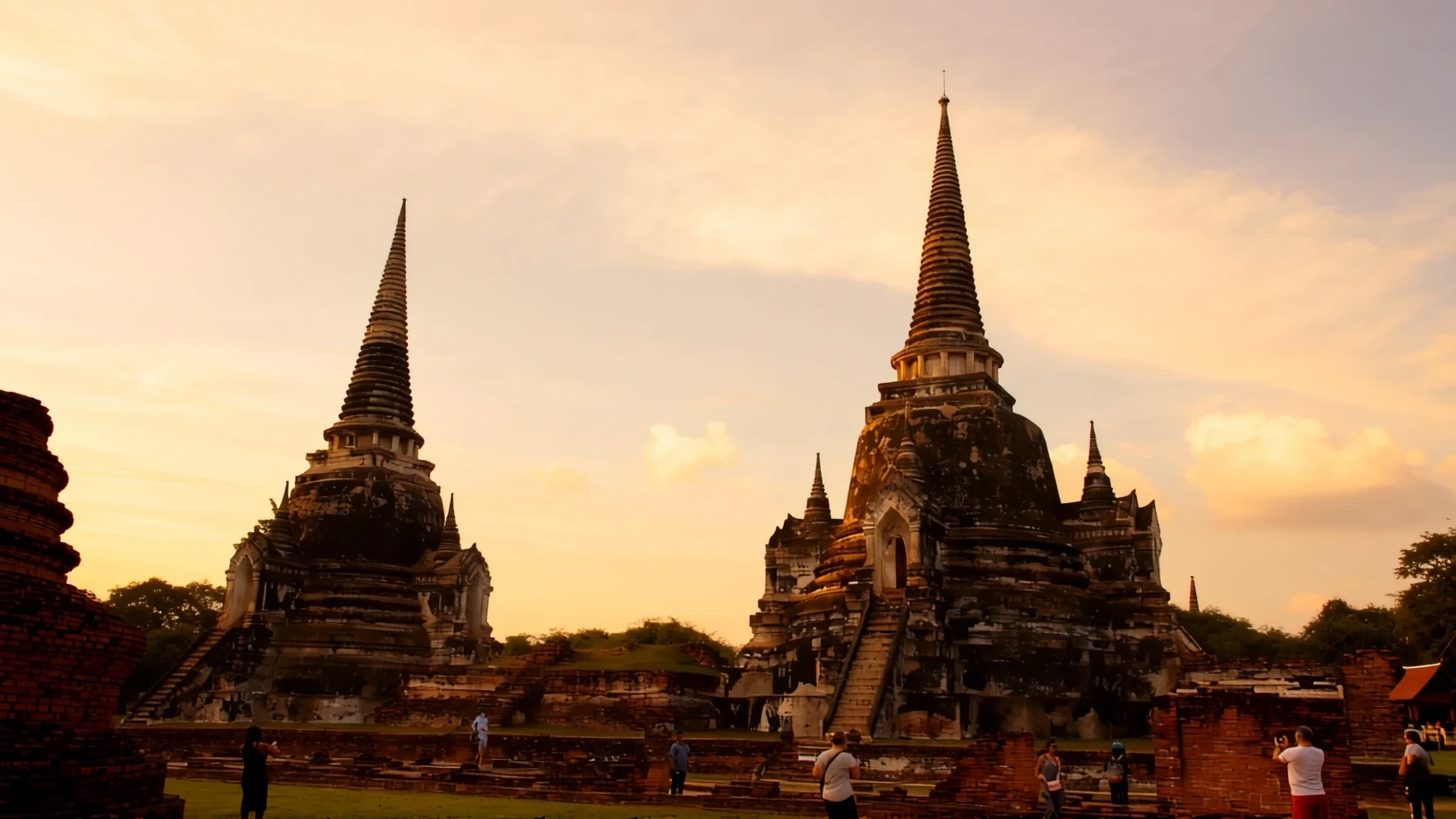
Ayutthaya's ruins show how a once-powerful Siamese capital looked before its fall, and they are easy to explore by bicycle in a day or two.
The place
Spread across the remnants of the historic city of Ayutthaya, the park sits in Phra Nakhon Si Ayutthaya province, to the north of Bangkok. The land was settled long before the kingdom took shape, and records describe a Khmer stronghold here around 850 AD, named after Ayodhya, one of the holiest Hindu cities in India. The city itself was founded by King Ramathibodi I in 1351. It became the second capital of Siam, after Sukhothai, and remained the capital until 1767, when Burmese forces destroyed it.
What remains is a flat, green landscape of brick and sandstone. Chedi, Buddha images and prangs (tall, tapering towers) stand among trees, and several of the towers still lean at striking angles. Many statues have lost their heads, and those rows of figures give the site much of its atmosphere. The ruins are spread out, so each temple feels separate, with open ground and quiet paths between them.
Most of the monuments sit within the old city and can be reached on foot or by bicycle, though the distances take longer than they look in the heat. Part of the park was inscribed as a World Heritage Site in 1991, and the restoration work has kept many of the remains from further collapse. Expect hot, exposed walks and plan the bigger temples for the cooler parts of the day.
Its story
The story of Ayutthaya begins with rivers and an older settlement. Archaeologists have found signs of people living here during the Mon Dvaravati period, and the area may be older still. Later texts link the site to the Khmers, who established a stronghold around 850 AD and gave it a name borrowed from Ayodhya in India. Prince Damrong also recorded a Khmer city founded from Lopburi where three rivers meet. Traces of a reservoir near the south-western tip of Wat Yai Chai Mongkhon hint that a significant Khmer temple complex may once have stood on the spot.
King Ramathibodi I founded the city in 1351, and it soon became the kingdom's leading centre, ahead of Sukhothai. The court built palaces and temples here over the following centuries, and the city's position on the rivers made it a valuable prize for rivals.
That prize was taken in 1569, when the Burmese captured the city. The invaders did not pillage it outright, but they carried away a great deal of fine artwork. Ayutthaya stayed the capital until the Burmese army destroyed it in 1767, and it never regained its former role.
Modern restoration began in 1969, when the Fine Arts Department started work on the ruins. In 1976 the site received official designation as a historical park, and in 1991 a section of it was listed as a World Heritage Site. Today the ruins are read as a record of how the old capital fell.
What to see
- Wat Phra Mahathat — Old city
A large temple that the Burmese thoroughly ransacked. Several leaning prangs still stand at striking angles, and the rows of headless Buddha figures are the most evocative part of the site. A sandstone head rests among tree roots beside the minor chapels, a scene that has become one of the park's best-known images. Go in the morning, when the light is soft and the crowds are lighter.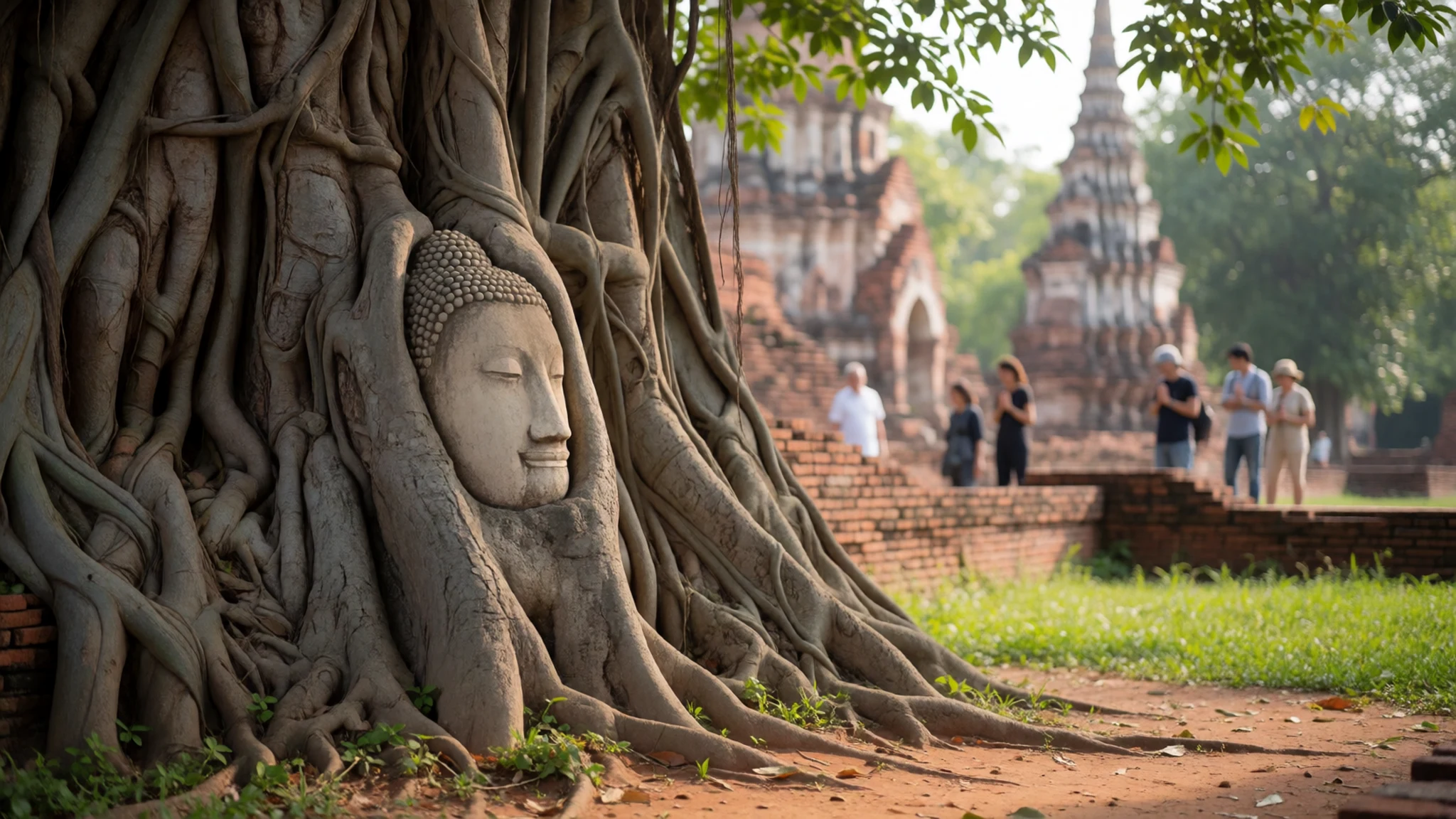
- Phet Fortress — Old city
This fortress was the city's most important defensive structure. It began as a timber build and was later rebuilt in brick, so the walls show a long history of repair. The grounds make a good place for a slow walk, with fewer visitors than the main temple cluster. Check the official site for current opening arrangements before you travel.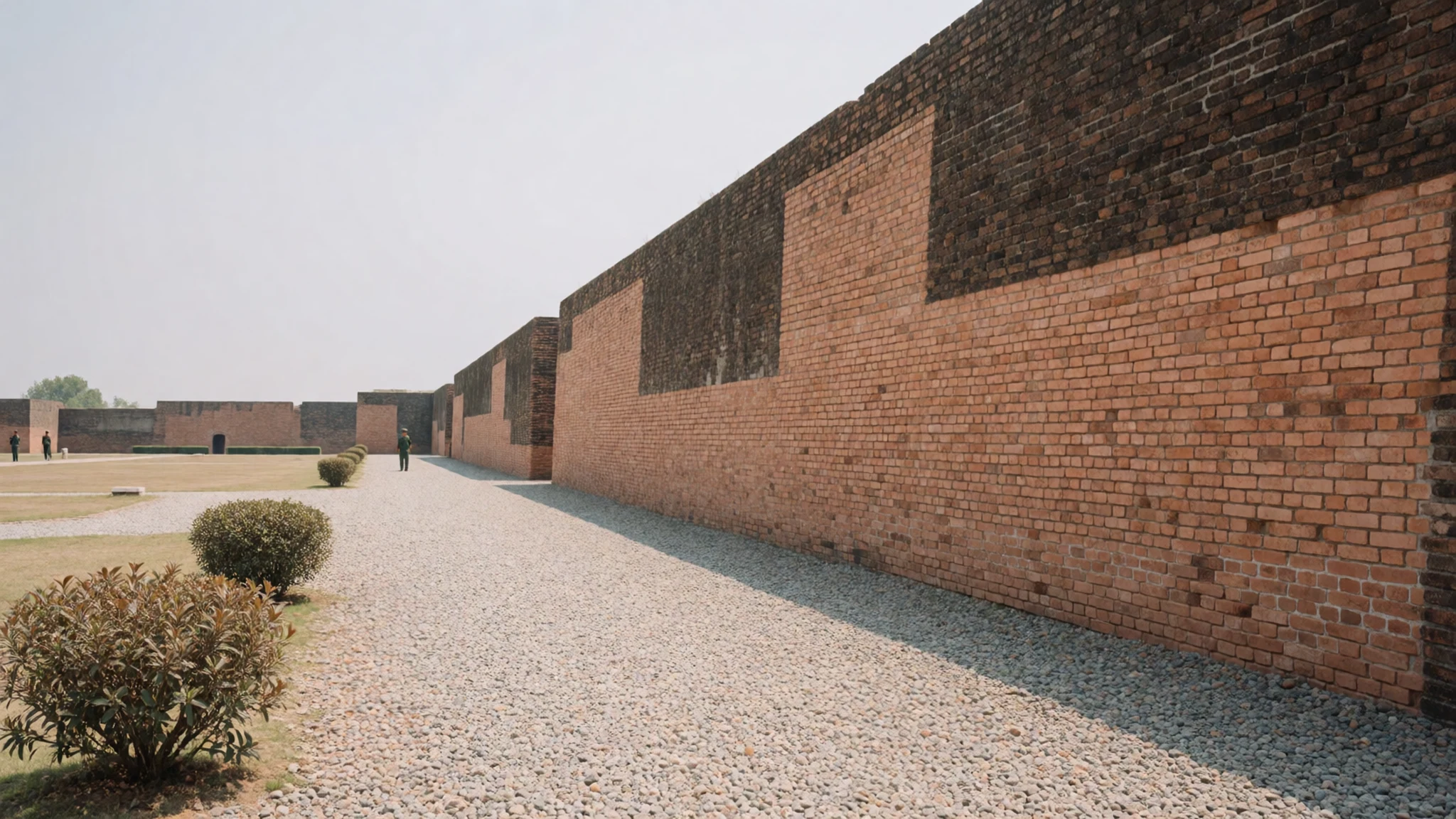
- Phra Chedi Suriyothai — Old city
A white and gold chedi built as a memorial to a queen, remembered as the first heroine in Siamese history. It sits in small, well-kept gardens, which make a calmer stop than the brick ruins elsewhere. The bright finish stands out clearly from a distance, and the surroundings are a good place to rest in the shade.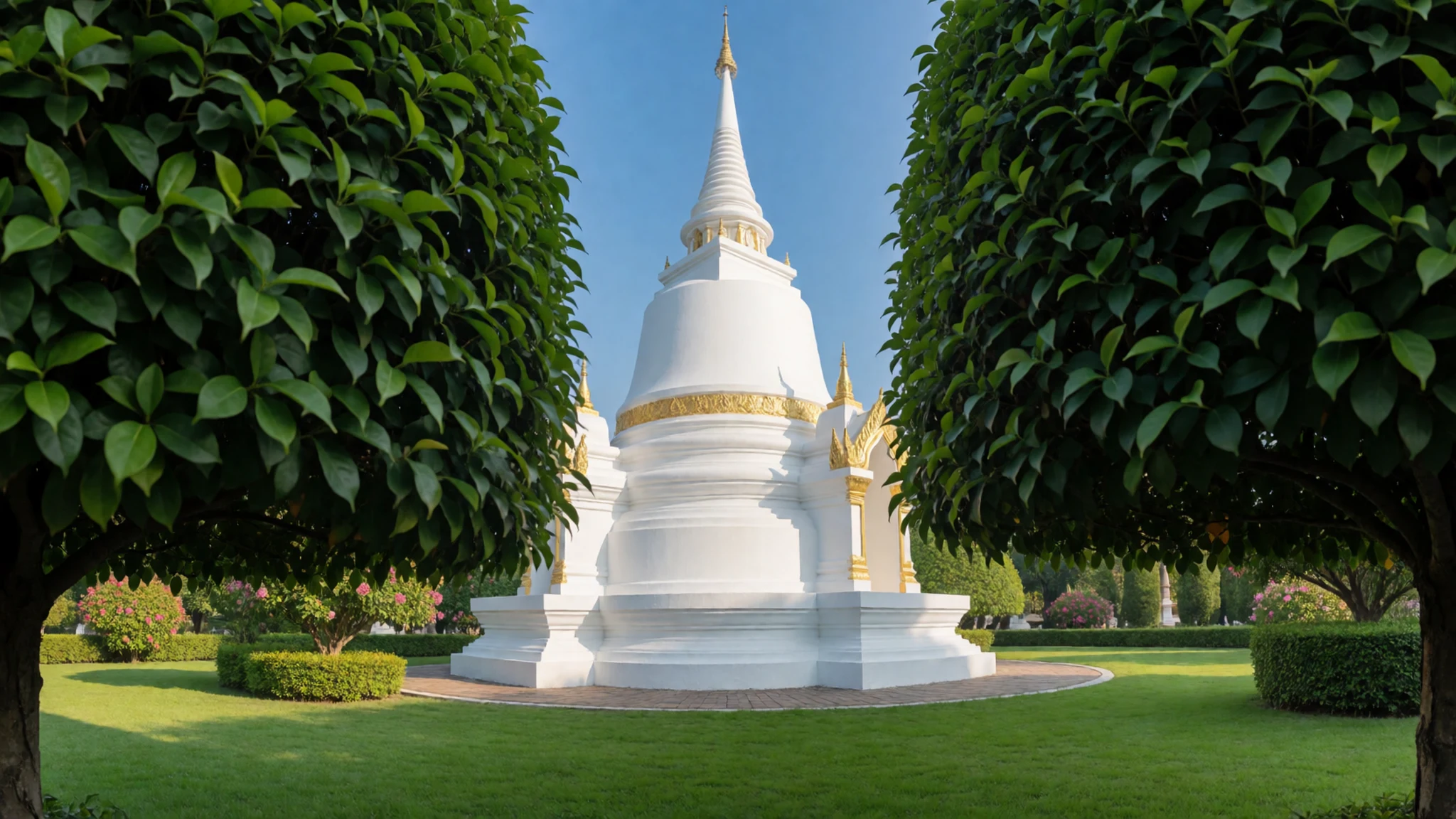
- Viharn Phra Mongkol Bopit — Old city
This hall houses a large cast-bronze Buddha image. The figure was first enshrined outside the Grand Palace to the east, then moved to its present site and covered with a mondop, a roofed shrine. It remains an active place of worship, so keep your voice low and dress for a temple when you visit.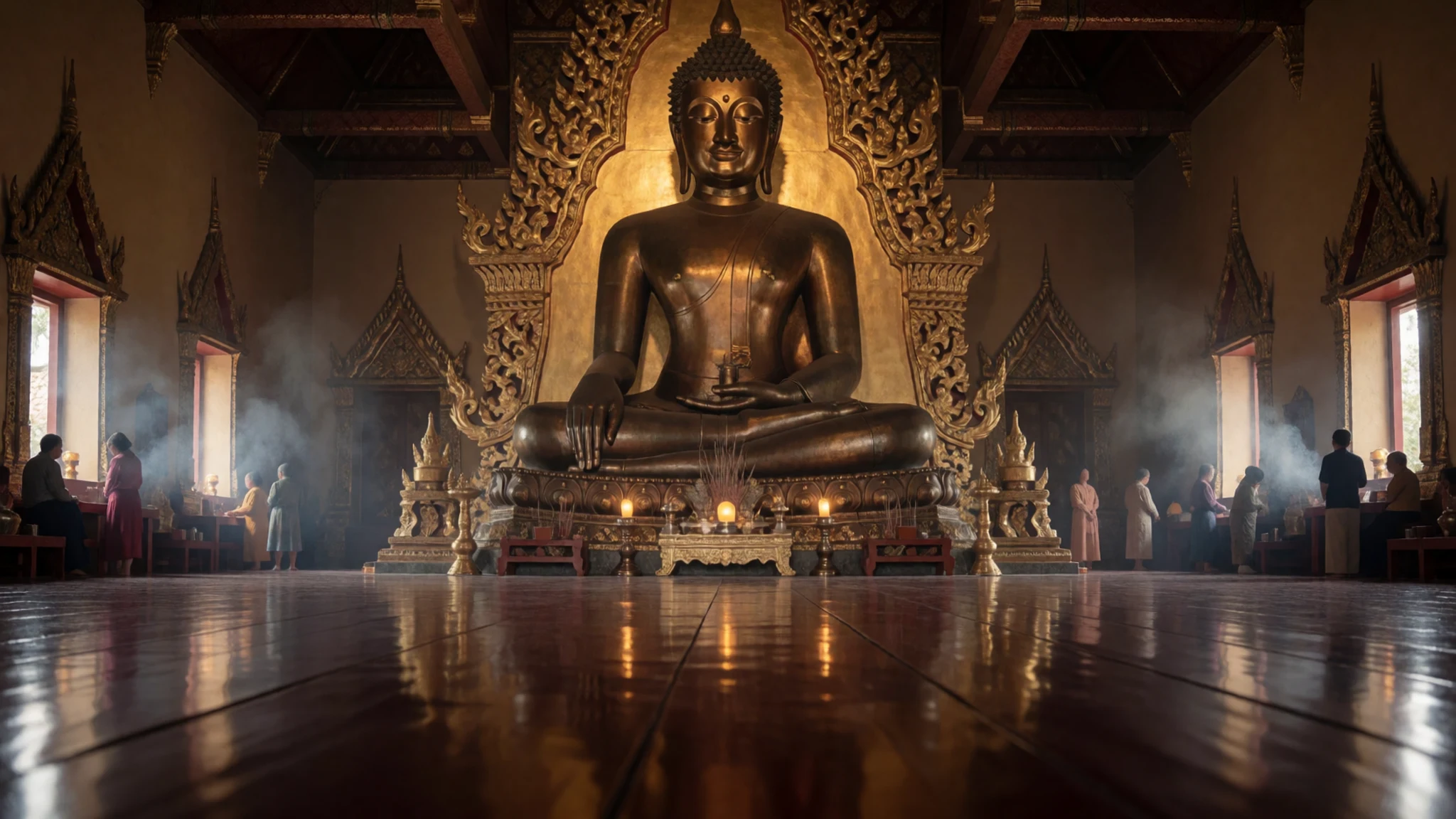
- Wat Phra Ram — Old city
The temple is built around one huge prang, with smaller chedi and outbuildings around it. Most of the complex is in disrepair, but the top of the prang is complete. The tower is the dominant form, so it photographs well from a distance, and the stonework takes the early light best.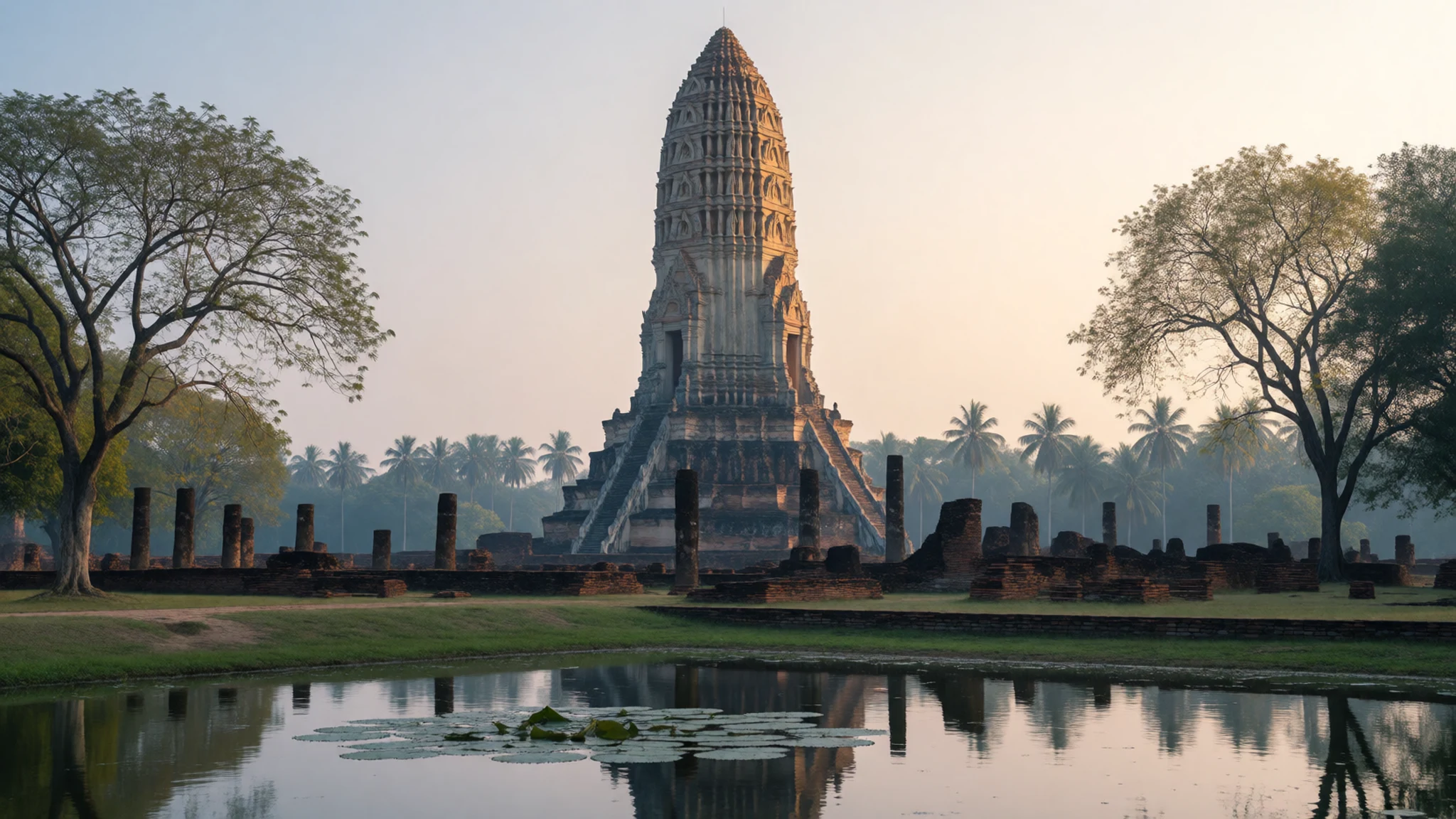
Culture
Ayutthaya's ruins are religious sites first, and Thai Buddhist customs apply throughout the park. Wear long trousers or a long skirt at temples, and avoid sleeveless T-shirts and revealing blouses. Treat every Buddha image with the same respect you would show anywhere else in Thailand, whether it is a whole figure or a fragment. Many visitors come to the temples to pray, so keep your voice low and move quietly in the inner areas. Ask before photographing people who are praying, and do not pose yourself on or against a statue. Never climb on, sit against or pose with a Buddha image, and cover your shoulders and knees before going inside.
What to wear
Traditional dress in central Thailand has long centred on the phasin, a woven tube skirt, and the sabai, a long cloth draped over the shoulder. Silk, often in patterned weaves known as mudmee, and cotton have been the everyday materials of the region. Court and ceremonial clothing in the old capital would have used richer silks and gold thread, though little of that survives in the ruins themselves. The phasin is still worn for ceremonies and temple festivals, and cloth of this kind is sold in local markets.
Today people in Ayutthaya dress much as they do in Bangkok. Locals wear jeans, T-shirts and shorts in the heat, and schoolchildren and office workers wear uniforms. Monks wear saffron or maroon robes, and in the early mornings they walk the streets to collect alms.
A visitor should dress for heat and for temples. Choose light cotton or linen, long trousers or a midi skirt, and sleeves that cover the shoulders. Wear shoes that are easy to slip off, because many sites require removing them at the steps, and pair them with sturdy sandals or closed shoes for uneven brick and grass. A hat, sunscreen and a light scarf for the sun will help in the middle of the day.
What to eat
- Boat noodles — Street stalls and riverside eateries in the old town
Boat noodles began as a dish cooked on boats, served as noodles in a rich broth with meat and vegetables. Street stalls and riverside eateries in town still sell bowls of them, and each serving is small and affordable. Order a few bowls to compare the different stalls.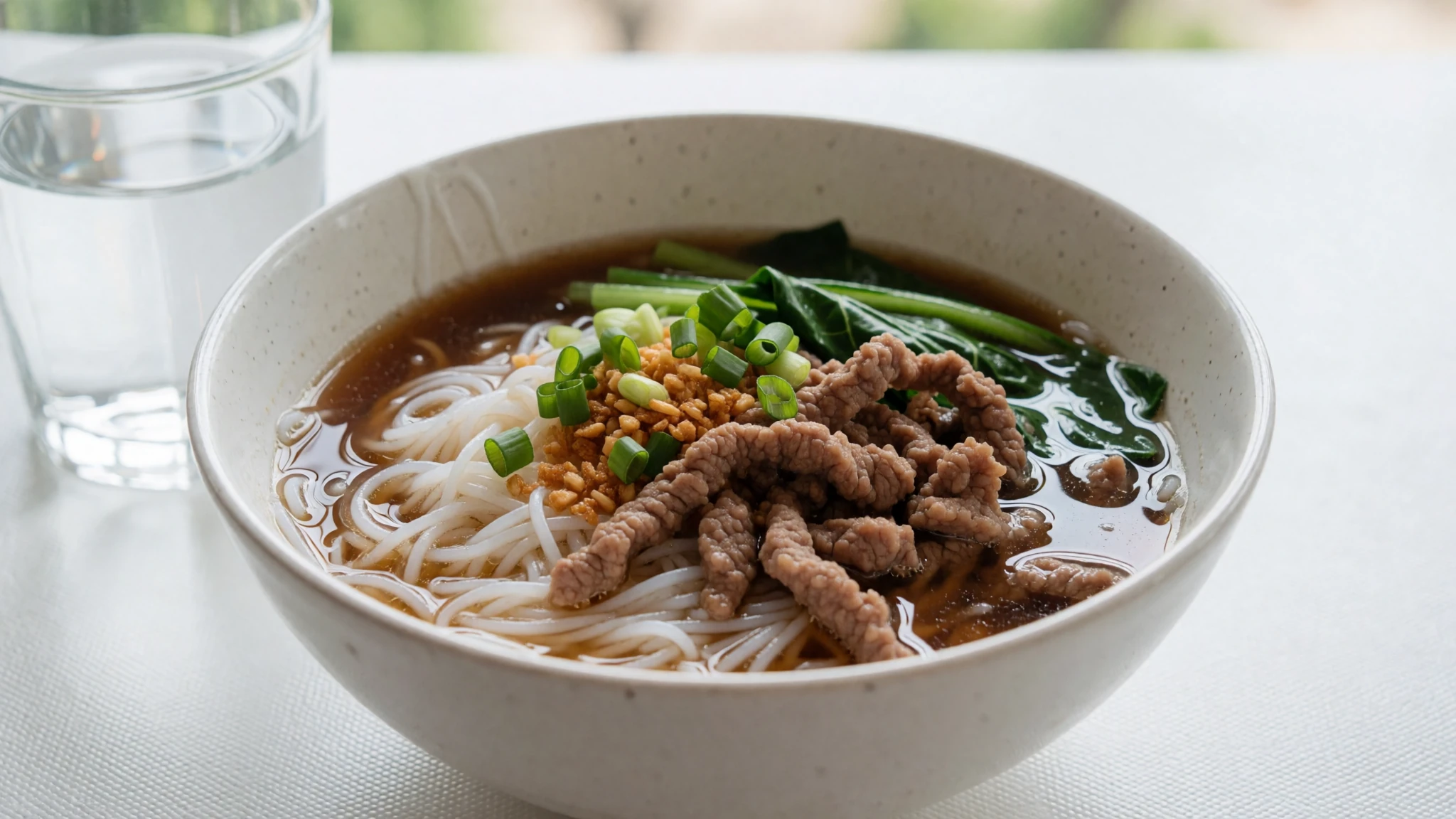
- River prawns — Riverside restaurants and the market stalls near the water
Ayutthaya is known for its river prawns, which appear grilled, fried or in soups. Look for them at riverside restaurants and in the market stalls near the water. Prices vary, so ask before ordering.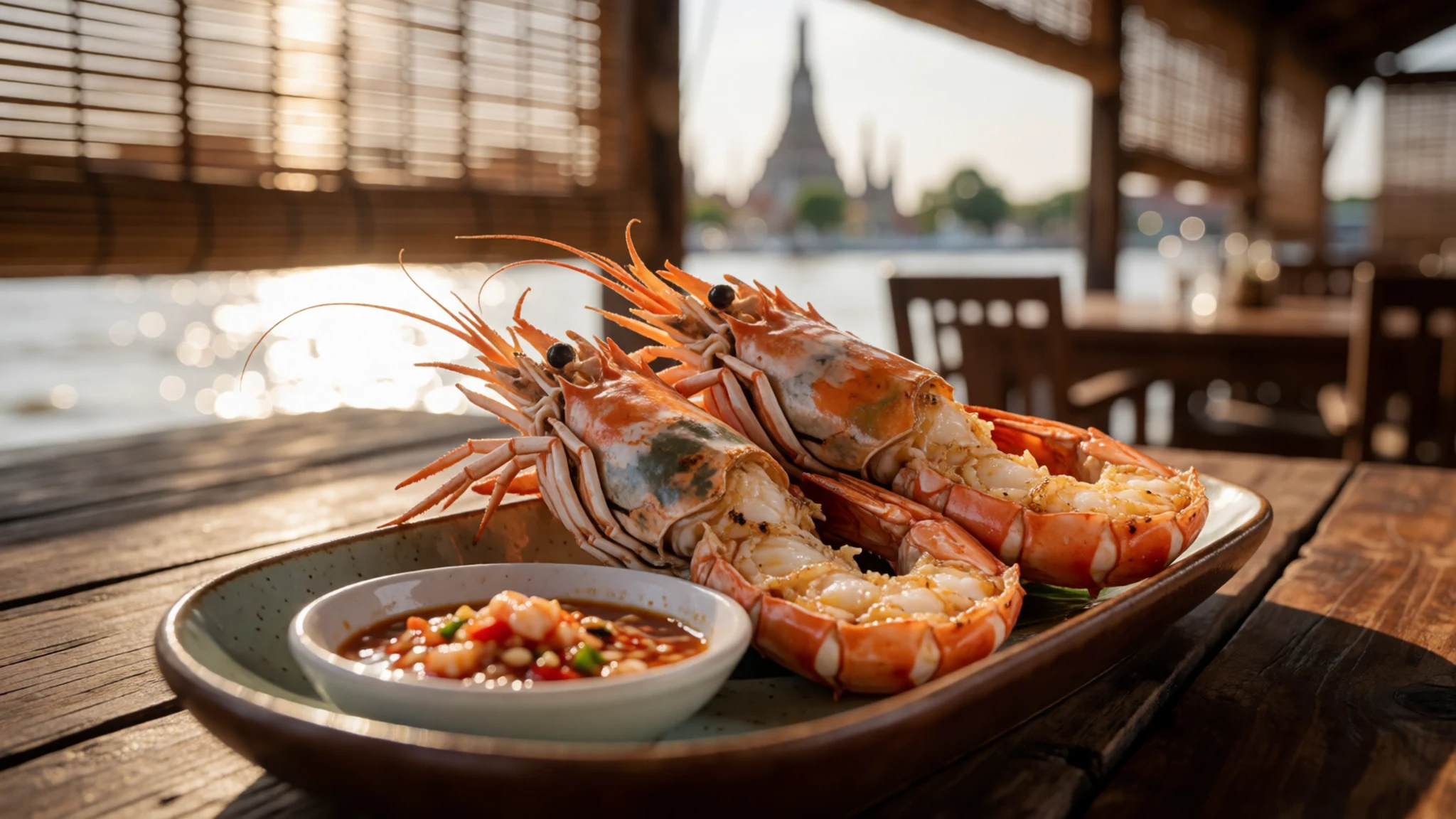
- Vegetarian Thai food (jay) — Dedicated vegetarian restaurants in town
Thai vegetarian restaurants, known as jay, serve a fixed range of meals built on tofu, vegetables and herbs. The menus are usually simple, so ask what is on offer that day. Tofu is widely used as a meat substitute. - Traditional Thai sweets — Cafés in the old town
Small cafés in the old town sell traditional Thai sweets, often packed in gift-ready boxes. Good coffee and shakes are served alongside, making the cafés a cool place to rest mid-morning. Buy a few to take home. - Night market dinners — Night market in front of Chankasem, by the river
The night market in front of Chankasem temple is a good place to eat outdoors. Tables along the river look out to the temple, which makes for a relaxed dinner with a view. Arrive early in the evening if you want a table by the water.
Plan it
Best time. The cooler months from November to February are the easiest for walking among the ruins. The hottest weather comes in the spring, and the rains arrive in the middle of the year, bringing wet afternoons and muddy paths.
How long. a day or two
Getting there. From Bangkok's airports, take a taxi or a train. Trains leave from Hua Lamphong station, which is the cheapest and most scenic option and takes around an hour and a half. Driving takes a similar time, depending on traffic.
Budget. low
Tips
- Start at the big temples early, before the midday heat and tour groups arrive
- Hire a bicycle or tuk-tuk to cover the spread-out sites, and watch for motorcyclists
- Carry cash for small stalls, cafés and the cheapest train tickets
- Stray dogs can be a problem, especially off-season and at night, so avoid walking alone after dark
- Check the official site for current opening arrangements rather than relying on older guides
Etiquette
- Cover your shoulders and knees at every temple
- Take off your shoes at steps, and do not climb on or sit against Buddha images
- Ask before photographing people who are praying
Nearby
Sources
- Wikidata Q1025100 (CC0)
- Wikipedia, Ayutthaya Historical Park (rev 1382095342) (CC BY-SA 4.0)
- Wikivoyage, Ayutthaya (rev 5395224) (CC BY-SA 4.0)
- Photo: Map of Ayutthaya Historical Park (Heinrich Damm) (CC BY 2.5)
- Photo: UNESCO sign in the Ayutthaya Historical Park (Christophe95) (CC BY-SA 4.0)
- Photo: Thailand - Ayutthaya (Visions of Domino) (CC BY 2.5)
- Photo: Wat Phra Sri Sanphet, Ayutthaya (Sabyk2001) (CC BY-SA 4.0)
- Photo: Templo Phra Si Sanphet (Diego Delso) (CC BY 3.0)
- Photo: Templo Mahathat (Diego Delso) (CC BY 3.0)
- Photo: Sandstone Buddha head in tree roots, Wat Maha That (Siripatwongpin) (CC BY-SA 4.0)
- Photo: Wat Lokayasutharam (Nayika C.) (CC BY 3.0)


