Ban Chiang
Ban Chiang, Thailand
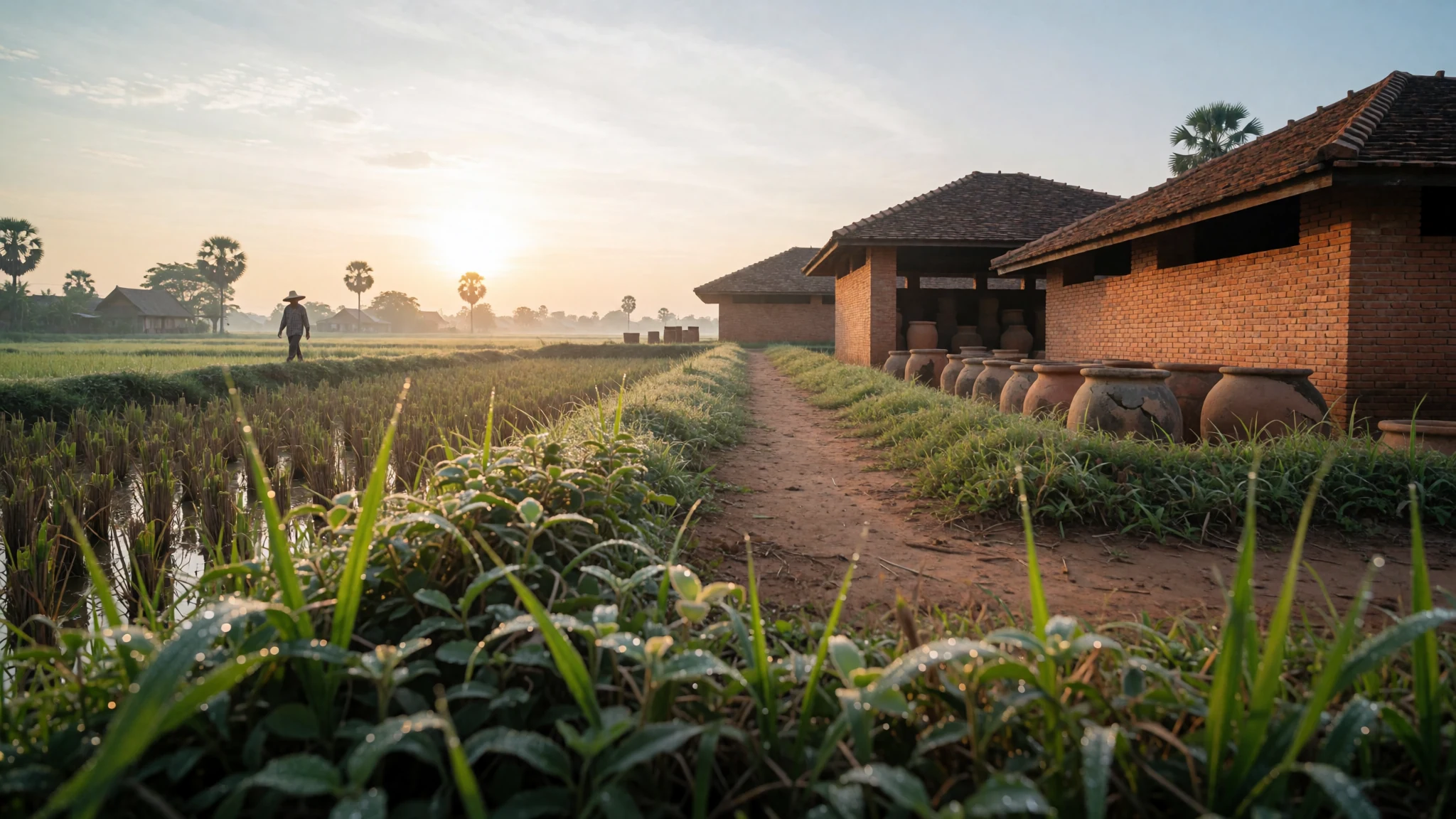
Step into a prehistoric past defined by exquisite red-painted terracotta and foundational insights into early agricultural civilization in north-east Thailand.
The place
Ban Chiang sits quietly within the Nong Han district of Udon Thani province, far from the coastal tourist tracks that draw most visitors to the country. This rural settlement guards secrets of human history that changed how archaeologists understand Southeast Asia. The surrounding countryside is defined by flat agricultural plains where rice paddies stretch toward the horizon, punctuated by small villages and temples. While the immediate archaeological zone is compact, it anchors a wider regional landscape shaped by deep historical roots and international connections forged during the twentieth century. Visitors approaching the area encounter a peaceful provincial atmosphere where dusty lanes, roadside food stalls, and swaying palms create an unhurried rhythm of daily life. The regional hub nearby offers all modern conveniences, yet the village itself retains a sleepy, reflective character that rewards slow exploration. Travellers coming here step off the conventional tourist map entirely, entering a landscape that bridges ancient agrarian traditions with the quiet realities of modern rural Thailand. Daytime temperatures can climb significantly, bathing the red soil and wooden houses in intense tropical light, while evening breezes offer a welcome reprieve across the plains.
Its story
The story of Ban Chiang began to rewrite global archaeology when unusual pottery fragments emerged from the earth, revealing a sophisticated prehistoric society long before written records existed in the region. Excavations uncovered layers of ancient burials accompanied by distinctive red-painted ceramic vessels, bronze tools, and evidence of early metallurgy and wet-rice cultivation that challenged Eurocentric views of technological development in ancient Asia. For generations, the community lived quietly above these subterranean treasures, unaware that their ancestral farmland held keys to understanding early human innovation. International recognition arrived when scholars realised the site offered an unbroken stratigraphic record spanning millennia of cultural and biological evolution. However, global fame brought dark complications in later decades, leading to illicit antiquities smuggling rings and high-profile international investigations involving museum raids across continents. Today, the village balances its extraordinary heritage with the legacy of twentieth-century history, including nearby military installations that once linked this remote province to global events. The artifacts preserved in local museums stand as silent testaments to ancient artisans whose brushstrokes continue to connect modern visitors with the distant dawn of civilisation.
What to see
- Ban Chiang National Museum — Ban Chiang village centre
The primary museum housing extensive collections of excavated artifacts, burial remains, and detailed exhibits explaining the chronological layers of prehistoric metallurgy and pottery design found across the district.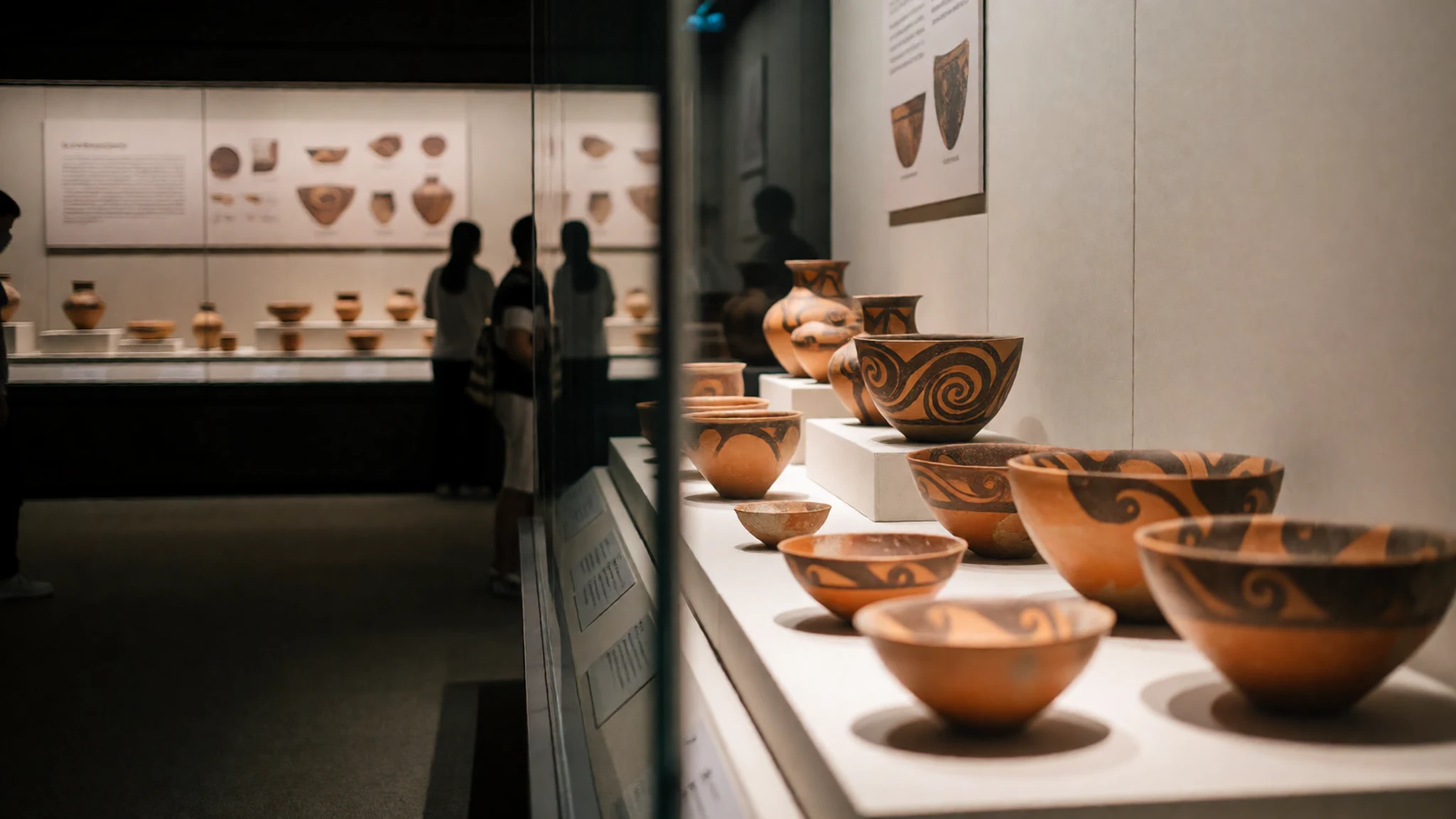
- Wat Pho Si Nai Archaeological Site — Ban Chiang outskirts
Located a short distance from the main museum, this protected pit preserves an original excavation site with in-situ burial jars and skeletal remains under a protective open-air pavilion roof.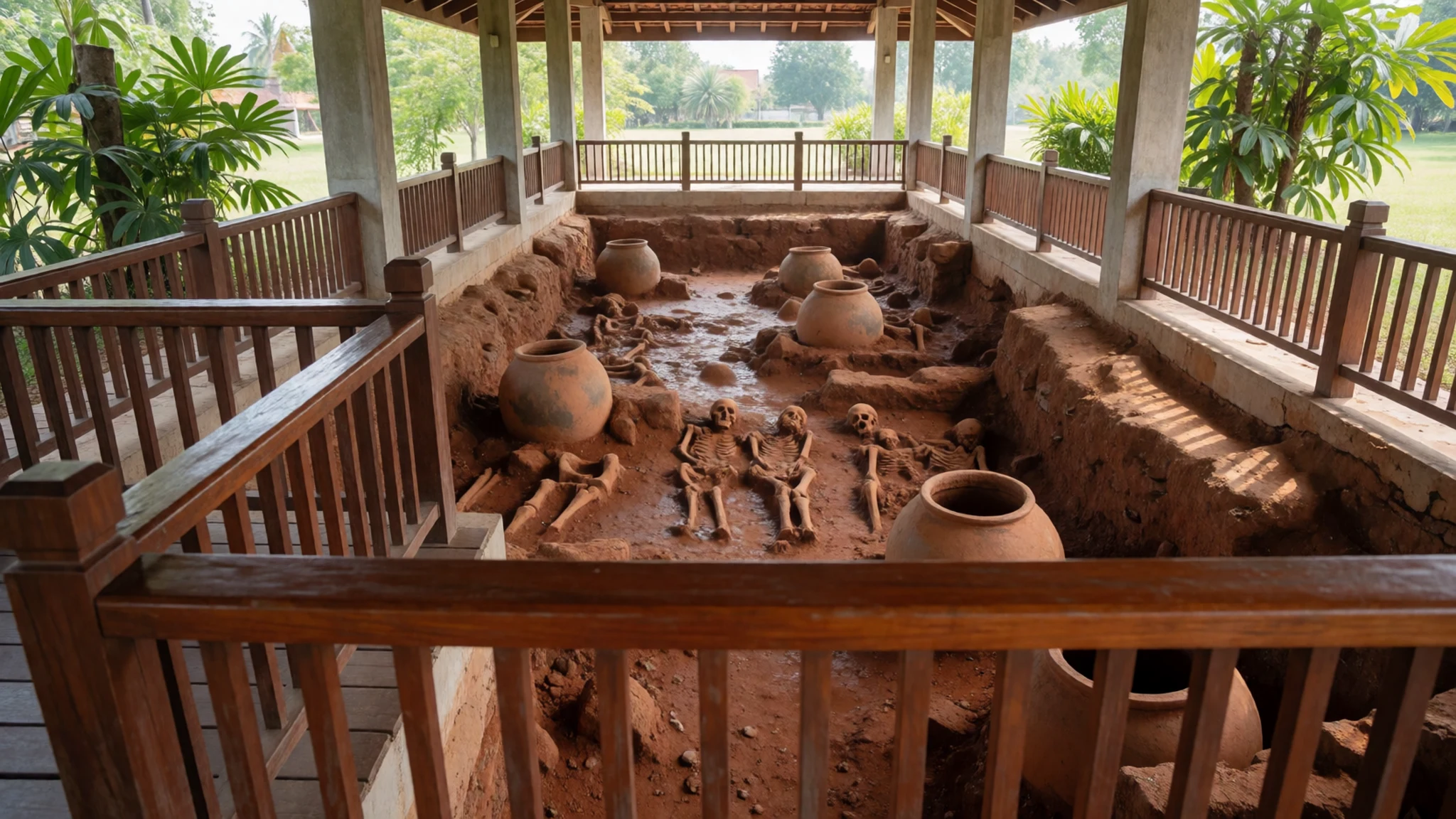
- Ban Nakha Silk Village — Nakha district
A bustling artisan community famous for producing hand-woven silk and cotton garments. Walking away from the main road reveals intricate traditional looms and local textile workshops tucked inside residential courtyards.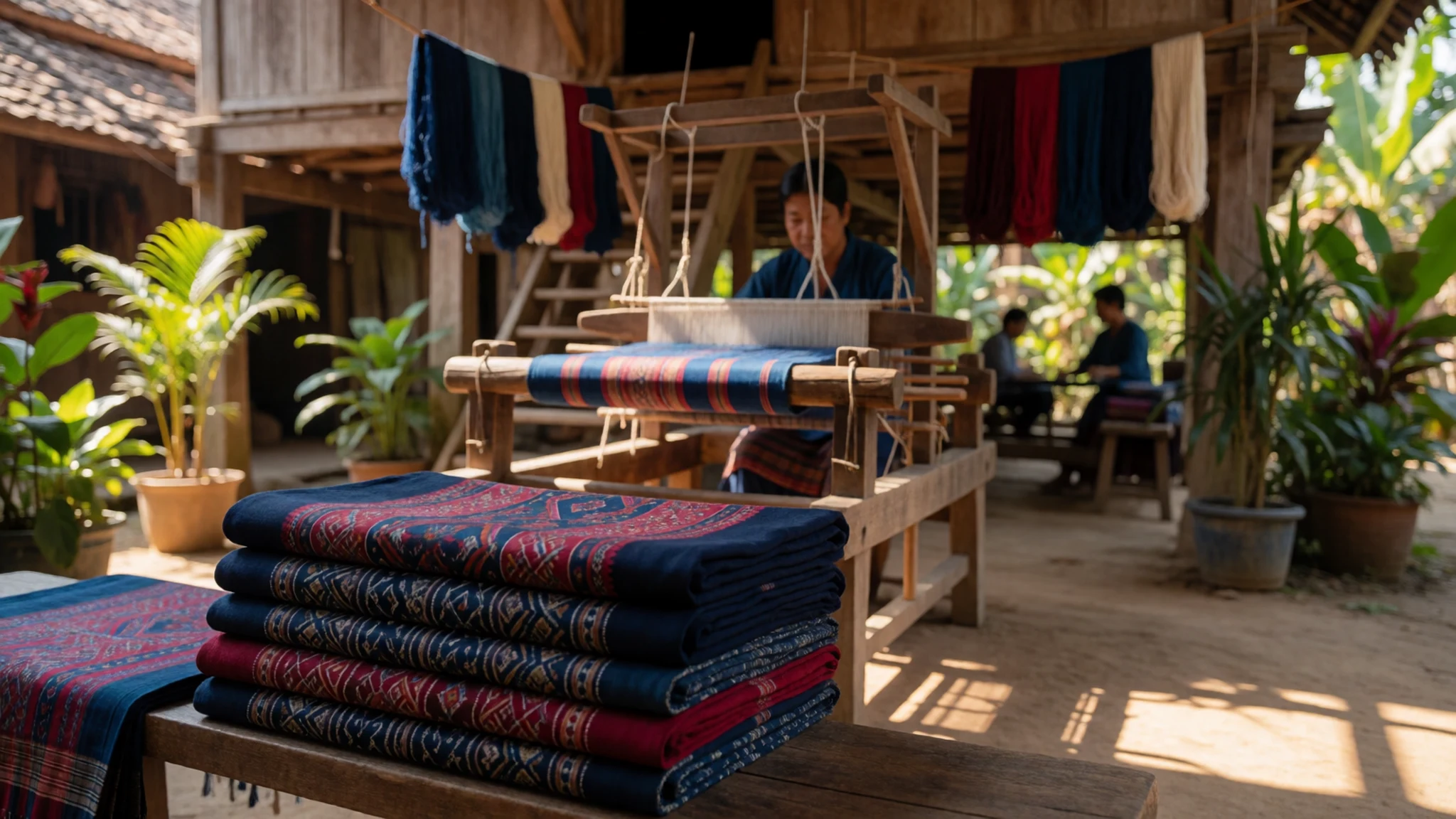
- Red Lotus Lake — Kumphawapi wetlands
A vast natural wetland near Kumphawapi where millions of red hardy water lilies blanket the water surface. Early morning boat excursions navigate through blooming pink channels during the cooler winter months.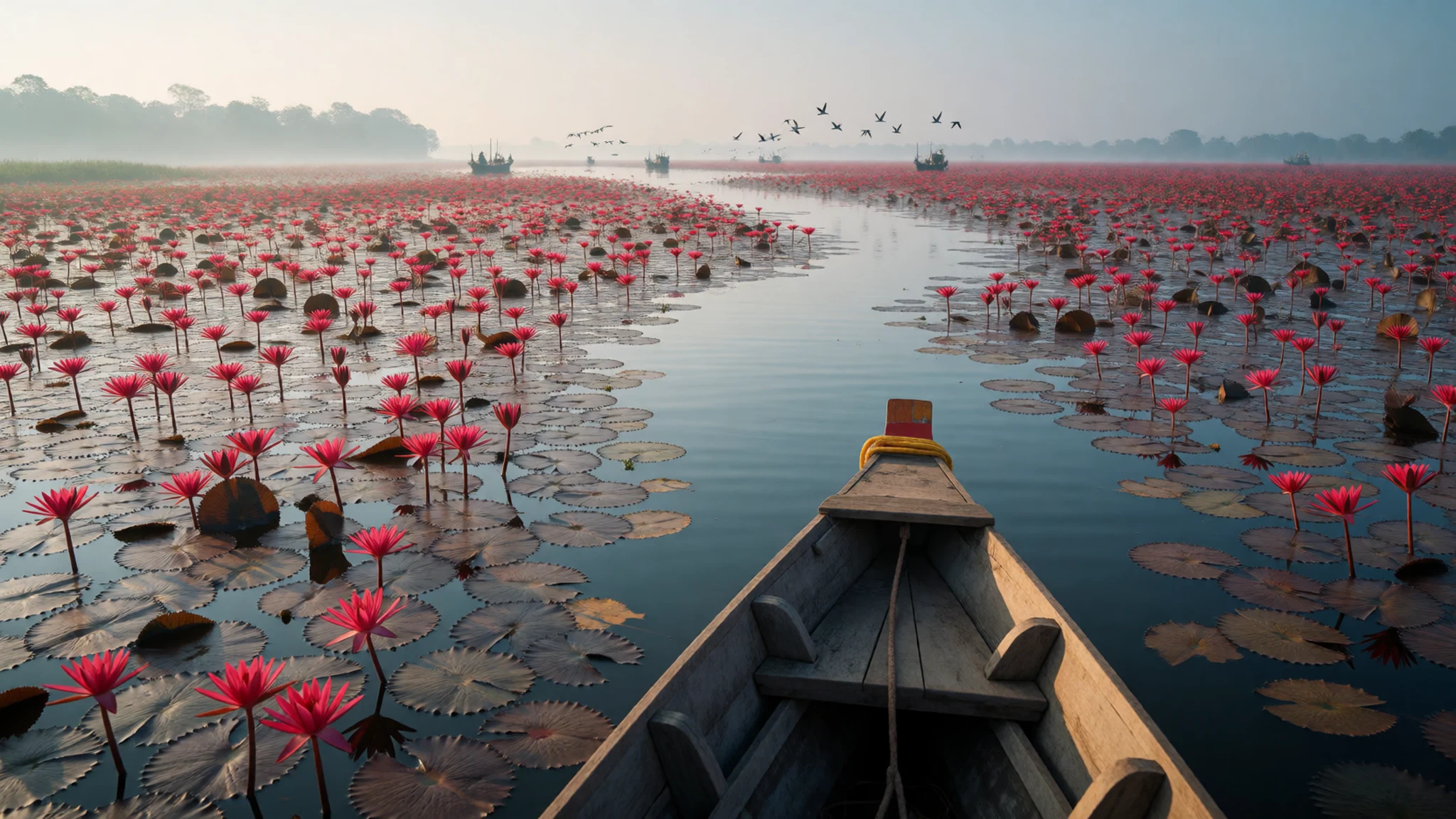
- Phu Phrabat National Park — Phu Phrabat ridge
A striking forested ridge featuring ancient sandstone formations sculpted by erosion into bizarre megalithic pillars, alongside prehistoric rock shelters decorated with faded bronze age paintings left by ancient wanderers.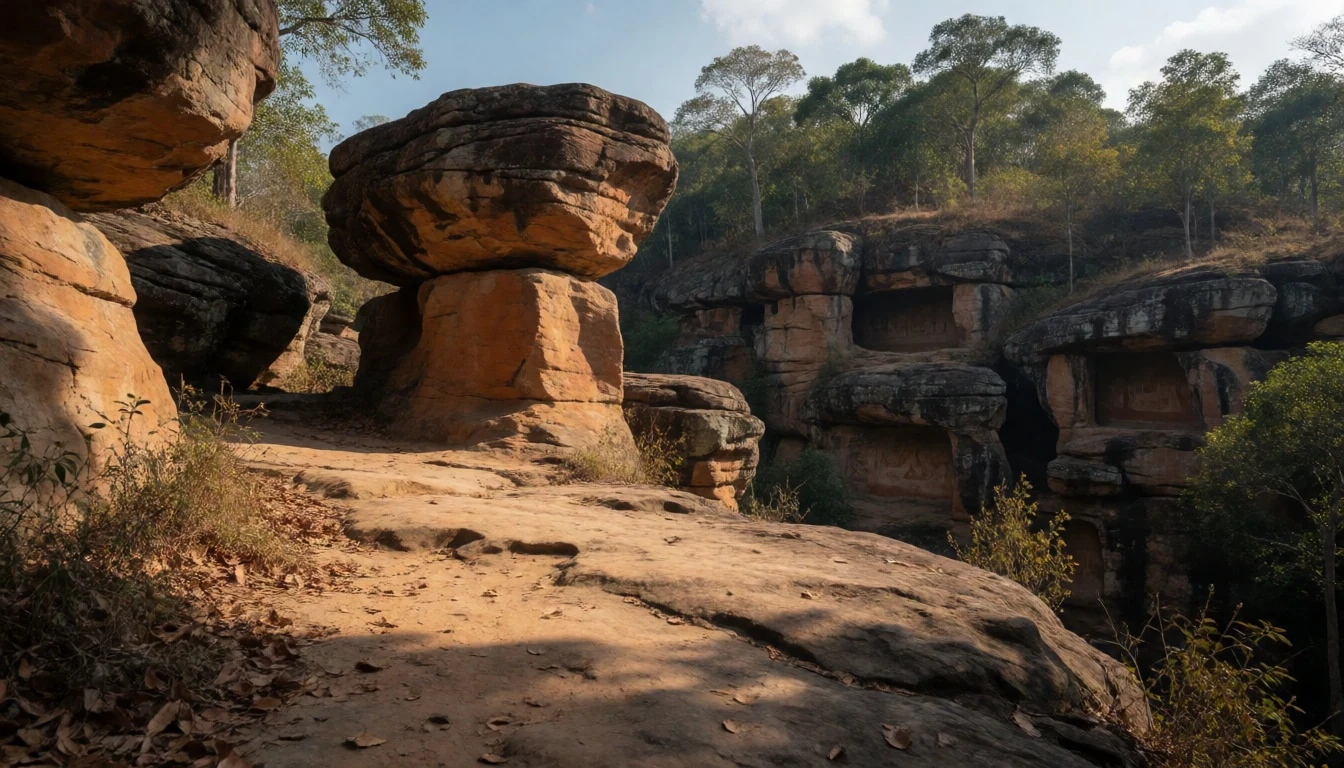
Culture
The cultural fabric of north-east Thailand, known locally as Isan, is deeply rooted in Theravada Buddhism, rural community solidarity, and distinctive regional traditions that differ markedly from central Bangkok. Daily life moves at a gentle, respectful pace where family ties and temple rituals guide the calendar. Traditional music featuring the khaen, a multi-piped bamboo mouth organ, and energetic folk dances accompany community celebrations throughout the year. Visitors will notice a warm, unpretentious hospitality from local residents who are accustomed to simple rural routines. Modesty is highly valued, particularly when visiting sacred monastic grounds or rural villages where conservative dress reflects deep-seated religious piety. Always remove your footwear before entering temple buildings or traditional homes, and ensure your shoulders and knees remain covered at all times.
What to wear
Traditional Isan textile heritage centres on hand-woven cotton and heavy silk fabrics, featuring intricate geometric patterns, ikat dyeing techniques known locally as mudmee, and rich natural indigo or earth-toned dyes passed down through generations. These textiles were traditionally woven on wooden handlooms beneath village stilt houses and worn during important religious ceremonies, weddings, and local festivals. Today, daily dress across the province is practical and modern, with younger generations and urban residents wearing casual western clothing such as t-shirts, jeans, and lightweight shirts suited to the tropical climate. Traditional woven fabrics are still widely worn in adapted forms, including patterned skirts, ceremonial sashes, and tailored shirts for official gatherings or temple fairs. For travellers exploring the region, lightweight, breathable fabrics in cotton or linen are essential to stay comfortable in the persistent heat. When visiting archaeological sites, outdoor parks, or Buddhist temples, dressing modestly with long shorts or trousers and shirts that cover the shoulders is both respectful and practical against the strong sun.
What to eat
- Som Tam — Any street vendor or local market
The iconic Isan green papaya salad pounded with chillies, garlic, fish sauce, lime, and roasted peanuts, delivering a fiery, tangy punch. - Isan Grilled Chicken — Night markets and roadside eateries
Gai yang features free-range chicken marinated in garlic, lemongrass, and fish sauce before being slow-grilled over charcoal coals. - Traditional Noodle Soup — Morning markets throughout the town
A comforting bowl of rice noodles served in a fragrant broth flavoured with pork, beef, or duck, topped with fresh herbs. - Nam Tok Moo — Open-air restaurants and food alleys
A robust salad of grilled sliced pork tossed with toasted rice powder, dried chilli flakes, mint, spring onion, and lime juice. - Sticky Rice with Mango — Local fresh markets and dessert stalls
Khao niao mamuang pairs glutinous rice cooked in rich coconut milk with ripe sliced sweet mangoes and toasted mung beans.
Plan it
Best time. November to February offers cooler, drier weather with pleasant morning temperatures; April is exceptionally hot with daily maximums reaching high peaks.
How long. 2–3
Getting there. Fly into the regional airport, then take an airport limousine minibus or a ride-hailing car directly to your accommodation or onward transport.
Budget. low
Tips
- Start museum visits early in the morning to beat the intense tropical midday heat
- Carry cash in local currency for small entrance fees, rural markets, and local transport
- Drink bottled water continuously throughout the day to stay hydrated in the humid climate
- Rent a car or hire a driver for day trips to outlying parks and textile villages
Etiquette
- Remove your shoes before stepping inside any temple building or local home
- Dress modestly with covered shoulders and knees when visiting sacred monuments
- Show respect to monks and avoid pointing the soles of your feet toward people or religious images
Nearby
Sources
- Wikidata Q584125 (CC0)
- Wikipedia (CC BY-SA 4.0)
- Wikivoyage (CC BY-SA 4.0)