Chiang Mai
Chiang Mai, Thailand
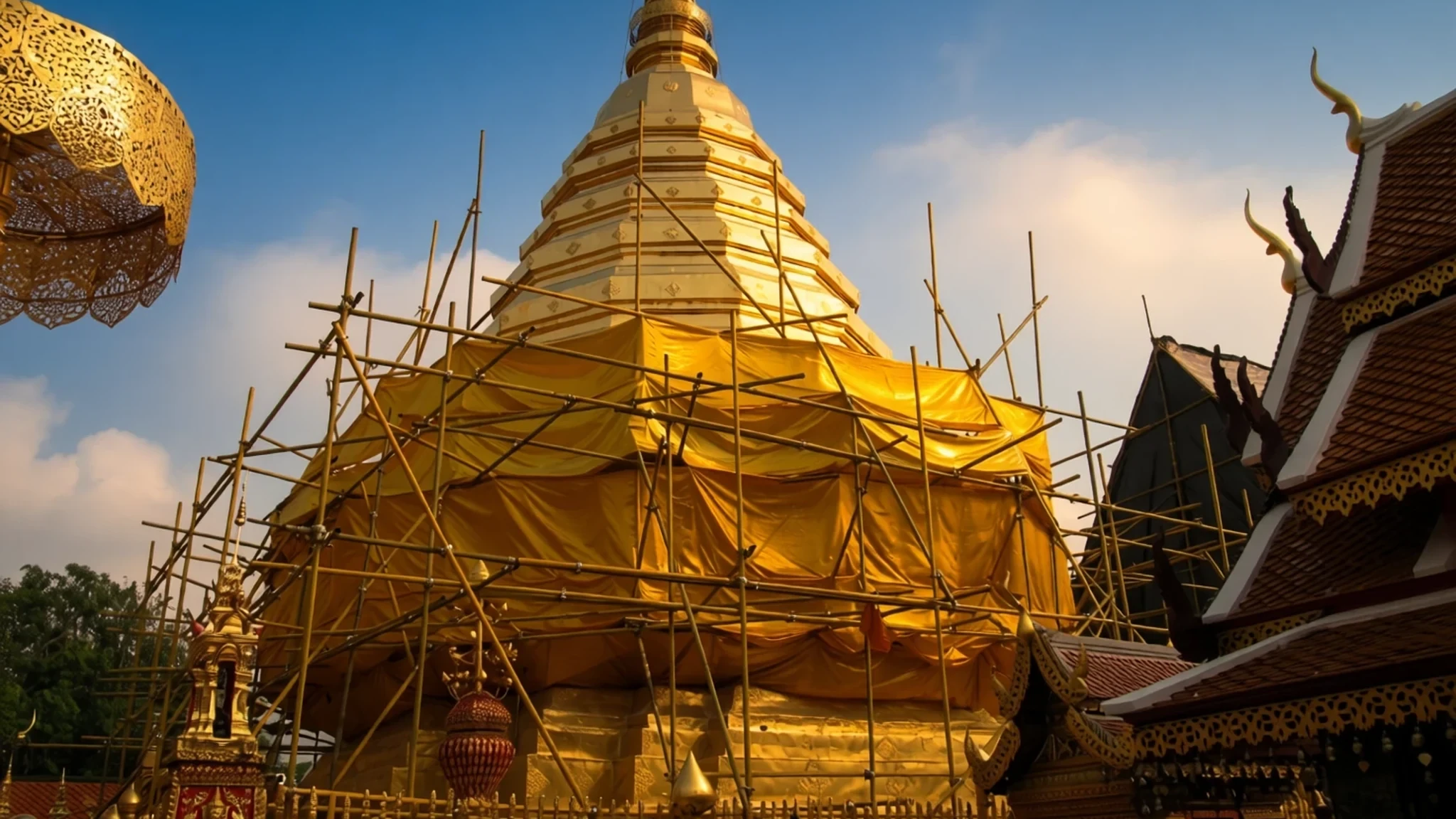
Chiang Mai offers ancient temples, mountain air, and northern Thai food traditions in a historic northern valley.
The place
As the biggest urban hub in northern Thailand and the capital of its home province, Chiang Mai actually stands as the country's second-largest city overall. Situated in a mountainous northern valley surrounded by the Thai highlands, Chiang Mai lies within a region historically shaped by trade routes and high ridges. The historic heart of Chiang Mai is defined by a square layout bounded by remnants of ancient red brick fortifications and a wide moat. Outside this square, the modern urban area expands across surrounding districts to form a vast metropolitan region. Founded centuries ago in a fertile river valley, Chiang Mai grew from a regional royal seat into a thriving urban hub while maintaining a distinctly slower pace than the national capital to the south. Visitors walking through the historic centre encounter quiet temple courtyards, narrow lanes shaded by mature trees, and wooden houses tucked between modern cafes. The surrounding mountains rise sharply from the valley floor, creating a cooler microclimate that has drawn travellers and scholars for generations. Life here moves with a steady rhythm, blending preserved architectural heritage with contemporary creative industries, traditional craft markets, and academic institutions.
Its story
Chiang Mai was established in the late thirteenth century as the new royal capital of the Lan Na kingdom, succeeding the older royal seat of Chiang Rai. King Mangrai chose the valley site because of its strategic advantages and agricultural potential, moving his court from a location previously inhabited by the Lawa people. Subsequent rulers fortified the settlement with earthen ramparts, brick walls, and wide moats to defend against regional rivals. During the centuries of Lan Na independence, Chiang Mai flourished as a major centre of Theravada Buddhism, manuscript production, and craft exchange connecting China, Burma, and the lower river basins. As regional powers shifted, the city experienced periods of foreign occupation, notably by the Toungoo Empire in the sixteenth century, which led to extended periods of conflict and eventual abandonment in the late eighteenth century. Local leaders later allied with regional forces to drive out occupying armies, allowing families to return and rebuild the ruined settlement. The modern municipality took shape in the early twentieth century with the establishment of sanitary districts before gaining formal city status. Today, the restored gate structures, ancient chedis, and temple complexes stand as physical reminders of the distinct cultural lineage of the northern kingdom.
What to see
- Wat Phra That Doi Suthep — Doi Suthep mountain
Perched high on a mountain overlooking Chiang Mai, this revered Theravada Buddhist temple features a gleaming golden chedi and an ornate naga staircase. Reaching the terrace rewards visitors with sweeping panoramic views across the entire valley floor and the urban grid below.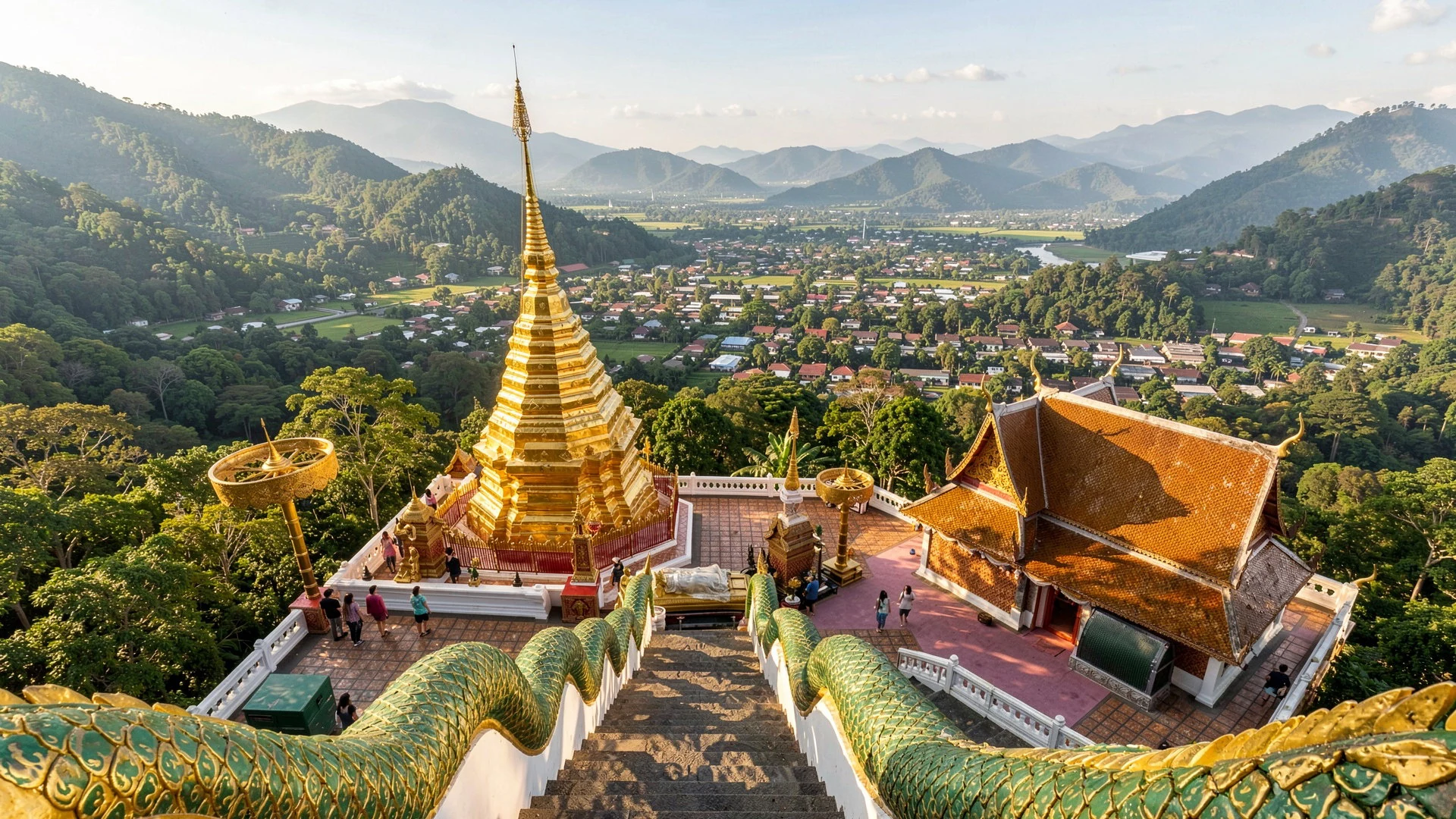
- Wat Chedi Luang — Historic city centre
Dominating the historic centre of Chiang Mai, this ancient temple complex is centred on a massive ruined chedi that once stood as the tallest structure in the northern kingdom. Earthquake damage left the towering brick structure partially open, revealing intricate elephant sculptures carved into its stone base.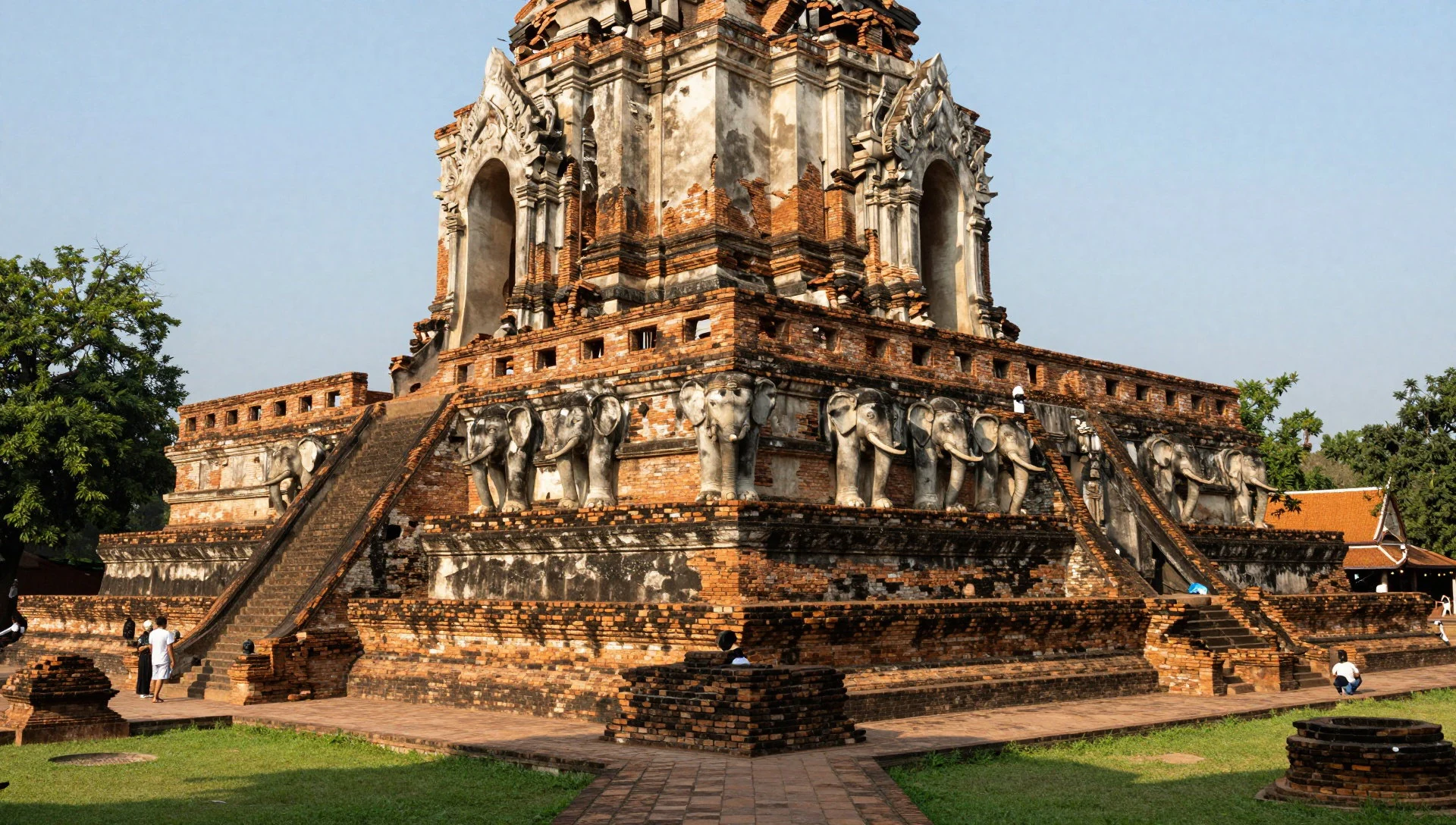
- Tha Phae Gate — Eastern wall boundary
As the most prominent remaining eastern entrance through the ancient red brick fortifications, this public square serves as a focal point for weekend markets, cultural festivals, and community gatherings. Pigeons often gather in large flocks across the open plaza in front of the restored wall.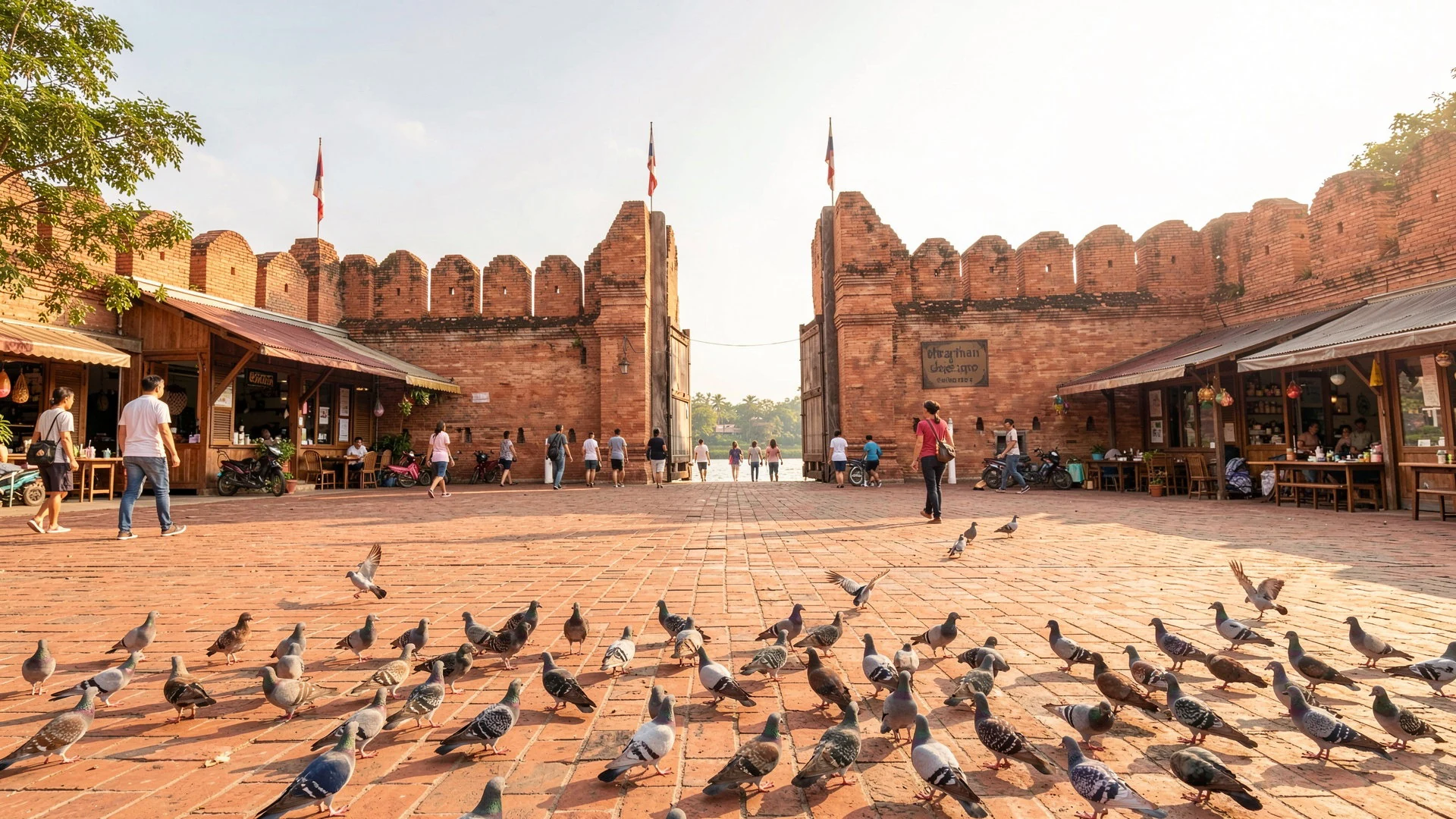
- Wat Chiang Man — Northeastern corner of the old city
Recognised as the oldest royal temple in Chiang Mai, this sacred site was established by the city's founder. The temple grounds house ancient Buddha images of profound religious significance and a distinctive chedi supported by a row of carved stone elephants encircling its base.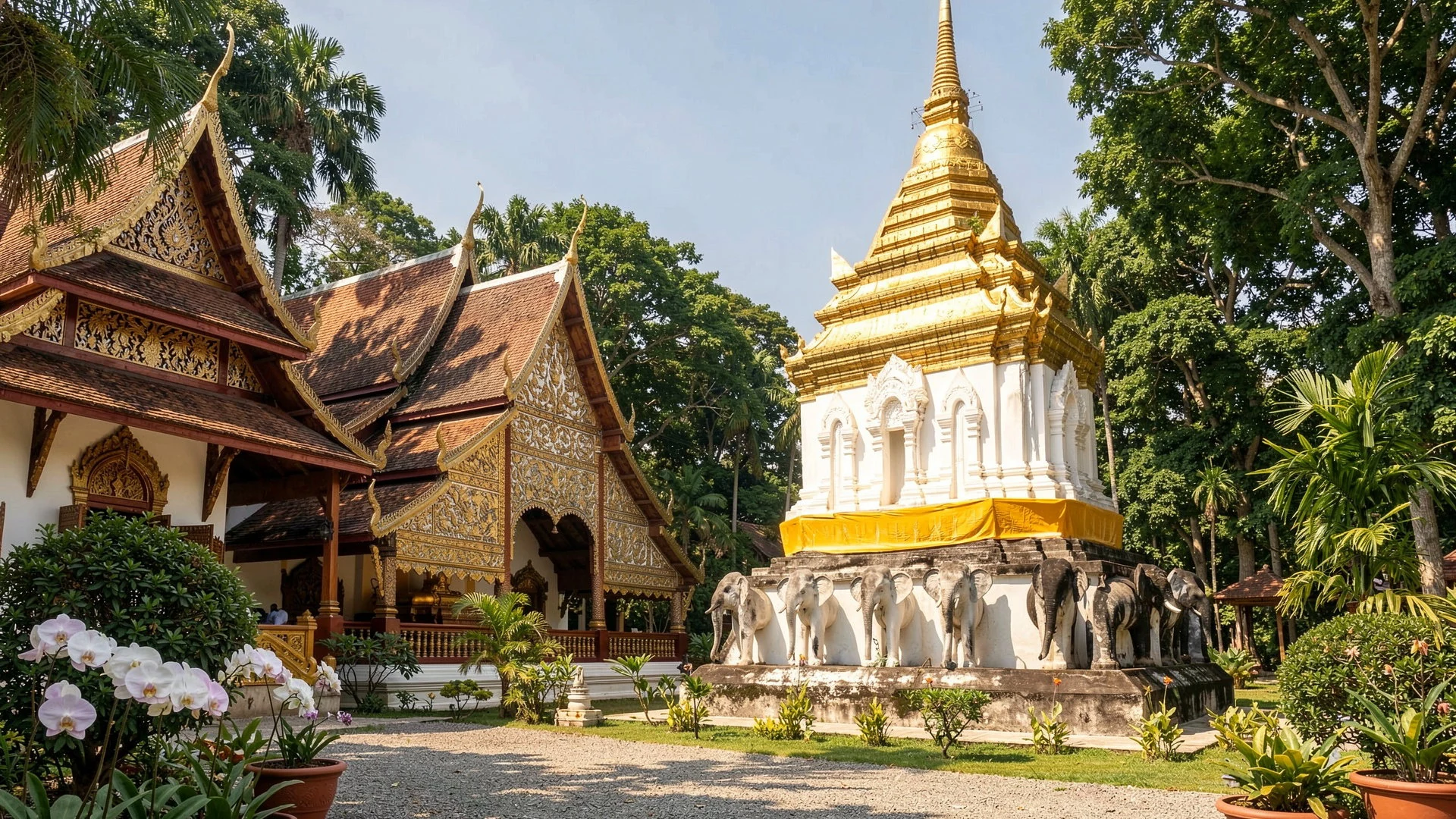
- Bhubing Palace — Doi Suthep mountain slopes
Situated higher up the mountain slopes beyond the temple, this royal winter residence features extensive landscaped flower gardens and cool mountain air. The grounds offer tranquil walking paths through pine forests and carefully tended temperate flora cultivated for the royal family.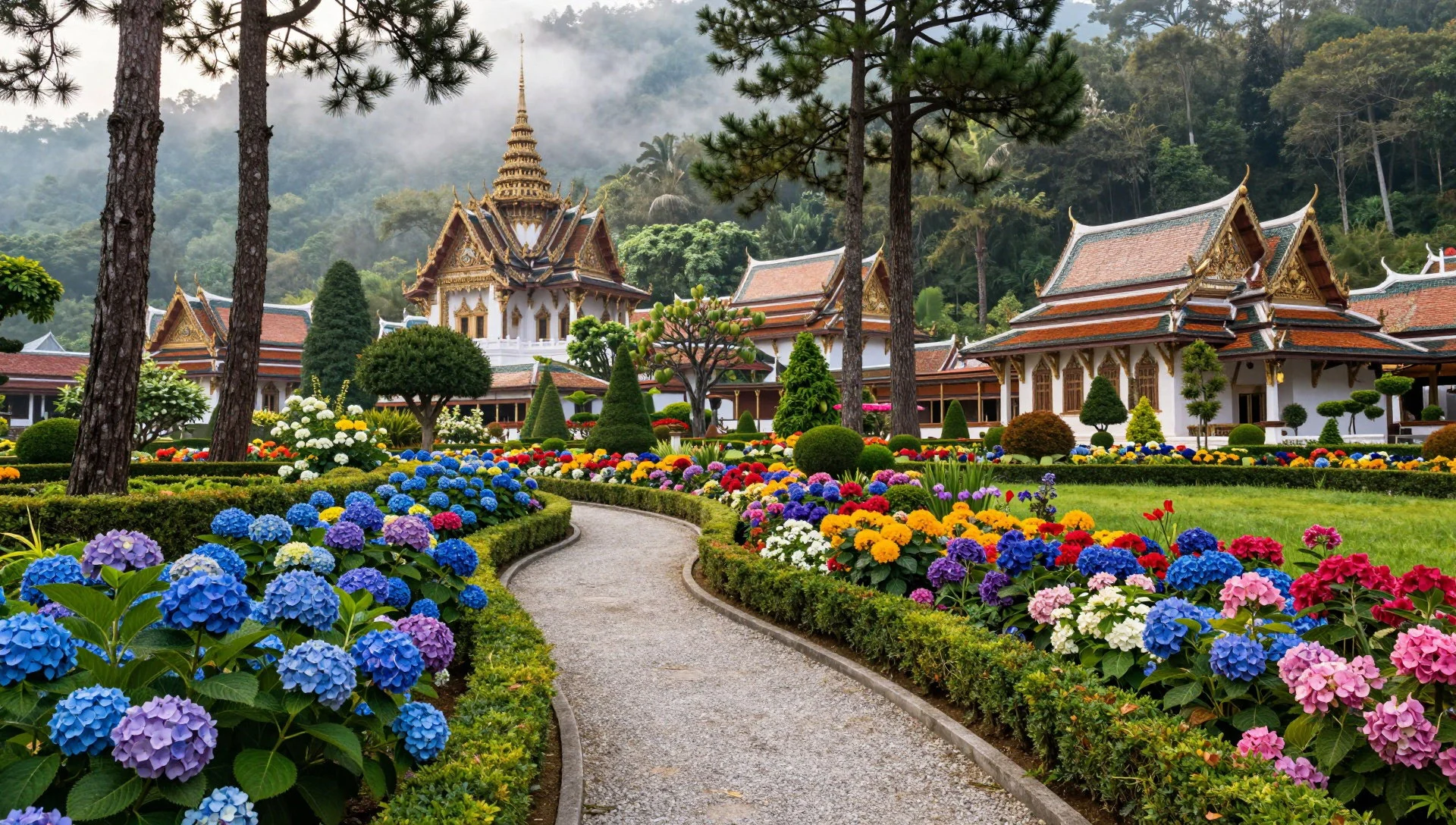
Culture
Chiang Mai maintains a distinct cultural identity rooted in its history as the heart of the Lanna kingdom, reflected in local dialects, traditional architecture, and elaborate seasonal celebrations. Annual festivals shape the rhythm of community life, most notably Loi Krathong and Yi Peng in November, when locals release decorated banana-leaf vessels onto the waterways and launch paper sky lanterns into the night sky to carry away misfortune. In mid-April, Songkran marks the traditional New Year with water splashing across streets and temple courtyards to cleanse impurities and ensure seasonal rains. Traditional handicrafts such as hand-woven textiles, umbrella making, and woodcarving remain active vocations passed down through family workshops across surrounding villages. Respect for elders, monks, and sacred spaces governs daily social interactions throughout the region. Visitors must remove shoes before entering temple sanctuaries and wear clothing that covers shoulders and knees.
What to wear
Traditional dress in Chiang Mai draws heavily on heritage Lanna textiles, featuring hand-woven cotton and silk fabrics patterned with geometric motifs, indigo dyes, and intricate brocades. Historically, women wore wrap-around skirts paired with fitted blouses and woven sashes, while men donned traditional loose trousers for agricultural labour and ceremonial gatherings. Today, residents dress in modern, lightweight clothing suited to the warm tropical climate, though traditional indigo-dyed shirts and local textiles remain popular for cultural events, weekend markets, and artisan showcases. For travellers exploring Chiang Mai, lightweight, breathable fabrics such as cotton and linen are essential for managing daytime heat and humidity. When visiting temples or royal residences, modesty is strictly required: both men and women must wear clothes that cover their shoulders and knees, and slip-on shoes are practical because footwear must be removed frequently at temple doors.
What to eat
- Anusarn Market — Night Bazaar district
A busy outdoor night market offering a wide selection of northern Thai food stalls, seafood vendors, and small eateries where locals and travellers gather after sunset.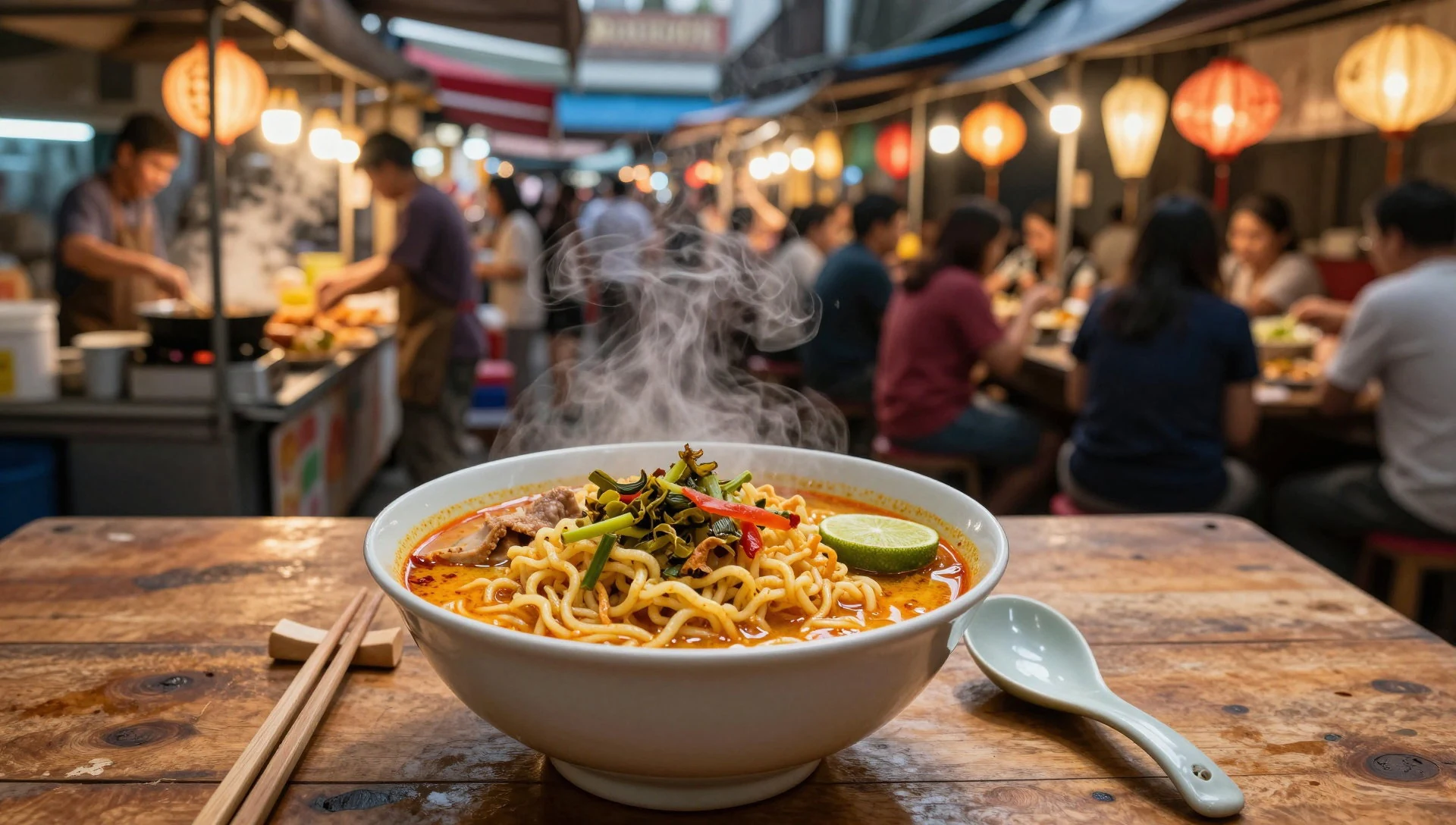
- Kalare Food Centre — Chang Khlan Road
An open-air food court featuring communal seating, various regional food stalls, and nightly cultural performances showcasing traditional northern dance.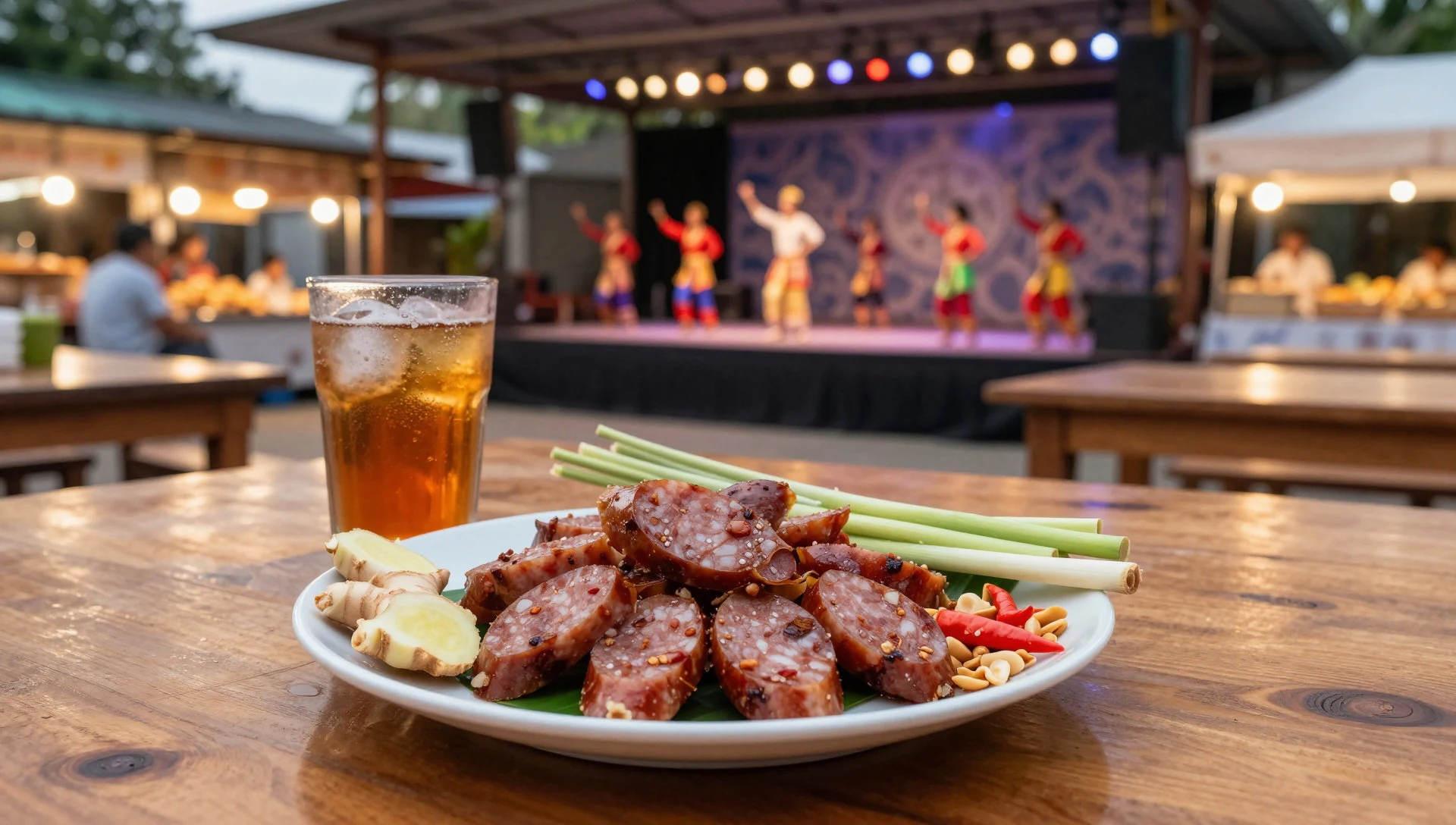
- Suthep Road Moveable Feast — Suthep Road near the university
An evening gathering of street food carts setting up along the roadside to serve inexpensive local noodle dishes, grilled meats, and sweets to evening crowds. - Lim Lao Ngow — Historic city centre
A popular local noodle shop known for serving traditional fishball noodle soups with clear broth and handmade noodles.
Plan it
Best time. November to February brings cooler, drier weather following the monsoon rains, making it the most comfortable time for exploring the region.
How long. 3–4
Getting there. Chiang Mai International Airport is situated just a short distance from the city centre, reachable by taxi or ride-hailing apps within fifteen minutes.
Budget. mid
Tips
- Visit major temples early in the morning before midday heat and tour groups arrive.
- Carry cash in small notes for street food vendors and rural temple donations.
- Drink bottled water and stay hydrated during the warmer months.
- Use registered airport taxis or ride-hailing apps for transparent fares.
Etiquette
- Remove your shoes before stepping inside temples and traditional homes.
- Cover your shoulders and knees when visiting sacred religious sites.
- Always treat images of the Buddha with deep respect.
Nearby
Sources
- Wikidata Q52028 (CC0)
- Wikipedia (CC BY-SA 4.0)
- Wikivoyage (CC BY-SA 4.0)