St. David's
St. David's, Grenada
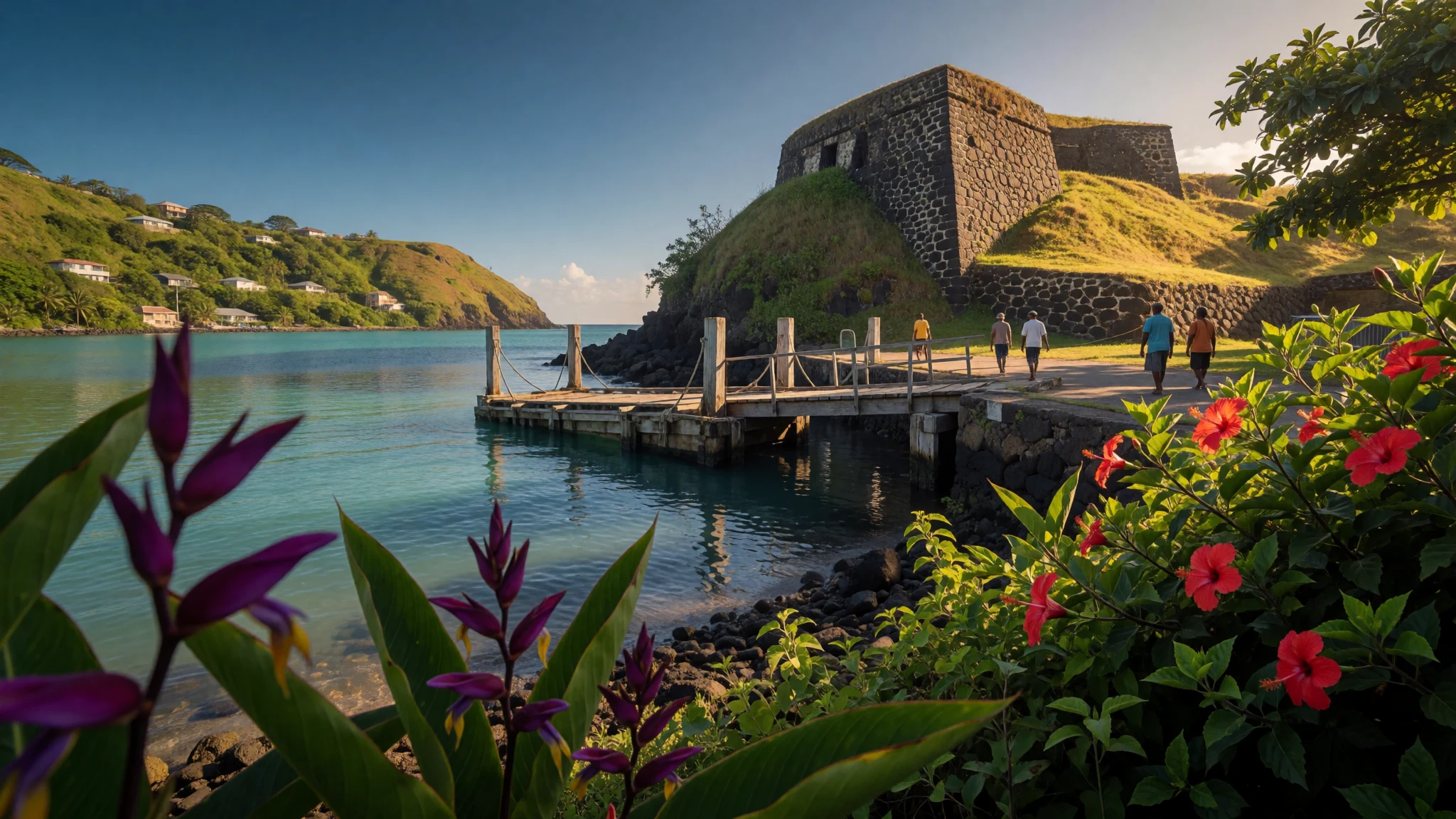
St. David's offers everyday Grenadian life in the green south, within easy reach of rum estates, spice farms, waterfalls and quiet beaches.
The place
St. David's is a small town in southern Grenada, standing only about 8 metres above sea level and a short drive east of the capital, St George's. It is a working settlement rather than a resort, and that is much of its appeal: ordinary island life, with farmland and steep green hills close by and the Atlantic-facing coast not far away. Grenada lies only a little north of the equator, so the weather is tropical all year. Humidity can climb above 90 per cent, the sun is fierce even under cloud, and the sea breeze does much of the work of keeping things bearable. Most visitor accommodation on the island is gathered around Grand Anse near the airport, so St. David's usually works best as a day out, or as a quieter base for people with a hire car or patience for local buses. Within reach are the rum distilleries of the south, the spice estates, the crater lake at Grand Etang and a scatter of small beaches. The coast is mostly rugged, and the eastern shore takes the full force of Atlantic swell, so swimming is generally easier on the sheltered western side. Grenada has a low crime rate, and ordinary care with valuables is enough. Anyone planning around St. David's should expect modest facilities, early closing in small towns, and a pace that rewards slowing down.
Its story
St. David's has no long written chronicle that this reading can draw on, so its story is best read through the volcanic, spice-growing island around it. Grenada's interior holds old crater lakes, among them Grand Etang, with Mount Qua Qua rising above. Rain draining off those mountains feeds the waterfalls and streams, and it is the reason the island's tap water tastes clean and sweet. Wet, fertile volcanic soil also explains Grenada's long bond with spice and other crops. Nutmeg is processed near Gouyave on the west coast, cocoa beans become chocolate at an estate in the north, and rum comes from distilleries in both the south and the north of the main island. Farming country of this kind sits close to St. David's, and estates and smallholdings have long shaped how people in southern Grenada earn a living. More recent history has left its own marks. A hurricane in 2004 damaged many buildings across the island, and some in the capital are still shabby or unrepaired. The sea has left marks too: on the island of Carriacou, an old cemetery at Tibeau is slowly being washed away. For a visitor, then, the town is best understood as one thread in a larger pattern of crater, plantation, harbour and reef, rather than as a monument with a single founding tale.
What to see
- St George's and the Carenage — St George's, west coast
The capital curls around a natural harbour known as the Carenage, with Fort George on the knoll above and the old Church Street quarter behind. Some buildings are still dilapidated from the 2004 hurricane. The inland streets are steep, so the little tourist train can save some effort.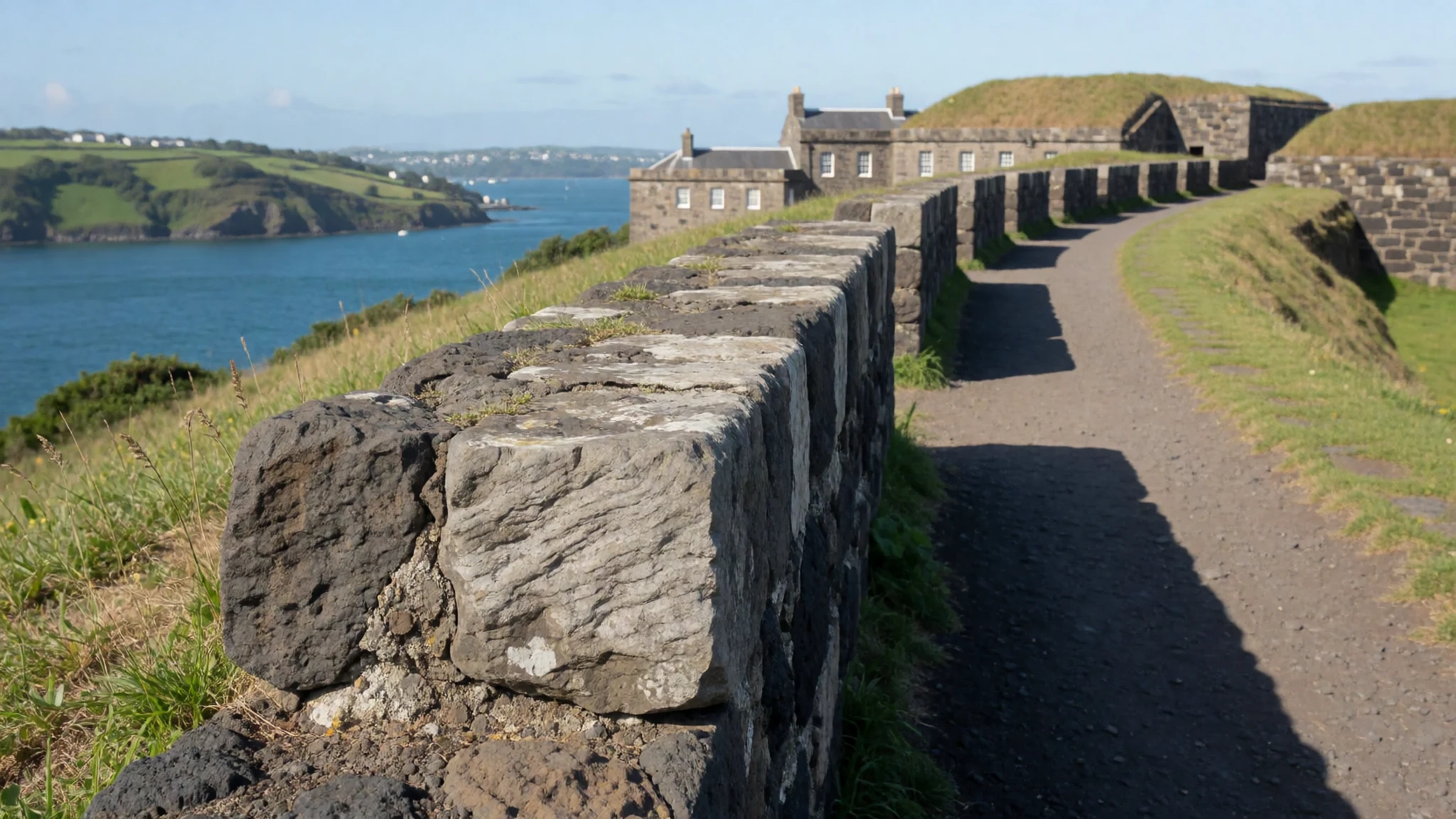
- Grand Anse beach — Grand Anse, south-west
Grand Anse is the beach on most of the postcards: a long curve of palm-backed sand, though erosion has narrowed it and waves can break right up the shore. Water sports are based here. Quieter stretches lie beyond the headland, towards Morne Rouge and Paradise Bay.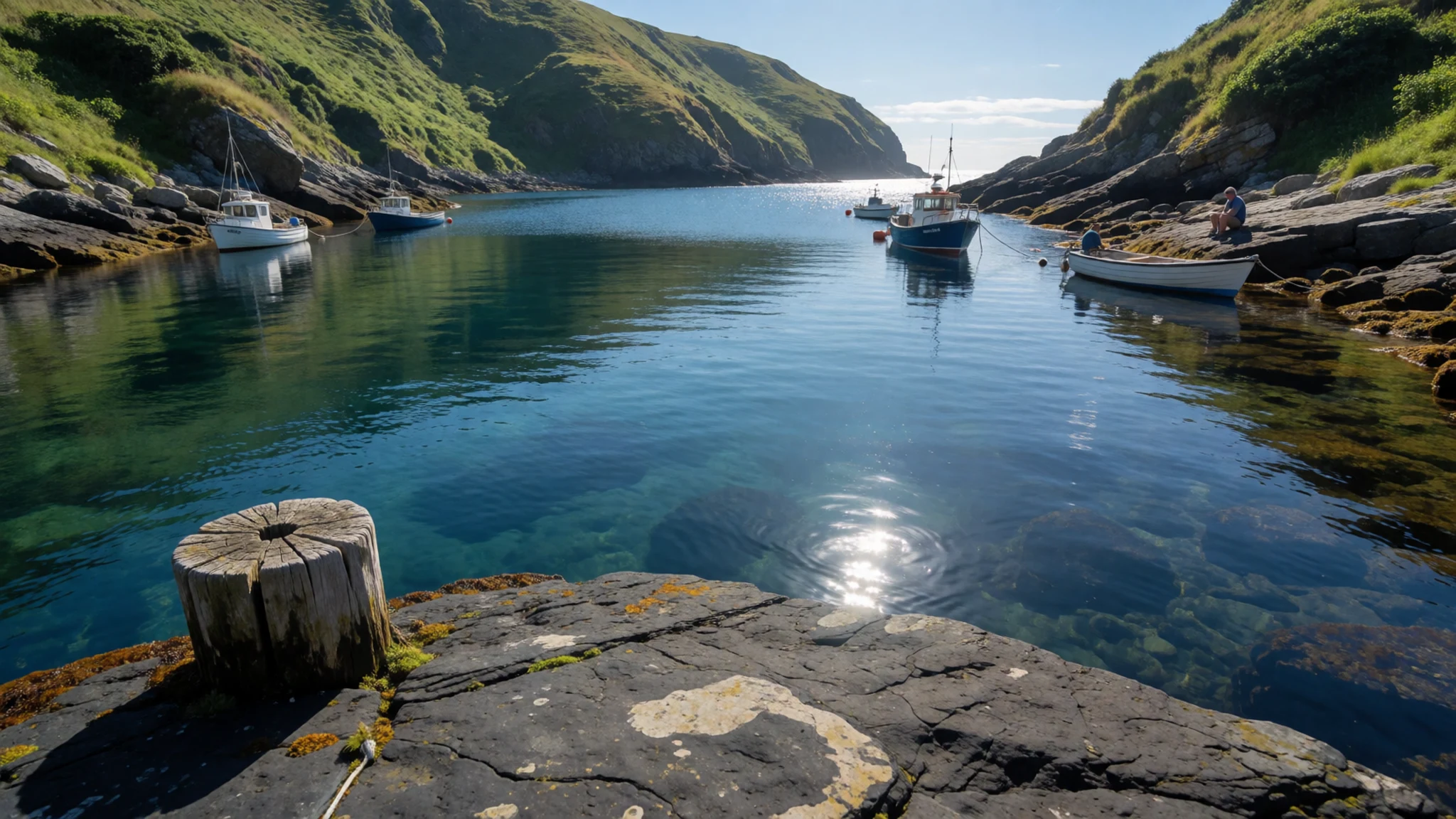
- Grand Etang crater lake — Central highlands
Grand Etang fills an old volcanic crater in the middle of the island and is protected as a nature reserve. Mona monkeys, birds and tropical flowers live around the shore, with Mount Qua Qua above. Expect cloud, mud and showers; sturdy shoes make the walking far easier.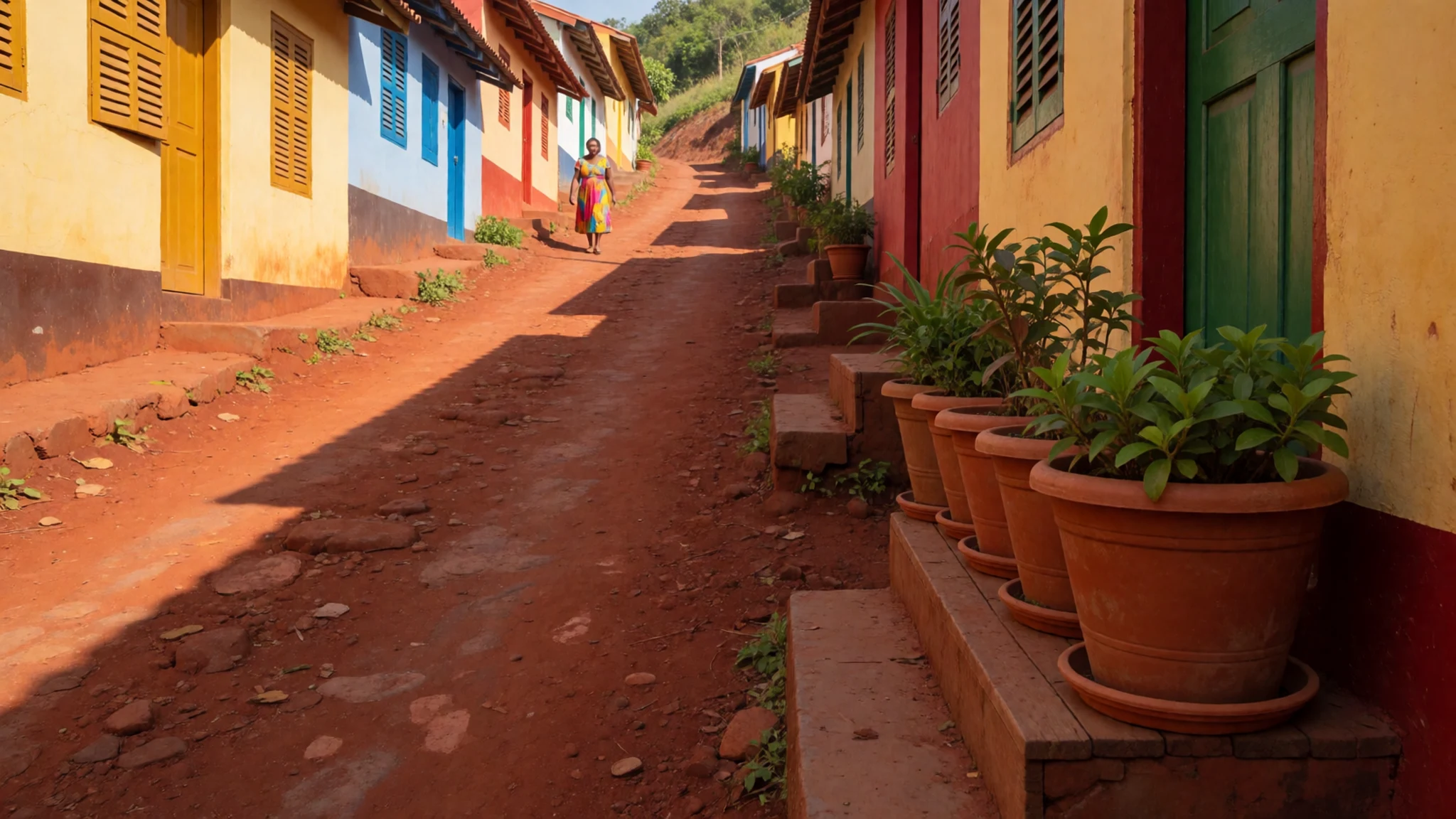
- Waterfalls: Annandale and Seven Sisters — Interior hills
Several falls drop down the forested slopes. Annandale, on the western side, is the easiest to reach, while Seven Sisters and Honeymoon Falls lie on the eastern side. Water levels vary with the rains, and rocks around the pools are slippery, so a guide is worth considering.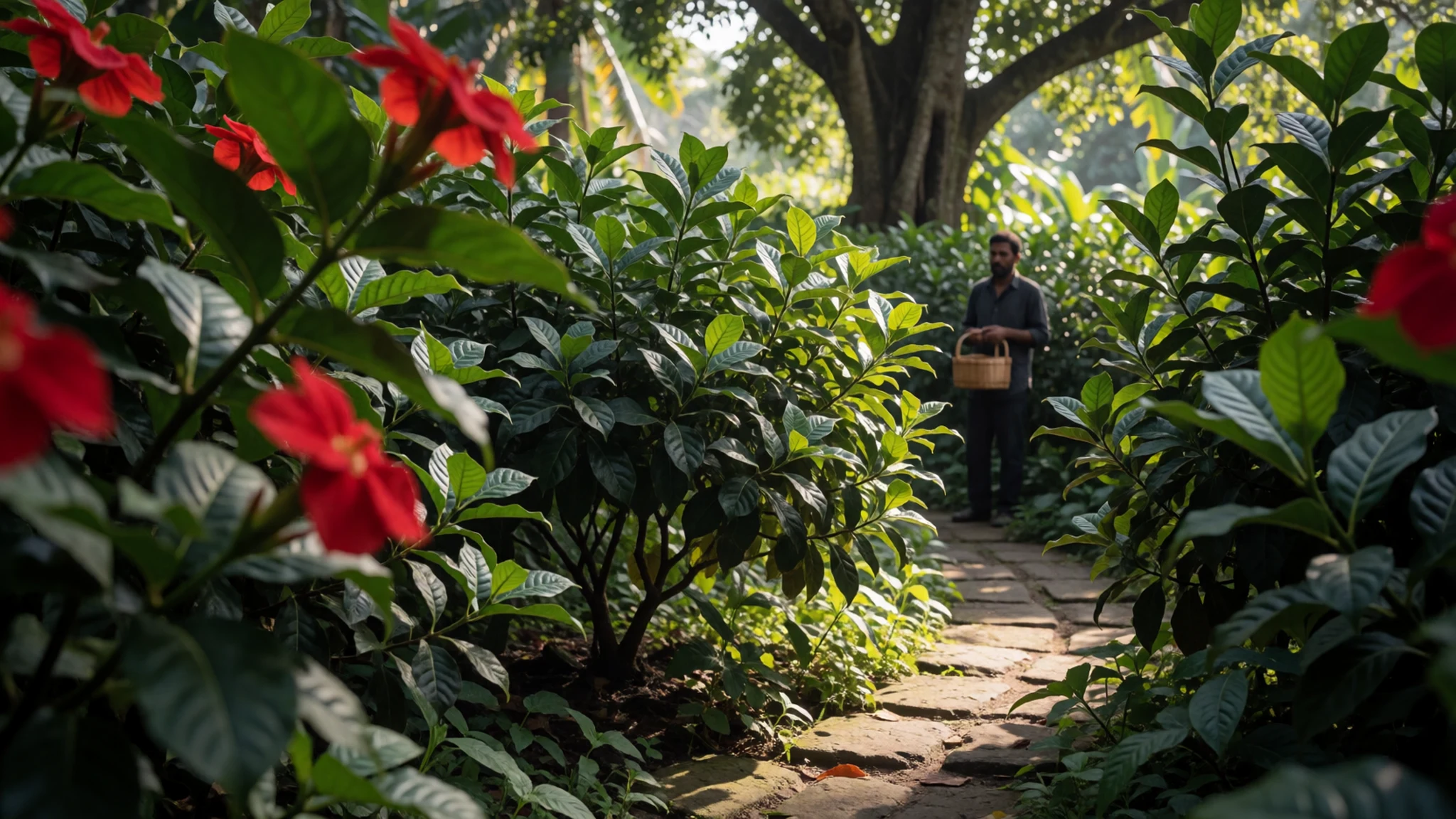
- Spice and chocolate estates — Gouyave and the north
Around Gouyave, estates such as Dougladston and the nutmeg processing station show how the island's spices are dried, graded and packed. Belmont, further north, turns cocoa beans into chocolate. Visits are a good way to understand local farming; check each estate's official site for opening times. - Reefs and diving — West coast, Grand Anse
Reefs lie a mile or two off the west coast of Grenada and around Carriacou. Dive operators are concentrated at Grand Anse and offer training courses as well as dives, with sites only a short boat ride from the shore. Snorkellers can also find good water along the calmer western side.
Culture
St. David's shares the relaxed, friendly manner of the rest of Grenada, an island that thinks of itself as a spice isle and takes pride in its farming, its rum and its cooking. Life in small towns runs on greetings: a good morning or good afternoon when entering a shop or passing someone on the road is expected, and it opens conversations quickly. Churches matter in village life, and Sunday tends to be quieter than other days, with some businesses shut. Rum is part of social life, and bars often serve it at very high strength, so it is wise to ask for it with water or juice and to pace oneself. The island has a low crime rate, which locals are proud of, and visitors are asked to help keep it that way by looking after valuables rather than displaying jewellery or cash. Water can be asked for in any restaurant, and tap water is safe. Small-town shops and eateries often close early, so lunch is better planned for midday than mid-afternoon. Markets, bus rides and roadside stalls are where most conversation happens. Etiquette: always ask before photographing someone, and cover up with a shirt or wrap when leaving the beach for town or church.
What to wear
St. David's, like the rest of Grenada, has a traditional dress rooted in the Caribbean madras: a checked cotton cloth in bright colours, worn as wrapped head-ties, skirts and shirts. It appears at festivals, national celebrations and school or cultural events rather than every day. Day-to-day clothing in the town is simple and practical for the heat: light cotton shirts and dresses, shorts, sandals and trainers, with smarter clothes kept for church on Sundays and for formal occasions. Swimwear stays on the beach; walking through a town in only a bathing suit is not usual. For a visitor, the sun is the main consideration. Grenada lies close to the equator, so burning is quick even when cloud and breeze make it feel mild. Loose long sleeves and trousers in breathable cotton or linen, a wide-brimmed hat and high-factor sun-block make more sense than skimpy clothing. Bring a light rain jacket, since showers arrive suddenly, and shoes with grip for wet slopes, waterfalls and the crater-lake trails. Sandals are fine for beaches and town. For churches or village visits, shoulders and knees covered is a courteous standard. Avoid camouflage patterns, which are discouraged in several Caribbean countries.
What to eat
- Pelau — Local cookshops and roadside eateries
Pelau is a rice dish cooked in one pot, usually with chicken or other meat and seasoning, and popular at family meals and gatherings. Look for it at roadside eateries, home-style cookshops and village get-togethers, where portions are generous and the flavour is deeply savoury.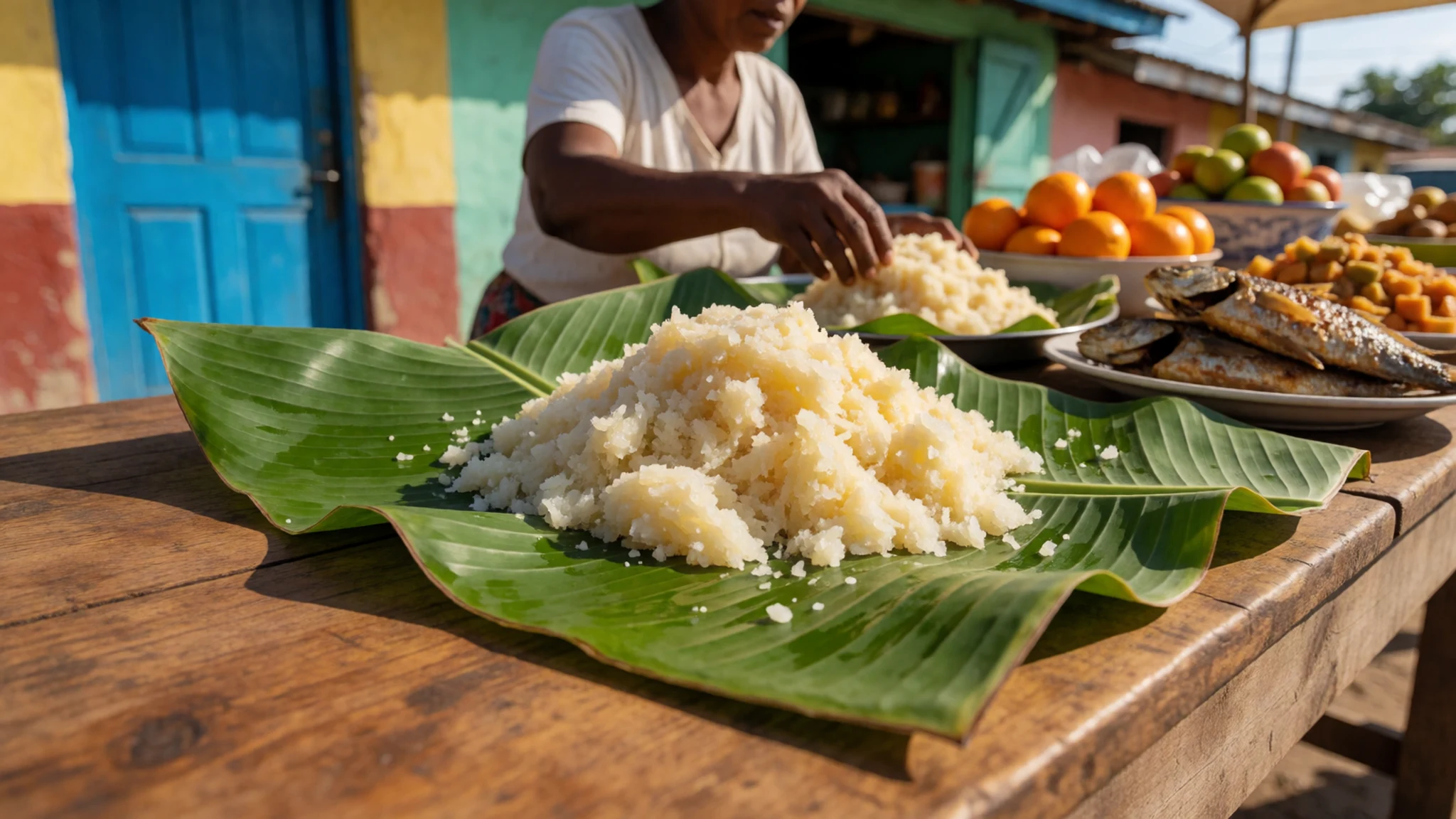
- Cassava pone — Markets and village bakeries
Cassava pone is a dense, sweet baked dessert made from grated cassava, eaten across Grenada. It is sold by the slice at markets and bakeries and goes well with tea or a cold drink. Slices keep well, which makes them handy for day trips.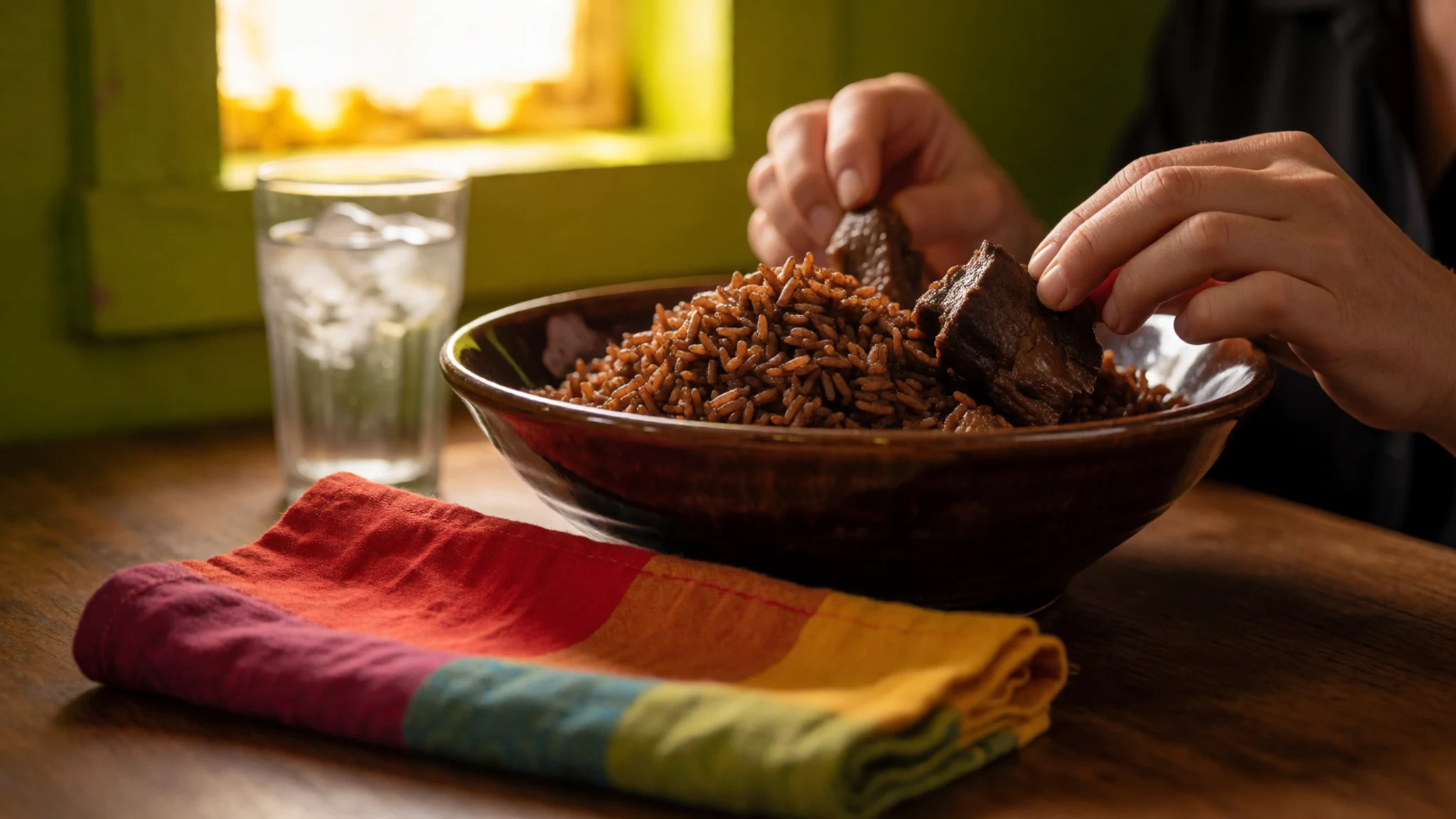
- Seasoned fish — Fishing villages and seaside eateries
Fish is a staple here, usually well seasoned with island spices and fried, grilled or stewed. The catch depends on the day and the season. Ask what came in that morning, and expect it to be served with rice, vegetables or provisions. - Spiced chicken — Cookshops, bars and lunch counters
Chicken, the other staple, is typically marinated with local herbs and spice before being stewed, baked or grilled. It turns up in lunch plates across the island and is often the easiest dish to find outside tourist areas, served with rice or macaroni. - Local rum — Distillery tours and local rum shops
Grenada's rum comes from distilleries in the south and the north of the main island, and some run tours. Local bars sometimes pour very high-strength rum, so ask about the strength first and mix it with water, juice or ice.
Plan it
Best time. January to May is the drier, more comfortable stretch; the rest of the year is wetter and more humid, with heavier showers. Humidity is high all year and can top 90 per cent, so the cooler, drier months are easier for walking and sightseeing.
How long. 2–3
Getting there. Fly to Grenada's main airport at the southern end of the island, near Grand Anse, then take a taxi or minibus east and inland to St. David's; the last leg is a road journey along winding hill roads. Hiring a car helps for reaching waterfalls and estates.
Budget. mid
Tips
- Keep outdoor activity away from noon to 3 pm, when sun and heat are strongest
- Take sun-block, a wide-brimmed hat and a light rain jacket; showers and strong sun can arrive on the same day
- Small-town shops and eateries often close early, so plan lunch around midday
- Carry some cash for markets, minibuses and roadside stalls, and check official sites for estate and distillery opening times
- Tap water is safe to drink, so a refillable bottle saves money and plastic
Etiquette
- Greet people when entering shops or passing in the street
- Ask before photographing people, and cover up away from the beach
- Keep valuables out of sight and drink rum in moderation
Nearby
Sources
- Wikidata Q7587702 (CC0)
- Wikipedia (rev 1384497081) (CC BY-SA 4.0)
- Wikivoyage (rev 5413115) (CC BY-SA 4.0)