Grenville
Grenville, Grenada
Grenville is Grenada's east-coast market town, where Saturday stalls, old spice-trade streets and a ghost airfield show island life away from the resorts.
The place
Grenville is the working town of Grenada's Atlantic side, a parish capital with 2,476 residents on the official count and many more people in the villages around it. It sits on a bay about halfway up the east coast, one of four small coastal settlements that together form the Grenville Bay area. Victoria Street runs along the water, with the Anglican church and a primary school at its northern end. Behind the front are clothing shops, supermarkets, a fish market, a playing field, the magistrate's court and the police station. This is a town where people come to get things done. Farmers bring produce in, schoolchildren cross the streets in uniform, and minibuses leave from a bus terminal on Sendal Street. The market sells fruit, vegetables, crafts and meat every day, but Saturday is the traditional market day and by far the busiest. For years the town was tied to spices, and it once held a big nutmeg-processing plant, though farm exports still set its rhythm. On the outskirts lies the old airfield at Pearls, closed to flights, where the rusting hulks of Cuban airliners still sit in the grass. Grenville has no resort strip and little polish. Most visitors come on a day trip from the south-west of the island, where the hotels cluster near the modern airport, and that suits anyone who wants a real town more than a beach holiday. Sun and humidity are strong, so mornings are the kindest hours.
Its story
Grenville carries two names and two colonial layers. The English one honours George Grenville, a British prime minister of the eighteenth century, but many islanders still call the town La Baye, a leftover from French times that simply means the beach. That double naming is typical of Grenada, where French-derived place names sit beside English institutions. Before Grenville took over, the parish's first town was a village called Marquis. The administrative centre later moved to the bay, and Grenville has been the seat of Saint Andrew parish ever since. The courthouse tells its own small story. The first one stood on Sendal Street, and the building was later replaced by the present Grenville Magistrate's Court on Ben Jones Street. Trade did the rest. The bay gave farmers on the eastern slopes a place to bring nutmeg, cocoa and other crops, and the town grew around the handling, processing and shipping of them. The old airfield at Pearls belongs to the same layered story, as the island's first airport before aviation moved to the south-west. Cricket adds a more cheerful chapter, because Progress Park in the town has staged important matches over the years. None of this is dressed up for visitors. The history is in the street names, the school buildings and the habits of the market, and it is easy to miss unless a local points it out.
What to see
- Grenville market — Town centre
The market is the best reason to come. Stalls sell fruit, vegetables, crafts and meat, and the pace picks up sharply on Saturday, the traditional market day. Go early, before the heat, and walk slowly through the produce. Spices and local fruit make easy gifts, but check what you may bring home.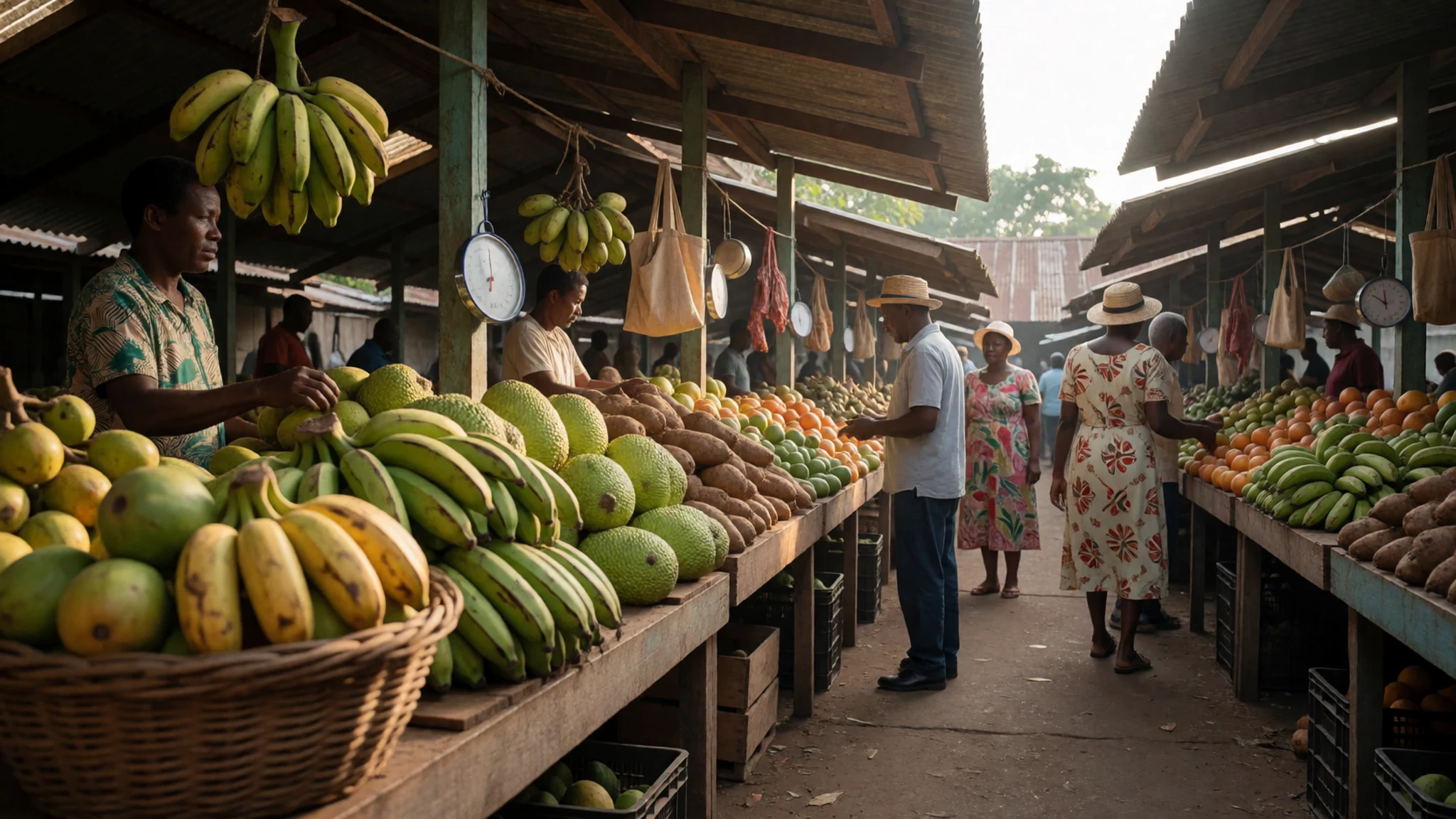
- Victoria Street and the bay — Waterfront
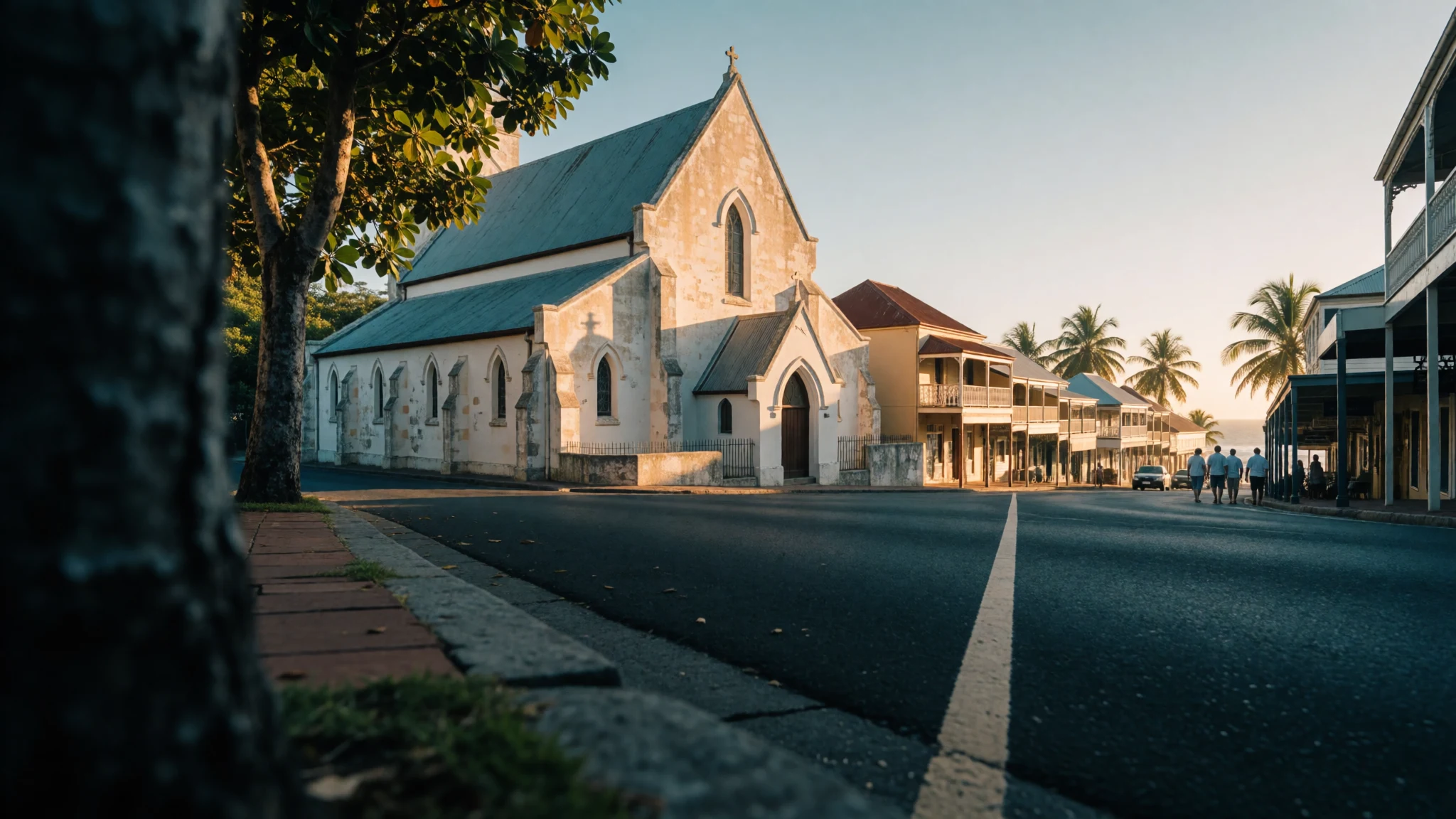
Victoria Street is the main road along the water, with the Anglican church and its school at the northern end. It is a simple walk of an hour or so, taking in fishing boats, shopfronts and the sea breeze. The Atlantic coast is exposed, so treat swimming with care.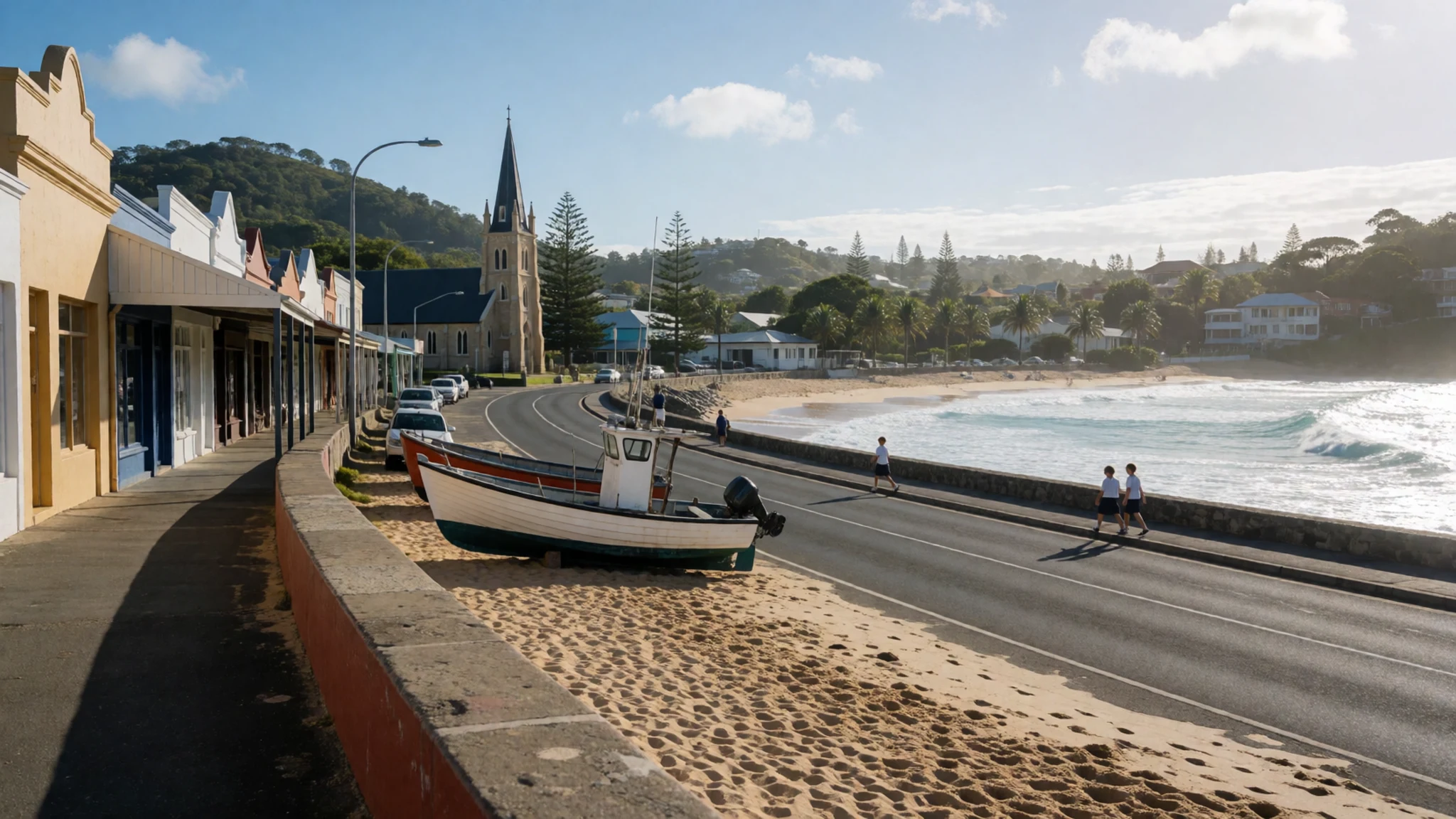
- Old Pearls airfield — Pearls, outskirts
Pearls was the first airport on Grenada and now lies silent at the edge of town. The attraction is the wrecked aircraft, left to rust in the vegetation. It feels unofficial, so ask locally about access and stay on open ground, and treat it as a short stop rather than a destination.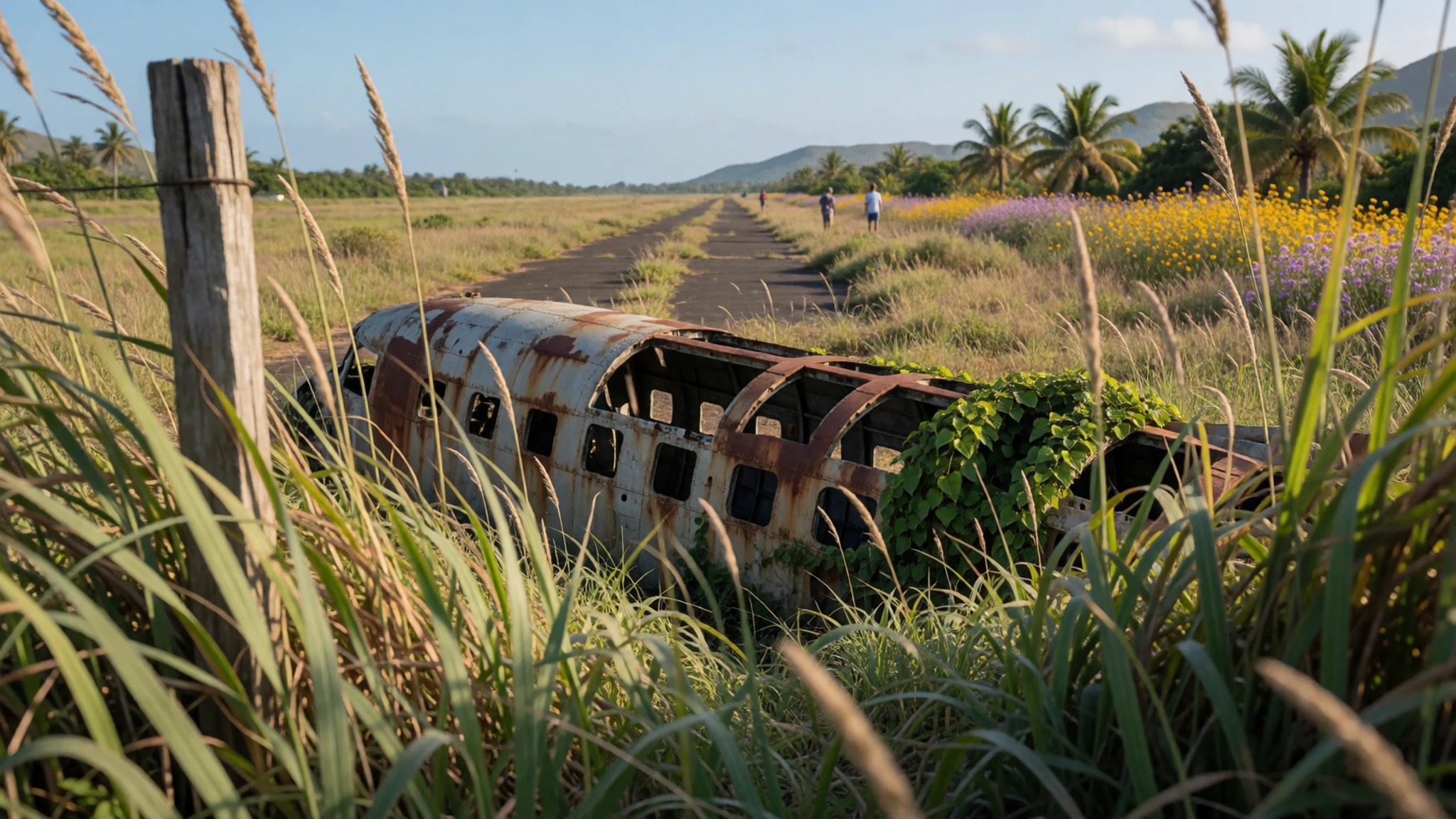
- Progress Park — Grenville
Progress Park is the town's cricket ground and has hosted important matches. The domestic season runs through the drier months, roughly December to May, so a fixture may coincide with a visit. Even when nothing is on, it gives a feel for how much the sport matters to the parish.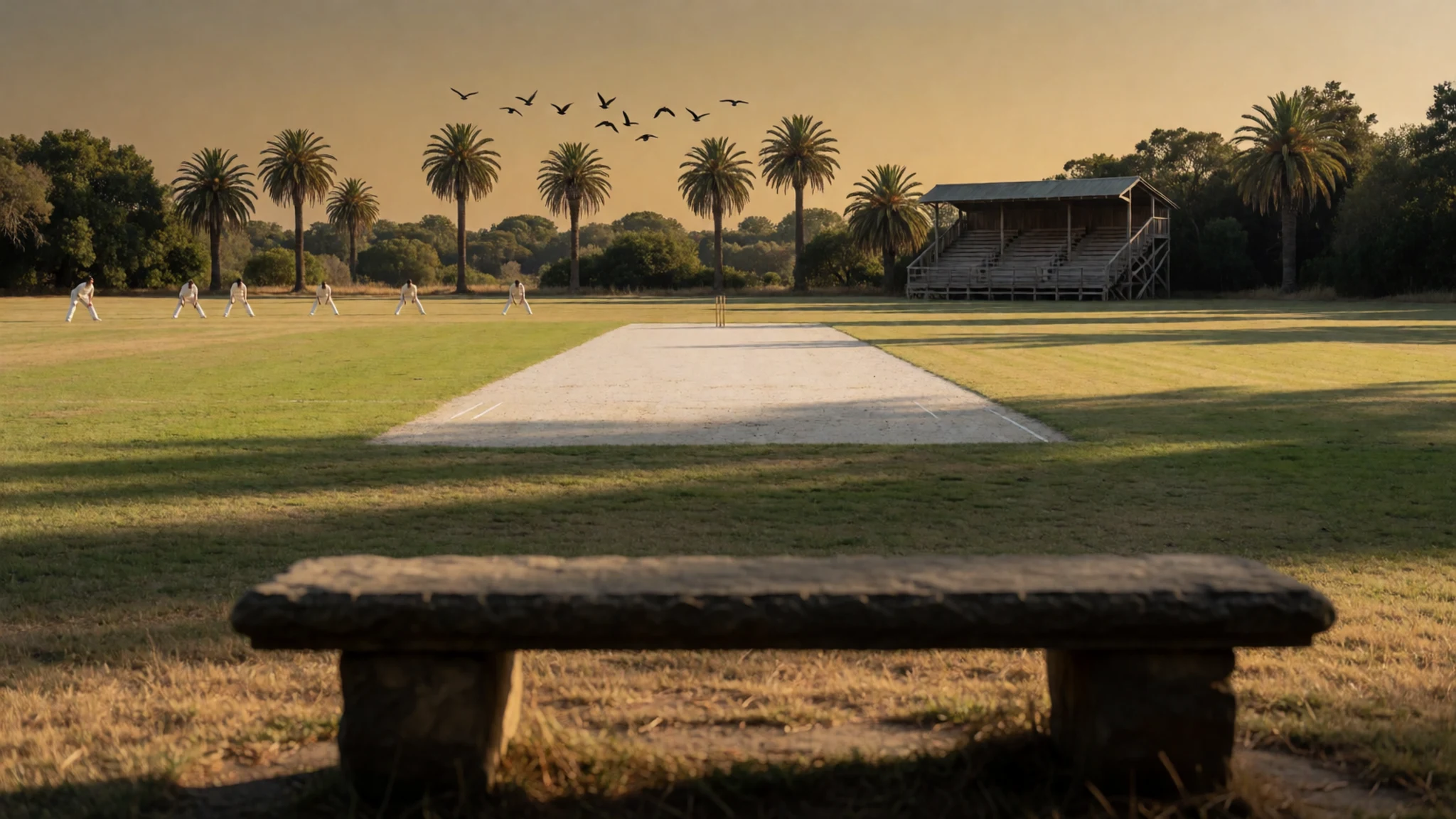
- Grand Etang and the eastern waterfalls — Interior, west of town
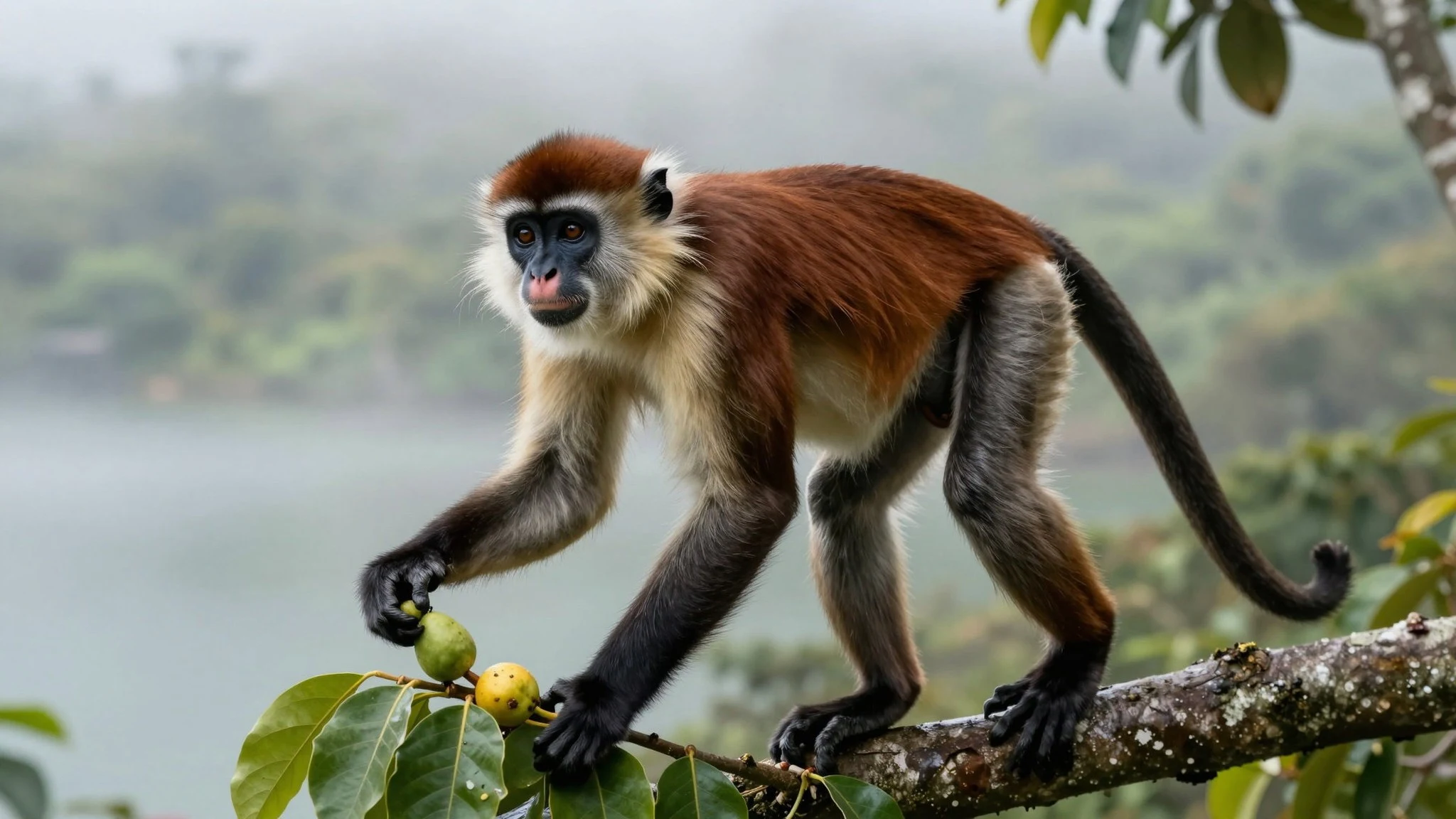
Inland from Grenville, the crater lake at Grand Etang is a forest reserve with Mona monkeys, birds and tropical flowers. Seven Sisters and Honeymoon Falls lie on the east side as well. Wear shoes with grip, because paths are muddy, and consider a local guide for the falls.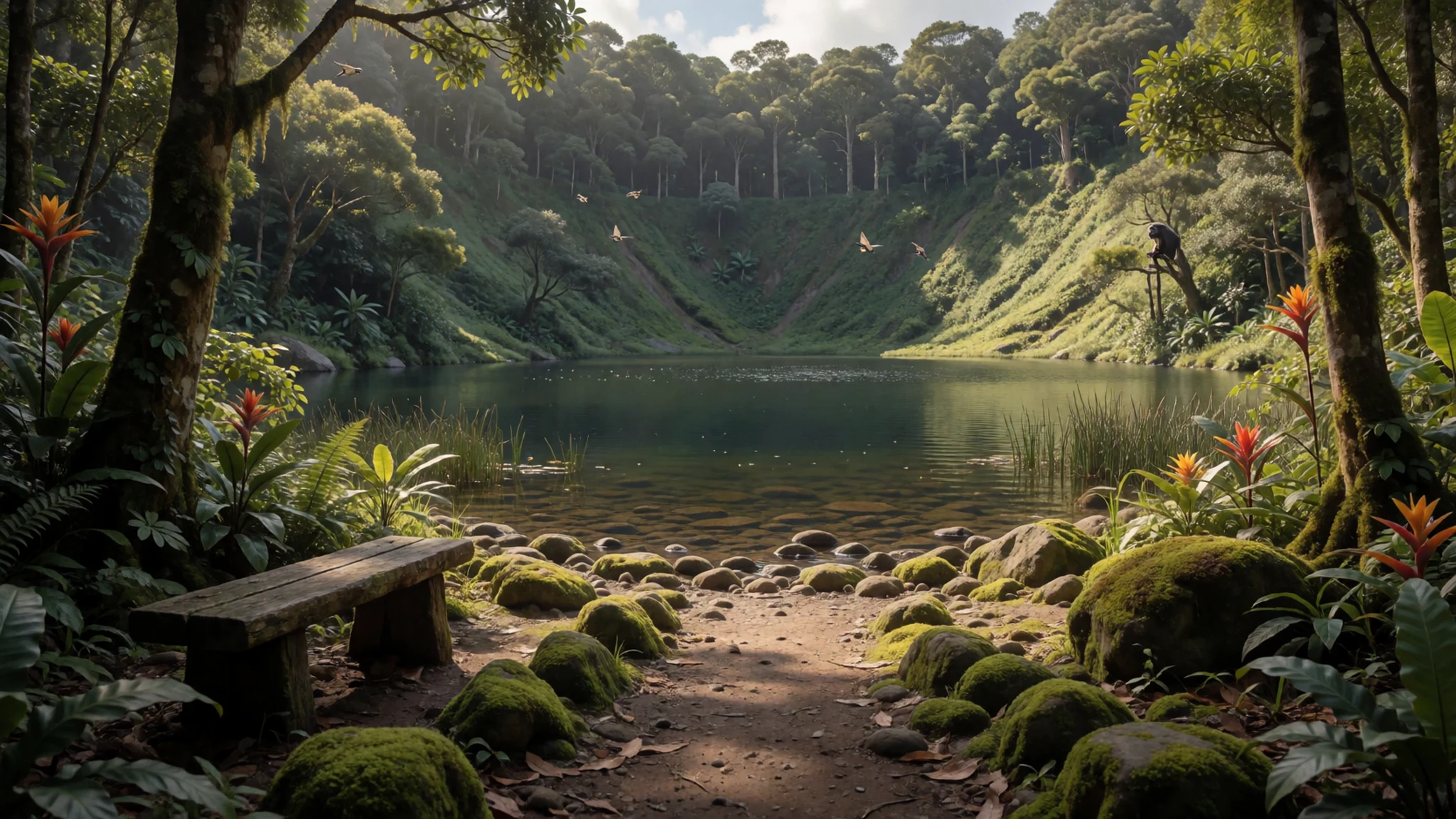
Culture
Grenville is a church-and-school town, and daily life follows the calendar of both. Anglican, Methodist and Roman Catholic schools sit within a few streets of each other, and the Anglican church anchors the northern end of Victoria Street. On weekdays, uniforms are everywhere and the town feels purposeful. English is the everyday language, spoken with Caribbean rhythm, while French-derived names such as La Baye remind people of the island's earlier rulers. Saturday market day is the social centre: people meet, trade news, buy produce for the week and stop to talk with sellers they have known for years. Cricket is followed closely, and a match at Progress Park can pull the conversation of the whole town towards it. Visitors are usually received with friendliness, but the town is not set up as a tourist stage. People are going about their business, and a greeting before asking anything is simply the done thing. Grenada is also known for low crime, but sensible care with phones and wallets in a crowded market is still wise. Pace is slow in the heat, shops may close in the afternoon, and Sunday is quieter, with many people at church. Say good morning or good afternoon when you enter a stall or shop, and ask before photographing any seller or schoolchild.
What to wear
Grenville has no single everyday costume, but Caribbean madras, a cotton check in bright colours, is the textile most often linked with traditional island dress. It appears in headwraps, skirts and shirts at national celebrations, cultural events and school or church occasions rather than in daily wear. Everyday clothing in the town is practical and neat. Men wear light shirts and trousers, women wear cotton dresses or skirts and blouses, and schoolchildren wear crisp uniforms that mark out their schools. Church clothes on Sunday are noticeably smarter, with dresses, jackets and hats. Beachwear stays at the beach, and it is not worn on the street. A visitor should dress for strong sun, high humidity and short rain showers. Choose loose cotton or linen with long sleeves for the middle of the day, a wide-brimmed hat, sunglasses and high-factor sun cream. Closed shoes or sturdy sandals suit market floors and wet pavements, and trainers with grip are better for waterfall trails and muddy paths. Cover shoulders and knees if you step into a church or visit someone's home, and carry a light rain jacket. Swimwear belongs on the beach, and a shirt or wrap should go over it for the walk back into town.
What to eat
- Oil down — Local eateries around the market
A slow-cooked pot of breadfruit, salted meat or chicken, dumplings and greens in coconut milk, often coloured with turmeric. It is a social dish for weekends and gatherings. Look for it at family-run eateries and food stalls, usually in the middle of the day.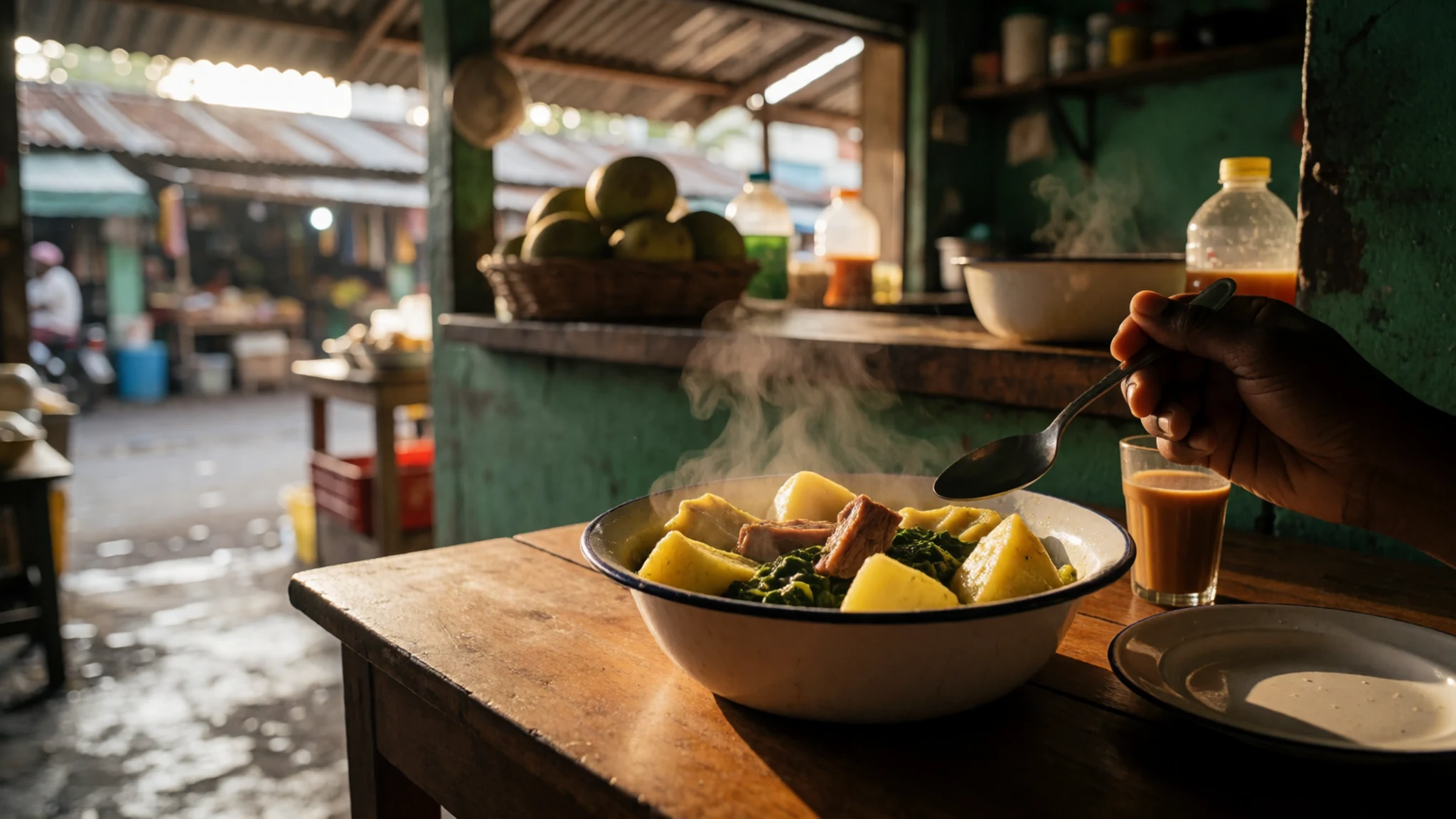
- Pelau — Cookshops and takeaway counters in town
Rice cooked in one pot with chicken or other meat, vegetables and island seasonings. It is filling, easy to eat on the move, and a regular at lunchtime. Ask for it at casual cookshops and takeaway counters, where portions are generous.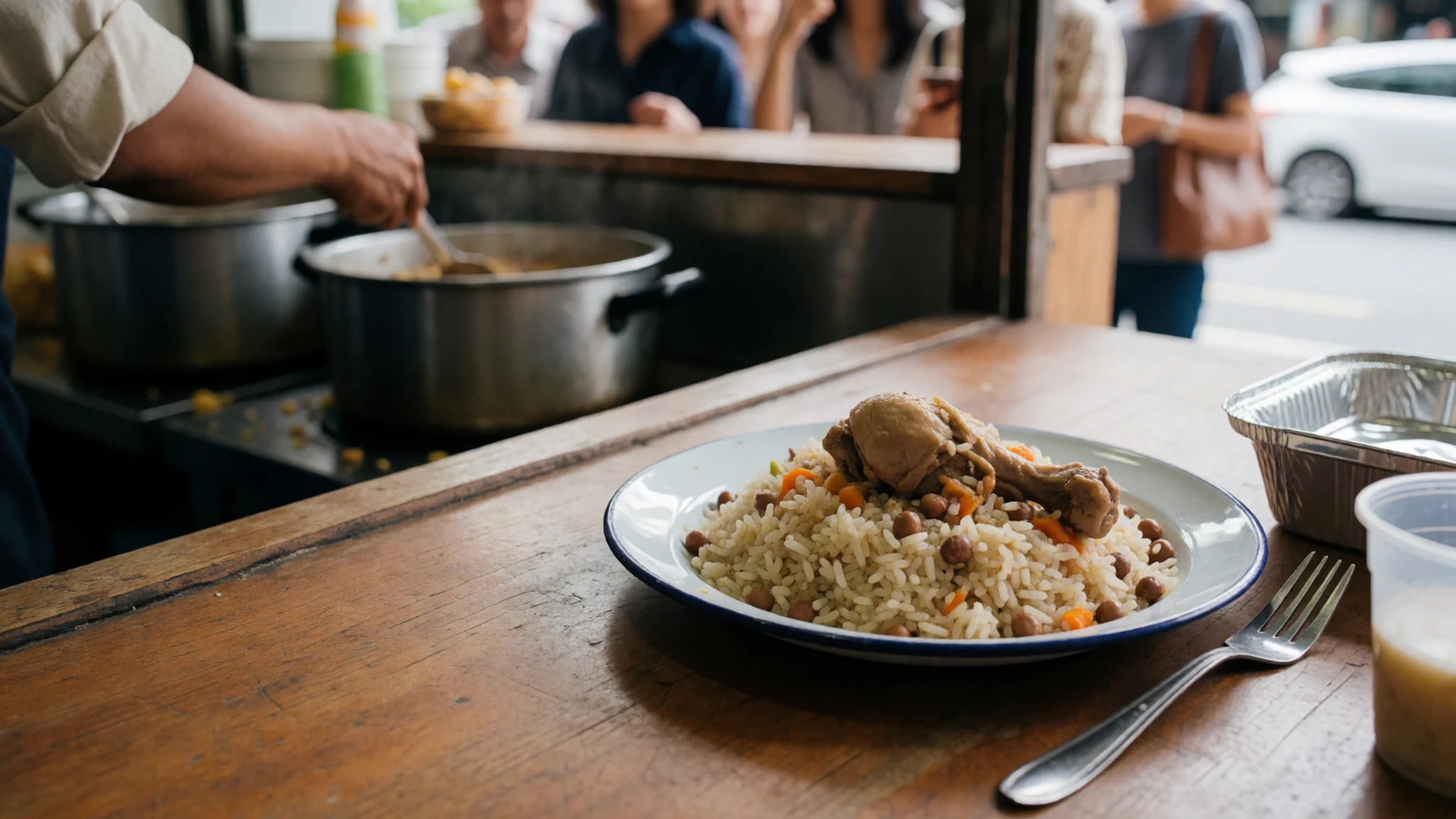
- Fresh fried or stewed fish — Near the fish market on the bay
Fish is a staple on the island, well seasoned and served with rice, provisions or salad. The town has its own fish market, so catches are close at hand. Buy early, and eat where the fish is clearly fresh and the grill is busy. - Cassava pone — Market stalls and local bakeries
A dense, sweet baked dessert made from grated cassava, usually with coconut and spice. It is common across Grenada and often sold in slices as a snack. Look for it at market stalls and bakeries, especially on Saturdays. - Spiced nutmeg treats and local rum — Market spice stalls; rum bars
Nutmeg flavours drinks, syrups, jams and sweets across the island. Rum comes from the island's distilleries, such as River Antoine in the north. Strong local bar rum can be very potent, so sip slowly with water alongside.
Plan it
Best time. December to May, the drier months, when sun is reliable and rain showers are shorter. The rest of the year is wetter, and humidity is high throughout, so plan outdoor walks for the morning.
How long. 1–2
Getting there. Fly into Grenada's main airport in the south-west, where most accommodation is also based. From there, take a taxi or minibus across the island to Grenville. Minibuses serve the town from the bus terminal on Sendal Street, so allow plenty of time for the winding road.
Budget. mid
Tips
- Go on a Saturday morning for the busiest market, and arrive before the midday heat.
- Carry some cash for market stalls and small eateries, because cards are not always accepted.
- Wear a hat and high-factor sun cream, even when clouds and the sea breeze make it feel cool.
- Drink plenty of water; the tap water is safe, and bottled water is easy to find.
- Check entry rules with the official immigration authority before booking, as they depend on nationality.
Etiquette
- Greet people before asking a question or starting to haggle.
- Ask permission before photographing sellers, children or anyone in uniform.
- Keep beachwear for the beach and cover up in town and at church.
Nearby
Sources
- Wikidata Q3116519 (CC0)
- Wikipedia: Grenville, Grenada (rev 1375955500) (CC BY-SA 4.0)
- Wikivoyage: Grenada (rev 5413115) (CC BY-SA 4.0)
- Photo: Grenada, Ian Mackenzie (CC BY 2.5)
- Photo: Point Salines Airport aerial view, Department of Defense (Public domain)
- Photo: Local boy participates in Tradewinds Exercise, Sgt. Jason Drager (Public domain)
- Photo: Showing photos to local boy, Staff Sgt. Heidi McClintock (Public domain)


Wildlife
- Mona monkey (animal)
The mona monkey is a brown-furred monkey with a white rump, black tail and legs, and a blue-grey face, and it tucks spare food into its cheeks like a pair of pockets. Its family came from West Africa, carried to Grenada on ships long ago. Look for troops in the forest around the crater lake at Grand Etang, inland from Grenville. Watch quietly from a respectful distance, ideally with a local guide, and never feed them.