River Antoine
River Antoine, Grenada
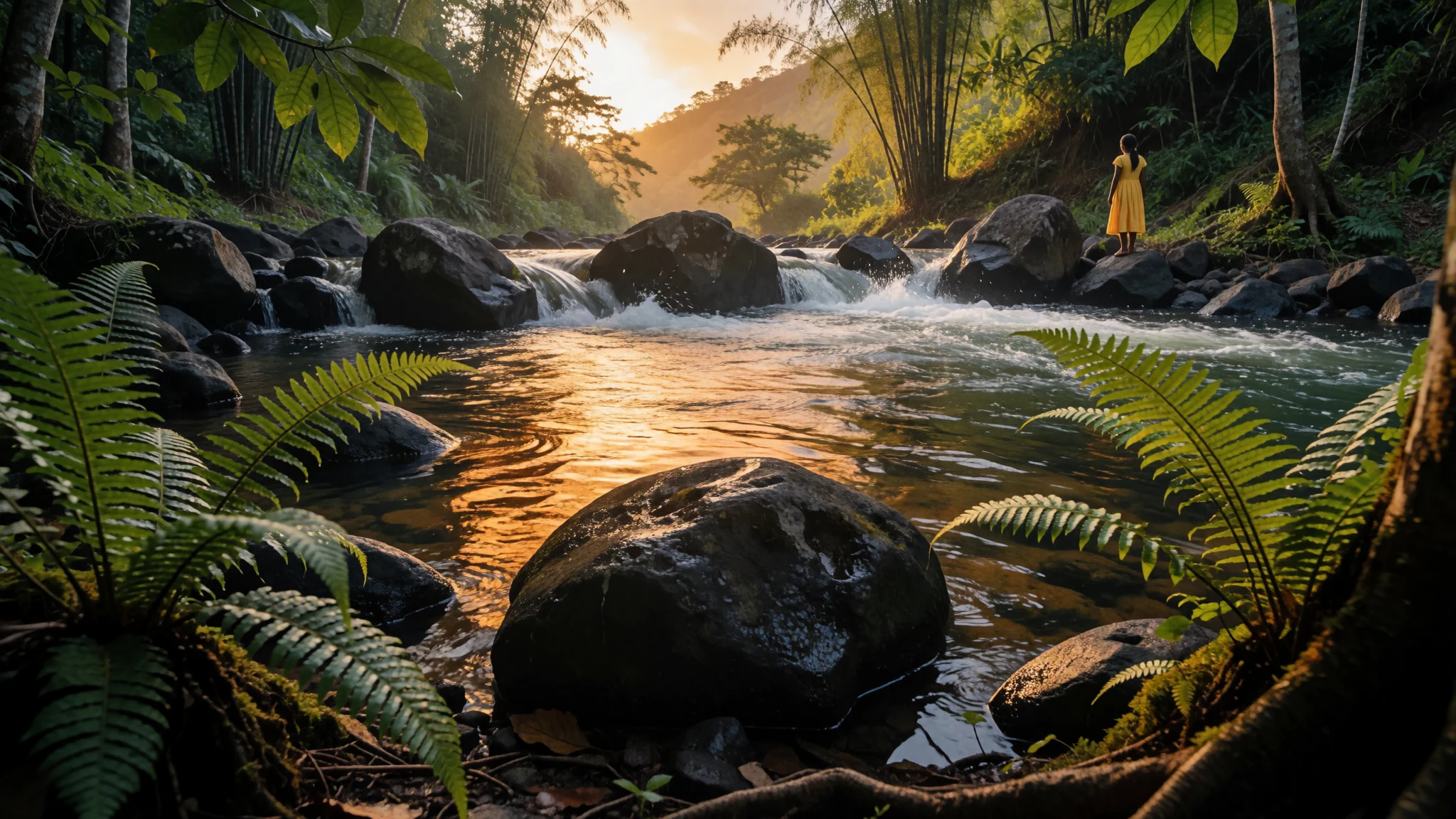
River Antoine is a quiet corner of Grenada where a working rum distillery, volcanic hills and farmland sit together in the island's northeast.
The place
River Antoine is a river in St Patrick parish, on the northeast side of Grenada, a small volcanic island at about 12 degrees north of the equator. The name also belongs to the surrounding district, which lies close to a crater lake and park at Antoine, one of several craters left by the island's volcanic past.
The landscape comes straight from that geology. Grenada's mountains catch passing clouds and shed rain, so the slopes are green and the volcanic soil is reasonably fertile. Streams drain off the high ground towards the Atlantic coast, which is exposed and rougher than the sheltered western shore where most visitors stay.
This is not a resort area. It is farming country, with fields, small settlements and country roads, and it feels a long way from the sand and hotels of Grand Anse in the southwest. The visitor draw is the River Antoine rum distillery, one of only three on the main island, and the chance to see a part of Grenada that the brochures skip.
Humidity here can top 90 per cent, and the sun is strong even under cloud, so the pace is slow by necessity. Most people come as a half-day trip from the south, combining the distillery with the crater lakes, waterfalls and spice country elsewhere in the interior. Facilities are modest, so it suits travellers happy with simple stops, local conversation and a little improvisation.
Its story
River Antoine sits within the long story of Grenada, an island built by volcanoes and then fought over by European powers. Grenada rose from the sea perhaps two million years ago, and eruptions continued until about 12,000 years ago, leaving the crater basins that still shape the island, Antoine's among them.
Humans arrived by canoe, island-hopping up the chain from South America. The tidy tale of peaceful Arawaks conquered by warlike Caribs is doubtful, since the Spanish used those labels to separate friendly peoples from hostile ones. Columbus sighted the island in 1498 without landing, and for about a century and a half the inhabitants kept colonists out. The French took hold in 1649, and legend says the last Caribs jumped from the cliffs at Sauteurs in 1652.
Under the French, and later the British, Grenada was valued for indigo, cotton and sugar, all harvested by a large population of enslaved Africans brought to the island. Sugar is the thread that leads to Antoine. Cane grown on estates like this was crushed and turned into rum, and the distillery here carries that trade into the present.
Control passed back and forth during the wars of the eighteenth century. Britain captured the island in the Seven Years' War, France retook it in 1779, and the treaty of 1783 gave it back to Britain. The estate landscape around River Antoine is a quiet survivor of that plantation economy.
What to see
- River Antoine Rum Distillery — River Antoine, St Patrick
One of three distilleries on the main island, and the reason most people come to this district. Tours are offered, so ask locally or check ahead about times. Be careful with the very strong rum sold in local bars; sip small and keep water to hand.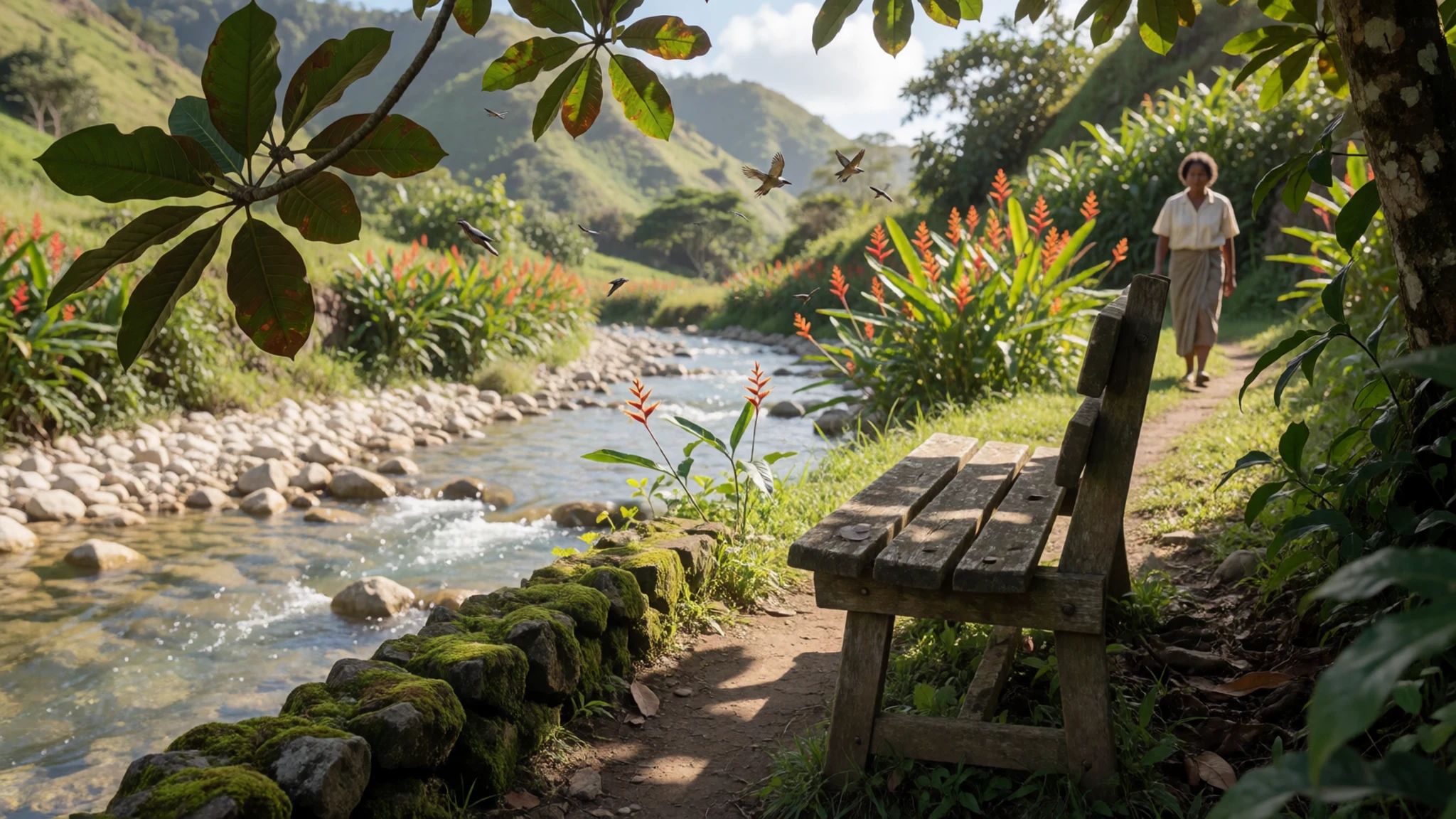
- Antoine crater lake and park — Antoine, northeast Grenada
Antoine is one of the flooded craters left by Grenada's volcanic past, and it lies in the northeast near the river. It is a quiet spot to understand how the island was formed. Expect birdlife and green slopes rather than facilities.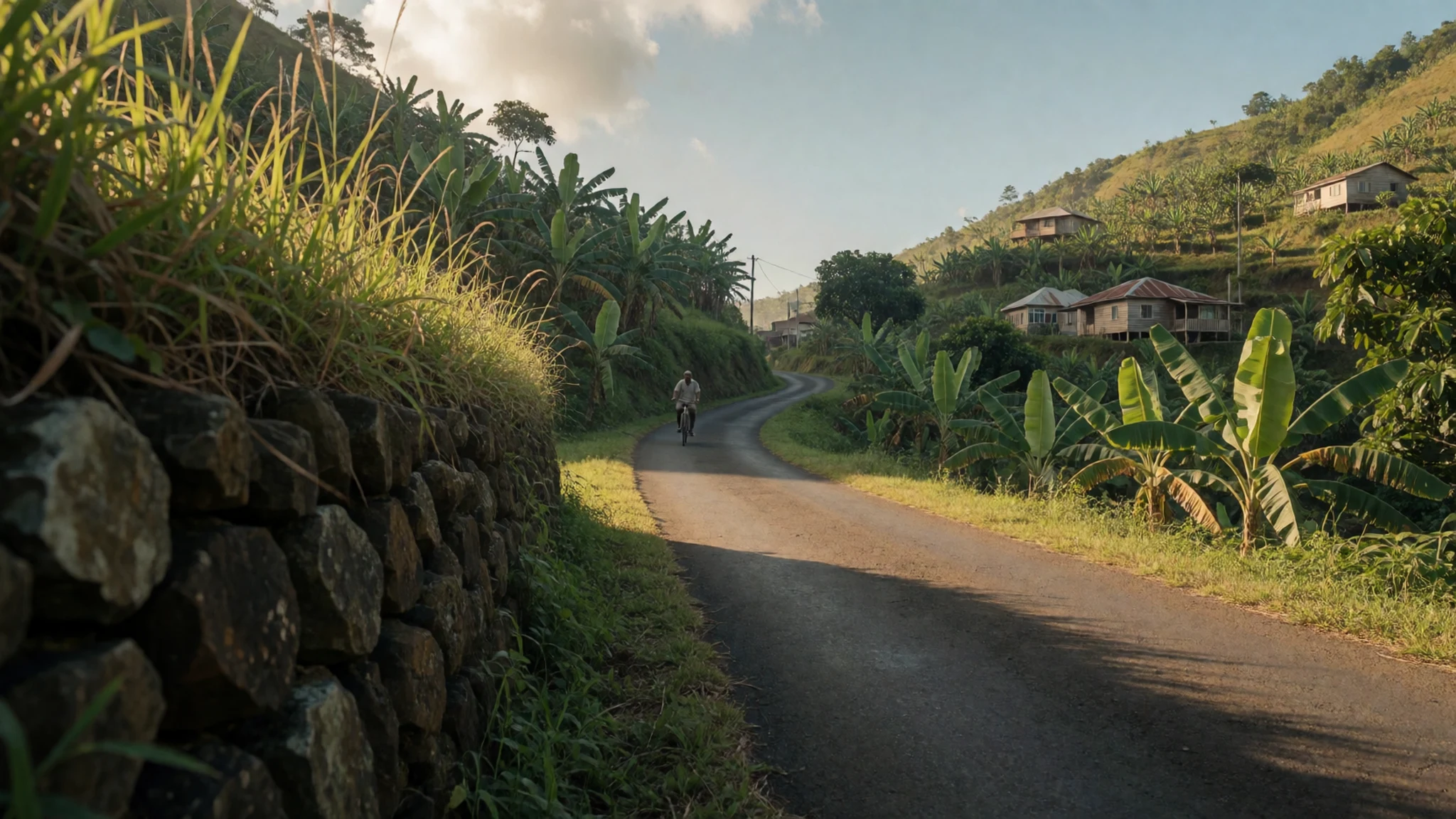
- Grand Etang — Central Grenada
A crater lake and nature reserve in the middle of the island, with Mona monkeys, birds and tropical flowers. Mount Qua Qua rises above it. It is a natural companion to a northeast day, and the cool, damp air at height is welcome after the coast.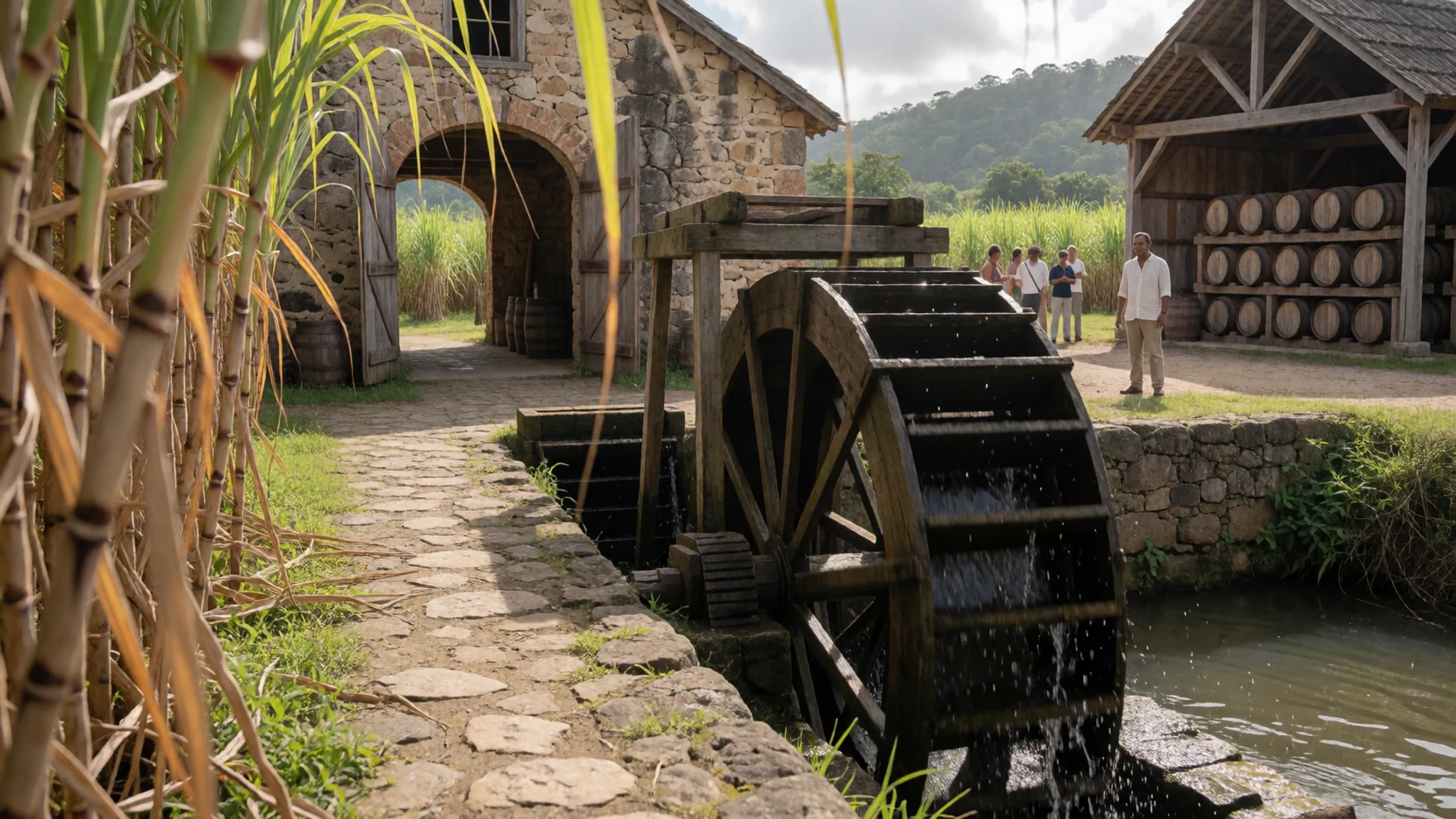
- Levera — North Grenada
Another crater park, in the far north, with a wilder Atlantic character. Together with Antoine it gives a sense of how many volcanic basins punctuate the island. Surf is rough on this exposed side, so treat swimming with caution.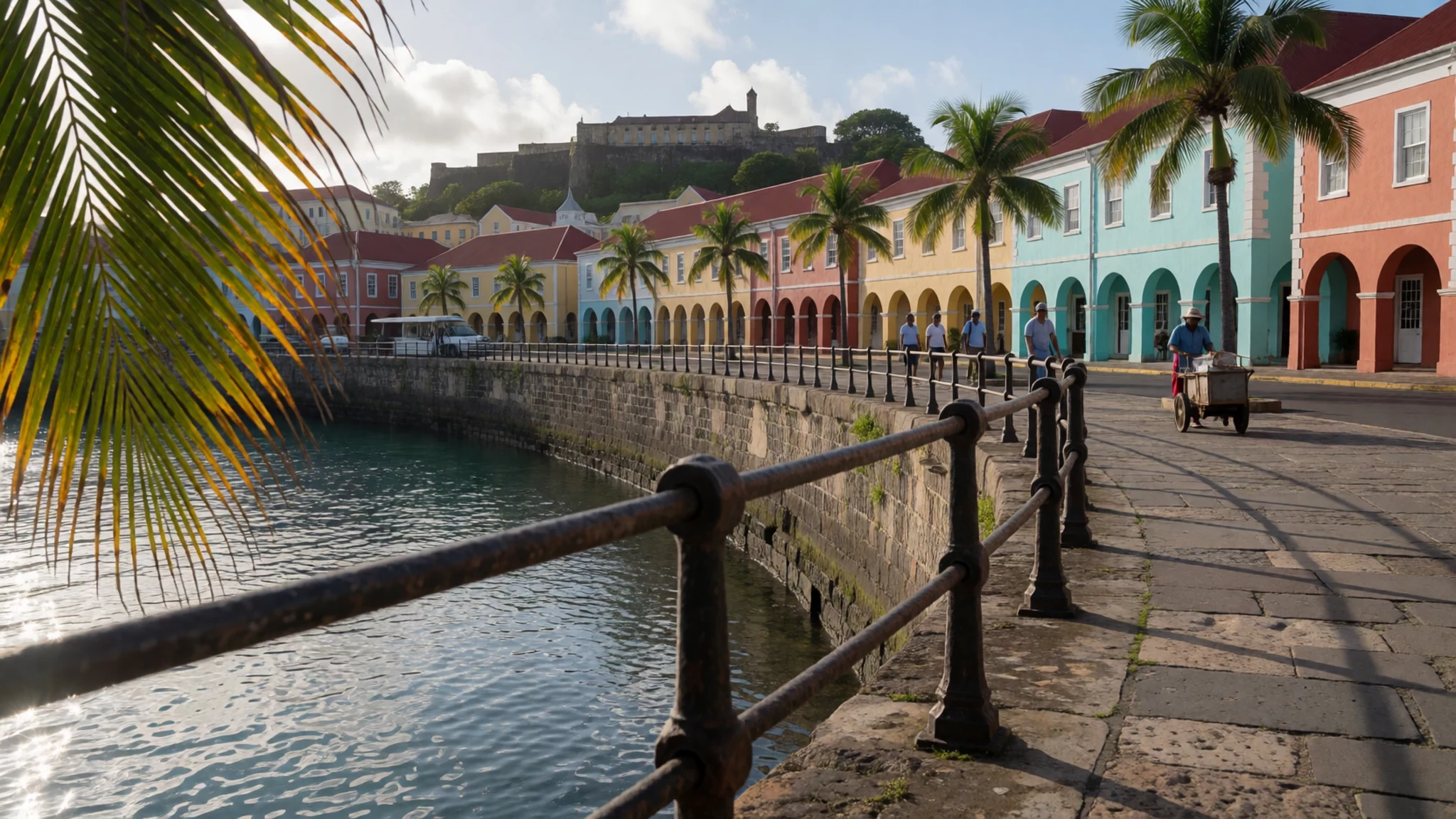
- Seven Sisters and Honeymoon Falls — Eastern Grenada
Waterfalls on the eastern slopes, reached on foot through wet forest. They suit a morning combined with the interior. Paths can be slippery after rain, so wear shoes with grip and keep a dry change of clothes.
Culture
River Antoine belongs to rural Grenada, where daily life follows farming, church, school and the weather. The island's culture blends African, French and British threads, and you can hear it in the English-based speech, in names of places and in cooking. Rum is part of the local fabric here, made at the distillery in the district and shared at bars, gatherings and celebrations.
Cricket is the national passion, with the national team and sometimes the combined West Indies side playing at the stadium in St George's. The domestic season runs through the drier months, December to May, and village matches turn up on any open ground. Saturday afternoons often bring running groups out along trails around the island.
Grenada has one of the lowest crime rates in the region, and people in country districts are generally open and chatty. Greetings matter; a friendly good morning or good afternoon is the normal start to any exchange, whether in a shop, on a path or at the distillery gate.
The island's history of conquest and slavery is part of how people see the land, and estates like those around Antoine carry that memory alongside the work of today. Listening is better than lecturing.
Greet people with a good morning or afternoon before asking anything, and ask before photographing anyone at work or in their yard.
What to wear
River Antoine has no dress code of its own, so fashion here means Grenada's. The island's traditional dress draws on Caribbean and West African roots, and it appears most clearly at festivals, in church and at national celebrations. Women may wear madras-style checked cloth, often tied as a headwrap or cut into skirts and shawls, with cotton blouses. Madras is a woven cotton fabric, bright with plaid, and it carries French Caribbean influence. Men's formal dress for ceremonies is usually a pressed shirt, sometimes with a sash or jacket.
Day to day, people dress for heat and humidity in light cotton, shorts, skirts, sandals and T-shirts. On Sundays and for church, smarter clothes are common, and people dress neatly for town business in St George's. Rural districts tend to be casual and practical, with rubber boots and sun hats among those working the land.
Visitors should dress for strong sun and damp air. Grenada is close to the equator, and you can burn even when cloudy. Light, loose, long-sleeved cotton or linen helps, as does a wide-brimmed hat and high-factor sun-block. Closed shoes with grip suit wet farm tracks and waterfall paths, and sandals are fine for the road. Cover up when away from the beach, since swimwear in villages and towns is considered inappropriate. Bring a light rain layer.
What to eat
- Pelau — Local cookshops and village eateries
A one-pot rice dish cooked with meat and seasonings, popular across Grenada. It is hearty, shared and filling. Look for it at roadside cookshops and home-style eateries, especially at lunch, where it often comes in generous plates.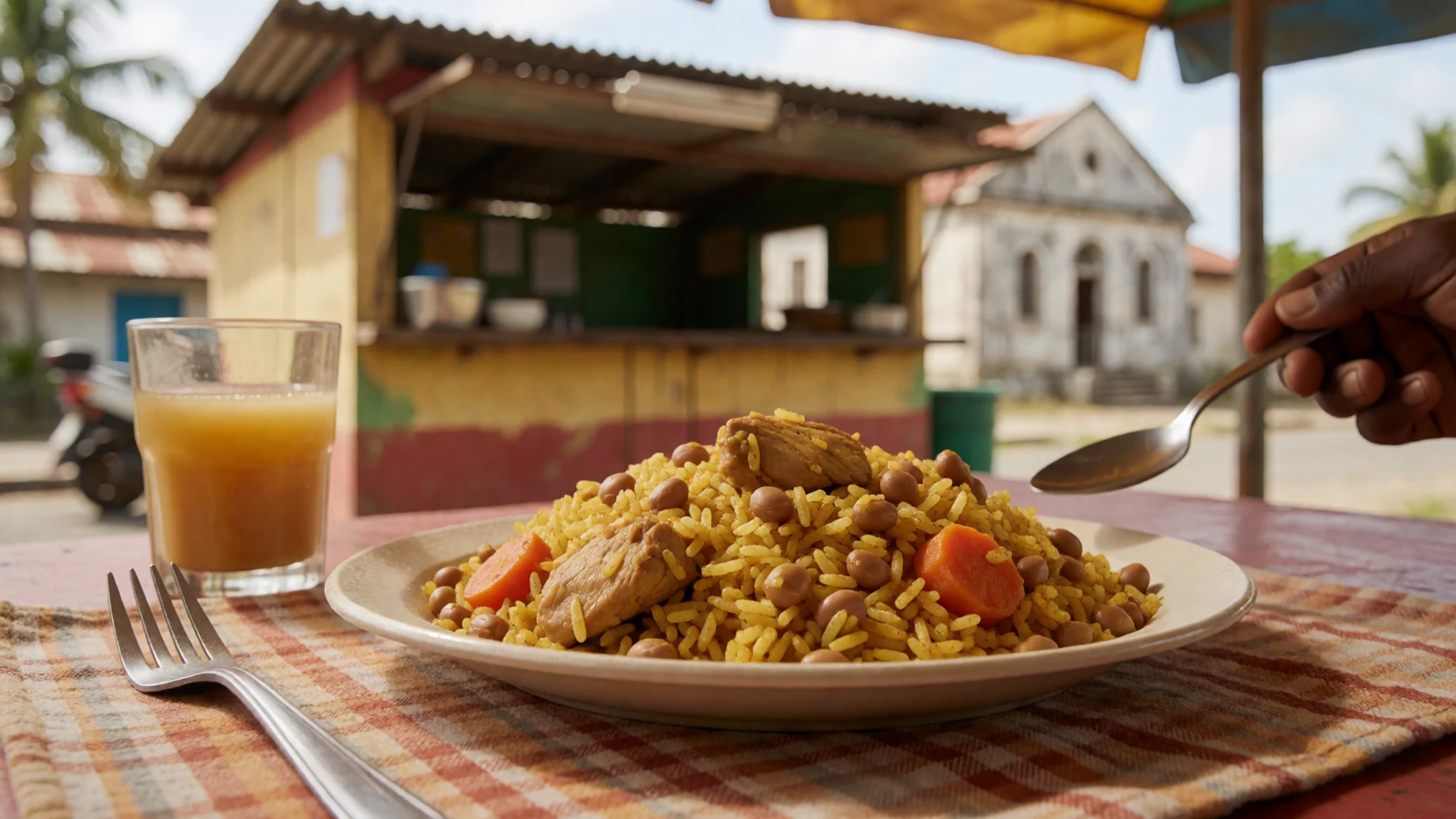
- Spiced fish — Coastal fishing villages and roadside eateries
Fish is a staple on the island, seasoned with local spices and usually grilled or fried. Freshness is the point. Order it near a fishing village or on the coast, with rice or provisions on the side.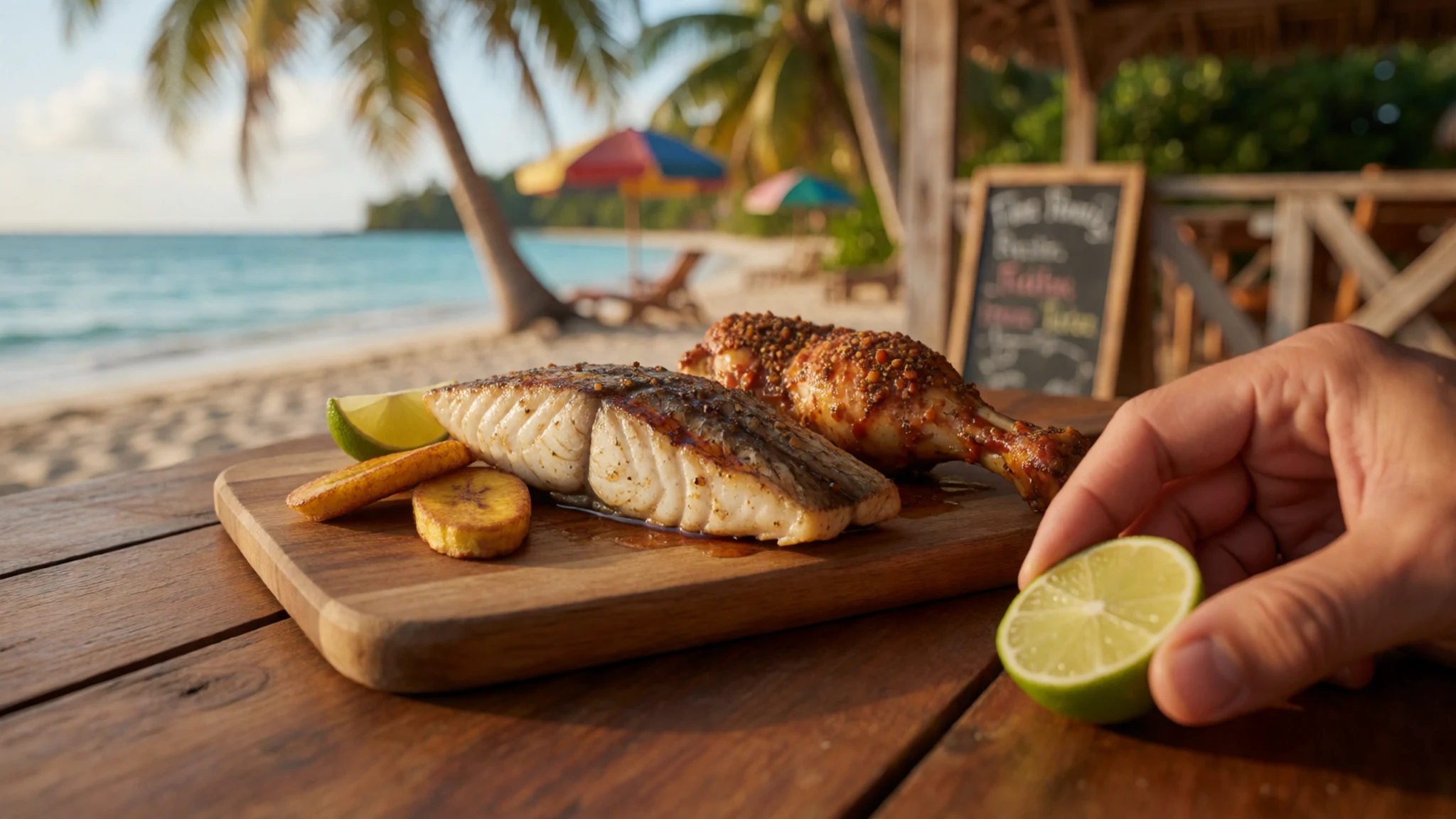
- Spiced chicken — Village eateries and roadside stalls
Chicken is the other everyday main, well seasoned with island herbs and spices. Expect a lot of flavour and sometimes plenty of heat. It is easy to find at casual stalls and family-run places in every district. - Cassava pone — Bakeries and market stalls
A dense, sweet cassava dessert commonly eaten across Grenada. It is a good snack with tea or coffee. Look for it at bakeries, small shops and market stalls, often cut into slices and sold fresh. - Local rum — The distillery and local rum bars
Rum made at the River Antoine distillery is part of the district's identity. Tours are available, and tastings are the usual way to try it. Some bar rums are very strong, so ask about strength first and take it slowly.
Plan it
Best time. January to May is the drier season, with less rain and a better chance of clear days; June to November is wetter. Heat and humidity are present all year, so aim to be outdoors in the morning.
How long. 1 as a day trip; 2–3 if you combine it with the interior
Getting there. Fly to Grenada's airport in the southwest, where most accommodation sits around Grand Anse. River Antoine is in St Patrick parish in the northeast, so the last leg is a road journey across the island by taxi or hired car; ask your host about the route and timings. Check current entry rules before travelling.
Budget. mid
Tips
- Allow a full day for the northeast and set out early, before the noon heat
- Carry water and sun protection; tap water is safe to drink
- Avoid strong sun between noon and mid-afternoon
- Bring some cash for small stops and local eateries
- Check ahead about distillery tour times
Etiquette
- Greet people before asking for help or directions
- Ask before photographing people or their property
- Go easy on strong local rum, especially before driving
Sources
- Wikidata Q24679852 (CC0)
- Wikivoyage: Grenada (rev 5413115) (CC BY-SA 4.0)
- Wikipedia: River Antoine (CC BY-SA 4.0)