Concord Falls
Concord Falls, Grenada
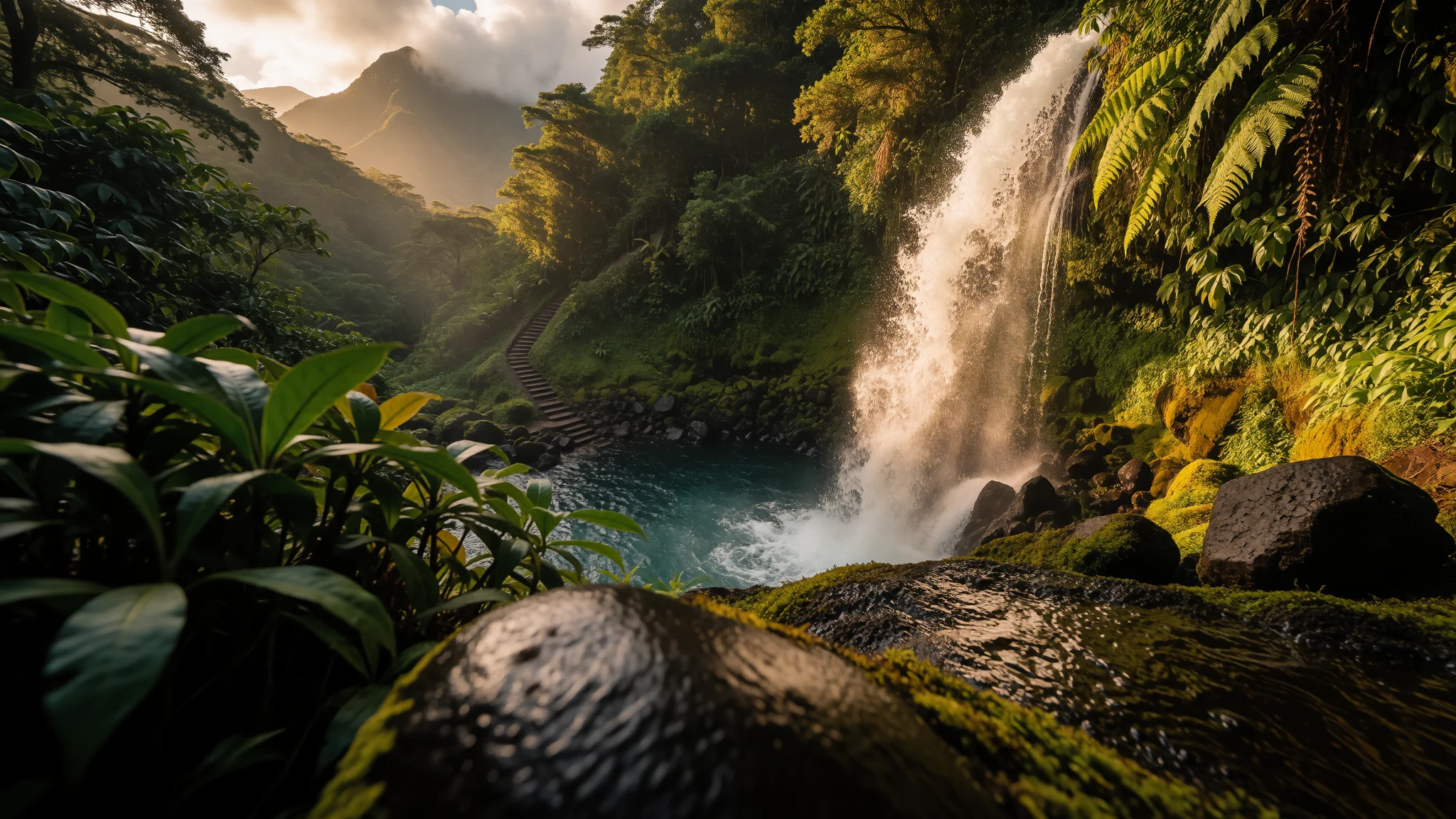
Concord Falls is a straightforward Grenada splash-stop: tropical forest vibes, cool mist, and a break from the coast.
The place
Concord Falls sits in Grenada’s rainy, mountainous interior, where the island’s volcanic past still shows up as rugged ground, fast-changing weather, and plenty of lush greenery. Grenada is only a little above the equator, so the air can feel steamy even when the day looks calm from the road—then a shower rolls through and everything turns slick and glossy.
What makes Concord Falls worth the effort is the way it fits Grenada’s bigger landscape story. The island is part of an arc of volcanic islands, shaped by tectonic forces over a very long time. That translates on the ground into short, steep climbs and valleys that channel water down slopes, which is why waterfalls are such a common feature inland. In Grenada, you’ll also hear about crater lakes and other waterfall areas, and Concord Falls is one of those places you visit as part of a wider “water in the hills” circuit rather than as a stand-alone theme park.
On a practical level: expect humidity, muddy patches, and the need to move at a pace that suits the conditions. If you arrive in the middle of the day, the sun can be relentless even under cloud cover; if you time it better—early morning or late afternoon—you usually get kinder light and fewer people on the path. The falls themselves are the reward: the sound of water, the cool damp air near the base, and a chance to see Grenada away from beaches and rum bars.
Concord Falls works best as an “in the hills” half-day: combine it with other inland sights, keep some water in reserve, and don’t over-plan—weather on this island can turn quickly.
Its story
Concord Falls is the kind of place that makes Grenada feel smaller and more connected at the same time. On one side, you have the coastline—sun, salt air, and beaches that can be narrow, wavey, or made of volcanic sand. On the other, the island rises into hills where rain gathers and turns into rivers, feeding falls and crater lakes. Concord Falls sits right in that middle space.
Grenada’s terrain is rugged because the island was built by volcanic activity long ago and then shaped by shifting land over millions of years. The result is a landscape of valleys and slopes that seem designed to collect water. Even when you’re only heading inland for a single viewpoint, you feel that planning in your legs: the path may be steep, the ground may change underfoot, and the air can go from warm and dry to humid and misty within minutes.
Historically, Grenada has also been shaped by waves of change—settlers, empires, and shifting alliances in the Caribbean. That history doesn’t need to be “explained” at Concord Falls, but it does sit in the background: islands like this become places where people learn to adapt to weather and terrain. Today, visitors do the same adaptation—bringing sun protection, choosing mornings, and stepping carefully on wet surfaces.
If you like travel that’s more feeling than checklist, Concord Falls delivers. There’s no need for grand expectations: the main event is water running over rock in a green setting, with the Caribbean’s heat and humidity acting like a natural steam machine around you. Time it well, keep your grip on the path, and treat the falls as a living part of the island rather than just a photo moment.
What to see
- Concord Falls lookout and base
Concord Falls is the point of the visit: watch the water gather momentum as it drops through greenery, then move carefully for the best angles. When humidity is high, the air near the falls feels cooler and visibly damp.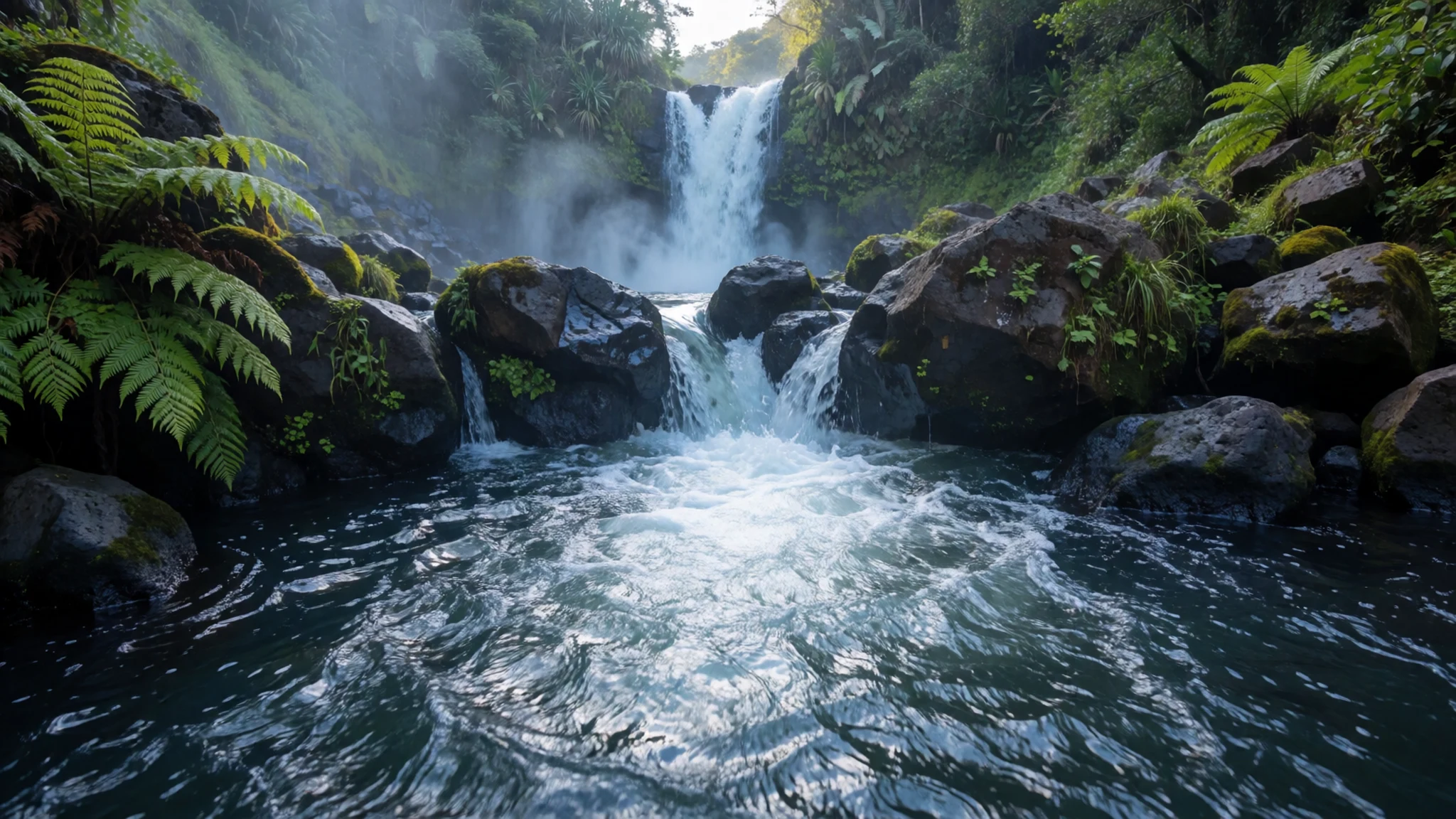
- The inland approach trails — Inland routes from nearby villages
The walk to Concord Falls is part of the experience in Grenada’s hills. Expect uneven ground, possibly muddy patches, and frequent shade breaks as vegetation thickens. Go slow—slips are the real enemy here.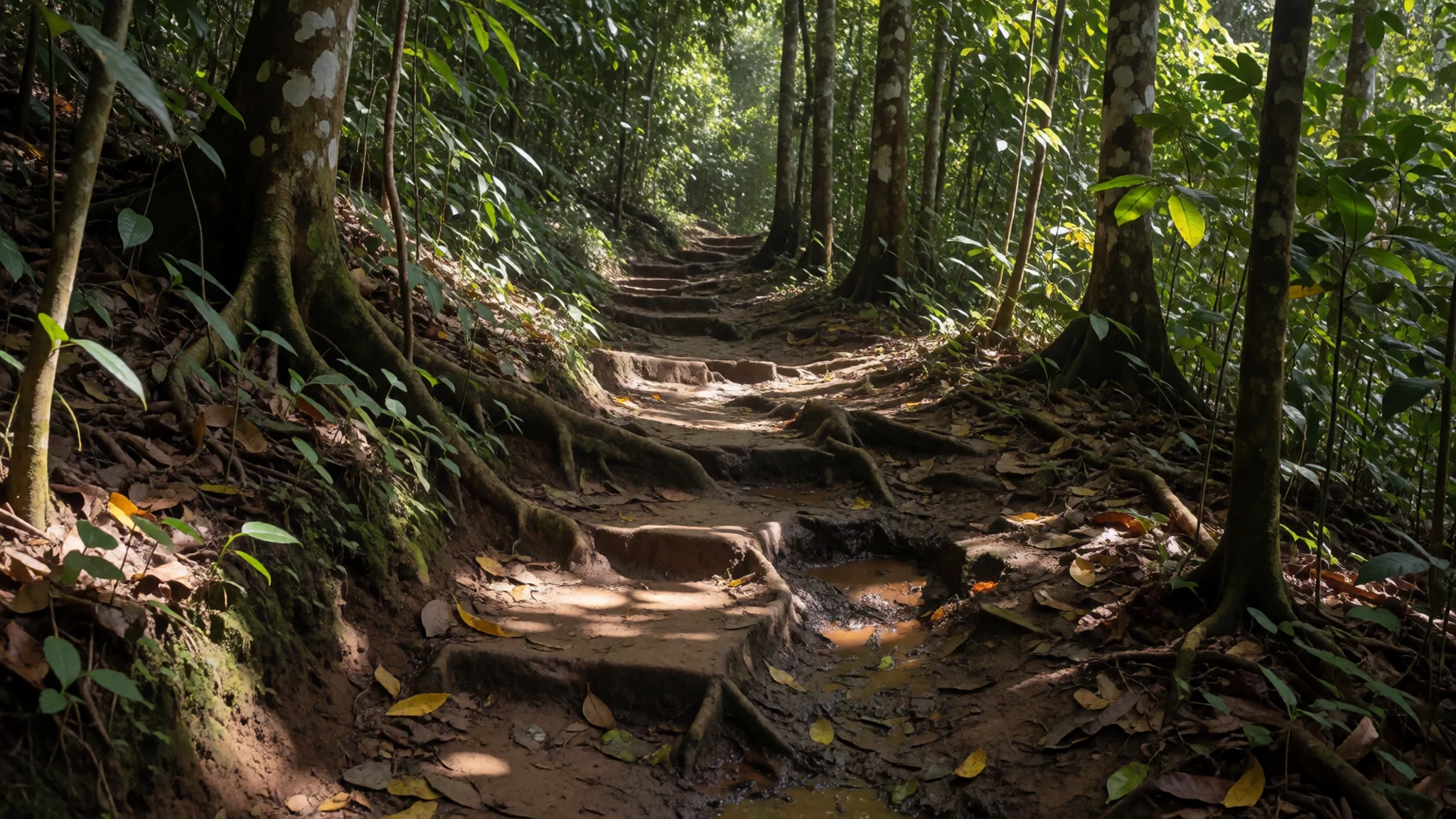
- Rain-and-mist viewpoints — Fall-side slopes
Grenada’s weather can shift quickly, and clouds can make the waterfall look darker and richer. If you get mist, it’s often the moment when the falls feel most dramatic—just give yourself time to breathe and steady your footing.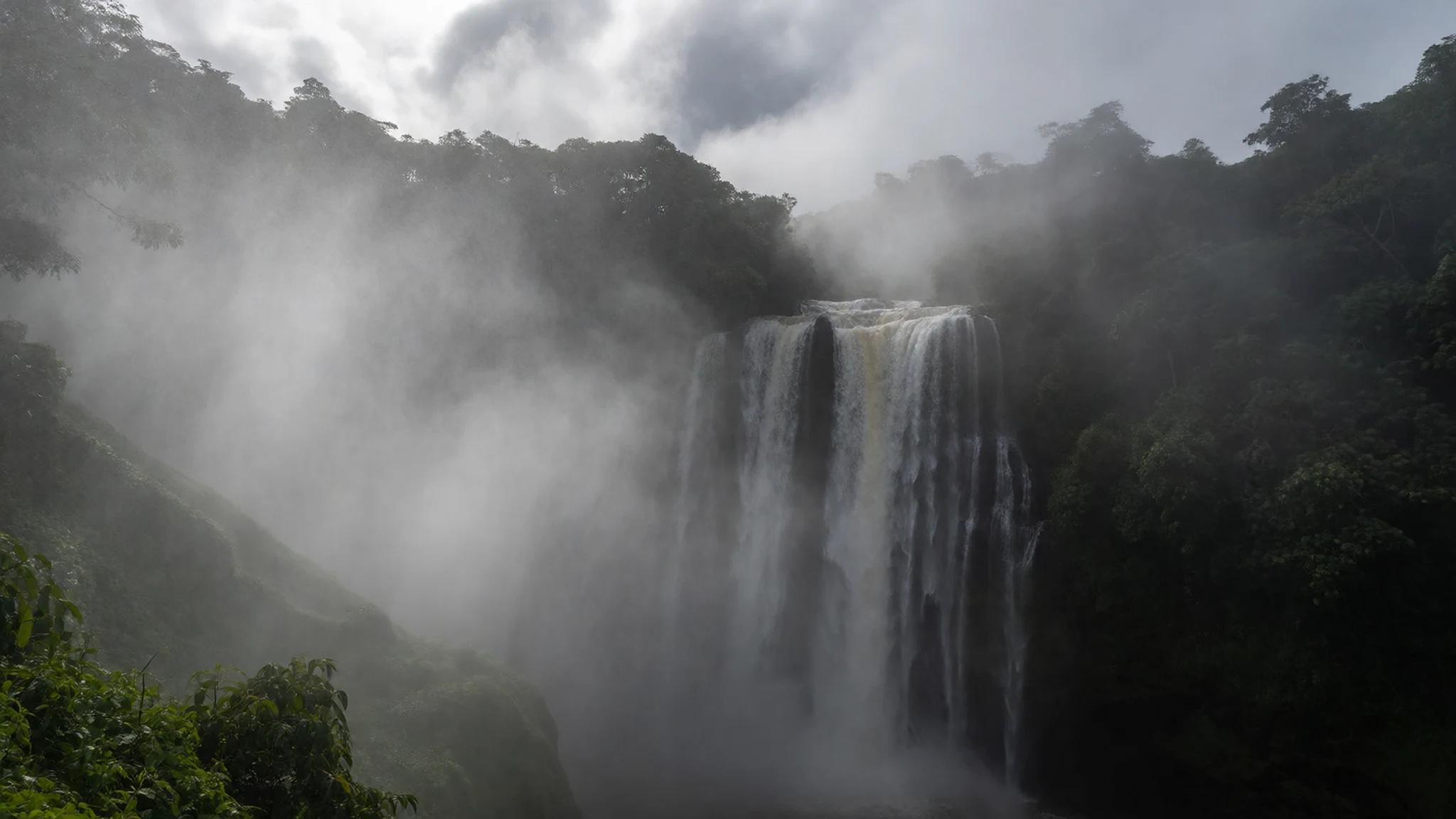
- Pairing with crater-lake country — Mid-island hills and reserves
In Grenada, waterfalls and crater lakes often sit in the same inland travel circuits. If your transport allows, treat Concord Falls as one stop on a “water” loop that can include crater lakes and other cascades elsewhere on the island.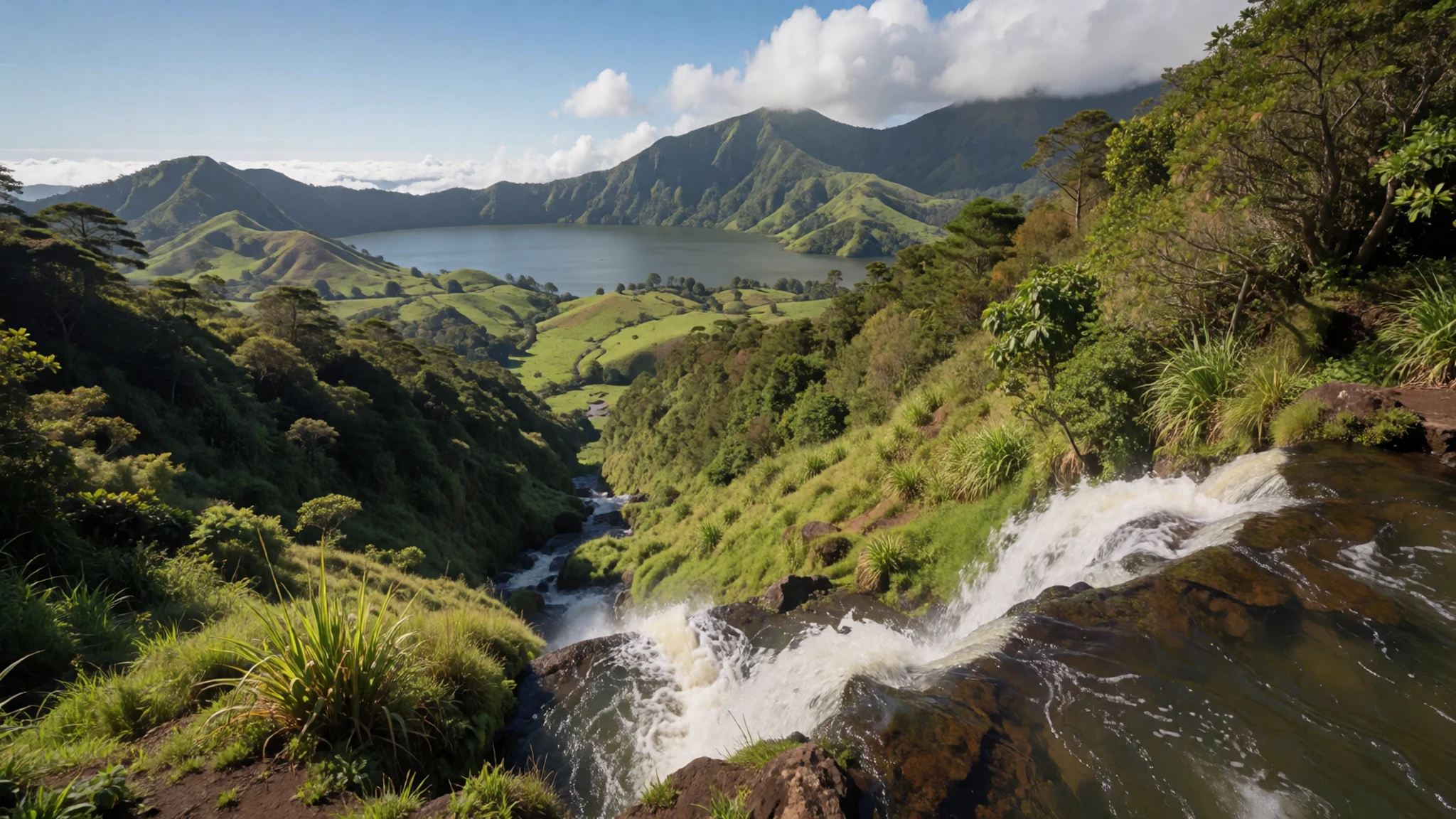
Culture
Grenada’s culture around nature is mostly practical: people live with the island’s heat, sudden rain, and the reality that water shapes daily life. When you visit Concord Falls, it helps to think of it as an outdoor space that locals also use—so the vibe is low-key, not performative. You’ll likely see other travellers adjusting their plans on the spot: choosing shade, waiting out showers, and resuming when the trail becomes manageable.
Sun safety is part of local common sense. Grenada sits close to the equator, so even a cloudy day can still mean strong UV. The humidity can also make you feel warmer than the temperature suggests. Bring water, take breaks, and don’t push yourself to “finish fast” just because you’re on holiday.
Noise and litter matter here too: waterfalls and trails are the kind of places where the soundtrack should be water and birds, not ruffled bags and thrown wrappers. Keep your pace steady on wet rocks and avoid standing in areas where you’re likely to block water flow or damage vegetation.
If you’re travelling as part of a group, share space on narrow sections of path and let slower hikers pass safely rather than squeezing past. Above all, respect that these inland sites are weather-dependent—sometimes the best plan is simply to wait.
What to wear
For Concord Falls, dressing is about managing heat, humidity, and wet ground. Traditional dress in Grenada varies by context, but you’ll mainly see everyday clothing rather than formal wear—think lightweight fabrics and breathable layers that handle tropical conditions. When people do wear traditional outfits for cultural moments, they often lean on colourful textiles and relaxed, comfortable silhouettes, but day-to-day is more practical than ceremonial.
What you’ll see locals and visitors wear now is mostly simple: t-shirts, shorts or loose trousers, and sandals or trainers depending on the day. For the falls, though, footwear is the make-or-break item. Choose shoes with grip you can trust on damp surfaces; avoid smooth soles and flip-flops.
A visitor’s kit should include long clothing for sun protection if you burn easily, plus something to shield your head and eyes. The island can still be sunny even with cloud, and it’s easy to overestimate how much protection you get from a breeze.
Bring a light rain layer or poncho so you’re not scrambling when a shower hits, and consider a small dry bag for your phone and wallet.
What to eat
- Pelau (rice one-pot) — St George’s restaurants and eateries
Pelau is a rice dish cooked in a pot, often served as a hearty island meal. Look for it at casual eateries in towns such as St George’s, where lunch is geared toward quick stops.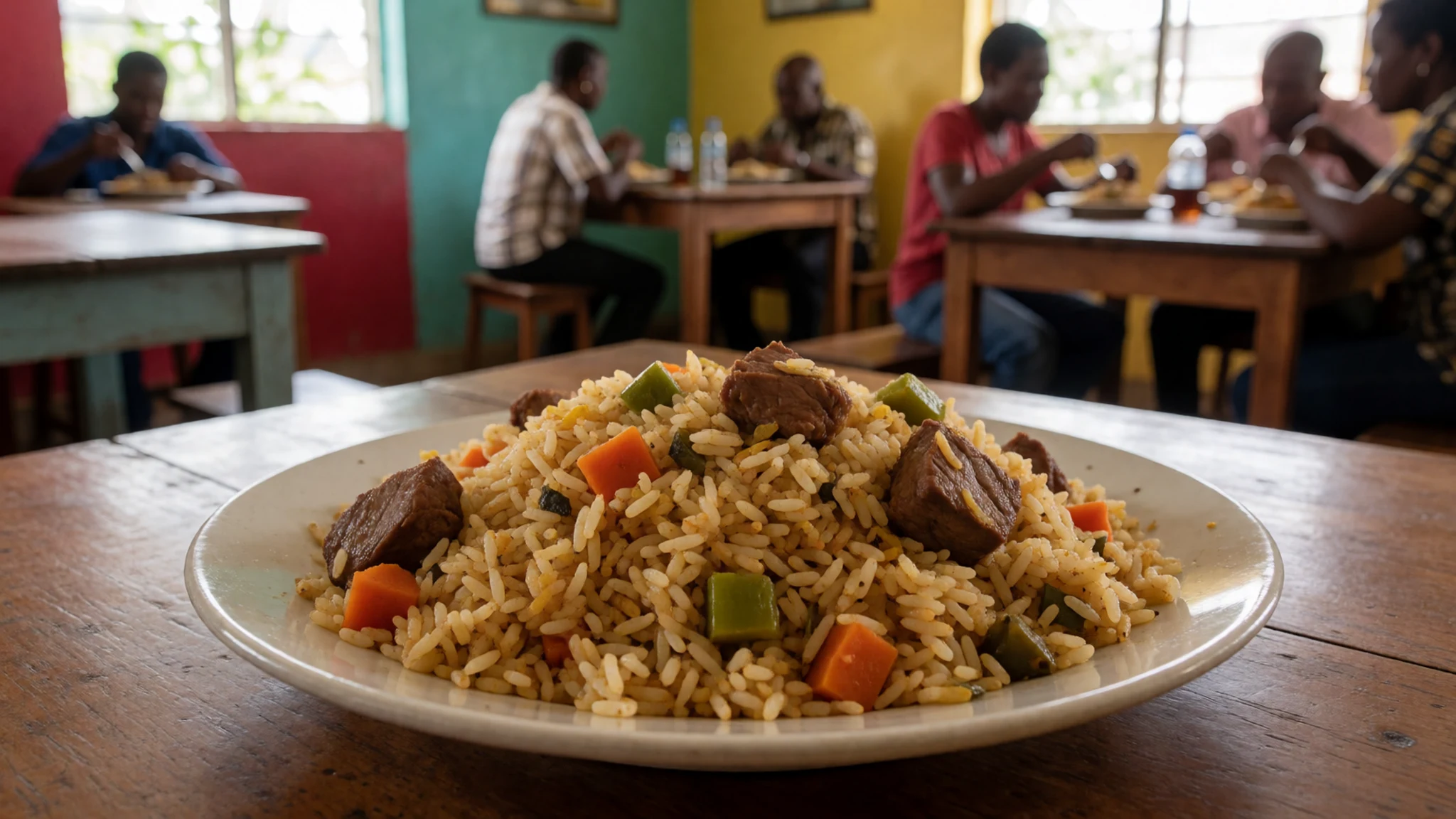
- Fish and chicken with island seasoning — Town restaurants and local eateries
Fish and chicken are everyday staples in Grenada, usually well seasoned with local spices. You’ll see them on menus across the island, especially in places that cater to both residents and travellers.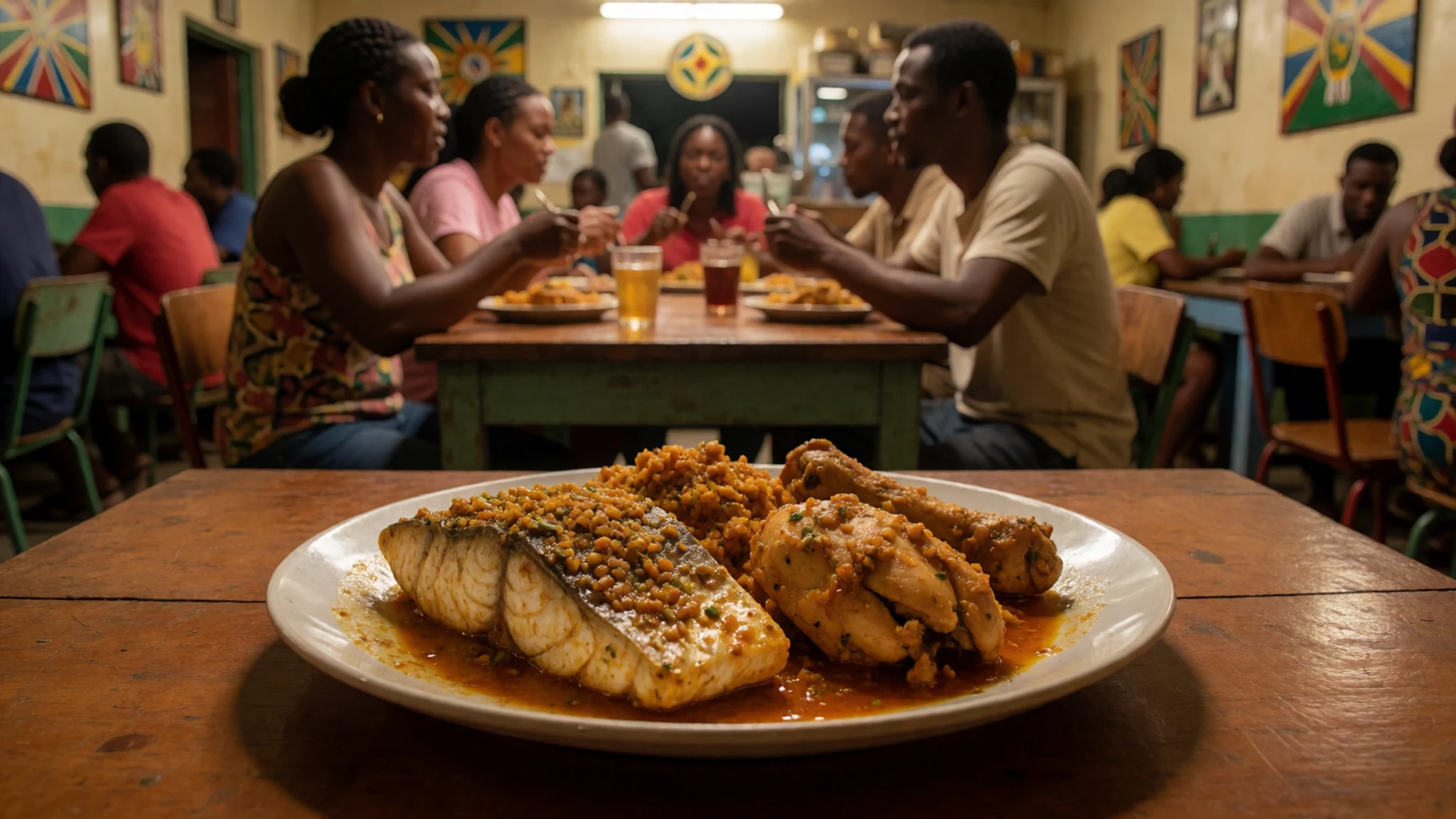
- Cassava pone dessert — Local bakeries and eateries in Grenada
Cassave pone is a commonly eaten Grenadian dessert. It’s the kind of sweet you’ll spot as a local finish after lunch or dinner, particularly in the more visitor-friendly parts of the island where baked goods are easy to find. - Street-style snacks from markets — Market areas around towns (ask locally)
Markets are a good bet for grabbing something quick that won’t weigh you down before a day in the hills. In Grenada, you can usually expect spice-led snack options, fruit, and simple grab-and-go food alongside drinks. - Rum tasting and rum-based drinks — Near major visitor areas such as Grand Anse
Rum is made at distilleries on the main island and visitors often end the day with a tasting or a rum drink. If you’re staying near the main visitor areas, you’ll find places that serve rum alongside bar snacks.
Plan it
Best time. March–April for cooler, clearer conditions and comfortable walking; October–November for greenery without the worst of the dry season crush.
How long. 2–3
Getting there. Fly into Grenada’s main entry hub (most visitor accommodation clusters around Grand Anse), then use local transport/driver for the inland road legs. The last stretch to Concord Falls is typically by car and short approach on foot.
Budget. mid
Tips
- Plan Concord Falls early or late to avoid the harsh midday sun and stronger heat.
- Carry water and a light rain layer; humidity is often high and showers can appear quickly.
- Wear grippy footwear and take your time on any wet sections of trail.
- If you’re pairing stops, group other “water in the hills” sights so you’re not zig-zagging back through the hottest parts of the day.
Etiquette
- Step carefully on slick rocks and keep to the trail—no shortcuts through fragile vegetation.
- Keep voices low near the falls so the soundscape stays natural.
- Don’t treat the waterfall base like a playground; move aside to let others pass safely.
Nearby
Sources
- Wikidata Q24679879 (CC0)
- Wikivoyage (rev 5413115) — Grenada (CC BY-SA 4.0)
- Wikipedia (CC BY-SA 4.0)