South Water Caye
South Water Caye, Belize
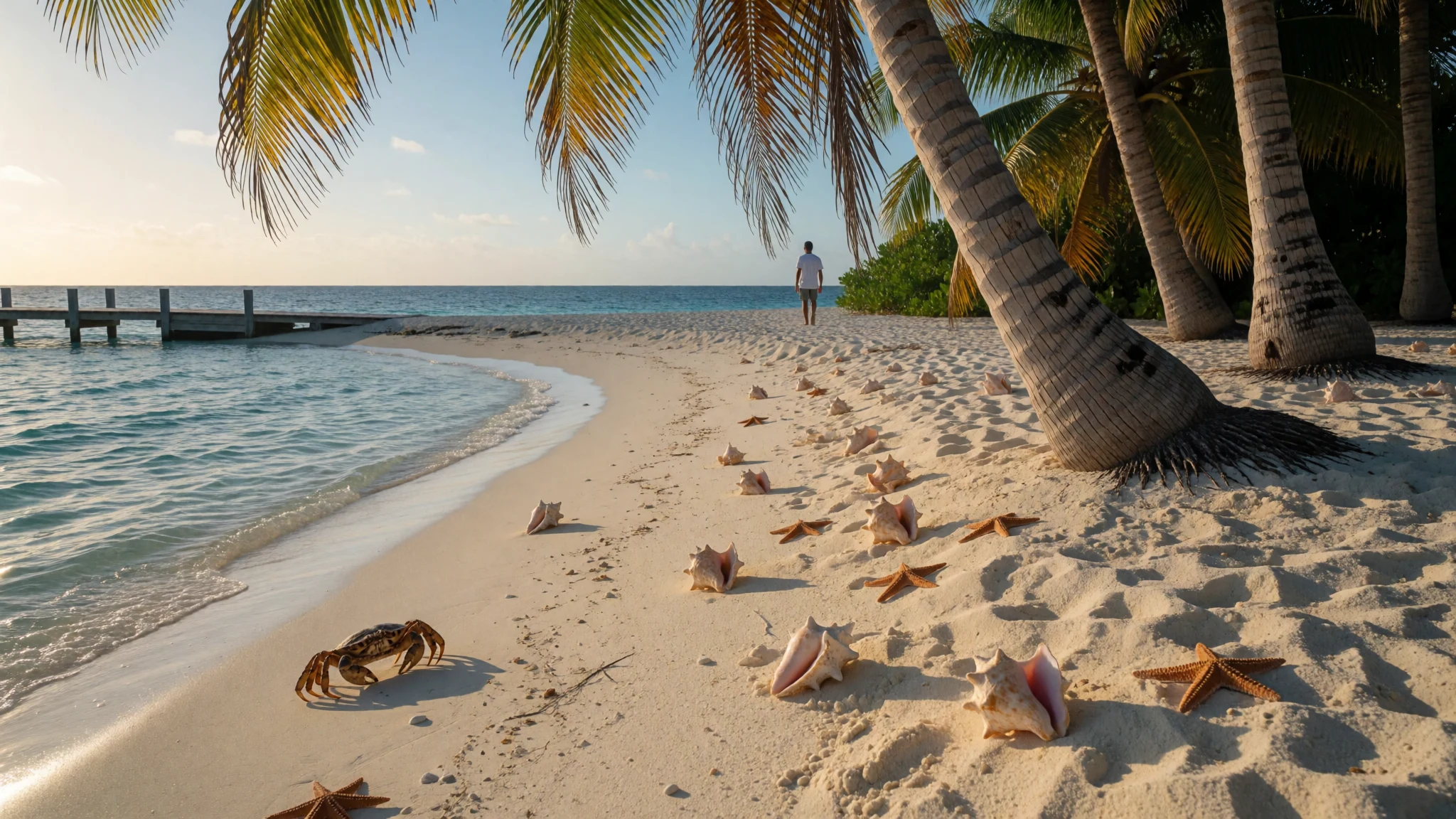
South Water Caye is a small palm-fringed island on Belize's barrier reef, where the plan is snorkelling, swimming and doing very little else.
The place
South Water Caye is a small island off the coast of Stann Creek District in southern Belize, on the sheltered side of the barrier reef. It is close to the picture most people hold of the Caribbean: coconut palms, pale sand, shallow turquoise water and a few low buildings tucked among the trees. There are no roads, no cars and no town. Daily life is organised around the jetty, the dining room and the water. Most of the island is given over to small guest lodges and cabins, and visitors usually arrive by boat from the mainland, stay a few nights and spend the time snorkelling, paddling or lying in a hammock. The western shore faces the mainland and is the side most often photographed, with palms over the sand and calm water for swimming. The reef lies off the seaward side, and boats run out to its edge for snorkelling and diving. The surrounding waters are protected as a marine reserve, which is why the fish life near the island is worth the trip, and why the rules on touching coral and collecting shells are taken seriously. The mainland port for this coast is Dangriga, a Garifuna town, and the road south runs on through Hopkins to Placencia. Expect a quiet, simple stay rather than a resort with nightlife. Electricity and fresh water are managed carefully on small cayes, so showers are often short and wifi can be patchy. Rain showers pass through quickly, and the sun is fierce on open sand, with shade only under the palms.
Its story
South Water Caye belongs to a chain of low coral islands strung along the coast of Belize, and the history of the chain is mostly a history of passing through. Maya traders are known to have paddled canoes along this coast long before Europeans arrived. The cayes later sheltered fishermen and, in local tradition, pirates and logwood cutters who worked the British settlement on the mainland. For a long time little was built on the sand itself; the islands were stopping points rather than homes. What changed them was a new kind of visitor. Scientists were drawn to the reef here, and a Smithsonian research station on nearby Carrie Bow Caye has long studied its coral and marine life. Travellers followed, first in small numbers and then as lodges opened on the sand. Today South Water Caye sits inside a protected marine reserve, and its story is increasingly about balance: how many boats and bathers a thin strip of sand and a living reef can take. Warming seas and storms are real worries, and bleaching has hit Caribbean coral in recent decades. The mainland coast behind the island has its own story, shaped by the Garifuna, who settled around Dangriga and whose music and cooking give this part of Belize much of its character. Visitors to the caye often meet that story in the boat crew, the kitchen staff and the drums in the evening.
What to see
- The west-side shore — Western side of the island
The western shore of South Water Caye faces the mainland and gives the island its classic picture: coconut palms leaning over pale sand, with calm, shallow water for swimming. Early morning and late afternoon are best, when the light is softer and the sand is cooler underfoot.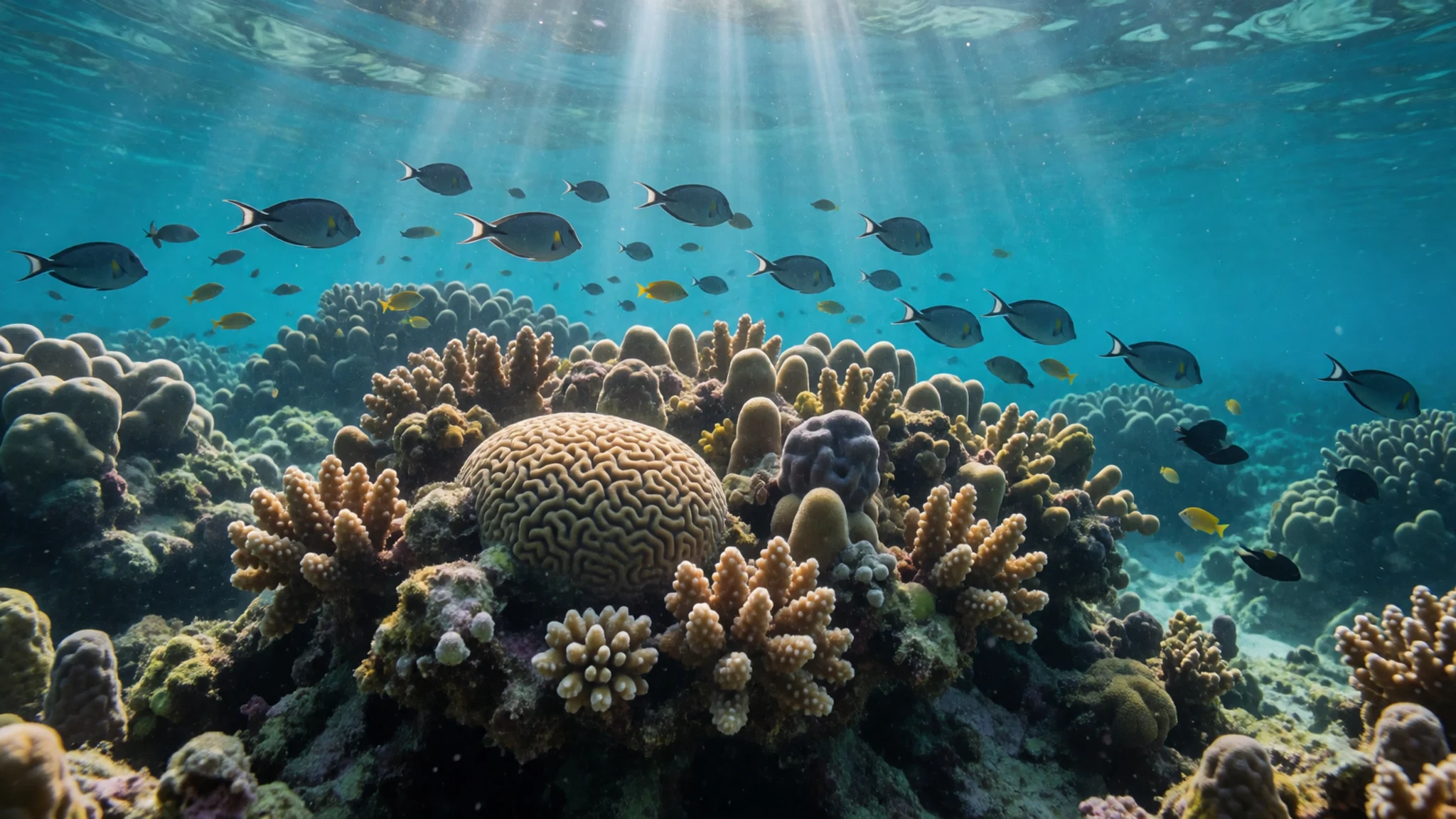
- Snorkelling the reef edge — Reef off the seaward side of the island
Boats from the island run out to the reef, where snorkellers float over coral heads and watch reef fish, rays and sometimes turtles. Conditions depend on wind and visibility, so ask the island's guides each morning. Keep fins clear of the coral and do not touch any marine life.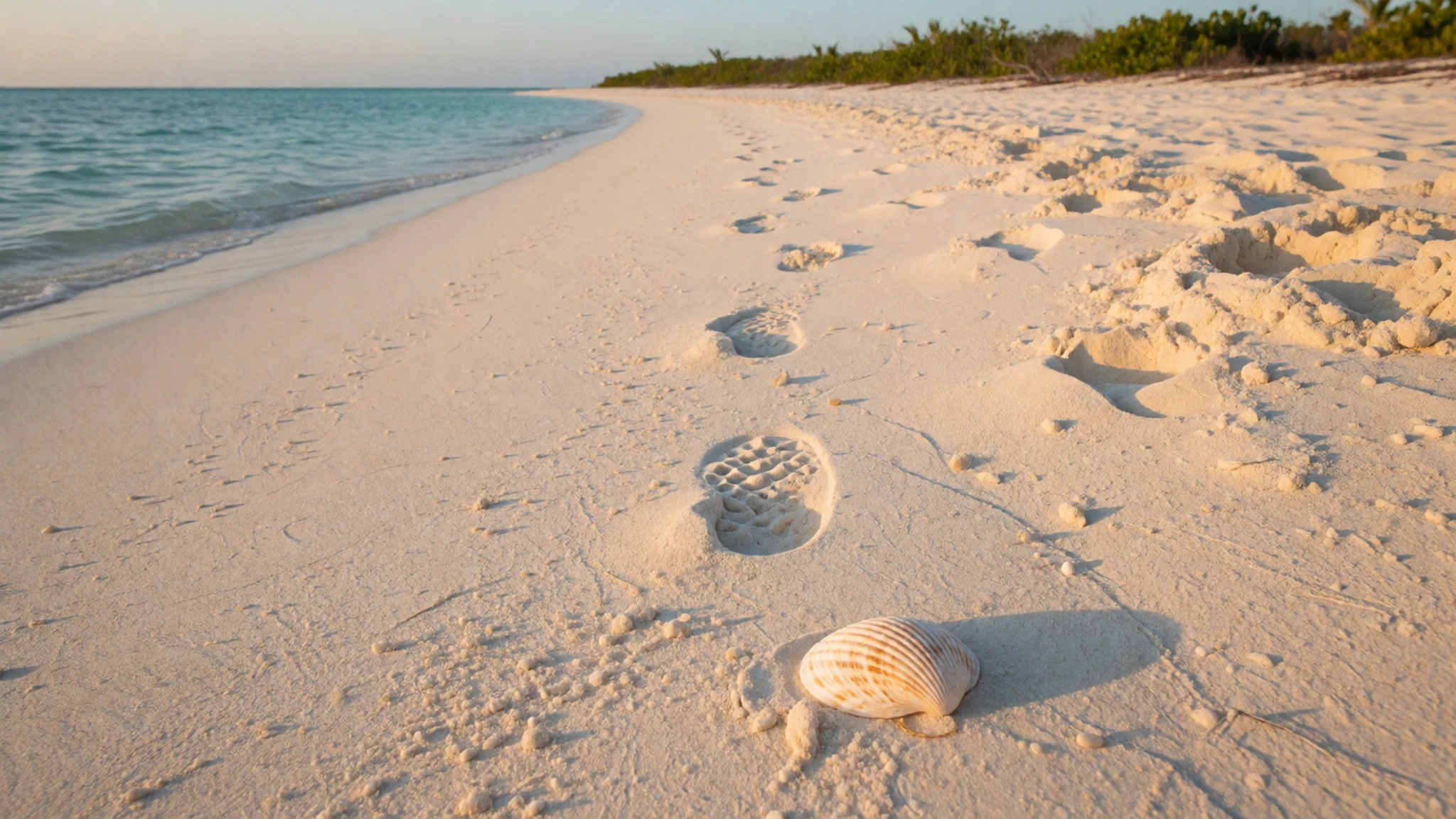
- Paddling the shallows — Waters around the caye
Kayaks and paddleboards let visitors circle the caye at their own pace, drifting over sand and seagrass flats in the clear water. It is quiet, shaded by nothing, and best before the midday sun and the afternoon breeze. Wear a rash vest and check the wind with the lodge first.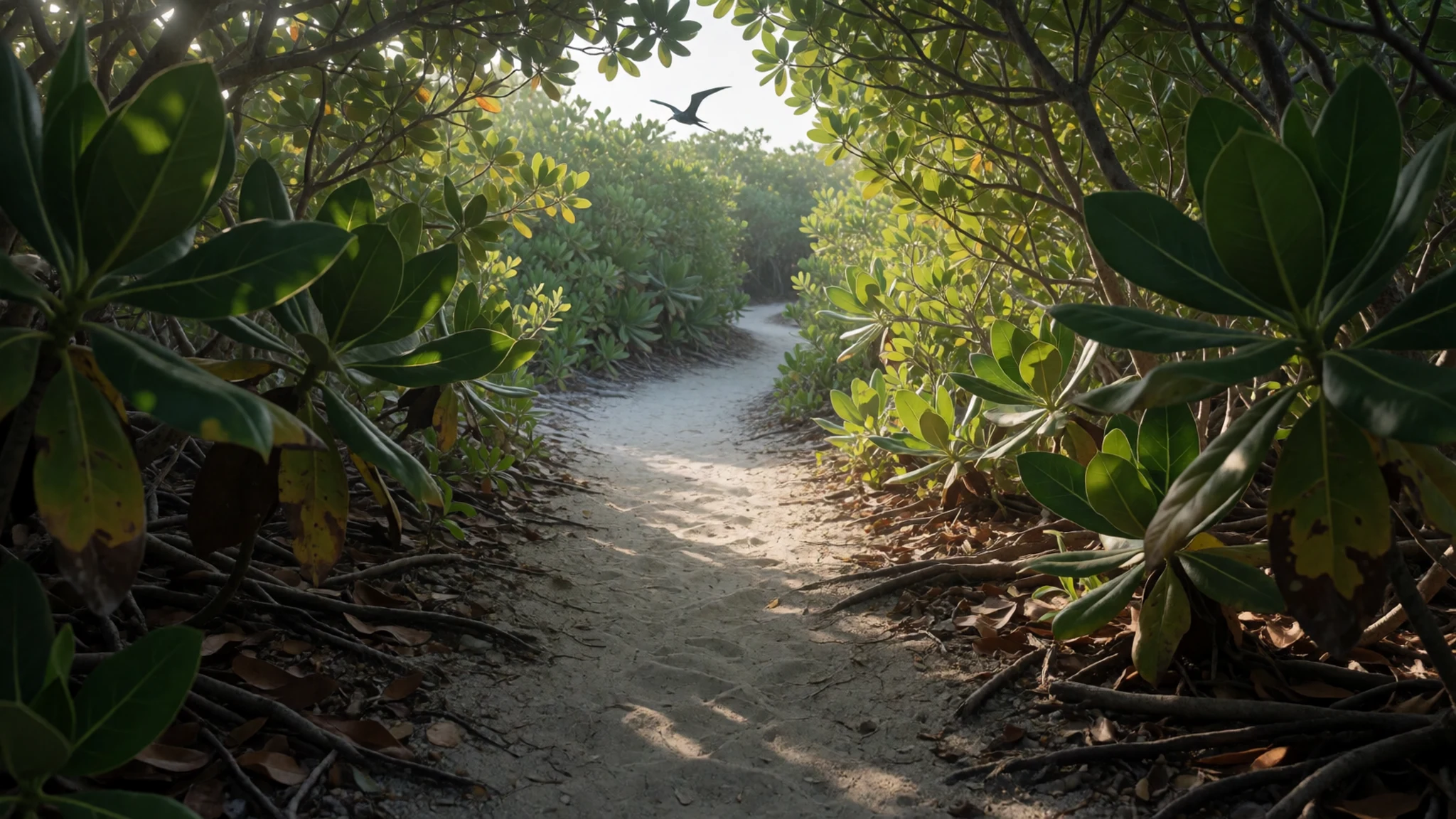
- Dangriga — Stann Creek District, mainland
Dangriga is the mainland town where most boat journeys to the caye begin. It is the centre of Garifuna life on this coast, with drumming, dance and cooking that are worth an hour or two before or after the island. Settlement Day in November is the busiest and liveliest time to be there.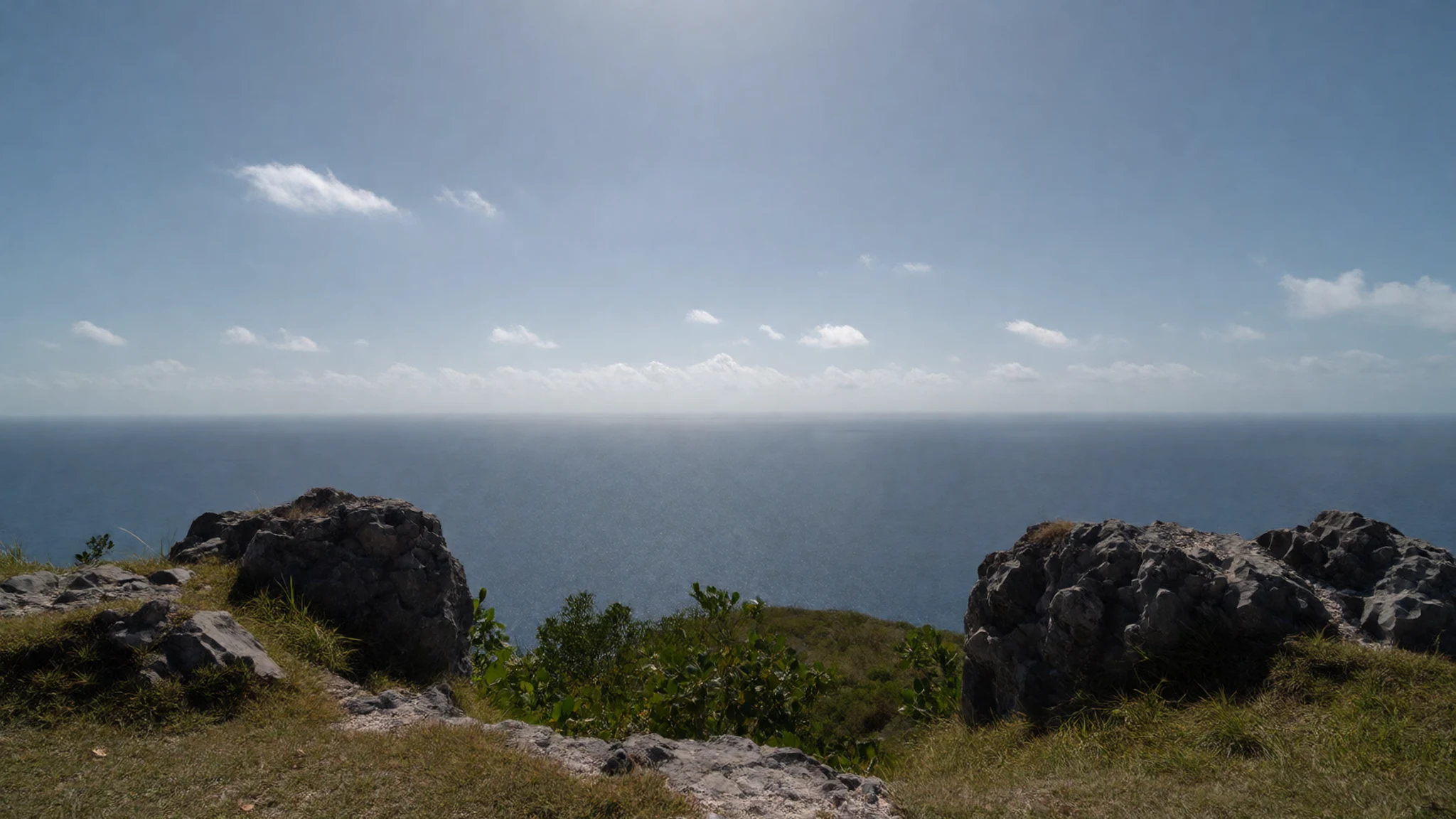
- Hopkins — Coast south of Dangriga
Hopkins is a Garifuna seaside village south of Dangriga, on the road towards Placencia. It has a long beach, small eateries and evenings with drumming at some guesthouses. It makes a gentle follow-on from the caye for travellers who want some village life after days on the sand.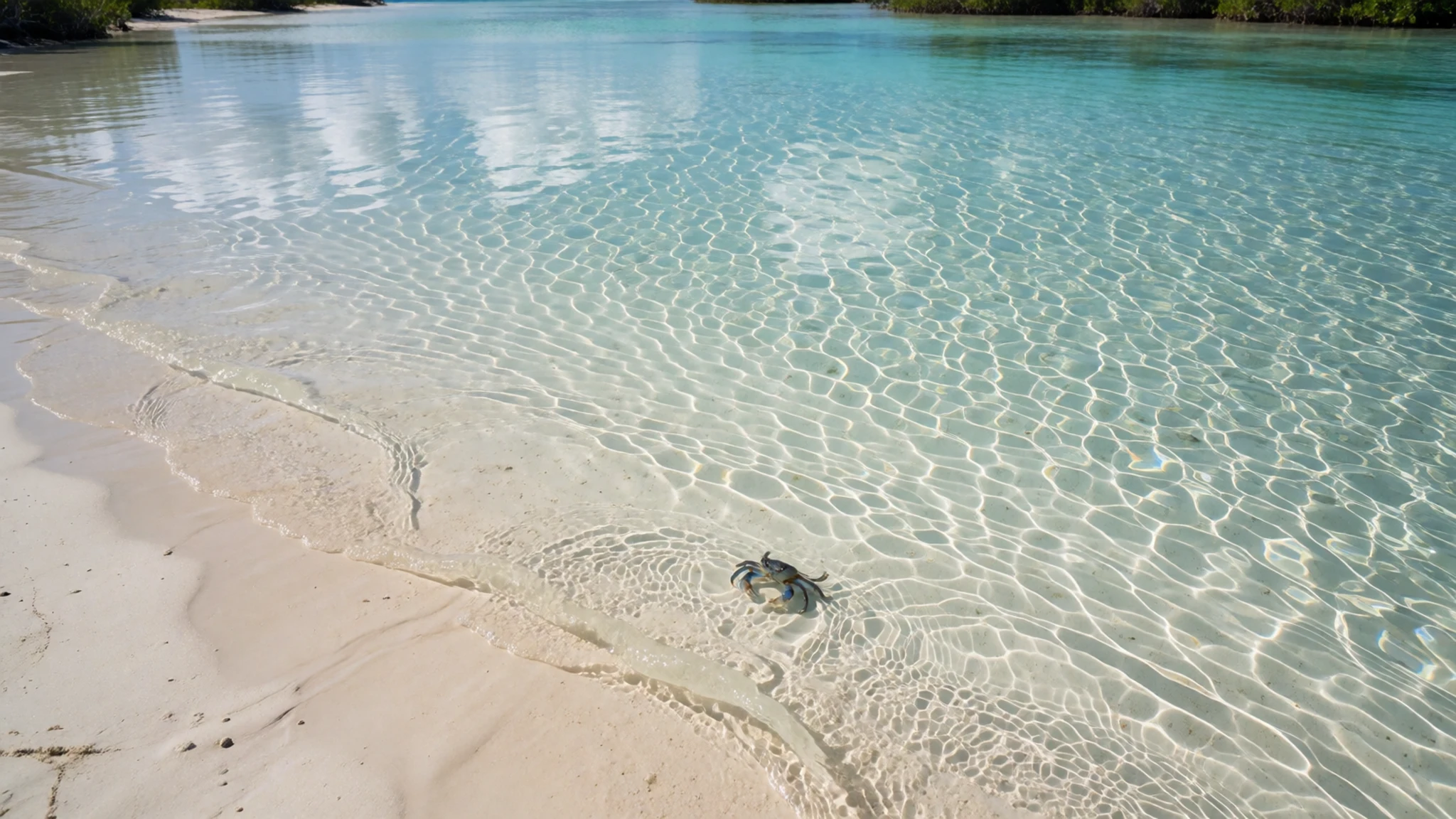
Culture
South Water Caye is a place where the culture on the plate and in the evening air comes from the mainland, above all from the Garifuna people of Dangriga. The Garifuna have African and Indigenous Caribbean roots, their own language, and a tradition of drumming and song that has won international recognition. Punta, the fast, hip-driven dance music, and the slower, guitar-led paranda are what visitors are most likely to hear. Settlement Day, held in November, is the big date in Dangriga, with drumming, dancing and processions in the streets. Many staff on the caye come from the coast, so a conversation over breakfast can tell a visitor more than a leaflet. English is the official language of Belize, but Kriol is the everyday one, and a greeting before a question is always appreciated. Maya and Mestizo communities, inland and further south, add their own food and crafts to the national mix. On the island the mood is relaxed and communal: meals are often at set times, boats leave when the crew say so, and the pace is slow. Conservation is part of local life too, because fishing and tourism both depend on the reef staying healthy, so guides will politely correct careless habits. Ask before photographing anyone in Dangriga or on the island, and never stand on or touch coral while snorkelling.
What to wear
On South Water Caye dress is about sun, salt and sand, but the mainland coast has its own clothing traditions. Garifuna festive dress is the best known: women wear brightly coloured cotton dresses and head wraps, often in bold plaids and strong colours, while men may wear light shirts and hats at celebrations such as Settlement Day in Dangriga. Maya communities further south are known for embroidered cotton blouses, though these are not part of daily life on the cayes. Such outfits appear at festivals and cultural events more than on ordinary days. Everyday wear in Belize is casual: shorts, T-shirts, sandals, and light cotton or linen shirts. People in Dangriga dress a little more neatly for church or town business than they do on the water. Visitors should pack for heat and strong sun: swimwear, a long-sleeved rash vest or light shirt for snorkelling, a wide-brimmed hat, sunglasses and reef-safe sun cream. Water shoes help on coral rubble and rocky patches, and flip-flops are enough for the sand. Bring a light rain jacket for passing showers and a cover-up for the dining room and for walking through Dangriga, where beachwear on the street looks out of place. Mosquito repellent and light long trousers help in the evenings.
What to eat
- Hudut — Family-run Garifuna eateries in Dangriga and Hopkins
A Garifuna fish stew in a rich coconut broth, served with mashed green plantain on the side. It is mild, filling and made with fresh local fish. Look for it in Dangriga and Hopkins eateries, or ask whether the island kitchen can prepare it.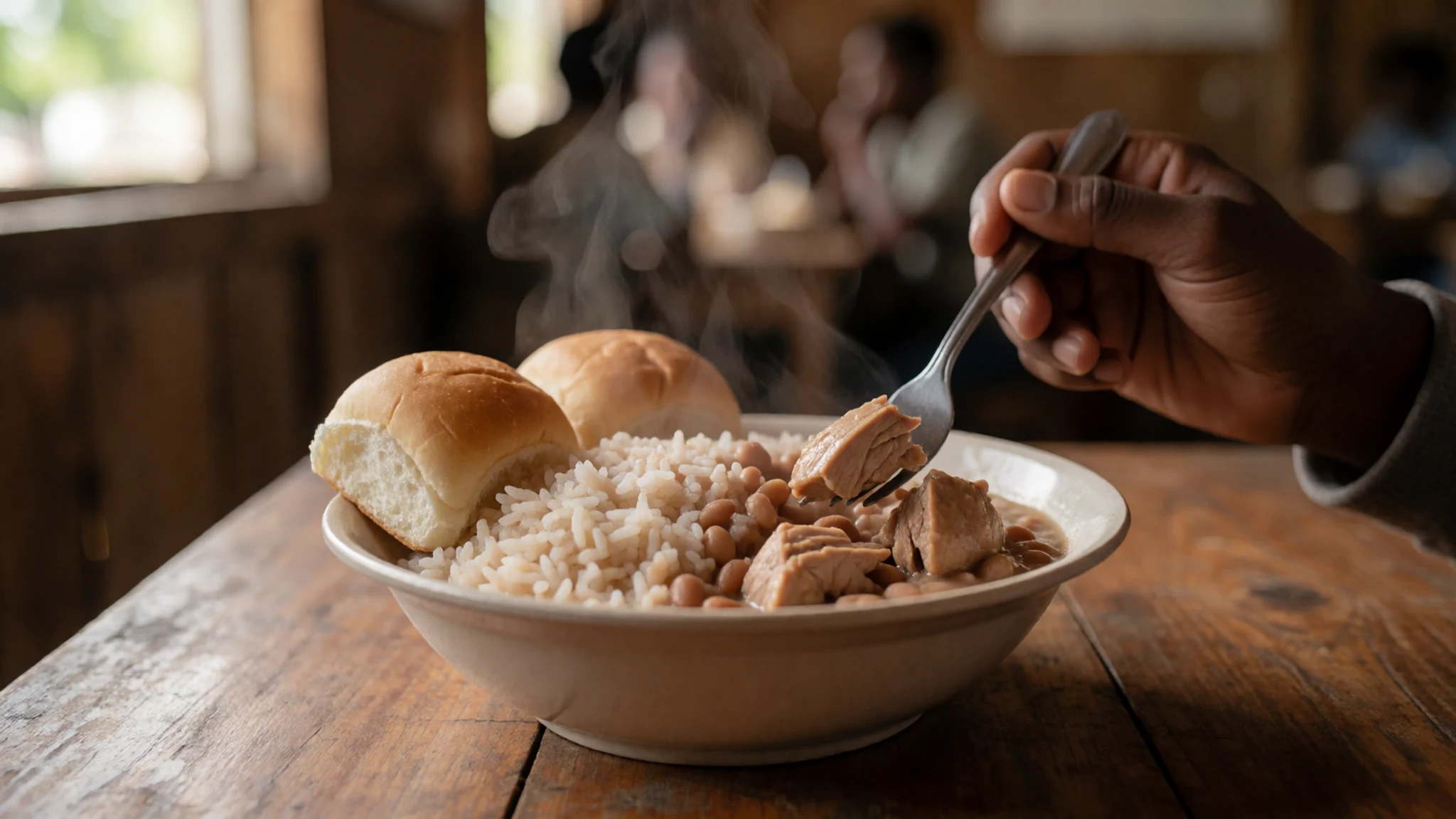
- Rice and beans with stew chicken — Small eateries and market stalls on the mainland
The everyday Belizean plate: rice cooked with coconut milk and red beans, beside chicken stewed in a dark, lightly spiced sauce, often with coleslaw or fried plantain. It is the standard lunch across the country and the easiest way to eat as locals do.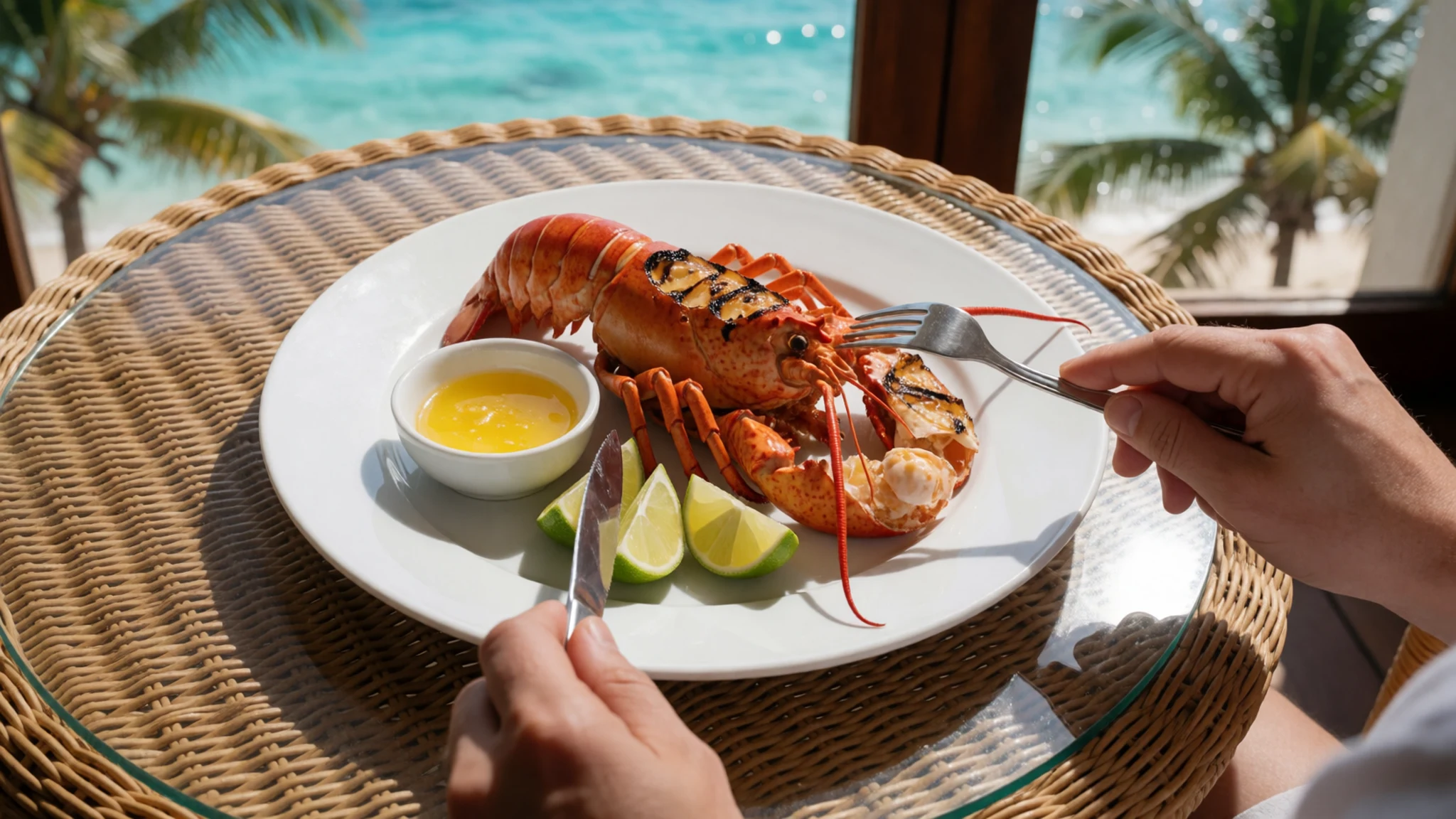
- Fried or grilled reef fish — Dining rooms on the cayes and beachside eateries on the coast
Snapper and other local fish are served whole, fried or grilled, with rice, plantain and a squeeze of lime. On a small caye the catch often comes from the boats that morning. Ask what came in and how it was caught. - Conch ceviche — Lodge kitchens and seaside restaurants along the coast
Chopped conch or fish cured in lime juice with onion, tomato, coriander and chilli, eaten with crisp tortilla chips. It is fresh and sharp. Conch fishing is regulated, so ask for it in season and avoid it if the staff are unsure. - Cassava bread (ereba) — Garifuna households and markets in Dangriga and nearby villages
A flat, crisp bread made from grated cassava, central to Garifuna cooking. It is dry, plain and good for dipping into stews or soups. Making it is a long job, so buying it from a local maker is a good way to support small producers.
Plan it
Best time. February to May is the drier, calmer stretch, with the best chance of clear water for snorkelling. June to November is the wetter season and brings hurricane risk, so check forecasts and cancellation terms. December and January can be breezy, with cooler spells.
How long. 2–4
Getting there. Fly into Philip Goldson International Airport at Belize City, then travel by road or a short domestic flight to Dangriga Airport (DGA). The last leg is a boat from Dangriga to the island, usually arranged by the lodge you book.
Budget. mid
Tips
- Book the lodge and boat transfer well ahead for the drier months, because small cayes have few rooms
- Bring cash as well as cards, since island lodges and mainland stalls may not take cards
- Carry reef-safe sun cream, a rash vest and a refillable water bottle, as shade is limited and drinking water is carefully managed
- Ask the guides each morning about wind and visibility before choosing a snorkelling trip
- Pack insect repellent for the evening, and a dry bag for boat transfers
Etiquette
- Do not touch, stand on or take anything from the coral, shells or marine life
- Ask before photographing people, especially in Dangriga and Garifuna villages
- Use water and electricity sparingly on the island, as supplies are limited
Nearby
Sources
- Wikidata Q21867565 (CC0)
- Wikivoyage (rev 5260176), Stann Creek (CC BY-SA 4.0)
- West side of South Water Caye, Belize — Nosferattus (CC0 1.0)
- South Water Caye, Belize — Suzanne Schroeter (CC BY-SA 2.0)
- South Water Caye, Belize — Suzanne Schroeter (CC BY-SA 2.0)
- South Water Caye, Belize — Suzanne Schroeter (CC BY-SA 2.0)
- South Water Caye, Belize — Suzanne Schroeter (CC BY-SA 2.0)
- Sailing Trip to Belize 2021 — Jim McIntosh (CC0 1.0)
- Sailing Trip to Belize 2021, South Water Caye — Jim McIntosh (CC0 1.0)
- West side of South Water Caye, Belize (banner) — Nosferattus (CC0 1.0)
- Wikipedia (CC BY-SA 4.0)


