Ambergris Caye
Ambergris Caye, Belize
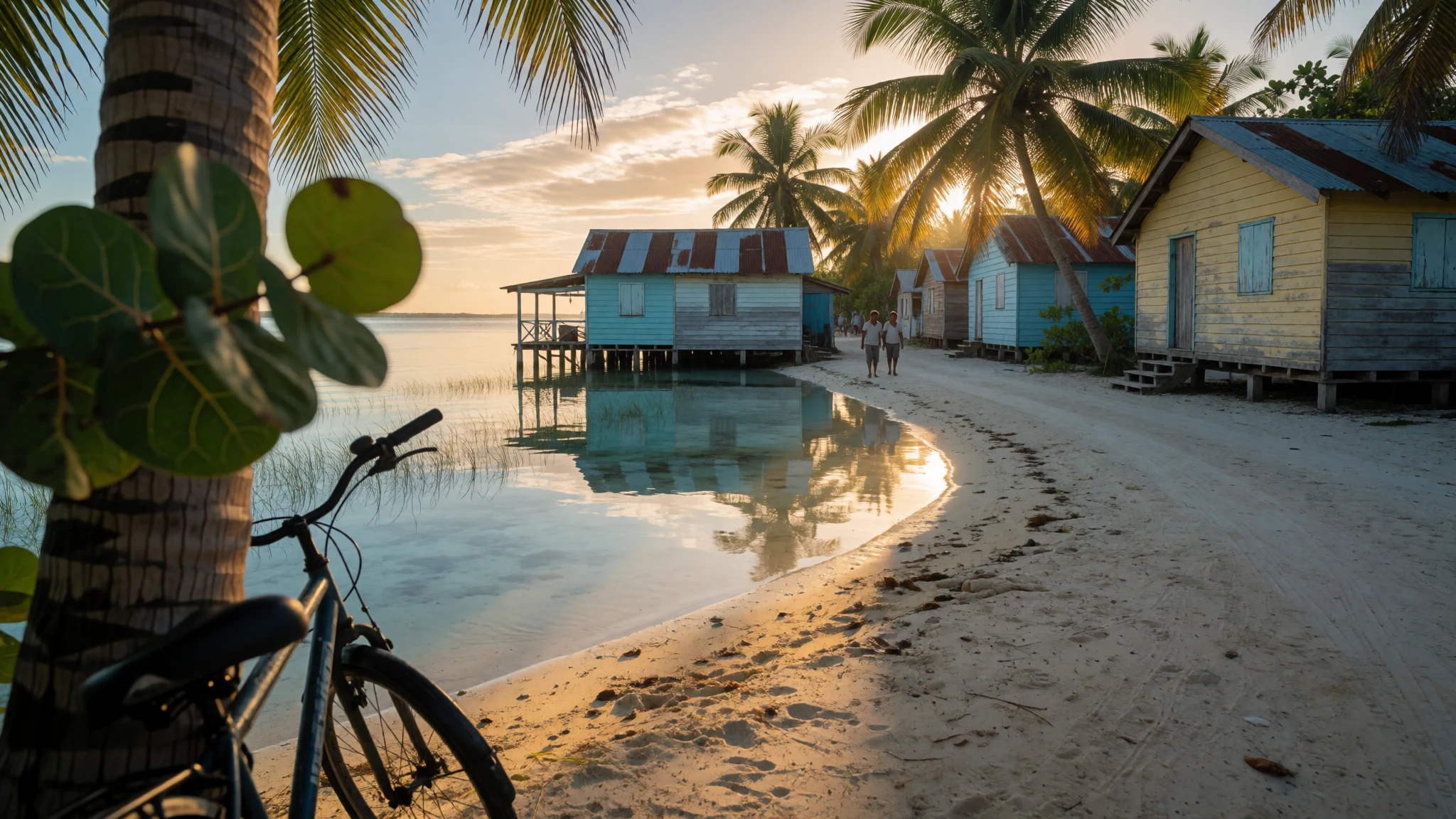
Ambergris Caye puts a sandy Belizean town, San Pedro, within a short boat ride of the barrier reef.
The place
Ambergris Caye is a long, low Belizean island, a thin ribbon of sand and mangrove set just inside the Belize Barrier Reef. The windward shore faces open Caribbean water; the leeward shore looks across a shallow lagoon toward the mainland. San Pedro, the island's only town, sits toward the southern end, a compact grid of sandy streets, wooden houses on low stilts, small piers and a waterfront where skiffs and water taxis come and go. North of the town the island stretches through scrub, coconut and mangrove, with beach settlements strung along the west side and the reef never far offshore to the east. At the far north a narrow channel separates Ambergris Caye from the Yucatán coast of Mexico. Transport is local and slow: golf carts on the sand roads, bicycles, feet, and boats for anything beyond town. Private cars are a rarity in the centre. The eastern water is clearer and more exposed; the western flats are calmer and warmer, and they colour up brown after rain. Shade is limited to porches, palms and the odd broad tree, so the middle of the day is a time for indoors or the water. San Pedro still works: fishers, guides, shopkeepers and cooks live on the same lanes as the guest houses. The result is an island that feels social and slightly chaotic rather than secluded — music, cart horns and outboard engines are part of the day — with the reef as the reason most people have come.
Its story
Ambergris Caye takes its name from ambergris, the waxy substance whales leave behind, once valuable enough that a lump on the sand could make a fisher's season. Maya communities were here long before that trade. Shell mounds and trading places on the leeward shore mark the island as a stop on the coastal route between the Yucatán and the reefs and rivers to the south, not a bare sandbar. Spanish charts showed the coast, yet the caye was more than mangrove, sand and seasonal camps: a Maya trading settlement used it, and coconut plantations from the seventeenth century altered much of the island, though it never became a colonial town. British loggers and fishers, and the mixed coastal people of what became British Honduras, used it as they used the whole reef — for turtle, conch, fish and shelter in bad weather. Out of that came San Pedro, a small mestizo fishing village, Spanish-speaking and Catholic, looking to the water rather than to Belize City. In living memory a channel was cut at the north end of town so boats could pass from the lagoon to the reef without rounding the island, and that gap, the Split, became San Pedro's edge. When travellers began arriving for the coral, spare rooms in family houses turned into guest houses, then dive boats, then a short airstrip. The fishing village never moved out. Guides, cooks and captains are often from the same families, and Spanish and English share the lanes. Reef, mangrove and sand now carry more people than that settlement was built for, and the story of Ambergris Caye is the strain between the older life on the water and the holiday economy set down on top of it.
What to see
- San Pedro — south end of Ambergris Caye
San Pedro is the only town on Ambergris Caye, a sandy grid of wooden houses, shops, piers and guest houses a short walk from the sea. Golf carts and bicycles replace cars on sand streets. The airstrip sits at the south end, water taxis use the lagoon dock, and the reef is a boat ride east. Mornings go to the boats; late afternoon brings everyone back to the front street.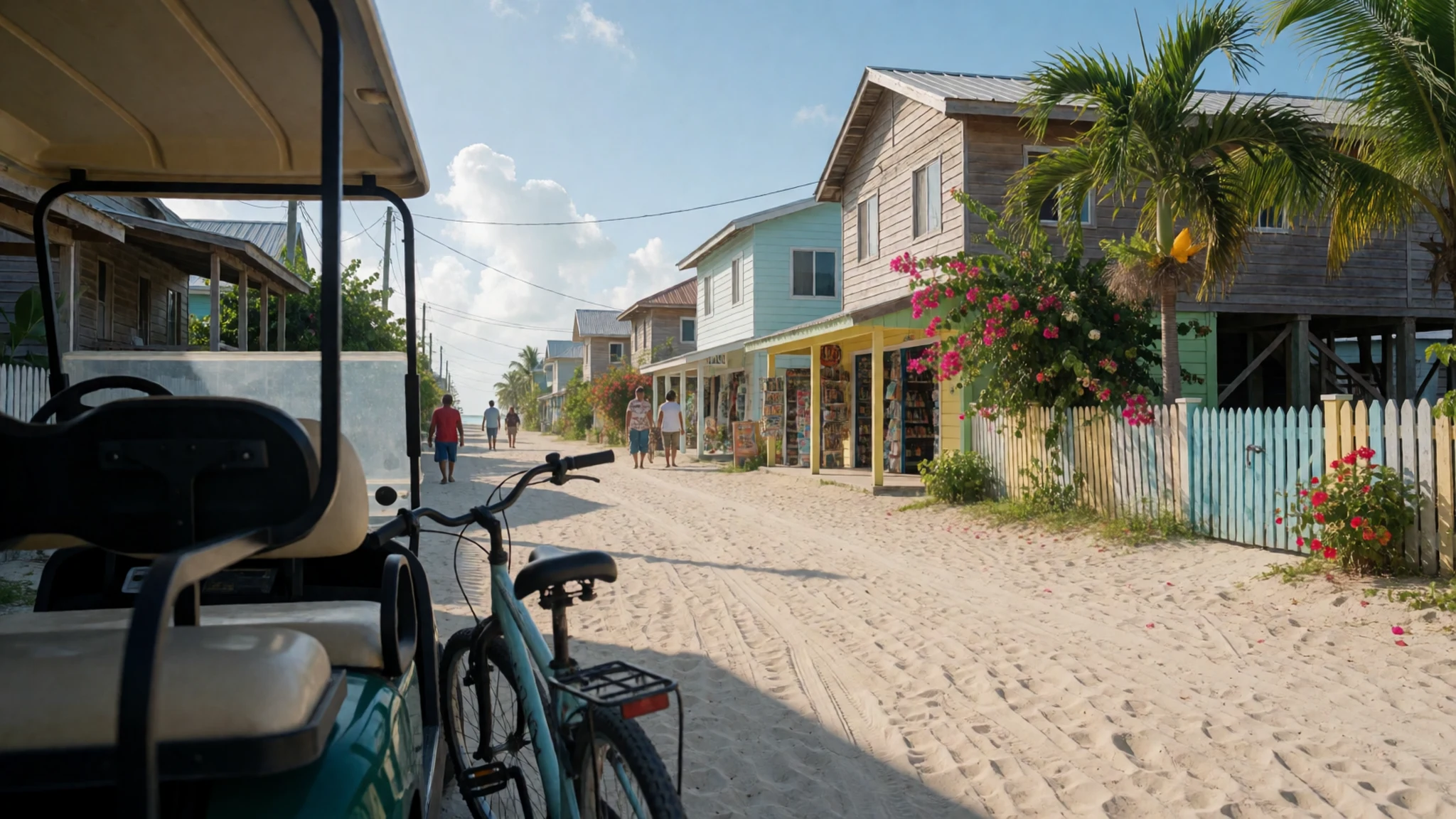
- Hol Chan and Shark Ray Alley — reef just south of San Pedro
Hol Chan is a cut in the reef just south of San Pedro, and the centre of a marine reserve on Ambergris Caye where sand gives way to coral heads. Snorkellers drift the channel among fans, brain coral and schools of grunt and snapper. Nurse sharks and rays collect at Shark Ray Alley close by, long accustomed to boats. Hands stay off the animals, as the guides ask.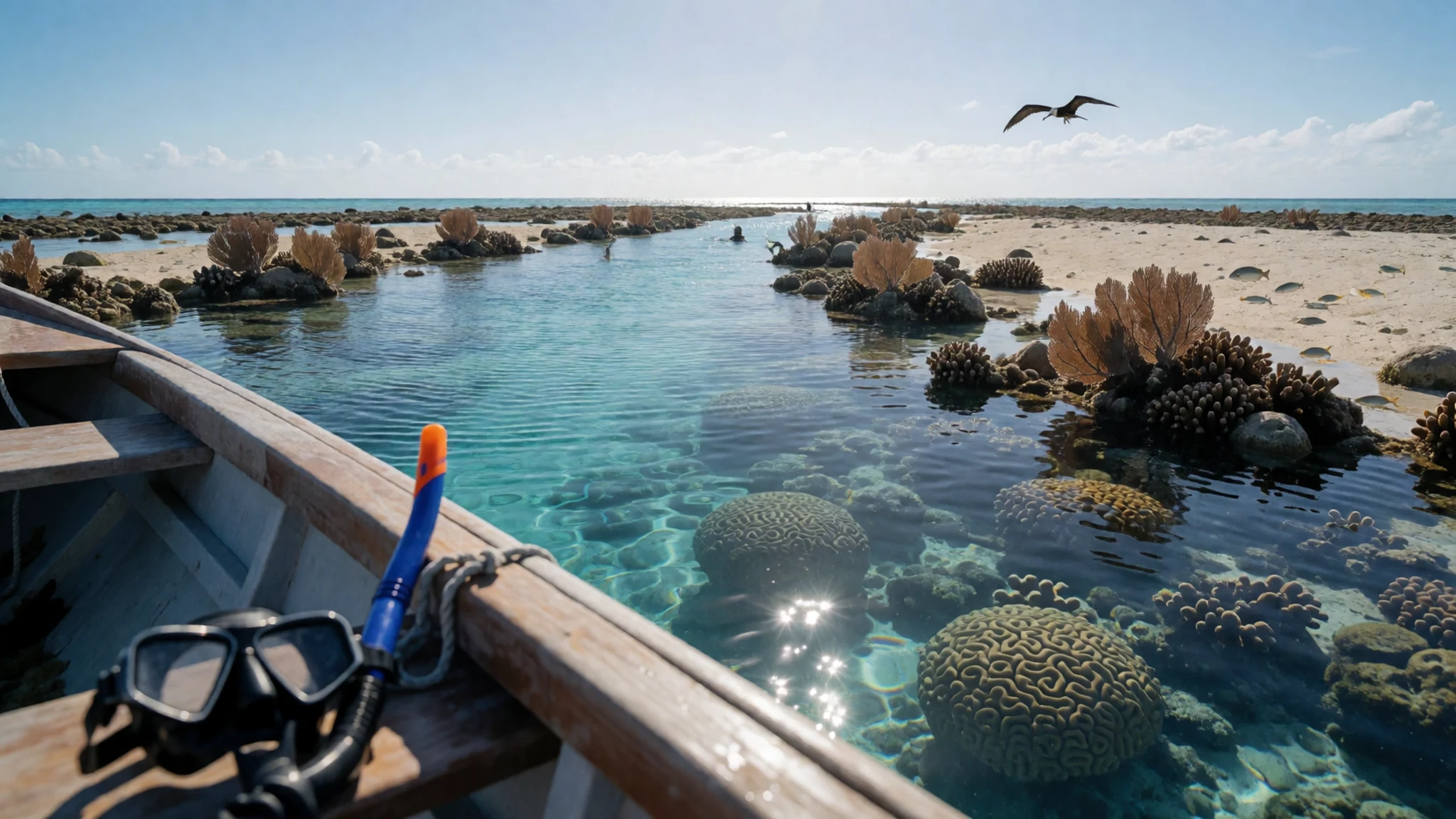
- Belize Barrier Reef — east coast of Ambergris Caye
The Belize Barrier Reef runs the length of Ambergris Caye a little way offshore, a line of coral, cuts and pale sand visible from the beach as a change in the colour of the sea. Boats cross it at the channels. Inside the reef the water is shallow and workable; outside it the depth comes quickly and the swell is the open Caribbean.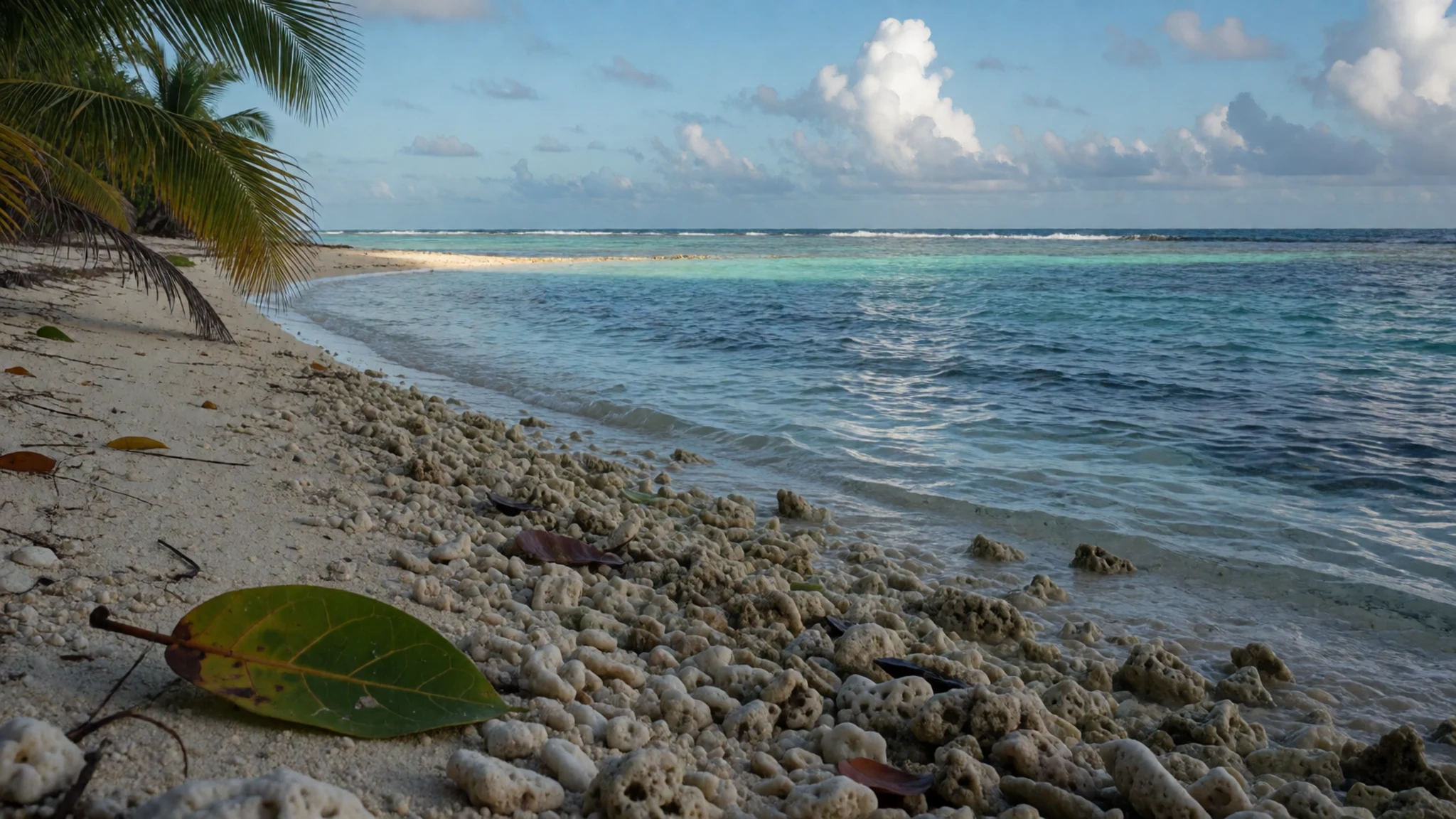
- The Split — northern edge of San Pedro
The Split, also called Boca del Rio, is the channel cut across Ambergris Caye at the northern edge of San Pedro so boats can pass between the lagoon and the reef. It is the town's swimming spot and its boundary. The water moves, the bottom drops away, and on a busy day the banks fill with music and coolers. Skiffs use the same gap, so swimmers stay toward the edges.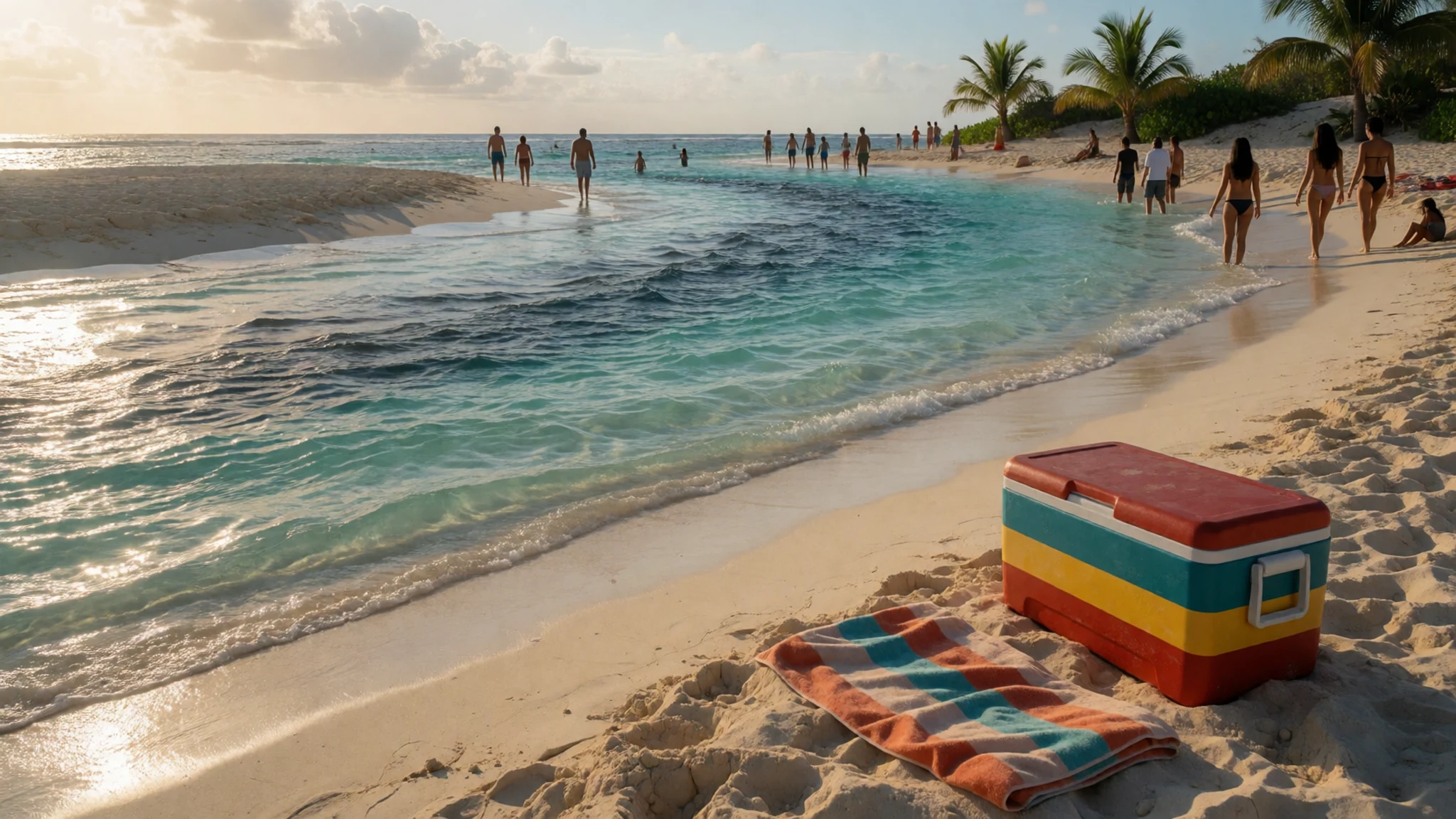
- Bacalar Chico — northern tip of Ambergris Caye
Bacalar Chico National Park and Marine Reserve occupies the northern tip of Ambergris Caye, where a narrow channel marks the border with Mexico. Mangrove, lagoon and a remnant of littoral forest hold herons, frigatebirds and, in the creeks, the occasional manatee. The reserve is reached by boat from San Pedro rather than by road, and the reef here is quieter than the cuts near town.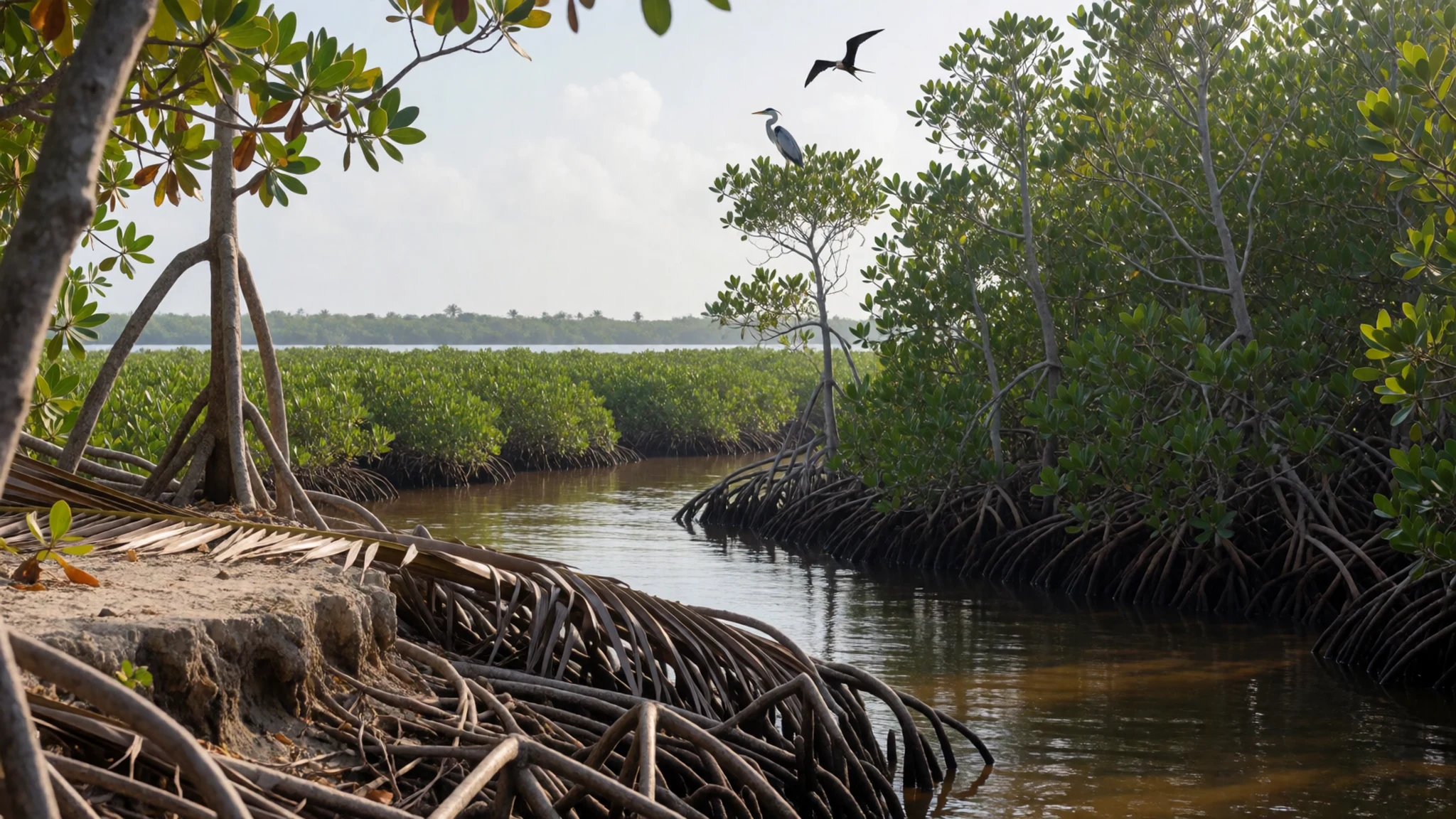
Culture
Culture on Ambergris Caye is mestizo and coastal, closer in speech, food and family story to the Yucatán than to the Creole side of mainland Belize, even though English is the official language and both are spoken in San Pedro. Many families descend from Yucatecan fishers who made the caye a permanent home, and Spanish still leads on the docks, in the kitchens and at home. Catholic feast days and local saint's celebrations sit alongside the busier visitor months and give the town a calendar that is not only the tourist one. Evenings run on Latin dance music, punta and the noise of carts. The island is long used to outsiders — divers, seasonal workers from Mexico and from elsewhere in Belize, people who stay for months — so a stranger is ordinary. What is noticed is manner. San Pedro is a small place where guides, cooks and boat crews live on the lanes they work. A greeting before a request, a thank-you to the person who just drove the skiff, and patience with island time all matter more than speed. The reef is a workplace as well as a sight: fishers and guides are not scenery. On Ambergris Caye, do not stand on or touch coral, and ask before photographing people who are working.
What to wear
Dress on Ambergris Caye has never been court costume. For feast days and processions, mestizo families bring out lighter formal clothes in the Yucatecan vein: an embroidered white or bright cotton blouse, a simple skirt, a guayabera for men, flowers in the hair, the sort of textile work that shows on a saint's day and stays in the cupboard otherwise. Everyday cloth was always practical — cotton that survives salt, sun and a soaking — and that is still the logic. What people wear now is beach-town clothes: shorts, vest tops, football shirts, flip-flops or rubber sandals, a rash guard or a long-sleeve shirt for anyone going on the water, a cap against the glare. Staff in the smarter guest houses dress a step neater in the evening, but almost nobody wears closed shoes for long; the streets are sand. A visitor does well to copy that. Swimwear belongs on the beach and the boat, with a shirt and shorts over it for town, shops and any church. The sun is direct and shade is poor, so a hat, sunglasses and a shirt that stays on in the water matter more than a change of outfit. Reef-safe sunscreen is the considerate choice, because ordinary lotion washes off onto coral. In the wet months a light rain jacket earns its place in the cart. Heels and heavy soles are a poor match for soft sand, wet piers and a rocking skiff.
What to eat
- Stew chicken with rice and beans — cookshops and family eateries in San Pedro
Stewed chicken with rice and beans is the ordinary lunch on Ambergris Caye: coconut-seasoned rice and red beans, often with potato salad or fried plantain. Cookshops and family eateries around San Pedro serve it at midday. It is the reliable midday meal beside the grilled specials.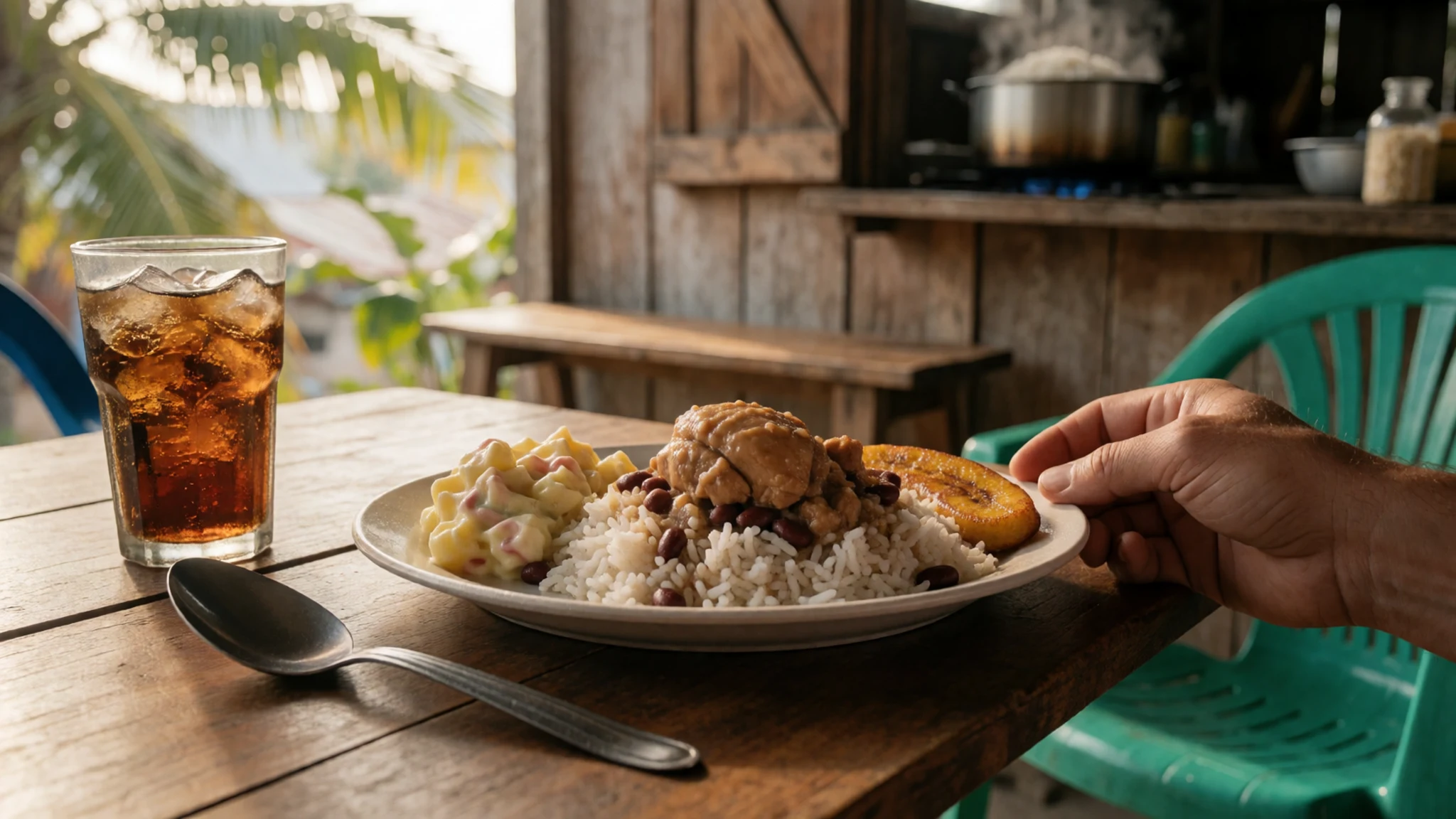
- Fry jacks — bakeries and morning windows on San Pedro's side streets
Fry jacks are pillows of fried dough, split and stuffed with beans, egg, cheese or stew, and they are the breakfast that San Pedro actually eats. Bakeries and morning windows on the sandy side streets of Ambergris Caye sell them early, often gone before the dive boats are back.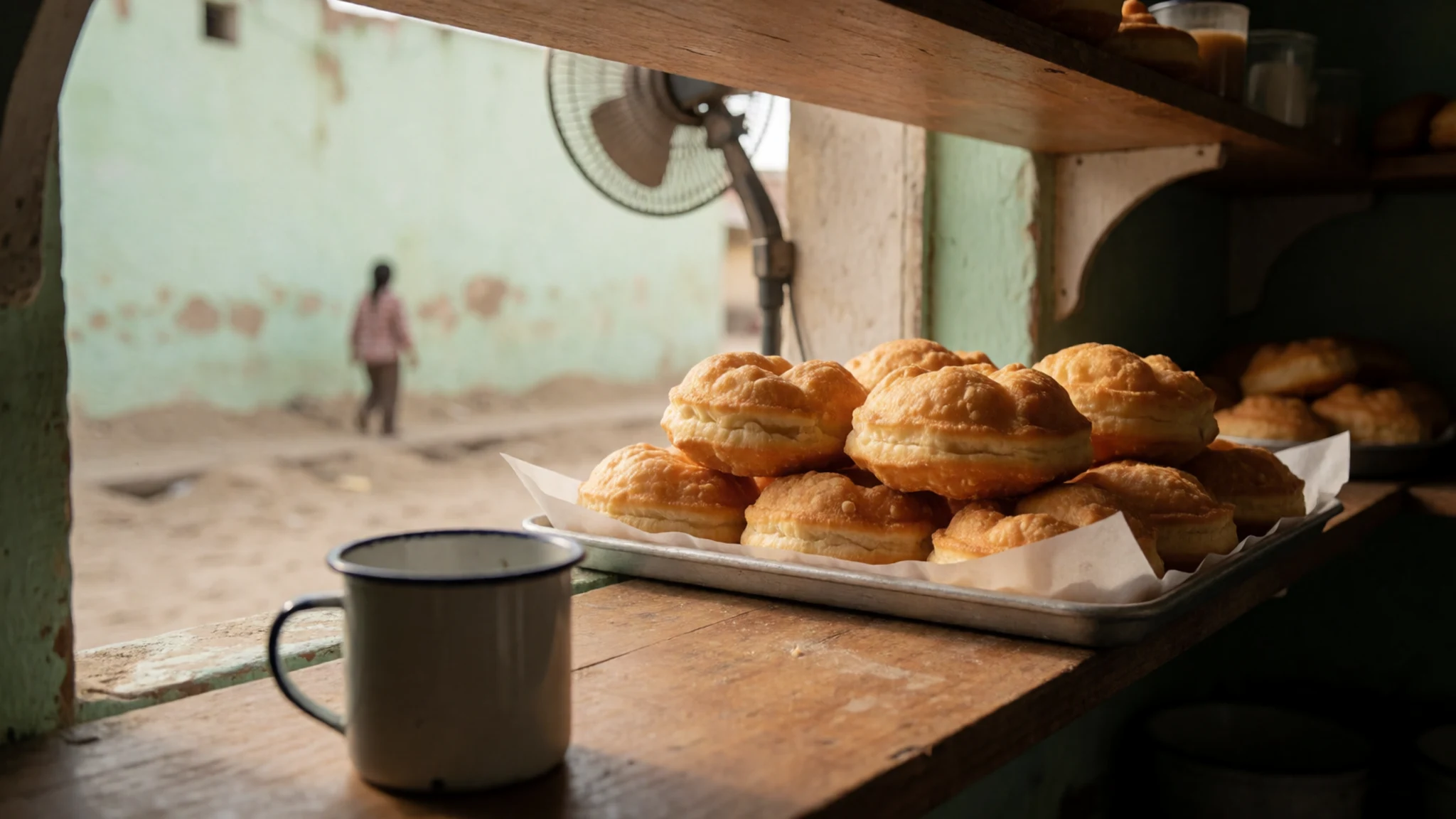
- Conch ceviche — beach stalls and seafood counters in San Pedro
Conch ceviche is raw queen conch cured in lime with onion, tomato, coriander and chilli, served in a cup while it is still cold. On Ambergris Caye it is a staple of beach stalls and seafood counters in San Pedro, when conch is in season and boats have come in. - Grilled lobster and snapper — beach grills on the west side of San Pedro
Grilled lobster, in season, is the celebratory meal on Ambergris Caye, split and cooked over a fire. Whole snapper gets the same treatment the rest of the year. Beach grills on the west side of San Pedro serve both. Butter or garlic is usual, and fish should taste just caught. - Garnaches and panades — evening stalls and casual eateries in San Pedro
Garnaches and panades are the Yucatecan snacks San Pedro inherited: crisp fried tortillas topped with beans, cabbage and cheese, and small fried pies filled with fish or beans. Evening stalls and casual eateries on Ambergris Caye sell them as a quick bite between the beach and home.
Plan it
Best time. December to April brings the drier, brighter weather on Ambergris Caye and reliable boat days, though a winter norther can rough the sea for a short spell. Heat peaks in March and April, May turns wetter rather than hotter, October is the wettest month, and December and January are the most comfortable. From June to November showers are heavier and the hurricane season is open: the island stays inhabited and the reef is quieter, but a storm will stop the boats. The sea is swimmable in every month.
How long. 3–4
Getting there. Fly into Philip S. W. Goldson International Airport near Belize City, then take a local flight to the San Pedro airstrip or a water taxi along the coast. The last leg is a golf cart from the airstrip or the lagoon dock.
Budget. high
Tips
- Book boats and golf carts ahead for the drier months, when San Pedro is crowded.
- Take reef-safe sunscreen and a shirt you will actually swim in.
- Carry cash for stalls and small eateries; cards work at larger guest houses and dive shops.
- Go out on the reef early, before the wind and the boat traffic build.
Etiquette
- Do not touch or stand on coral, and do not handle rays or sharks.
- Ask before photographing people who are working.
- Cover swimwear with a shirt and shorts away from the beach and the boat.
- Fin only where the guide indicates; sand is harmless and coral is not.
Nearby
Sources
- Wikidata (CC0)
- Wikipedia: Ambergris Caye (CC BY-SA 4.0)
- Wikivoyage: Ambergris Caye (CC BY-SA 4.0)
Wildlife
- Manatee (animal)
The manatee is a big, whiskery, gentle water mammal that grazes on underwater plants, using its whiskers to find its way. On Ambergris Caye it is an occasional visitor to the creeks, among the mangrove and lagoon. The Antillean manatee of the Caribbean is endangered, so patience matters. Go with a guide, watch quietly from a distance, never chase or touch it, and never feed it.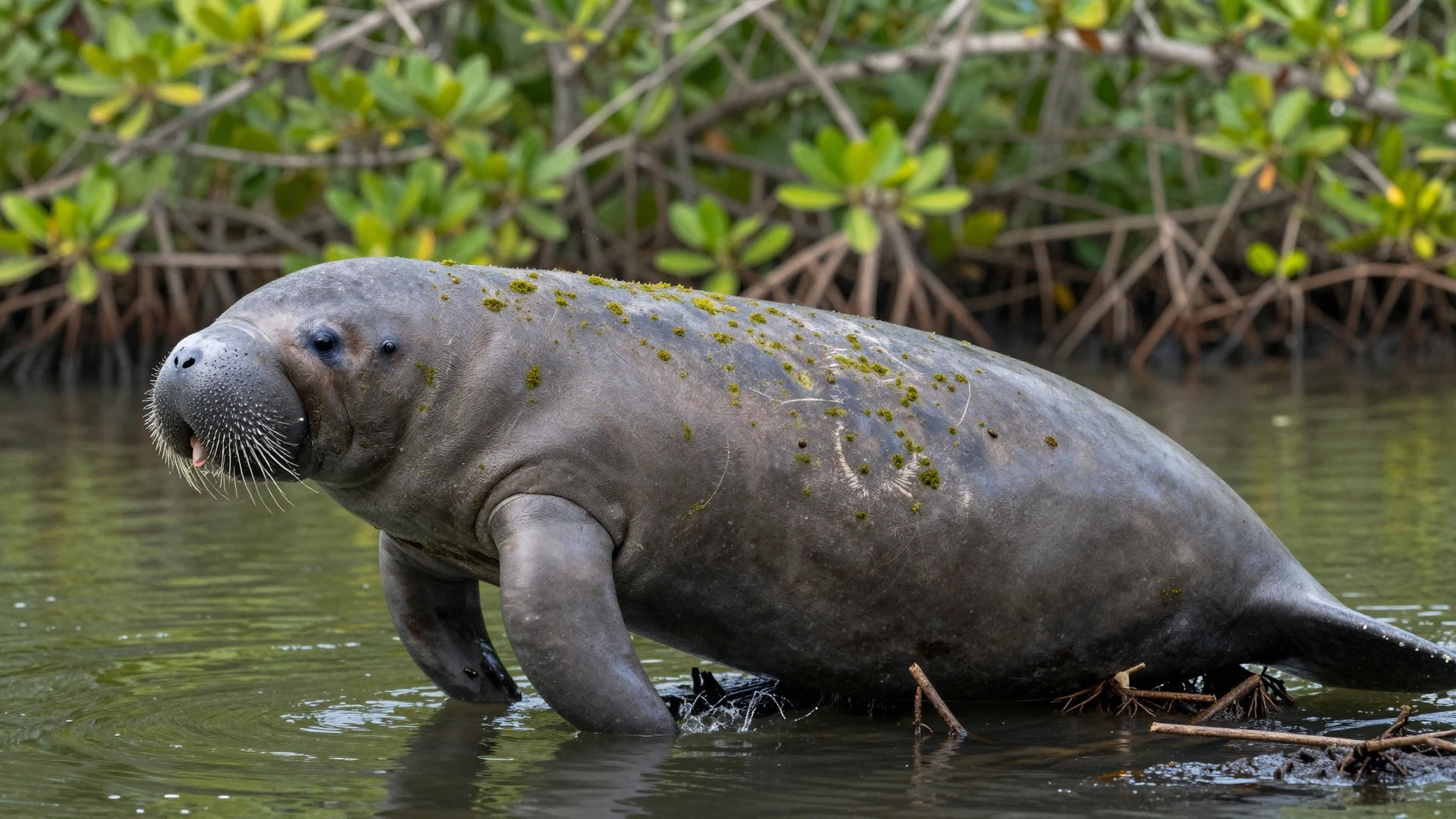
- Magnificent frigatebird (bird)
The magnificent frigatebird is a giant seabird with huge wings, and one of the fastest fliers in the world. Around Ambergris Caye you can look for it over the mangrove, lagoon and remnant coastal forest, which it shares with the herons. The notes give no season or hour, so simply keep your eyes on the sky. Watch quietly from a distance, ideally with a guide, and never feed it.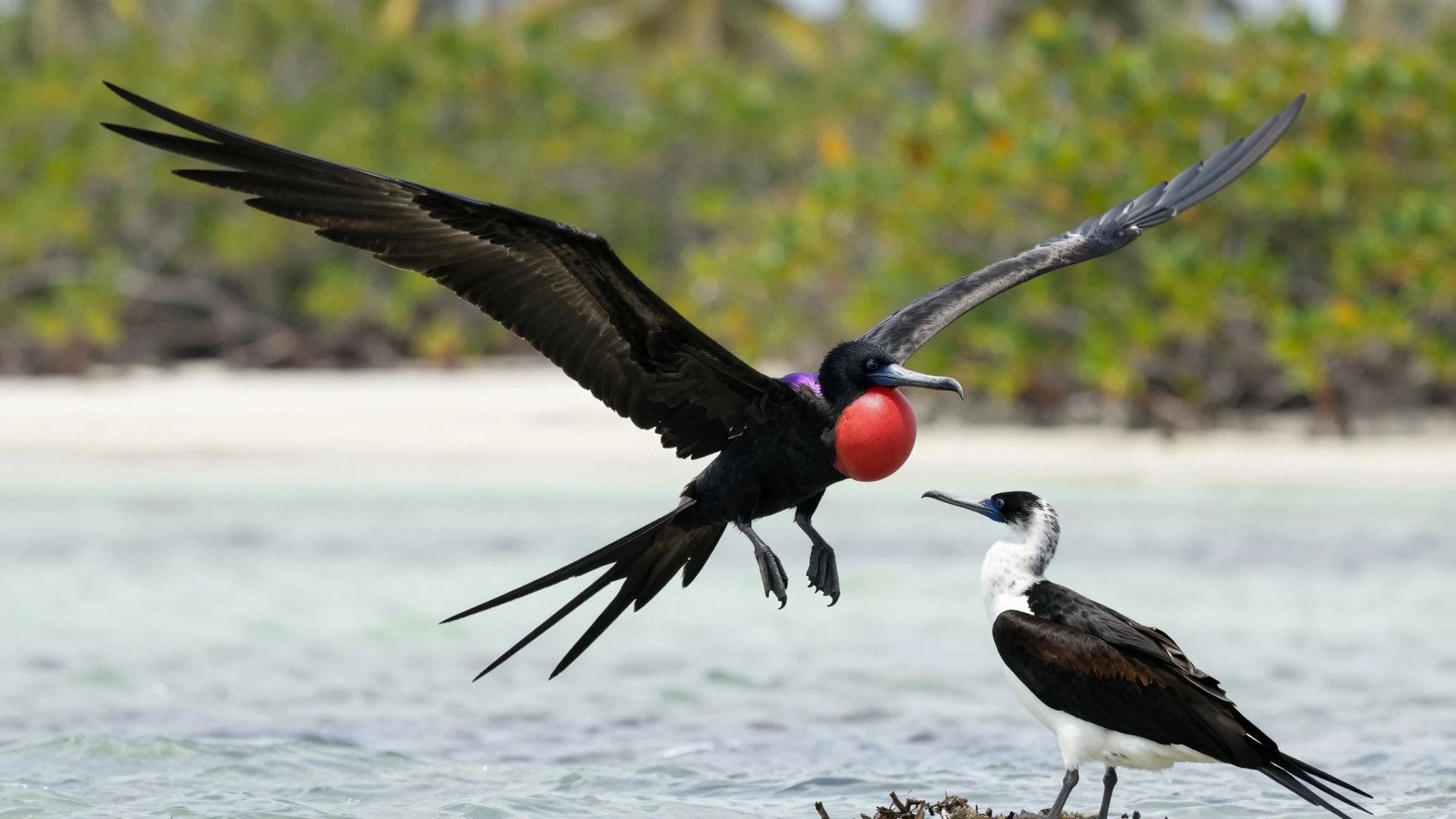
- Great blue heron (bird)
The great blue heron is a tall wading bird that stands in shallow water like a patient statue. It is common along the shores of open water and wetlands, and on Ambergris Caye it is found among the mangrove and lagoon, where herons gather. The notes give no season or time of day. Move slowly and quietly, keep well back so it is never startled, go with a guide, and never feed it.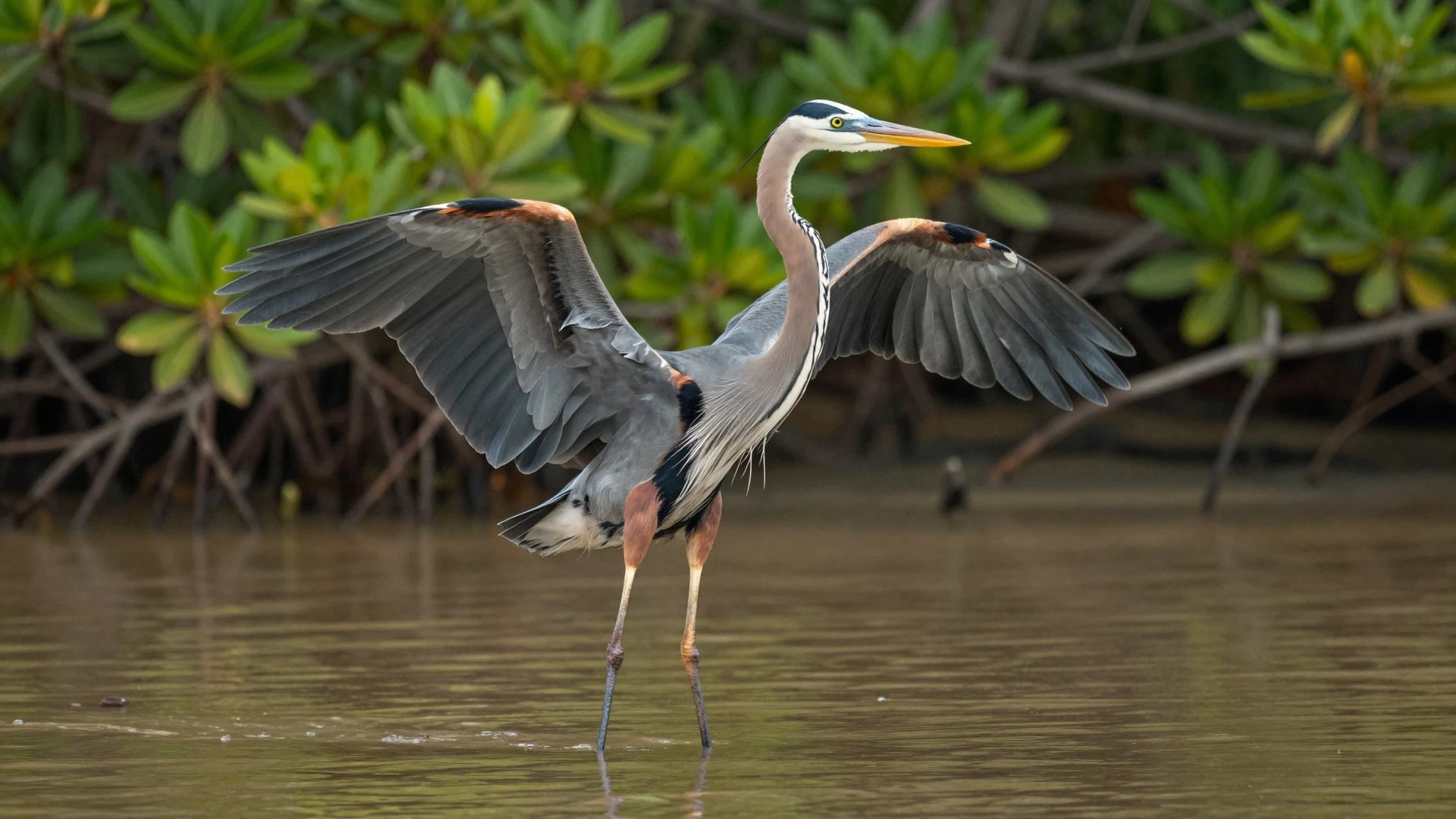
- Nurse shark (animal)
The nurse shark is a shark that is a fish, not a monster, and it is becoming scarce. Close to Ambergris Caye, nurse sharks gather with rays at Shark Ray Alley, where they have grown used to boats. Because the species is listed as vulnerable worldwide, and is fished in parts of Central America and the Caribbean, it deserves gentle care. Visit with a guide, keep a respectful distance, stay calm and quiet in the water, and never offer food.