Caracol
Caracol, Belize
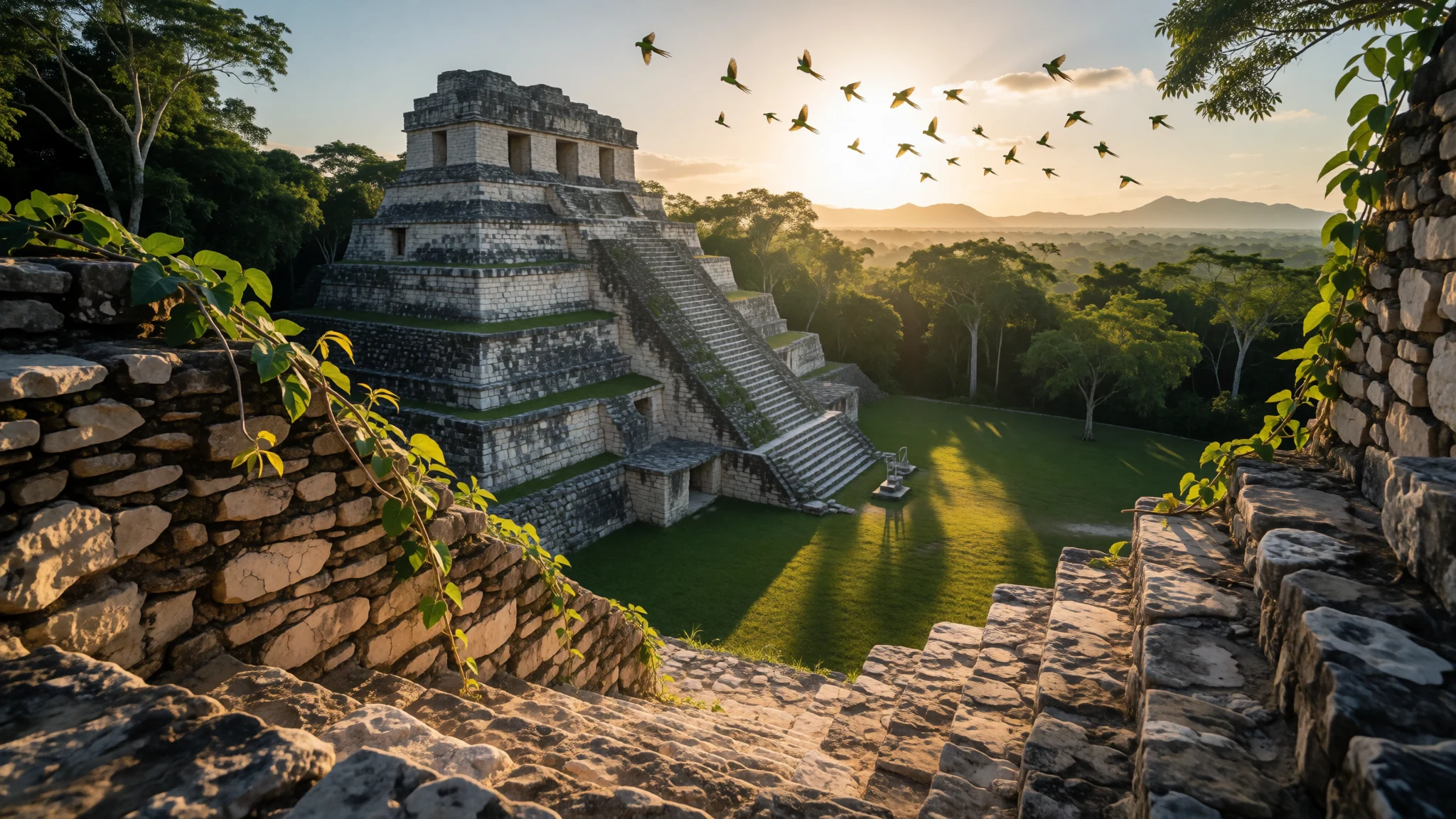
Caracol is a vast ancient Maya metropolis hidden within the dense Belizean jungle, featuring soaring stone temples and remarkable archaeological history.
The place
Caracol stands as one of the most significant political hubs of the ancient Maya Lowlands, situated deep within the forested hills of the Cayo District. Resting on an elevated plateau, this sprawling archaeological landscape once commanded vast regional influence, directing trade networks and sustaining a large urban population across extensive residential zones. Long before Spanish explorers bestowed a name referencing the winding forest approach, the inhabitants knew the settlement by its ancient moniker. Today, the ruins emerge from deep jungle cover, where towering stone architecture and weathered plazas evoke the ambition of a formidable Classic Period power.
The scale of the ancient city surprises visitors who journey through the surrounding forest. Spanning a considerable territory, the urban core incorporates massive pyramidal structures, open plazas, carved monuments and complex water management features that sustained generations of inhabitants. Unlike urban ruins cleared of vegetation, Caracol retains an intimate connection to the natural landscape, with towering trees framing grey limestone facades and wildlife moving quietly among the stone terraces. Visitors walking through the central plazas experience an authentic archaeological atmosphere, far removed from urban congestion, where the primary sounds are rustling leaves, distant bird calls and the crunch of gravel beneath walking shoes.
Its story
The history of Caracol is written in stone monuments, royal tombs and deciphered hieroglyphic texts that record centuries of political manoeuvering, alliance-building and warfare. Human presence in the broader area stretches back millennia, while epicentral construction advanced steadily through successive generations. Early regional dynamics tied the city into wider cultural exchanges with northern Mesoamerican civilisations, introducing foreign architectural motifs and ritual practices that shaped early dynastic developments.
As regional political networks shifted during the Classic Period, Caracol became embroiled in high-stakes geopolitical conflicts with neighbouring powers. The polity maintained complex relationships with distant capitals, shifting from client status to regional dominance through decisive military campaigns. Particularly notable are the historical engagements involving powerful rival states to the northwest, which fundamentally altered political alignments across the lowlands. Hieroglyphic records on carved stelae and altars commemorate these monumental victories and dynastic accessions, preserving the names of rulers who steered the city through turbulent times before changing environmental pressures and social transformations ultimately led to the complete abandonment of the site.
What to see
- Caana (Sky Place) — Central plaza zone
Rising high above the main plaza, this monumental multi-tiered palace-temple complex serves as the undisputed architectural anchor of the entire archaeological zone. Visitors can ascend accessible stone staircases to upper terraces that offer sweeping views across an unbroken sea of lush jungle canopy stretching towards distant regional horizons. - Carved Stelae and Altars — Main plazas
Numerous weathered stone monuments stand throughout the public plazas, bearing intricate hieroglyphic inscriptions, portraits of dynastic rulers, and historical dates recording ancient political alliances, royal successions and regional military victories achieved during centuries of vibrant civilization. - Residential Compounds — Peripheral residential zones
Extensive patio groups and domestic architectural remains fan out across the surrounding terrain, revealing how ordinary citizens lived, worked, farmed and buried their family members within the densely populated urban fabric of the ancient metropolis. - Ancient Ball Courts — Ceremonial core
Formal masonry courts positioned near the central ceremonial architecture highlight the importance of ritual athletic competition in Maya society, serving as venues for significant civic ceremonies and symbolic contests associated with cosmic order. - Reservoirs and Causeways — Site-wide infrastructure
A sophisticated network of ancient agricultural terraces, stone-lined causeways, and water collection reservoirs demonstrates advanced urban planning designed to sustain a massive population through seasonal tropical droughts.
Culture
The modern cultural experience of visiting Caracol is deeply tied to the resilient spirit of Belizean guides, local conservationists, and nearby communities who protect and interpret this priceless heritage. While the ancient Maya civilization that built these soaring pyramids vanished centuries ago, their enduring legacy lives on through the vibrant multi-ethnic fabric of modern Belize, where Krippel, Maya, Mestizo and Garifuna traditions blend harmoniously. Visitors exploring the archaeological zone engage with a landscape that commands profound respect from locals, who view the ancient ruins not merely as tourist attractions, but as sacred ancestral grounds that connect the present generation to the deep history of the region. Conservation efforts depend heavily on community involvement, ensuring that archaeological treasures remain protected from natural weathering and unauthorized looting. When interacting with local guides and rangers, courtesy and curiosity open doors to deeper understandings of jungle ecology and ancient lore. Always remove your rubbish and pack it out with you to preserve the pristine natural environment of the protected forest.
What to wear
Traditional attire across rural Belize reflects practical adaptations to a tropical climate, featuring lightweight cotton garments, durable work shirts and sturdy boots suitable for agricultural life or jungle travel. In nearby towns like San Ignacio, everyday modern wear consists of comfortable shorts, breathable t-shirts, trainers and protective headwear for protection against intense sunshine. For visiting archaeological sites like Caracol, practical field attire is essential regardless of local fashion trends. Visitors should wear lightweight, breathable clothing that covers shoulders and legs to protect against aggressive sun exposure and biting insects. Sturdy walking shoes or hiking boots with aggressive tread are mandatory for navigating uneven stone steps, damp earth and steep pyramid staircases. A wide-brimmed hat, polarized sunglasses, and a waterproof shell jacket for sudden tropical downpours complete the ideal field wardrobe.
What to eat
- Packed Jungle Picnic — Brought from San Ignacio
Because there are no food vendors or restaurants at the archaeological site, visitors must bring a self-contained packed lunch consisting of sturdy sandwiches, fresh fruit, nuts and energy bars to sustain themselves during the long excursion. - Belizean Rice and Beans — Town eateries in San Ignacio
A quintessential local staple featuring red kidney beans and rice cooked in rich coconut milk, typically served alongside stewed chicken, fried plantains and potato salad, available in nearby town restaurants before or after the trip. - Local Bakery Pastries — Bakeries in San Ignacio and Santa Elena
Sweet cinnamon rolls, meat pies and savory pastries baked fresh daily, ideal for grabbing early in the morning before embarking on the long overland journey into the forested interior. - Fresh Fruit Refreshments — Local open-air markets
Juicy tropical fruits such as papaya, watermelon, mango and fresh citrus juices purchased from local markets, providing essential hydration and natural energy before heading out into the humid jungle.
Plan it
Best time. The dry season from January through April offers the most reliable weather and accessible road conditions; May through December brings heavy seasonal rains that can make unpaved forest tracks challenging to navigate.
How long. 1–2
Getting there. Fly into Philip S.W. Goldson International Airport near Belize City, travel westward to San Ignacio by road, and arrange a guided 4WD tour or sturdy vehicle for the rough final overland leg through the Chiquibul forest.
Budget. mid
Tips
- Pack plenty of drinking water because none is available for purchase at the remote ruins.
- Ensure your vehicle has four-wheel drive and good clearance if driving independently along unpaved forest roads.
- Set out early in the morning to beat the intense midday tropical heat and humidity.
- Carry cash for park entrance fees and any local guide services.
- Apply generous insect repellent and sunscreen before entering the forested archaeological zone.
Etiquette
- Never climb on fragile unrestored walls, carved stelae, or structures where climbing is explicitly prohibited.
- Do not feed wild animals, monkeys or coatis that approach picnic areas.
Nearby
Sources
- Wikidata Q1035336 (CC0)
- Wikipedia (CC BY-SA 4.0)
- Wikivoyage (CC BY-SA 4.0)