Belize City
Belize City, Belize
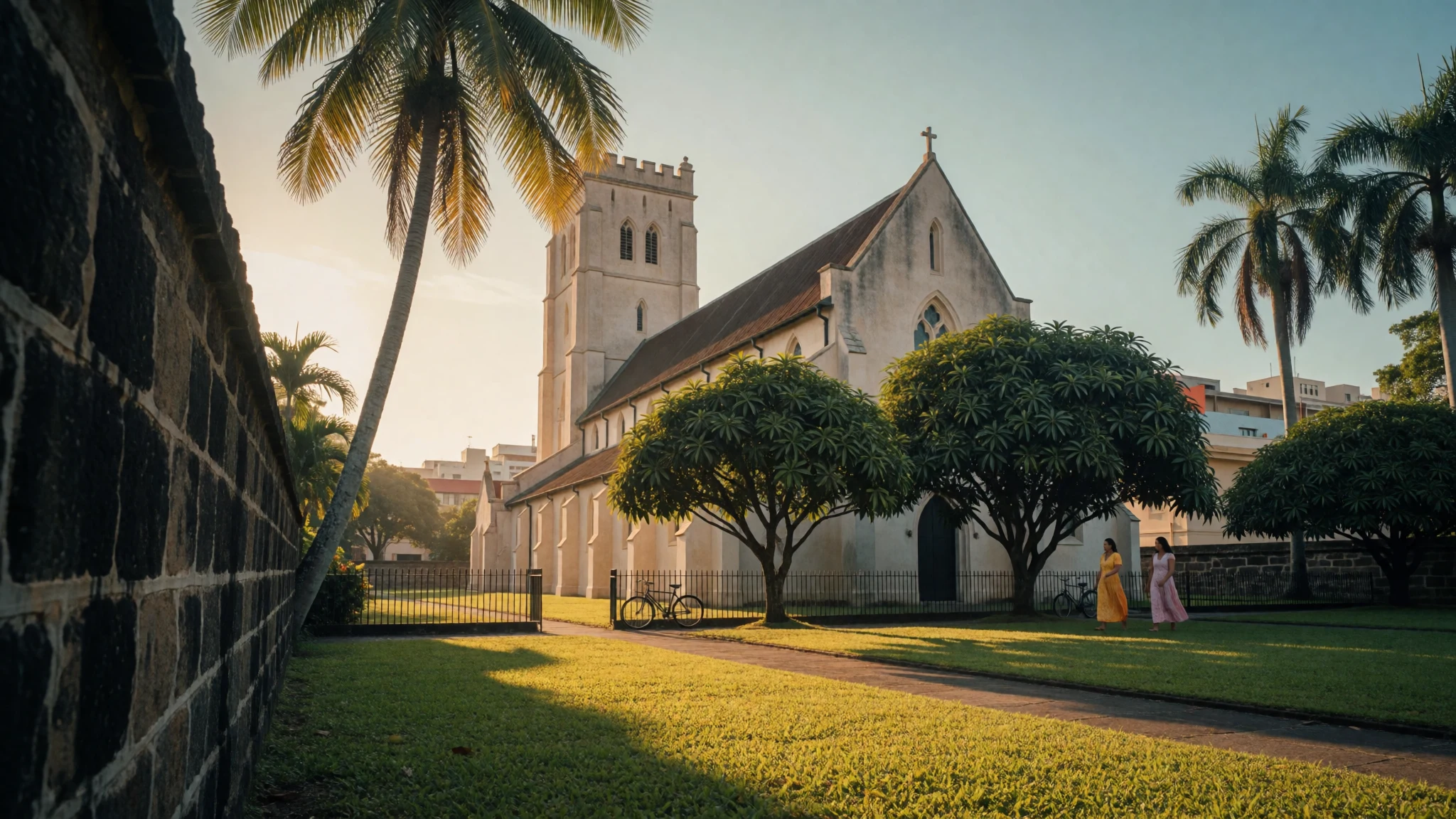
Belize City is a hot, lively Caribbean port where colonial timber history, Creole culture and cooking reward a day spent before heading to the cayes.
The place
Belize City sits where Haulover Creek, a distributary of the Belize River, reaches the Caribbean Sea, and it is the most populous city in Belize, with about 64,000 residents. Government relocated inland to Belmopan, so it is no longer the capital, yet it still functions as the main port and center for finance and industry. The terrain is flat and low, and water is never far away. Locals divide the city into Northside and Southside, with the creek as the boundary. Northside runs east towards the Fort George area, home to the waterfront boardwalk. Southside holds downtown, the port and the older commercial streets. Residential suburbs such as Buttonwood Bay, Coral Grove and Vista Del Mar spread out westward along the highways. The swing bridge across the creek, still worked by hand, is a detail residents mention with affection. Most visitors treat Belize City as a transit point on the way to the cayes, the reef and the Maya sites inland, and that is a shame, because a day here gives a fuller picture of the country than a resort does. There is a museum in a former prison, an Anglican cathedral, a contemporary art gallery and a plate of stewed chicken with rice and beans waiting in a family kitchen. The weather is hot and humid for most of the year, and the city can feel rough at the edges. Daylight exploring, local advice on which streets to avoid, and taxis after dark are the sensible approach.
Its story
Belize City began in 1638 as Belize Town, a base for English timber cutters on this stretch of coast. A small Maya settlement called Holzuz is recorded as having stood here before them. The site suited the loggers: it faced the sea and sat at the outlet of rivers and creeks, down which logwood and later mahogany could be floated to waiting ships. The timber trade relied on enslaved Africans, brought in by the English and then the British, and their descendants are central to the city's Creole identity. Belize Town was also the seat of the courts and colonial officials, and it coordinated the defence against would-be invaders that ended in British victory at the Battle of St. George's Caye. Historians sometimes put it neatly: the capital was the colony. Even when political figures such as Antonio Soberanis Gómez, George Price and Evan X Hyde pushed their movements beyond the town, and Garifuna and Mestizo communities grew elsewhere in the country, people still looked to Belize Town for direction. Nature has been unkind. Hurricane Hattie almost completely destroyed the city, and the government later moved inland to a new capital at Belmopan. Fires have swept through districts more than once, and later storms, including Richard and Earl, struck hard again. Rebuilding, patiently, is part of the city's character.
What to see
- Museum of Belize — Northside, near the harbour
The Museum of Belize occupies a former prison near the harbour, and the building itself is part of the story. Cells and corridors now hold the national collection, with displays on Maya heritage, colonial history and everyday Belizean life. Allow an hour or two, and check the official site before going for opening times. - St John's Cathedral — Southside, downtown
St John's Cathedral is an Anglican church and a landmark of Belize, among the older surviving buildings in the city. Its sober colonial lines recall the years when the church stood at the centre of Belize Town. The quiet grounds are a pleasant stop away from the traffic, and visits are best made in daylight. - Government House — Southside, near the sea
Government House was the residence of the British governor and is now a House of Culture open to visitors. It shows how the colonial administration lived and worked, and it sits close to the sea in the old downtown. Check opening arrangements before going, since visiting times can change. - Image Factory Art Foundation — Downtown
The Image Factory Art Foundation is an independent gallery and cultural centre with changing exhibitions and a small bookshop. It is a good place to see what contemporary Belizean artists are making, and it gives a fuller picture of the country than the souvenir stalls do. Secure parking is available across the street for anyone driving. - Yarborough Cemetery — Southside, downtown
Yarborough Cemetery is a burial ground from the colonial period, used until the late nineteenth century. Weathered headstones carry the names of families who made up Belize Town. It is a short, thoughtful stop, best visited in the morning light, and sensible to visit with a local guide or a friend rather than alone. - Swing bridge over Haulover Creek — Haulover Creek, between Northside and Southside
The swing bridge over Haulover Creek was built in Liverpool and is still opened by hand at fixed times, a ritual locals know well. Watching it turn, with boats waiting and commuters crossing, shows the creek's role as the dividing line between Northside and Southside. Traffic is heavy at rush hour, so cross on foot.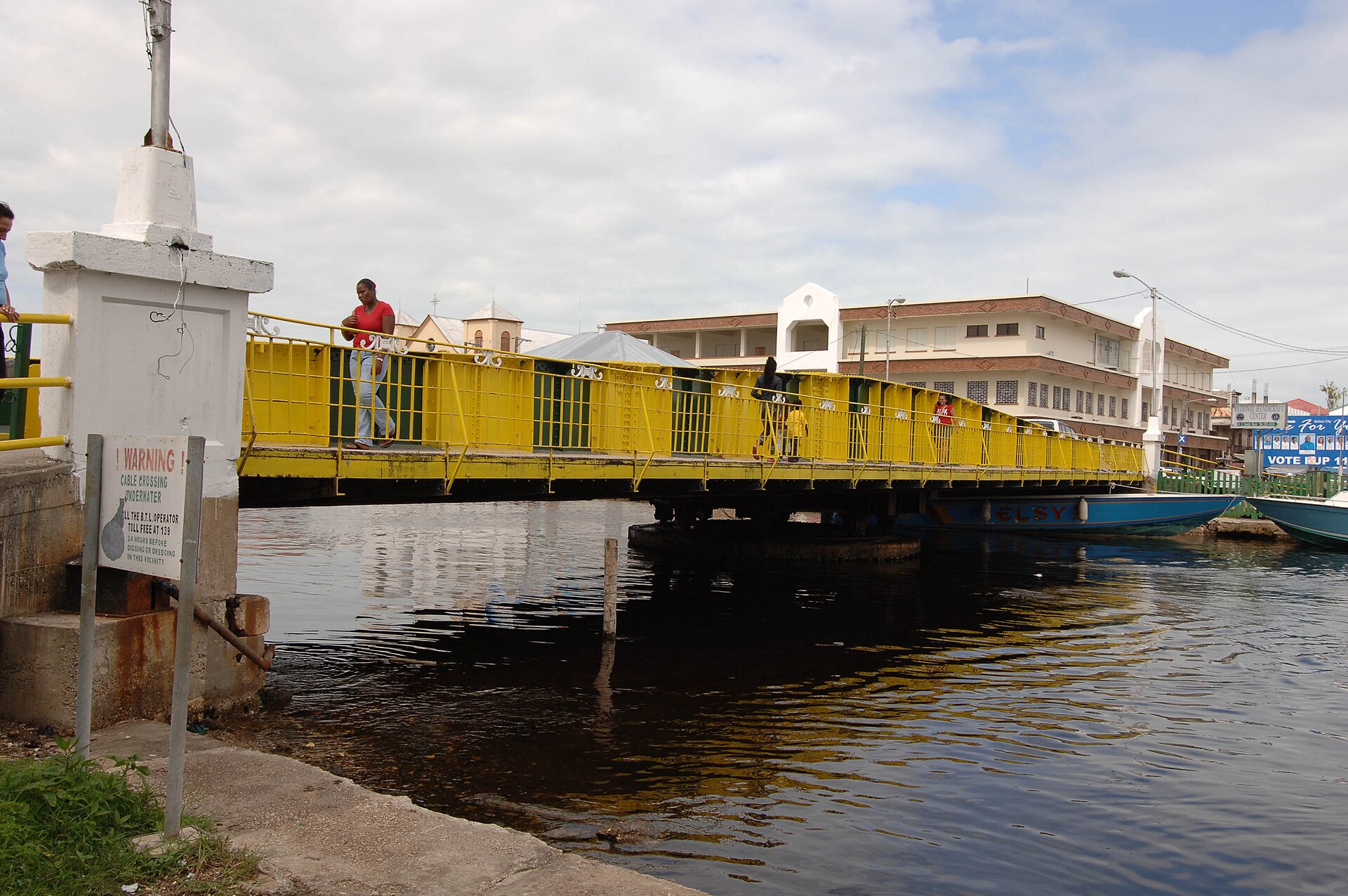
Culture
Belize City has the hustle and bustle of a Caribbean capital rather than a Central American one, and its culture sits closer to St George's in Grenada or Georgetown in Guyana than to its Spanish-speaking neighbours. English is the official language, Belize Kriol is the everyday speech, and Creole, Garifuna, Mestizo, Maya and other communities all meet here. The calendar is full: Baron Bliss Day in March, Belize City Carnival in September and Garifuna Settlement Day in November, when drumming and punta music fill the streets. Museums include the Museum of Belize, the Bliss Institute and the Maritime Museum, and an annual Street Art Festival brings colour to walls across town. Churches matter, and Sundays are noticeably quieter. Music runs from reggae and soca to brukdown and punta, and it spills out of shops and passing buses. Conversations begin with a greeting, and walking past someone without a word can seem cold. Greet people with a friendly "good morning" or "good afternoon" before asking for directions or help, and ask permission before photographing anyone.
What to wear
Belize City has no single national costume, and traditional dress belongs mostly to festivals and community events. Garifuna women wear bright, loose cotton dresses with matching head wraps for Settlement Day, and Maya communities in the west and south wear hand-embroidered cotton blouses. Creole festive dress draws on colonial-era cotton prints and white lace. Treat these descriptions as general, because each community has its own variations. Day to day, people dress for the heat: short sleeves, lightweight trousers or skirts, sandals and a cap, with football shirts and printed t-shirts common. Office and church dress is neater, with collared shirts and dresses. Visitors should pack light, breathable cotton or linen, a wide-brimmed hat, sunglasses and a thin rain jacket for the wet months. Closed shoes or sturdy sandals suit uneven pavements and puddles. Cover shoulders and knees for churches, keep swimwear for the beach or boat, and avoid flashy jewellery or phones held out in the street.
What to eat
- Rice and beans with stewed chicken — family-run eateries in downtown
The everyday plate in Belize City: coconut-flavoured rice and beans beside stewed chicken, often with potato salad or fried plantain on the side. Small family-run eateries in downtown Belize City serve it at lunchtime, and portions are generous. - Fry jacks and a cooked breakfast — small restaurants near the water taxi terminal
Fry jacks and a hot cooked breakfast: puffy fried dough served with beans, eggs, cheese or jam, plus coffee. Small family-run restaurants within walking distance of the water taxi terminal are the usual place, and they fill early with locals and travellers heading to the cayes. - Meat pies — pie shops and counters on downtown Southside streets
Belizean meat pies: small, crimped pastry cases packed with seasoned minced beef or chicken, eaten hot as a snack or light lunch. Look for the pie shops and counters around the downtown streets of Southside, where they are baked in batches through the day. - Ceviche — seafood counters near the waterfront
Ceviche: raw white fish or conch cured in lime juice with onion, sweet pepper and coriander, served cold with crackers or tortilla chips. Dedicated ceviche counters and seafood kitchens near the waterfront and the southern edge of downtown are a good bet for fresh catch. - Watermelon juice and pastries — bakery cafés in central downtown
Fresh watermelon juice and pastries: cold, lightly sweet juice pressed to order, paired with flaky baked goods such as turnovers or coconut tarts. Bakery cafés in central downtown are good for a mid-morning pause when the heat and humidity build. - Chinese-Belizean dishes — family-style Chinese restaurants around the old town centre
Chinese-Belizean dishes: fried rice, chow mein and chicken in sweet or garlic sauce, cooked in family-run kitchens across the city. Friendly, family-style Chinese restaurants around the old town centre are easy to find and filling after a long day.
Plan it
Best time. March and April are the short dry season, and March is the driest month, though some rain still falls. From May to February it is wet, hot and humid, and storms are possible. Temperatures stay warm all year, so humidity and rain matter more than the month.
How long. 1–2
Getting there. Philip Goldson International Airport takes flights from North American hubs and Central America, with a short taxi ride into the city; check airline sites for routes. Small-plane airlines such as Tropic Air and Mayan Island Air fly from the municipal airport to the cayes and southern towns. Buses and water taxis connect with the cayes, Guatemala and Mexico.
Budget. mid
Tips
- Do your sightseeing in the morning, before the heat and humidity peak
- Use licensed taxis after dark and ask your host which streets to avoid
- Carry some cash for small eateries and taxis, and cards for larger bills
- Drink bottled or filtered water and carry sun protection and insect repellent
- Book boats and flights to the cayes ahead in the dry season, and check the official city site for local notices
Etiquette
- Greet people before asking for help or directions
- Ask before photographing people, especially at festivals and in residential streets
- Dress modestly for churches and keep swimwear for the beach
Nearby
Sources
- Wikidata Q108223 (CC0)
- Wikipedia: Belize City (rev 1383929675) (CC BY-SA 4.0)
- Wikivoyage: Belize City (rev 5423876) (CC BY-SA 4.0)
- Photo: Southeastern aerial view of Belize City, Studentbz (CC BY 3.0)
- Photo: Photo montage of Belize City Belize, Pgbk1987 (CC BY 3.0)
- Photo: Belize: Population Density and Low Elevation Coastal Zones, SEDACMaps (CC BY 2.5)
- Photo: Belize City, British Honduras, Frank E. Read (Public domain)
- Photo: Swing bridge over Haulover Creek, Jerrye and Roy Klotz MD (CC BY 3.0)
- Photo: Fort George Tourism Boardwalk, Darcy_McCarthy (CC BY 2.5)
- Photo: Climate chart for Belize, Hedwig in Washington (CC BY 3.0)


