Hol Chan
Hol Chan, Belize
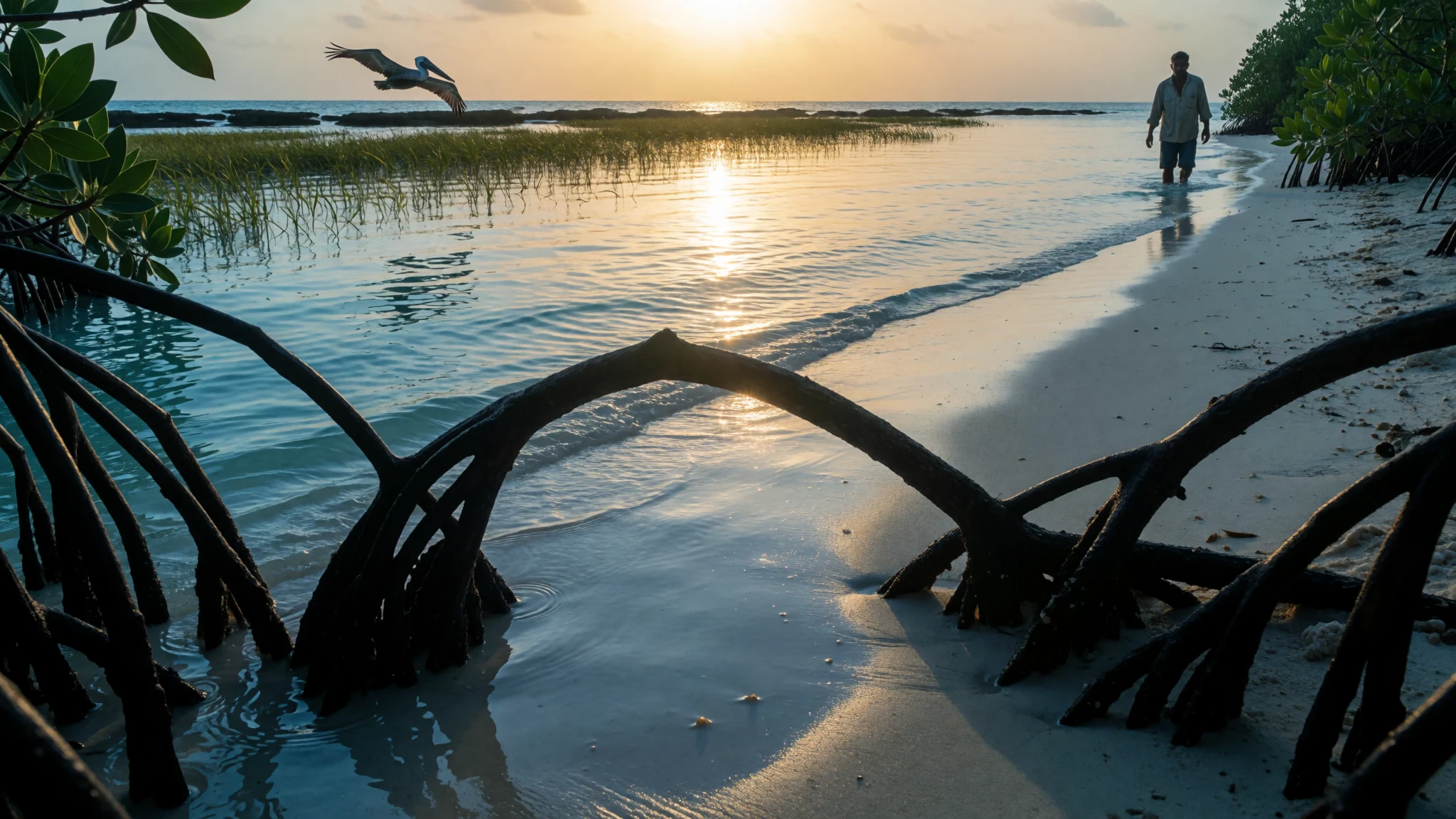
Hol Chan is a small, shallow reserve off Belize where reef, seagrass and mangrove can be snorkelled in a single morning, with turtles, sharks and rays.
The place
Hol Chan Marine Reserve lies off the coast of Belize, a short boat ride from the sandy islands of Ambergris Caye and Caye Caulker. It covers about 18 km² and protects three habitats that work as one system: coral reef, seagrass meadows and mangrove forest. Young fish shelter among mangrove roots, feed over the seagrass, and move out to the reef as they grow, so the three habitats make sense only together. The name is Maya for "little channel", and it points to the feature that made the place famous: a narrow cut in the barrier reef where water runs between the open sea and the calmer lagoon behind. Fish crowd around that gap, which gives snorkellers a lot to see in a small area. Hol Chan forms part of the wider Belize Barrier Reef, and the reserve is divided into zones with different rules, from strict no-fishing areas for snorkelling and diving to waters where licensed fishing carries on. Most visitors come from San Pedro on Ambergris Caye or from Caye Caulker, on a guided half-day snorkel or dive trip. The water is shallow, warm and usually clear, so it suits beginners, though the cut can carry a current and the moorings get busy around midday. Entry is charged and the rules change, so check the official site, http://www.holchanmarinereserve.org/, for current arrangements before booking a trip.
Its story
Hol Chan Marine Reserve exists because of an argument over a gap in the reef. In the early 1980s, fishers working around the cut were finding less to catch, while more and more tourists were arriving on the cayes to swim and dive in the same water. Both groups wanted the same spot, and a fishing ban put forward at the time was turned down. Talks with the public about protecting the area began in the middle of that decade. Outside voices added weight. International bodies, among them the New York Zoological Society and the Peace Corps, argued that the shape of the channel was rare, that conch and lobster were plentiful there, and that reef, seagrass and mangrove could be protected together in one place. Janet Gibson spent 1985 to 1987 going from fishers to business owners to government officials, explaining why a reserve mattered. In 1986 she wrote a draft management plan to test whether the idea could work. Once the fisheries authorities and the local fishing co-operative had agreed to it, and with money from WWF and USAID, the reserve was declared in July 1987. Patrols began enforcing the rules in 1989, and the first entry fee came a year later. The original layout had three zones: the reef itself, the seagrass inside it, and the mangroves at the south of Ambergris Caye. In 1999 a fourth, Shark Ray Alley, joined as a second paid snorkelling area. The story is a useful reminder that this reserve was built by persuading the people who fished there, not by shutting them out.
What to see
- The Hol Chan cut — Zone A, the reef
The cut is the narrow break in the barrier reef that gave the reserve its name. Boats moor nearby and snorkellers drift along the edges of the channel, over coral heads crowded with snappers, parrotfish and angelfish. Water moves through the gap, so it is livelier than the lagoon; stay close to the guide.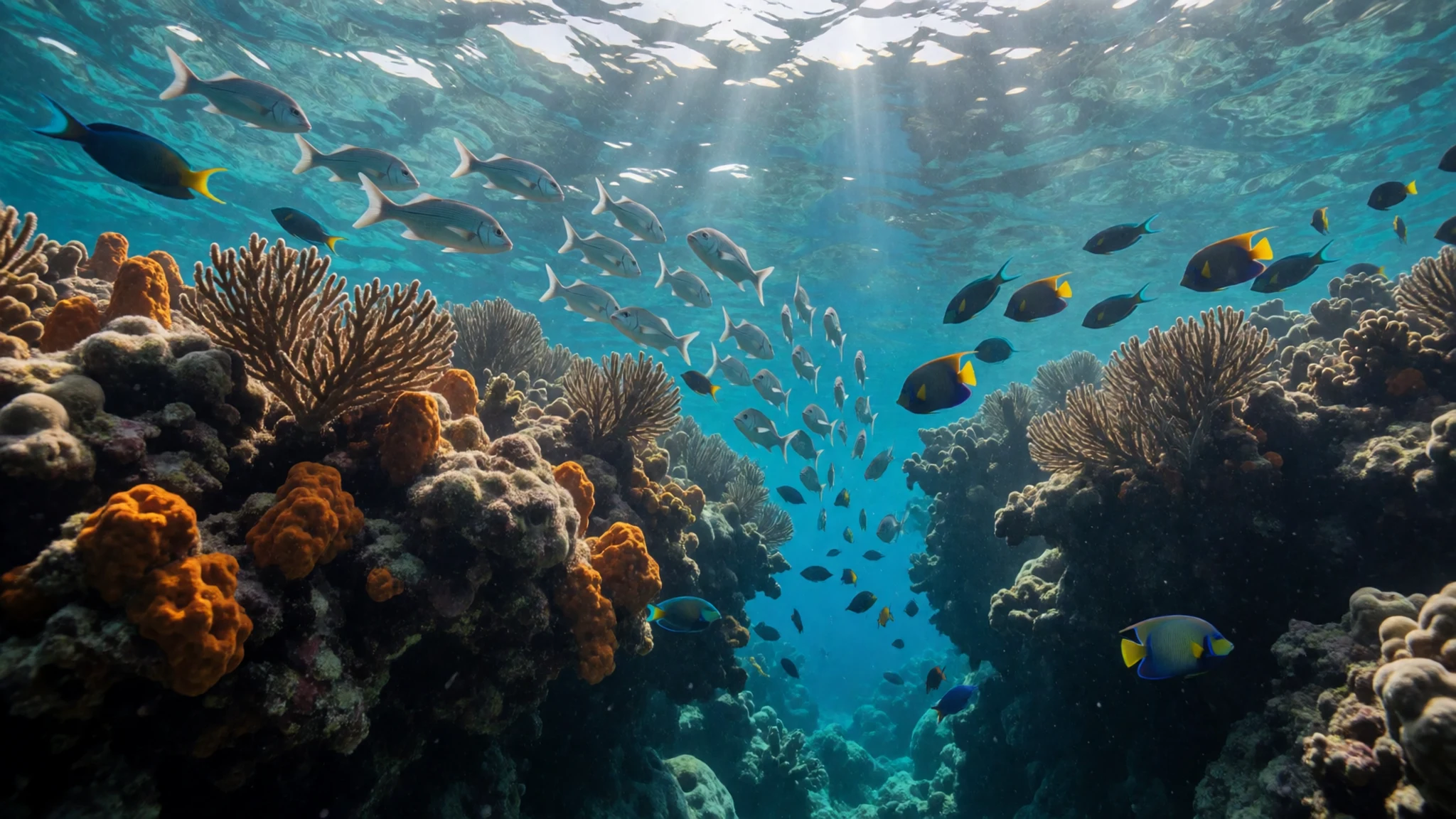
- Shark Ray Alley — Zone D, north of the cut
Shark Ray Alley, added to the reserve in 1999, is a sandy, shallow stretch where nurse sharks and stingrays are regularly seen. Snorkellers float or stand among them in clear water. The animals are used to people, so encounters are close, and it can feel crowded when several boats arrive together.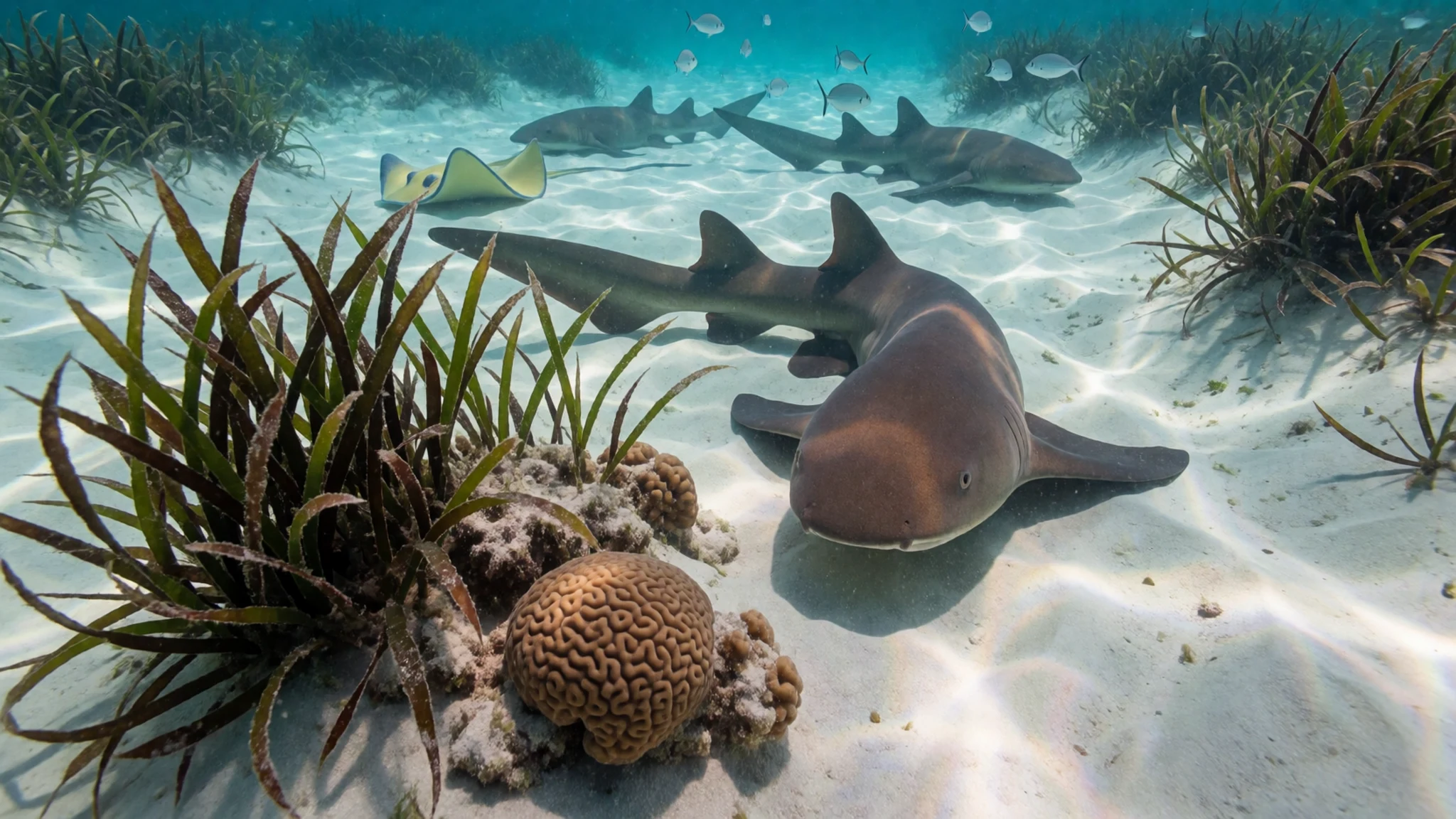
- Green turtles over the seagrass — Seagrass beds inside the reef
Green turtles graze on the seagrass beds that lie behind the reef, and a calm morning often gives a good sighting. They surface for air every so often, so patience pays. Float quietly at a distance and let the turtle decide how close the meeting gets.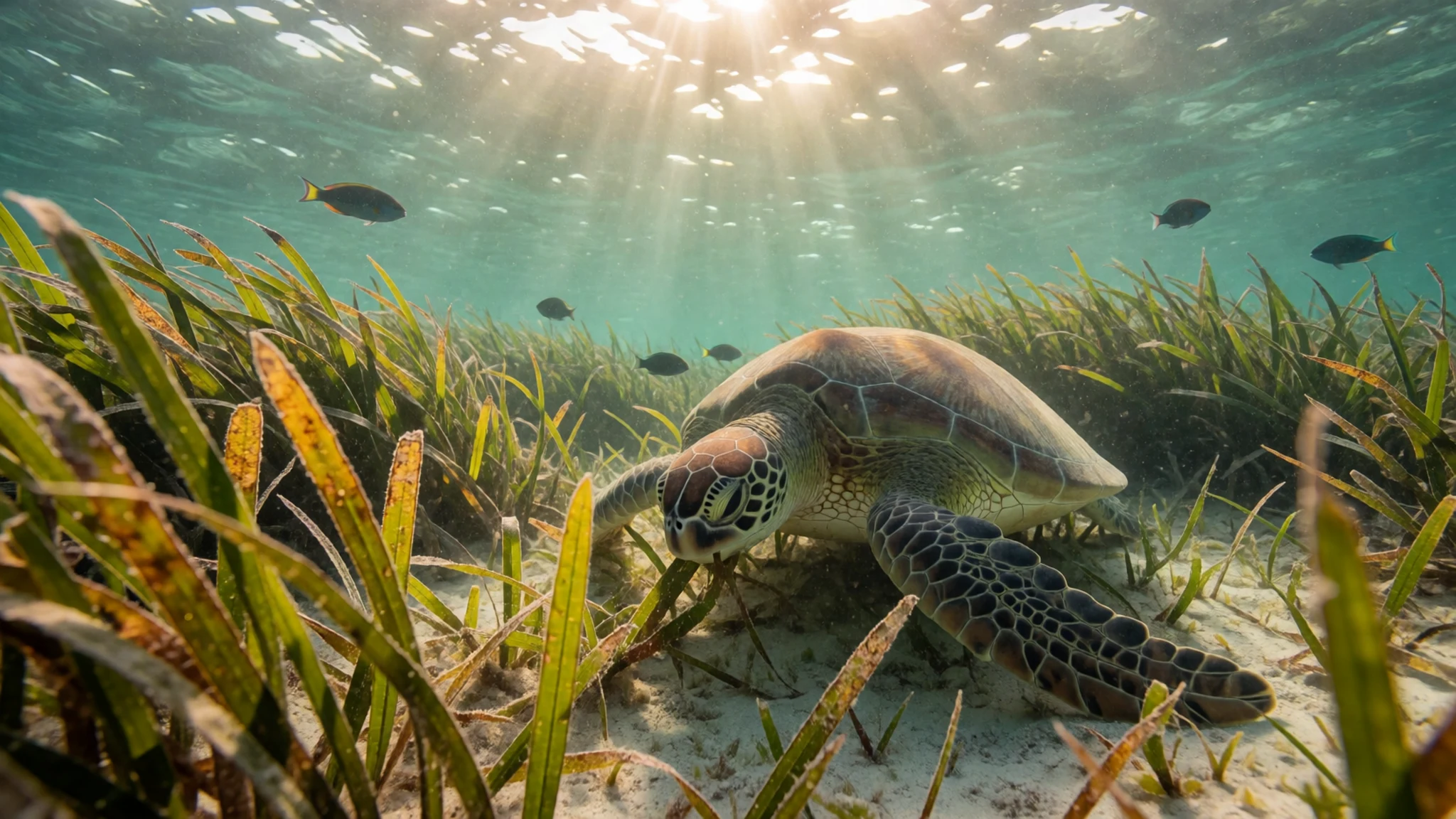
- Yellow stingrays and small reef life — Sandy patches near the reef
Look down as well as ahead. Yellow stingrays lie half-buried on the sandy patches between coral heads, easy to miss until one glides off. The same sand and rubble hide small fish, shrimp and sea cucumbers. A snorkel mask with a good seal matters more here than a camera.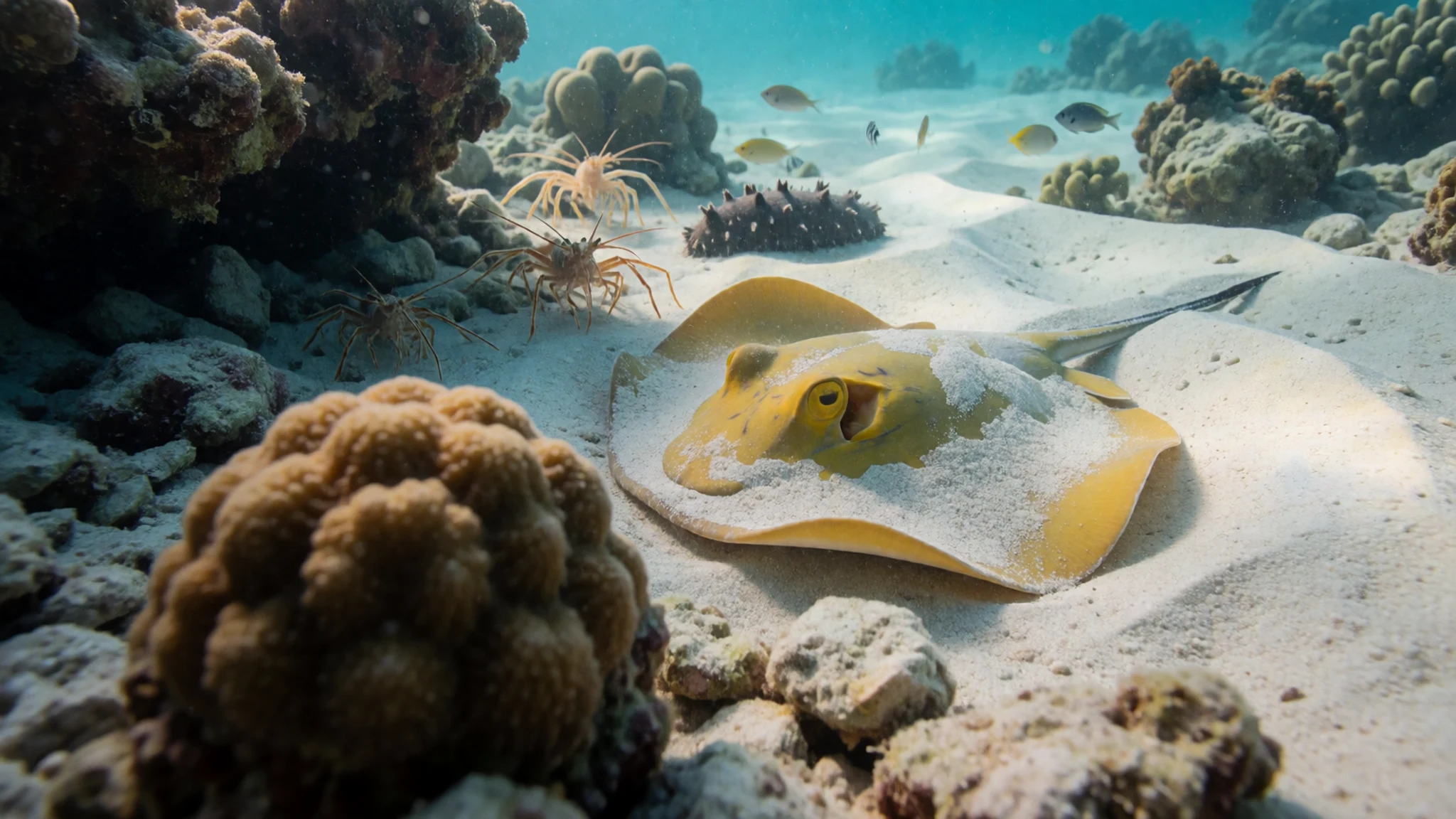
- Mangroves of southern Ambergris Caye — Zone C, south of San Pedro
The mangrove zone is the quiet nursery of the system. Tangled roots shelter juvenile fish, and the shoreline looks like green fringe from the boat. It is less visited than the reef, and the point of seeing it is to understand why the reef nearby stays stocked.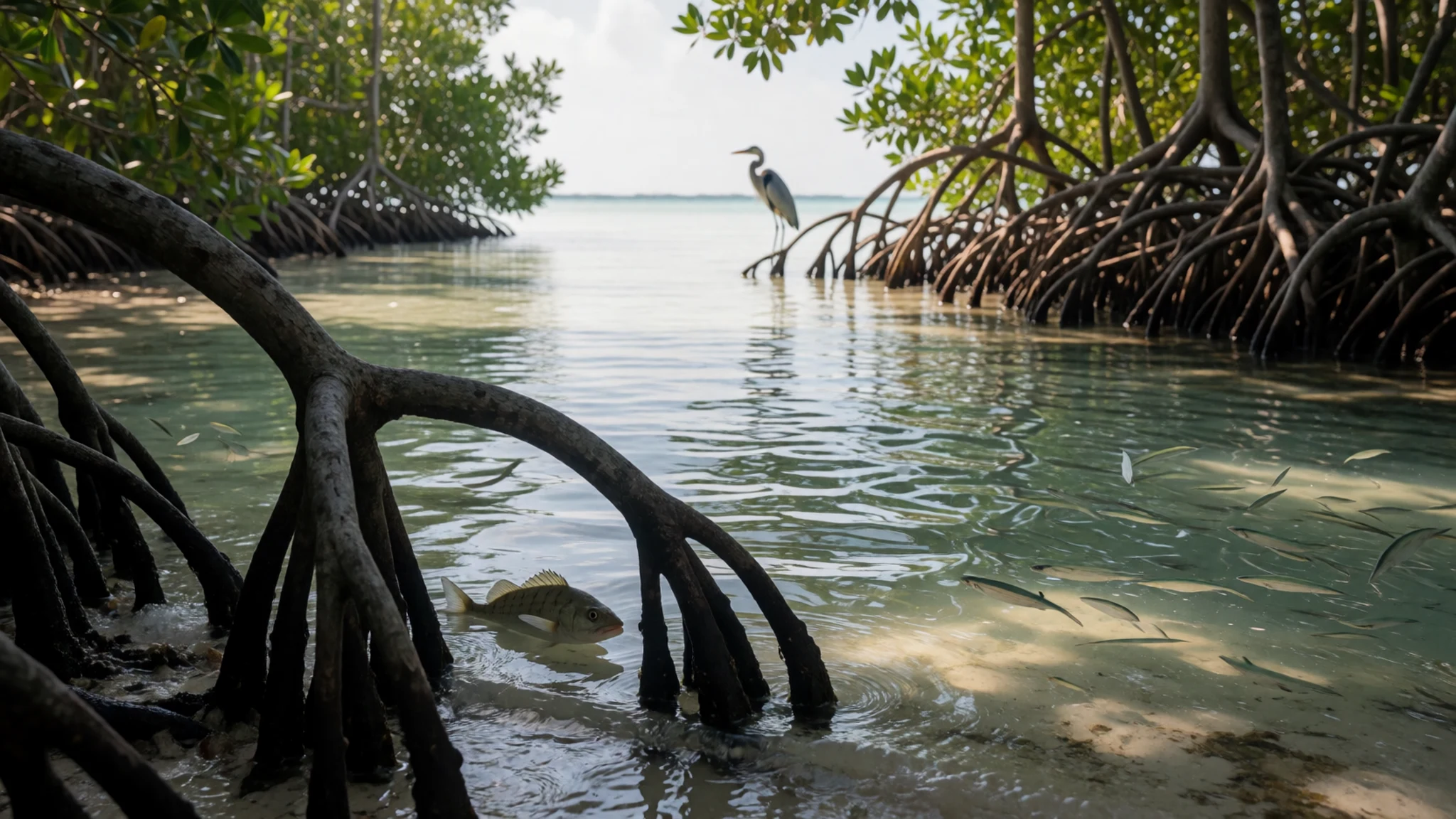
Culture
Hol Chan Marine Reserve sits in a part of Belize where the sea has long shaped daily life. English is the official language, but Belizean Kriol is what many people speak among themselves, and Spanish is common on the cayes too. San Pedro and Caye Caulker grew around fishing, particularly conch and lobster, and many of the boat captains and guides today come from fishing families. That background explains why the reserve's history matters locally: it was agreed with the fishing co-operative rather than imposed on it, and some zones still allow licensed fishing. Guides often talk about the reserve with real pride, and a good guide will point out species, explain what the zones are for and tell stories about how the place changed. Life on the cayes moves slowly. Boats leave on a loose schedule, meals take time, and a friendly greeting is expected before any request. Tourism is now the main income for many families, so tipping a guide and captain who have looked after a group is customary, and buying food and crafts from local stalls keeps money in the community. The reef is also a working livelihood, not only a showpiece, so respect for rules on fishing, anchoring and wildlife is taken seriously. Use reef-safe sun protection, keep hands and fins off coral, turtles, sharks and rays, and do exactly what your guide asks in the water.
What to wear
Hol Chan Marine Reserve is in a country with several cultures, so there is no single national dress. In the Maya villages of southern and western Belize, women traditionally wear embroidered cotton blouses and woven or patterned skirts for festivals and church, and Garifuna communities are known for bright dresses and head wraps on celebration days. These are everyday clothes for some and ceremonial for others, and they are not what the cayes are about. On Ambergris Caye and Caye Caulker, people wear what suits heat and salt water: light cotton and linen shirts, shorts, sundresses, flip-flops and sandals, with swimwear often under everything. Dress is relaxed and shoes are optional in many places. For a visit to the reserve, wear a swimsuit with a rash vest or long-sleeved swim top, since the sun on the water is strong and sunburn on the back is the commonest regret. Bring a hat, polarised sunglasses and a quick-drying towel, plus a light layer for the boat ride back in the wind. Reef shoes help on the boat ladder and the sandy bottom, and fins are usually supplied. Cover up with a shirt or wrap when walking through town or entering a shop or restaurant, and keep to modest clothing if visiting a church or village on the mainland. Reef-safe sun cream matters, since chemical sunscreens can damage coral.
What to eat
- Fry jacks — Breakfast counters and small eateries in San Pedro and Caye Caulker
Fry jacks are puffy fried dough triangles served at breakfast, usually with eggs, beans, cheese or jam. They are crisp outside and light within, and a filling start before a morning in the water.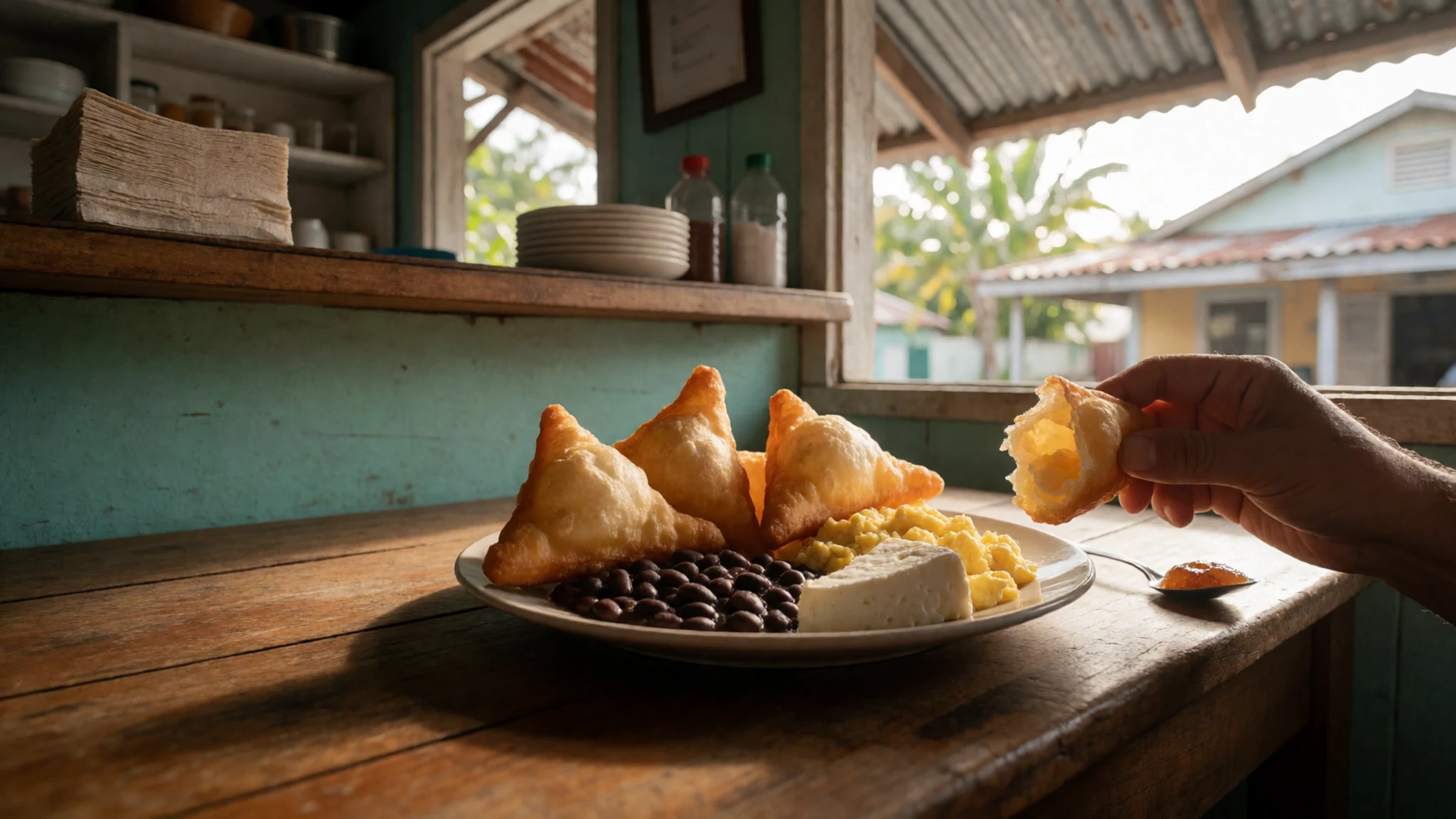
- Conch ceviche — Beach stands and open-air seafood shacks on the main streets
Raw conch or fish is cured in lime juice with onion, tomato, coriander and sweet pepper, then eaten with crackers or chips. Conch is seasonal, so ask what is available and what is in season locally.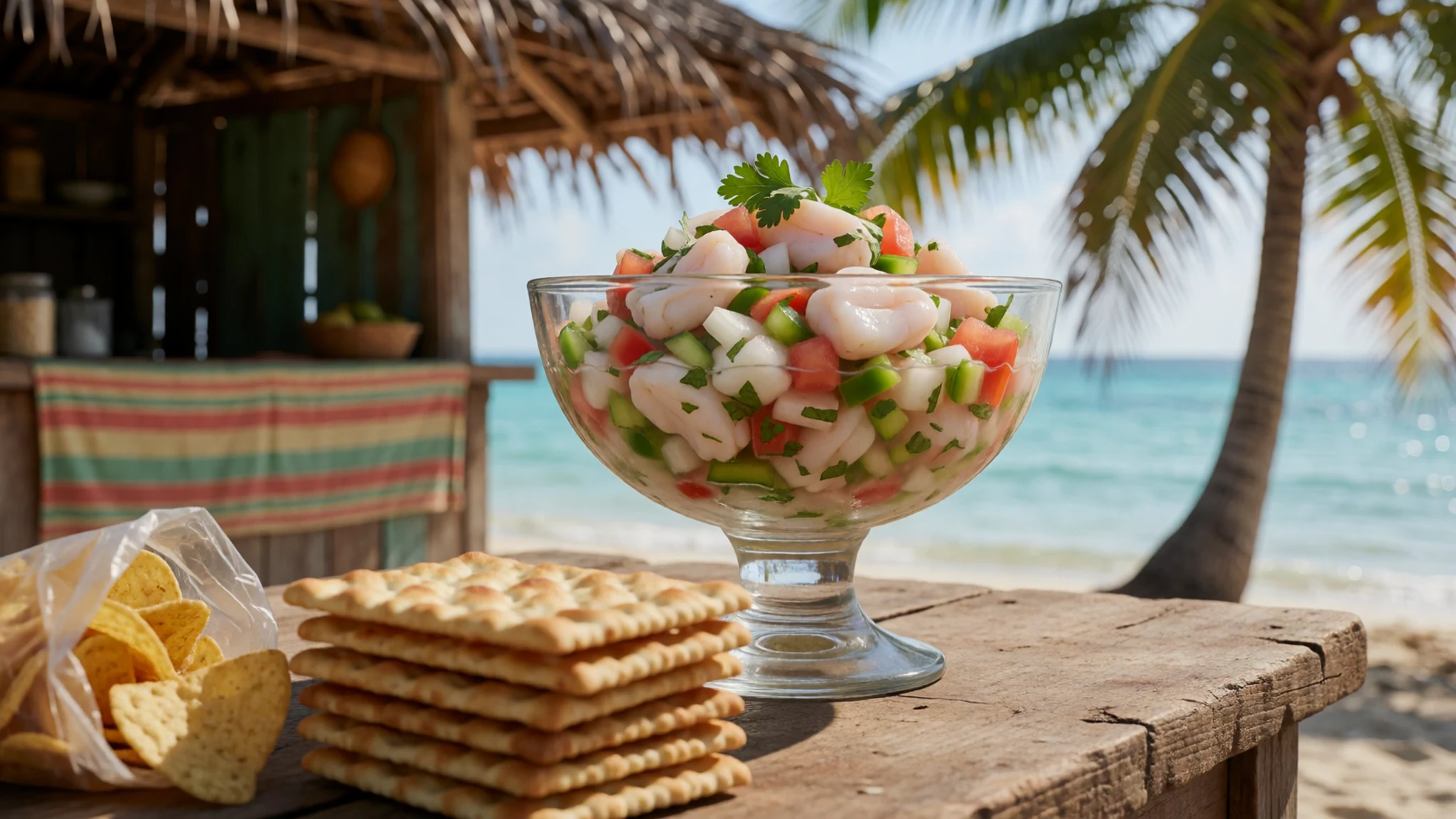
- Rice and beans with stew chicken — Family-run eateries away from the main tourist strip
This is the plate that many Belizeans eat on Sundays and most other days. Rice cooked with red beans and coconut milk comes beside stewed chicken in a dark, spiced sauce, often with coleslaw or fried plantain. - Grilled fish — Waterfront grills and beach restaurants on both cayes
Local snapper or barracuda is grilled whole or in fillets with recado seasoning and served with rice, salad and lime. The fish is usually caught nearby, so menus change with the day's catch. - Lobster — Seafood restaurants on the cayes during the open season
Spiny lobster is grilled, with butter or garlic, during its legal fishing season and forms one of the cayes' signature dishes. Out of season, restaurants should not serve it, and a good one will say so.
Plan it
Best time. February to May, the drier part of the year, when seas are calmer and visibility is usually best; June to November is wetter, with squalls and the Atlantic hurricane season, and the water can be choppier.
How long. 2–3
Getting there. Fly into Belize City's international airport, then take a short domestic flight or a water taxi to San Pedro on Ambergris Caye or to Caye Caulker. From either island a licensed guide runs the last leg by boat to the reserve.
Budget. mid
Tips
- Book a licensed guide through a reputable operator, and ask whether the reserve entry fee is included or paid separately
- Choose a morning trip, when the water is calmer and boats are fewer
- Bring cash as well as a card, since small operators and stalls may prefer cash
- Check the official site, http://www.holchanmarinereserve.org/, for current fees, zones and rules before you go
- Wear a rash vest and reef-safe sun cream, and carry drinking water for the boat
Etiquette
- Never touch, chase, stand on or feed coral, turtles, sharks or rays
- Follow your guide's instructions about where to swim and where to keep clear of the channel current
- Take all rubbish back with you and avoid sunscreens that harm coral
Nearby
Sources
- Wikidata Q5878464 (CC0)
- Wikipedia: Hol Chan Marine Reserve (rev 1362764498) (CC BY-SA 4.0)
- Wikivoyage: Ambergris Caye (CC BY-SA 4.0)
- Photo: Nurse Sharks at Hol Chan, avas (CC BY-SA 4.0)
- Photo: Green sea turtle at Hol Chan Marine Reserve, Nikdahl (CC BY 3.0)
- Photo: Green Turtle at Hol Chan Marine Reserve, Elelicht (CC BY 3.0)
- Photo: Yellow stingray, Belize, MattWright (CC BY 3.0)


Wildlife
- Green turtle (animal)
The green sea turtle is a large sea turtle that eats only seagrass, which turns its fat green, though its shell is olive to black. In Hol Chan, look for it grazing over the seagrass beds behind the reef, and aim for a calm morning when sightings are often best. Go with a guide, keep a respectful distance, and stay quiet and slow so it can carry on eating undisturbed. Never offer it food or try to touch it.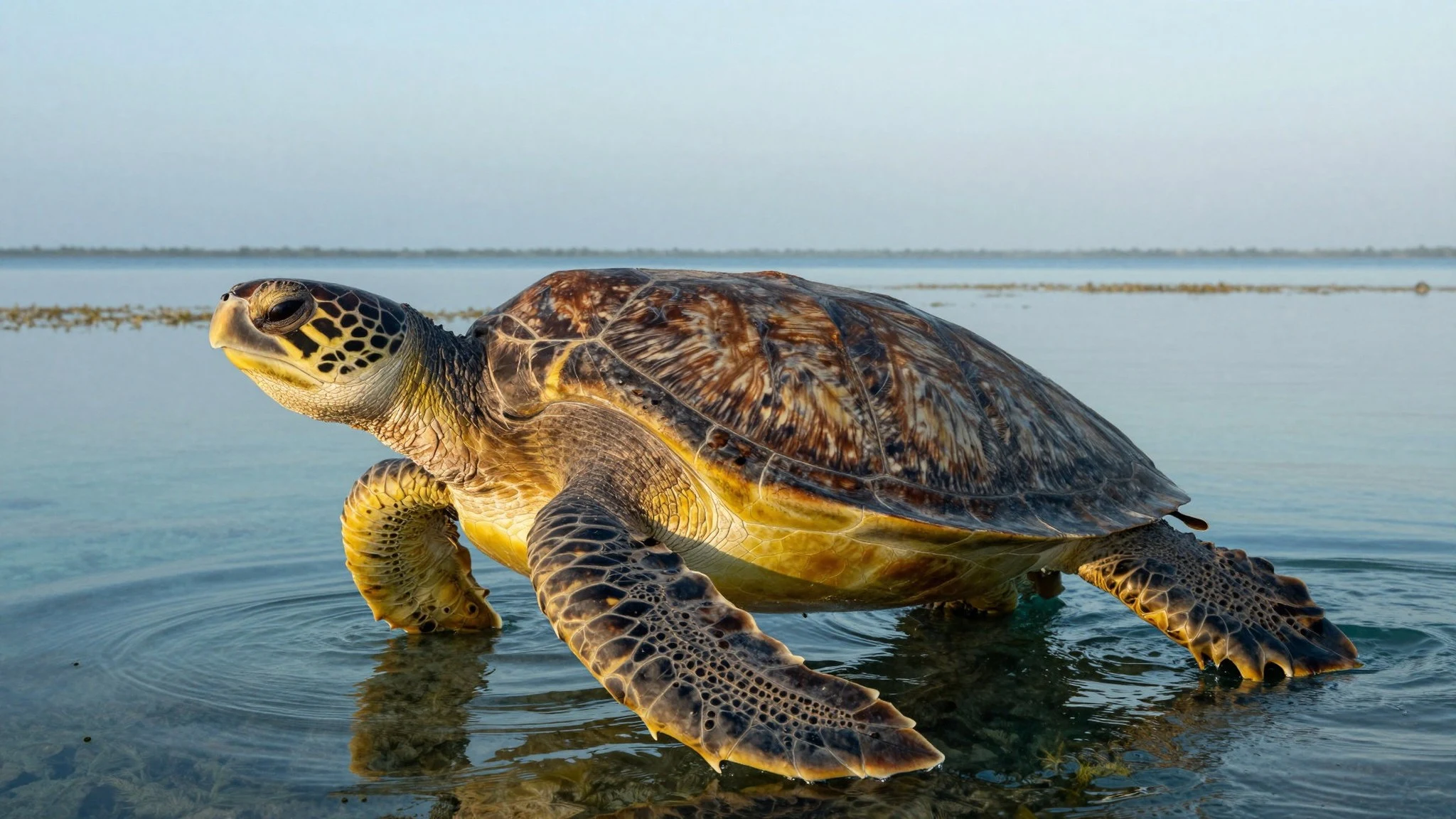
- Nurse shark (animal)
The nurse shark is a shark that is sadly thought vulnerable worldwide, so it deserves gentle manners. At Hol Chan, head for Shark Ray Alley, a shallow, sandy stretch of water where nurse sharks and stingrays are often spotted together. Go with a guide, keep your distance, and move quietly rather than chasing or crowding them. Never feed them or touch them; they are wild animals, and calm watching is the kindest way to enjoy them.