Belize Barrier Reef
Belize Barrier Reef, Belize
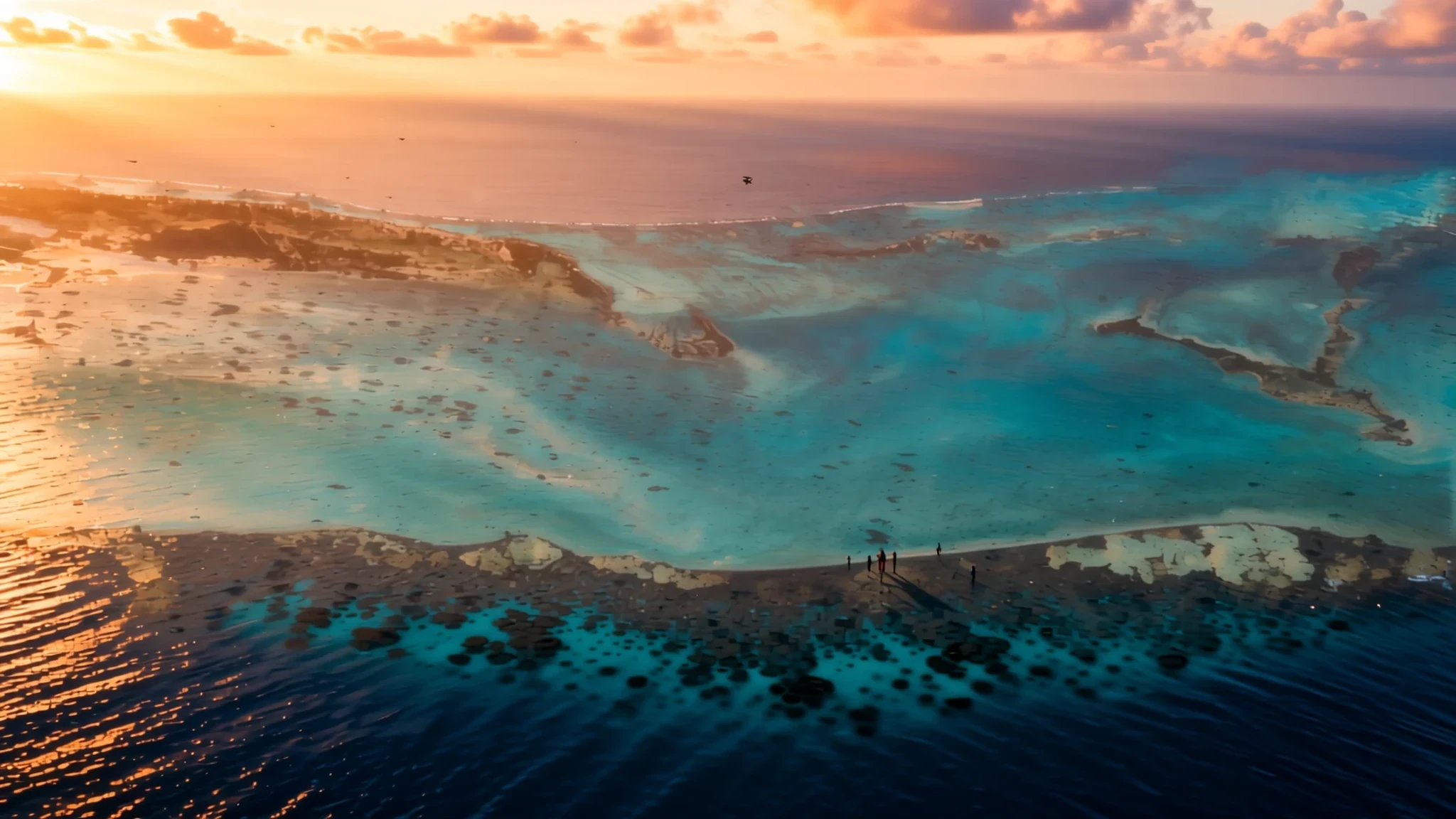
The Belize Barrier Reef gives you some of the Caribbean's richest snorkelling and diving, with ocean walls, shallow flats and a famous sinkhole to explore.
The place
The Belize Barrier Reef is a chain of coral reefs running along much of the country's coastline, sitting close to shore in the north and farther out in the south. It forms part of the Mesoamerican Barrier Reef System, a long reef that begins at Cancún on the north-eastern tip of the Yucatán Peninsula and continues south past the Riviera Maya towards Honduras. The Belize section covers about 300 kilometres of that 900-kilometre network, and the whole system ranks as the planet's second-biggest coral reef network, behind Australia's Great Barrier Reef.
Beyond the barrier itself, the reef system includes three separate atolls: Turneffe, Glover's Reef and Lighthouse Reef. Of all the dive sites in Belize, the one farthest east is Lighthouse Reef, which contains the Great Blue Hole, a sinkhole that Jacques Cousteau brought to worldwide attention in 1970. Turneffe lies nearest to Belize City. Between them these reefs offer walls, pinnacles and reef flats across a wide stretch of open sea, so divers can choose calm shallows or deeper drop-offs depending on the day.
Tourism leans heavily on the water. Almost half of the country's 260,000 visitors come for diving and snorkelling, which makes the reef the main draw for the country. Fishing matters just as much to local households, and boats from the coastal towns serve both trades. Many dive shops in those towns can arrange trips out to the sites, so you rarely need to organise a boat yourself.
The reef is not a single wall you can see from the shore. Much of it lies out of view, and water clarity changes with the weather, rain runoff and the season. Expect the best visibility on settled mornings, when the wind has dropped.
Its story
The Belize Barrier Reef has drawn outsiders' attention for a long time, and each visitor seems to bring a different reason for looking closely. In 1842 the naturalist Charles Darwin singled it out as a remarkable reef in the West Indies, at a time when the science of coral was still being worked out. His interest put the reef on the map for scientists far from the Caribbean, and it has stayed there ever since.
The reef's wider name, the Mayan Reef, reflects its reach. The same chain of coral continues north towards the tip of the Yucatán Peninsula in Mexico and south along the coasts of Guatemala and Honduras, so the reef belongs to several countries rather than one. For people in Belize the water is closer and more practical. Fishing boats have worked these grounds for generations, and the reef shelters the coast from the open sea, which makes the shallow lagoon inside it easier to navigate.
The late twentieth century brought the reef to a wider audience. In 1970 Jacques Cousteau's attention made the Great Blue Hole, a deep marine sinkhole on Lighthouse Reef, famous far beyond diving circles. Divers still come for the same reason: a vertical drop into dark blue water, with reef sharks and corals along the walls.
Tourism has since grown into one of the country's main industries. Diving and snorkelling now draw almost half of the country's visitors, and dive shops in the coastal towns handle most trips out to the reef. The balance between that trade and the fishing that feeds local families is one of the reef's quieter, ongoing stories.
What to see
- The Great Blue Hole — Lighthouse Reef, outer atoll east of the mainland
The Great Blue Hole is a sinkhole on Lighthouse Reef, the most easterly diving area in Belize. Jacques Cousteau brought it to global attention in 1970. Divers descend a steep wall into deep blue water, with ledges and corals visible on the way down. It is a dive for certified divers only, so book through a licensed operator who checks your qualifications before you go.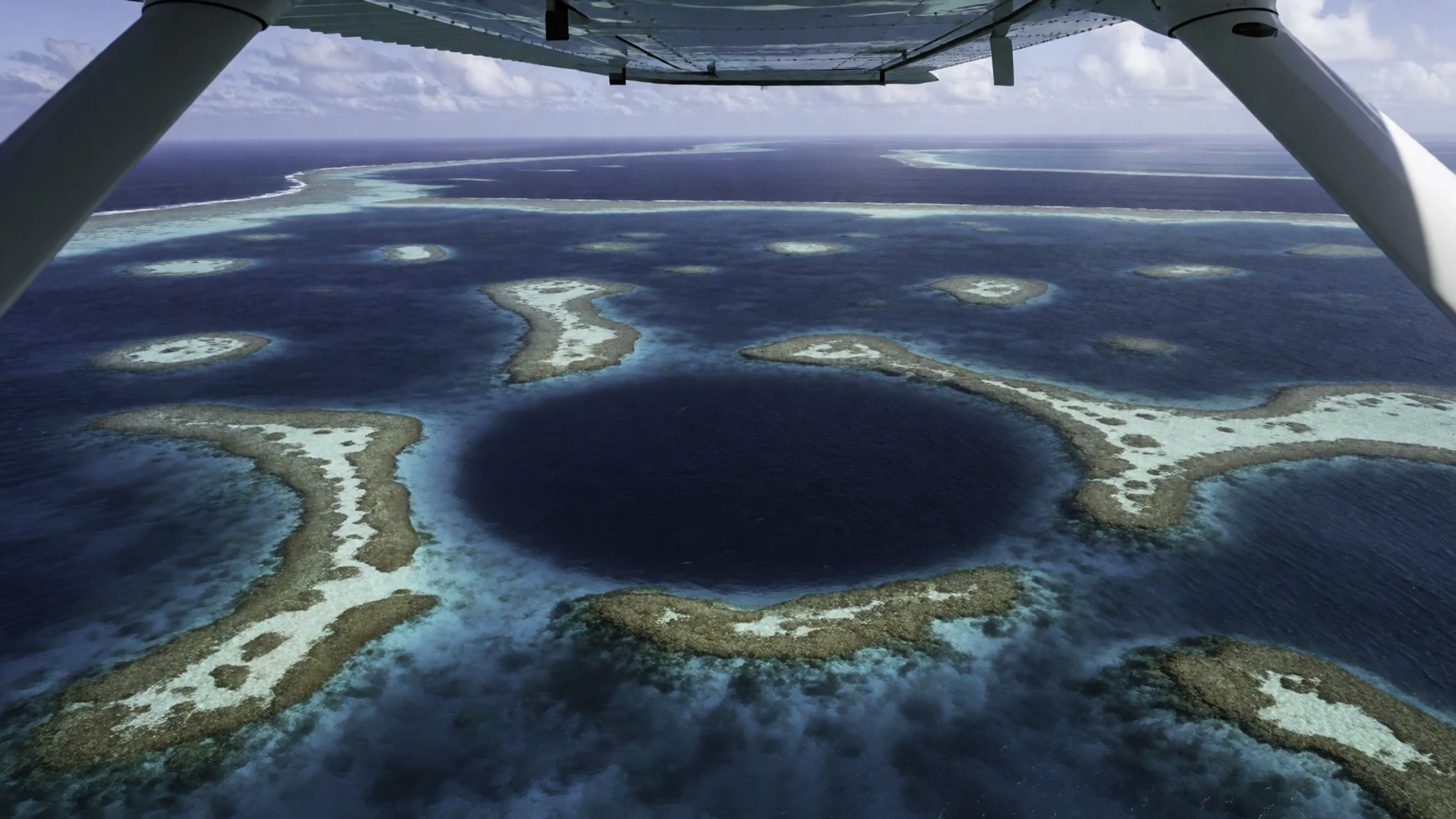
- Turneffe Atoll — Turneffe Atoll, east of Belize City
Turneffe Atoll lies directly east of Belize City and is the nearest of the atolls to the city, which makes it a common destination for day trips. Its reef flats, walls and pinnacles suit both snorkellers and divers. Operators run trips from Belize City, so it can be an easy first outing for less experienced snorkellers. Bring water and sun protection, as there is little shade on the boat.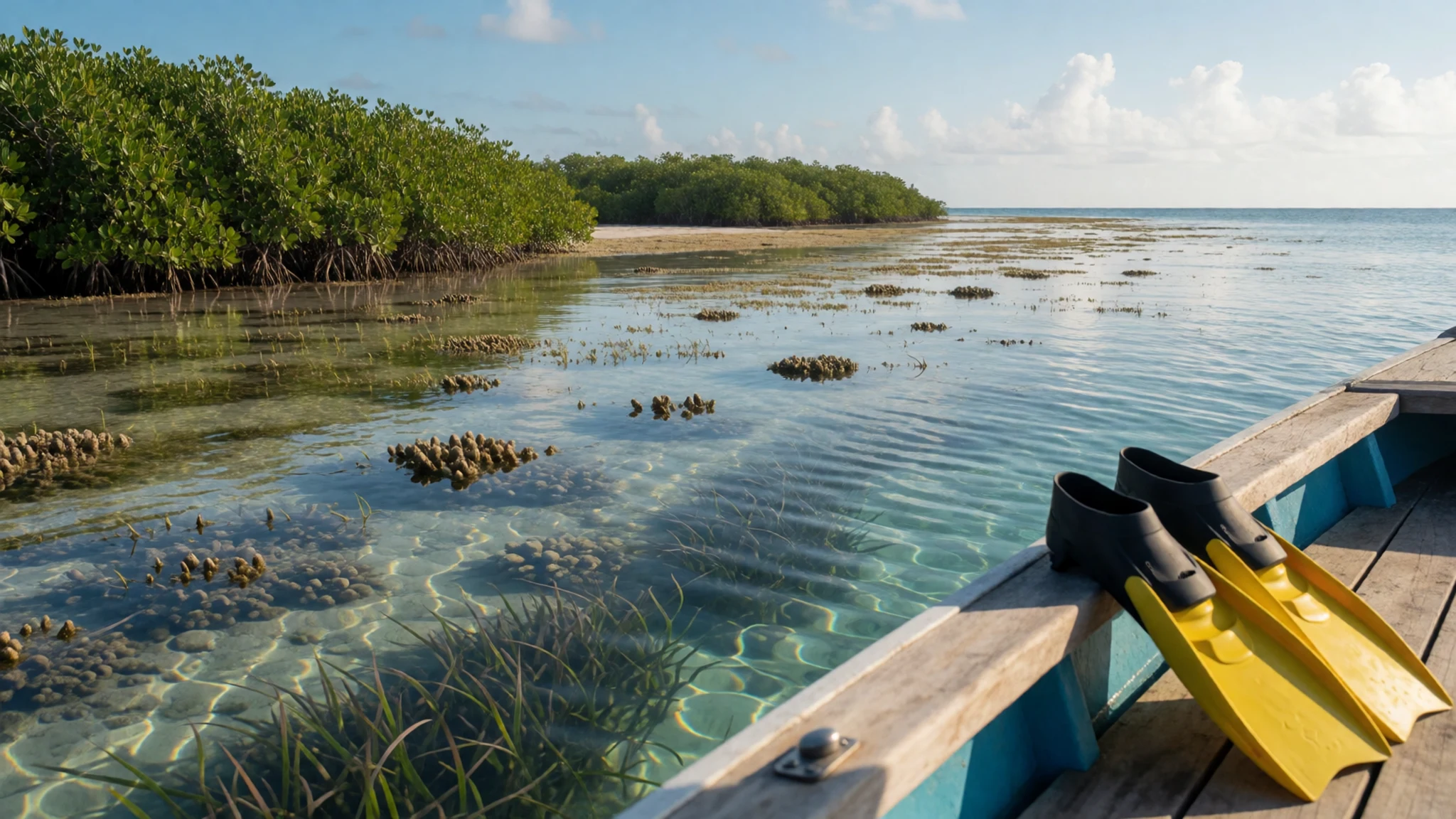
- Ambergris Caye and the northern reef — Ambergris Caye, northern reef
Ambergris Caye sits close to the northern section of the barrier, where the reef lies only about 300 metres offshore. San Pedro, the main town, has many dive shops and short boat rides to nearby reef sites. The island is busy with visitors in high season, so book trips ahead. Shallow water near the shore suits gentle snorkelling, while deeper sites need a boat.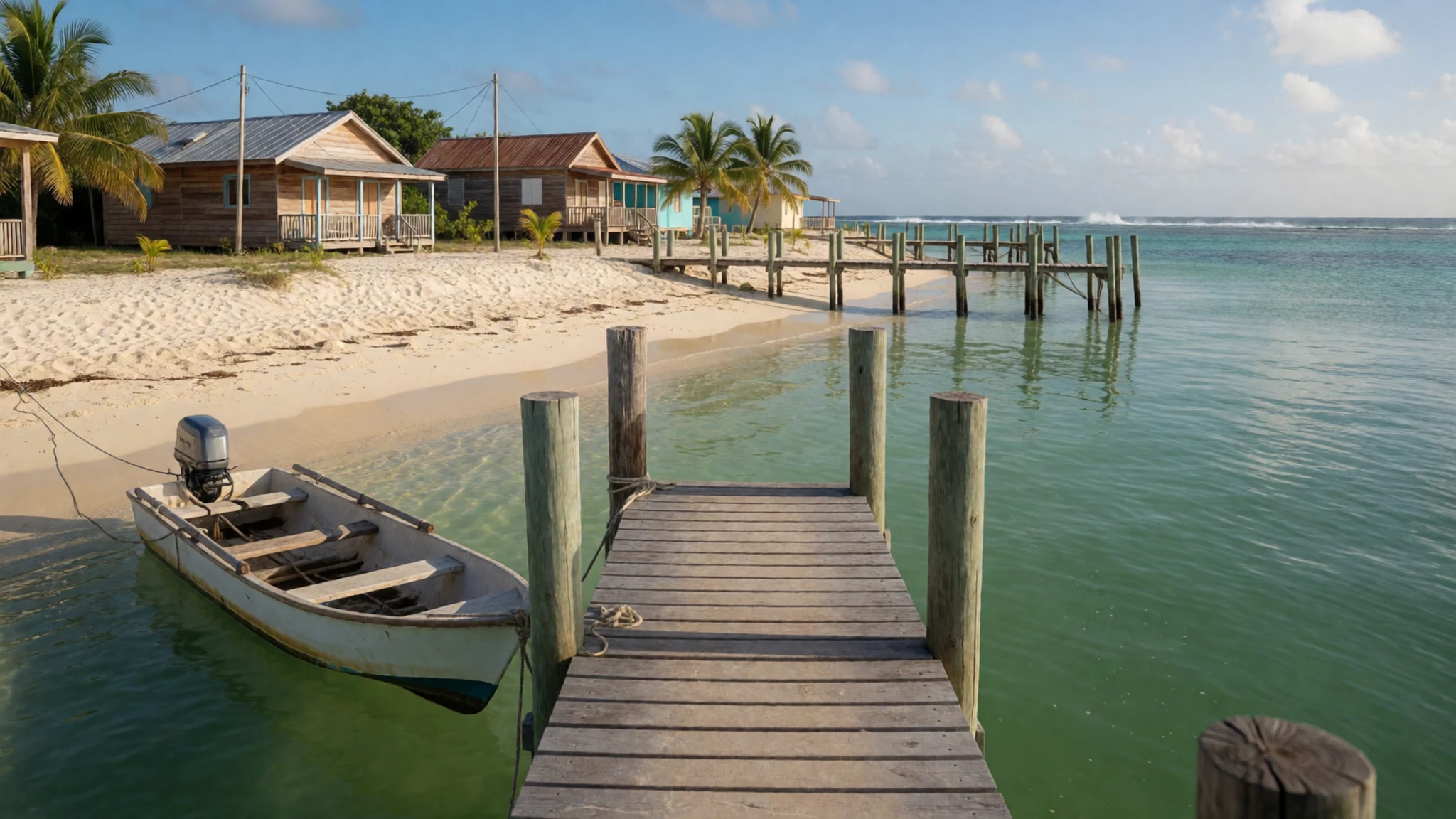
- Glover's Reef — Southern atoll, offshore from the southern coast
Glover's Reef is one of the three atolls that make up the wider reef system, lying farther south and offshore from the southern coast. Its reef flats, walls and pinnacles offer varied diving, from shallow snorkel spots to deeper drop-offs. Trips are usually by liveaboard or a long day on a boat, so plan ahead and ask your operator which sites they cover and how weather affects the schedule.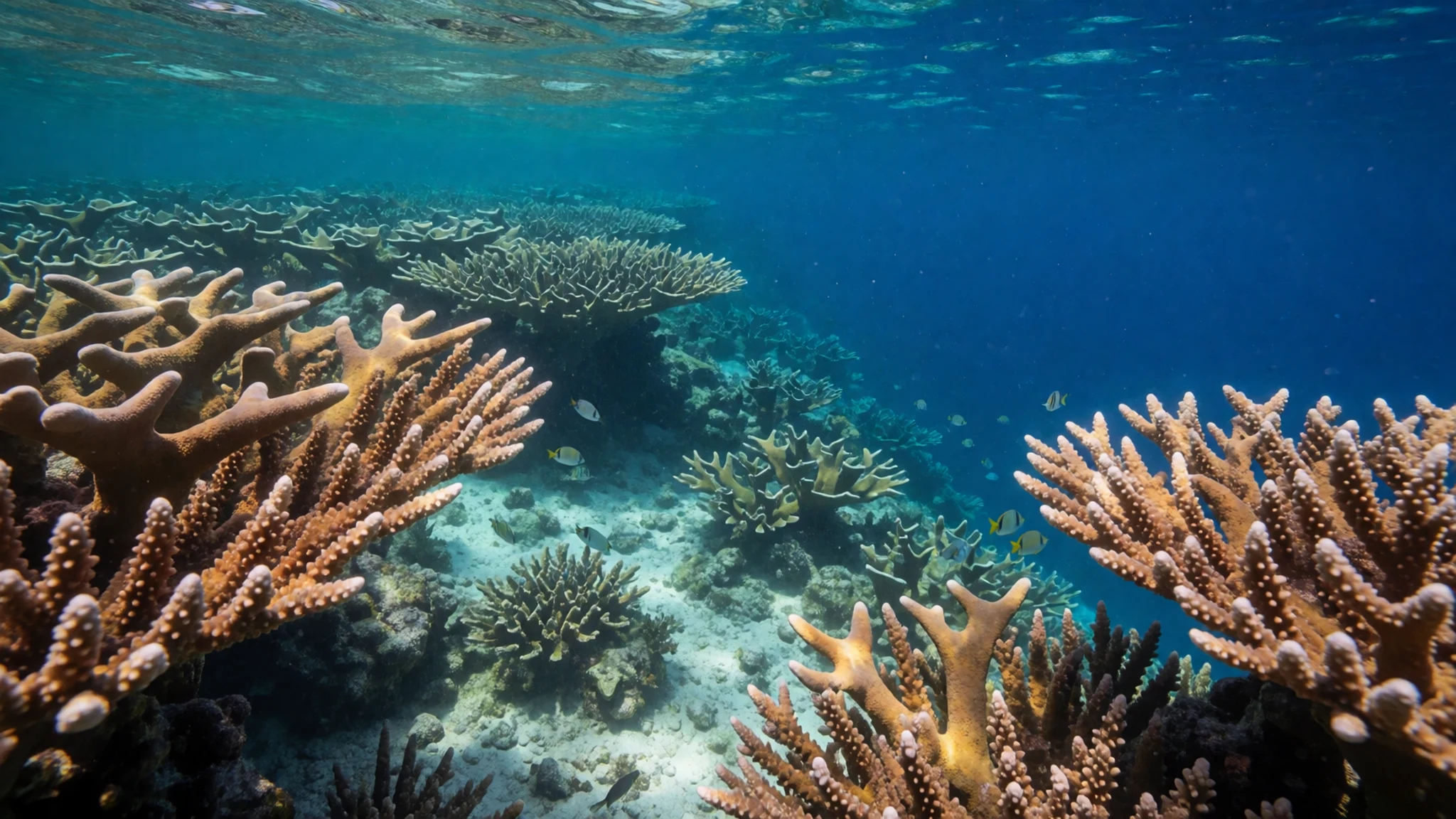
- Lamanai — New River, northern Belize
Lamanai is one of the oldest Maya cities, with ruins on the New River in northern Belize. Much of what visitors see today was built in the late Pre-Classic period. The site is quieter than many Maya sites in neighbouring Mexico and Guatemala, so you can explore at an unhurried pace. Allow at least half a day, bring insect repellent, and go early when the heat is lighter.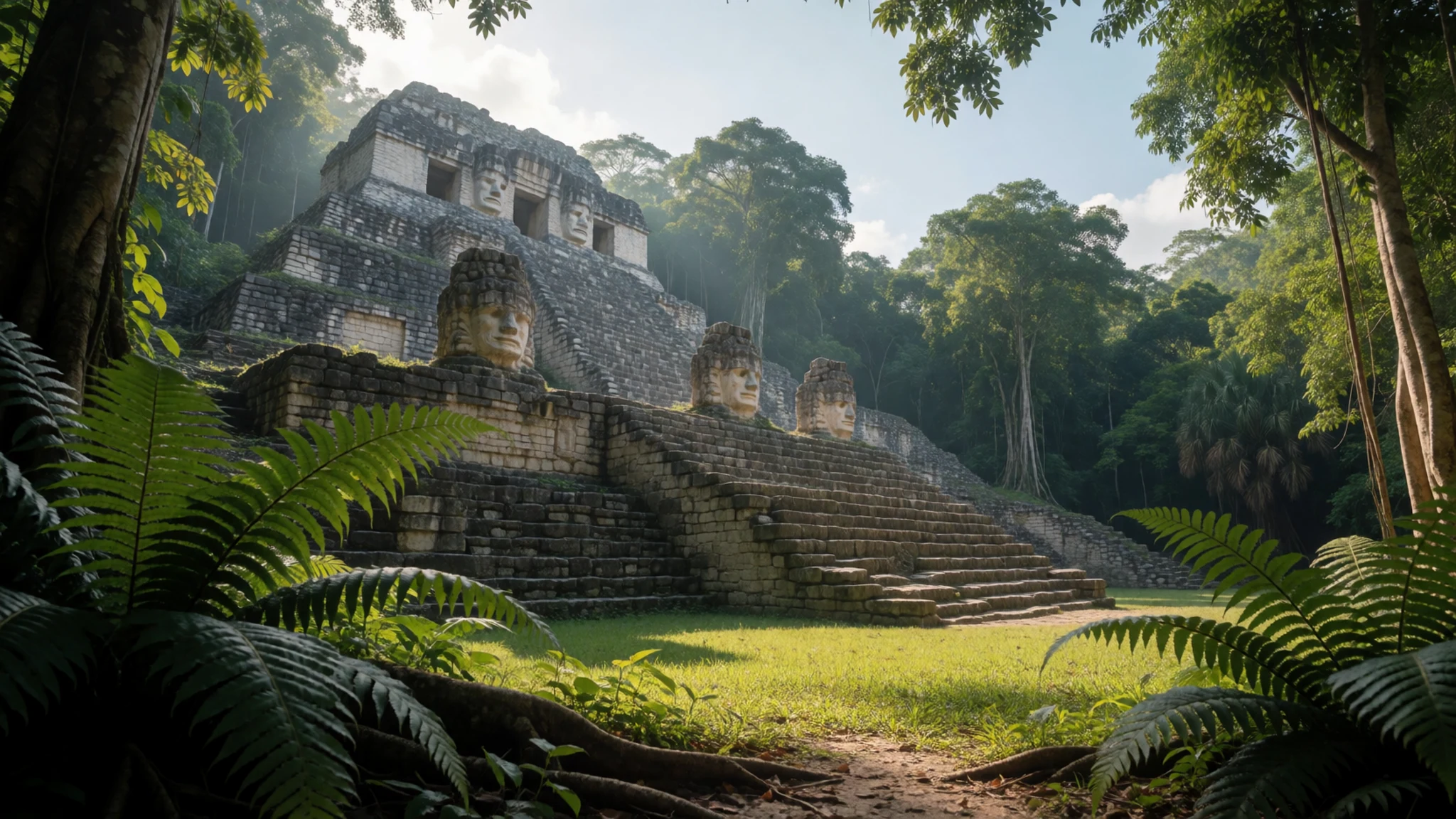
Culture
Belizeans are famously easygoing, and daily life moves at a slower pace than many visitors expect. In towns and villages away from the cayes, a conversation is part of the day rather than an interruption to it. Greet people properly before asking anything, even a quick question about a bus, because eye contact and a friendly good morning open the door to a chat that can run for an hour. Most rural people enjoy talking, so leave some time in your day to spare.
Maya communities can be more reserved, particularly with strangers who arrive with cameras or clipboards. Their villages, ceremonies and family life matter deeply to them, and a quiet, polite manner goes a long way. Ask before photographing anyone, and accept a polite no without pressing.
Life on the coast is shaped by fishing and by the boats coming and going from the docks. Respect the working day of local fishermen and guides, and treat the reef as their workplace and livelihood too. Dress modestly when visiting a village or church, and keep your voice down in residential streets after dark. Ask before photographing anyone in a village, and never take a picture of a home without permission.
What to wear
Traditional dress in Belize reflects its mix of Maya, Garifuna and Creole communities. Maya women in the south have long worn embroidered blouses and skirts, often made from cotton and decorated with hand-stitched designs that vary by village. Garifuna women are known for white blouses and colourful headwraps, worn for ceremonies, music and festivals, especially in the coastal communities. These clothes are most visible on special occasions rather than in daily life.
What people wear now is much more relaxed. In Belize City and the cayes you will see jeans, shorts, cotton T-shirts and flip-flops, and many workers in the fishing and tourism trades dress for practicality. Church dress is smarter, and people often change into neater clothes for Sunday services.
For a visitor the main concerns are heat, sun and the sea. Pack light cotton or linen, plus a long-sleeved sun shirt for boat trips, since the sun reflects strongly off the water. Carry a light layer for the breeze on the boat. Wear modest clothes when visiting villages and churches, and bring water shoes for entering and leaving the water over coral rubble. A hat, sunglasses and a towel will serve you well on every trip.
What to eat
- Rice and beans with chicken — Neighbourhood eateries in Belize City and village kitchens
This is the everyday plate found almost everywhere in Belize. Red beans are cooked with spices and coconut milk, then served with clean rice and chicken, usually on the bone. It is an easy, filling lunch, and home-style kitchens serve it best. Eat it at a neighbourhood eatery in Belize City or at a village kitchen, where lunch is often the main meal of the day.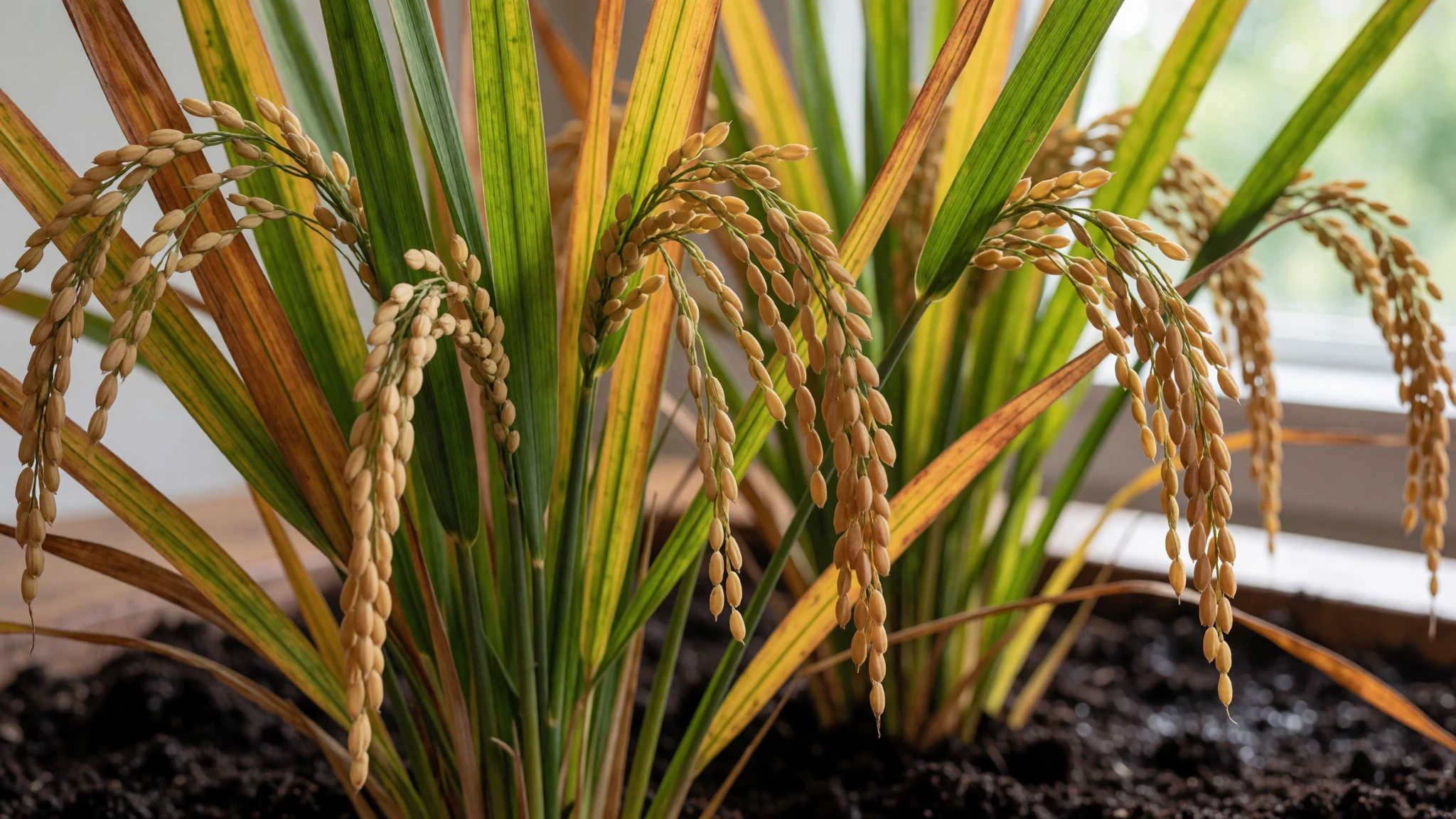
- Conch ceviche — Seafood stalls near the fishing docks on the cayes
Ceviche here is raw conch marinated in citrus juice with onion, tomato and chilli. The lime juice firms the flesh and gives the dish a bright, sharp flavour. Look for it at seafood stalls near the fishing docks on the cayes. Ask for it fresh, and eat it on the same day you buy it.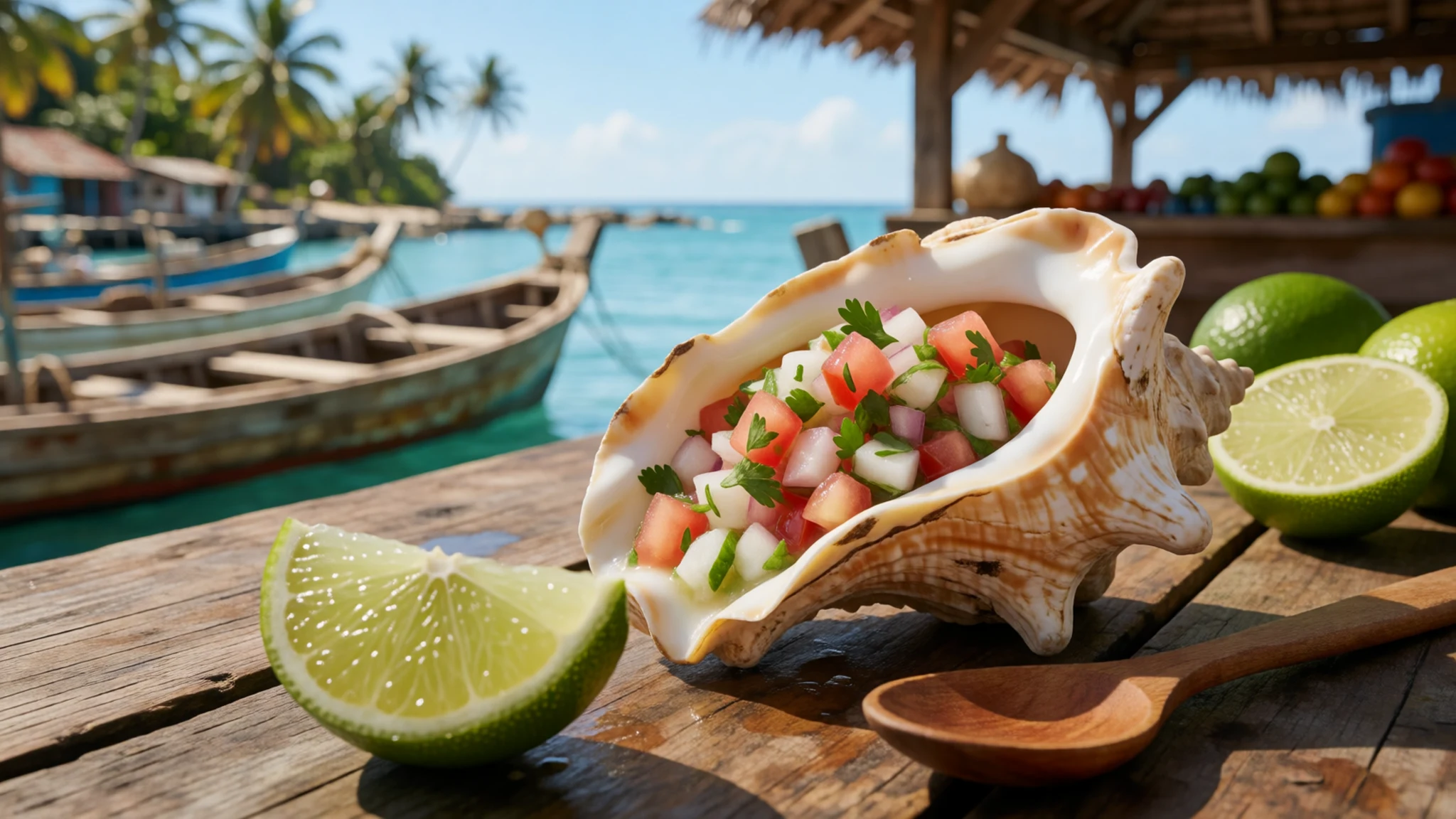
- Papusas — Street stalls in San Pedro town, Ambergris Caye
Papusas are thick maize pancakes with a range of toppings, cooked on a hot griddle and sold from street stalls. They are a budget-friendly snack and an easy way to try local flavours. Ask for the hot sauce on the side if you want to control the heat, and eat them while they are still warm.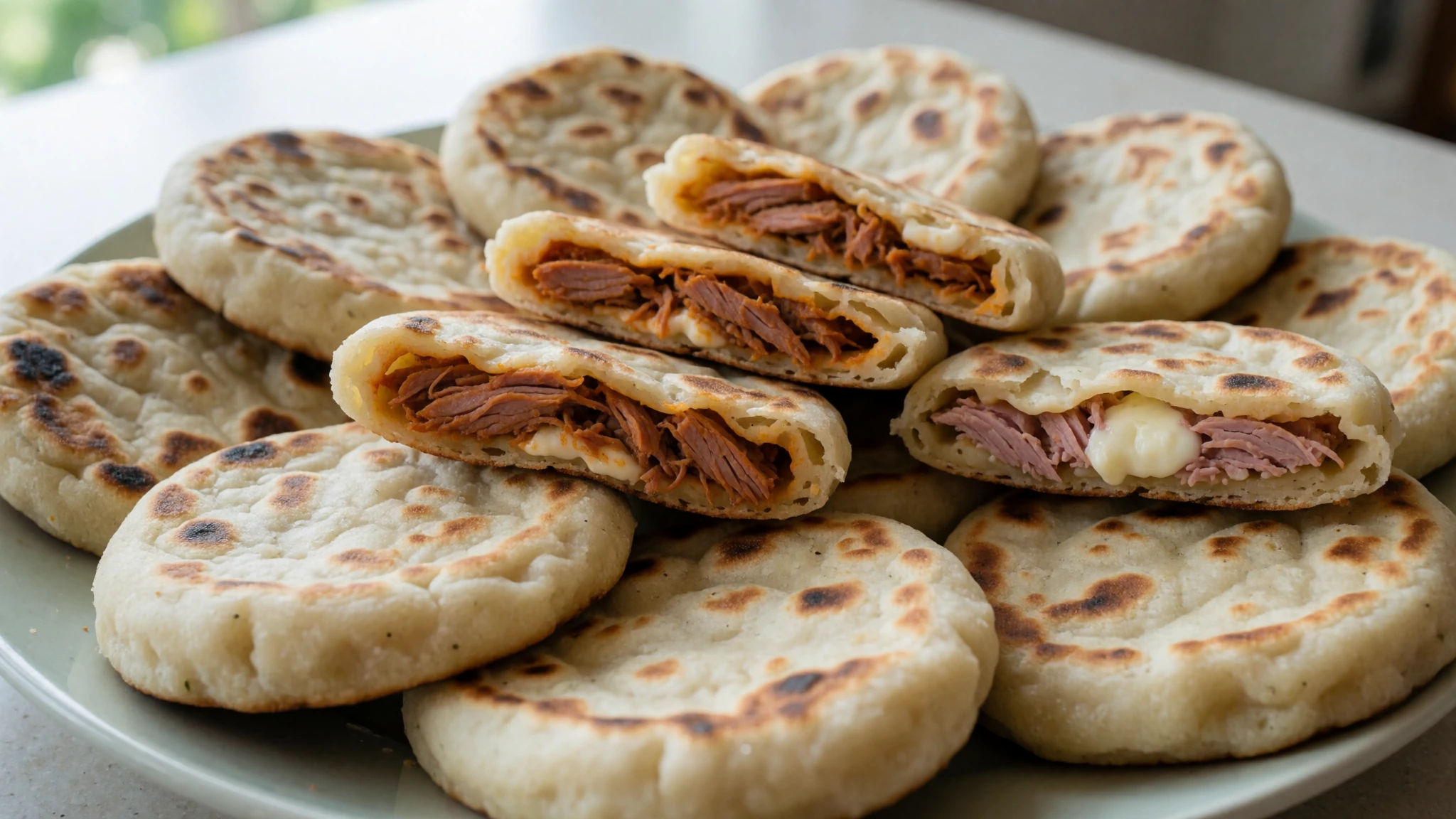
- Beef and chicken patties — Bakeries and corner shops in Belize City and coastal towns
Patties are flaky pastry turnovers filled with spiced beef or chicken, a little like a British pasty and eaten by hand. They are sold at bakeries and corner shops across the country, making them a convenient snack for long bus rides or boat trips. Buy one in the morning, when the pastry is freshest. - Tamales and bollos — Roadside carts and morning markets in Belize City and villages
Both tamales and bollos are corn parcels steamed in leaves and sold as street food. Bollos use a coarser corn mix, so they have a grainier texture than tamales. They are often sold from roadside carts and at morning markets. Eat them warm and ask what the filling is before you buy.
Plan it
Best time. Plan for the drier months from about February to April, when rainfall is lightest and April is the driest month. June to November is the wetter season, with a higher risk of storms and rough water, so check forecasts closely if you are going then.
How long. 3–4
Getting there. Fly into Belize City's international airport, then take a short domestic flight or a boat to the cayes. For Ambergris Caye and the northern reef, the last leg is usually a boat from the mainland or a short flight.
Budget. mid
Tips
- Book dive and snorkel trips ahead in peak season, and check the operator's safety record before you pay
- Go out early for calmer water and clearer visibility
- Check the official site for current entry rules, and carry proof of funds as the rules require
- Carry some cash for small vendors and tips, and cards for larger operators
- Drink plenty of water on boats and use reef-safe sunscreen
Etiquette
- Do not touch or stand on the coral; hold the boat rather than the reef
- Ask before photographing local people, especially Maya families
- Take your rubbish back to the boat rather than leaving it on the cayes
Nearby
Sources
- Wikidata Q28361 (CC0)
- Wikipedia: Belize Barrier Reef (rev 1362699112) (CC BY-SA 4.0)
- Wikivoyage: Belize (rev 5394477) (CC BY-SA 4.0)
- Belize Barrier Reef from space (NASA, via Wikimedia Commons) (Public domain)
- Brain Coral, Belize (jayhem, via Wikimedia Commons) (CC BY-SA 2.0)
- Coral Reef, Belize 2 (Andy Blackledge, via Wikimedia Commons) (CC BY-SA 2.0)
- Belize Barrier Reef, Ambergris Caye (Bernt Rostad, via Wikimedia Commons) (CC BY 2.5)
- Snorkeling, Belize Barrier Reef (Mike Baird, via Wikimedia Commons) (CC BY-SA 2.0)
- Fan Corals Belize Barrier Reef (M.Gray97, via Wikimedia Commons) (CC BY-SA 4.0)
- Admiralty Chart No 1797 Ranguana Cay to Columbus Cay (UKHO, via Wikimedia Commons) (Public domain)
- Admiralty Chart No 522 Belize Harbour (UKHO, via Wikimedia Commons) (Public domain)


