Somoto Canyon
Somoto Canyon, Nicaragua
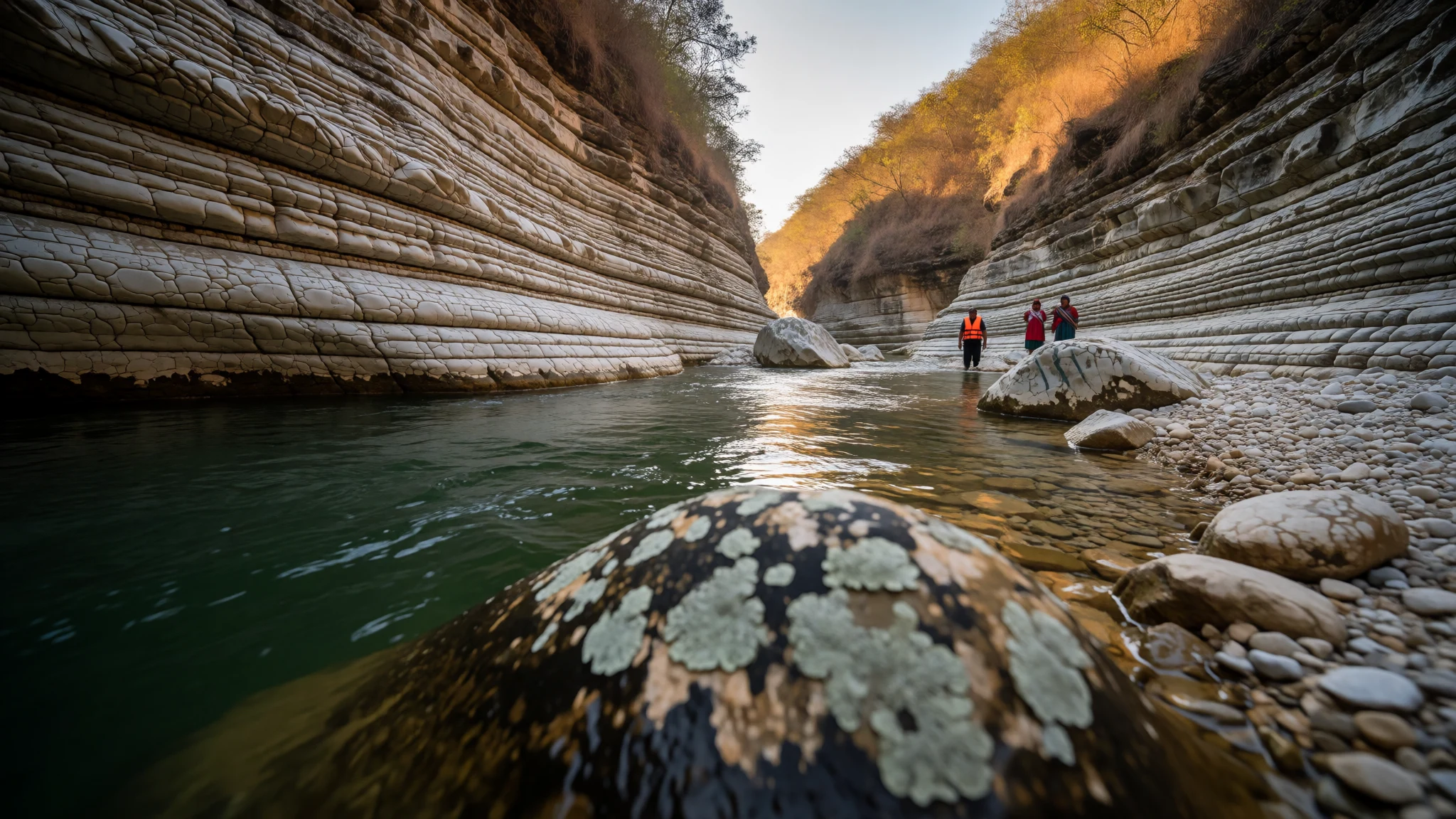
Somoto Canyon is a river-cut gorge in northern Nicaragua where a life jacket, a local guide and a cool swim replace the usual sightseeing.
The place
Somoto Canyon National Monument lies in the Madriz department of northern Nicaragua, a short distance from the town of Somoto and not far from the Honduran border. The protected area covers about 170 hectares, of which roughly 125 hectares are the canyon itself. It is a small place, and that is part of its appeal: the whole experience fits into a morning or an afternoon. The Tapacalí and Comali rivers meet at the head of the gorge and become the Coco, which runs through the rock and carries on for about 750 kilometres to the Caribbean Sea. Inside, the walls close in and the water turns a deep green. Calm pools alternate with short rapids and shallow stretches where visitors wade. The usual visit is on foot and afloat, downstream with a local guide, in a life jacket, sometimes swimming through the narrowest sections. The wider region is cooler than most of Nicaragua, with coffee farms and patches of cloud forest on the hills, so the heat is gentler than on the Pacific plain. The monument is managed by the environment ministry, MARENA. Honest caveats: weekends and holidays bring groups from Managua, and after heavy rain the river runs faster and murkier, so guides may change the route or call the trip off. Go on the guide's word, not on a schedule.
Its story
Somoto Canyon was known to the farming families around it long before it appeared on any map, but systematic exploration began only in 2004, when a team of Czech and Nicaraguan scientists, working with the national geographic institute INETER, documented it and made it known beyond the district. Geologists believe the gorge was cut during the Miocene, millions of years ago, as the river worked down through the rock. The canyon became a national monument in 2006, one of 78 protected areas in Nicaragua, and tourism has grown steadily since. That attention has had a cost. Graffiti has appeared on the walls, and MARENA and INETER have sent technicians to clean and repair the damage. The surrounding highlands carry a heavier history. Augusto Sandino based his guerrilla campaign in these mountains in the early decades of the last century and fought the US Marines to a standstill. Later, opponents of the Somoza regime gathered in the same hills, and Carlos Fonseca founded the Sandinista party here. The north was also among the areas hardest hit by the Contra War, though it is now described as mostly free of mines. Today the canyon is a quieter chapter in a district better known for coffee and revolution.
What to see
- The canyon float — Somoto Canyon National Monument, near Somoto
The main event at Somoto Canyon is the downstream trip through the gorge with a guide, wading, floating and swimming between the rock walls. Some groups stop at a ledge of about seven metres to jump into the water, which is optional and should be judged by the guide's advice.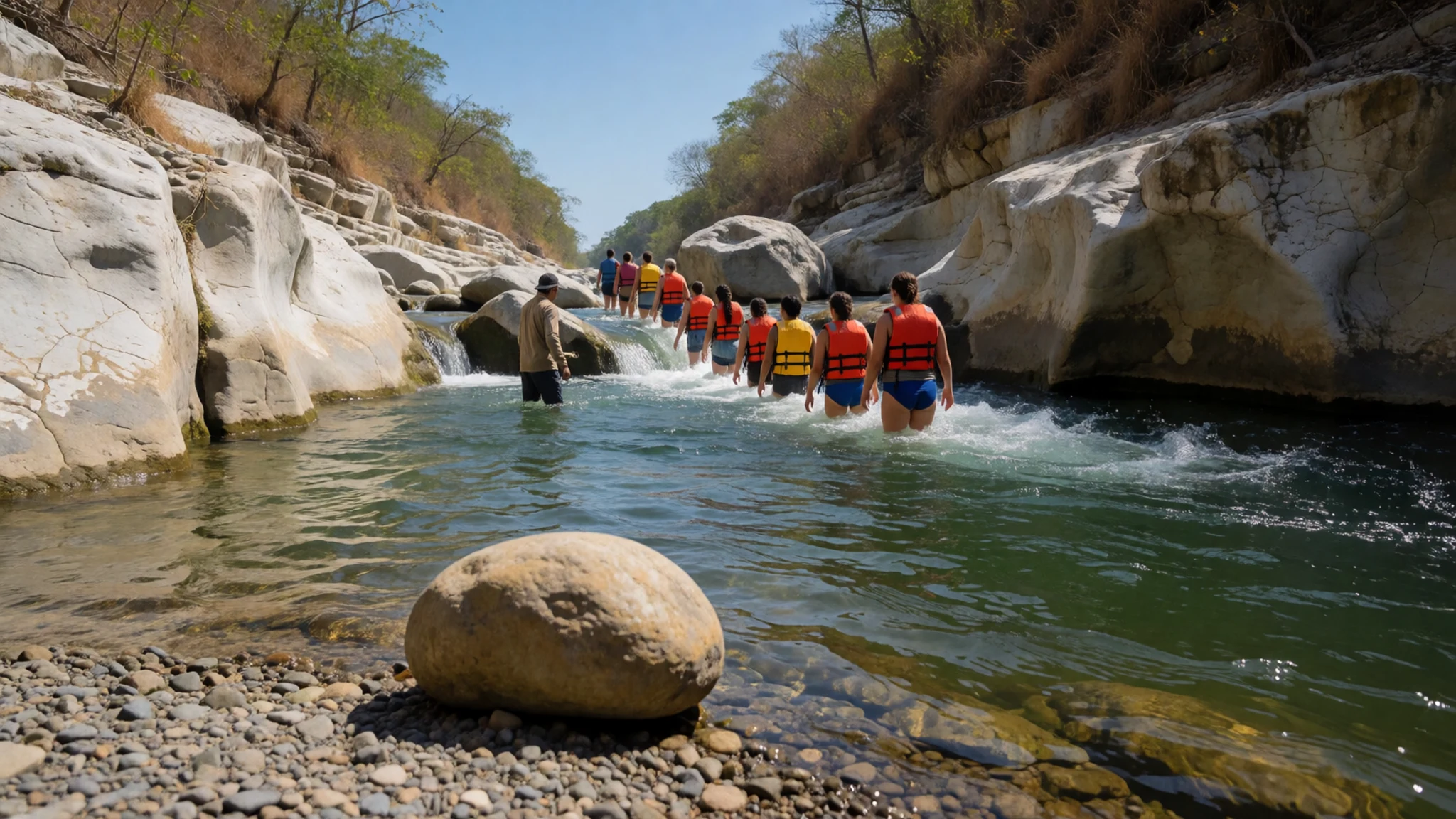
- Sonís rim viewpoint — Sonís, edge of the canyon
The community of Sonís lies on the canyon edge and gives a view from above, where the pale walls and the thin green river can be seen together. It is a good first stop before the water, or a gentler alternative for anyone who prefers not to swim.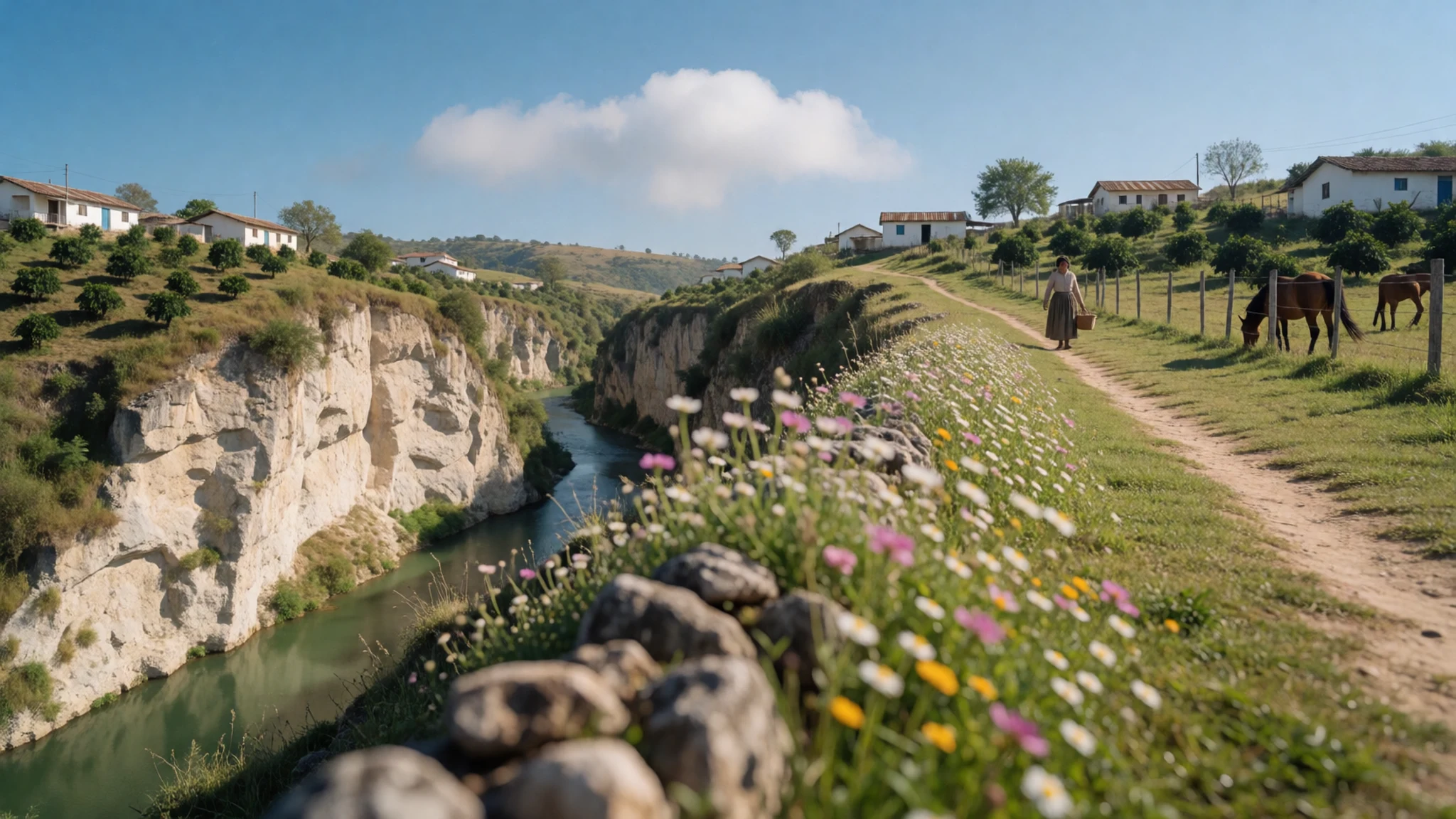
- Estelí murals — Estelí city centre
Estelí is the main city of the northern highlands and the best place to see the revolutionary era in paint. Street murals cover walls across the centre, and a slow walk with a local guide explains who and what they commemorate. It is also a practical base for coffee-farm visits.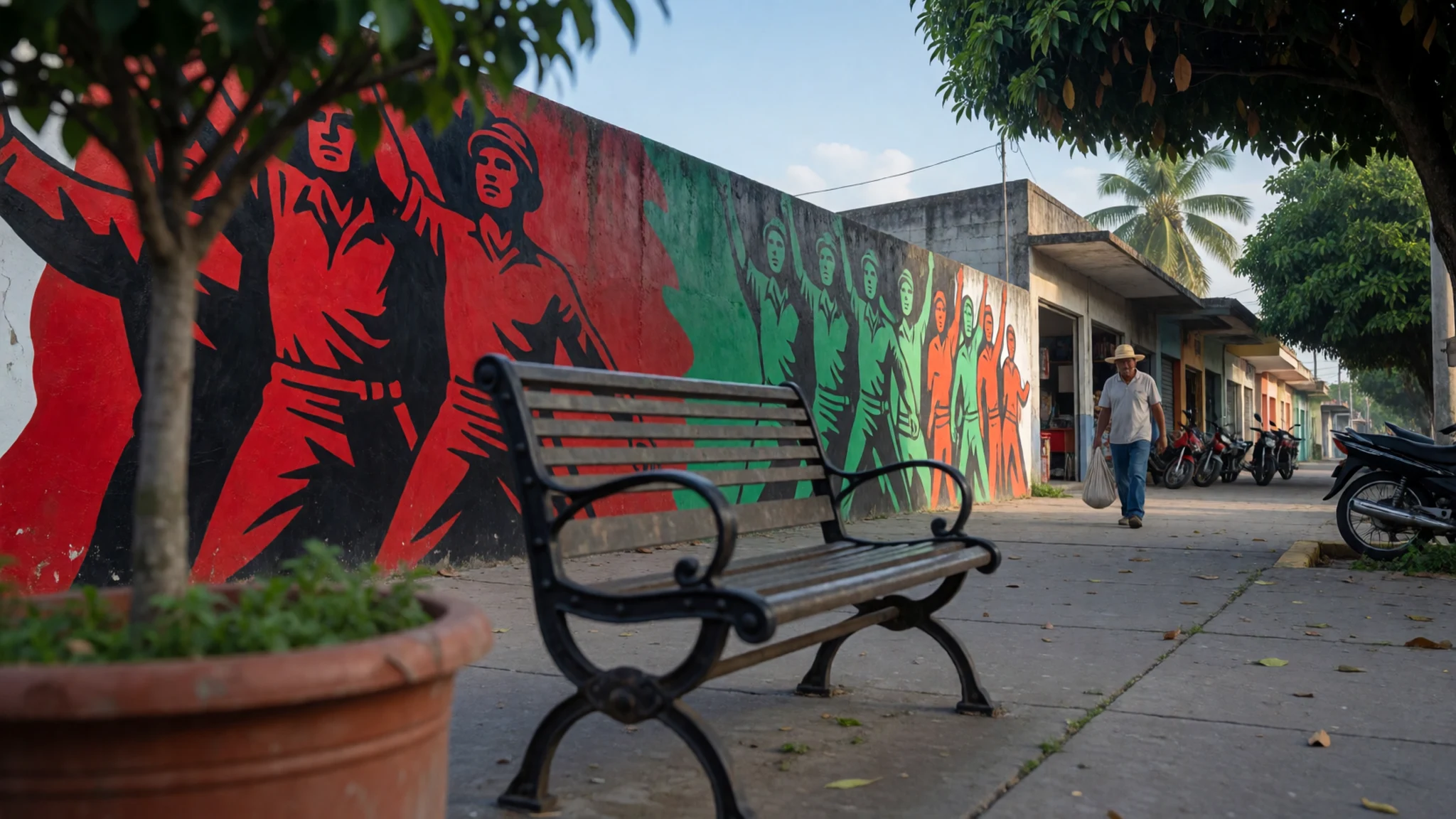
- Estanzuela waterfall — South of Estelí
Estanzuela is a waterfall south of Estelí, reached by a short road trip and a walk. It makes a pleasant second water stop after the canyon, with a pool for a cool dip. Flow is strongest in the wetter months, and weak at the end of the dry season.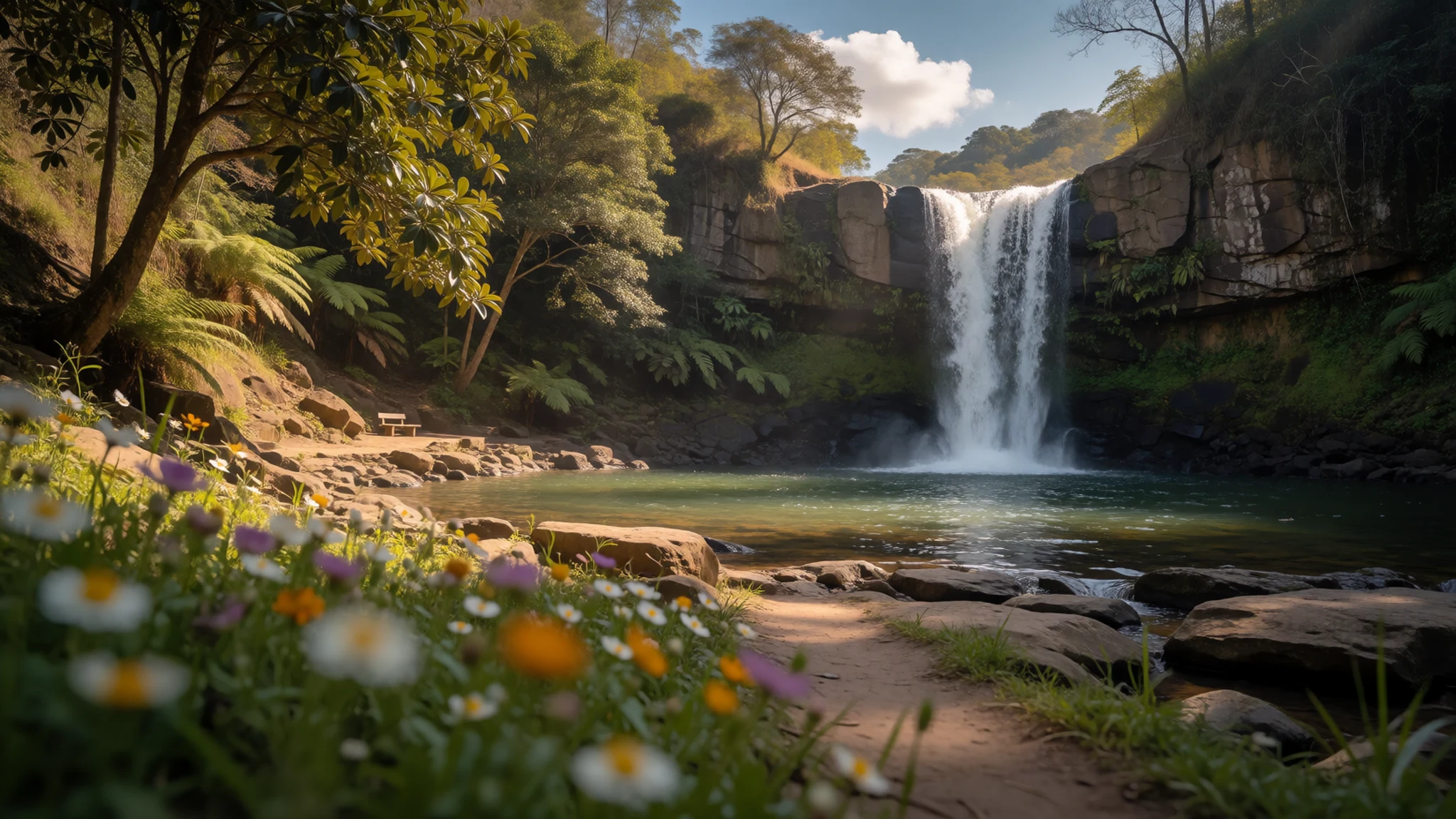
- Cerro Mogotón — Northern highlands near the Honduran border
Cerro Mogotón rises to 2,107 metres on the Honduran border and is the highest mountain in Nicaragua. The climb is a long day among cloud forest and farmland, best done with a guide and an early start, since mist can close in by midday.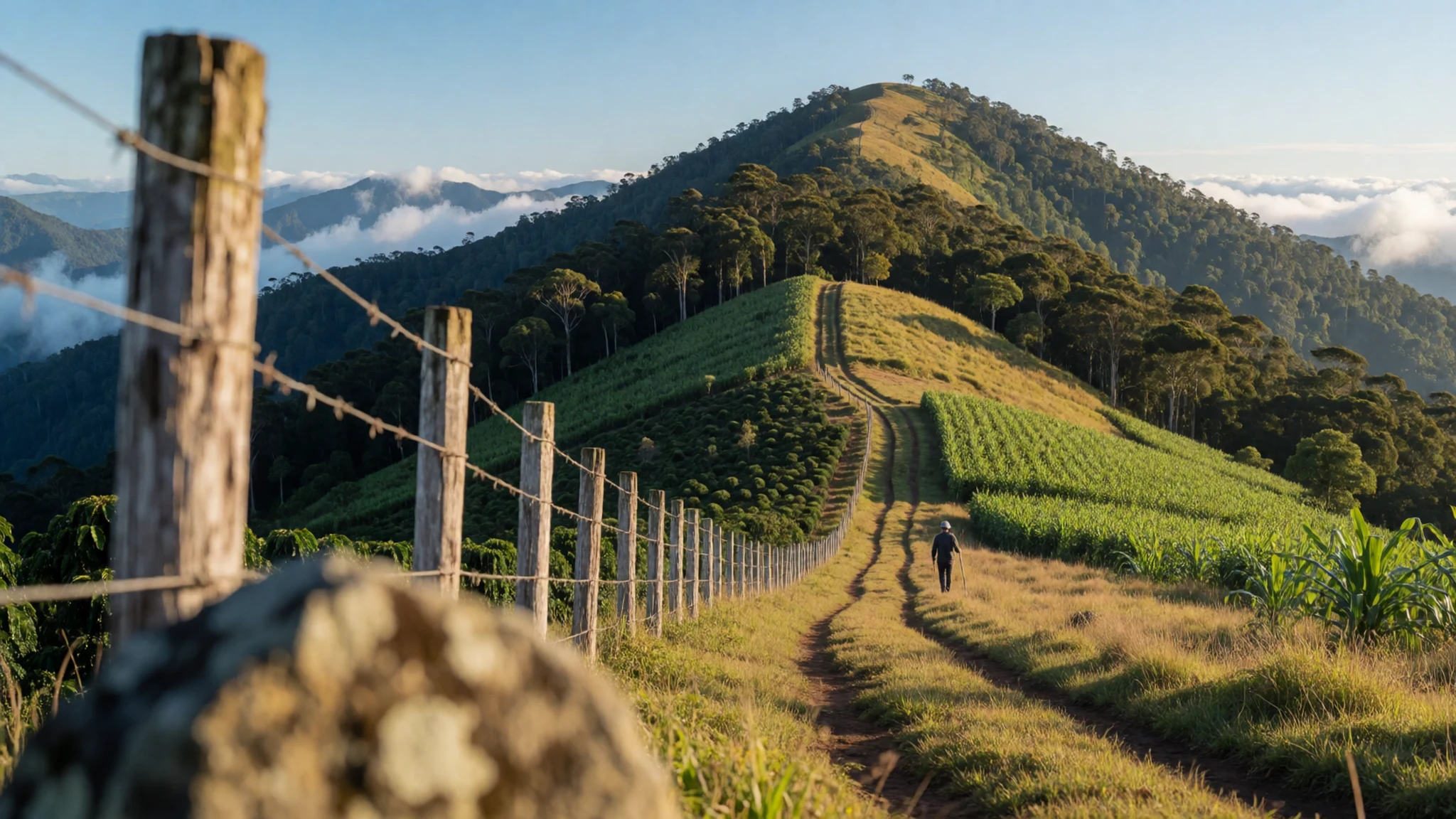
Culture
Somoto Canyon sits in a part of Nicaragua shaped by smallholder farming, coffee and a long memory of conflict. Families in the surrounding communities, Sonís among them, work the land and now also run much of the visitor side: guiding, boat and life-jacket hire, small food stalls and homestays. Spending money with these local operators is how most of the benefit stays in the district. The northern highlands have a reputation for plain-spoken hospitality, and a greeting before a question goes a long way. Conversation about the revolution and the Contra War is common but personal, since many families lived through it, so listening works better than debating. Catholic faith is strong, village festivals follow the saints' calendar, and the pace on Sundays is slow. Coffee is the everyday drink, offered freely, and the Honduran border shapes trade and family ties across the valley. Rosquillas, the local baked rings, are a point of local pride in Somoto town. The canyon itself is treated as a shared asset, and the clean-up of past graffiti shows how seriously the authorities take damage to it. Hire a local guide at the entrance, leave nothing in the canyon but footprints, and never write or scratch on the rock walls.
What to wear
Nicaragua's traditional dress is best known from folk dances, where women wear full, ruffled skirts and embroidered cotton blouses in bright colours, and men wear white cotton shirts, trousers and straw hats. In the northern highlands around Somoto, this dress appears mainly at festivals and school performances rather than in daily life. The older working look of the countryside is the straw or felt hat, a plain cotton shirt and rubber boots for muddy coffee slopes. What people actually wear now is simple and practical: jeans or light trousers, T-shirts, football shirts and trainers or sandals, with a jumper or jacket on cool mornings. In Somoto and Estelí, towns are casual but modest, and shorts and beachwear on the street stand out. Visitors to the canyon should wear swimwear under quick-dry shorts and a T-shirt, and shoes that grip wet rock and can get soaked, such as water shoes or old trainers with a firm sole. Flip-flops tend to come off in the current. A cap, sunscreen and a light layer for chilly mornings help, and a dry set of clothes for the bus ride back is worth leaving in the car or at the entrance. Cover up in town and in churches.
What to eat
- Rosquillas somoteñas — Bakeries and street stalls in Somoto town
Rosquillas are crunchy baked rings made with corn and cheese, a speciality of Somoto town. They are sold in paper bags at bakeries and from small stalls, and they travel well, so they make a fair snack for the bus.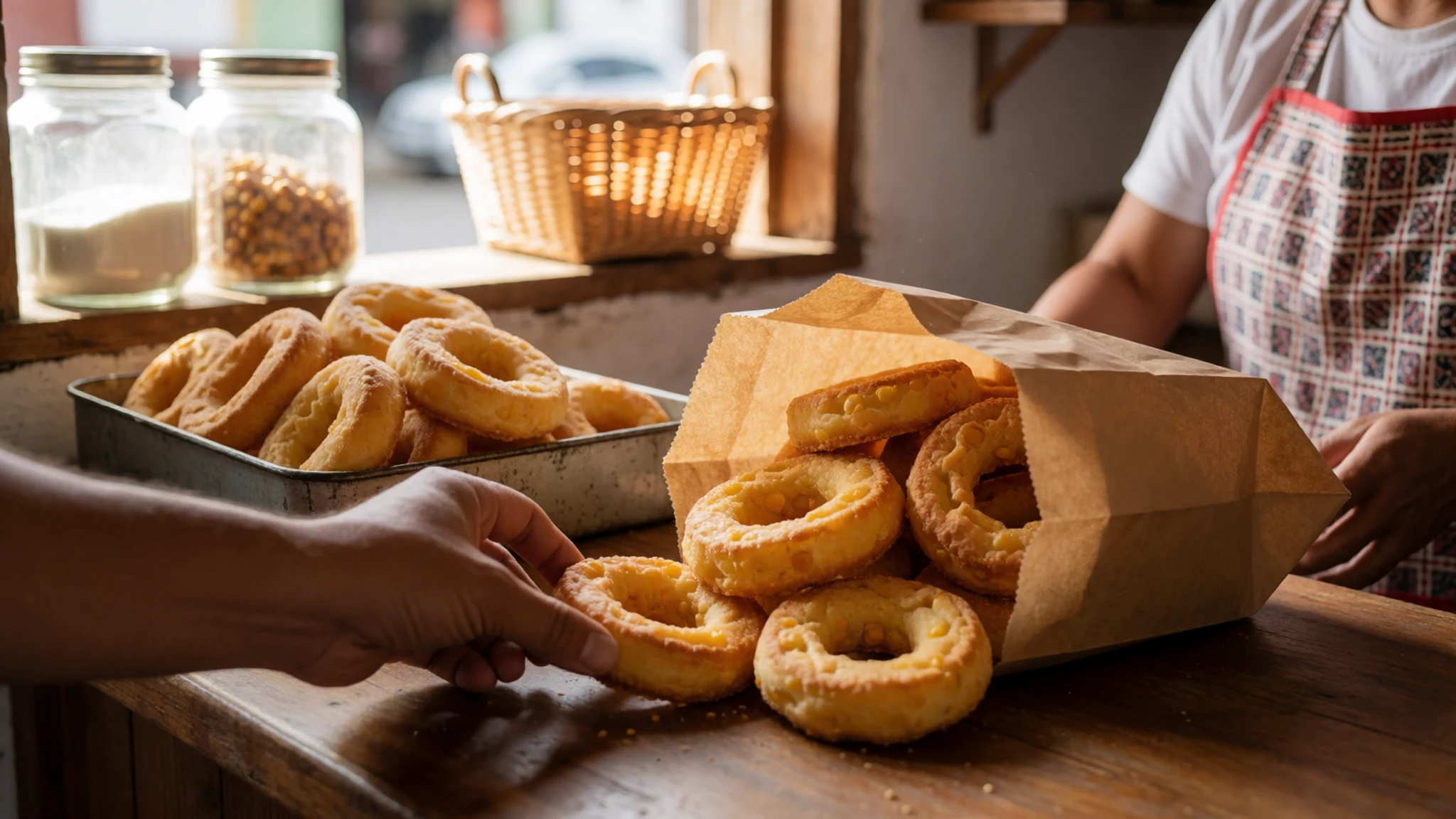
- Gallo pinto — Morning eateries and market stalls in Somoto and Estelí
Gallo pinto is rice and red beans fried together with onion and sweet pepper, the everyday Nicaraguan breakfast. In the north it usually comes with fried cheese, eggs or cream and a warm tortilla.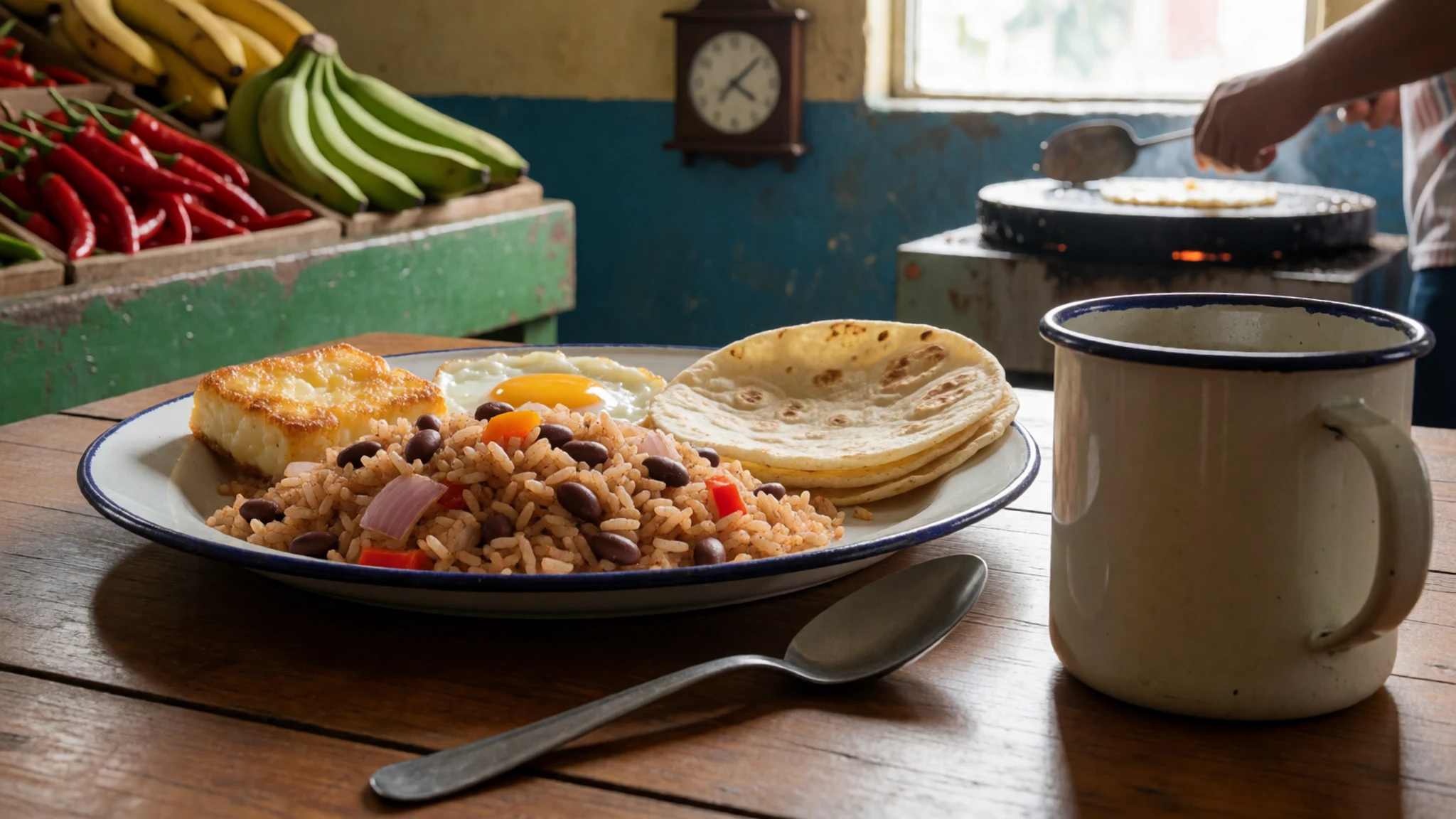
- Cuajada with tortilla — Roadside stalls and market eateries along the Pan-American Highway
Cuajada is a soft, lightly salted fresh cheese from the highland dairy farms, eaten with a hot corn tortilla. It is simple, filling and a good start before a long day of wading and swimming in the canyon. - Nacatamal — Weekend morning stalls and family kitchens in town markets
Nacatamal is a corn-dough parcel stuffed with pork, rice, potato and vegetables, wrapped in banana leaf and steamed for hours. Many families make it for weekend breakfast, so it is easiest to find on Saturday and Sunday mornings. - Highland coffee — Cafés, market counters and coffee farms in the northern highlands
Coffee is grown on the hills around Somoto and Estelí, and a cup is on offer almost everywhere. Visitors who want the full story can stay on a coffee farm and follow the process from plant to cup.
Plan it
Best time. November to March is the usual choice, in the drier months when the river is calmer and clearer and the highland mornings are cool and pleasant. The rainy season, roughly May to October, can make the river faster and muddier, and guides may limit or cancel trips after storms.
How long. 1–2
Getting there. Fly to Managua (Augusto C. Sandino International), then take a bus from Mercado Mayoreo towards Estelí and on to Somoto along the Pan-American Highway. From Honduras, buses run from the El Espino border crossing to Somoto. The last leg to the canyon entrance is a short taxi or local transport ride from town.
Budget. low
Tips
- Book a local guide at the entrance or through a Somoto operator; the guide sets the route and watches the water level
- Check the weather and river conditions on the day, since heavy rain can close the canyon
- Carry small cash for guides, life-jacket hire, snacks and the bus, as card use is limited outside larger towns
- Put phones, cameras and papers in a waterproof bag, and wear shoes that stay on in the current
- Go on a weekday or early in the day to avoid weekend groups from Managua
Etiquette
- Hire local guides and buy from community stalls so the money stays in the district
- Take all rubbish out with you and never write or scratch on the rock walls
- Ask before photographing people, and listen before joining talk about the revolution or the war
Nearby
Sources
- Wikidata Q1052130 (CC0)
- Wikipedia: Somoto Canyon National Monument (rev 1362908552) (CC BY-SA 4.0)
- Wikivoyage: Madriz (rev 5260908) (CC BY-SA 4.0)
- Photo: Somoto Canyon, Nicaragua — Hobbitschuster (CC BY-SA 4.0)
- Photo: Nicaragua relief location map — Alexrk2 (CC BY 3.0)
- Photo: Cañon de Somoto — Zenia Nuñez (CC BY-SA 2.0)
- Photo: Somoto canyon in Somoto — Pitxiquin (CC BY-SA 4.0)
- Photo: SomotoCanyon 01 — BluesyPete (CC BY 3.0)
- Photo: SomotoCanyon 02 — BluesyPete (CC BY 3.0)
- Photo: SomotoCanyon 03 — BluesyPete (CC BY 3.0)
- Photo: SomotoCanyon 04 — BluesyPete (CC BY 3.0)


