Solentiname
Solentiname, Nicaragua
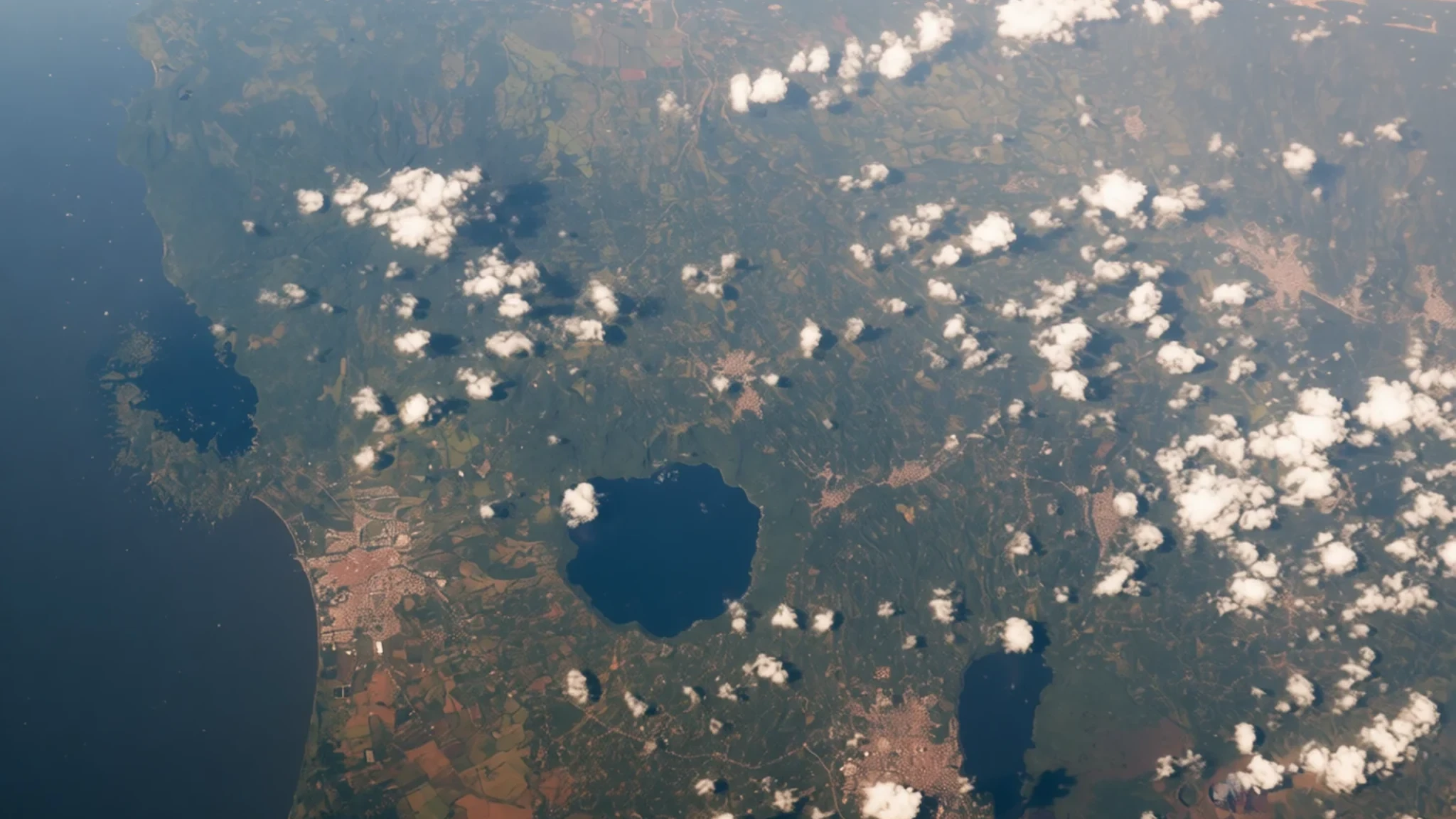
Solentiname is a lake archipelago of painters, wooden churches and slow boat landings in southern Nicaragua.
The place
Solentiname (Archipiélago de Solentiname) is a group of islands and islets in the south of Lake Nicaragua, in the department of Río San Juan. The lake here is wide enough that the far shore disappears in haze, and the islands sit low, covered in tropical broadleaf forest rather than cliffs or beaches of pale sand. Mancarrón is the settlement most boats make for: a wooden jetty, a short walk to a village of simple houses, and the church of Nuestra Señora de Solentiname above the path. San Fernando and La Venada hold smaller communities of farming and fishing families; Mancarroncito and a scatter of unnamed islets stay quieter, with forest down to the water. Mornings are the still hours, when the lake looks flat and herons work the margins. By afternoon the wind often picks up and the crossing from the mainland turns lumpy. Paths are dirt and roots, muddy after rain, and the shade under the canopy is where people walk. A tree known locally as flor del mar grows along the lake edge, its flowers bright against the green. There is no city noise, no long promenade and little night light beyond houses and the landing. Life follows boats, gardens, the church and the painting tables. Visitors who expect a resort coast will find a parish of islands instead: water, timber, birds and a community that has made its own pictures of that life.
Its story
The story of Solentiname, as a visitor hears it on Mancarrón, starts with a parish experiment rather than with a fort or a dynasty. The poet and priest Ernesto Cardenal settled among farming and fishing families and read the Gospel aloud with them, keeping their comments instead of replacing them with a sermon. Those conversations became the book The Gospel in Solentiname, in which the hardships of the islands and the dictatorship on the mainland are treated as part of the sacred text. Out of the same circle grew a way of painting. Neighbours who had never passed through an art academy began to record toucans, herons, wooden houses, children and the church, using flat areas of strong colour and a clear outline. The manner came to be called the primitivist painting of Solentiname. Canvases travelled out to exhibitions, while the painters remained on the islands. Sympathy with the Sandinista opposition put the community in danger. After people from the area joined an assault on the barracks at San Carlos, the National Guard raided Solentiname, destroyed the community buildings and forced residents to flee. Some paintings burned; others left with the families who carried them into exile. When the dictatorship ended, households returned, the church of Nuestra Señora de Solentiname was rebuilt, and brushes and carving tools came out again. A memorial stands on Mancarrón, yet the record that matters is still being made: children and adults painting the same lake, in the same bright key, on the islands their families came back to.
What to see
- Mancarrón jetty — Mancarrón
The jetty at Mancarrón is Solentiname's front door: a wooden landing on Lake Nicaragua where lanchas tie up and the archipelago becomes a walkable place. There is no harbour wall and no ticket booth. Arrivals depend on the lake, so the sky and a word with the boatman matter before anyone wanders off. The view from the planks is open water and wooded islands.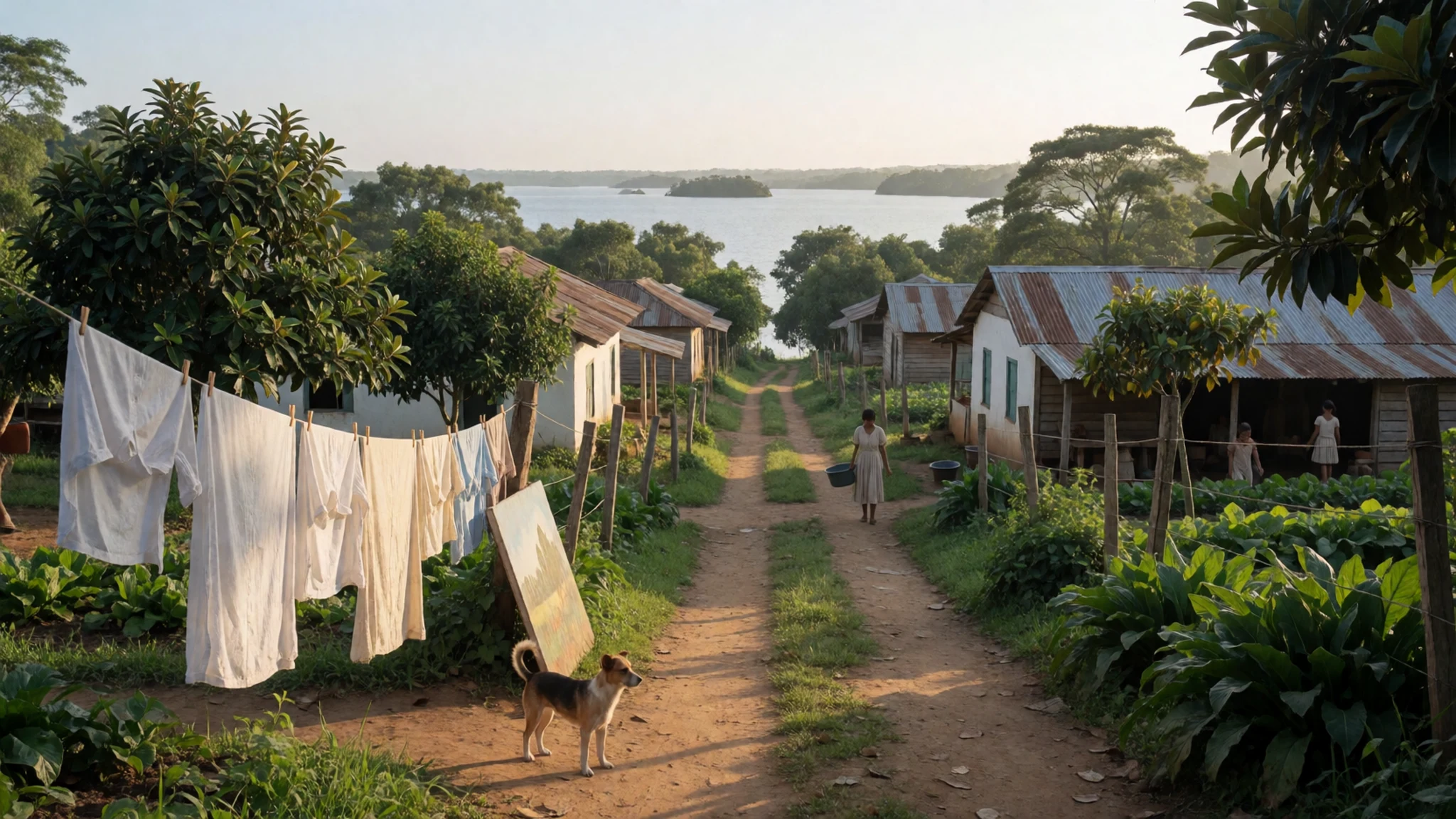
- Mancarrón — Mancarrón
Mancarrón is the island Solentiname's boats aim for, with the public jetty, the principal village and the church of Nuestra Señora de Solentiname a short walk inland. Houses are simple, paths are unpaved, and the memorial and the painting workshops sit among ordinary homes. It is the place to land, to walk at a slow pace, and to arrange a boat onward to the smaller islands.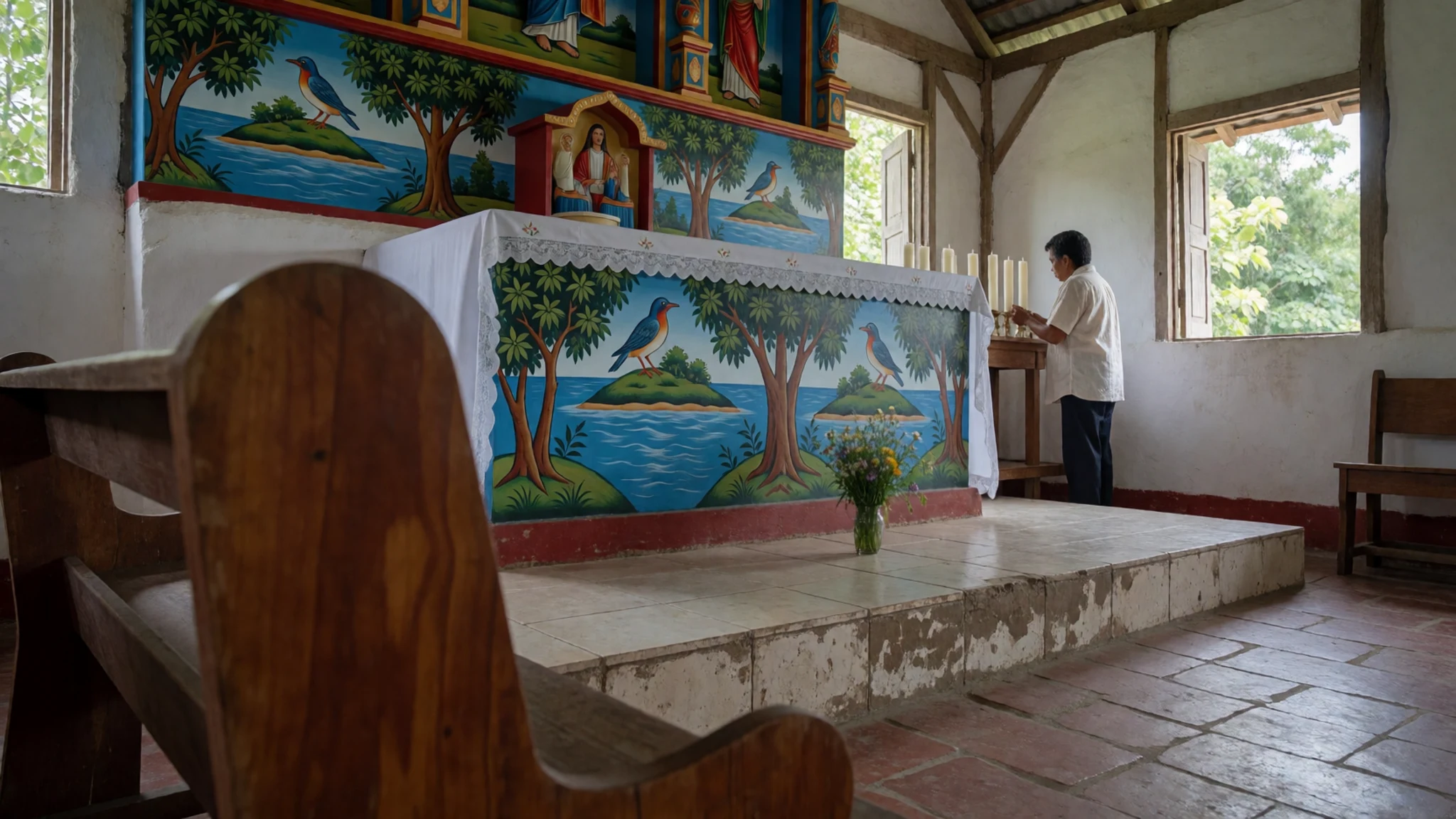
- Iglesia de Santa María — Mancarrón
The church of Nuestra Señora de Solentiname is the parish heart of the archipelago, a modest building whose altar carries the community's own visual tradition. It is where the Gospel discussions associated with Ernesto Cardenal took root, and where painting and worship still share a room. Visitors step into a working church, not a gallery: services, quiet prayer and local art occupy the same small space above the village path.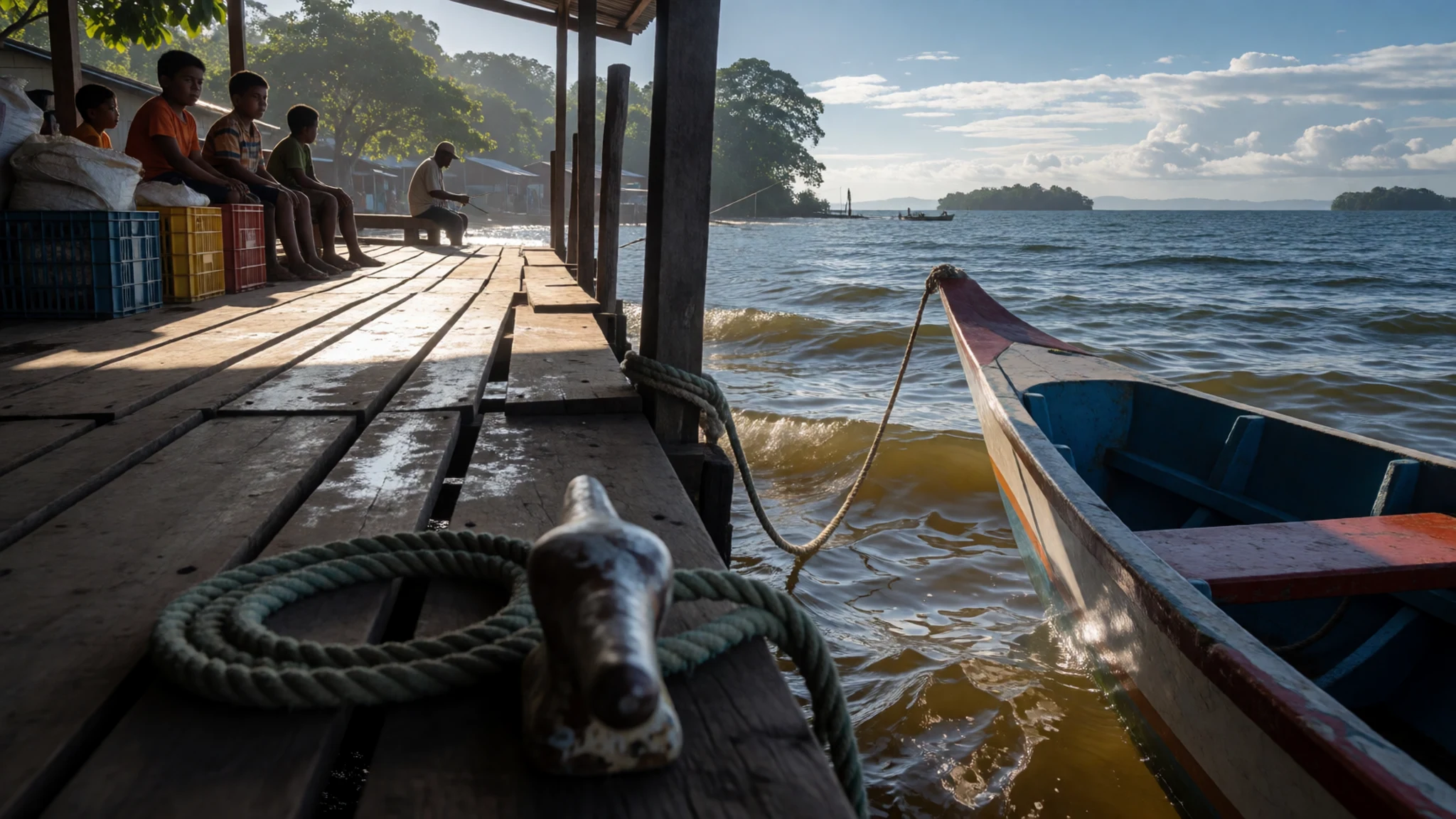
- San Fernando — San Fernando
San Fernando is the other settled island of Solentiname that most travellers add to a short stay, a community of families who fish, farm and paint. The landing is smaller than Mancarrón's, and the walk among the houses is brief. Painters work in the same primitivist tradition, often at home, so a polite visit means waiting to be invited to look.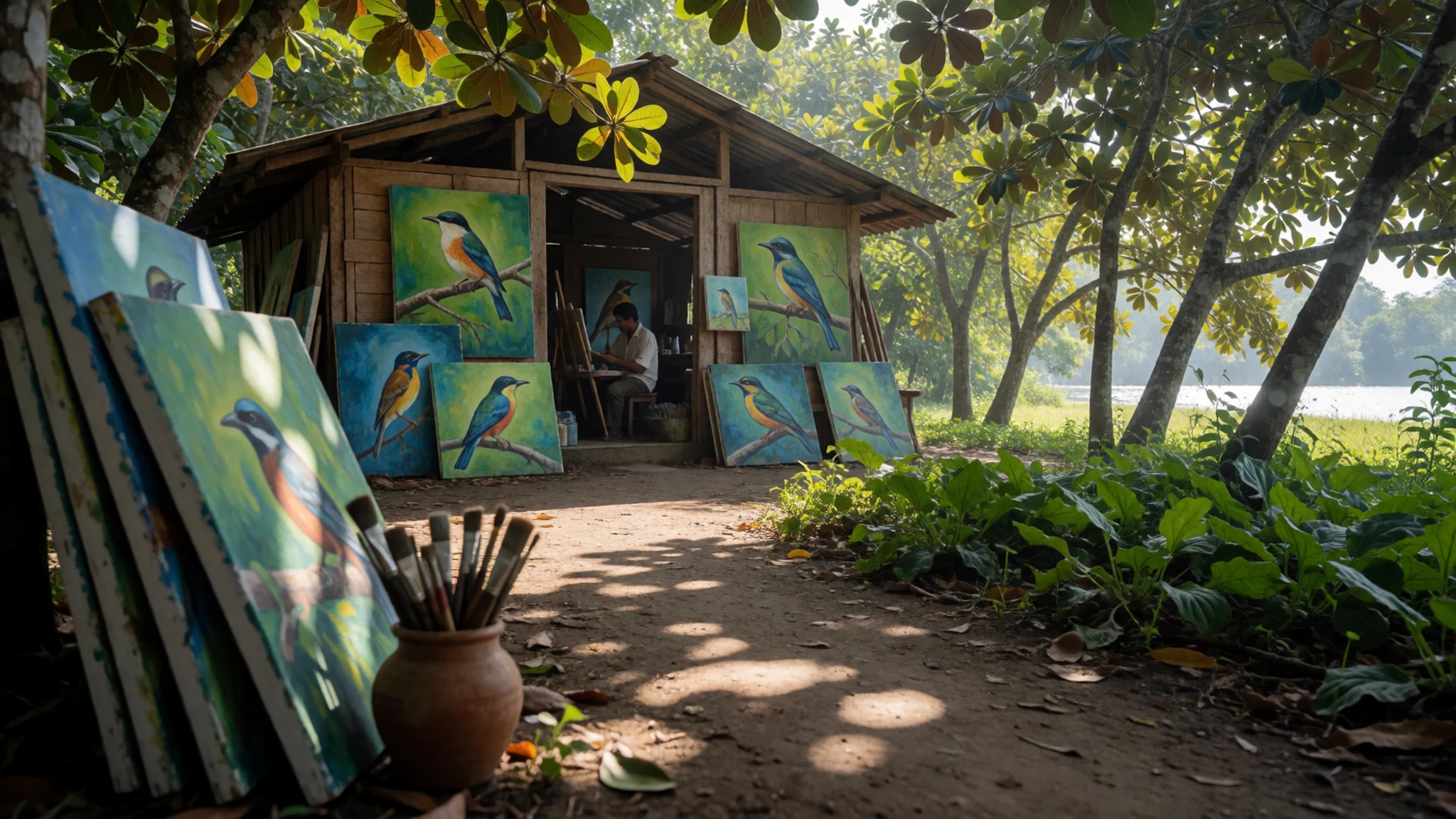
- La Venada — La Venada
La Venada is a quieter inhabited island in Solentiname, reached by the small boats that link the archipelago. Forest comes down toward the water, and the settlement is a handful of houses rather than a village centre. The draw is birdlife along the shore and a short walk under the canopy. Workshops are easy to miss if the boat does not slow, and services ashore are few.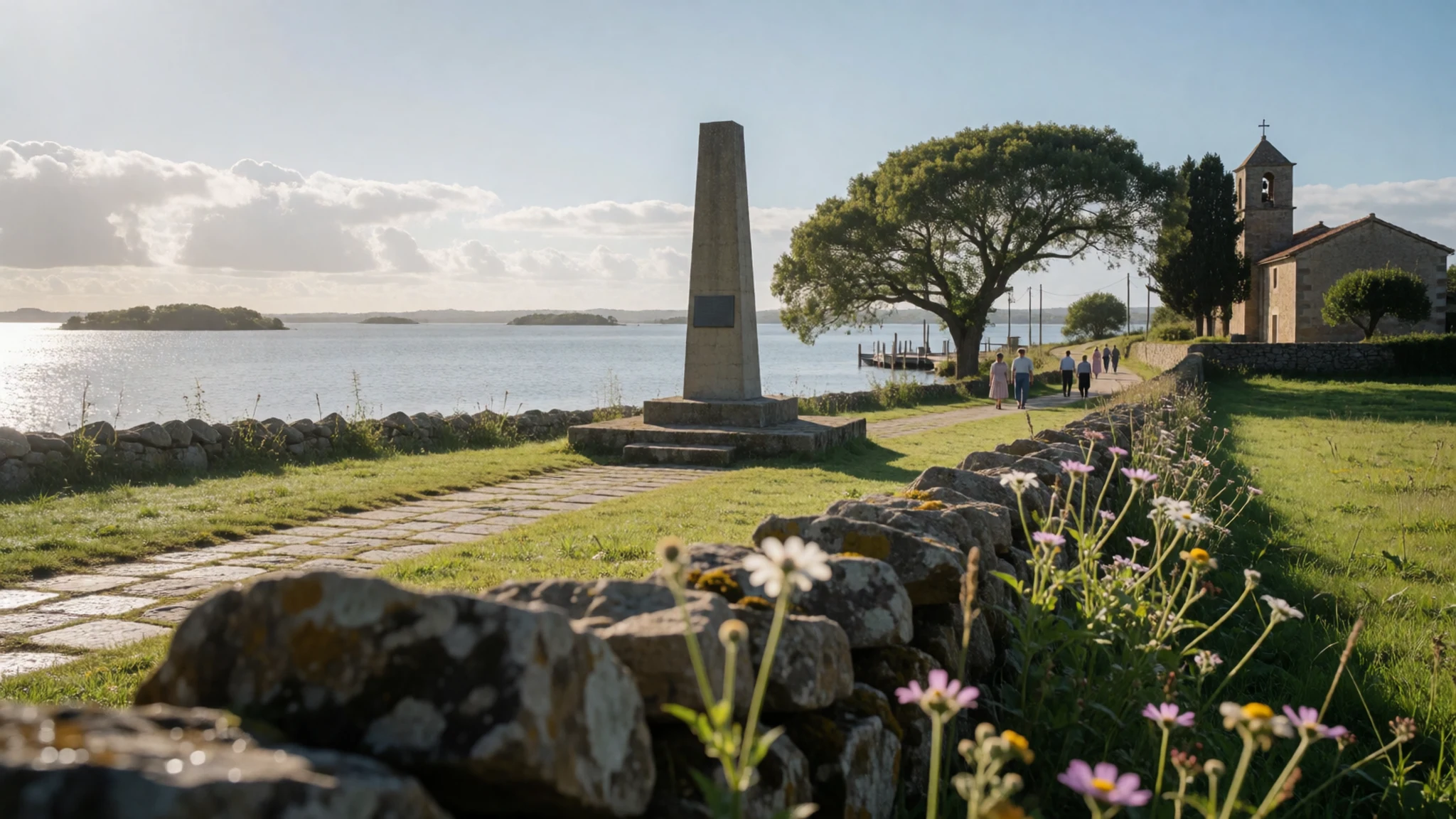
- Lake margin and flor del mar — lake margin of the archipelago
The shore of Solentiname is as much a sight as the villages: tropical forest meeting Lake Nicaragua, with flor del mar (Caesalpinia exostemma) flowering against the green. Herons and other waterbirds use the margins. Shade ends just offshore, so the boat ride is bright and hot. Walking stays on village paths and on tracks a resident indicates. The pleasure is leaves, flowers and birds, not a built viewpoint.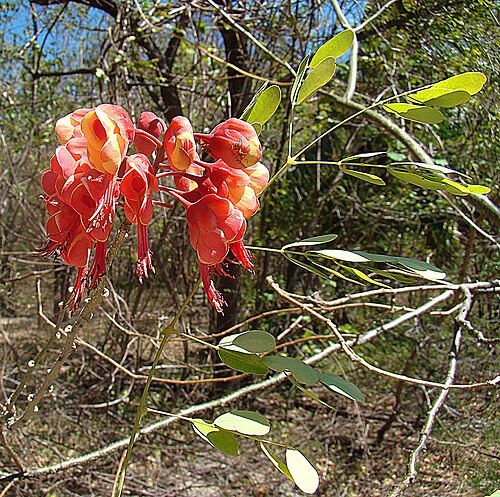
Culture
Culture on Solentiname is parish life held together by painting, carving and the church. Nuestra Señora de Solentiname on Mancarrón is both a place of worship and the symbol of a community that learned to put its own landscape into pigment. The primitivist pictures — birds, boats, dense foliage, biblical scenes set among local houses — are made in homes and small workshops, not in a separate art district. Carvers work balsa into birds and animals, a light wood that suits an island where goods leave by boat. Spanish is the language of ordinary exchange; English is uncommon, and a few phrases of Spanish change the tone of a visit. The week follows weather and the church calendar more than a tourist schedule. Music is mostly what a household plays, and fiestas gather people around the church rather than onto a stage. Families are used to visitors, and they are also used to being stared at. Ask before you photograph a person at a canvas, in a doorway or at prayer, and do not handle paintings that are unfinished or on display.
What to wear
Dress on Solentiname is practical lake clothing, not a costume kept for visitors. What the paintings record, and what the parish still wears for feasts, is light cotton: simple dresses, shirts and trousers in clear colours, with sandals or bare feet on a boat. The fuller national dress of Pacific Nicaragua — a long cotton skirt and a ruffled blouse for women, a guayabera for men — comes out for church feasts and civic days, then goes away again. It is not everyday wear on Mancarrón. Day to day, people wear what the heat allows: T-shirts, shorts or thin trousers, cotton dresses, caps, and rubber boots when the paths are mud. Cloth is chosen because it washes and dries quickly in a humid climate. A visitor should plan for sun, mosquitoes and a church, not for a resort evening. Loose cotton or linen, a long-sleeved shirt, a hat and, in the rainy months, a light waterproof layer will cover almost every hour outdoors. Swimwear belongs on a boat or a quiet shore; shoulders should be covered before anyone walks into the village or into Nuestra Señora de Solentiname. Footwear needs to survive a wet jetty and a root-covered path: sandals that can be soaked, plus closed shoes with a grip.
What to eat
- Guapote frito — family kitchens and small eateries on Mancarrón
Guapote frito is lake fish, fried whole or in pieces, with lime, onion and a little garlic. On Solentiname it is the plate that follows a good catch, usually beside rice and a simple cabbage salad. Cooks on the islands keep the seasoning plain so the fish stays the point.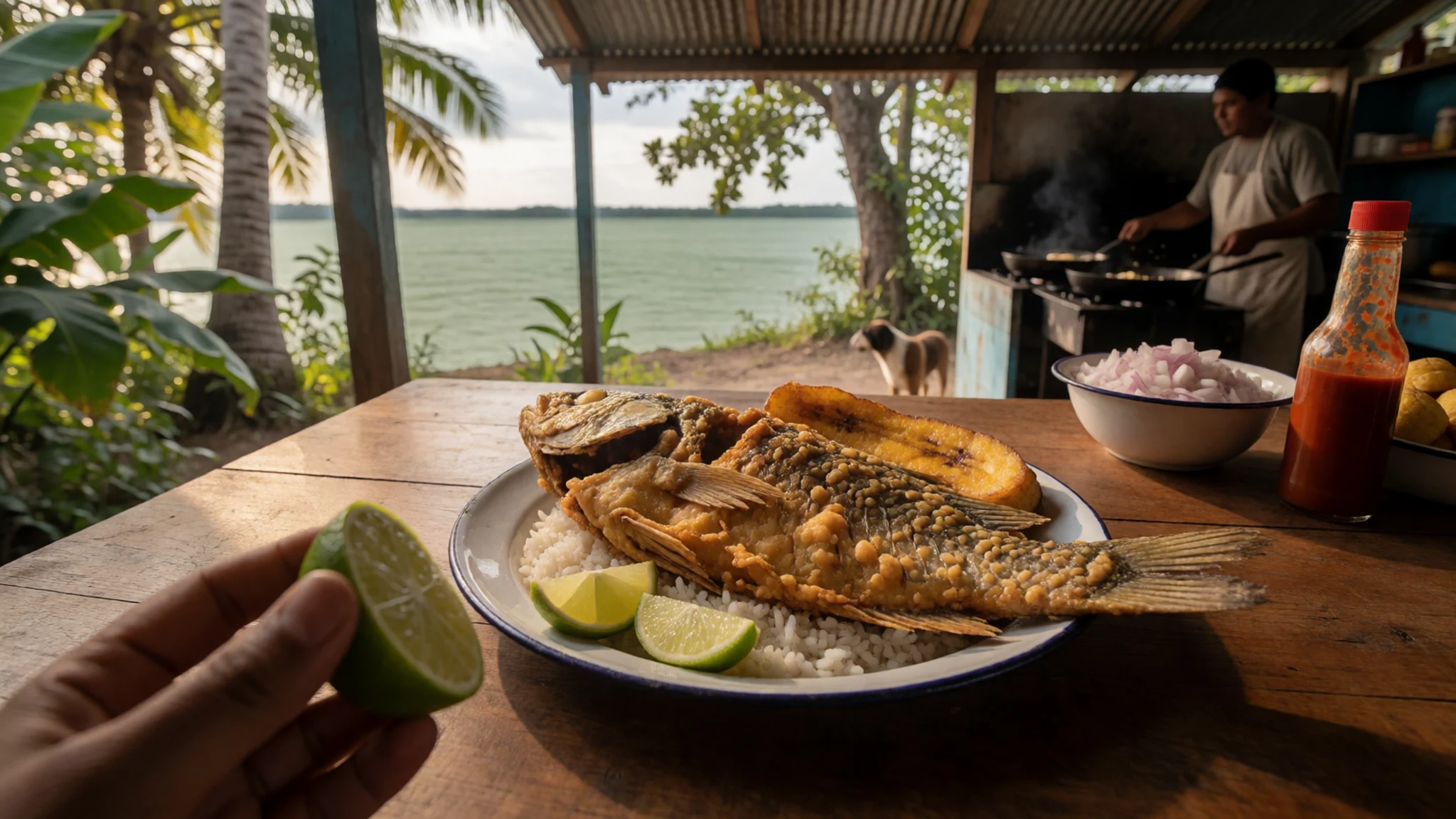
- Gallo pinto — home kitchens and small eateries on the islands
Gallo pinto is rice and red beans fried together, and on Solentiname it is breakfast and the starch beside fish or eggs. A slice of local cheese sometimes sits on top. Home kitchens and the small eateries that feed boat crews cook it every day.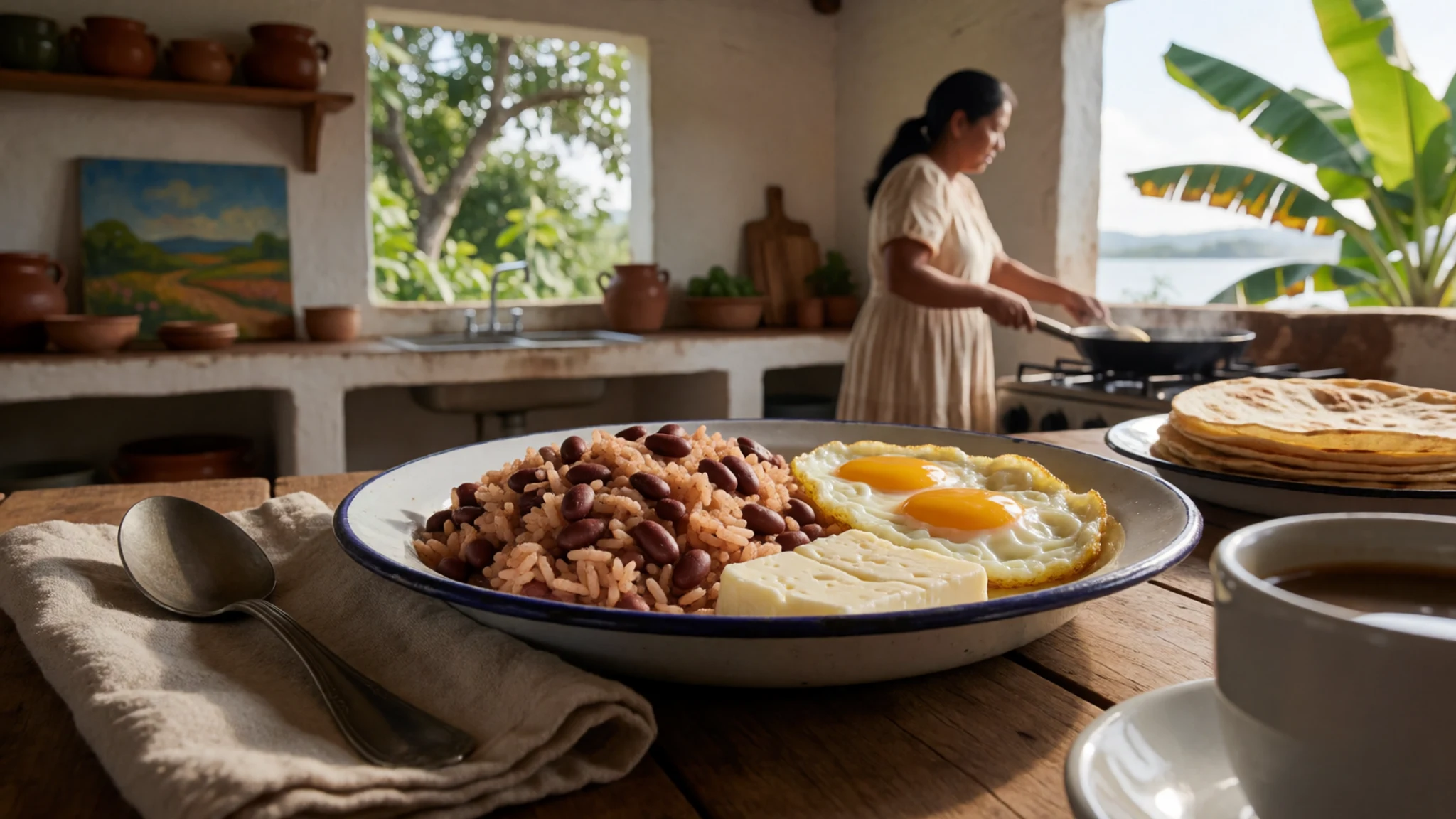
- Tajadas — island kitchens and midday plates on Mancarrón
Tajadas are green plantain, sliced and fried until the edges crisp, served beside fish or chicken across Solentiname. Ripe plantain, softer and sweeter, is the morning version, often with black coffee. Any household that is cooking will have plantain in some form. - Sopa de pescado — home kitchens on Mancarrón and San Fernando
Sopa de pescado is a light broth of lake fish with plantain or yuca, eaten on Solentiname when a fried plate feels too heavy for the heat. It is midday food, ladled in homes more often than at a counter, and it depends on that morning's catch. - Nacatamal — family gatherings on the islands, and market stalls in San Carlos
The nacatamal is maize dough steamed in a banana leaf, with pork or chicken, rice and a little chilli. On Solentiname it is feast food, not the daily plate. Families prepare it for gatherings, and it also appears in San Carlos while people wait for the boat.
Plan it
Best time. December and January are the most comfortable months on Solentiname: less rain, calmer mornings on the lake and firmer paths. February to May are the hottest months, April the peak, and September and October the wettest, with heavy showers and a rougher afternoon crossing. Travel is still possible then, but boats wait on the weather, so leave slack in the plan.
How long. 2–3
Getting there. Solentiname is reached from Managua via San Carlos, in the department of Río San Juan: overland, or by a domestic flight when one is operating, then a public or hired lancha to the jetty on Mancarrón. No road runs onto the islands. Timetables shift with weather and with how many people are waiting, so confirm the boat in San Carlos rather than trusting a printed hour.
Budget. mid
Tips
- Carry cash; card machines are rare on Solentiname and not worth relying on.
- Confirm the lancha in San Carlos on the day, because the lake decides more than a schedule does.
- Bring insect repellent, a hat and drinking water; shade on the crossing is limited and shops are few.
- A little Spanish goes much further than English once you leave San Carlos.
- Visit painters in daylight and pay the person who made the work.
Etiquette
- Ask before you photograph people, homes or unfinished paintings.
- Cover your shoulders in the church of Nuestra Señora de Solentiname and stay quiet if a service is under way.
- Do not push a hard bargain on a canvas or a balsa figure; the workshop is someone's house.
Nearby
Sources
- Wikidata (CC0)
- Wikipedia (CC BY-SA 4.0)
- Wikivoyage (CC BY-SA 4.0)
Wildlife
- Toucan (animal)
The keel-billed toucan is a forest bird with an enormous, rainbow-coloured beak that children never forget. It feeds on fruit and seeds, and also takes insects, lizards and the eggs of other birds. Local neighbours have painted toucans in strong, flat colours, so you may meet one in art before you meet it in the trees. The notes do not say when or where to find it, so ask a guide. Stay quiet, keep your distance, and never feed it.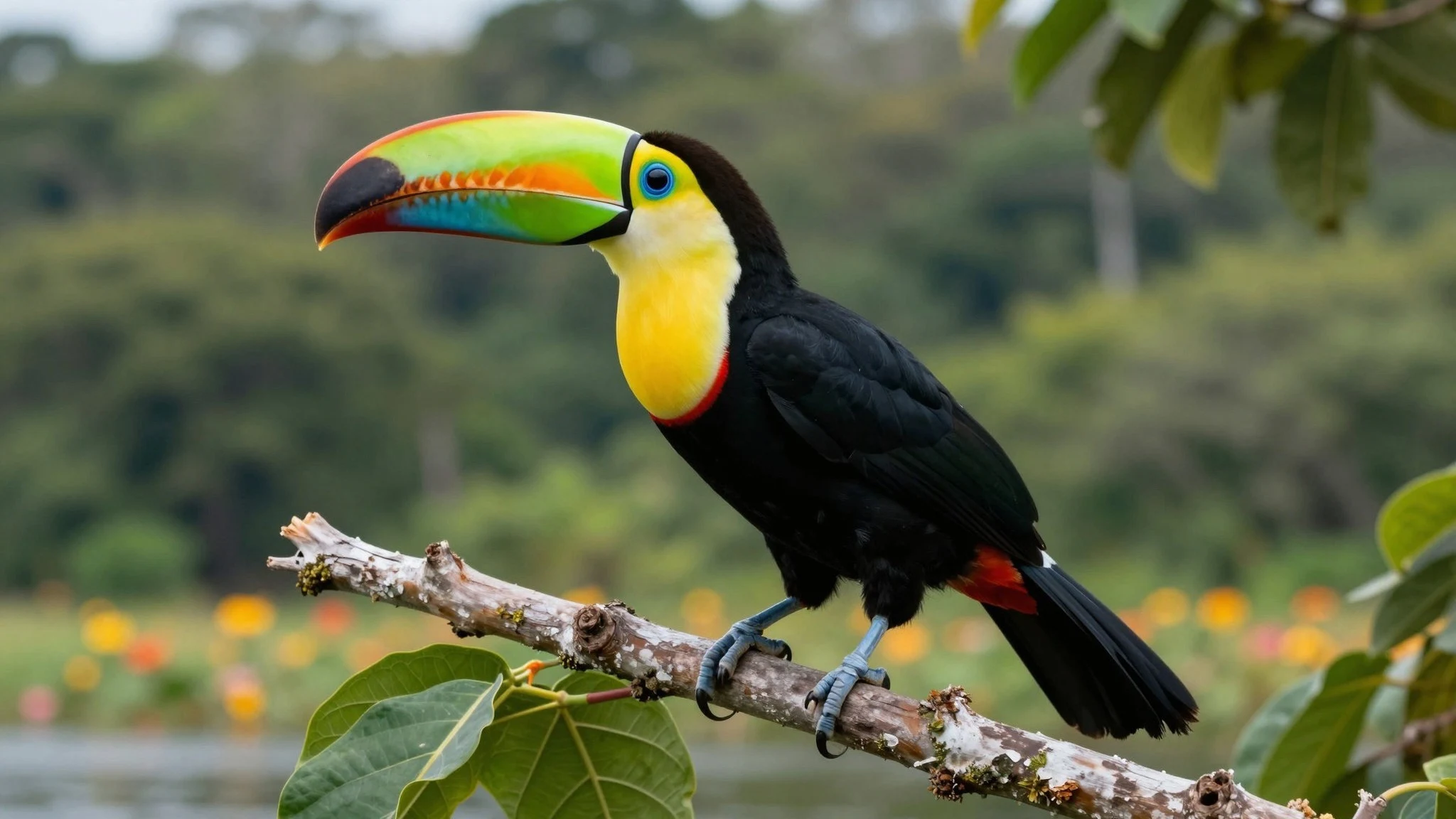
- Keel-billed toucan (bird)
The keel-billed toucan is a forest bird with an enormous, rainbow-coloured beak that children never forget. It feeds on fruit and seeds, and also takes insects, lizards and the eggs of other birds. Local neighbours have painted toucans in strong, flat colours, so you may meet one in art before you meet it in the trees. The notes do not say when or where to find it, so ask a guide. Stay quiet, keep your distance, and never feed it. - Heron (animal)
The cocoi heron is a tall, pale grey bird that stands on stilt-like legs in the water, like a patient fisherman. Look for it in the early morning, when the lake lies smooth and still and herons stalk the edges, hunting fish and crustaceans. Its soft grey coat and darker cap suit the quiet light. Watch from a good distance, keep your voice low and your movements slow, and ask a local guide where to look. Never feed it; it catches its own breakfast.