Sitka
Sitka, United States
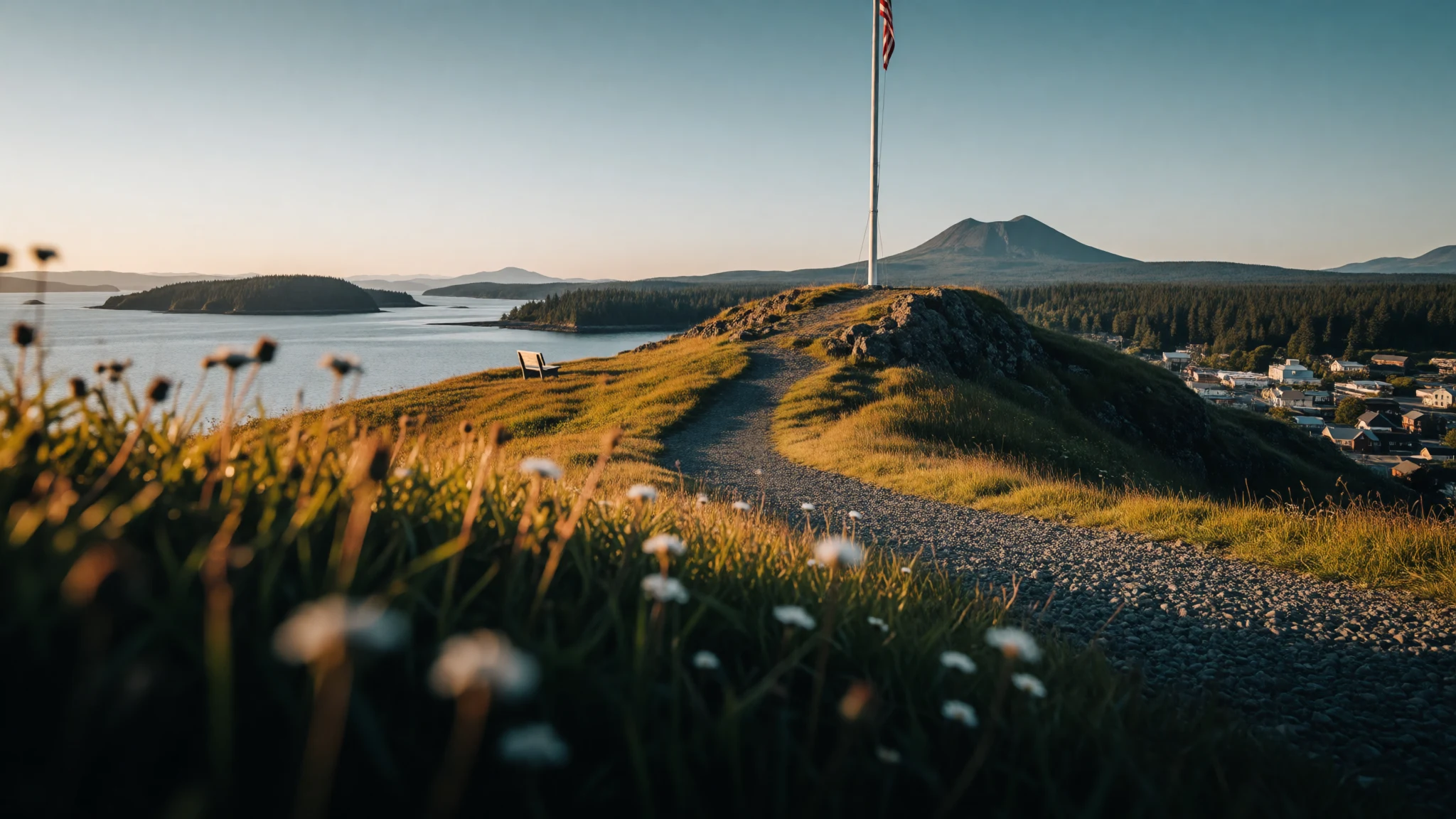
Sitka is a small Alaskan town reached only by air or sea, where Tlingit and Russian histories sit among forested mountains and open Pacific water.
The place
Sitka sits on the outer coast of Baranof Island, in the Alexander Archipelago of south-east Alaska, facing the open Pacific rather than the calmer inner channels. About 8,500 people live here, at an elevation of just 8 metres, with forested mountains rising almost straight from the shoreline. The borough also takes in part of Chichagof Island, and most of its vast area is water and wilderness rather than streets. The town itself is a compact cluster around a harbour and can be crossed on foot in a short time. No road leads out of it. Sitka is reached only by air or by sea, and that fact shapes everything: how goods arrive, how people plan trips, and the sense of living on an edge. The Tlingit name, Sheetʼká, is usually understood as 'people on the edge of Shee', Shee being the Tlingit name for Baranof Island. The climate is oceanic, meaning cool, mild rather than truly cold, and wet. Rain can fall in any month, so the honest plan is waterproofs and flexible days rather than hoping for a dry week. Fishing and seafood processing support a good share of households, and many residents still gather fish, deer, berries, seaweed and mushrooms for their own tables. In summer cruise ships arrive and the centre fills on those days; on others it is quiet, with fishing boats in the harbour and Russian-era and Tlingit history within a few streets of each other.
Its story
Sitka's recorded story is one of competing claims over the same shore. The Tlingit had lived on this coast long before outsiders arrived, and the town's name comes from their language. In 1799 Russian traders working for the Russian-American Company, under the governor Alexander Baranov, built a fort here, which they called after the Archangel Michael. It did not last long. In 1802 Tlingit warriors destroyed the settlement and killed many of the Russians, and the survivors had to be bought out of trouble with a ransom paid to the captain of a British ship. Baranov came back in 1804 with a much larger force, including the naval ship Neva. Its bombardment of the Tlingit fortification failed to do serious damage, and an assault on the fort by Russian troops was beaten back. The Russians nonetheless re-established themselves, and the town, renamed New Archangel, became the capital of Russian America. That era ended in 1867, when Alaska passed from Russia to the United States and the flags were exchanged on Castle Hill. The Russian name faded, but the onion-domed church, the street names and the Tlingit place-name all remain, so the town reads as layers rather than a single chapter.
What to see
- Sitka National Historical Park — Edge of town, by the shore
Sitka National Historical Park protects a shoreline linked to Tlingit and Russian history. Its visitor centre houses museum displays and the Southeast Alaska Indian Cultural Centre, and totem poles stand in the grounds. There is no food service or lodging inside, so bring supplies and a waterproof layer. - Castle Hill — Downtown, by the harbour
Castle Hill is a National Historic Landmark and former site of the governor's residence in Russian days. It is where the Russian flag came down and the American flag went up in 1867. The climb is short, and the view over the harbour and islands explains why the site mattered.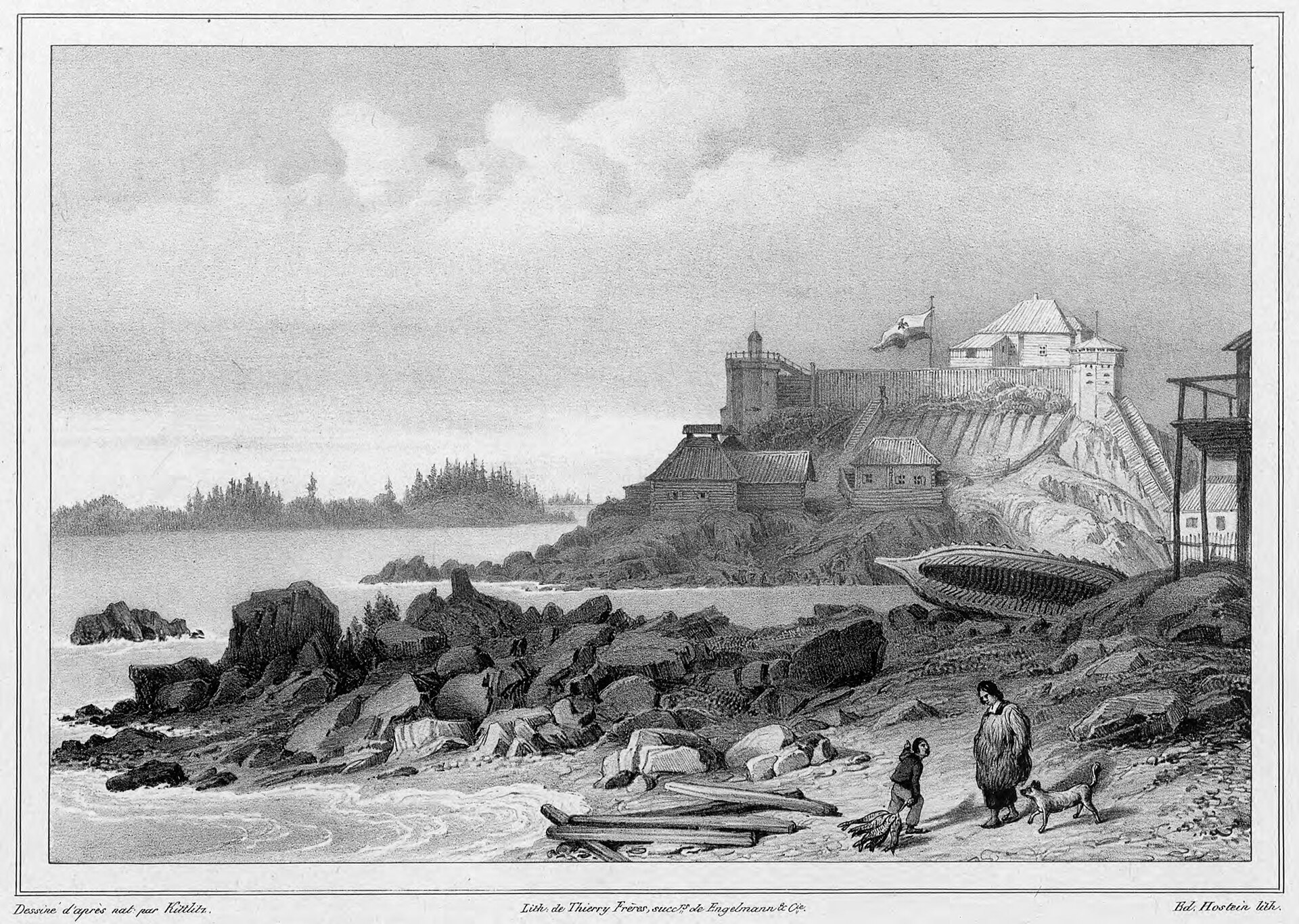
- St Michael's Russian Orthodox Cathedral — Downtown, main street
St Michael's Cathedral is a National Historic Landmark built in the mid-nineteenth century as the seat of Orthodox life in Russian America. It stands in the middle of town and remains a visible sign of Russian influence. Check opening arrangements locally, since visiting hours can change with services. - Sheldon Jackson Museum — Near the campus, east of downtown
The Sheldon Jackson Museum holds Alaska Native cultural and historical objects collected by the Rev. Dr Sheldon Jackson, who drove its construction. It rewards a slow visit for the range of everyday and ceremonial items from different Alaskan peoples. Look at the official site for current opening times. - Fortress of the Bear — Outside the centre, on the road north
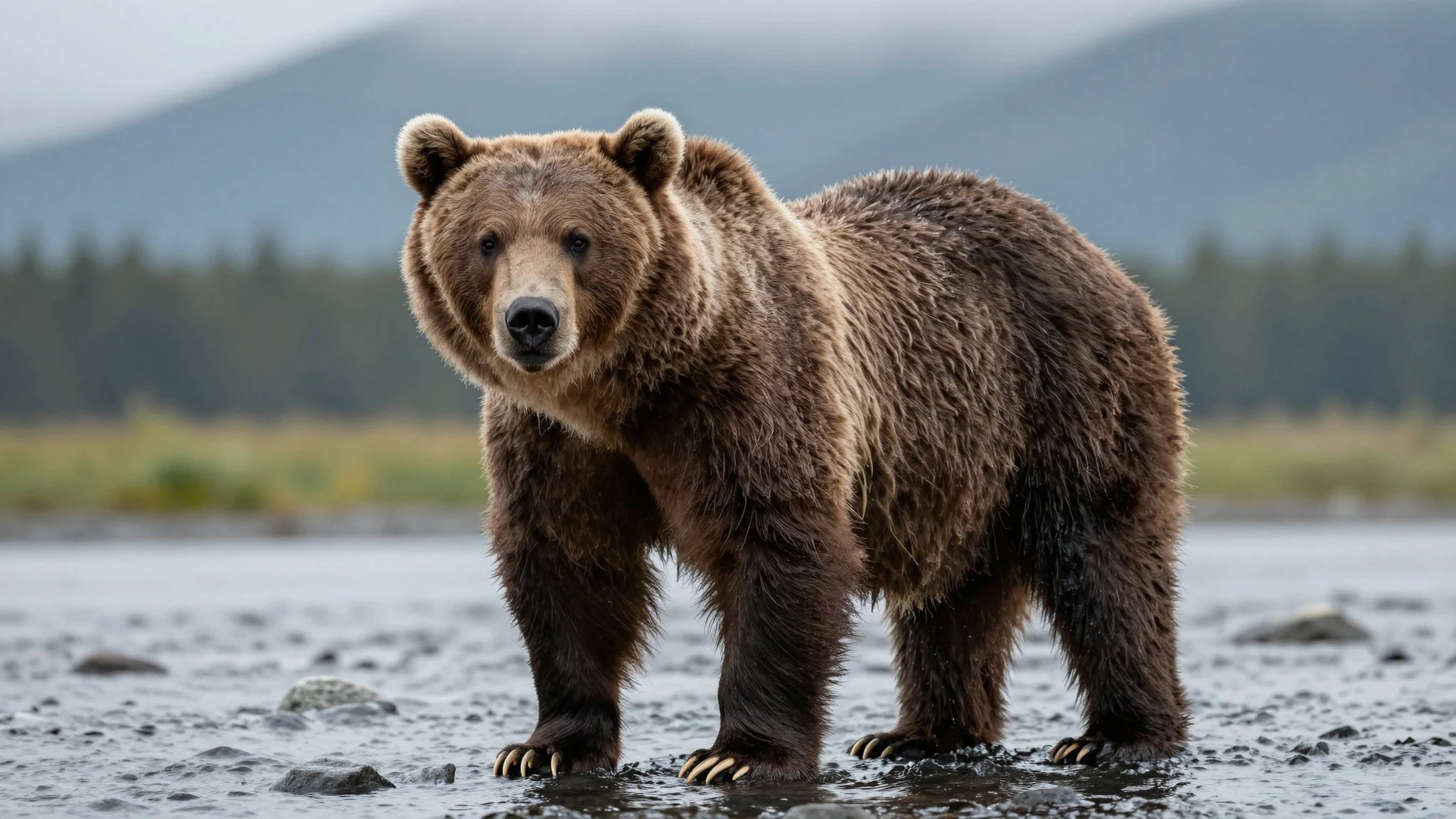
Fortress of the Bear is a non-profit education and rescue centre for orphaned brown bear cubs. The animals live in a fenced habitat with covered viewing areas, so watching is possible in wet weather. It is a good option for families, and a reminder that these animals are wild neighbours here.
Culture
Sitka's culture grows from three strands: Tlingit heritage, the Russian colonial period, and the working life of a fishing town. Tlingit clans, art and language remain present in the town, in totem poles, carving, weaving and dance, and in the way people speak about the land and sea as a source of food. The Russian layer shows in the Orthodox church, historic buildings and names, and the town has 22 buildings and sites on the National Register of Historic Places. Each year on 18 October Alaska marks Alaska Day, the anniversary of the transfer from Russia, and Sitka holds a week-long festival around it, with a reenactment of the ceremony, museum programmes, tours of historic buildings, Native dancing, food and writing contests. The first recorded festival was held in 1949. Daily life is small-town and practical: many residents fish, hunt and gather, boats and weather set the plans, and neighbours tend to know one another. Visitors will find the town welcoming but not built around them, and quieter outside the days when cruise ships are in port. Treat totem poles, museum objects and Native cultural sites as living heritage rather than scenery, and ask before photographing people, especially dancers and elders, or taking pictures at ceremonies.
What to wear
Sitka's traditional dress belongs mainly to Tlingit ceremony. Regalia includes button blankets, usually wool with clan crests picked out in shell buttons, and woven robes in Chilkat and Ravens Tail styles, made from mountain goat wool and cedar bark. Carved and painted wooden headdresses and hats are worn at gatherings, dances and celebrations, not as everyday clothes. Russian-era influence shows more in history than in daily wear. Day to day, people dress for weather and work: waterproof jackets, fleece, wool hats, and rubber boots or sturdy shoes, with sweaters and jeans in the evening. Fishermen's gear is a common sight near the harbour, and nobody dresses up much for restaurants or bars. Visitors should dress in layers, because mild temperatures swing with wind and rain. A real waterproof jacket and waterproof trousers or a good poncho matter more than style, and quick-drying fabrics beat cotton. Bring comfortable, grippy walking shoes or boots for wet pavements, forest paths and slippery shoreline rocks. Nothing special is required at churches or museums, though modest, neat clothes are respectful at the cathedral, and a hat or scarf is useful for sun, wind and rain alike.
What to eat
- Wild salmon — Seafood restaurants and the working harbour area
Salmon is the staple of Sitka's table, grilled, smoked, baked or cured. Seafood work supports many local households, and the fish is eaten both from commercial catches and from personal harvests. Ask what is in season and how the fish was caught. - Halibut and chips — Casual eateries near the harbour
Halibut is a mild white fish that turns up battered and fried, or pan-seared, on many menus. It is simple, filling food that suits a wet day, and a reasonable first meal after the ferry or flight. - Smoked and cured fish — Seafood shops and processors in town
Smoked and cured fish are a long-standing way to keep a catch through the year, and Sitka's shops often sell them packed for travel. Check carriage rules for your onward journey before buying large amounts. - Seaweed and foraged foods — Local events and craft or farm stalls, seasonally
Many Sitkans gather seaweed, berries and mushrooms, along with fish and deer, for their own use. Visitors may meet these as jams, seasonings or small dishes at community events rather than as standard restaurant fare. - Fresh coffee and baking — Coffee houses in the downtown centre
Coffee culture is well established here, with freshly roasted beans, espresso drinks, bagels and baked breakfast pastries to warm up after wet morning walks. It is an easy way to meet locals and plan the day around the weather.
Plan it
Best time. May to September, when the ferries and cruise ships run most fully and days are mild and long. Sitka's climate is oceanic: cool, with plenty of rain in any month, so even summer needs waterproofs.
How long. 2–3
Getting there. Sitka is reachable only by air or sea. Fly into Sitka's airport and take a shuttle or taxi into town, or arrive on an Alaska Marine Highway ferry, which runs year-round and carries vehicles. Large cruise ships dock north of town and run a free shuttle to the centre; others anchor in Crescent Harbor and ferry passengers ashore by tender.
Budget. high
Tips
- Book flights, ferries and rooms well ahead for summer, as options are limited on an island with no road out
- Pack waterproofs and layers; rain should not cancel plans
- Check which days cruise ships are in port, and visit the main sights on quieter days or early in the morning
- Carry some cash, as a few small bars and shops do not take cards
- Check the official city site for current local information: https://www.cityofsitka.com
Etiquette
- Ask before photographing people, dancers or Native ceremonies
- Keep a respectful distance from wildlife, including bears
- Treat totem poles and historic sites as cultural heritage and do not climb or touch them
Nearby
Sources
- Wikidata Q79804 (CC0)
- Wikipedia: Sitka, Alaska (rev 1385451715) (CC BY-SA 4.0)
- Wikivoyage: Sitka (rev 5418290) (CC BY-SA 4.0)
- Photo: Downtown Sitka 1984, Gillfoto (CC BY-SA 4.0)
- Photo: New Archangel, 1805, Lisiansky (Public domain)
- Photo: 1827 illustration of Castle Hill (Old Sitka, Alaska), Postels (Public domain)
- Photo: Sitka, Group of Distinguished Chiefs (1868), Eadweard Muybridge (Public domain)
- Photo: Sitka (Alaska) - NARA - 297241 (Public domain)
- Photo: Sitka Harbor (CC BY-SA 2.0)
- Photo: A picture of the town of Sitka, VermontPowderKing (CC BY 4.0)
- Photo: Sitka, 1805, Lisiansky (Public domain)


Wildlife
- Brown bear (animal)
The brown bear is a big, powerful bear with a muscular hump on its shoulders and wide paws made for digging, and its fur can be anything from cream to reddish to deep brown. In Sitka, the place to meet them is Fortress of the Bear, a non-profit rescue and education centre caring for orphaned cubs. Check with the centre for the best times to visit. Watch quietly, keep a respectful distance, and never feed any bear.