Denali
Denali, United States
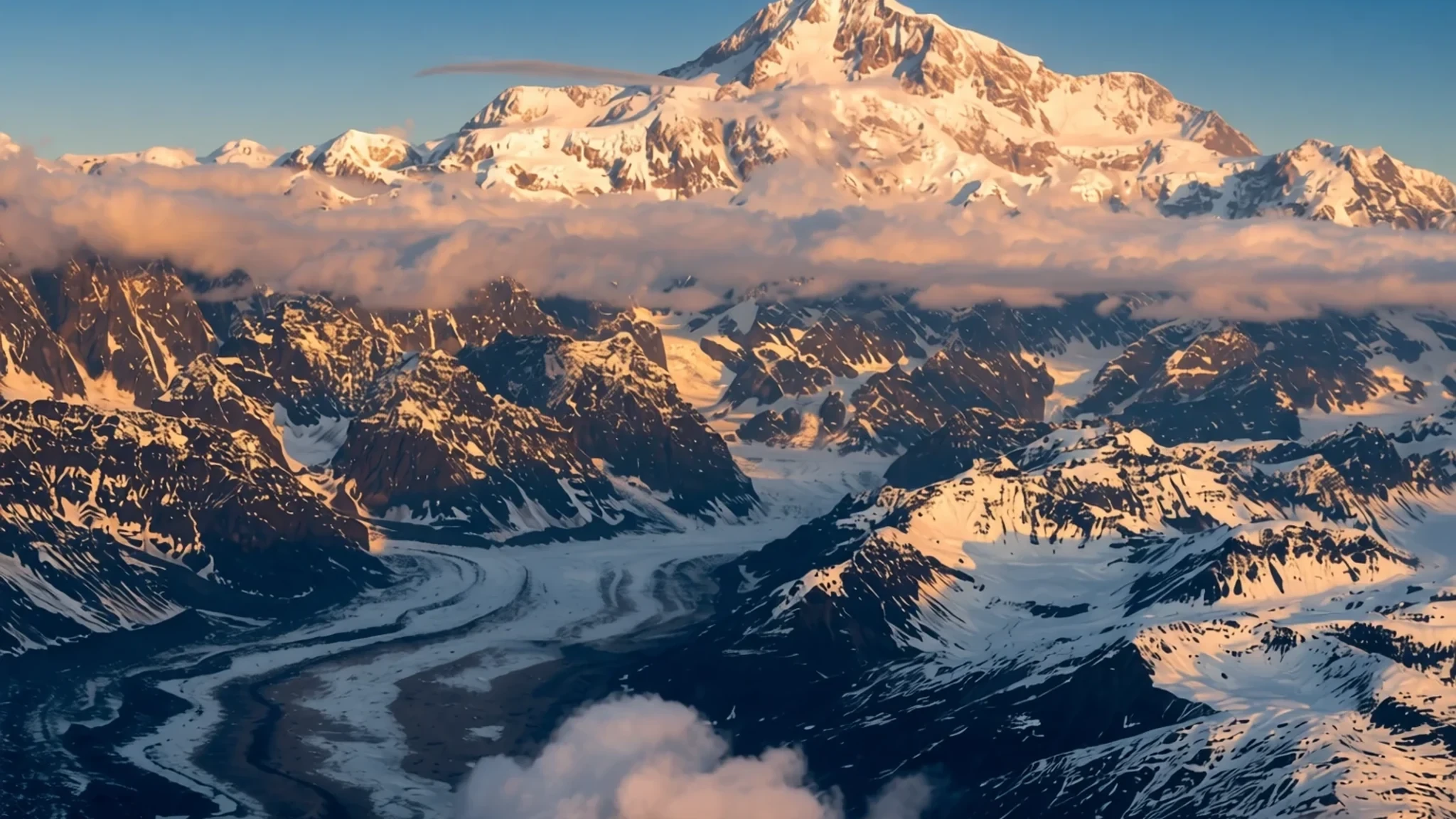
Visit Denali to experience immense subarctic wilderness, braided glacial rivers, and the soaring peak of North America's highest mountain.
The place
Denali National Park and Preserve is anchored in Interior Alaska around the colossal granite massif of the continent's tallest peak. The landscape transitions dramatically from low-elevation deciduous taiga forest to mid-level alpine tundra, eventually giving way to permanent glaciers, deep snowfields, and bare rock at the highest elevations. Glacial valleys carve southward out of the central range of the mountains, while broad river valleys stretch northwards toward rugged hills. The park and contiguous preserve encompass a vast territory, stretching across a landscape larger than some eastern states. Road access is intentionally limited, preserving an immense sense of solitude and protecting the fragile ecosystems where wildlife roams freely. Winter brings deep snow and freezing temperatures, transforming the park into a quiet realm suited for dog sledding and cross-country skiing, while the brief summer unlocks a rush of green growth, blooming tundra flowers, and nesting migratory birds. Visitors arrive here seeking untamed vistas and the chance to spot large mammals roaming across wide river bars and sloping hillsides under endless northern skies.
Its story
Human history in the Denali region stretches back more than ten millennia, with early archaeological evidence documenting ancient hunting camps nestled within the river valleys. Due to the high altitude, harsh winter conditions, and scarce resources at upper elevations, most historical sites are temporary camps rather than permanent settlements. Athabaskan peoples have inhabited the broader region for generations, with principal communities including the Koyukon, Tanana, and Dena'ina groups maintaining deep cultural ties to the land, waterways, and wildlife populations. Modern preservation efforts began when conservationist Charles Alexander Sheldon proposed protecting the region to ensure the survival of its native fauna. His advocacy eventually led to official protection in the early twentieth century. Over the decades, the park expanded significantly in both acreage and scope, incorporating broader wilderness tracts and formal recognition under international conservation frameworks. Today, the park balances public appreciation with rigorous scientific research, studying everything from ancient geological timelines to contemporary climate shifts across the northern interior.
What to see
- Savage River — Savage River Valley
Nearly every visitor travelling along the main park corridor eventually reaches the Savage River, because standard private vehicle access ends here. Beyond this point, travel relies strictly on park shuttle services, protecting the delicate tundra and wildlife habitats from heavy traffic congestion while offering sweeping valley views.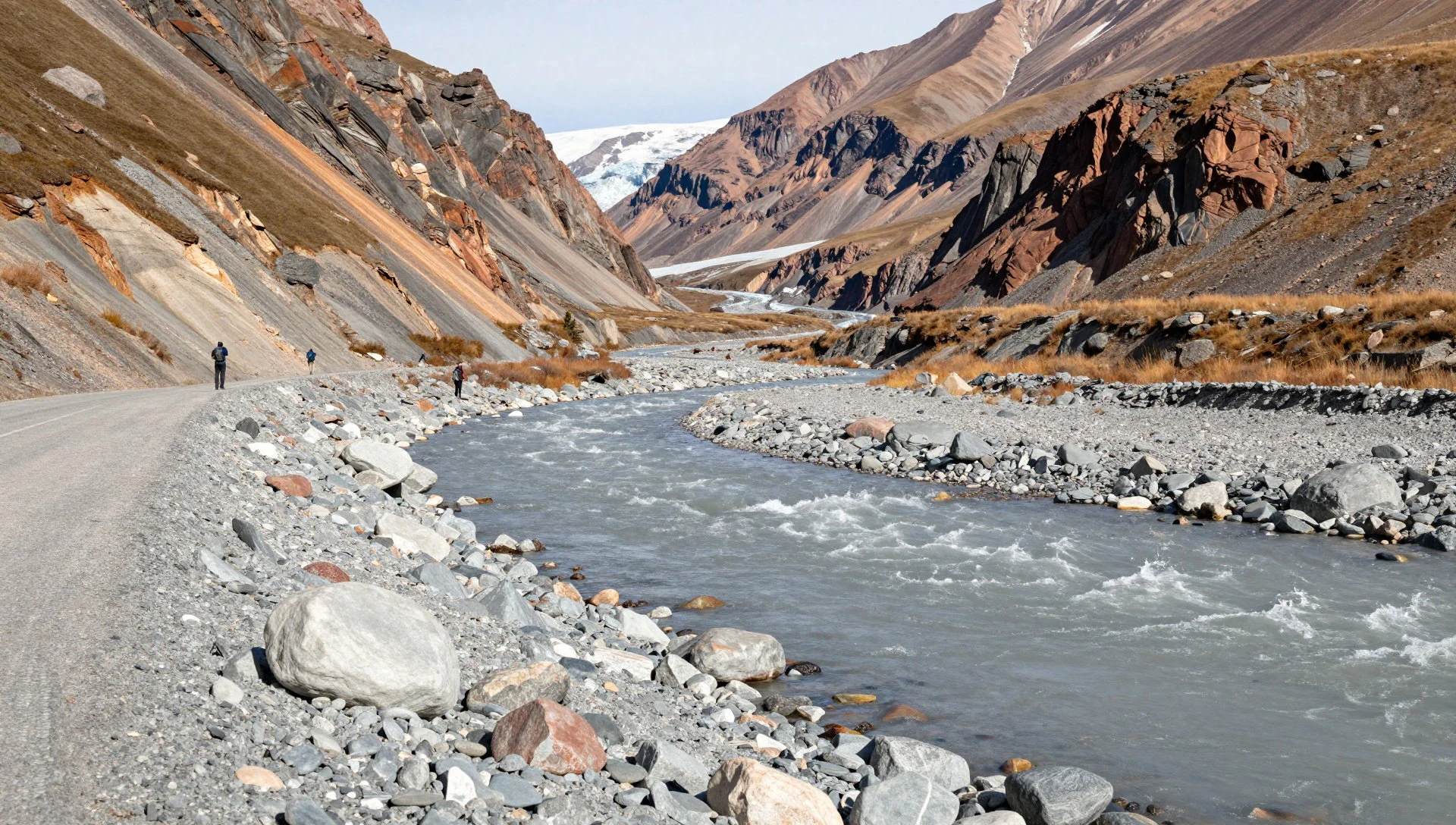
- Polychrome Pass — Central Park Road
Polychrome Pass takes its name from the brilliant, multi-coloured volcanic bluffs that drop steeply away from the ribbon of gravel road. This high viewpoint delivers dramatic panoramas across the winding river valleys and distant peaks of the Alaska Range, but the road beyond Mile 43 has been closed since a 2021 landslide and is not expected to reopen until summer 2027.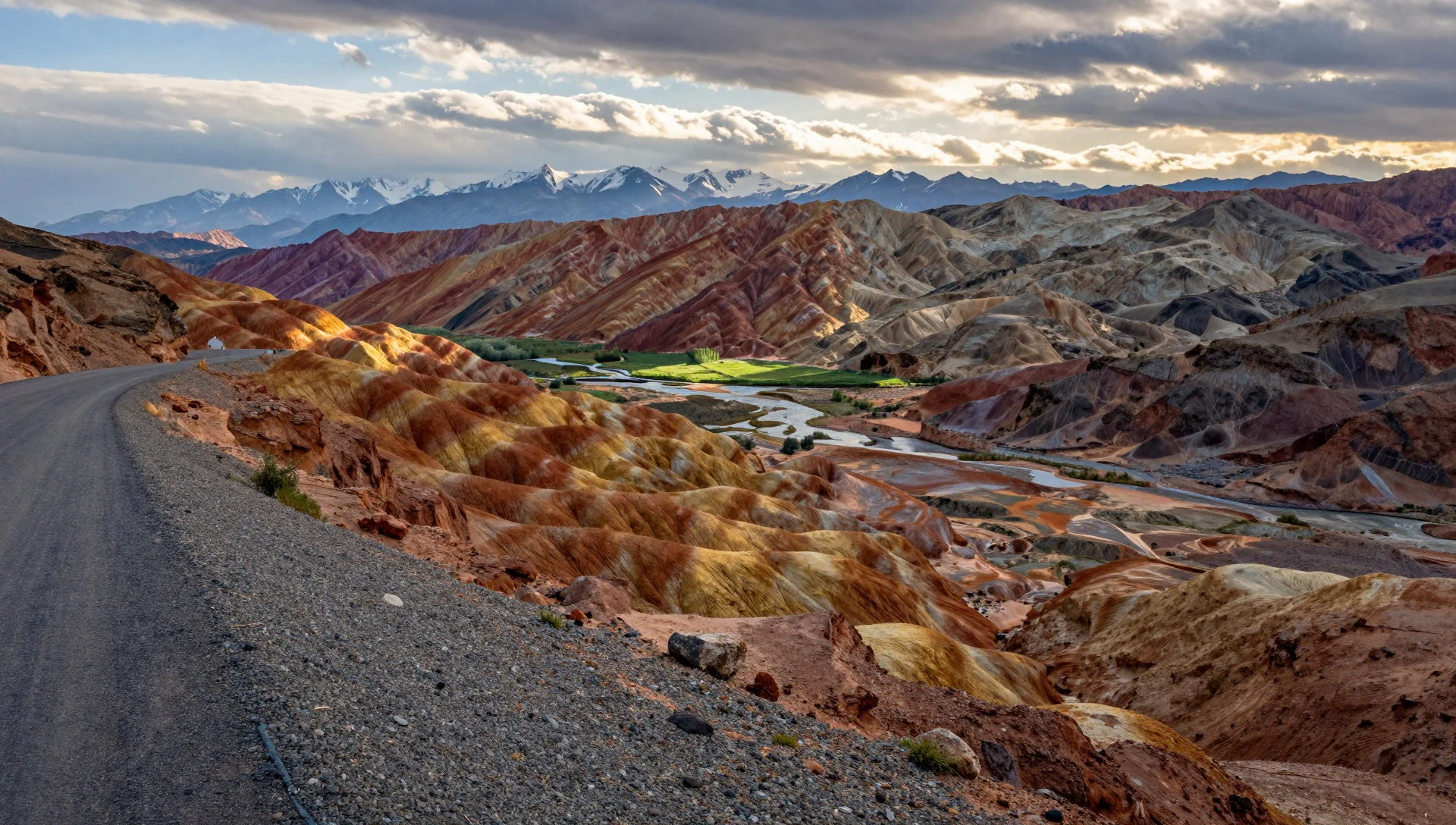
- Eielson Visitor Center — Alpine Tundra Corridor
Eielson Visitor Center welcomes visitors during the brief summer season, perched high in the alpine tundra. On exceptionally clear days when clouds part, the facility provides some of the most striking and direct vantage points of the massive mountain summit towering directly across the sweeping valley below.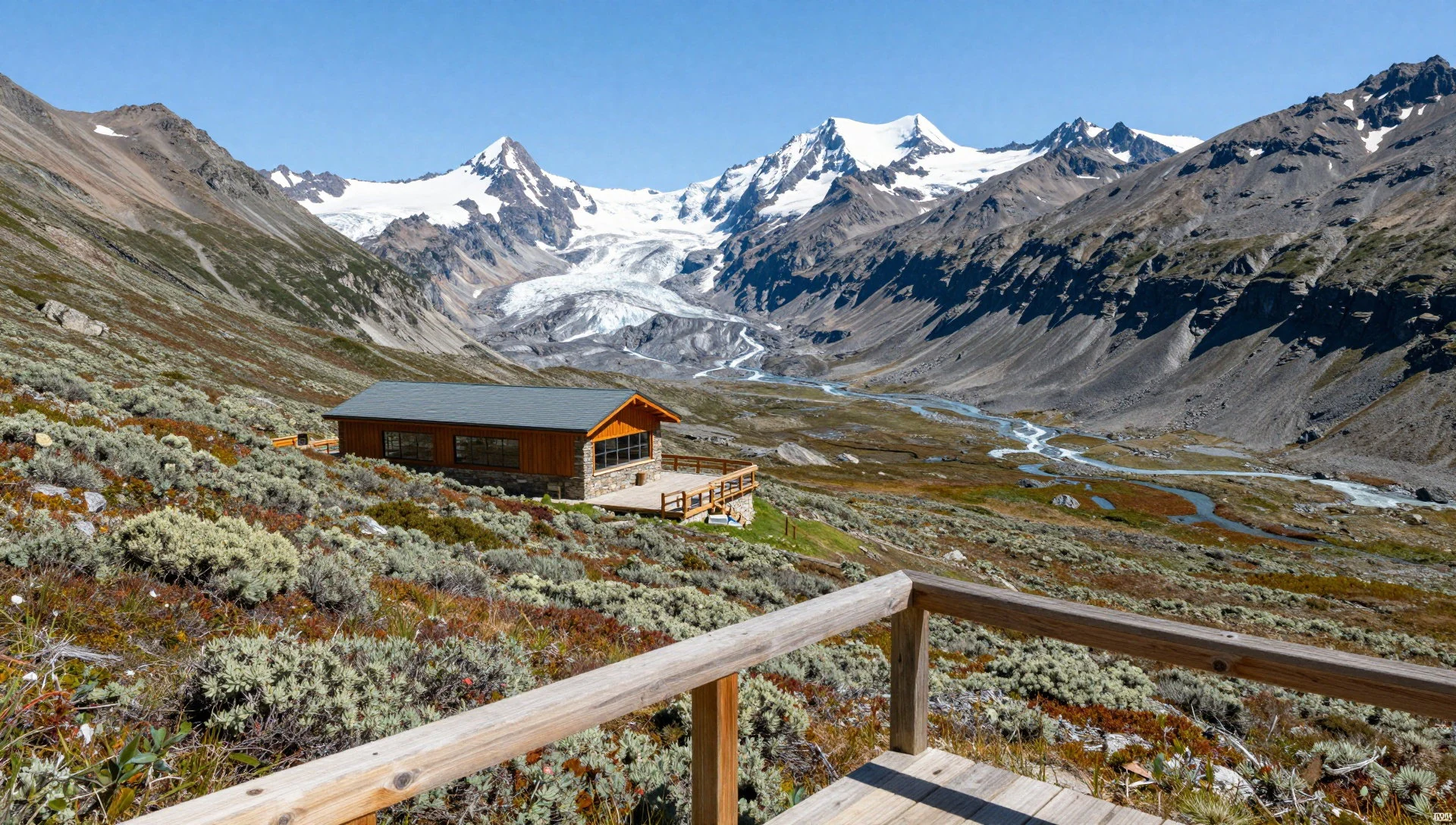
- Wonder Lake — Western Park Road
Wonder Lake sits peacefully near the northern base of the giant peak, immortalised through generations of classic landscape photography. Nearby Reflection Pond captures mirror-like images of the snowy mountain range on calm days, but the western park road beyond Mile 43 is closed, so these views are currently out of reach.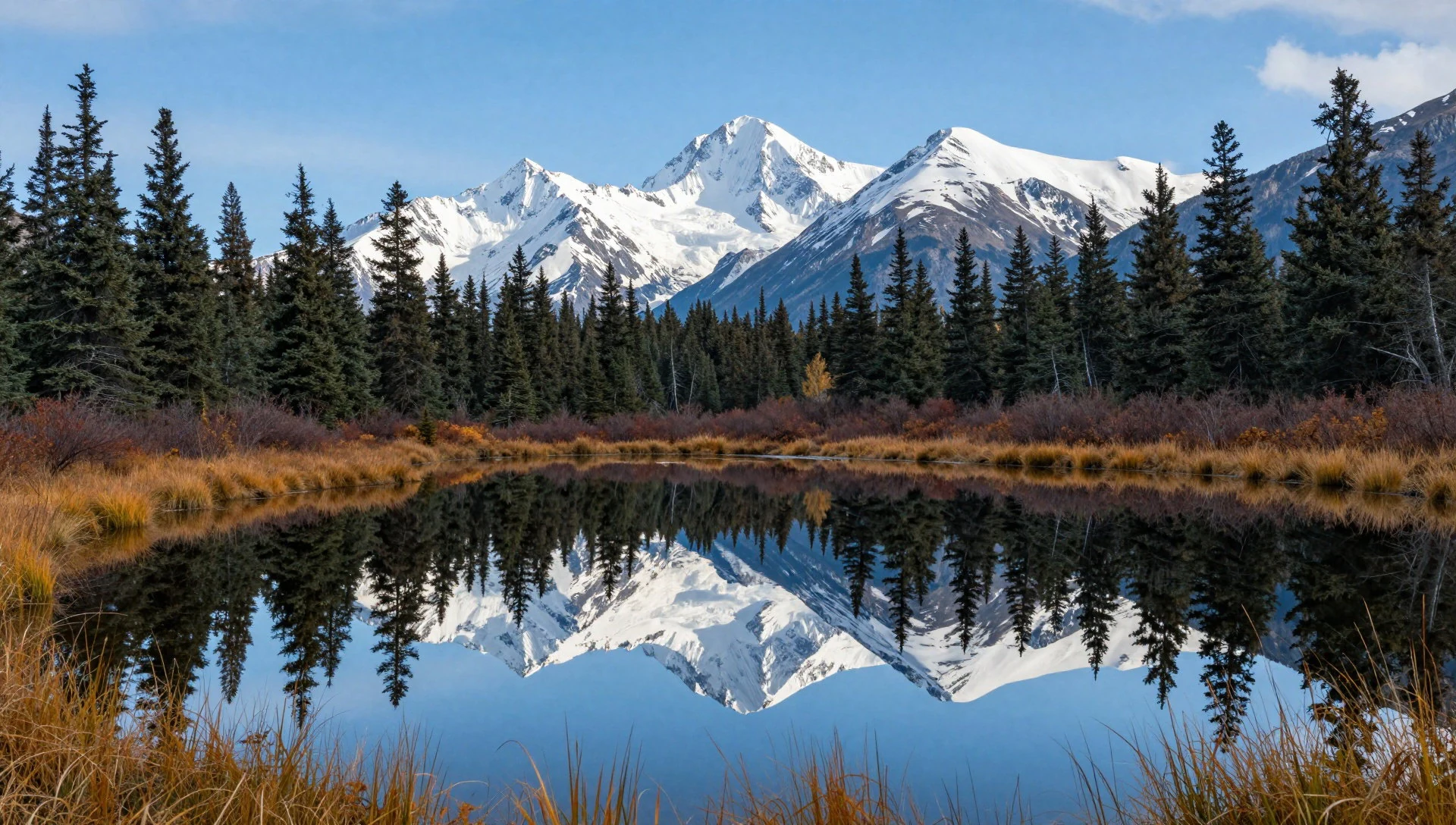
- Sled Dog Kennels — Park Headquarters Area
The park service maintains a dedicated team of working sled dogs to patrol the deep winter wilderness where mechanised vehicles are restricted. During the summer months, the kennels host daily public demonstrations, giving visitors an inside look at how these athletic working animals are cared for and trained.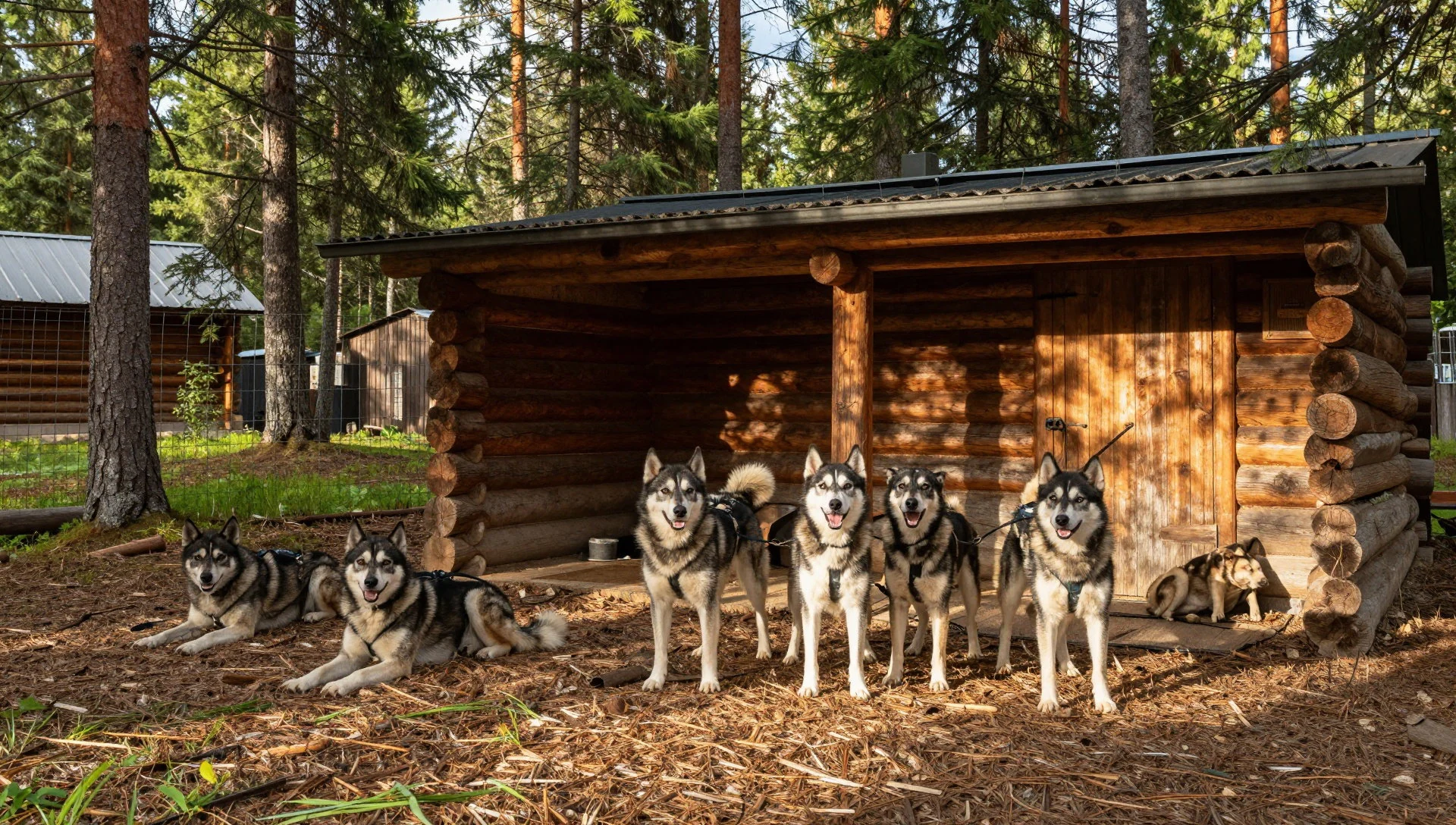
Culture
Denali reflects the deep heritage of Indigenous Athabaskan communities, including the Koyukon, Tanana, and Dena'ina peoples, who have sustainably managed these northern lands for millennia. Modern park culture blends this profound respect for wilderness with the hardy spirit of contemporary Alaskan homesteaders, researchers, and wilderness rangers who thrive in the subarctic climate. Local communities value self-reliance, quiet observation, and environmental stewardship, ensuring that natural habitats remain undisturbed for future generations. Visitors are encouraged to engage thoughtfully with interpretive exhibits, respect wildlife boundaries, and learn about the delicate balance of the northern taiga and tundra. Always maintain a safe distance from all wildlife and pack out every scrap of waste to preserve the pristine condition of the park.
What to wear
Traditional dress across Denali historically centred on functional garments crafted from tanned animal hides and furs, designed by Indigenous Athabaskan groups to withstand extreme subarctic temperatures. Today, locals and park staff dress in modern technical outdoor apparel built for rapid weather shifts, layering moisture-wicking synthetics, fleece, and waterproof shells to handle sudden wind, rain, or snow. Visitors to Denali should pack sturdy, broken-in hiking boots with good ankle support for uneven terrain, waterproof outerwear regardless of the month, and plenty of warm layers including wool socks and a windproof hat. Layering is essential because temperatures can plummet without warning, even during the warmest summer weeks.
What to eat
- Black Bear Coffee House & Cyber Cafe — Entrance Area
Situated just north of the main park entrance, this casual spot serves hot coffee, fresh snacks, hearty sandwiches, and a selection of beer and wine for travellers unwinding after a long day.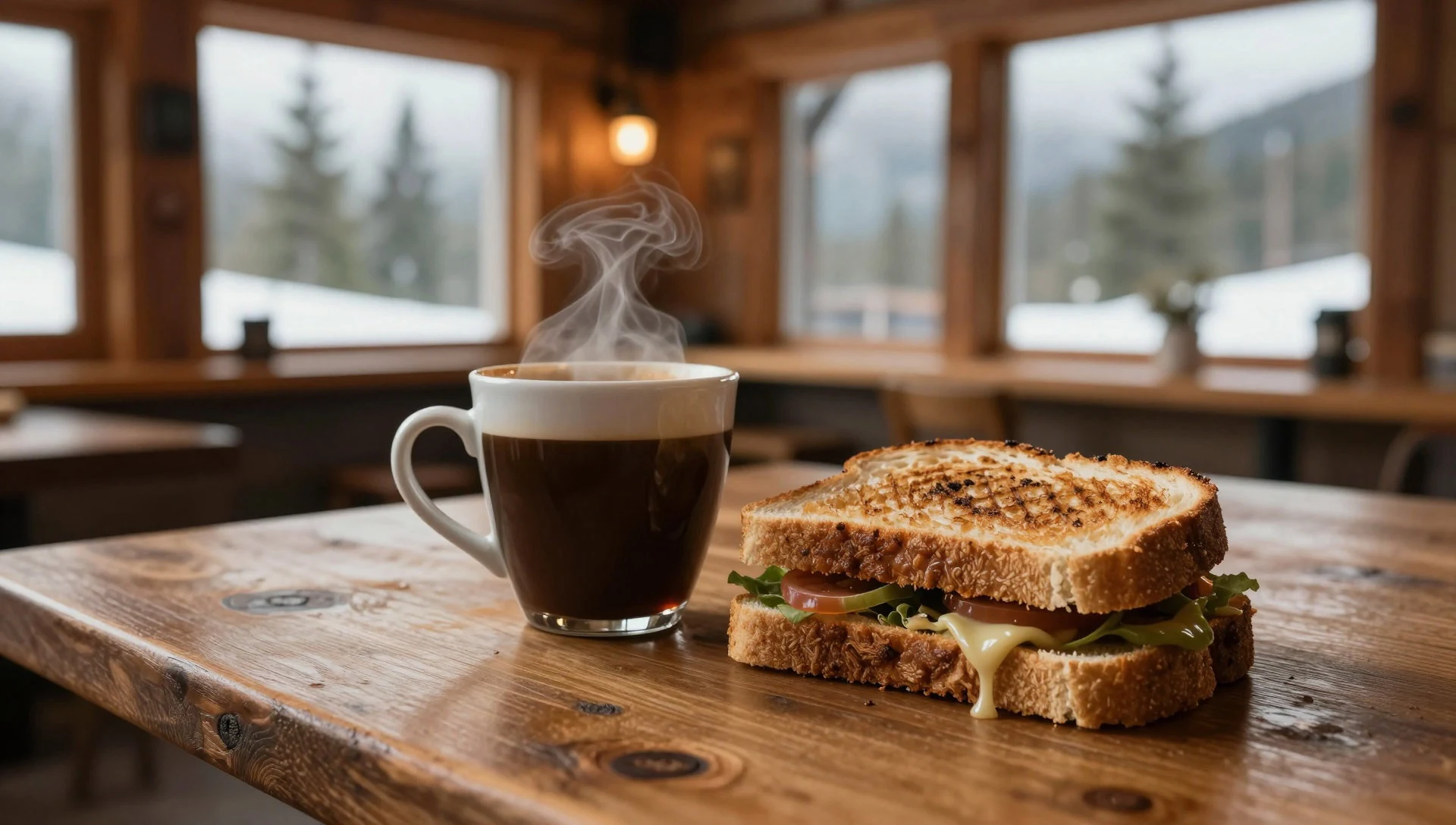
- Denali Salmon Bake — Canyon Area
Operating as a family-friendly restaurant by day and transforming into a lively local gathering spot with live music by night, this venue is one of the most vibrant social hubs near the park.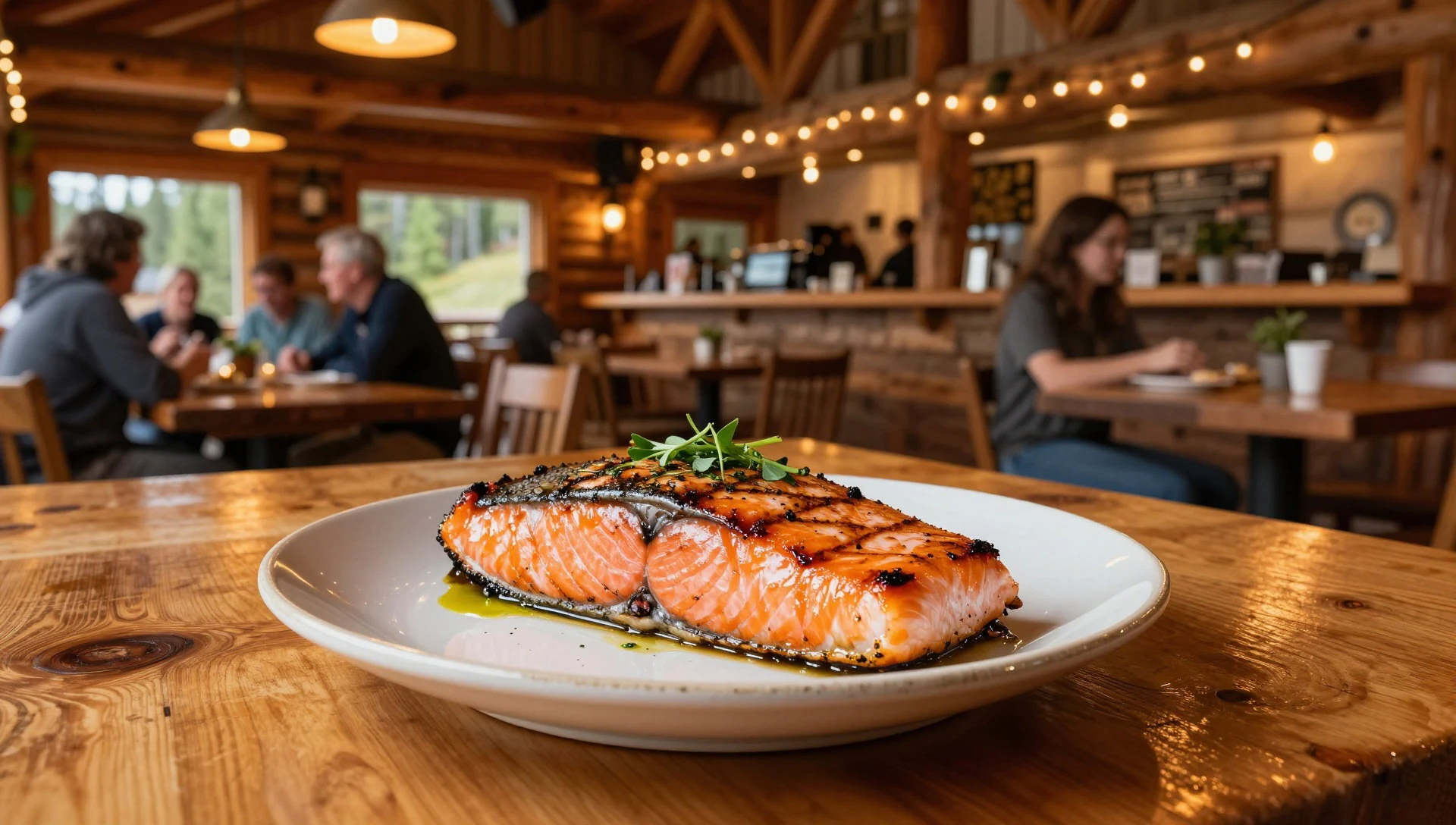
- Riley Creek Mercantile — Mile 0.3 Park Road
Positioned near the beginning of the park road, this handy stop offers basic food items, camping supplies, and quick provisions for visitors heading out into the wilderness. - Morino Grill — Park Interior
Open exclusively during the summer operating season, this eatery serves hot prepared meals in a convenient wooded setting close to the main visitor facilities.
Plan it
Best time. June through August brings the warmest weather, with July the hottest month and August the wettest, though the highest peak is often shrouded in clouds and park roads beyond Savage River are restricted.
How long. 3–4
Getting there. Fly into Anchorage Ted Stevens International Airport or Fairbanks International Airport, then drive south or north along the George Parks Highway to the park entrance.
Budget. mid
Tips
- Book shuttle bus tickets and campsites months in advance
- Prepare for rapidly changing weather by packing waterproof layers
- Keep a safe distance from bears, moose, and other park wildlife
- Expect the main park road beyond Savage River to be restricted for private vehicles
- Bring insect repellent for midges and mosquitoes during summer months
Etiquette
- Always maintain a respectful distance from wildlife and never feed animals
- Pack out all rubbish and leave natural items undisturbed
Nearby
Sources
- Wikidata Q217136 (CC0)
- Wikipedia (CC-BY-SA 4.0)
- Wikivoyage (CC-BY-SA 4.0)