Silver Springs
Silver Springs, United States
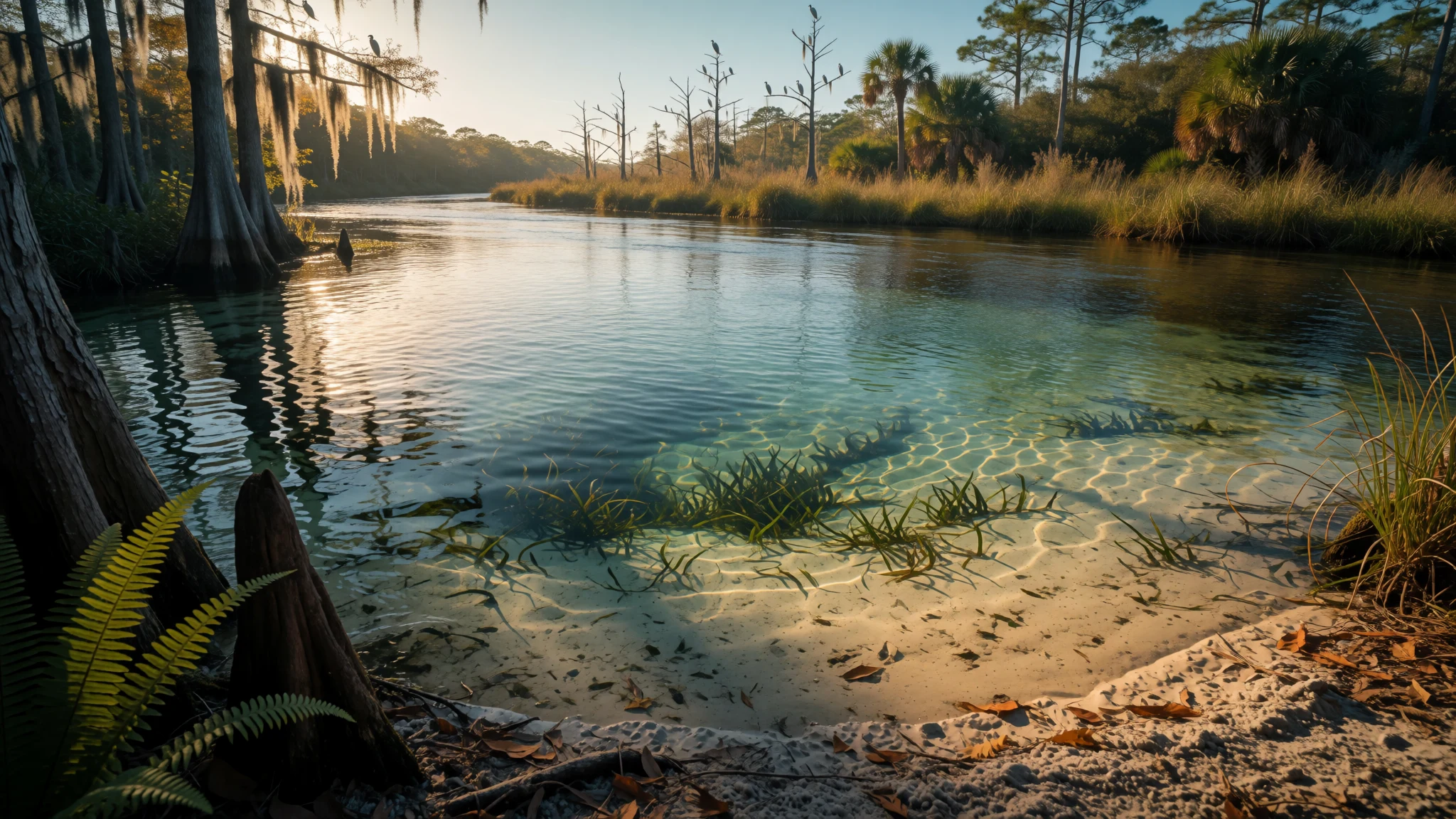
Silver Springs is a Florida state park where clear spring water, old glass-bottom boats and wild river wildlife share one gentle, shaded afternoon.
The place
Silver Springs State Park sits in Marion County, in the north-central part of Florida, close to the city of Ocala. The park is built around a spring system classed as first-magnitude, the highest rating given to Florida springs, meaning it pushes out a huge volume of water every day. That water collects at the headsprings and runs east as the Silver River, a stream of about 7.2 km that eventually joins the Ocklawaha River.
The protected land covers about 5,000 acres, and most of it is not the manicured attraction people picture. Beyond the headsprings there are sandhill forest, wetland and river swamp, and the habitats change quickly over short distances. Wildlife is the real draw: manatees, alligators, turtles, fish and a long list of birds, with armadillos snuffling through the leaf litter on the paths. The park was named a National Natural Landmark in 1971.
The water is the first thing most visitors remember. It is so clear that the riverbed, eelgrass and passing fish are visible from a boat, and the colour shifts from pale green to deep blue depending on light and depth. The setting is flat and low, so the experience is slow: drifting, paddling or walking, not climbing or rushing.
The park is a short drive from Ocala and an easy day out from the larger Florida cities. Summers are hot, humid and prone to afternoon storms, so shade and the river breeze matter. Weekends and school holidays bring the biggest crowds around the headsprings; the quieter stretches of river are rarely far away.
Its story
Silver Springs has been a destination for far longer than it has been a state park. In the 1870s, boat operators began taking passengers over the spring on glass-bottomed boats, letting them look straight down into the water. That simple idea turned into Florida's first major tourist attraction, long before theme parks arrived in the state.
In the early twentieth century the site grew into a full commercial attraction, with jungle-style boat cruises, wildlife exhibits and a reputation as a film location. Several Tarzan films were shot here, the river standing in for a distant tropical jungle. Postcards and souvenirs from that era still turn up in antique shops around the region.
Concern about development around the springs eventually changed the story. In 1985 the State of Florida bought about 5,000 acres of undeveloped land surrounding the water, so that it would not be built over. Two years later, in 1987, the land passed to the state's parks department and became Silver River State Park, and local schools built an environmental education museum on the site.
The main attraction at the headsprings stayed separate. The state acquired it in 1993 but left it under private management for years. Later the state took full control of the headsprings and merged them with the neighbouring park, creating the single Silver Springs State Park that exists today. What began as a commercial show is now, above all, a protected river and spring system, with the old boats kept as part of its heritage.
What to see
- The Headsprings — Headsprings area, Silver Springs State Park
Silver Springs State Park centres on the headsprings, where water wells up from below and spreads into a wide, glassy basin. Standing at the edge, visitors can watch fish hang over pale sand and eelgrass. Early morning is calmest, before crowds and boat traffic ripple the surface and cloud the light.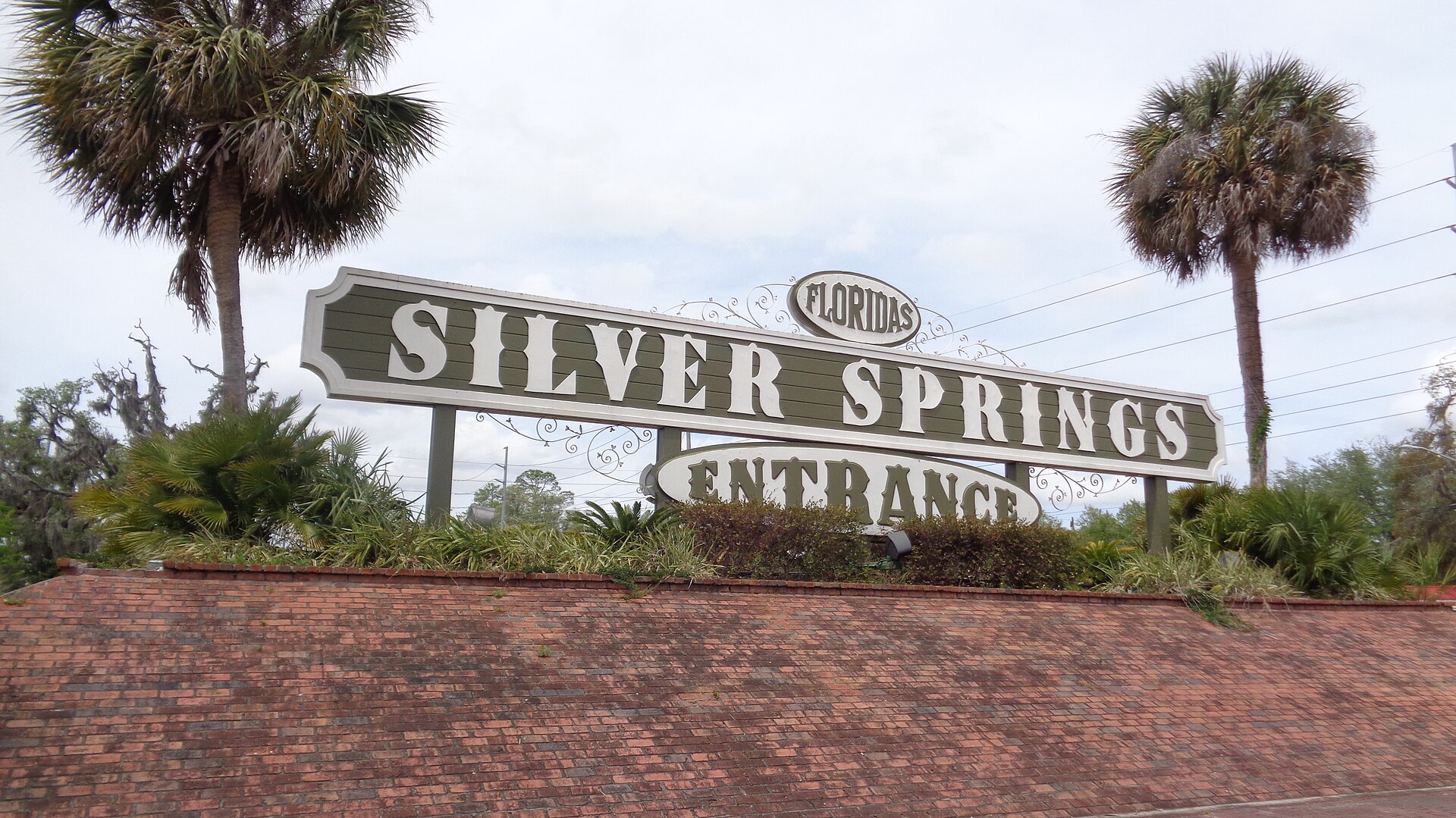
- Glass-bottom boat ride — Boat dock by the headsprings
Silver Springs is where glass-bottom boat tours began in the 1870s, and the tradition continues. Seated low in the boat, passengers look through panels in the hull at the spring floor, plants and fish below. Narration covers the ecology and history. Check the official site for current schedules and booking.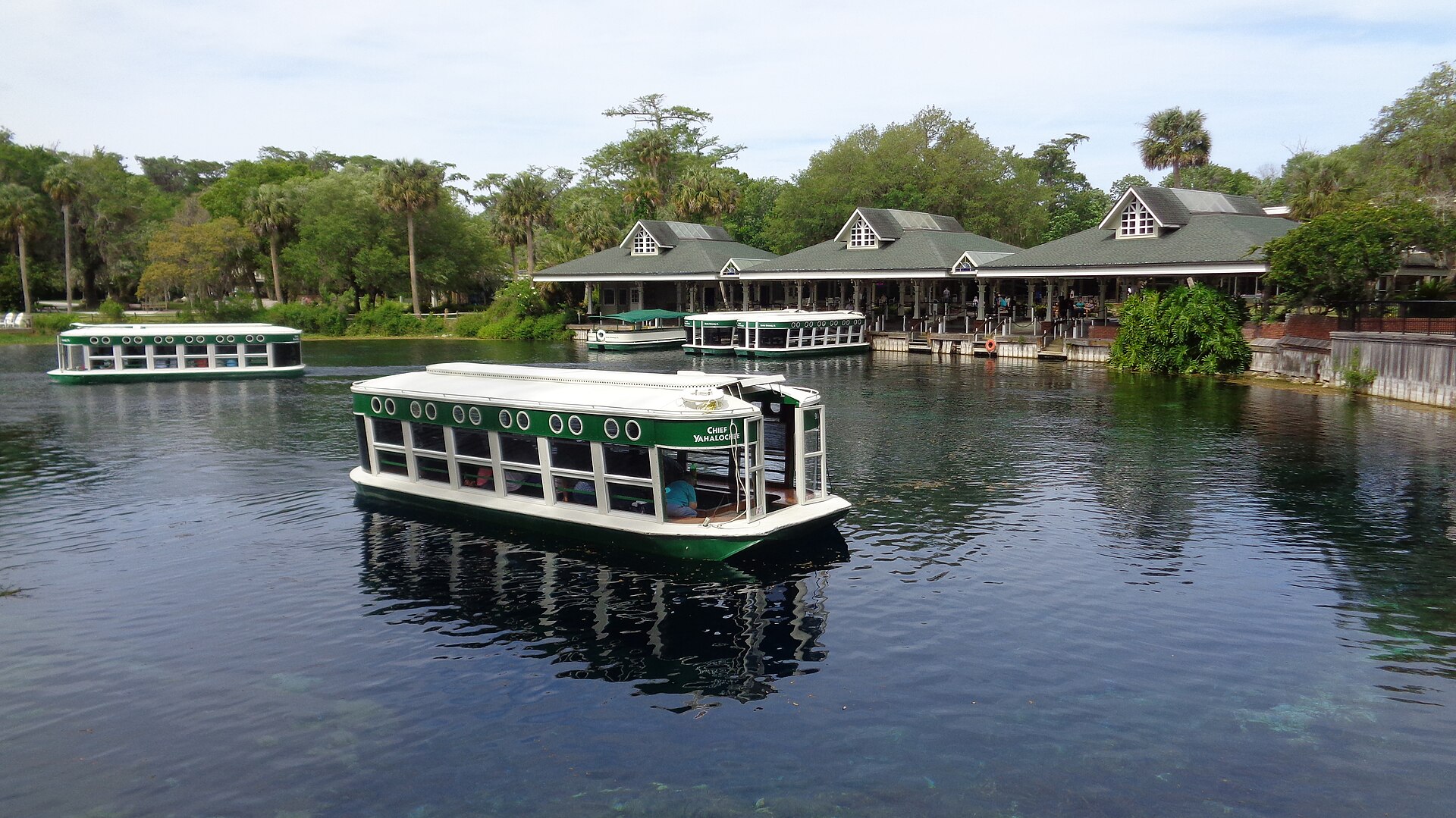
- Paddling the Silver River — Silver River, downstream of the headsprings
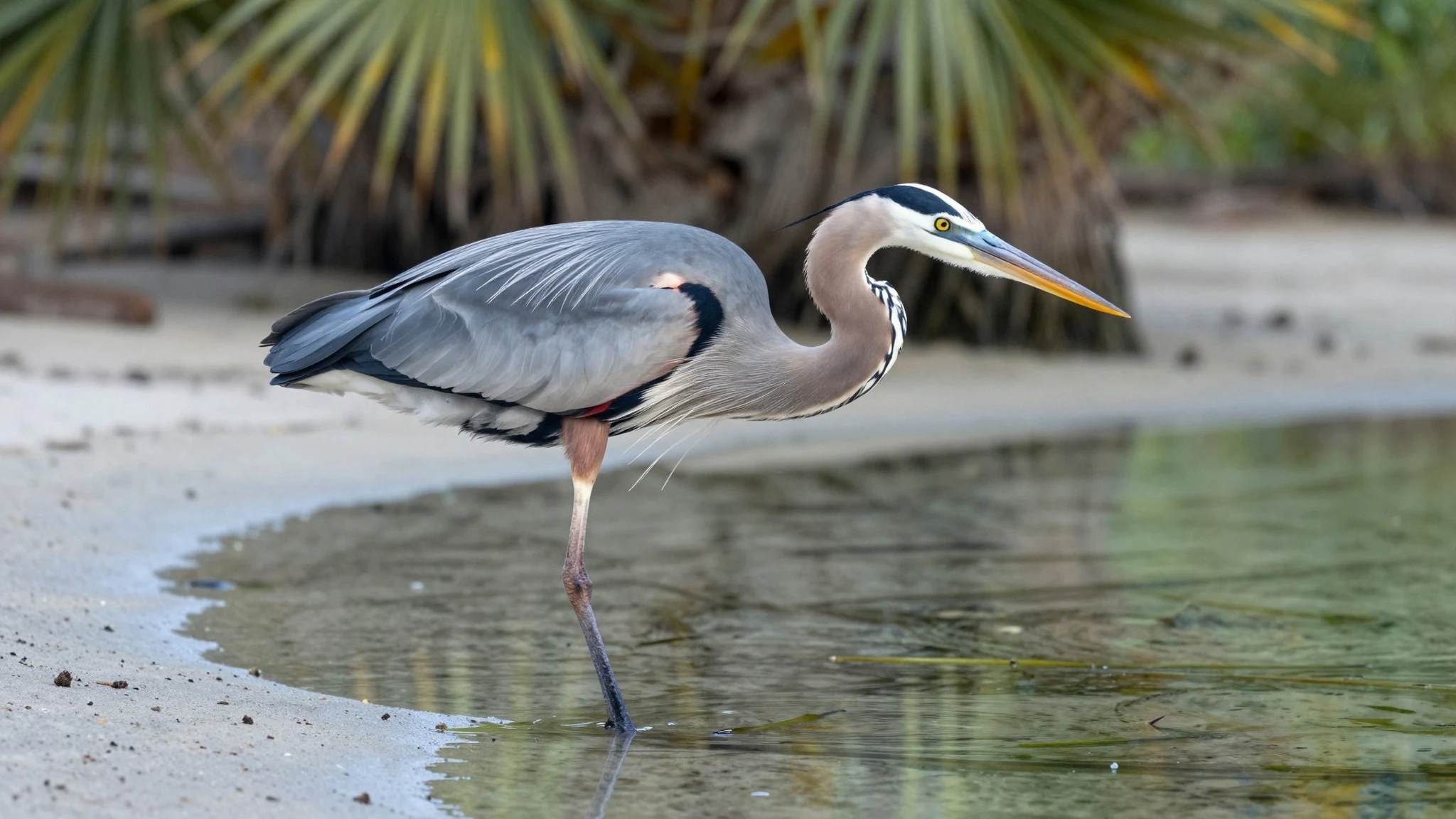
Silver Springs State Park rents kayaks and canoes for the slow downstream stretch of the river. Paddlers glide past cypress and palm, with turtles on logs and herons in the shallows. The current is gentle, but mornings are best for wildlife and for avoiding the afternoon heat and storms.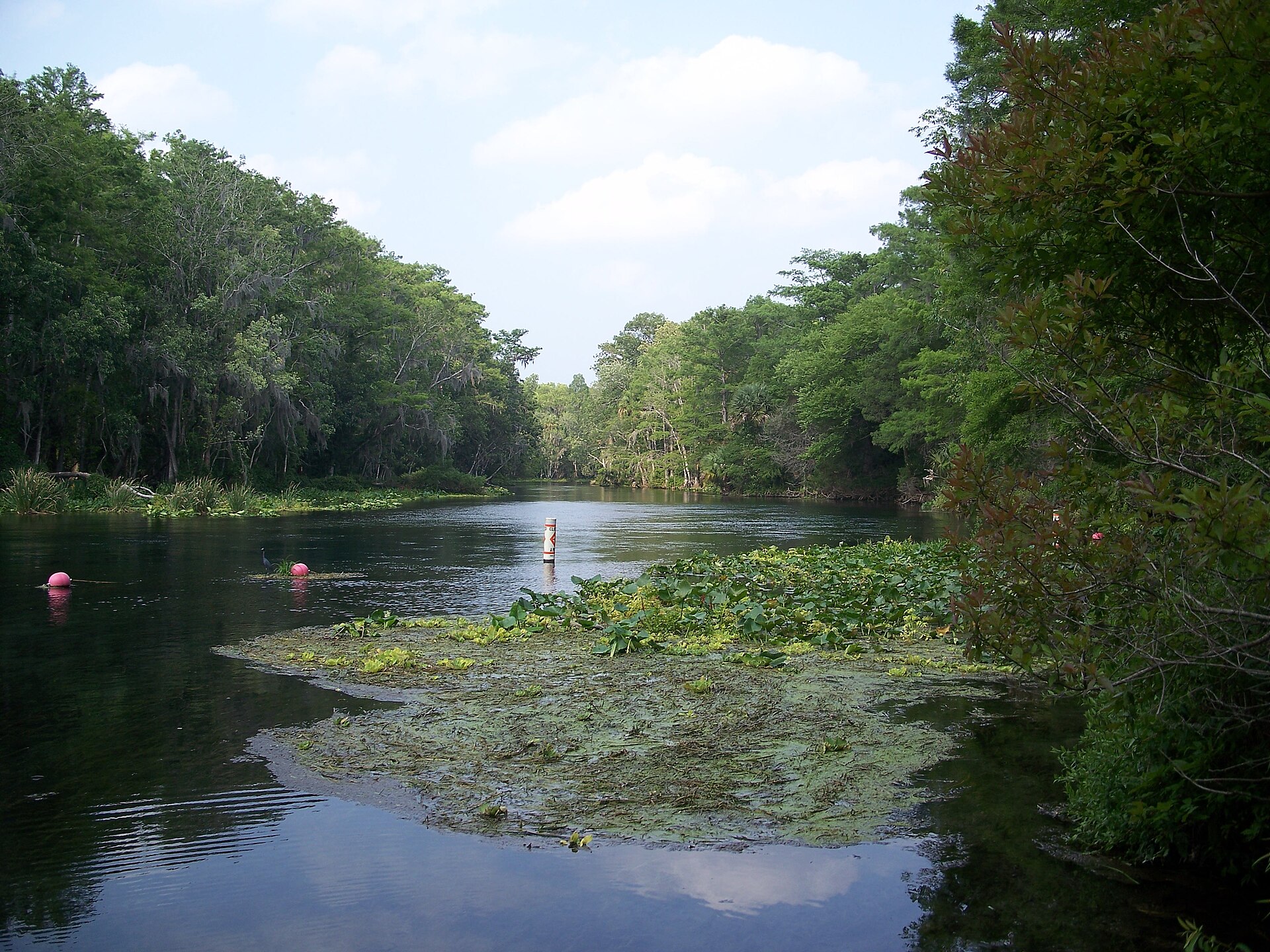
- Silver River Museum — Eastern side of Silver Springs State Park
The Silver River Museum stands in the quieter, eastern part of the park, built by the county school system in 1987 for environmental education. Displays cover local natural history and the people who have lived along the river. It suits families, and its trails offer a calmer alternative to the busy headsprings. - Sandhill and river trails — Trail network across the park
Away from the water, Silver Springs State Park has walking trails through sandhill forest and wet woodland. The paths are flat and shaded in places, good for birds and for armadillos rooting about at dawn and dusk. Bring insect repellent and water, since the heat builds quickly by mid-morning.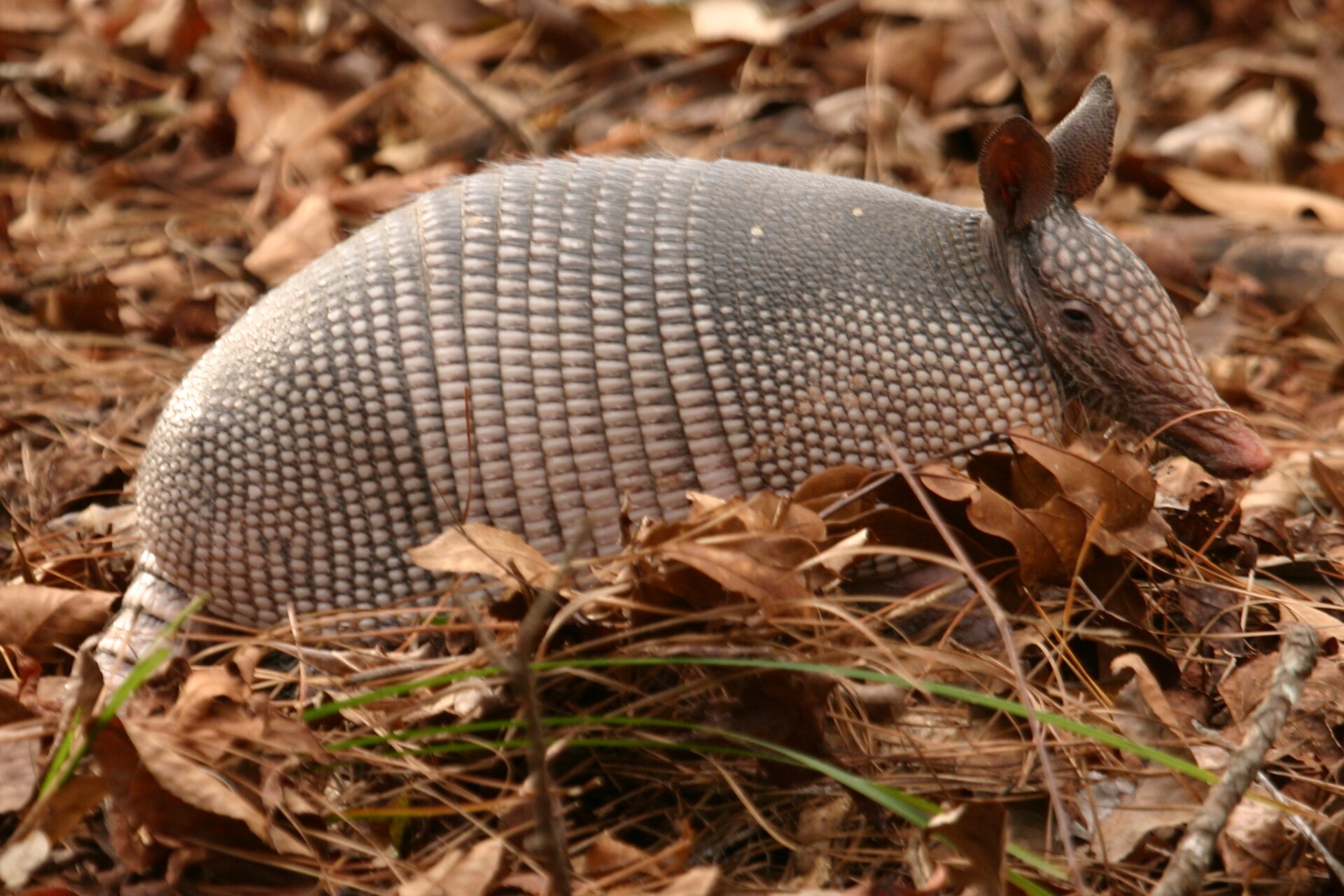
Culture
Silver Springs State Park sits in north-central Florida, a region that feels more like the American South than the beach-and-resort image of the south of the state. Local life here revolves around horses and farmland around Ocala, small-town diners, fishing and weekend time on the water. Florida began as a Spanish colony rather than a British one, and its history, including slavery and segregation in the nineteenth and twentieth centuries, is more layered and difficult than the postcards suggest.
The springs themselves have a long cultural story. People lived and travelled along this river for many centuries before the tourist boats, and the spring was a draw for visitors from the 1870s onward. Old film-set memories, vintage souvenirs and the glass-bottom boat tradition give the park a nostalgic edge, and many Florida families treat a visit as a childhood ritual passed down.
Today the main local concern is protecting the springs. Wildlife, especially manatees, can be harmed by careless boating and crowding, and recent years have seen heavy manatee losses elsewhere in Florida linked to misuse of recreation areas. Park staff and neighbours care a great deal about water quality and quiet, and visitors who do the same are warmly received.
When on or near the water, keep well back from manatees, never touch or feed any wildlife, and slow your boat or paddle to a gentle pace wherever animals are present.
What to wear
Silver Springs State Park has no single traditional costume, but the wider Florida region has one clear textile tradition: Seminole and Miccosukee patchwork, in which narrow strips of brightly coloured cotton are pieced into bold horizontal bands. It is sewn into skirts, jackets and shirts, and is worn today for tribal events, ceremonies and festivals as a mark of identity, as well as sold as craft.
Everyday clothing around Ocala is practical and casual. Locals wear cotton T-shirts, shorts, jeans, work boots and baseball caps, with cowboy boots and hats common in the horse country nearby. Church clothes are a bit smarter but still relaxed. Nobody dresses up for the park, and swimwear is normal at the swimming areas.
For visitors, the climate decides the wardrobe. Summers are hot and humid, so light, breathable cotton or quick-dry fabric, a wide-brimmed hat, sunglasses and high-factor sunscreen are sensible, along with a light rain jacket for sudden storms. Winter mornings can be cool, so a thin jumper or fleece helps. There are no religious dress rules in the park, and modest everyday clothing is fine. Wear closed shoes with grip for trails and wet boat docks, or water sandals for paddling, and bring insect repellent, because mosquitoes are common in shaded, damp areas, especially at dawn and dusk.
What to eat
- Fried catfish — Casual fish houses and roadside eateries around Ocala
Fried catfish in cornmeal crust is a staple of north Florida's Southern-style cooking, served with slaw and fries. It is usually found in casual roadside eateries and fish houses near rivers and lakes around Ocala. The fish is mild, the coating crunchy, and portions are generous. - Hush puppies — Alongside fish plates at local Southern-style eateries
Hush puppies are small deep-fried balls of seasoned cornmeal batter, often with onion, served alongside fried fish. They are crisp outside and soft inside. Expect them as a free or cheap side at most Southern-style eateries in the Ocala area. - Boiled peanuts — Roadside stands and farm shops along country roads
Boiled peanuts are simmered in salty water until soft, giving a texture closer to a bean than a crunchy roasted nut. They are a Southern snack sold in paper bags, and a good road-trip food. Look for them at roadside stands and petrol-station shops between towns. - Fresh Florida citrus — Roadside fruit stands and farmers' markets
Citrus is a major Florida crop, and orange and grapefruit juice is a local pleasure, especially in winter. Roadside stands often offer samples and sell bags of fruit to carry home. Fruit is also used in marmalades, desserts and marinades across the state. - Key lime pie — Local diners, bakeries and cafés near Ocala
Key lime pie is a tart, creamy custard pie in a biscuit crust, made with lime juice and sweetened condensed milk. It is a Florida dessert found across the state, usually served chilled. Try a slice at a local diner or bakery after a hot day on the river.
Plan it
Best time. November to March, when the weather is mild and far less humid, and winter is a pleasant time to be on the water. June to September is hot, humid and stormy, with sudden afternoon thunderstorms.
How long. 1–2
Getting there. Fly to Orlando International (MCO) or Tampa International (TPA), then drive north to Ocala and on to the park; a hire car is the practical option, as public transport to the park is limited.
Budget. mid
Tips
- Arrive early, before the heat and the biggest crowds around the headsprings
- Check the official site (http://www.silversprings.com) for boat tour schedules, hours, fees and booking
- Carry water, sunscreen and insect repellent, especially for paddling and trails
- Bring a card and a little cash for snacks, parking and small stalls
- Wet-season afternoons often bring storms, so plan outdoor time for the morning
Etiquette
- Keep a respectful distance from manatees and never touch or feed wildlife
- Slow down or paddle gently near animals, and keep noise low on the river
- Take all litter with you and stay on marked paths
Nearby
Sources
- Wikidata Q3364095 (CC0)
- Wikipedia: Silver Springs State Park (rev 1370511293) (CC BY-SA 4.0)
- Wikivoyage: Florida (rev 5422348) (CC BY-SA 4.0)
- Ebyabe, Silver River in the Silver River State Park (River02) (CC BY 3.0)
- Jackdude101, Headspring entrance sign at Silver Springs State Park (CC BY-SA 4.0)
- Eric Gaba, Florida relief location map (CC BY 3.0)
- Uwe Dedering, USA relief location map (CC BY 3.0)
- Ebyabe, Silver River in the Silver River State Park (River01) (CC BY 3.0)
- Jackdude101, Glass-bottom boats at Silver Springs in 2017 (CC BY-SA 4.0)
- Aquahuntllc, A 1934 glass bottom boat from Silver Springs Florida (CC BY-SA 4.0)
- Mwcolgan8, Nine-banded Armadillo in Silver River State Park (Public domain)


Wildlife
- Manatee (animal)
The manatee is a big, gentle water mammal that grazes on underwater plants and feels its way along with its whiskers. At Silver Springs it is among the wildlife that draws visitors most, so ask a guide when and where to look. Florida's manatees are threatened, so keep a respectful distance, stay quiet and calm, and never feed them. Lost habitat and pollution already trouble them enough, and they deserve to be left peaceful.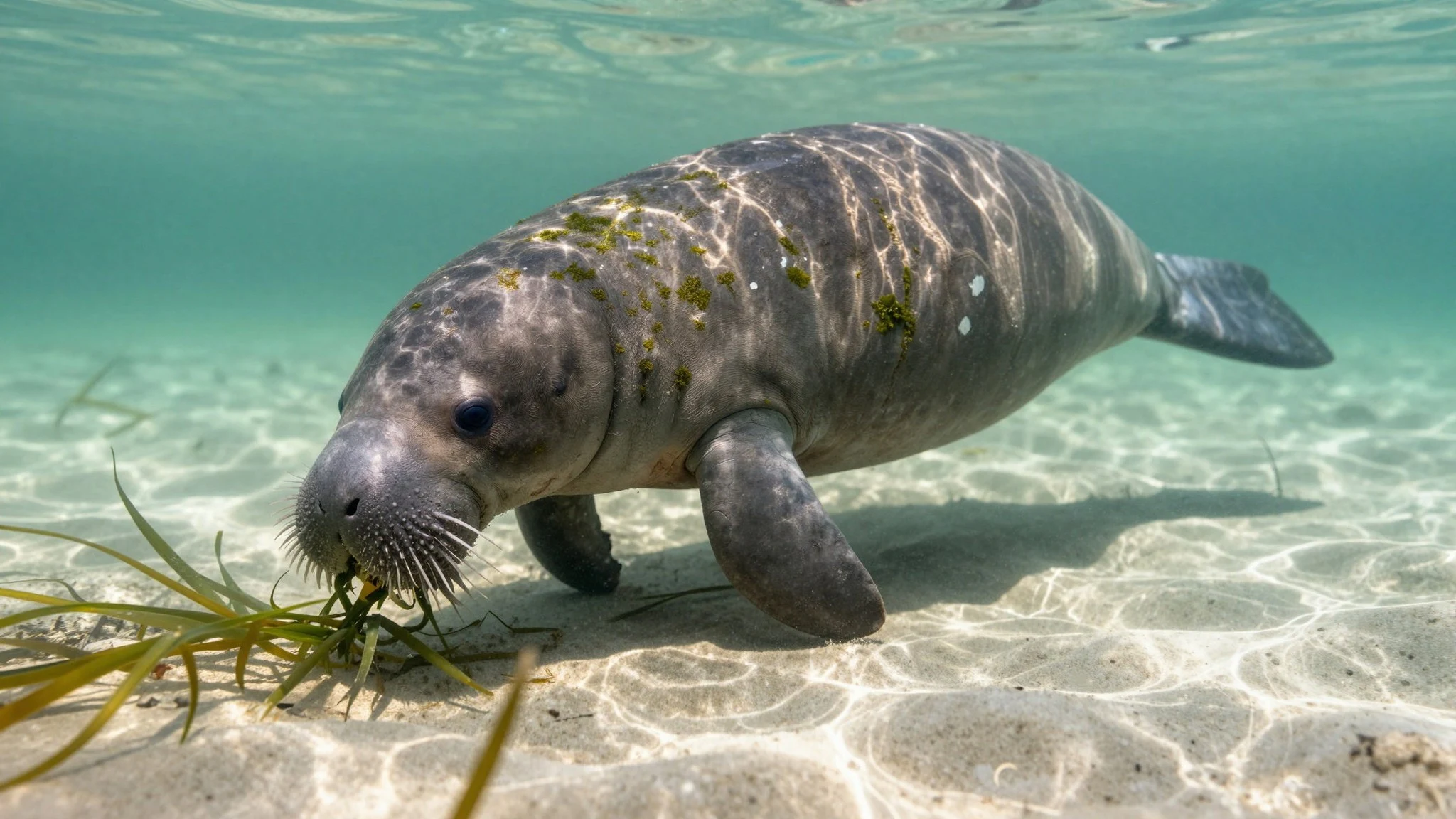
- Alligator (animal)
The alligator is a large reptile of the south-eastern United States, a cousin of the crocodile and bigger than its Chinese relative. At Silver Springs it is one of the creatures that makes the place so special to visit. Watch from a generous distance, speak softly and keep still, ideally with a guide who knows the water well. Never feed it, and let it go about its day undisturbed.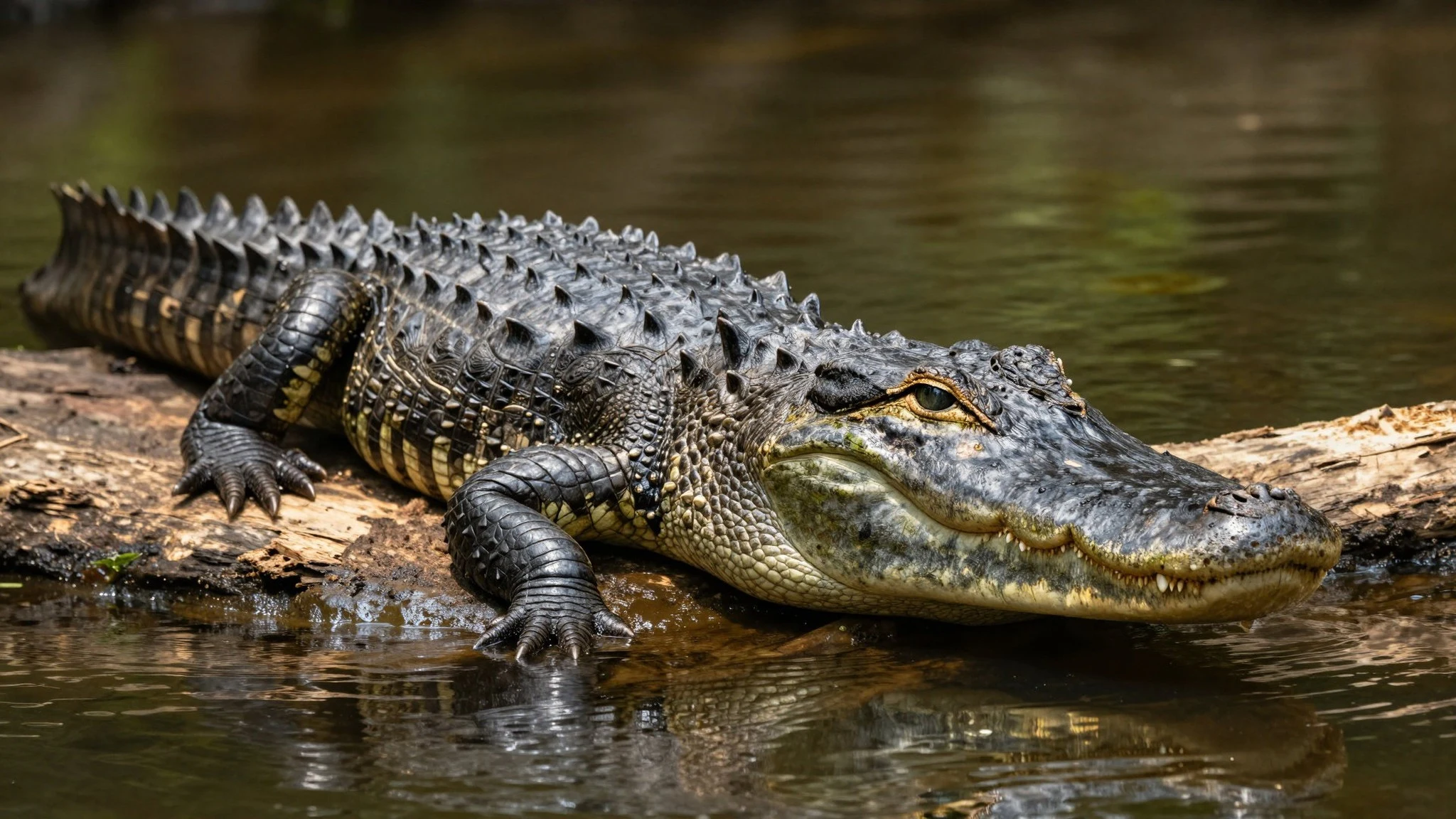
- Great blue heron (bird)
The great blue heron is a tall bird that wades through shallow water, standing patient as a statue while it watches for a meal. At Silver Springs, paddlers may spot one in the shallows as they drift beneath the cypress trees and palms. Glide slowly, keep your voice low and stay well back so it is never startled. A guide can help you find good viewing spots. Please never feed it.