Sarychat-Ertash
Sarychat-Ertash, Kyrgyzstan
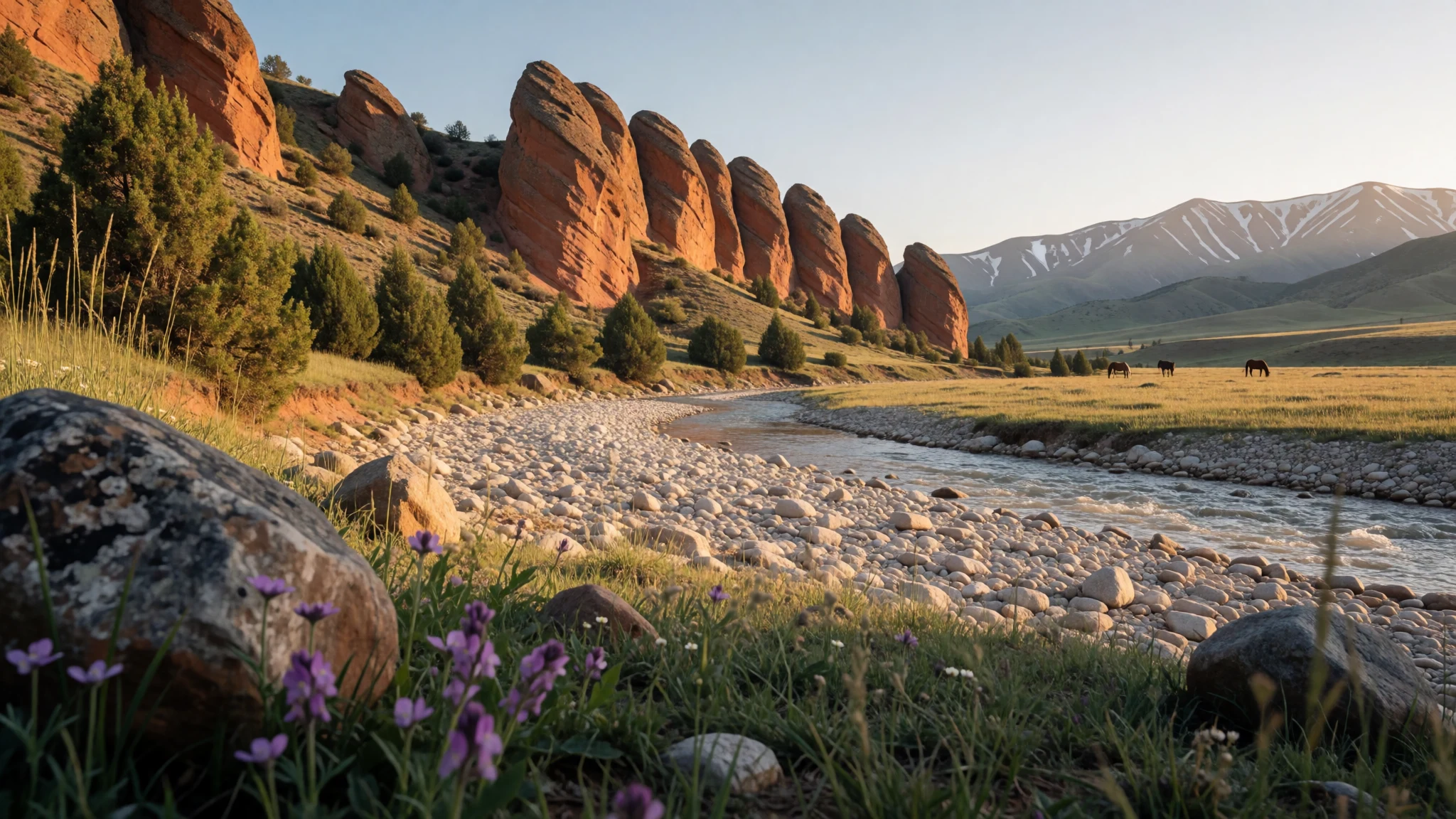
Sarychat-Ertash is a strictly protected snow-leopard reserve in Kyrgyzstan's Tien Shan, best appreciated from the red cliffs and high valleys that border it.
The place
Sarychat-Ertash State Nature Reserve lies in the Issyk-Kul Region of eastern Kyrgyzstan, in the Jeti-Ögüz District, south of the Terskey Ala-too range. It takes in the basins of the Sarychat and Bordu rivers, both of which feed the Üchköl, part of the larger Saryjaz drainage. The ground here is syrt country: high, cold, open upland where the land is more steppe than forest, and where the wind does most of the shaping. Wildlife is the reason the place exists. The reserve was set up to shelter snow leopard, mountain goat and argali, the big wild sheep of Central Asia. Siberian ibex, wild boar, Eurasian lynx, wolf and brown bear also live in the area, along with smaller animals such as red fox, Pallas's cat, stone marten, badger, tolai hare and grey marmot. The most important thing for a traveller to know is that this is a strict reserve, closed to all use, tourism included. Nobody should plan to walk into the protected core. What can be visited is the mountain country around it: the village and valleys of Jeti Ögüz, the river routes that start from Kyzyl-Suu, and the passes and glacier lakes reached on foot from the outer side. It is remote, cold at altitude even in summer, and thinly served. Anyone arriving should expect basic facilities, changeable weather and very few other people.
Its story
Sarychat-Ertash became a protected area in 1995, a few years after Kyrgyzstan became independent, when the country began formalising conservation in its mountain regions. The aim was to keep an intact piece of syrt landscape and the animals that depend on it, above all the snow leopard, a cat so elusive that most field biologists see it mainly through camera traps. The reserve also helps keep the wider regional environment in balance, since the rivers that start in these uplands flow on to farms and villages below. Beyond its boundary, human stories fill the landscape. Herding families have long moved livestock to high summer pastures here, and the valleys carry legends as readily as sheep. Near Jeti Ögüz stands a ridge of red sandstone split by weathering into a row of rounded forms, said to resemble seven bulls, which is what the name means. Close by is a cliff shaped like a broken heart, with a tale attached. In the usual telling, a wealthy, much-married ruler fell for a young woman already promised to someone else; when her family fled, he hunted them down and killed her fiancé and relatives, and the rock is said to mark her grief. Such stories are told differently in different homes, and visitors will hear their own version.
What to see
- Jeti Ögüz red cliffs — Jeti-Ögüz District
The rock wall near Jeti Ögüz village is the simplest way into this part of the Terskey Ala-too. Red sandstone, cut by a river and worn by weather, has broken into a ridge of rounded heads that locals read as seven bulls. It is easy to reach and good in morning light.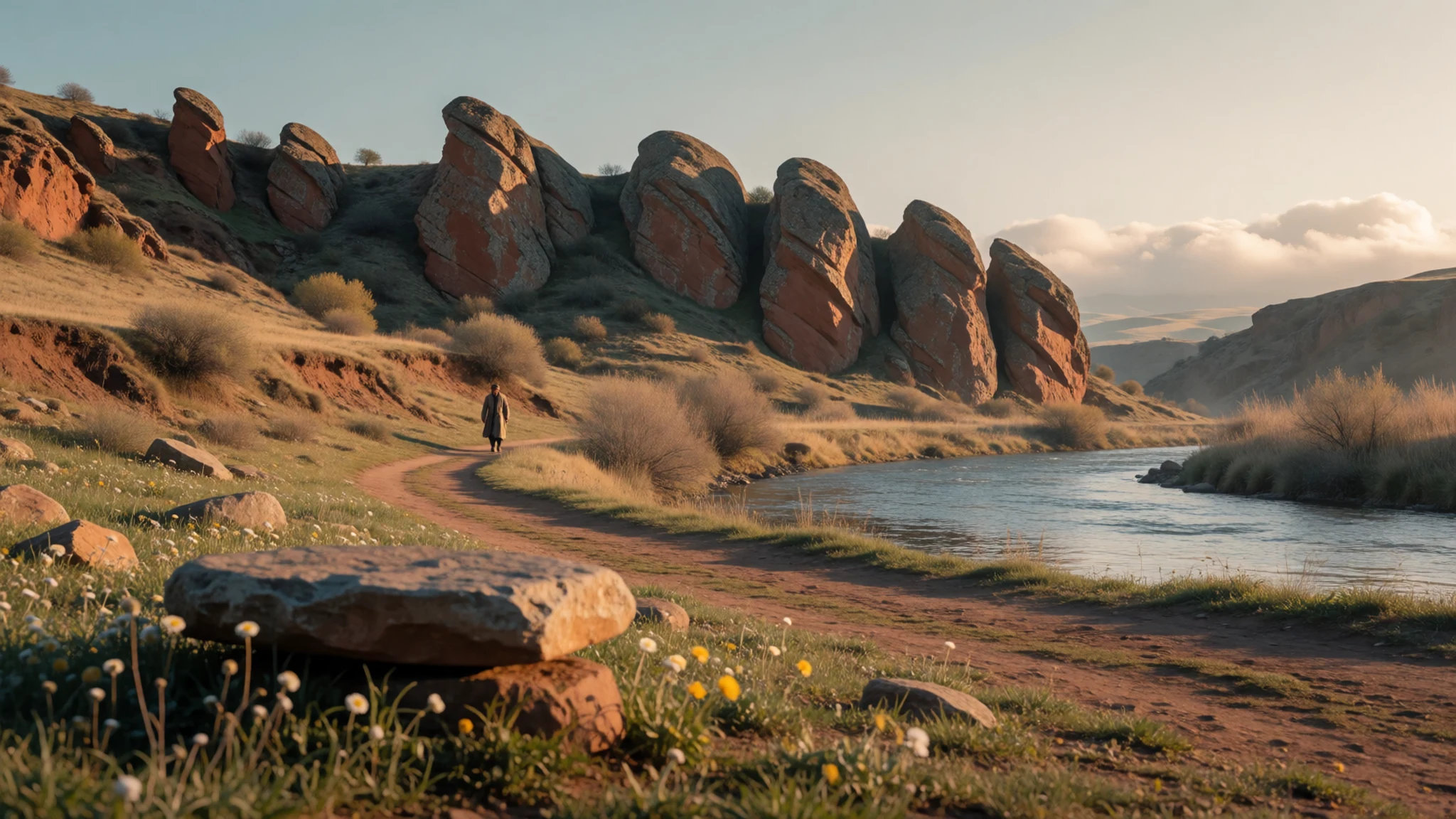
- Broken Heart rock — Jeti Ögüz valley
Just beside the bulls, a separate red formation has split into two lobes forming a heart shape. Guides and villagers tell several legends about it, mostly involving a powerful ruler and a girl from a poor family. Ask two people and the details will differ, which is part of the charm.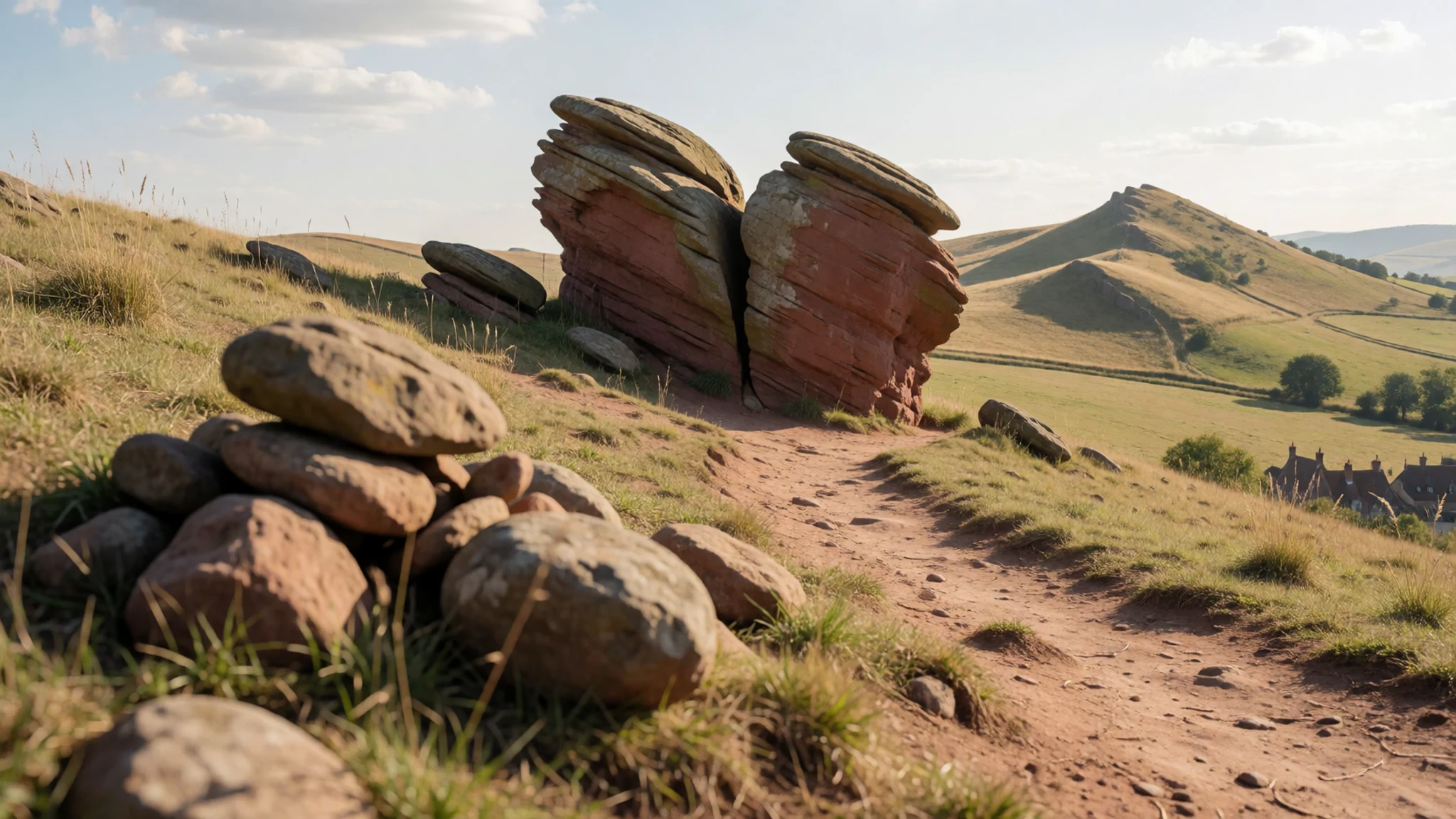
- Jeti Ögüz sanatorium and hot springs — Jeti Ögüz valley
A Soviet-era health resort, known locally as a kurort, stands further up the valley with mineral hot springs. It looks its age and is run in an older, institutional style, so expect plain rooms and simple routines rather than polish. The setting among the hills is the real draw.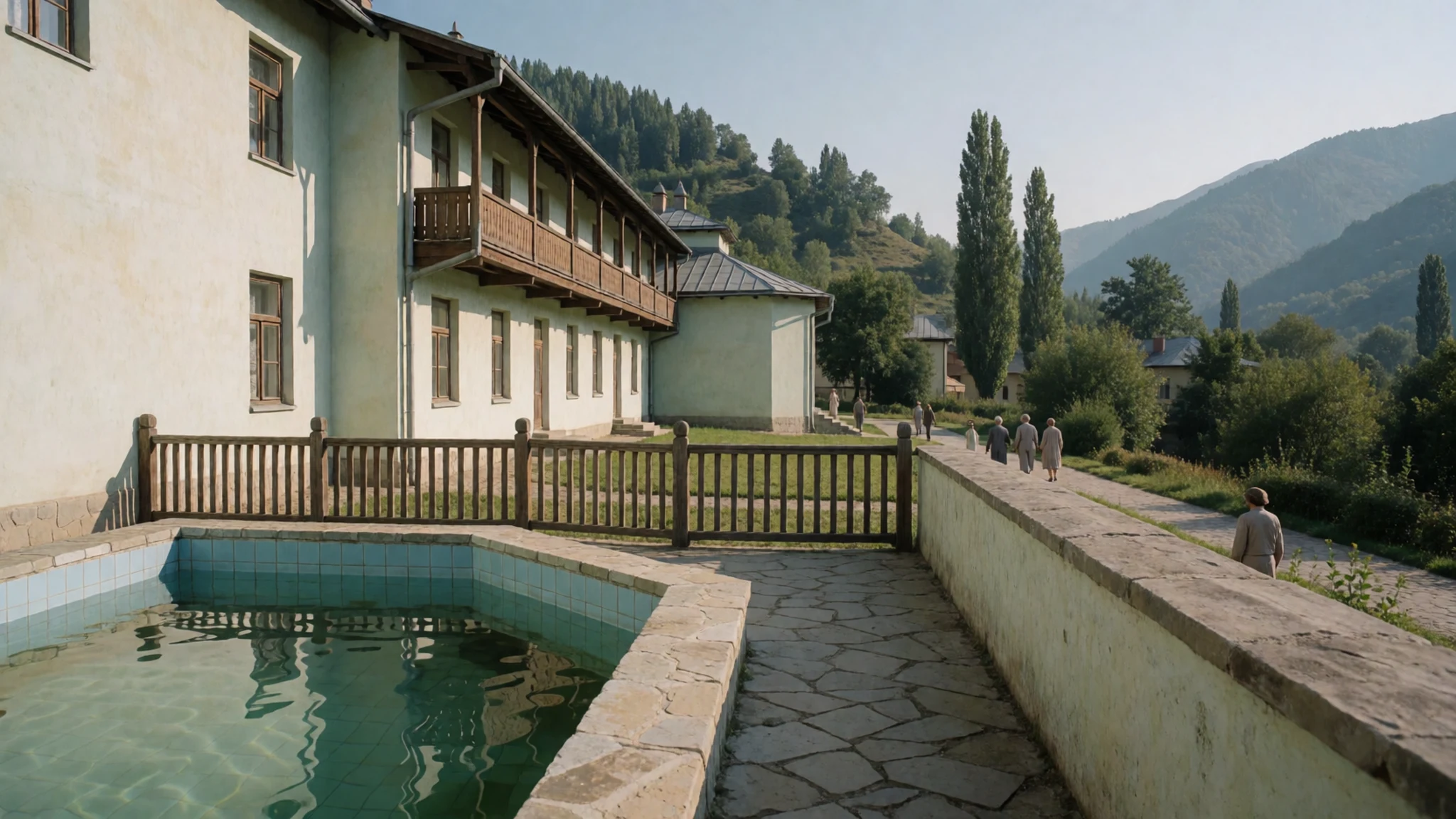
- Kyzyl Suu valley and glacier-lake hikes — Kyzyl Suu river valley
From the upper Kyzyl Suu valley, walking routes climb over high passes towards neighbouring valleys, and two glacier lakes, Kashkator and Shakartma, can be reached on foot in about three hours. These are serious mountain walks: snow lingers late, weather turns quickly, and local advice on routes is worth having.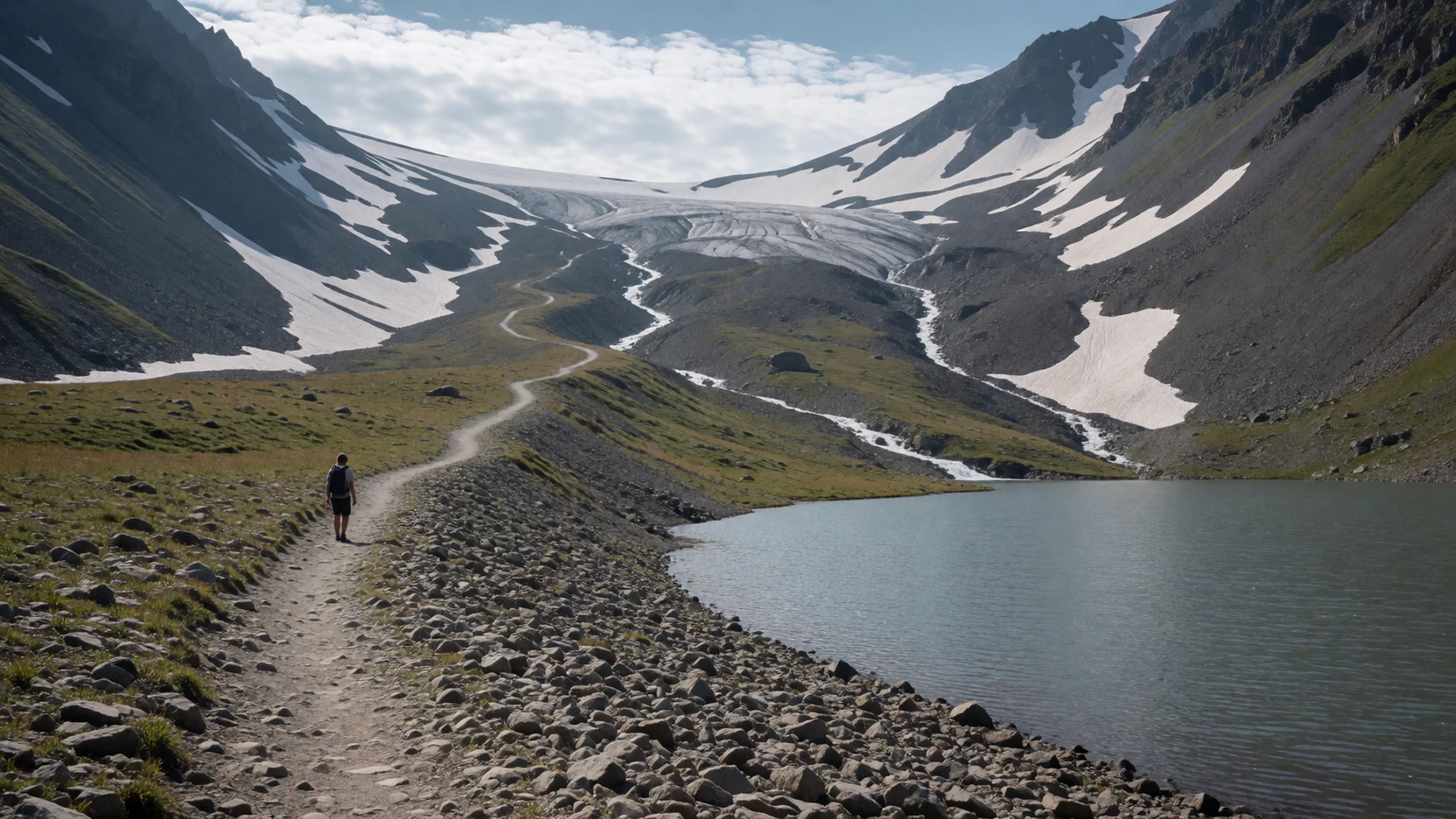
- Snow leopard country — Sarychat-Ertash State Nature Reserve
The reserve's best-known resident cannot be promised on any trip, and the protected core is closed to visitors. Camera-trap images from Kyrgyzstan, such as the one shown here, give a far better chance of seeing the animal than any walk. Treat it as the reason the landscape matters, not as a sighting to chase.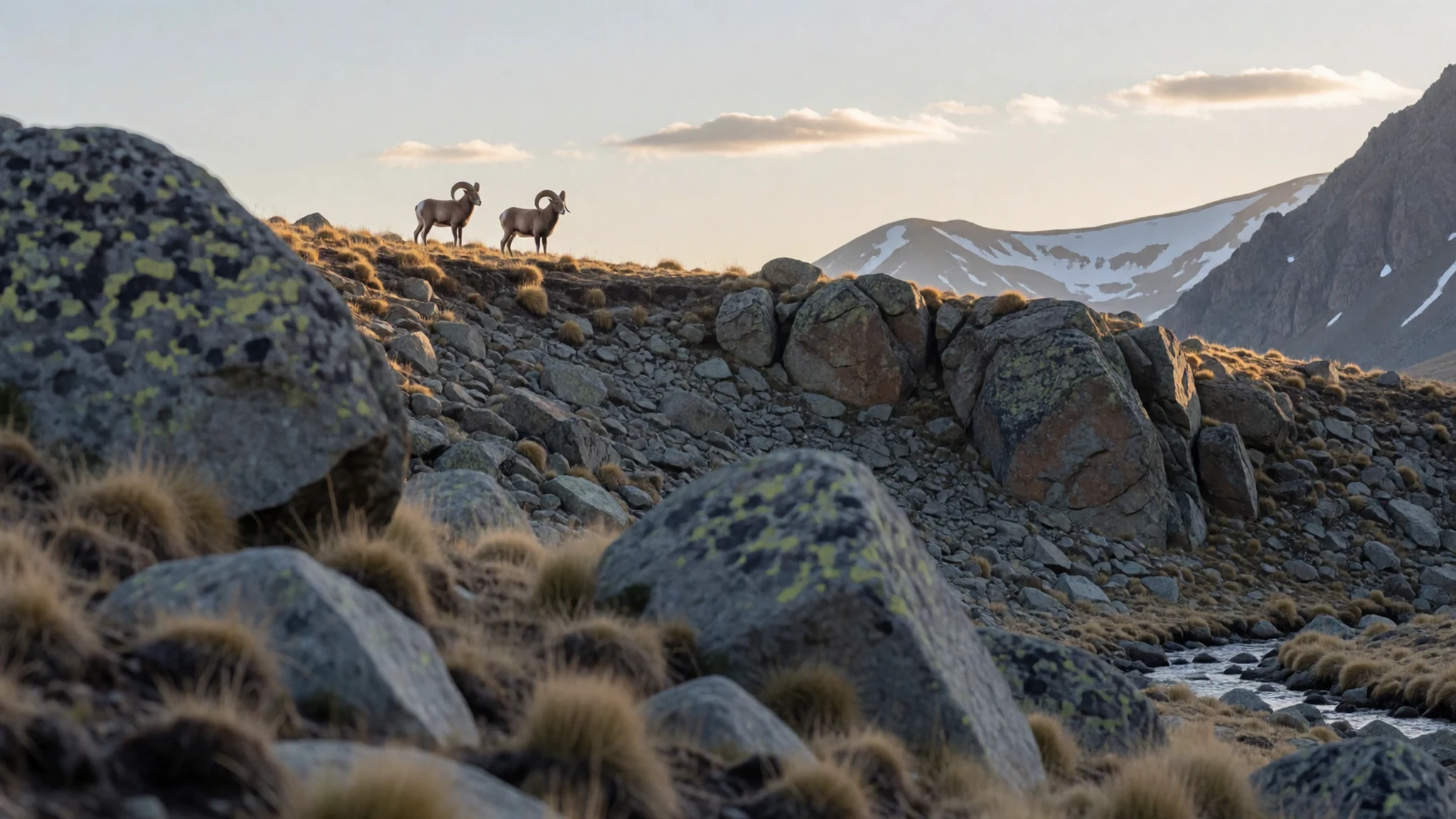
Culture
Sarychat-Ertash sits in a part of Kyrgyzstan where life still follows the seasons of the herd. Families move livestock up to the high summer pastures, known as jailoo, once snow retreats, and come down before winter. The yurt, a felt-covered round tent on a wooden frame, remains the traditional summer home and is also used as a guest space. Hospitality is central: a visitor who passes a household is likely to be invited to sit, drink tea and eat bread, jam, cream and sometimes meat, and refusing everything outright can seem cold. Kymyz, fermented mare's milk, is the traditional drink and is offered with pride. Horses matter beyond work; they feature in festivals, in games and in songs. The epic of Manas, recited by trained storytellers, is the best-known cultural thread, though visitors are more likely to hear everyday singing and the komuz, a three-stringed instrument, than a full recitation. Islam is the majority faith and is practised alongside older customs, including reverence for certain mountains, springs and rocks. Places such as the Broken Heart cliff carry stories as well as scenery. Russian is widely understood, and Kyrgyz is the language of most village life. A few words of greeting go a long way. When invited into a home or yurt, take off your shoes at the door and accept at least a sip or a bite of what you are offered.
What to wear
Sarychat-Ertash lies in a region where traditional clothing is tied to horse-riding and cold weather. The best-known item is the ak kalpak, a tall white felt hat with a black trim, made from sheep's wool and still worn by men at festivals, weddings and official occasions. Felt is the signature textile of Kyrgyz culture: it is pressed into hats, boots, coats and the wall coverings of yurts, and also into decorated carpets called shyrdak, made of patterned pieces of coloured wool. Women's festive dress traditionally includes embroidered velvet waistcoats, long skirts and headscarves or tall headdresses, and married women sometimes wear a distinct style. These outfits tend to appear on special days rather than daily. In villages around Jeti Ögüz, everyday clothing is practical and modest: trousers or long skirts, knitted layers, rubber or leather boots, and a padded jacket in cool weather. Younger people in towns dress much as in other Asian cities, in jeans, trainers and sportswear. A visitor should dress for altitude and sudden weather: thermal layers, a windproof and waterproof shell, a warm hat and sun protection even in summer. Sturdy, broken-in walking boots suit the stony tracks. Shorts are fine on the trail, but covered shoulders and knees are more comfortable around villages, homes and any mosque.
What to eat
- Beshbarmak — Family homes and eateries in Karakol and Jeti Ögüz
Boiled meat, usually mutton or horse, served over wide, flat noodles with onion and broth. It is the dish of celebrations and guests, so it often appears when a family wants to honour a visitor. Look for it in village homes and family-run eateries around Karakol.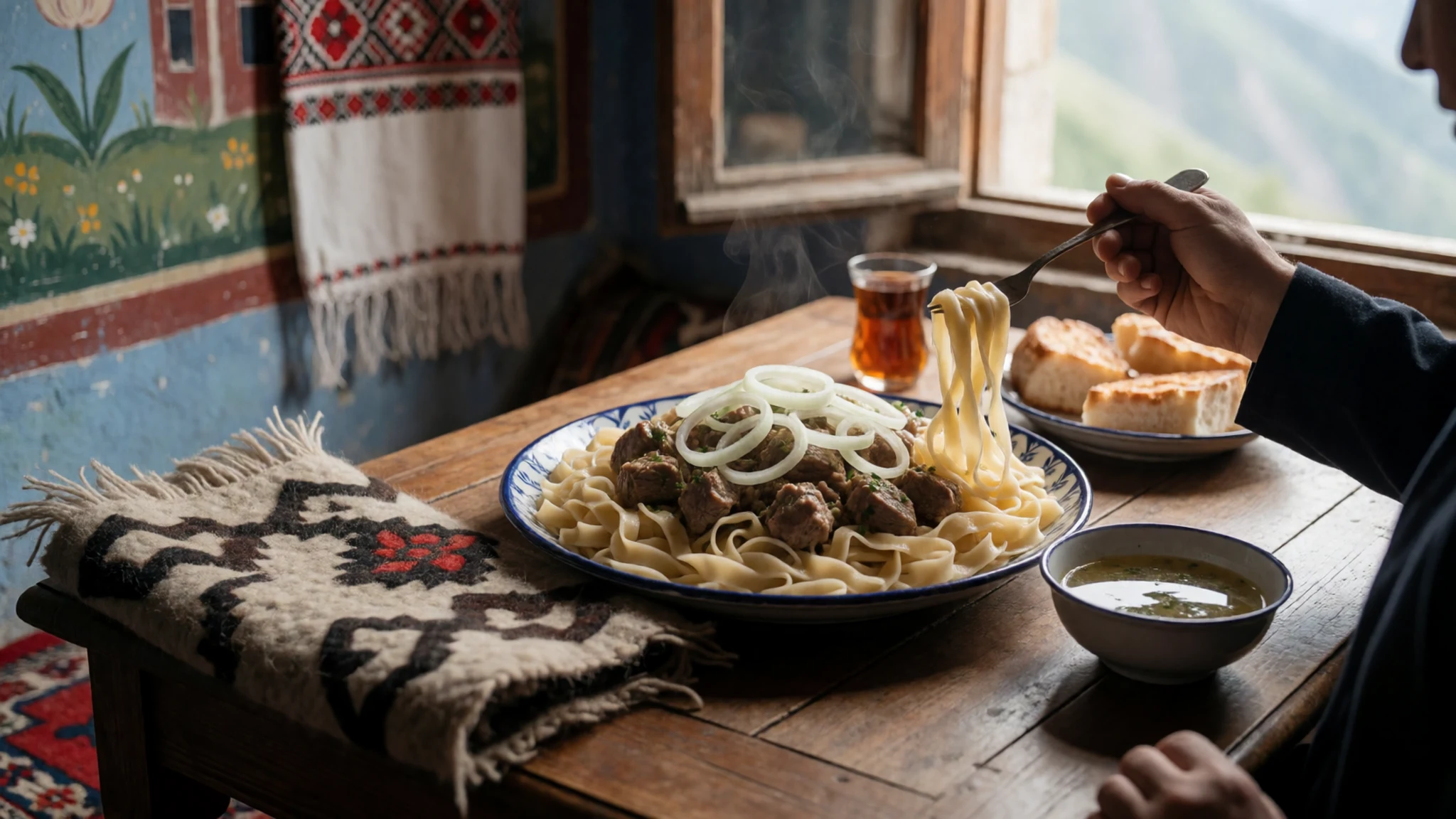
- Laghman — Bazaar food stalls and small eateries in Karakol
Hand-pulled noodles in a savoury sauce of stir-fried meat and vegetables, sometimes served as a soup. It is filling, quick and an easy default for walkers. Look for it in small canteen-style eateries and bazaar food stalls.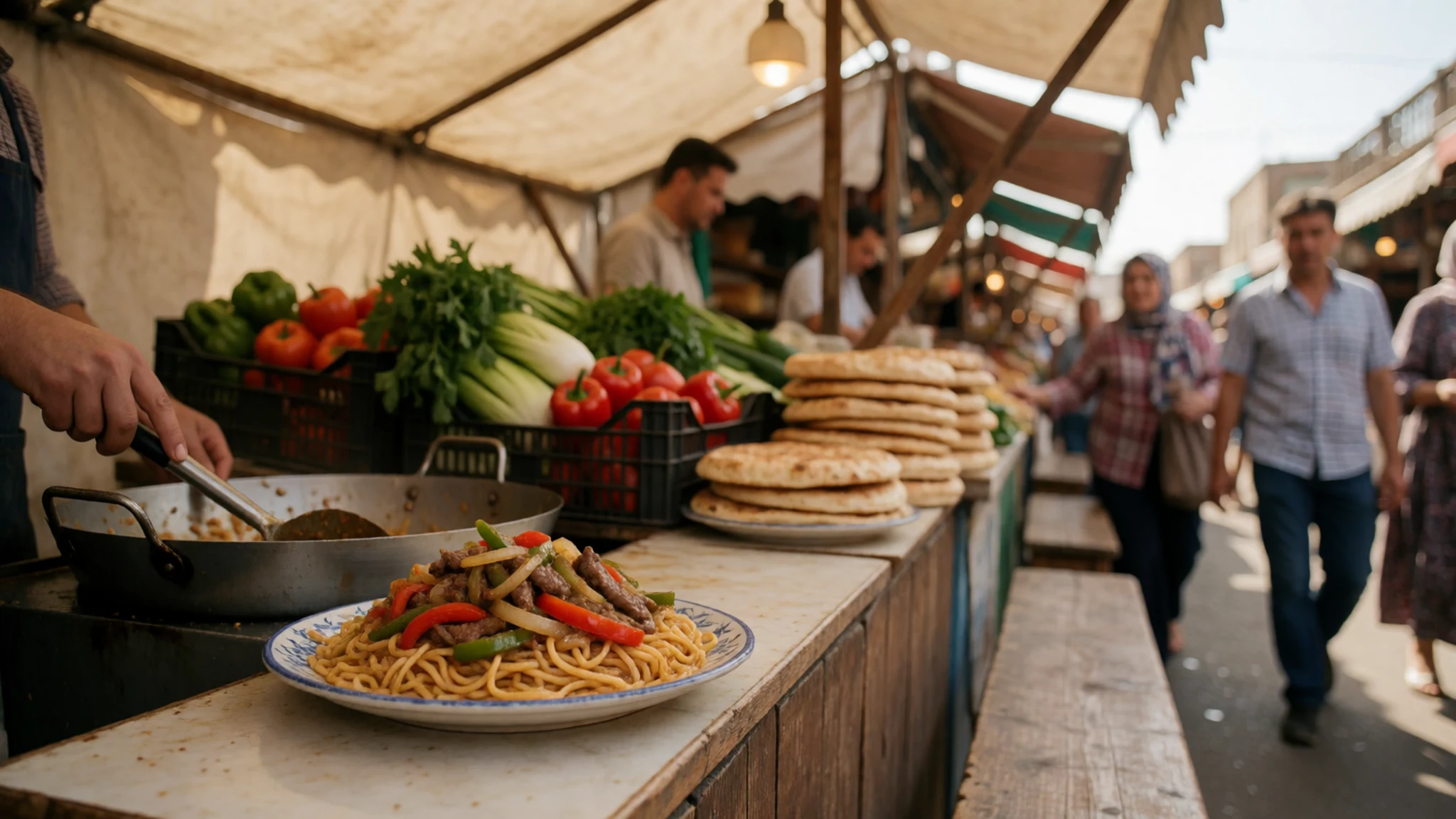
- Boorsok — Village homes and the morning bazaar in Karakol
Pieces of dough fried until golden, served with tea, jam or honey. They show up at every gathering and are often put on the table as soon as a guest sits down. Fresh ones from a village kitchen are better than packaged ones. - Kymyz — Herders' yurt camps on the summer pastures
Lightly fizzy, sour, fermented mare's milk, traditionally drunk in summer. The taste is an acquired one, but it is a mark of hospitality at herders' camps, and a small bowl is polite to accept. It is sold seasonally and tastes best where it is made. - Samsa — Street stalls and bakeries in Karakol
Baked pastry pockets filled with spiced minced meat and onion, with a flaky crust. They are practical trail food, easily carried and eaten warm. Bakers sell them from stalls and tandoor ovens, usually in the morning and around midday.
Plan it
Best time. June to September, when snow has retreated from the lower passes and valley tracks are usable; even then, nights are cold and weather can change within hours. Winter brings deep snow and difficult access.
How long. 2–3
Getting there. Fly to Bishkek's Manas airport, then travel by road to Karakol on the eastern side of Lake Issyk-Kul. From Karakol's Big Bazaar bus station, a local bus runs to Jeti Ögüz village; from the village, a shared ride or hitched lift continues up to the sanatorium. Check current timetables and fares locally.
Budget. low
Tips
- Keep to the outer valleys and marked routes; the reserve itself is closed to visitors
- Carry cash in small notes, as cards are rarely accepted in villages
- Pack layers, rain gear and sun protection, since conditions swing quickly at altitude
- Ask locally for up-to-date advice on passes and glacier-lake routes before setting off
- Allow time to acclimatise before attempting the higher walks
Etiquette
- Do not enter the strictly protected reserve or disturb wildlife
- Ask before photographing people or their animals
- Take rubbish away with you and keep to existing tracks
Nearby
Sources
- Wikidata Q1750354 (CC0)
- Wikipedia: Sarychat-Eertash Nature Reserve (rev 1362904648) (CC BY-SA 4.0)
- Wikivoyage: Jeti Ögüz (rev 5285316) (CC BY-SA 4.0)
- Tourists travel by horseback in Sarychat-Ertash Nature Reserve — Wild Expeditions (CC BY-SA 4.0)
- Relief map of Kyrgyzstan — NordNordWest, Виктор_В (CC BY 3.0)
- Rare snow leopard footage from the wild — Snow Leopard Trust (CC BY 3.0)


Wildlife
- Snow leopard (animal)
The snow leopard is a great mountain cat in a cosy, spotted coat, pale grey with dark rosettes, built for the cold. Sarychat-Ertash reserve was created partly to give it a safe home, though we cannot say when or where you might spot one, so no sighting is promised. If you hope for a glimpse, go with a guide, keep well back, stay quiet, and never offer food. Patience is part of the pleasure.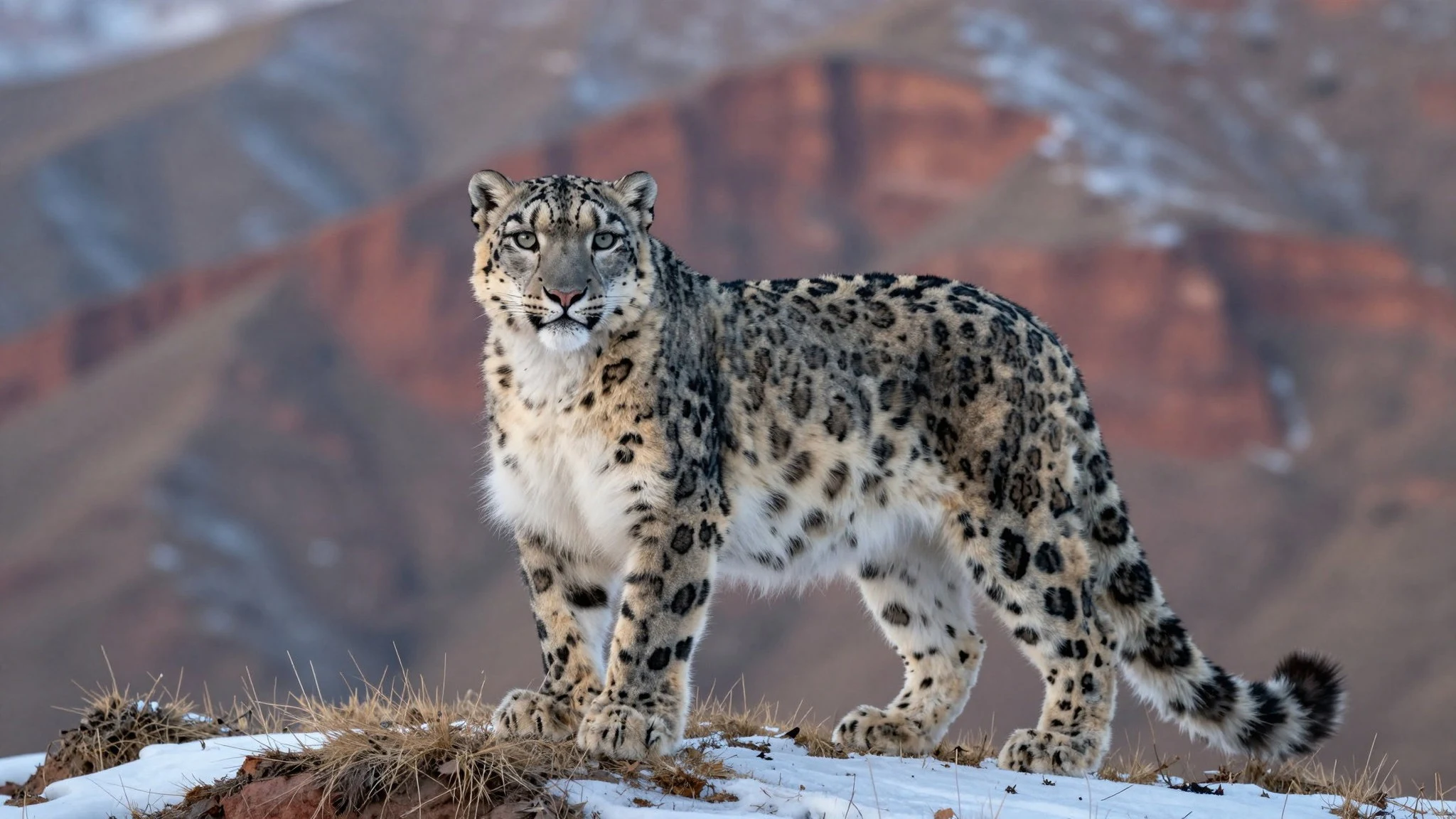
- Argali (animal)
The argali is the biggest wild sheep of all, a mountain sheep that a child might call the giant of the high hills. Sarychat-Ertash reserve was set up to protect it, though we cannot say which slopes, season or hour suit it best. Watch from a respectful distance, move softly, speak quietly, let a guide lead you, and never feed it, so it stays truly wild.