Ala-Archa National Park
Ala-Archa National Park, Kyrgyzstan
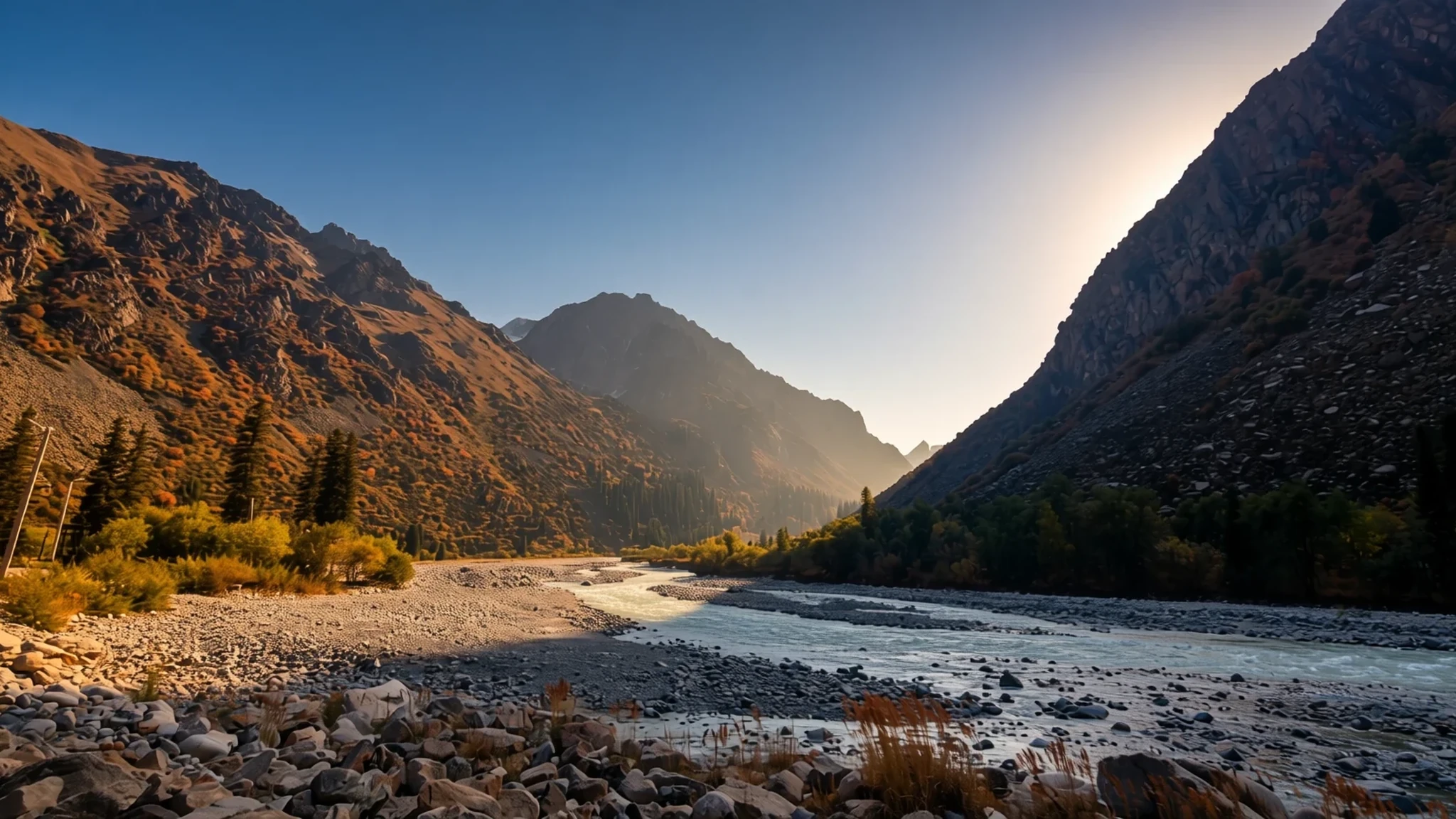
Ala-Archa National Park puts glaciers, pine-lined gorges and peaks above 4,000 m within a short drive of Bishkek.
The place
Ala-Archa National Park sits in the Tian Shan mountains of Kyrgyzstan, a short drive south of the capital, Bishkek. It was established in 1976 and is run as a state nature park. Its centre is the gorge of the Ala-Archa river, with the mountains that wall it in on every side.
The change in height is the point of the place. The valley floor near the entrance is at roughly 1,500 m, and the ground climbs from there through wooded slopes, meadows and boulder fields to bare rock and ice. The highest summit inside the boundary is Semenov-Tian-Shansky Peak, at 4,895 m, which is also the high point of the Kyrgyz Ala-Too range. Around fifty named peaks and more than twenty glaciers share the park, and the ice feeds the rivers that run down the valleys.
Two side valleys are worth knowing by name. The Adygene gorge is wooded, with springs, waterfalls and trout in the stream. The Ak-Sai valley is higher and more open, a route towards the glaciers and the climbing bases.
Because Bishkek is so close, the park works for a single day out, and it is used that way by city families, hikers and school groups. It also works as a base for several days of walking, and for mountaineers heading to the higher peaks. The weather changes fast with height: a warm, sunny start at the gate can turn cold, wet or snowy a few hours higher up, so the mountain deserves more respect than the easy road in suggests.
Its story
The story of Ala-Archa National Park is partly the story of Kyrgyzstan itself. The Kyrgyz people are described as descendants of tribes who moved into the region from the north, with the movement tied to the rise of the Mongol empire in the 13th century. Before them, Scythian peoples lived across much of the land. Mountain valleys like this one sat inside a pastoral way of life, with herds moved up to high pasture in summer and back down for winter.
In 1876 the region was absorbed into the Russian Empire after the Khanate of Kokand fell, and it later passed through the Soviet period. Kyrgyzstan became an independent nation in 1991. Through the twentieth century the Ala-Archa gorge was a natural playground for people from the growing city below, and its high peaks drew climbers from across the Soviet Union and beyond.
The park was formally established in 1976, giving the gorge and its surrounding mountains protected status. Today it is listed as a state nature national park, and its official website, alaarchapark.kg, is the place to check current rules, access and any fees.
The name itself is a clue to the landscape. Ala-Archa is usually linked to a kind of juniper that grows on these slopes, and the dark, scented trees are a common sight on the lower hillsides. That mix of old pastoral routes, Soviet-era mountaineering and modern day-tripping gives the park a lived-in feel, not the feel of a sealed-off wilderness.
What to see
- The Ala-Archa river gorge — Main valley, park entrance
The main valley is the heart of the park, with a river running over boulders beneath wooded slopes. A track follows it upstream, and most visitors simply walk as far as their legs and the weather allow. The scenery changes steadily as the trees thin out and the walls steepen.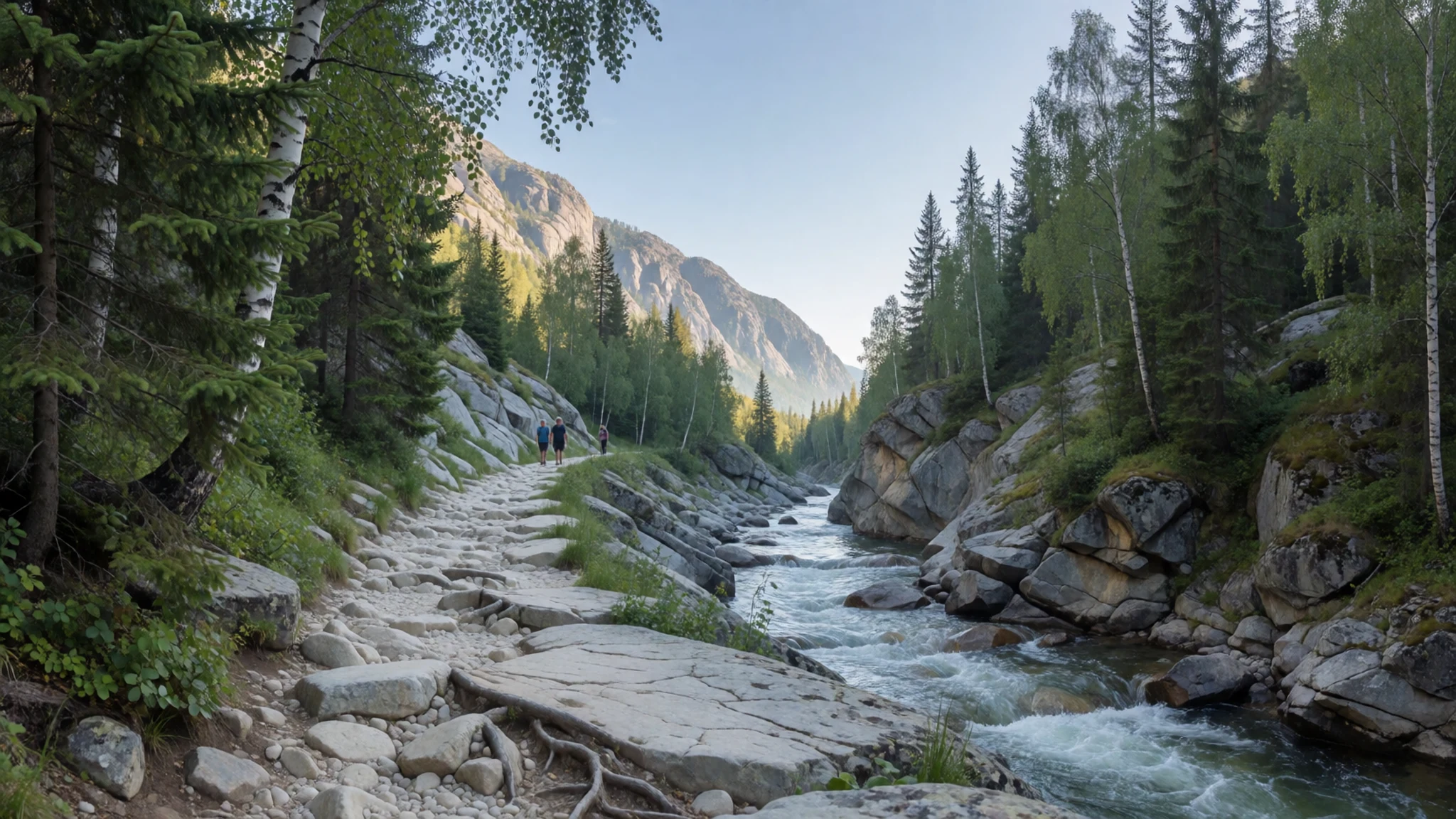
- Adygene gorge — Side valley off the main gorge
A wooded side valley with springs, waterfalls and trout in the stream. It is greener and more sheltered than the main valley, and suits walkers who want shade and the sound of water rather than a hard climb to the ice.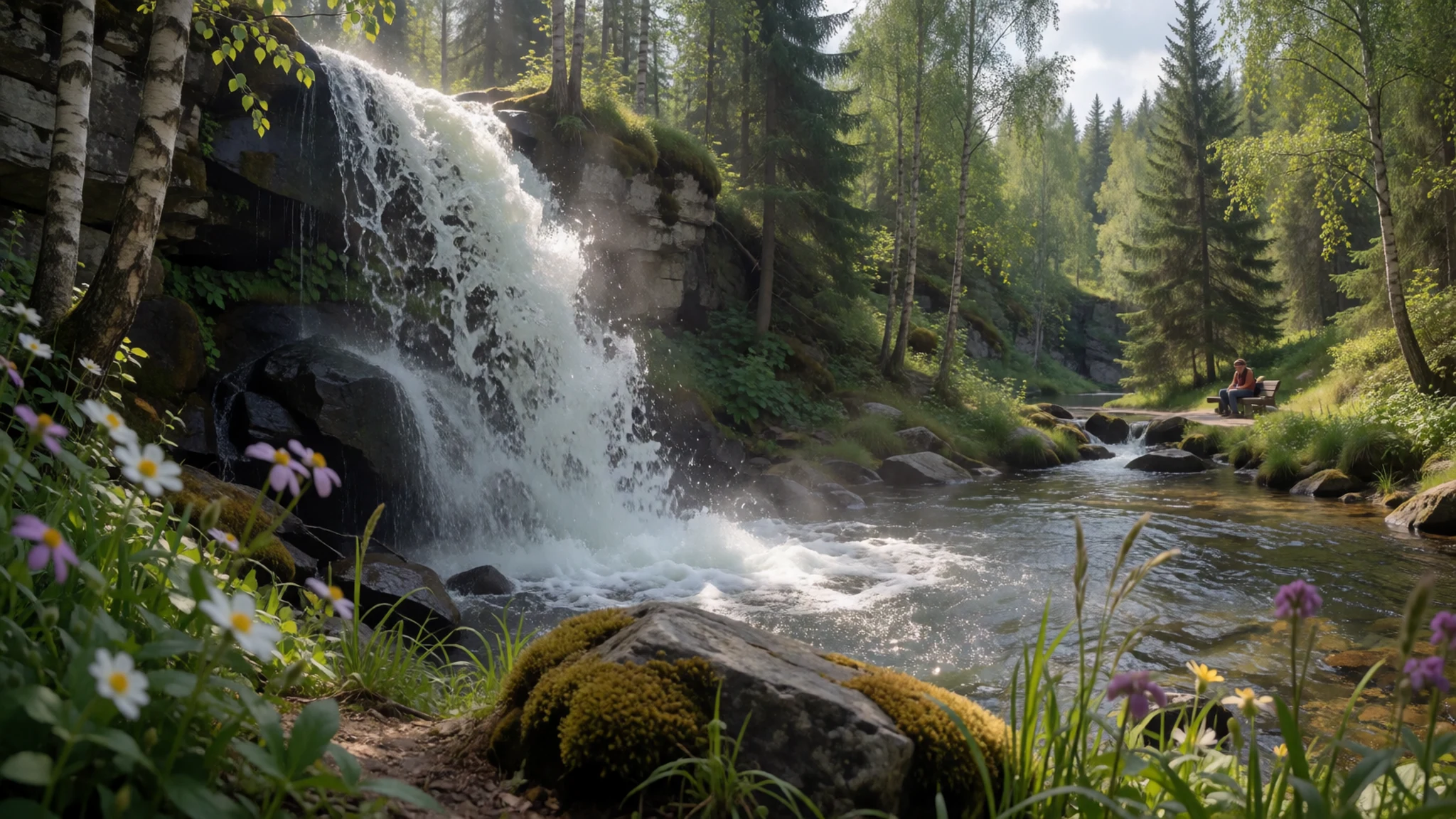
- Ak-Sai valley and glaciers — Upper park
The Ak-Sai drains meltwater from the park's ice, and its valley leads towards the high glaciers. This is serious mountain ground: the path steepens, the air thins and the weather turns quickly. Go early, carry layers, and turn back if cloud closes in.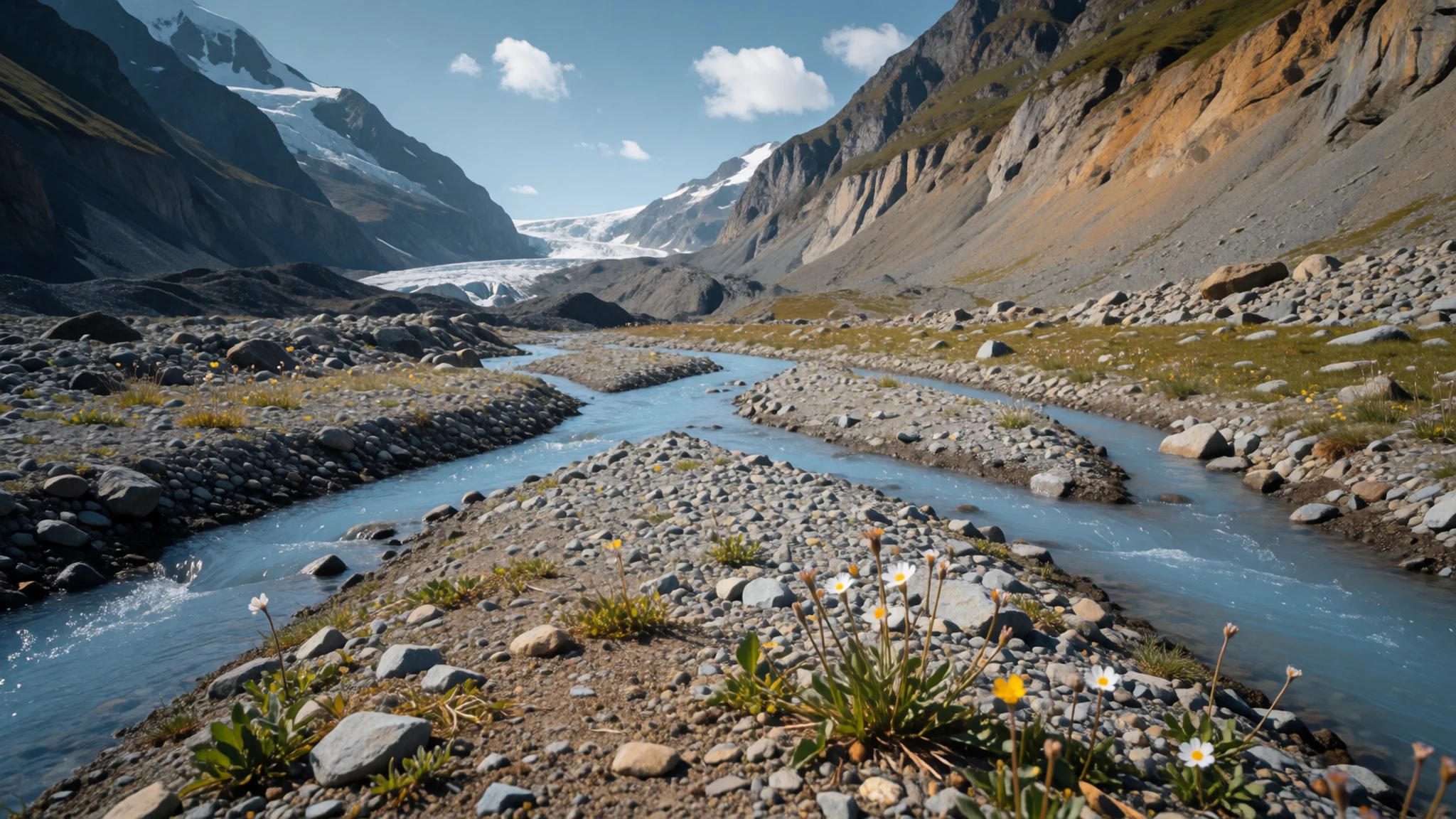
- Boulder fields — Mid to upper valley
Higher up, the valley floor gives way to fields of huge rock, left behind by ice and rockfall. They make slow, careful walking and good photographs, with the scale of the stones only clear when a person stands beside one. Wear boots with a firm grip.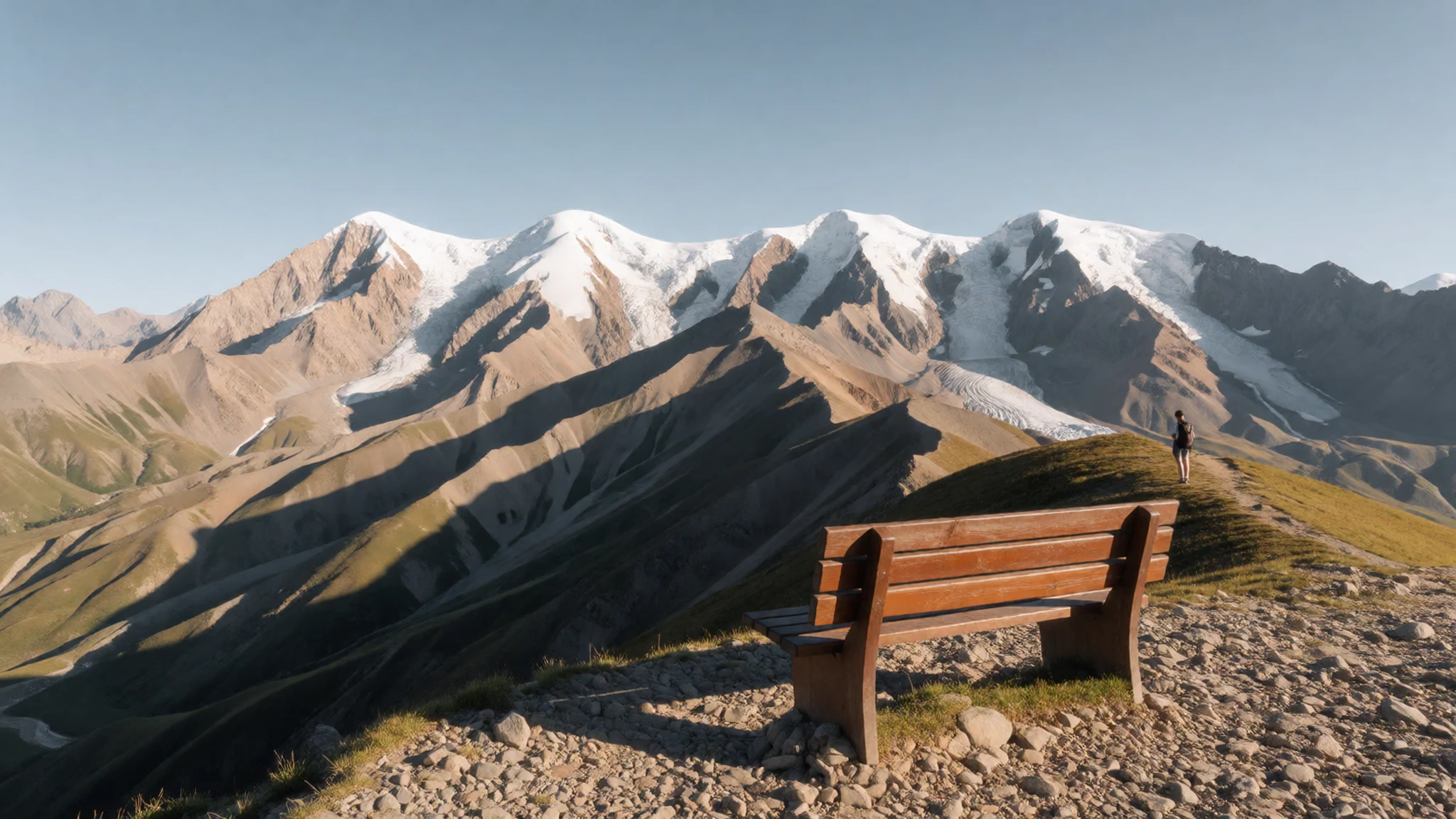
- Semenov-Tian-Shansky Peak — High peaks of the park
At 4,895 m, this is the highest summit in the park and in the Kyrgyz Ala-Too range. Most visitors only look at it from lower down, since climbing it is a job for experienced mountaineers with proper gear, guidance and acclimatisation.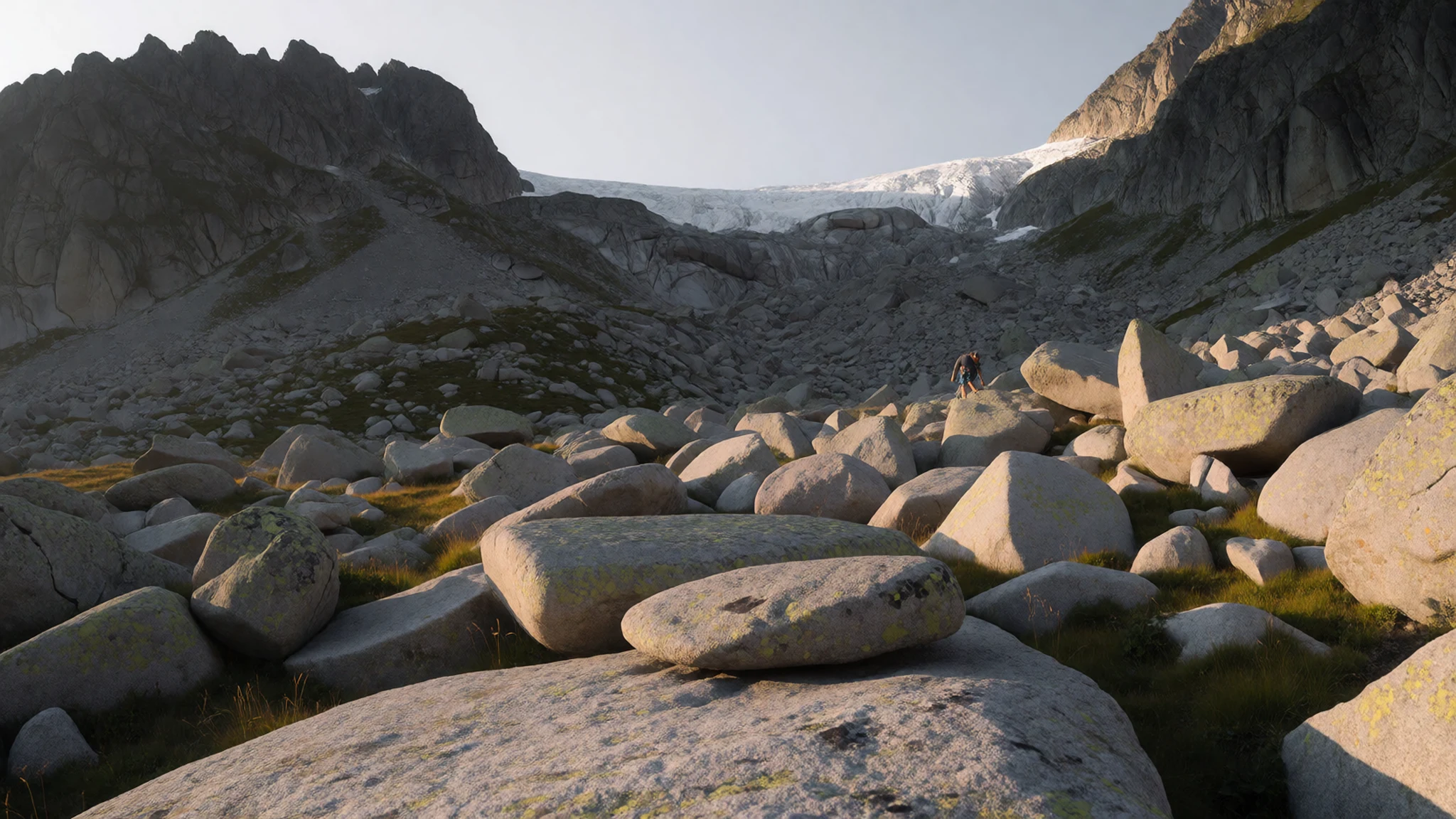
Culture
Ala-Archa National Park belongs to a country whose mountain culture grew out of pastoral nomadism, and that shows in how Kyrgyz people treat guests and the outdoors. Hospitality is central: if someone invites you to sit and drink tea, it is a sign of warmth, and the expectation is that you will stay a while and talk rather than hurry on.
Kyrgyzstan is nominally a Muslim country, but daily life is relaxed and widely described as westernised, with no special dress codes. Habits vary by region. Bishkek, the nearest city, is the most liberal place in the country, and the park draws a mix of locals: families on a day out, students, hikers and climbers. Weekends in summer are the busiest, with picnics on the grass near the entrance and a sociable, holiday mood.
Mountain life brings its own customs. Herders have long used high pastures in summer, and these valleys sit within that older rhythm even though the park now has its own rules. Fishing is popular with locals across the country, and the cold streams here are known for trout, so you may meet anglers by the water.
Evenings in towns can be livelier, with drinking a common part of social life, but a day in the park is quiet by comparison. Greet people you pass on the trail, and take your rubbish back down with you, as the park's visitors and rangers expect, and keep to marked paths and ask before photographing people, especially families picnicking or herders at work.
What to wear
Ala-Archa National Park is a mountain place, so the clothes that matter most here are practical ones, but the wider Kyrgyz tradition is worth knowing. The best-known traditional garment is the kalpak, a tall white felt hat, made from sheep's wool and shaped with a dark trim, and it is still worn for ceremonies, festivals and as a national symbol. Felt is central to Kyrgyz textiles: it is used for hats, boots, and for the patterned shyrdak rugs found in yurts. Traditional dress is mostly seen today at celebrations, folk performances and national days rather than on ordinary streets.
What people actually wear now is largely western everyday clothing. In Bishkek, styles are modern and often fashionable, and in the countryside people dress more conservatively and practically. At the park, locals on day trips wear jeans, trainers or walking shoes, and light jackets, with plenty of families in casual weekend clothes.
For a visitor, think layers. The valley floor can be warm in summer, but weather higher up turns cold, wet and windy quickly, and snow is possible well outside winter. Bring a waterproof shell, a warm mid-layer, a hat and gloves, sun protection and sturdy boots with a good grip for rocky, uneven ground. Trekking poles help on descents. No special dress code applies in the park, though women travelling in the south of the country are advised to dress more conservatively. In towns and villages, modest, covered clothing is the safer choice.
What to eat
- Besh barmak — Family restaurants and eateries in Bishkek, or at a host's table
The best-known Kyrgyz dish, its name meaning five fingers because it is traditionally eaten by hand. Boiled meat is served over noodles, often with onions, alongside a broth. It is a feast dish, usually served at gatherings and celebrations.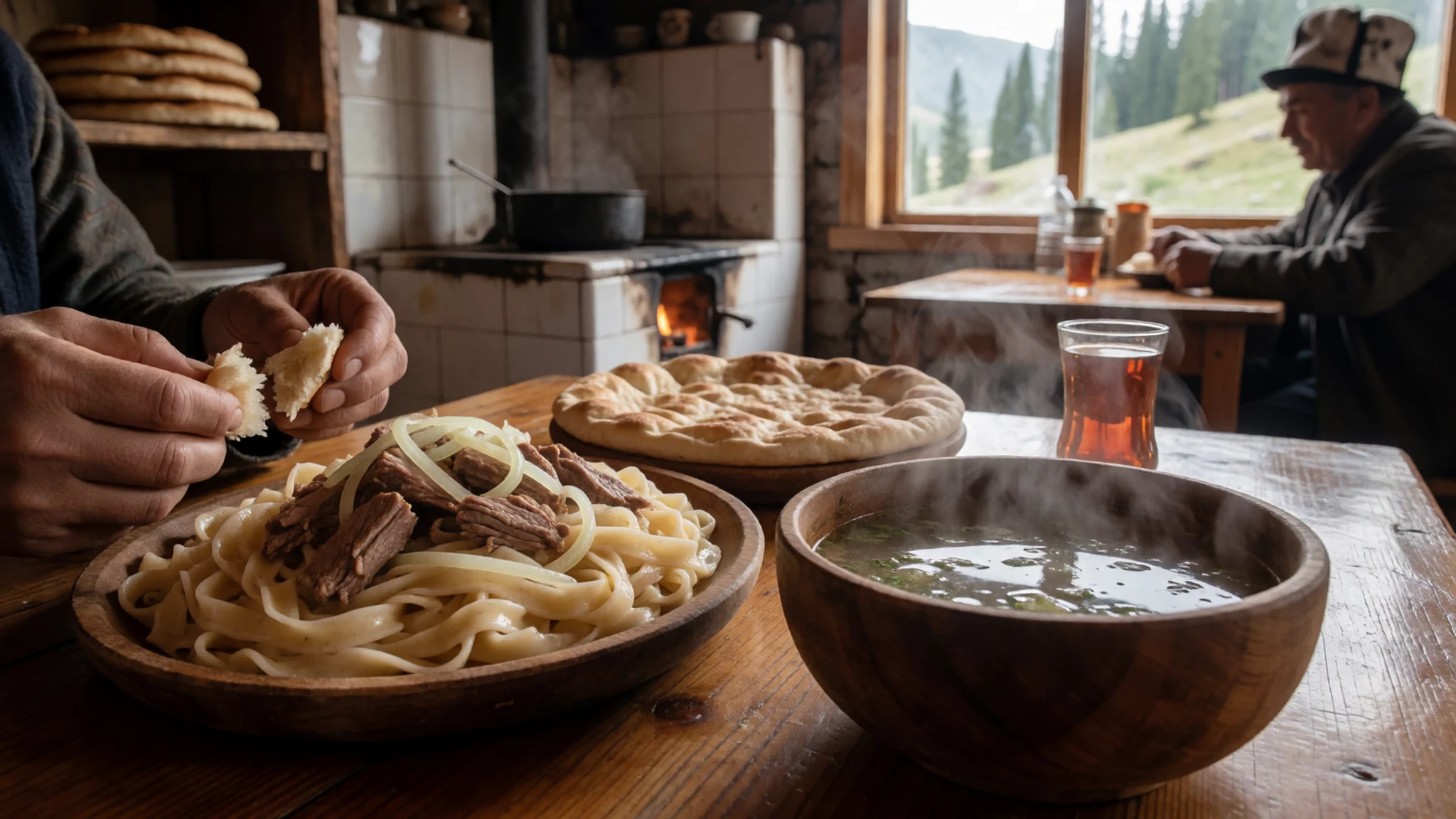
- Kymys — Roadside stalls and yurt camps in the countryside
Fermented mare's milk, a traditional drink of the nomadic pastoral world. It is sour, lightly fizzy and an acquired taste. It is offered as a sign of hospitality, so try a sip even if you do not finish the bowl.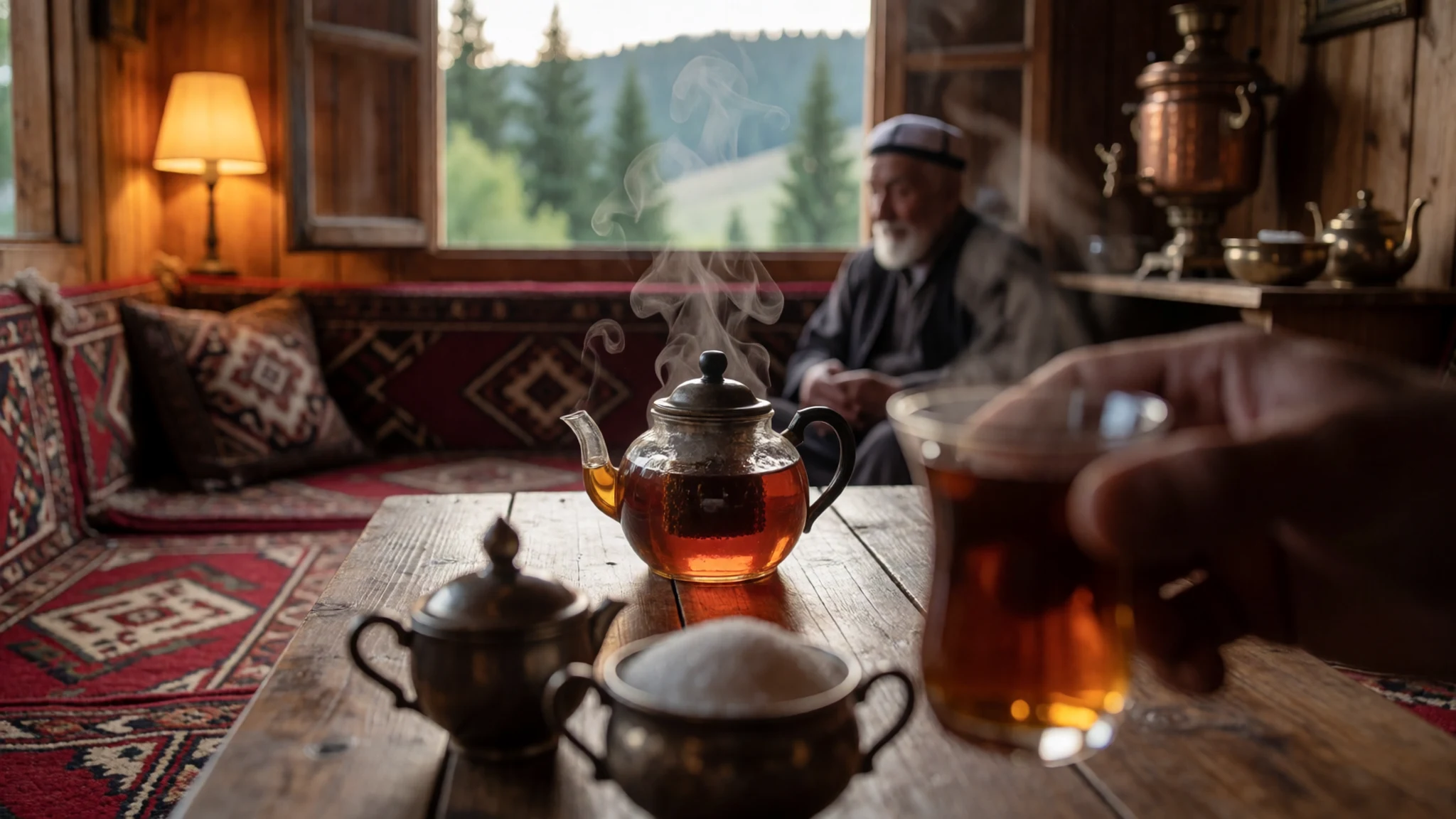
- Tea, light or strong — Any tea house, home or yurt
Tea is the thread of Kyrgyz hospitality. It is brewed strong in a small pot and diluted with hot water to taste. Ask for jengil chai for light tea or kyzyl chai for strong red tea. Cups are filled only part way. - Fresh bread, fruit and nuts — Bishkek's food bazaars and small roadside stands
Bazaars sell round loaves of bread, small flavourful vegetables, fruit, almonds and pistachios. They make easy picnic food for a day on the trail. Wash fruit and vegetables before eating. - Vegetarian plates — Restaurants and eateries in Bishkek
Traditional food leans heavily on meat, but vegetarians can usually manage. Ask for a vegetarian meal and you will often get a good one, built from vegetables, bread and salads, or put together from bazaar stalls.
Plan it
Best time. June to September is the main season, when the valley is clear of snow and the weather is mildest, with July and August the busiest. Higher ground stays cold and can turn wintry at any time, so pack layers even in summer.
How long. 1–2
Getting there. Fly into Manas International Airport (BSZ) in Bishkek, which has links to Istanbul and Moscow among other hubs. From Bishkek the park is roughly a half-hour drive, usually by taxi, shared car or organised tour. Check the park's official site, https://alaarchapark.kg/, for current access and entry details.
Budget. low
Tips
- Start early: weather in the mountains is usually clearer in the morning, and the trails are quieter
- Carry water, snacks, a waterproof layer and warm clothes, as there is little shelter higher up
- Allow time to adjust to the height before attempting the upper trails
- Check the official park website for current fees, opening arrangements and any trail closures
- Weekends in summer are busy with day-trippers, so a weekday visit is calmer
Etiquette
- Keep to marked paths and take your rubbish back down with you
- Ask before photographing people, especially families and herders
- Accept offers of tea politely and expect to sit a while
Nearby
Sources
- Wikidata Q40544 (CC0)
- Wikipedia: Ala-Archa Nature Park (rev 1362690507) (CC BY-SA 4.0)
- Wikivoyage: Kyrgyzstan (rev 5420229) (CC BY-SA 4.0)
- Photo: At Ala-Archa National Park, Kyrgyzstan (Mass Ave 975) (CC BY 3.0)
- Photo: Ala archa (Garth Willis) (CC BY 2.5)
- Photo: Relief map of Kyrgyzstan (CC BY 3.0)
- Photo: Ala Archa river (Vitaliknyc) (CC BY 3.0)
- Photo: Ala-Archa National Park (Vitaliknyc) (CC BY 3.0)
- Photo: Boulder field (Vitaliknyc) (CC BY 3.0)
- Photo: At Ala-Archa National Park 2 (Mass Ave 975) (CC BY 3.0)
- Photo: At Ala-Archa National Park 3 (Mass Ave 975) (CC BY 3.0)


