Cholpon-Ata
Cholpon-Ata, Kyrgyzstan
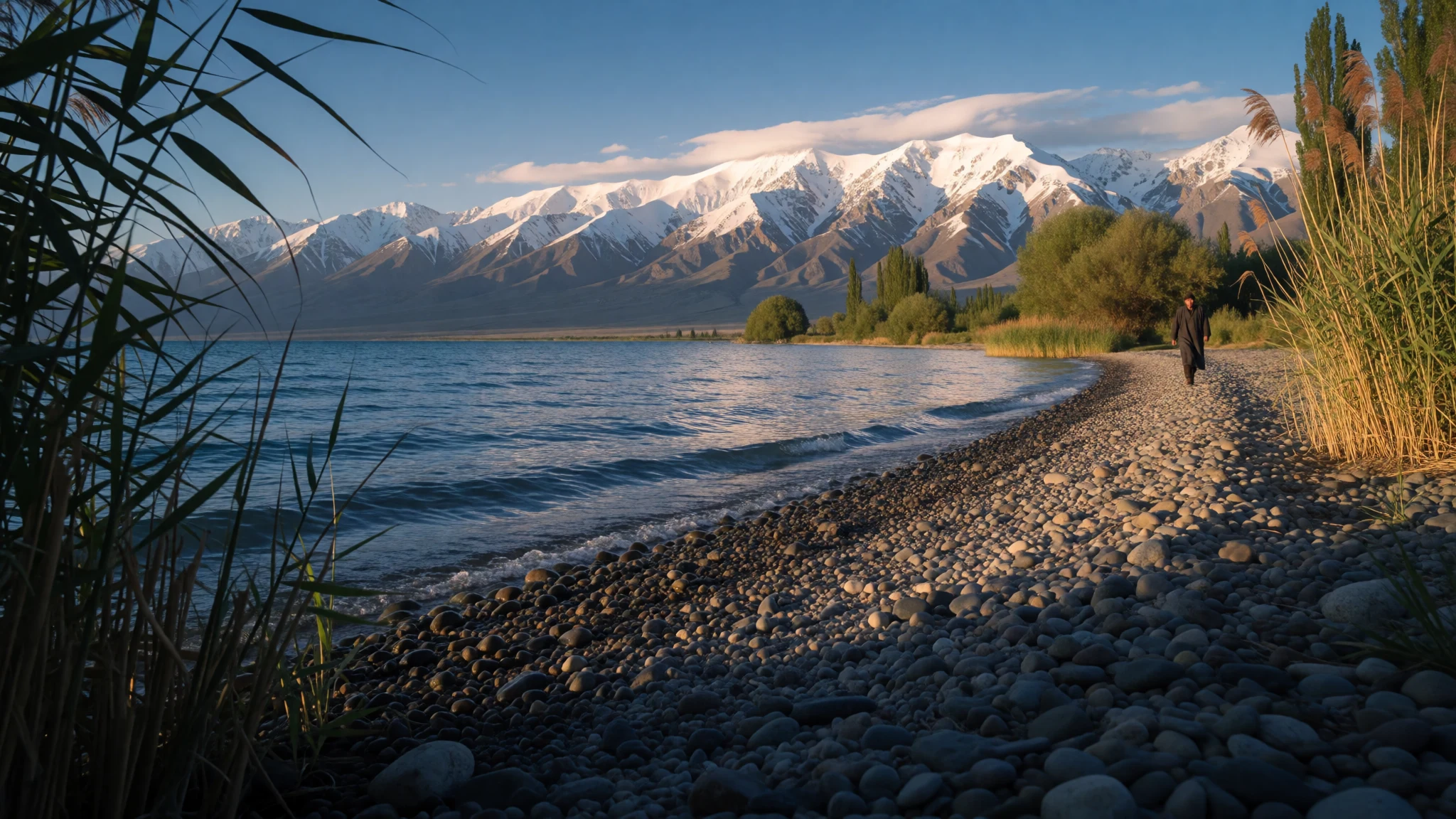
Cholpon-Ata is a relaxed lakeside town where summer swimming meets Tian Shan views and an open-air field of ancient rock carvings.
The place
Cholpon-Ata is a lakeside resort town on the northern shore of Issyk-Kul, the big mountain lake in eastern Kyrgyzstan. It is the administrative seat of the Issyk-Kul District, a strip of shoreline that follows highway A363, with Tamchy to the west and Bosteri to the east. The town is low-rise and spread out: a patchwork of sanatoria, guesthouses, holiday complexes, cafes and tree-lined streets that run down to pebbly and sandy beaches. Across the water the snowy Tian Shan ranges fill the southern horizon, and on a clear morning that view is the real reason people come. Most holidaymakers arrive from Kyrgyzstan itself, Kazakhstan, Uzbekistan and Russia, with a thinner stream of travellers from further afield. The pace is seasonal. In July and August the beaches, promenades and main road are busy, and music spills out of lakeside terraces in the evening. By autumn the town slows right down, and many restaurants and guesthouses close for the winter, so a visit outside summer means an emptier shore but fewer places open. Standards of accommodation vary widely, from Soviet-era blocks to newer guesthouses. Cholpon-Ata works best as a base for lake and mountain days rather than as a place of grand monuments. Its pleasures are simple: swimming, walking the shore, a petroglyph field on the edge of town, and day trips into the side valleys of the range.
Its story
Cholpon-Ata has been a gathering place for far longer than it has been a resort. Herding peoples left carvings on the boulders above the shore over many centuries, showing hunters, wild goats and big cats, and the field that preserves them still sits on the edge of town. The modern story is largely a Soviet one. When the lake was turned into a holiday destination, Cholpon-Ata filled with sanatoria and rest homes, and workers from across the USSR were sent here in organised groups for a fortnight of fresh air, water and mountain scenery. Many of those buildings still stand, some refurbished, some tired, and they give the town its slightly municipal, tree-shaded character. After the Soviet Union ended, the mass tours stopped. Holidaymakers began coming under their own steam, in families and small groups, and the town reinvented itself around guesthouses, cafes and private beaches. More recently Cholpon-Ata has taken on a second role as a stage for Kyrgyz heritage. It hosted the first three World Nomad Games, a festival of horse sports, wrestling, archery and other traditions of steppe and mountain peoples, with teams drawn from across Central Asia and beyond. The games brought in new venues and a wider audience, and tied the resort back to the pastoral culture of the surrounding highlands. Today the town sits between those layers: Soviet leisure architecture, nomad pride and a summer economy that depends on the lake.
What to see
- Open Air Museum of Petroglyphs — Northern edge of Cholpon-Ata
Cholpon-Ata's rock-art field lies on open ground above the town, scattered across large boulders. Look for hunting scenes and animals, including big cats. Many carvings are faint and weathered, so go in low morning or evening light, when shadows pick out the lines, and be selective rather than expecting a gallery.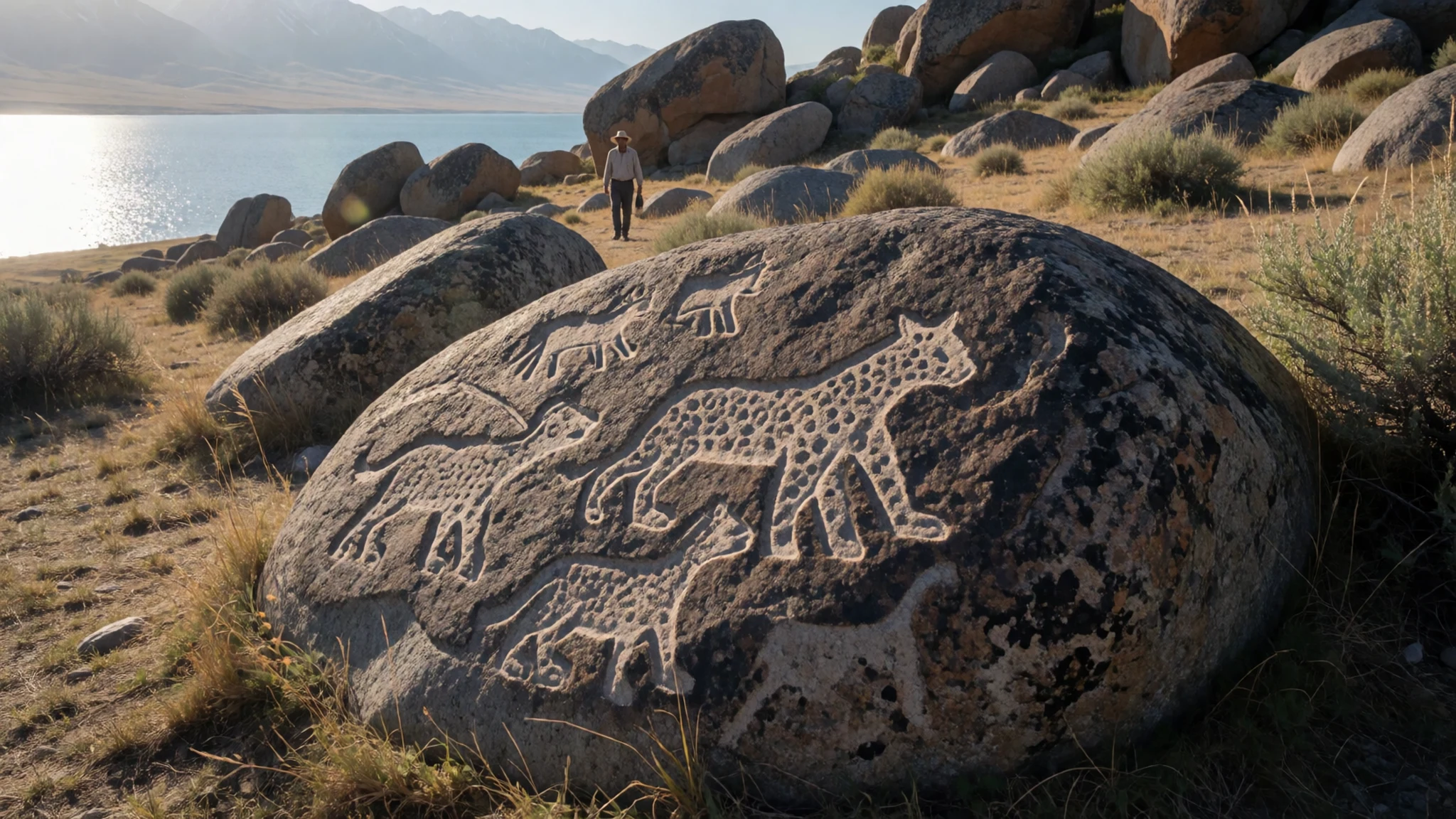
- The lake beaches — Lakefront, Cholpon-Ata
The shore at Cholpon-Ata is the town's main draw, with clear water and mountain views across the lake. Beaches range from busy, facility-lined stretches to quieter pebbly corners. Summer is the swimming season, and water that stays cool even in July suits a short dip better than a long soak.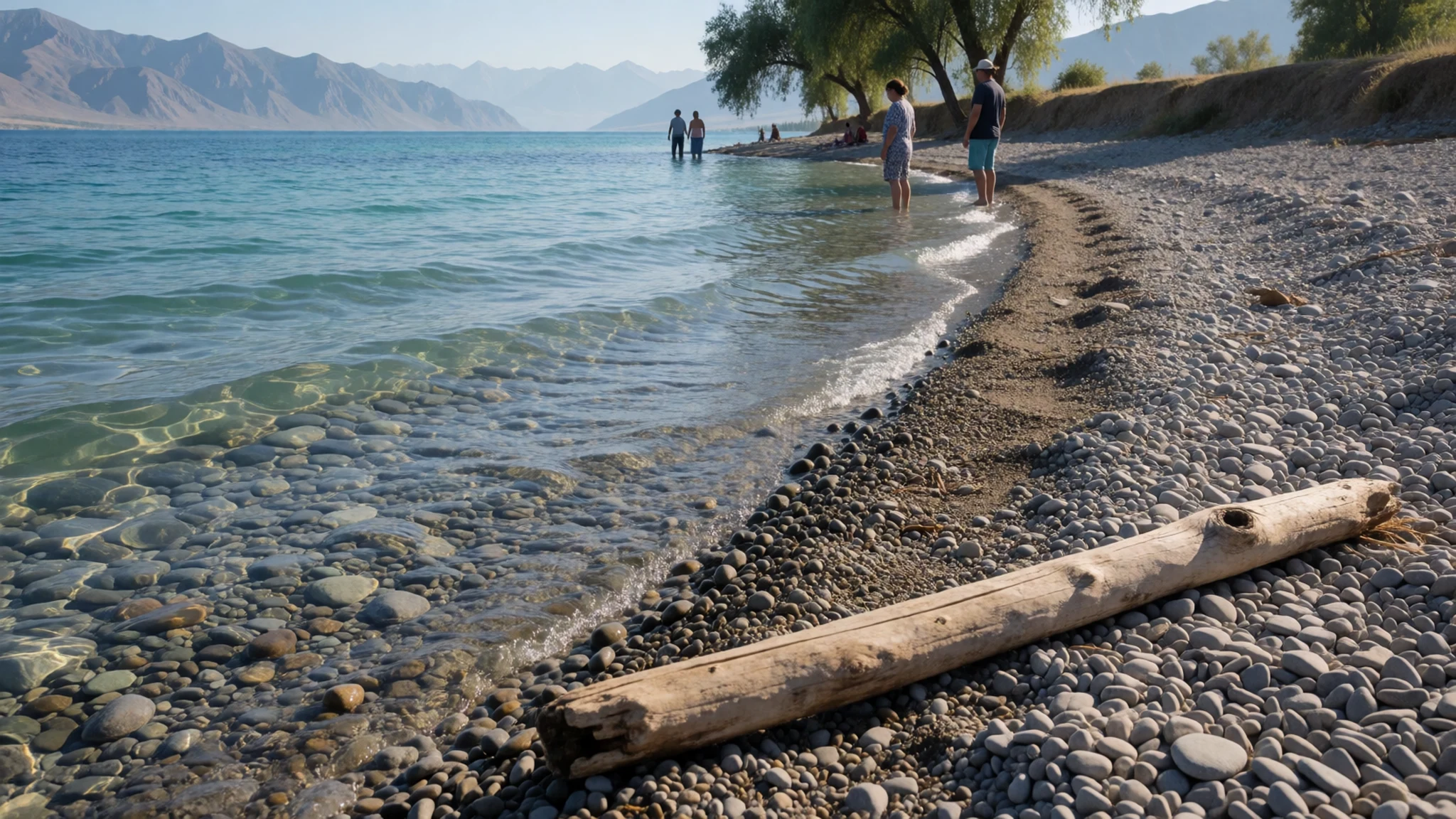
- World Nomad Games legacy — Lakeshore venues around Cholpon-Ata
Cholpon-Ata hosted the first three World Nomad Games, and the equestrian grounds and event spaces remain a reminder of that. Check local listings for any festival, horse-games demonstration or cultural event during your dates, since these are what bring the nomad heritage to life.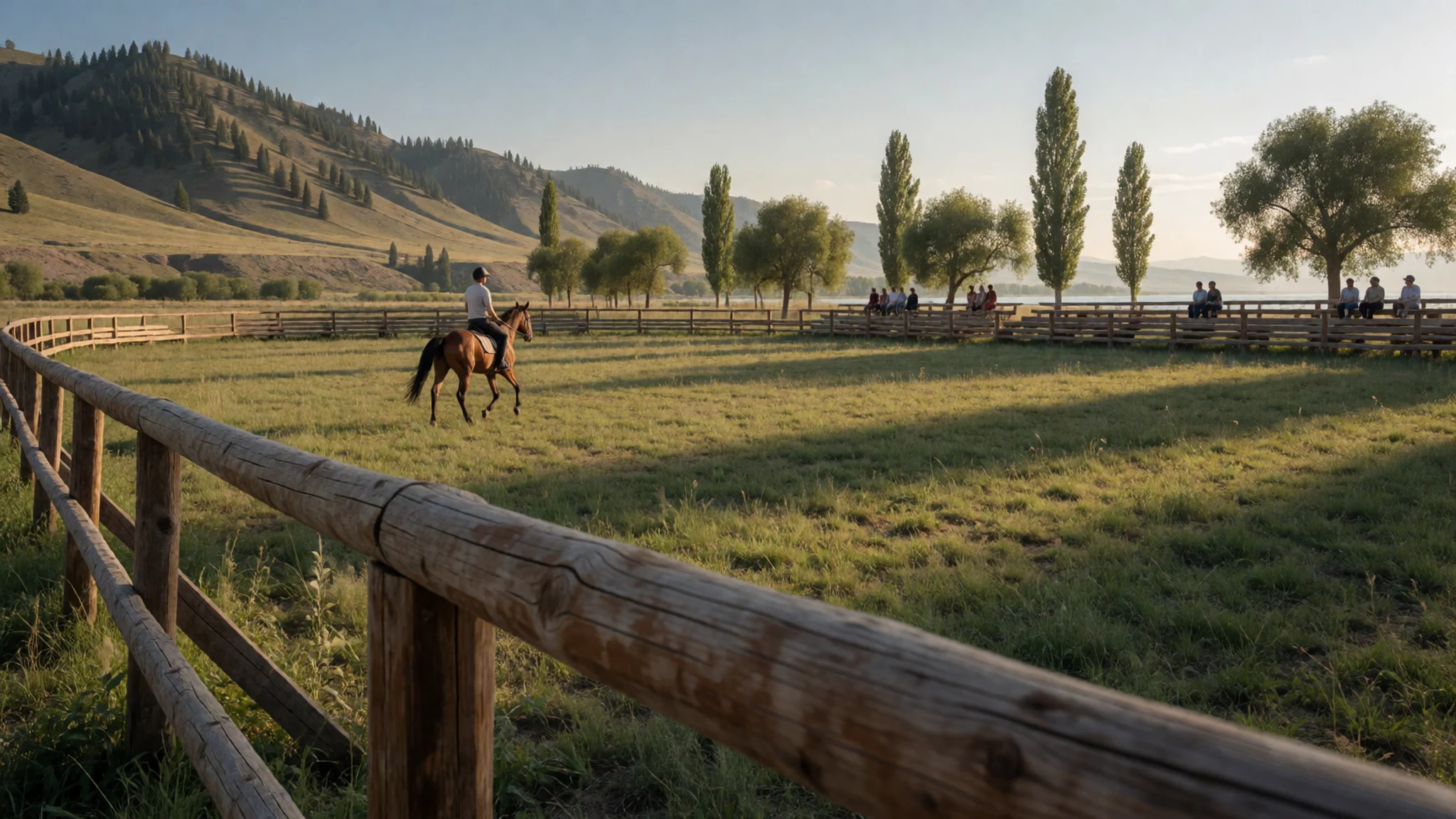
- The Tian Shan view — Waterfront promenade and beaches
From the Cholpon-Ata waterfront the high peaks of this part of the Tian Shan line the southern skyline across the lake. Haze can blur them by midday, so a sunrise walk along the shore is the surest way to see snow and ridgelines clearly.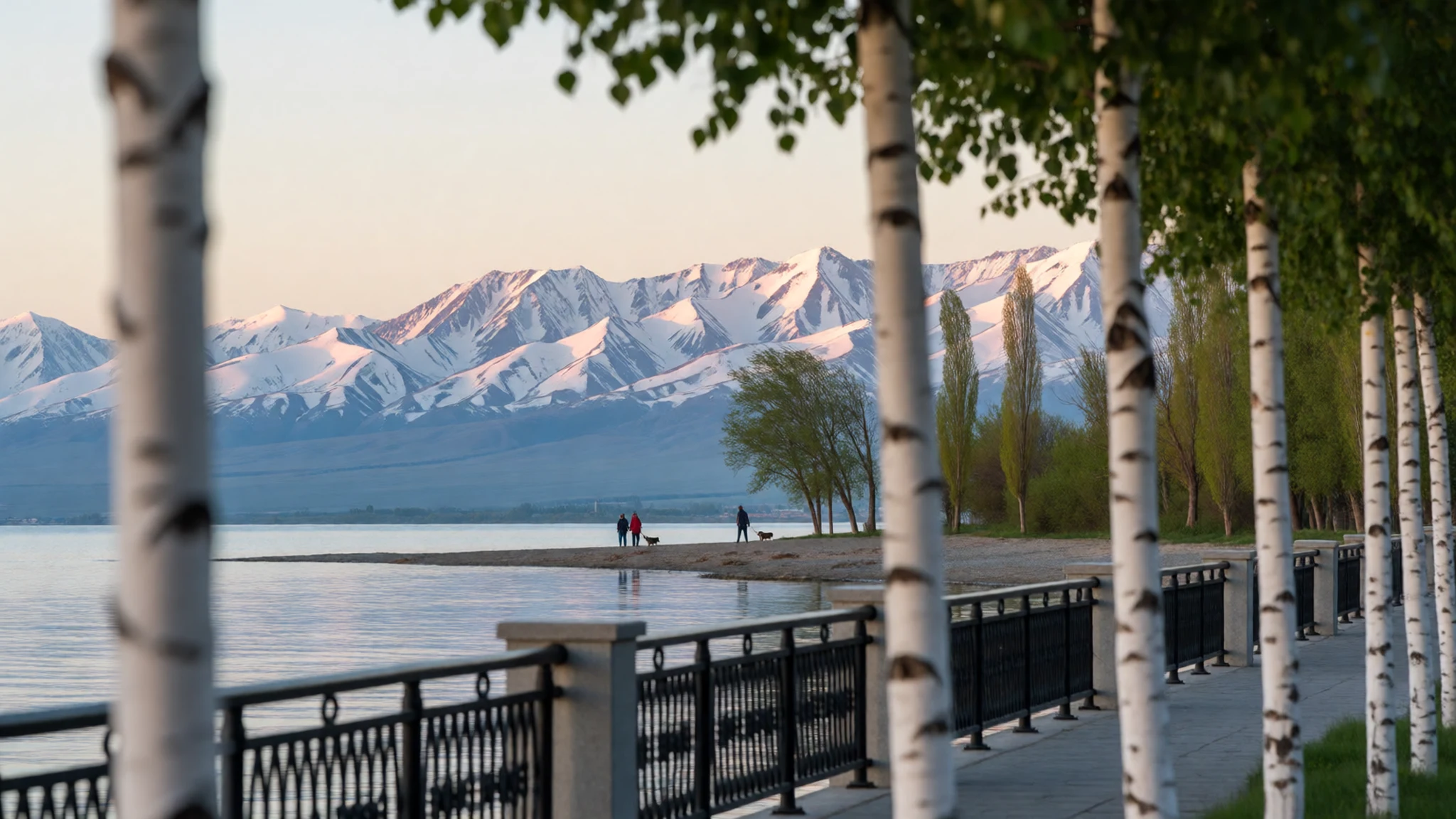
- Side valleys and the Grigorievskoe trail — Mountains north-west of Cholpon-Ata
Cholpon-Ata is a handy starting point for walks into the mountains behind the lake. The Grigorievskoe trail, to the north-west, is a popular route into the high country. Ask at your guesthouse about road conditions, weather and a driver, and carry water, layers and sun protection.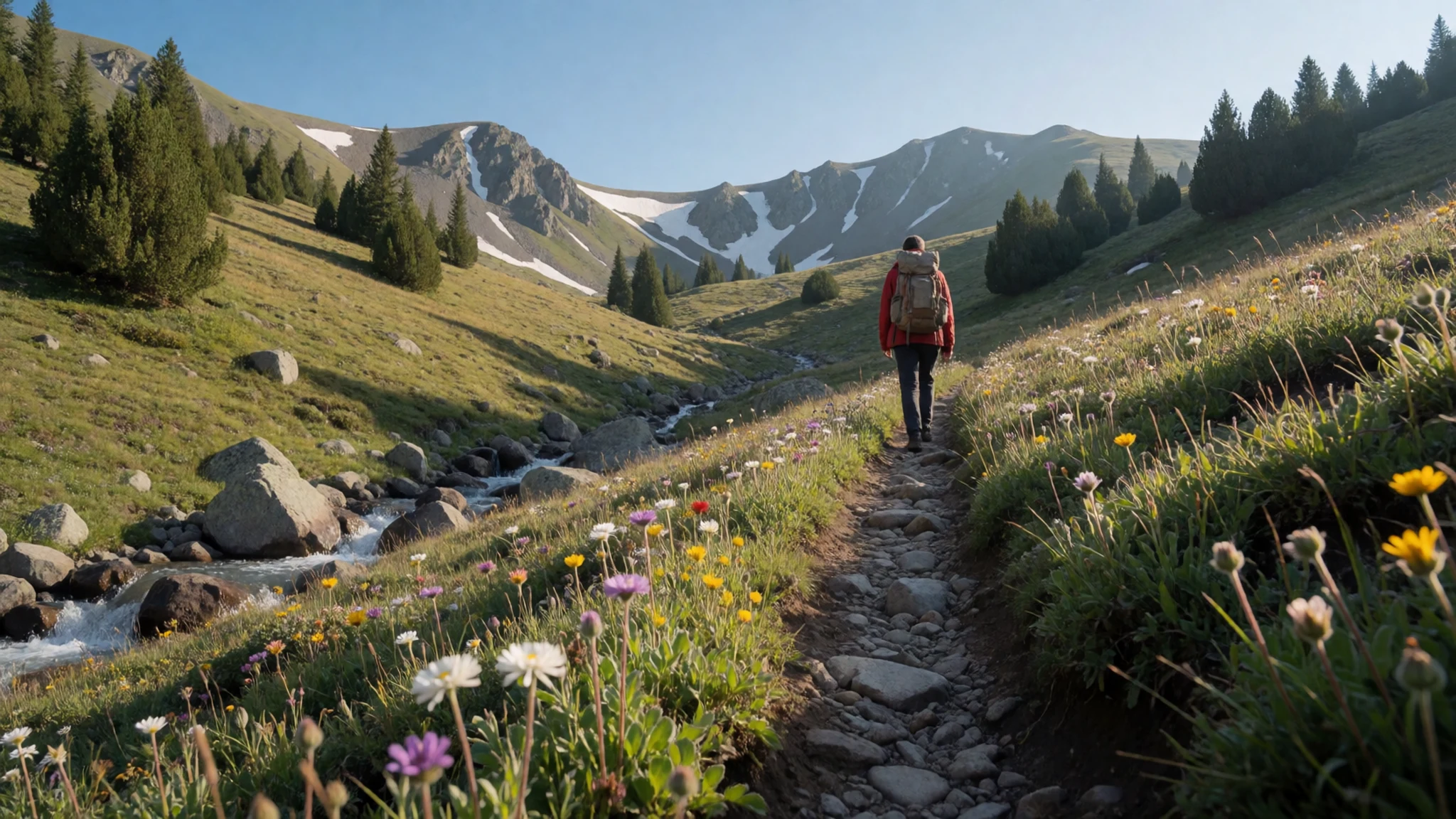
Culture
Cholpon-Ata sits in a Kyrgyz and Russian-speaking holiday region, and its culture is a blend of steppe heritage and Soviet leisure habits. The older layer is nomadic: herding families, felt yurts on summer pastures, horse games, eagle-hunting displays and a tradition of hospitality in which a guest is quickly offered tea, bread and sweets. Kyrgyz is the national language and Russian is widely used in towns, and a few words in either are always appreciated. Most people are Muslim, though observance is relaxed, and alcohol is available in cafes and shops. The Soviet layer shows in the sanatoria, wide avenues, statues and the habit of taking a lakeside cure, with long walks, mineral-rich air and a restful routine. The town's summer crowd comes largely from neighbouring countries, so the atmosphere is more regional holiday than international tourism. Family outings, picnics beside the water and evening strolls on the promenade are central to life here. Music is a regular feature of summer evenings, from pop to traditional instruments such as the komuz, a three-stringed lute, and horse-related festivals keep the nomadic past visible. Outside the season, a quieter local life takes over, with fewer visitors and many businesses shut. When you are invited into a home or a yurt, take your shoes off at the door and accept at least a sip of the tea or fermented mare's milk you are offered.
What to wear
Cholpon-Ata's traditional dress belongs to the wider Kyrgyz tradition, which grew out of life on horseback and in felt tents. The best-known piece is the ak kalpak, a tall white felt hat with dark trim, worn by men and boys at festivals, weddings and national occasions. Men also wear the chapan, a padded robe, and embroidered waistcoats, while women's formal dress includes velvet jackets, long dresses and, on ceremonial days, the elechek, a large white headdress wrapped around the head. The key textile is felt, made from sheep's wool and used for hats, boots, rugs and wall hangings, with shyrdak carpets built from inlaid coloured patterns. Today, daily wear in Cholpon-Ata is plain and practical: shorts, T-shirts and swimwear on the beach in summer, jeans, sportswear and trainers in town, and smarter outfits for restaurants and evenings. Traditional dress mostly appears at festivals, performances and family celebrations. Visitors should dress for strong mountain sun and cool lake breezes: a hat, sunglasses, sun cream and a light jacket or fleece for evenings, which turn chilly even in summer. Swimwear is fine on the beach but cover up with a shirt and trousers or a long skirt in town, villages and when visiting a mosque or family home. Comfortable closed shoes with grip are best for the petroglyph field and mountain trails, and sandals or water shoes help on pebbly beaches.
What to eat
- Lagman — Everyday cafes and canteens along the main roads
A hand-pulled noodle dish in a savoury beef or lamb and vegetable sauce, of Uyghur and Dungan origin and now standard across Kyrgyzstan. Cholpon-Ata cafes serve it as a filling lunch, either soupy or stir-fried.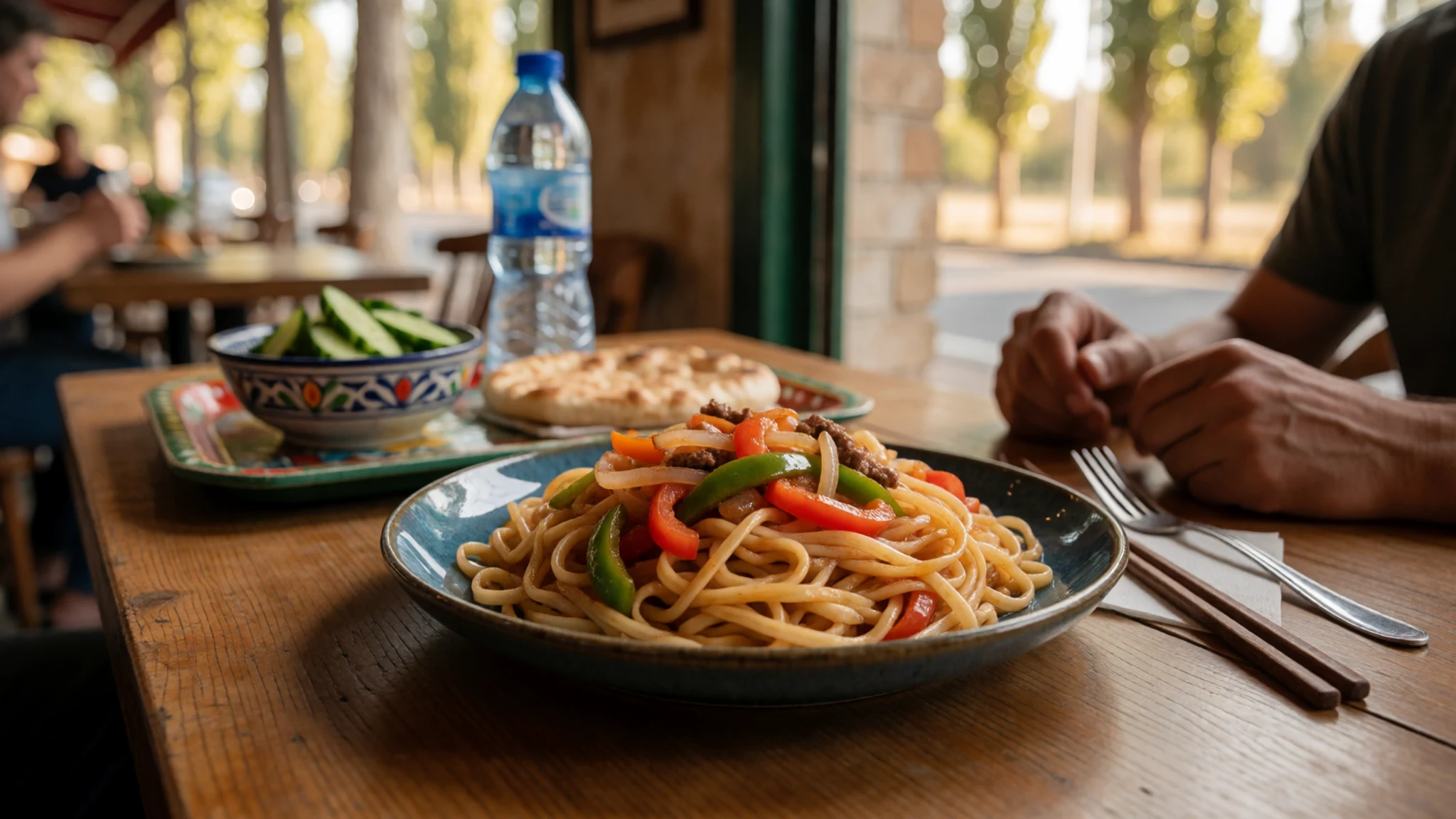
- Shashlyk — Grill terraces and roadside barbecue stalls
Skewered chunks of lamb, beef or chicken grilled over charcoal and served with onions, flatbread and sauces. It is a staple of summer evenings in Cholpon-Ata and goes well with a cold drink after a beach day.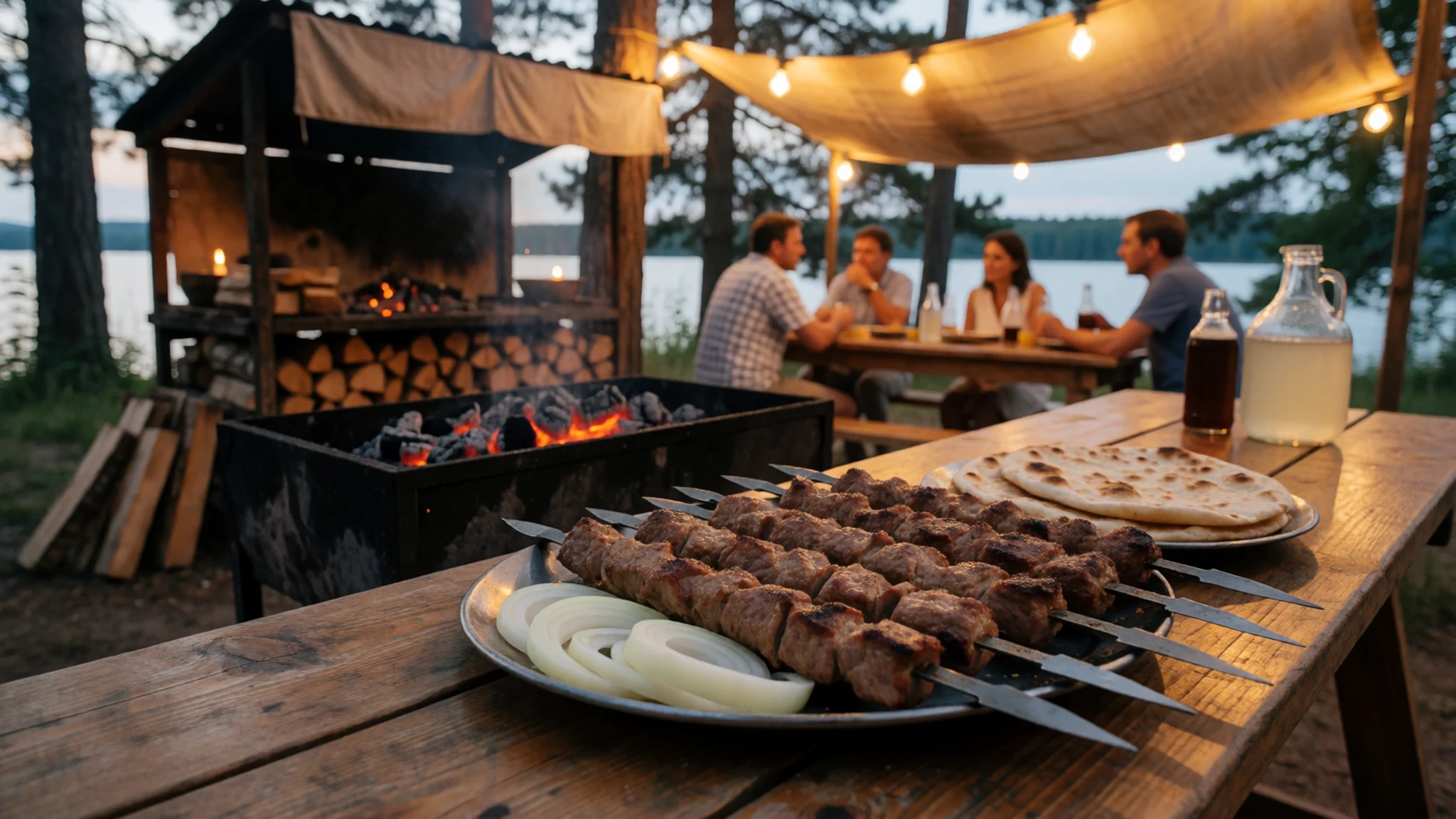
- Manty — Family-run cafes and guesthouse dining rooms
Large steamed dumplings filled with minced lamb or beef and onion, often served with sour cream or a tomato dip. They are hearty, and one plate can easily be a full meal after a day by the lake. - Beshbarmak — Traditional-style restaurants and homestays, often by arrangement
Boiled meat, usually lamb or horse, served over wide flat noodles with onion broth. It is the dish of celebrations and guests, so it appears at weddings and feasts, and some restaurants will prepare it with notice. - Boorsok — Bakeries, market stalls and any home or guesthouse table
Pieces of dough fried until golden, eaten with tea, jam or honey, and usually put out as soon as a guest sits down. They are crisp, plain and good for breakfast or a snack on the road.
Plan it
Best time. Late June to early September for swimming and the full summer atmosphere, with July and August the busiest and most expensive. September is calmer. Through autumn and winter many restaurants and guesthouses close, though the mountain scenery remains.
How long. 2–3
Getting there. Fly to Bishkek, then take a marshrutka (shared minibus) or taxi along the lake road to Cholpon-Ata, a journey of a few hours, sometimes with a change at Balykchy. A scenic train runs to Balykchy, with a marshrutka for the final stretch. A small airport at Tamchy serves visitors in summer.
Budget. low
Tips
- Rooms can usually be found by walking around and asking near the bus station, but book ahead for big events and the busiest weeks of July and August
- Carry cash in local currency, as small cafes, beach stalls and marshrutkas often do not take cards
- Visit the petroglyph field in early morning or late afternoon, when light makes the carvings easier to see and the sun is gentler
- Bring sun protection and a warm layer, as the mountain sun is strong and evenings by the lake are cool
- Outside summer, check ahead that your guesthouse and a nearby eatery are open
Etiquette
- Take your shoes off when entering a home or yurt
- Ask before photographing people, especially women and children
- Take litter away from beaches and the petroglyph site
Nearby
Sources
- Wikidata Q55582653 (CC0)
- Wikipedia: Cholpon-Ata (rev 1377769099) (CC BY-SA 4.0)
- Wikivoyage: Cholpon-Ata (rev 5397627) (CC BY-SA 4.0)