Sary-Jaz
Sary-Jaz, Kyrgyzstan
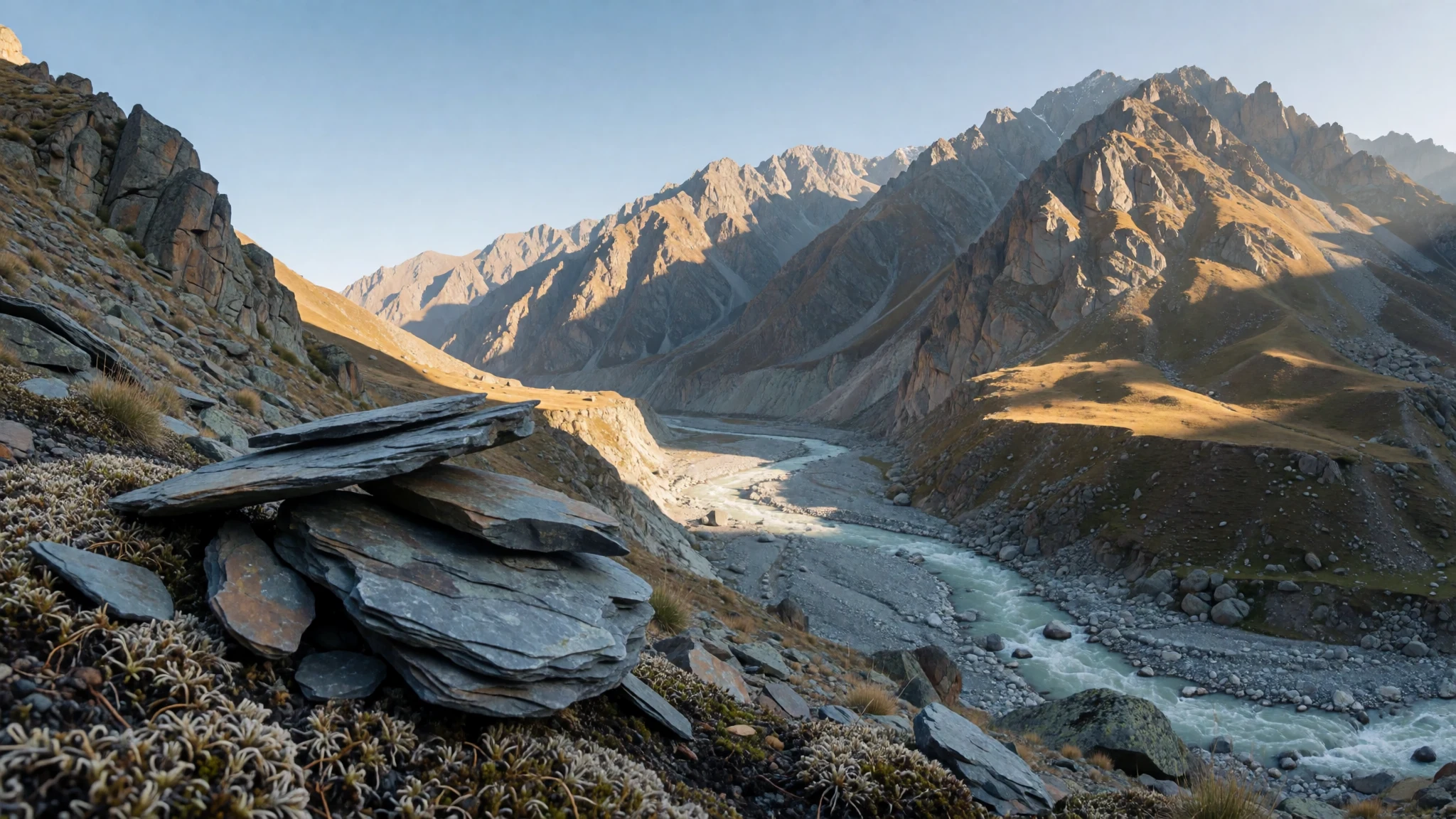
Sary-Jaz is a glacier-fed Tian Shan river in remote Kyrgyz herding country, for travellers who want empty valleys, big skies and the Chinese border close by.
The place
Sary-Jaz is a river in the Tian Shan of eastern Kyrgyzstan, and the name stretches to the long valley it has cut through the mountains. It lies well beyond the resort shore of Issyk Kul, the lake most visitors to the country head for, and the character changes quickly once the tarmac thins: wide gravel beds, braided channels of cloudy glacial water, steep slopes of grass and scree, and snow peaks standing at the head of side valleys. Wikidata records the river under both Kyrgyzstan and China, which suits a borderland where the water crosses a line that people and livestock mostly do not. Settlement is thin. In summer herding families move their flocks to high pastures and live in yurts, and the few vehicles on the tracks tend to belong to herders, border staff, mountaineering outfits and the occasional adventurous driver. Services are scarce, so a trip here is really a trip with a local driver or guide, not a casual walk-in visit. The Tian Shan is a long range shared by several countries, and this stretch gives a sense of its scale rather than its prettiness: big, bare, quiet and quick to change in weather. Photographers favour clear days from the passes, when the river shows as a pale silver thread against dark ground. Anyone wanting lake beaches, hot springs or café stops is better off treating the Issyk Kul shore as the base and the river country as a long day trip or a camping expedition.
Its story
The story of Sary-Jaz is mostly the story of ice and water. Glaciers high in the Tian Shan melt through the warm months and feed the river, which is why its flow swells in summer and shrinks when the cold returns. What leaves the mountains matters well beyond the valley, because much of the land on the far side of the range is dry and depends on rivers that begin in snowfields like these. On the Chinese side the same river system is known by a different name, Aksu, a reminder that the mountains were here long before the frontier. People have used the high pastures for generations. Kyrgyz herders, traditionally, climb with their animals as the snow retreats and come down before winter closes the passes, a rhythm that still shapes who is on the tracks and when. In the twentieth century the frontier hardened and the area became a controlled border zone, which is why access today still involves paperwork and polite conversations with officials. The upper valleys, towards the great peaks around Khan Tengri, have long drawn climbers and the outfitters who serve them. Glaciers across the Tian Shan are widely reported to be shrinking, which turns the river's future flow into a live question for everyone downstream. Few written accounts focus on the river itself, and this reading draws on short regional sources, so local guides remain the best storytellers here.
What to see
- The Sary Jaz from a pass road — Upper river valley, eastern Kyrgyzstan
The clearest way to take in Sary-Jaz is from a high pass road on a bright morning, when the braided channels glitter across the valley floor and the snow peaks stand sharp behind. Go with a local driver, bring layers and binoculars, and expect to share the view with nobody.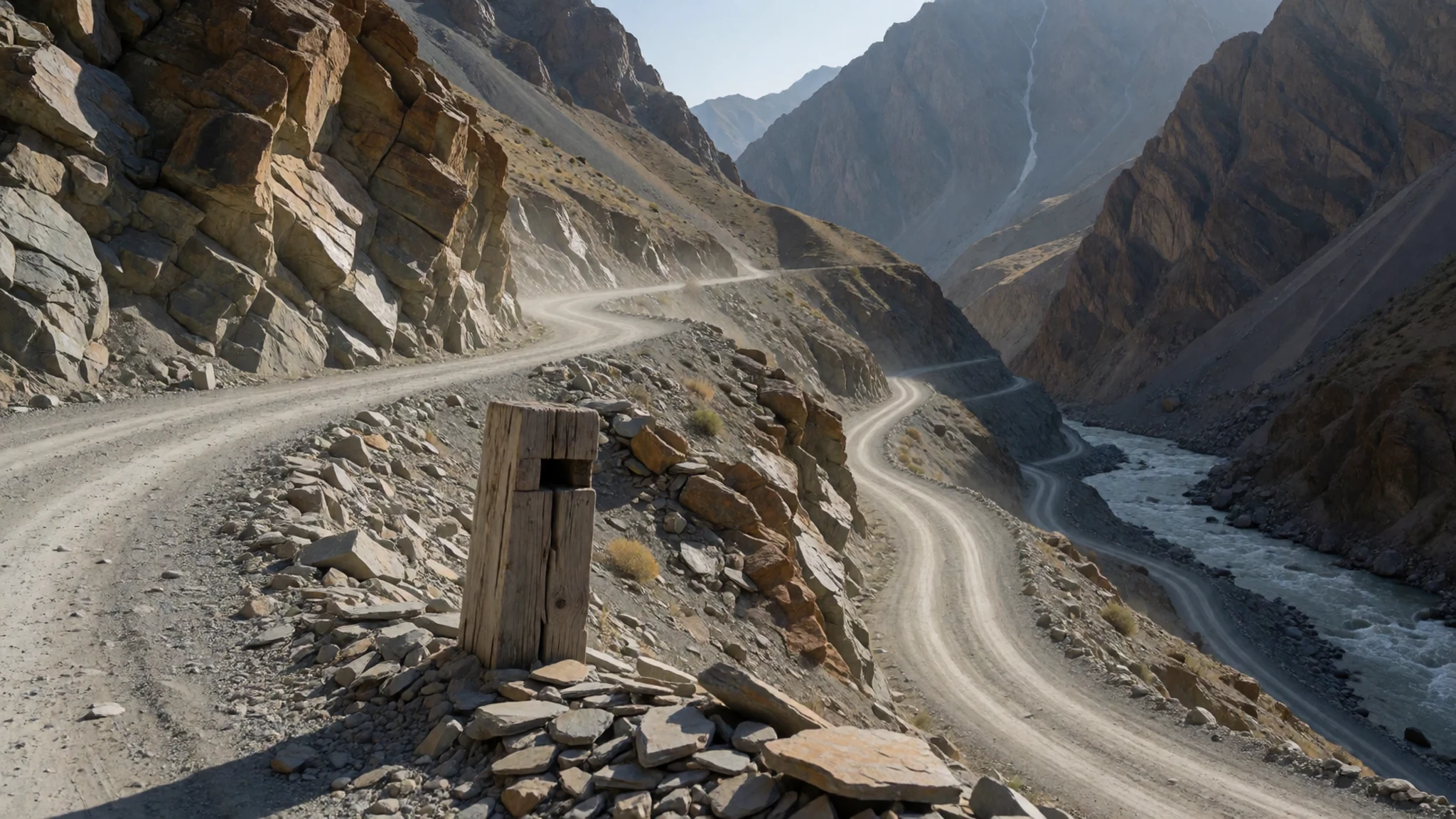
- Grigorievskoe Trail — Gorge valley north of Issyk Kul
This is a long return walk up a pretty valley north of the lake, away from the shore resorts. It suits a full day on foot, with meadows, forest patches and mountain views. A small entrance fee is sometimes charged at the gorge mouth, so carry a little cash.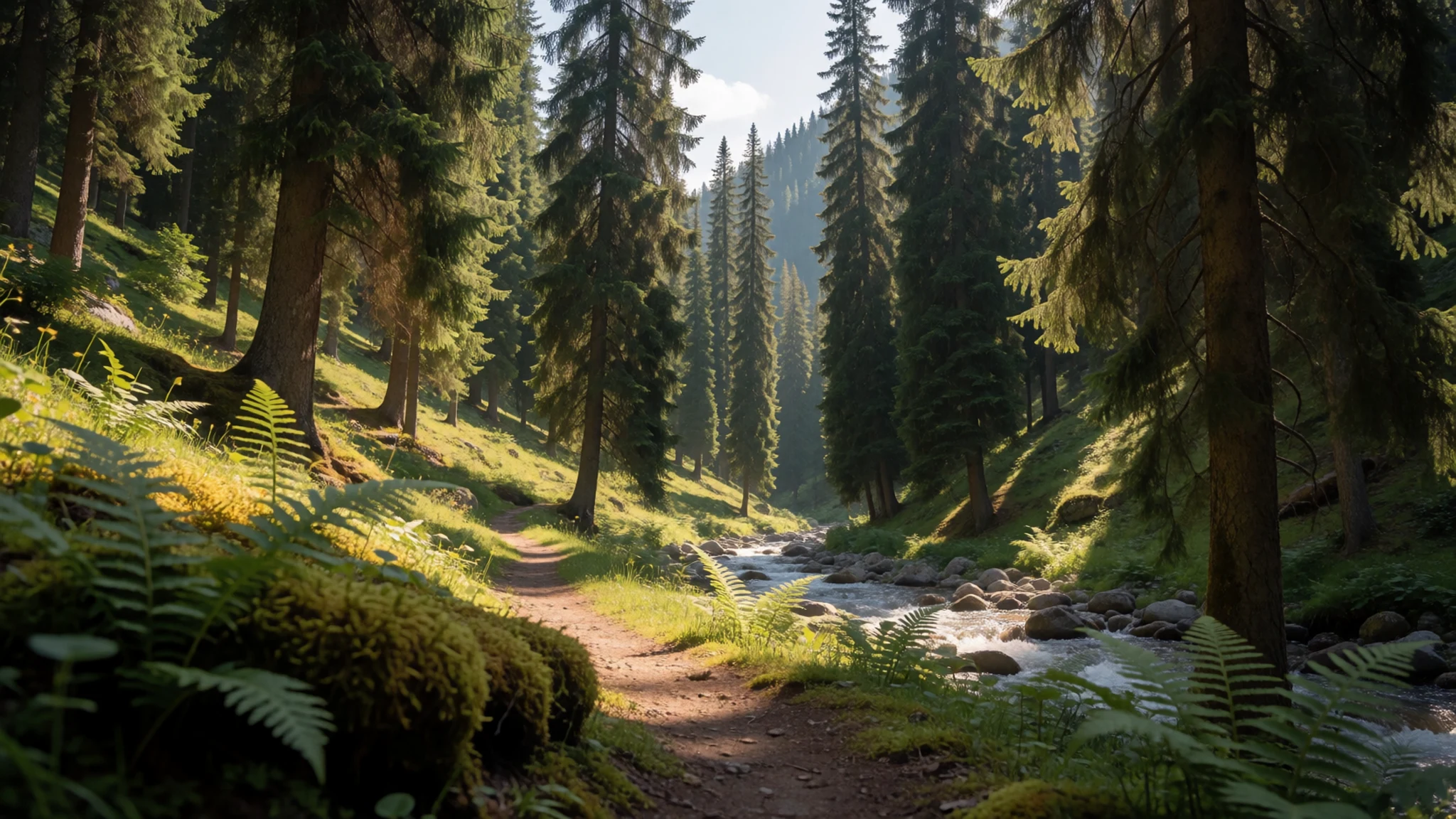
- Salt lakes of Tong and Tamga — Tong District and near Tamga village, south shore of Issyk Kul
Small salt lakes lie in Tong District and near Tamga village, on the quieter southern side of Issyk Kul. They make an easy, low-effort stop between mountain days, best in clear light. Ask locally about access and conditions, as tracks and water levels change from year to year.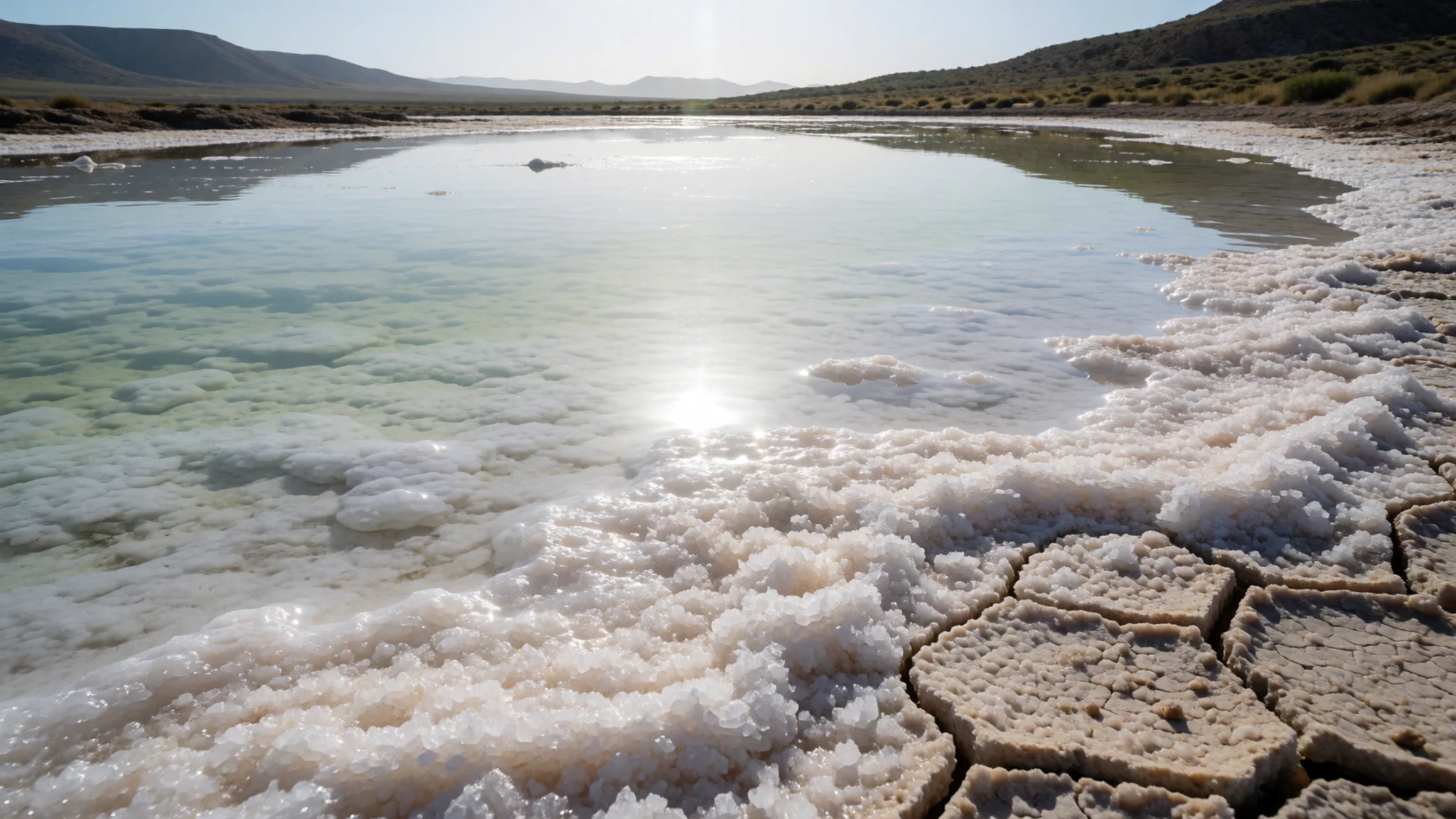
- Kadji Sai hot springs — South shore of Issyk Kul
After days of cold wind and dust, the hot springs at Kadji Sai are a welcome reward, and a few more can be found around Tong. Facilities vary from simple pools to basic bathhouses, so check what is open and what it costs on the day.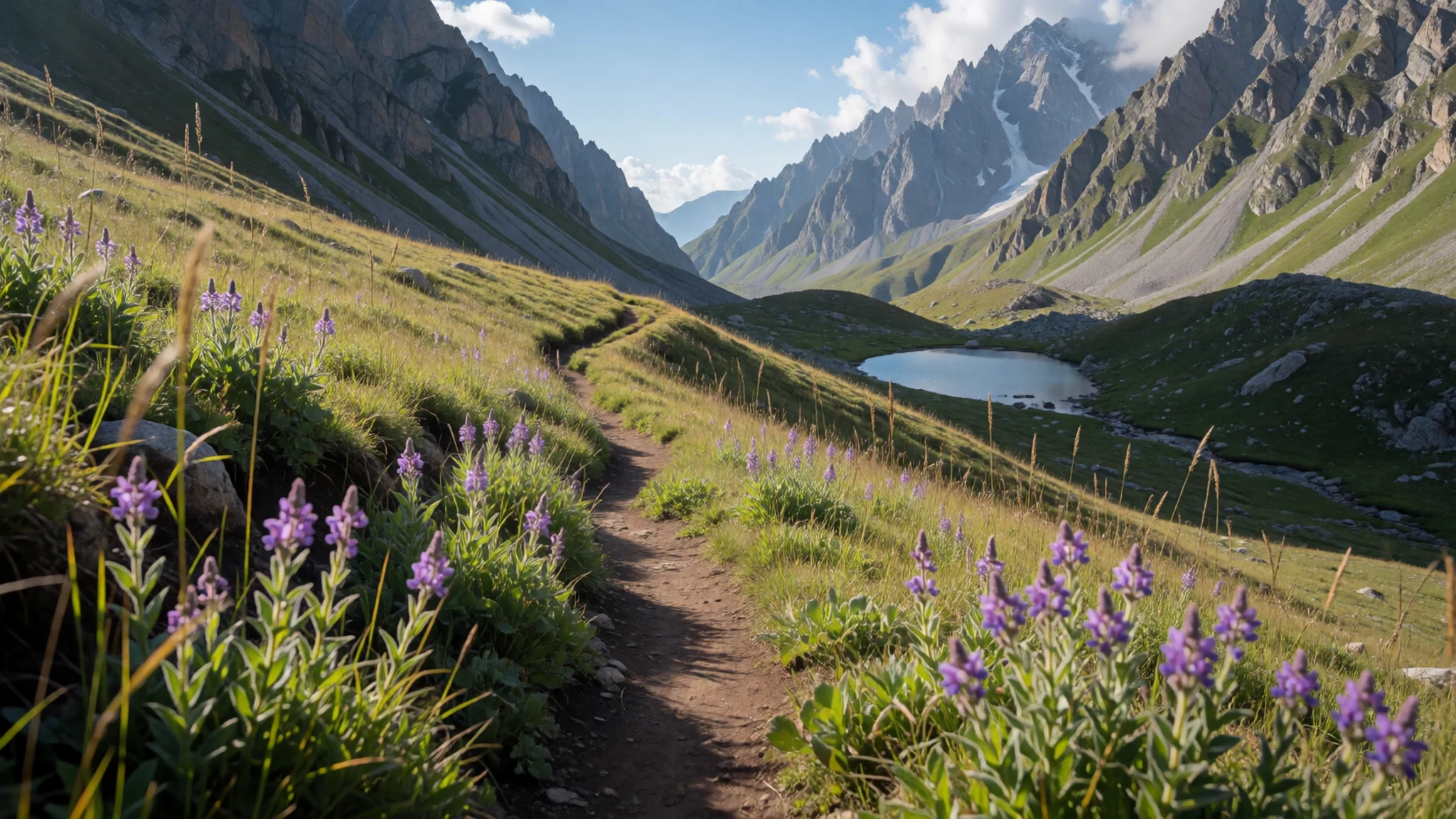
- Hiking around Ak-Suu — Ak-Suu, Issyk Kul region
Many walking routes climb into the mountains ringing Issyk Kul, and Ak-Suu is a particularly good place to start looking. Routes range from short valley walks to multi-day trips. Ask a Karakol operator or homestay host for current trail conditions, and carry plenty of water.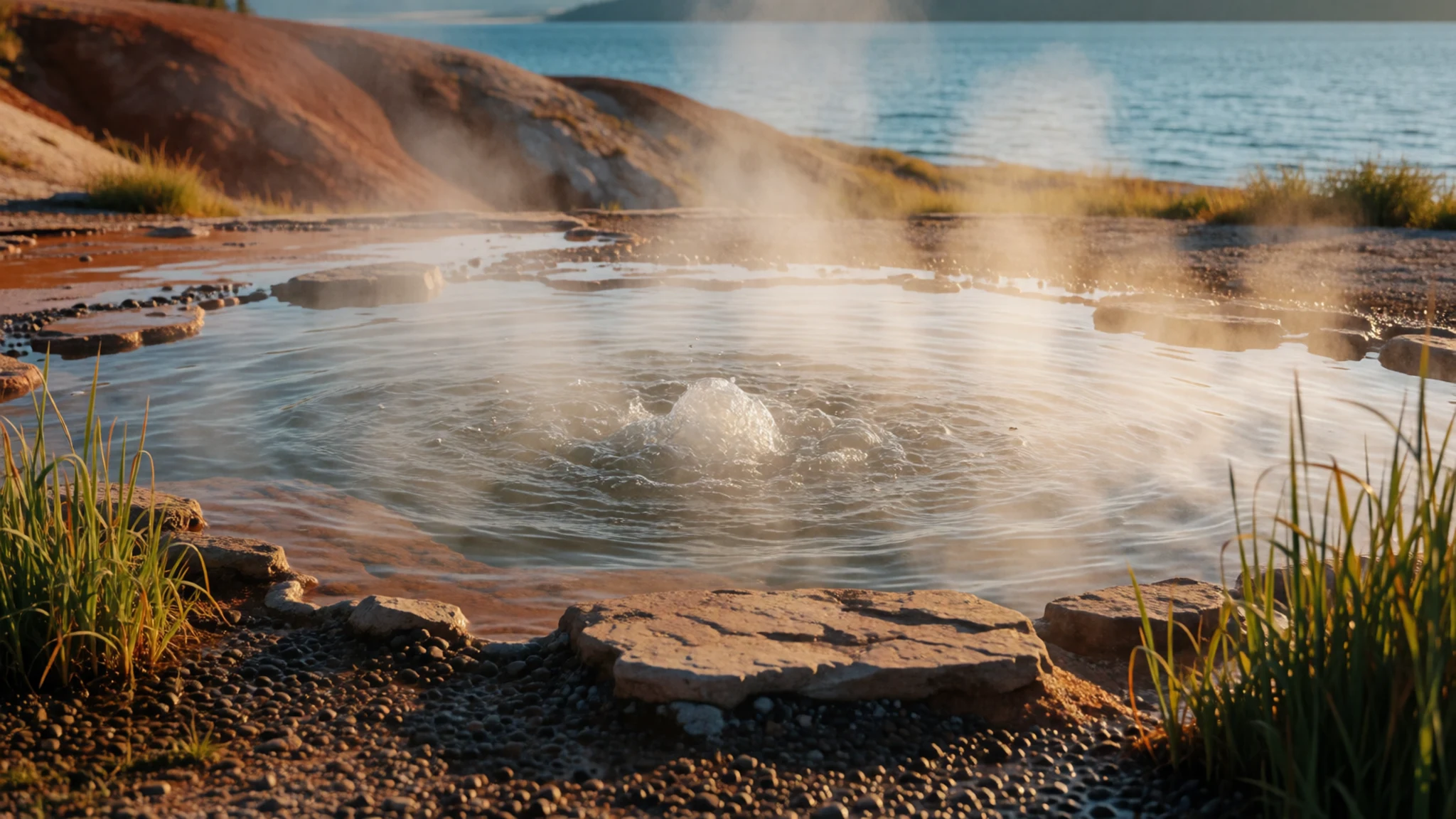
Culture
Sary-Jaz sits in Kyrgyz herding country, where life follows the movement of animals between winter villages and summer pastures. Families set up felt-covered yurts on high grass, and the yurt is a working home, with a stove, bedding stacked by day and a carpeted floor, not a stage set. Hospitality is a point of pride: a passing visitor may be called in for tea, bread, cream and sweets, and refusing everything outright can land awkwardly. Fermented mare's milk, kymyz, is the drink of the season in many camps. Horses matter; riding, herding and games played on horseback are part of how people see themselves. Islam is the main faith, practised in a relaxed, local way that sits alongside older customs about mountains, springs and ancestors, so some pools and rocks are quietly treated as special. Russian is widely understood as a second language, and a few words of Kyrgyz are received with real warmth. Border areas add another layer: soldiers and checkpoints are routine, and officials expect paperwork to be in order. The pace is unhurried, and plans shift with weather, livestock and whoever has a working vehicle, which visitors do best to accept as part of the journey. When invited into a yurt, take your shoes off at the door, accept the first cup of tea with your right hand, and ask before photographing anyone, especially women and children.
What to wear
Around Sary-Jaz, traditional Kyrgyz dress is built on felt, wool and velvet, materials suited to wind and cold. Men wear the kalpak, a tall white felt hat with black trim, and the chapan, a long padded coat. Married women traditionally wear the elechek, a large white headdress, and embroidered velvet waistcoats. Felted wool also makes the patterned shyrdak carpets that line yurt floors. These pieces mostly appear at weddings, festivals and national occasions. Day to day, herders wear practical clothes: padded jackets, fleeces, tracksuit trousers, rubber or leather boots and caps or scarves against sun and dust. Villages near Issyk Kul look more like anywhere in the former Soviet region, with jeans, shirts, dresses and headscarves worn by some women. Visitors should plan for big swings in temperature: a base layer, a warm mid layer, a windproof and waterproof shell, a sun hat, sunglasses and strong sun cream. Sturdy ankle boots suit loose scree and wet river crossings. Modesty matters more in villages than on the lake shore, so knees and shoulders should be covered, and a light scarf is useful for visiting a mosque. Warm socks and a hat for the night are worth packing even in midsummer, because camps are cold after dark.
What to eat
- Beshbarmak — Family meals in yurt camps and village homestays
Beshbarmak is boiled meat served over wide flat noodles with onion and a bowl of broth. It is the dish of celebration and guests, usually eaten from shared plates in a yurt, and a good sign that a family is welcoming you. - Lagman — Roadside eateries and the bazaar in Karakol
Lagman is a bowl of long noodles pulled by hand, topped with a stew of meat and vegetables, sometimes served as a soup. It is warming, filling and easy to find in simple roadside eateries along the lake road. - Boorsok — Bazaar bakery stalls and yurt tea tables
Boorsok are small pieces of fried dough, golden and slightly chewy, served with tea, jam or cream. They appear whenever guests arrive and are a sensible snack to buy before a long drive. - Kymyz — Summer pasture camps and roadside stalls
Kymyz is fermented mare's milk, mildly fizzy and sour, and a seasonal drink in summer pastures. Many visitors find it an acquired taste; a small cup is polite, and nobody minds if it stays small. - Samsa — Bus station stalls and market bakeries
Samsa is a baked pastry of meat and onion, often cooked in a tandoor oven and sold hot from small stalls. It is cheap, portable and useful on travel days when proper meals are hours away.
Plan it
Best time. June to September, when the high tracks are usually passable and days are warm; nights stay cold at altitude and snow closes much of the mountain country in winter. Check weather and road conditions before committing.
How long. 2–3
Getting there. Fly to Bishkek, then take a marshrutka or shared taxi along the Issyk Kul shore to Karakol, the usual base. The last leg into the river country is by hired vehicle with a local driver on rough tracks; ask Karakol operators about border-zone permits before setting out.
Budget. mid
Tips
- Book a driver or guide through a Karakol operator or homestay before heading for the river country
- Carry enough cash, as cards are rarely accepted outside towns
- Start early, since mountain weather often turns in the afternoon
- Spend a night or two on the Issyk Kul shore first to adjust to the altitude
- Bring water, snacks and warm layers, as services along the tracks are very limited
Etiquette
- Take shoes off at the door when entering a yurt or home
- Ask before photographing people, livestock or any border infrastructure
- Leave camp sites clean and keep away from streams used for drinking water
Nearby
Sources
- Wikidata Q17516843 (CC0)
- Wikipedia, Tian Shan (CC BY-SA 4.0)
- Wikivoyage, Issyk Kul and the Tian Shan (rev 5240492) (CC BY-SA 4.0)
- Nadine Hitz, Fluss Sarydschas, via Wikimedia Commons (CC BY-SA 4.0)
