São Vicente
São Vicente, Cape Verde
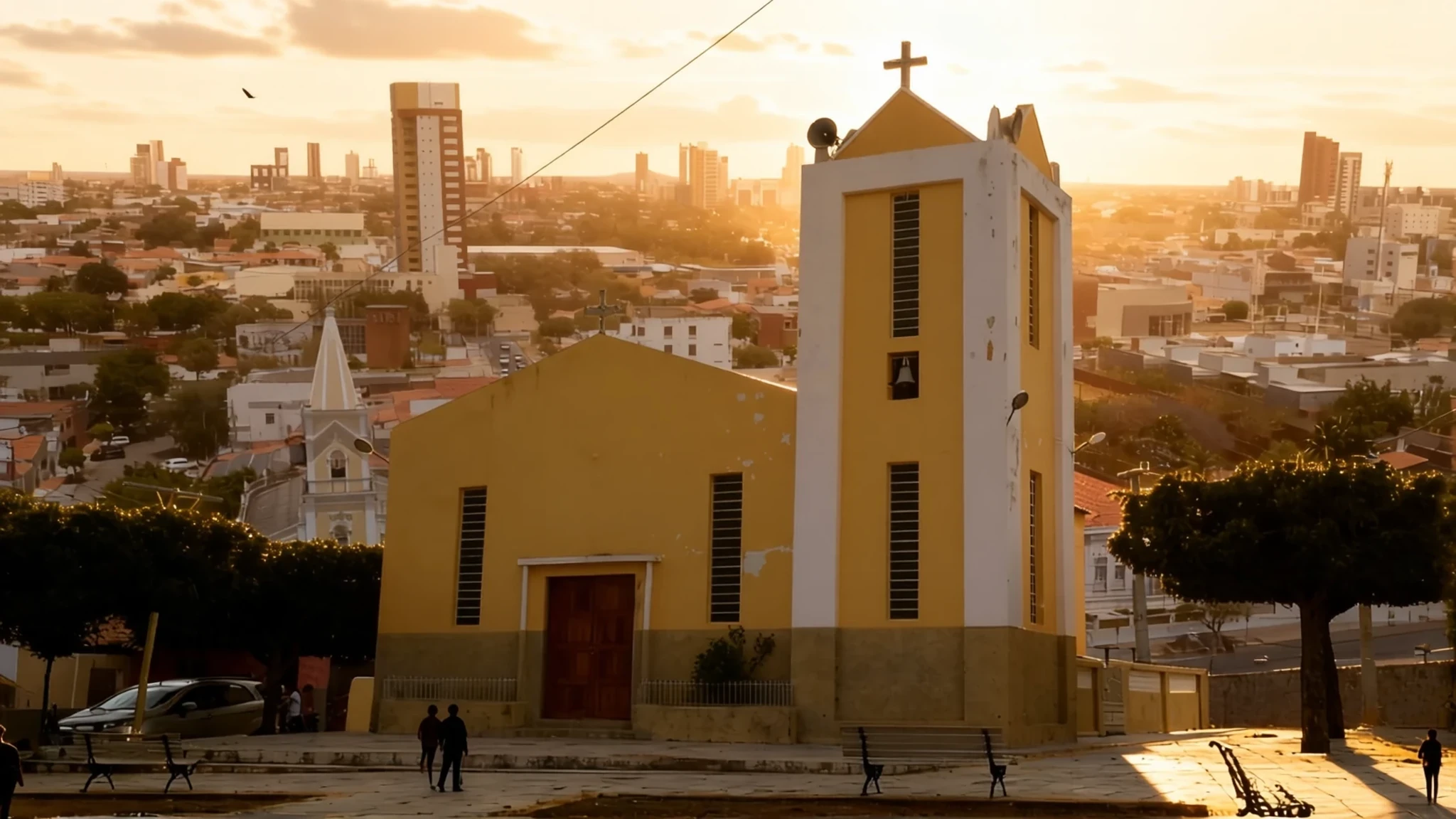
São Vicente is a dry, windswept Atlantic island where Mindelo's old port streets, live morna and coladeira, and empty beaches sit within an easy ride of each other.
The place
São Vicente is one of the northern Barlavento islands of Cape Verde, set in the Atlantic off the West African coast. It lies between Santo Antão and the uninhabited-looking neighbour Santa Luzia, and a channel of open sea divides it from Santo Antão. Seen from the ferry, it is a low, brown, sun-baked island with bare hills and almost no trees.
The island is volcanic in origin but much worn down. Erosion has flattened most of it, though old crater rims survive, and the highest point, Monte Verde, rises to 248 m in the facts held for this reading, a modest height that still gives the island its skyline. Monte Cara, above the town, is said to resemble a face in profile when seen from the bay.
About 83,467 people live here, and the great majority are in Mindelo, which curls around Porto Grande Bay, a drowned crater open to the sea. Out in the bay sits the small bird islet of Ilhéu dos Pássaros. Beyond Mindelo the island is thinly settled: a few villages, dry stream beds that run only after rare rain, wide gravel plains and beaches with strong wind.
The climate is a hot desert one. Mindelo averages around 23.6 °C across the year and receives very little rain, so agriculture barely exists and the island has long relied on its port, services and fishing. Fresh water comes largely from a desalination plant. The result is a place of dust, wind, sea light and an unusually lively town culture for its size.
Its story
São Vicente was reached by Portuguese navigators in the 15th century and, for a long time, was left almost empty. With so little water it was useful only for grazing animals, and it had no permanent residents when it was administered as part of the Santo Antão municipality in the 18th century. The bay was first settled towards the end of that century.
The turning point came in the 1830s, when a coal depot was set up at Porto Grande to refuel ships crossing the Atlantic. Mindelo grew around it: coal merchants, shipping agents, warehouses, and workers who arrived from other islands looking for wages. The town took on a cosmopolitan, outward-looking character, with foreign traders, cable companies and sailors all passing through.
That prosperity gave Mindelo a cultural weight beyond its size. Writers and poets here shaped the literary review Claridade, which helped define a Cape Verdean voice in the mid 20th century, and the town became known for its music, including coladeira, which was born here, and its own take on morna.
The decline came slowly in the 20th century. Ships switched from coal to oil, rival ports such as Dakar and the Canary Islands drew traffic away, and investment in Porto Grande's facilities lagged. Mindelo shrank as a hub but kept its habits: its cafés, its musicians, its sense of being the island's cultural capital. Today the port is still the country's main one, now handling containers and imports, and the old colonial-era frontage along the waterfront is a reminder of the coaling years.
What to see
- Mindelo waterfront and old town — Mindelo, Porto Grande Bay
Mindelo's harbour front is the place to start: pastel colonial buildings, a small replica of Lisbon's Belém tower, fishermen landing the catch and ferries coming in from Santo Antão. Walk the grid of streets behind it in the morning, when the light is soft and shops are opening.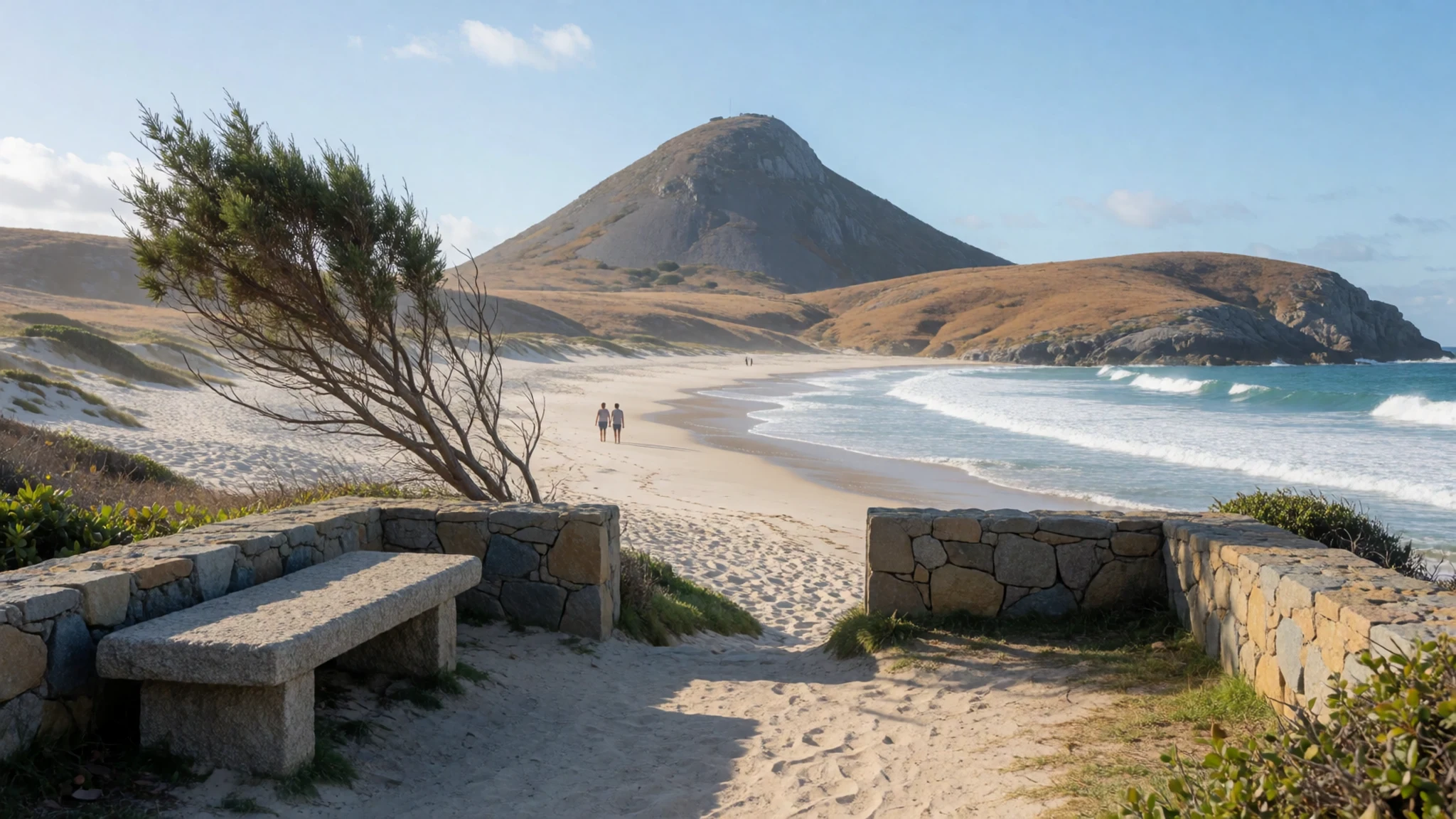
- Monte Verde — Eastern island
The island's high point is reached by a steep road or a long hot walk. On a clear day the summit looks across the whole island, the bay, and the neighbouring islands. Mist can sit on top, so go early. The road is rough, and a local driver helps.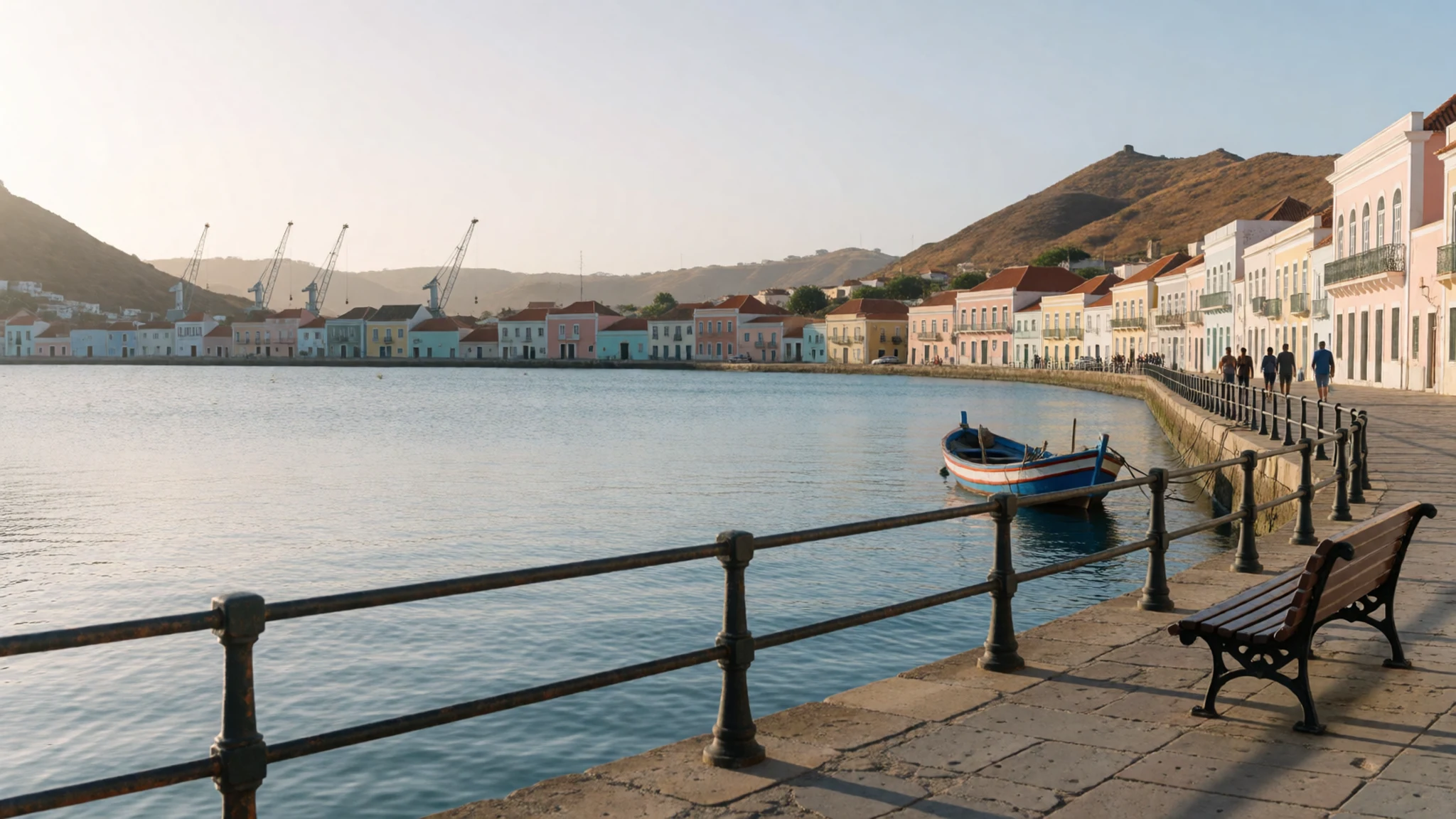
- Calhau and Praia Grande — Southeast coast
Calhau is a dark, windy stretch of coast with a village at its edge, while Praia Grande has a wide beach beneath Monte Verde. Swimming can be rough because of currents and wind, so ask locals about conditions. Both feel remote and are a useful break from town.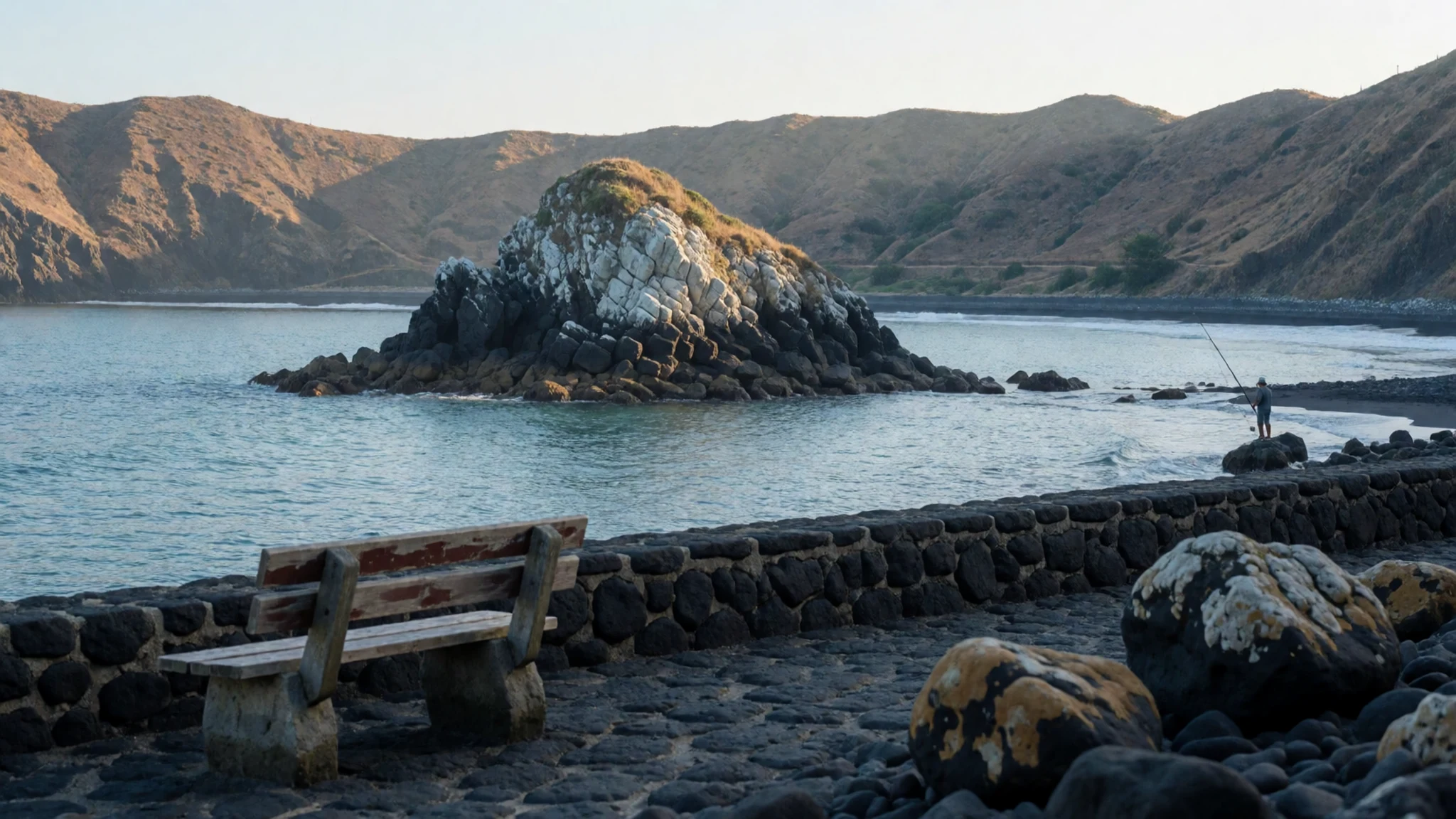
- Ilhéu dos Pássaros — Porto Grande Bay
This small islet sits just offshore from Mindelo and is easily seen from the waterfront or the town beach. It is a rocky bird refuge more than an attraction, so people tend to look at it, photograph it at sunset, and move on.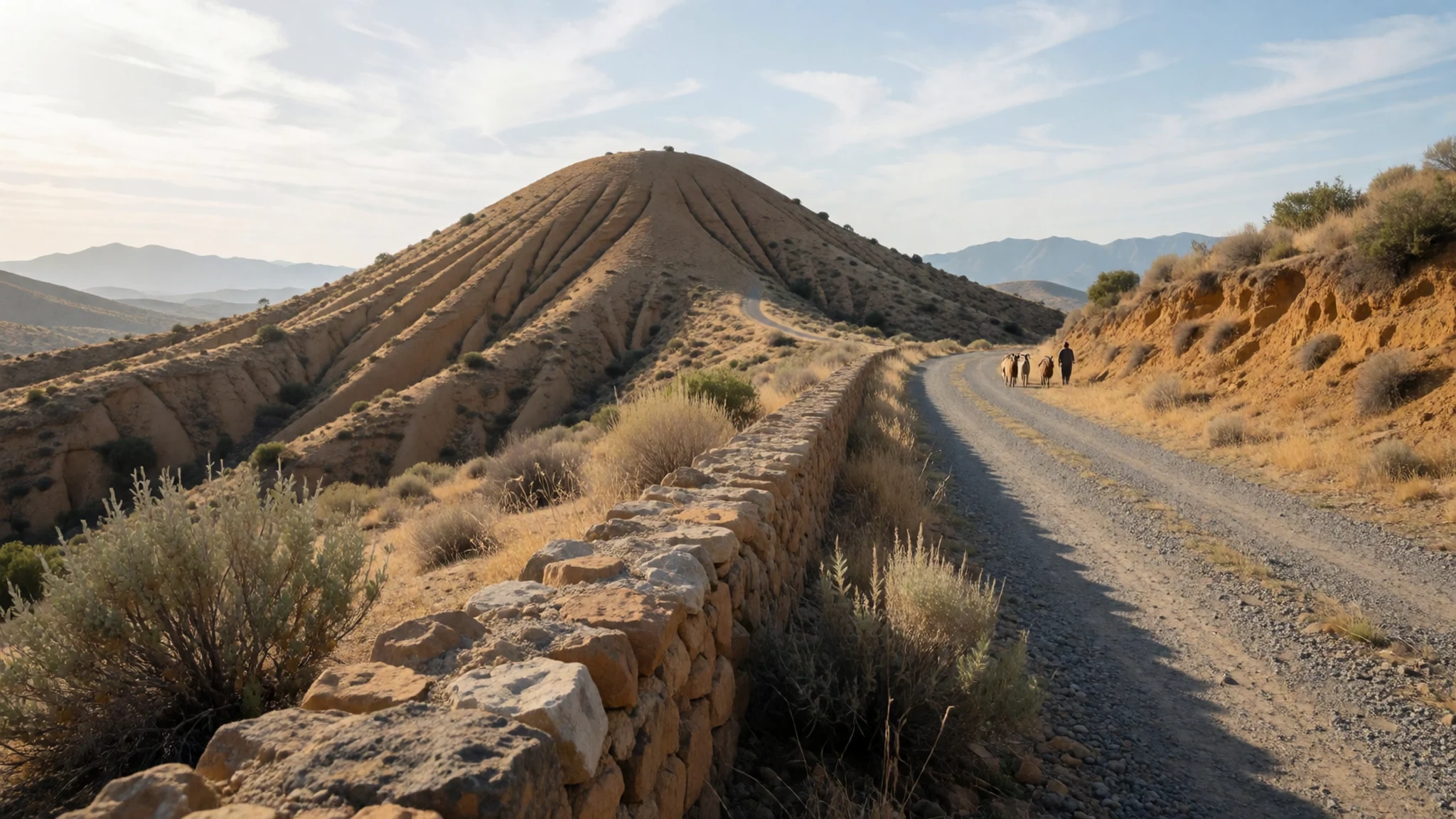
- Baía das Gatas — Northeast coast
A small fishing bay with a natural rock pool and a row of simple eateries. Its reputation rests on the summer music festival held on the beach, but out of festival season it is a quiet place for grilled fish, a swim and an unhurried afternoon.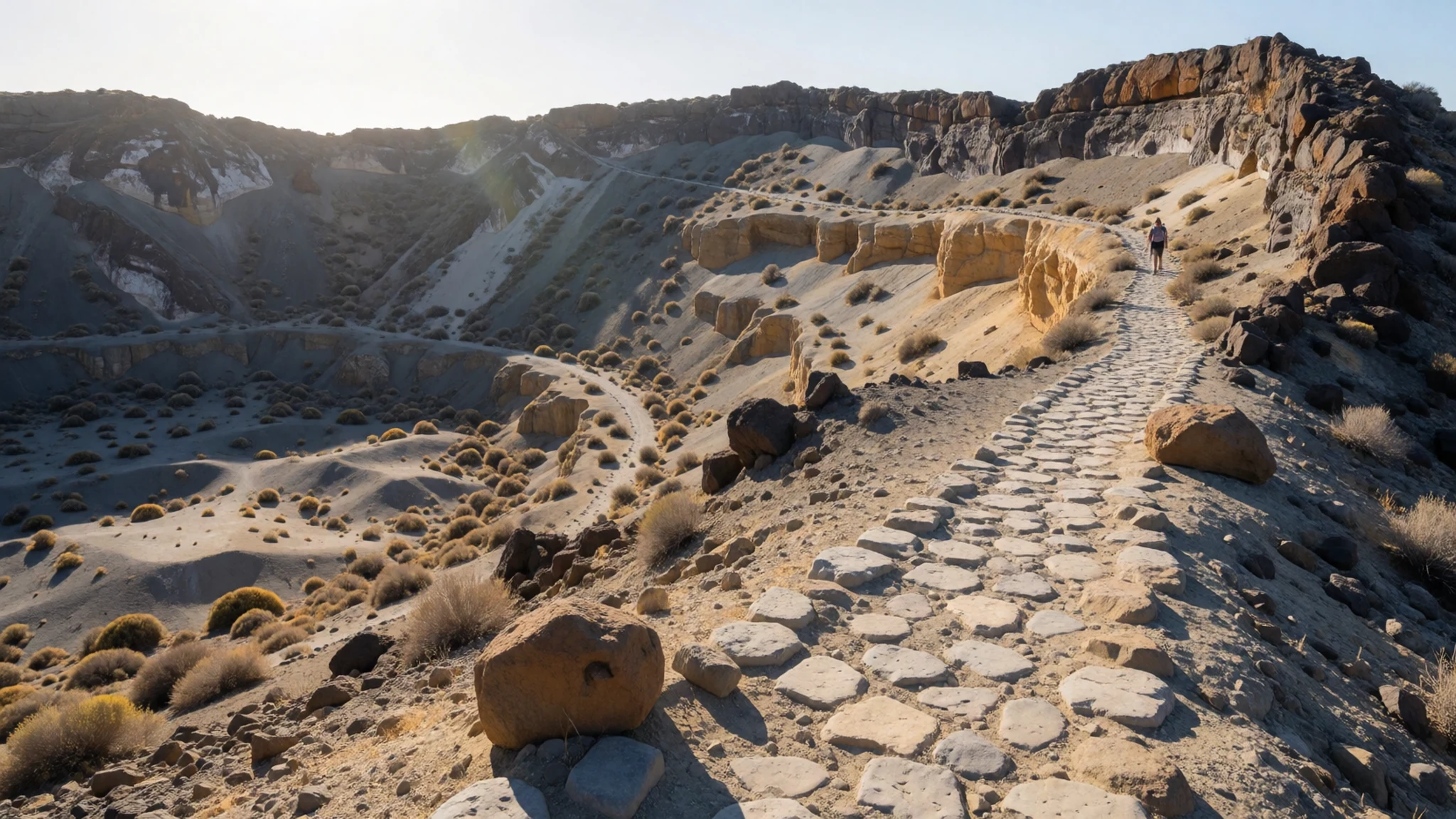
Culture
São Vicente has long been regarded as Cape Verde's cultural heart, and Mindelo is where it shows. When the port was busy, the town drew writers, musicians and teachers, and the habit of making art stuck. Poets and essayists here fed the Claridade movement, which looked for a distinctly Cape Verdean identity in language, landscape and everyday life.
Music is the clearest expression. Mindelo is the birthplace of coladeira, a lighter, more danceable cousin of morna, and morna itself is sung here with a particular tenderness: slow, nostalgic, full of longing for people who have left. That theme of departure runs through the islands, and many families have relatives abroad. Evenings in town often mean live guitar, cavaquinho and voices in small bars, with no great ceremony.
People speak Cape Verdean Creole at home and Portuguese in offices and schools, and visitors who try a few words of either are warmly received. The pace of life is relaxed, conversation is leisurely, and the island's long history of passing sailors has left a generally tolerant, curious attitude towards strangers.
Carnival, held in the weeks before Lent, is the island's biggest street event, with costumed groups, drums and weeks of preparation by neighbourhoods. Visitors are welcome to watch, but it is a community celebration first.
When listening to live music in a small bar, stay quiet during the song, applaud at the end, and ask before filming musicians or the people around them.
What to wear
Cape Verde has no single national costume in daily use on São Vicente. The older village dress for women centred on a wrapped cloth, the pano, a rectangular length of cotton often woven in strips and worn as a skirt, shawl or head covering. Panos have African roots and are now mainly seen at festivals, in folk groups and on older women in the countryside.
In Mindelo today, people dress in a casual, current way: jeans or light trousers, T-shirts, sundresses, trainers and sandals, with a little more polish for evenings out. Musicians and artists lean towards bright prints and hats. At Carnival, costumes are elaborate and made specially, with sequins, feathers and satin.
For a visitor, the main considerations are sun and wind. Pack light cotton or linen, a long-sleeved shirt for sun protection, a hat that fastens under the chin, and sunglasses. Evenings and the windy months can feel cooler than expected, so bring a light jacket or fleece.
Shoes matter: sandals suit the town and beaches, but the roads to Monte Verde and some coastal villages are stony, so bring closed shoes with grip. Swimwear is for the beach; cover up when walking through town or entering churches, and avoid very revealing clothing in villages. Nobody will insist, but modest dress is noticed and appreciated, especially away from Mindelo.
What to eat
- Cachupa — Home-style eateries and market stalls in Mindelo
The national dish: a slow-cooked stew of dried maize and beans with fish, pork or sausage. Cachupa rica is the full version; leftover cachupa is often fried for breakfast with an egg on top.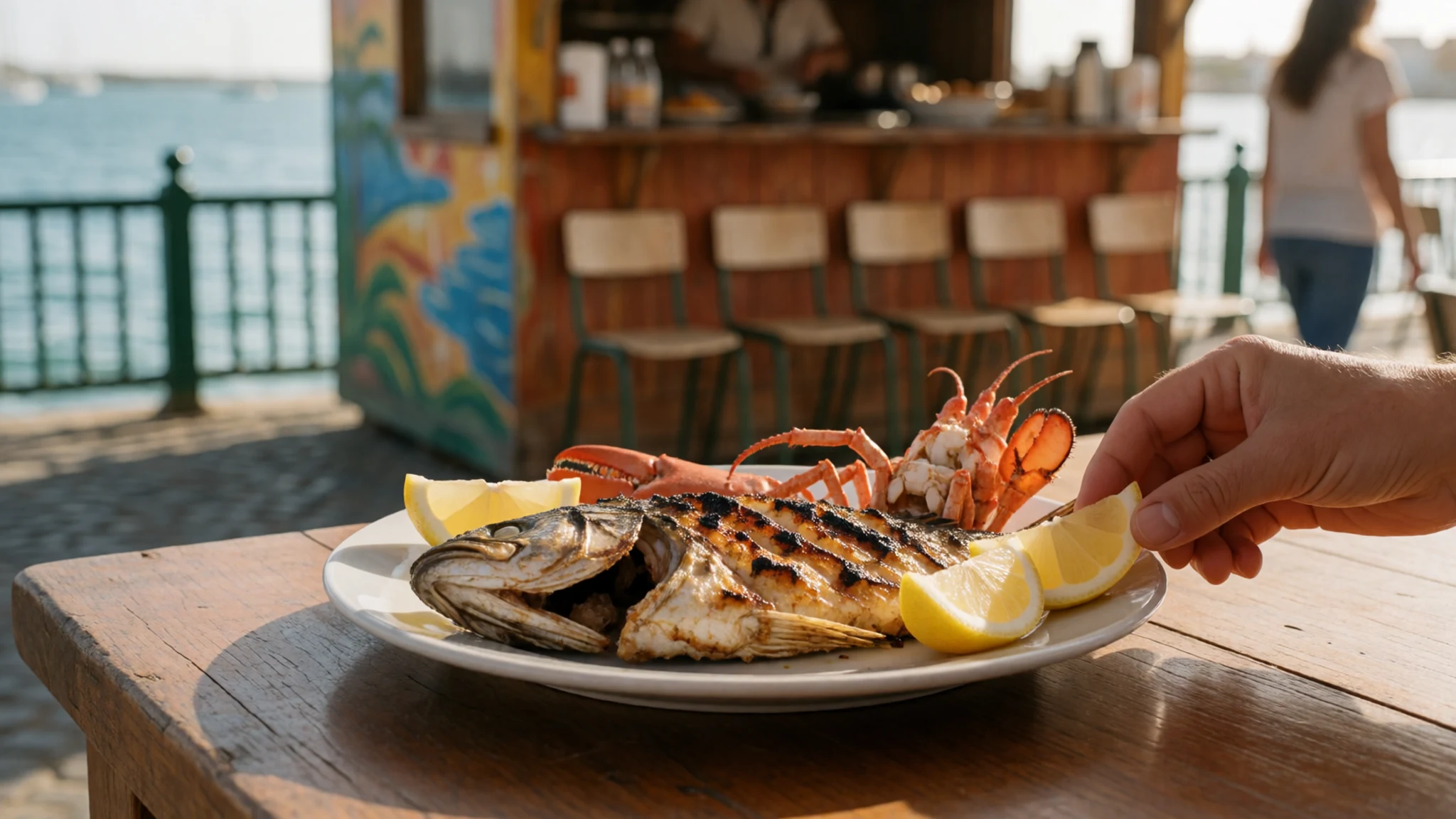
- Grilled fresh fish — Harbour-front eateries and Baía das Gatas
Tuna, wahoo and other catches are usually grilled simply with garlic, lime and a side of rice or boiled potatoes. The fish market by the harbour shows what has just come in.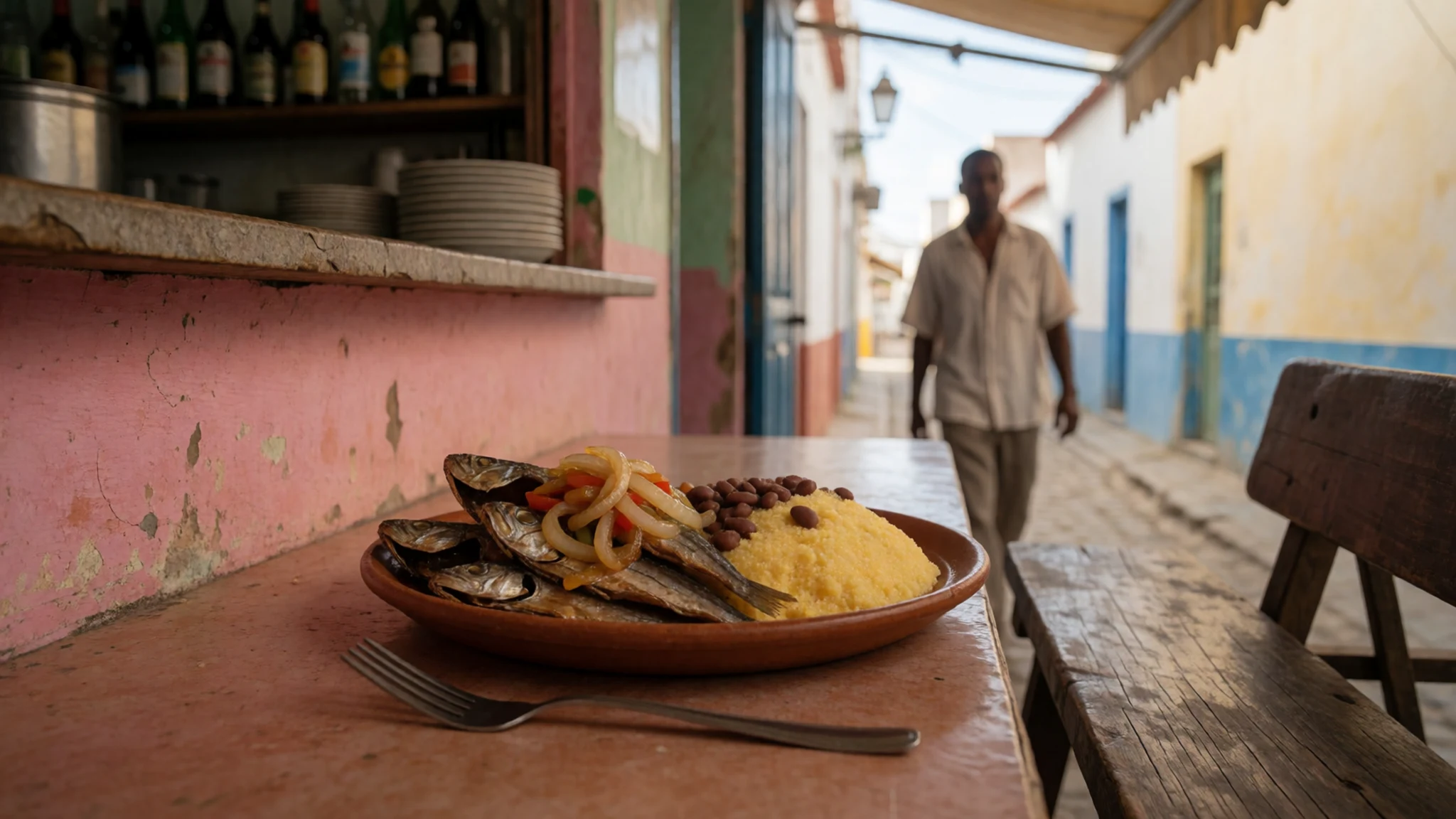
- Lobster — Seafood restaurants in Mindelo
Spiny lobster is a regional speciality, boiled or grilled and served with butter or garlic. It is a treat rather than a daily meal and is best eaten in season, so ask what is available. - Pastel com diabo dentro — Bakeries, snack bars and street vendors
A small fried pastry filled with spiced tuna, with the odd name meaning something like 'pastry with the devil inside'. It is a handy, cheap snack to carry along the waterfront. - Grogue and ponche — Bars and small family-run places in town
Grogue is a cane spirit made on the islands, often sipped neat; ponche mixes it with sugar, molasses or fruit juice. Strong and smooth, it is best taken slowly, ideally with live music.
Plan it
Best time. November to May is the most comfortable, with dry weather, warm days and steady wind; the island is very dry all year, so rain is rarely a worry. Summer is hotter and more humid, and Carnival (February or March) and the beach music festival bring crowds and higher prices.
How long. 2–4
Getting there. São Pedro airport serves the island, with domestic links to other islands such as Sal and Praia; check with the airline for current routes. Ferries cross the channel between Mindelo and Santo Antão, and the last leg into town is a short taxi ride.
Budget. mid
Tips
- Book flights, ferries and Carnival accommodation well ahead, as services are limited
- Carry some cash in escudos for small eateries, taxis and villages; cards work mainly in larger places
- Bring a refillable bottle and drink bottled or treated water, as supply is limited on the island
- Go early to Monte Verde for clearer views before cloud or haze builds
- Check wind and swell before swimming at Calhau or Praia Grande
Etiquette
- Greet people before asking for help or directions
- Ask before photographing people or musicians
- Dress modestly when entering churches or walking through villages
Nearby
Sources
- Wikidata Q112031 (CC0)
- Wikipedia: São Vicente, Cape Verde (rev 1364266114) (CC BY-SA 4.0)
- Wikivoyage: São Vicente (rev 4698349) (CC BY-SA 4.0)
- Photo: Calhau (Kotoviski) (CC BY-SA 2.5)
- Photo: Locator map of São Vicente, Cape Verde (CC BY 3.0)
- Photo: Atlantic Ocean relief location map (Uwe Dedering) (CC BY 3.0)
- Photo: Downtown Mindelo and Monte Cara (ElsondeMadrid) (Public domain)
- Photo: Ilhéu dos Pássaros (Lo.crippa) (CC BY-SA 4.0)
- Photo: Lameirão and Monte Verde (xuaxo) (CC BY-SA 1.0)
- Photo: Pé de Verde (xuaxo) (CC BY 3.0)
- Photo: Wind generators, São Vicente (Manuel de Sousa) (CC BY-SA 1.0)


