São Nicolau
São Nicolau, Cape Verde
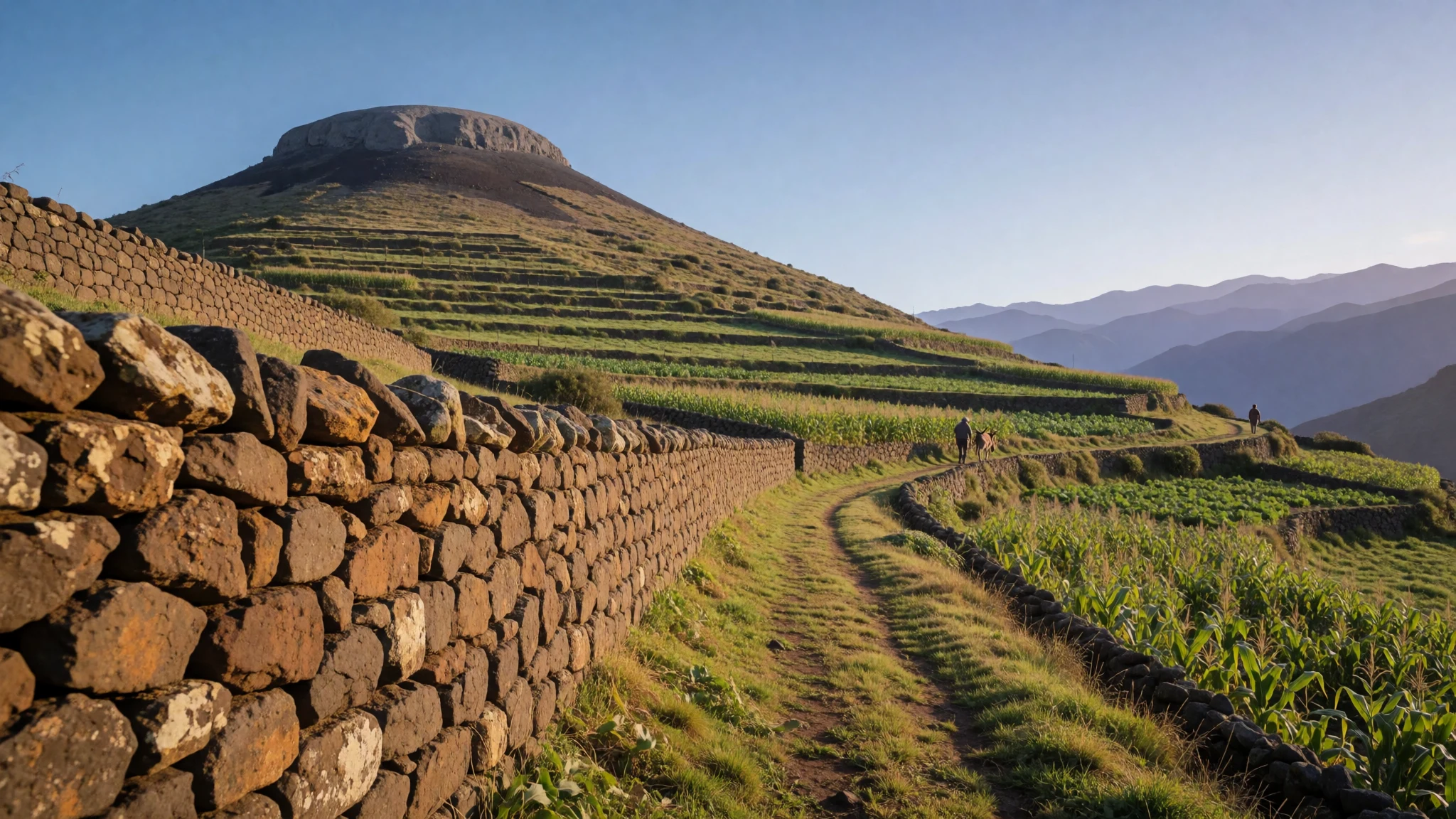
São Nicolau is a quiet, mountainous Cape Verdean island where hikers, fishing harbours and unhurried villages replace resort crowds.
The place
São Nicolau is one of the Barlavento, or Windward, islands of Cape Verde, lying between uninhabited Santa Luzia and the beach-resort island of Sal. About 12,700 people live here, mostly in two towns: Ribeira Brava in the hills and Tarrafal on the west coast. The shape of the island explains most of what a visitor finds. The west rises into a high massif crowned by Monte Gordo, the island's highest summit, where cloud sometimes catches on the ridges and feeds terraced fields and small gardens. The east is lower, a chain of eroded peaks and dry slopes running down to dark pebble and sand coves. Farming is the main livelihood, but the rains are unreliable and drought hits the lower ground hardest, so the landscape swings between green valleys after a good season and brown, dusty hillsides after a bad one. Roads wind over passes and are slow, which makes the island feel larger than it looks on a map. Villages are small, with painted houses, a church, a shop and a football pitch. Tourism is modest: a handful of guesthouses, some hiking and diving guides, and few crowds even in the best weather. The trade wind is steady, sea currents can be strong, and cash machines are scarce outside the two towns. The island rewards slow travel and a tolerance for waiting on transport.
Its story
São Nicolau entered European records in the fifteenth century, when the Portuguese navigator Diogo Afonso reached it on the same voyage that found São Vicente and Santo Antão. For generations it had no permanent settlers. Lasting settlement came in the seventeenth century, first at Porto da Lapa on the coast. Pirate raids made that harbour unsafe, and its people withdrew inland, founding Ribeira Brava in a sheltered valley that could be defended and farmed. The move shaped the island: the old capital looks away from the sea, and its best-known historic buildings sit among the hills. Ribeira Brava later became a church and learning centre, serving as the seat of the Catholic diocese of Cape Verde for a long stretch from the late eighteenth century into the twentieth. Meanwhile the west-coast roadstead at Tarrafal found a different purpose. In the nineteenth century whaling ships used it as an anchorage, and a port community grew up around supplying them. Tarrafal is now the island's largest settlement, so the old pattern has flipped: the hill town holds much of the history while the fishing town holds most of the people. Repeated droughts pushed many islanders to emigrate, and family ties and money from abroad remain part of village life. Traces of this past show in stone churches, old merchant houses and the habit of looking out to the horizon.
What to see
- Ribeira Brava — Ribeira Brava, central island
The old inland town sits in a valley a short way from the coast, founded after pirates drove settlers from the shore. Walk its cobbled streets to see the principal church, colonial-era townhouses and the main square, then stop at a café. Mornings are best, before the heat and the midday lull.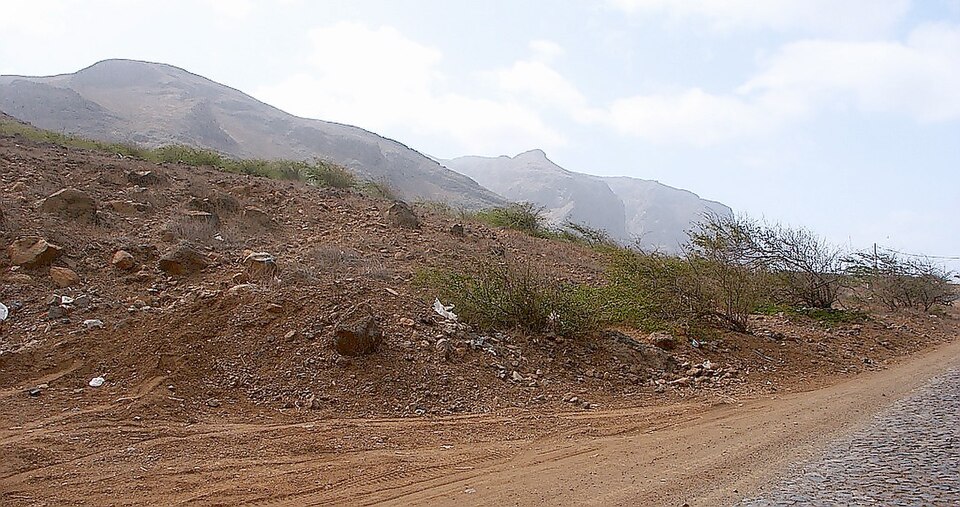
- Monte Gordo — Western highlands
Monte Gordo is the island's highest point and the centrepiece of a protected natural area in the west. Trails climb through terraced fields and, on clear days, give wide views across the sea. Mist can arrive quickly, so start early, carry water and consider a local guide. - Tarrafal harbour and beach — Tarrafal, west coast
Tarrafal de São Nicolau is the island's biggest settlement, built around a bay once used by whaling ships. Fishing boats pull up to the beach, and the waterfront is the place to watch the catch being sorted. Swimming is possible, but ask locals about currents first.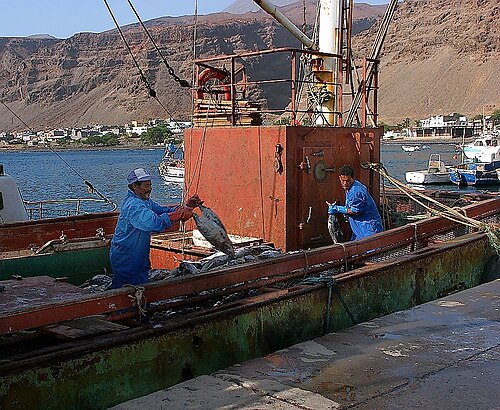
- Fajã valley — Fajã, western interior
Fajã de Baixo is a fertile valley on the western side, where fields and fruit trees sit beside dry ridges. A walk through it passes irrigation channels, small plots and houses tucked among greenery. It makes a pleasant contrast to the stony slopes elsewhere and suits a slow half day. - Praia Branca — Praia Branca, northwest coast
Praia Branca is a remote fishing village on the west coast, reached by a long drive along the coast road. It offers a different pace: small boats on the sand, simple houses and clear horizon views. Bring snacks and water, because shops are few and choices limited.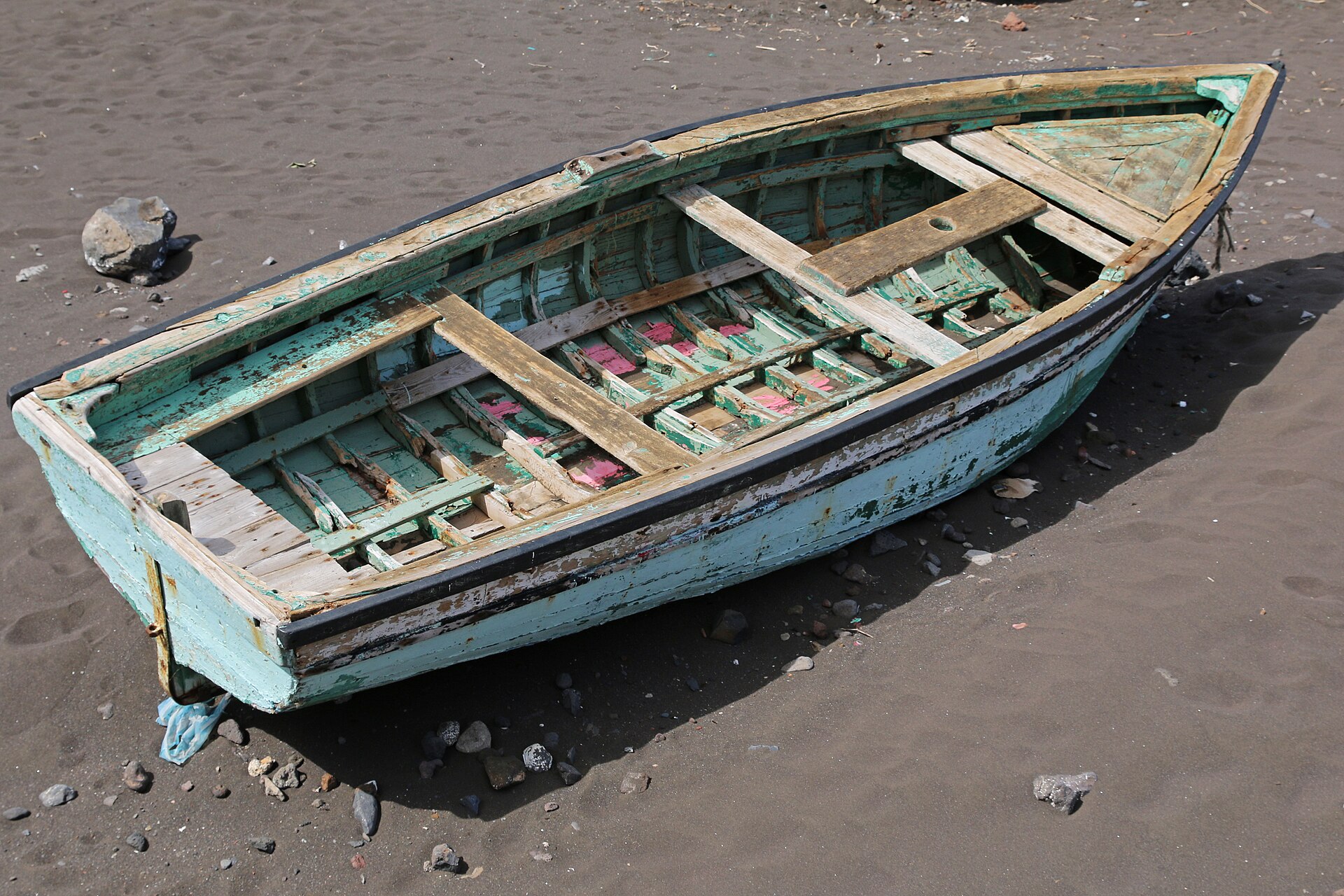
Culture
São Nicolau shares the Creole culture of the whole Cape Verde archipelago, shaped by Portuguese settlement, African roots and centuries of life at sea. Islanders speak Kriolu at home and Portuguese at school and in official settings, and a few Portuguese greetings go down well. Music matters here. Morna, the slow, melancholy song form of Cape Verde, and the faster, danceable funaná and coladeira turn up at festivals, in bars and from passing cars. Religious life is mostly Catholic, so churches fill on Sundays and feast days, and village celebrations bring processions, drumming and long nights of dancing. Family comes first: many households depend on relatives abroad, and returning emigrants bring visits, gifts and a livelier season in some villages. Hospitality is warm but unhurried, and a conversation often opens with a long round of greetings before any business is done. Life moves with the weather. Farmers watch for rain, fishers watch the sea, and plans slip with flights and ferries. Visitors who accept that rhythm are often repaid with an invitation to share a meal or join a dance. Ask before photographing people, especially fishers at work and women at market, and offer a friendly "bom dia" before you raise a camera.
What to wear
Traditional dress on São Nicolau follows wider Cape Verdean custom. The classic textile is the pano, a cotton cloth woven in narrow strips and stitched into patterned lengths. Women wrap panos around the waist, tie them as shawls or carry babies in them, and wear them most often for festivals, church feasts and cultural events. A headscarf, called a lenço, often completes the look. Everyday clothing today is practical and casual: T-shirts, jeans or shorts, football shirts, sandals and trainers, with smarter clothes for church on Sundays and for weddings. Fishers wear waterproof boots and old shirts, and farmers wear hats against the sun. Children go to school in neat uniforms. Visitors should dress for strong sun and wind. Pack a light hat, sunglasses, sun cream and a thin windproof layer, since mountain mornings can be cool and misty. Sturdy shoes with good grip are essential for stony trails and steep tracks. Swimwear is fine on the beach, but put on a shirt or wrap in towns and villages, and dress modestly for churches by covering shoulders and knees.
What to eat
- Cachupa — family-run eateries in Ribeira Brava and Tarrafal
Cachupa is the national comfort dish, a slow stew of dried maize and beans with fish or meat and vegetables. Leftovers are often fried for breakfast as cachupa refogada, topped with an egg. Look for it at family-run eateries in Ribeira Brava and Tarrafal, especially at lunch. - Grilled fresh fish — harbourside eateries in Tarrafal and the fishing villages
Grilled tuna or other local catch, served with rice, boiled potatoes and a squeeze of lime, is the staple of coastal eating. Order what came in that morning. Simple eateries near the harbour at Tarrafal and in the west-coast fishing villages are the best bet. - Cuscuz de milho — town cafés, bakeries and guesthouses at breakfast
Cuscuz de milho is steamed maize meal, eaten at breakfast with butter, sugar or honey alongside coffee. It is lighter than cachupa and a good start before a hike. Bakeries and small cafés in the towns serve it in the morning, and guesthouses often prepare it on request. - Queijo de cabra — village shops and guesthouses in the highlands
Queijo de cabra, fresh or lightly cured goat's cheese, comes from small herds in the mountain villages. It goes well with bread and papaya. Ask at village shops and guesthouses, since production is small and often informal, and supplies vary through the year. - Grogue and ponche — village bars and family-run places
Grogue is a strong cane spirit distilled on the islands, drunk neat or mixed into ponche with sugarcane honey and lime or passion fruit. Sample it at village bars and family-run places. Sip slowly, because strength varies widely from one maker to the next.
Plan it
Best time. November to March, when the heat eases and the hills are at their greenest after the rains; the trade wind is steady in these months, which keeps the coast pleasant. July to October is hotter and more humid, and is when any rain falls, so tracks can turn slippery.
How long. 3–4
Getting there. Fly to Preguiça airport on São Nicolau, usually by connecting through Sal, São Vicente or Praia; services are limited, so check current schedules with the airlines. Ferries from São Vicente run irregularly, so confirm before relying on one. From the airport, taxis and shared minibuses (aluguers) cover the last leg to Ribeira Brava and Tarrafal.
Budget. mid
Tips
- Book flights and guesthouses early, as seats and rooms are few
- Start hikes on Monte Gordo early, before cloud and heat build
- Carry cash, because cards and cash machines are scarce outside the two towns
- Bring water and snacks for remote villages, where shops are limited
- Allow slack in the itinerary, as flights, ferries and shared transport can run late
Etiquette
- Greet people before asking for anything or taking photographs
- Cover shoulders and knees when entering a church
- Ask before photographing fishers, market traders or children
Nearby
Sources
- Wikidata Q492509 (CC0)
- Wikipedia: São Nicolau, Cape Verde (rev 1364266093) (CC BY-SA 4.0)
- Wikivoyage: São Nicolau (CC BY-SA 4.0)
- Photo: Inside lands, island of São Nicolau (Fanny Schertzer) (CC BY-SA 2.5)
- Photo: Côte de l'île de São Nicolau (Fanny Schertzer) (CC BY 2.5)
- Photo: Pêcheurs, Tarrafal (Fanny Schertzer) (CC BY 2.5)
- Photo: Apollo 9 image, Cape Verde Islands (Project Apollo Archive) (Public domain)
- Photo: Apollo 9 image, Earth orbit (Project Apollo Archive) (Public domain)
- Photo: Land Rover Defender on São Nicolau (Christof46) (CC BY-SA 4.0)
- Photo: Sailing ship Le Ponant at São Nicolau (Christof46) (CC BY-SA 4.0)
- Photo: Abandoned rowing boat at São Nicolau beach (Christof46) (CC BY-SA 4.0)


