Brava
Brava, Cape Verde
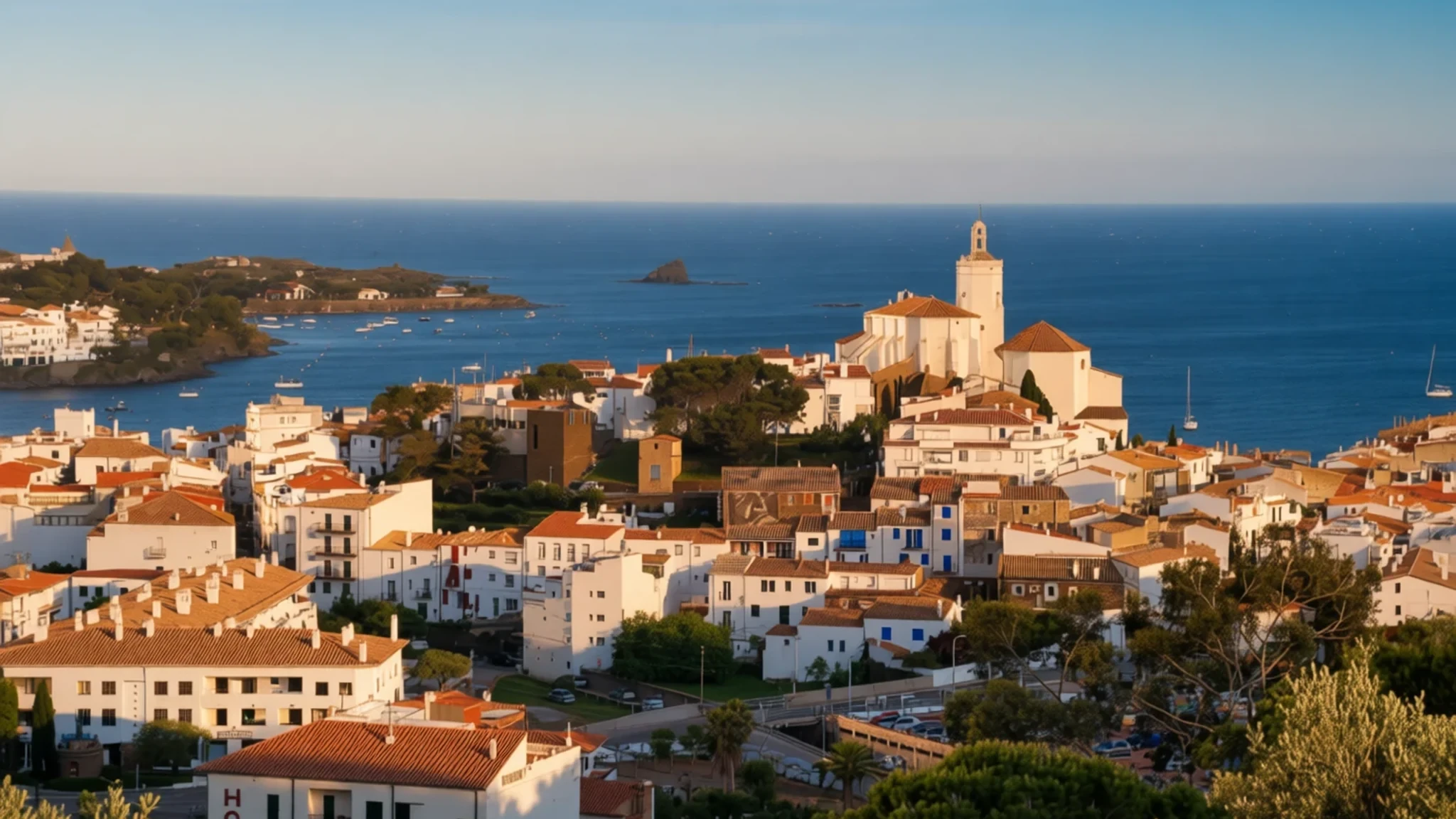
Brava is a small, green volcanic island in Cape Verde, reached only by sea, where walking, music and slow village life set the pace.
The place
Brava is the smallest inhabited island in Cape Verde, part of the Sotavento group in the central Atlantic. About 5,638 people live on it, and its Portuguese name means 'wild'. That suits the land: nearly the whole island is one old volcano, with a high crest in the middle and steep slopes falling to the sea on every side. The highest point, Monte Fontainhas, reaches 976 metres.
The island is only about ten kilometres from north to south, yet it feels larger because of the relief. Roads climb in tight bends, villages sit on ridges and in folds of the hills, and the weather changes with altitude. Brava has a reputation as the greenest island in the archipelago. Part of that comes from mist and cooler air at height, which let farmers grow crops that struggle on drier islands.
The main town, Nova Sintra, sits in the interior rather than on the coast, a legacy of the days when the shore was unsafe. The two small harbours, Furna and Fajã de Água, are where boats arrive and where fishing and trade still happen. Offshore to the north lie uninhabited islets, including Ilhéu de Cima and Ilhéu Grande.
The economy rests mainly on farming, with irrigated plots of maize, potatoes, sweet potatoes, bananas, sugar cane and some coffee, plus fishing. It is a quiet place. There are no resorts, no crowds and few services, so it suits people who like walking and conversation more than beaches and nightlife. Brava has no recorded eruptions, but earthquake swarms still happen, a reminder that the volcano is only resting.
Its story
Portuguese navigators reached Brava in the fifteenth century, and no trace of earlier human presence has been found anywhere in the archipelago. Real settlement came later, when families from Madeira and the Azores arrived. The island's population then grew sharply after the neighbouring island of Fogo erupted in 1680 and left it buried in ash. Many Fogo families crossed the strait to Brava, which sits in the lee of that great volcano and lay close enough to reach by boat.
Pirates were a constant danger on the coast, so people moved inland to higher, more defensible ground. Nova Sintra grew there, away from the water and out of sight of passing ships. That inland pattern still shapes the island today.
A lichen used to make textile dye gave Brava an early export, gathered from the rocks. Later the sea became the island's main connection to the world. Whaling ships from North America worked the waters around the Azores and Cape Verde and called at Furna and Fajã de Água for food and fresh water. Captains took on Bravense men as crew, and some of those sailors ended up making new lives around New Bedford, the Massachusetts whaling port. Family ties across the Atlantic have lasted ever since, and remittances and returning relatives remain part of island life.
Whaling faded, and the island turned back to farming and fishing. Its history of leaving, and of being remembered by those who left, runs through the local songs and poetry, notably the work of Eugénio Tavares, who is honoured with a monument in Nova Sintra.
What to see
- Nova Sintra — Interior of the island
The island's hill town, set inland among gardens and old colonial houses. A walk around the central square, the church and the quiet lanes takes an easy morning. Look for the monument to the poet Eugénio Tavares, and expect cool air and mist at this altitude.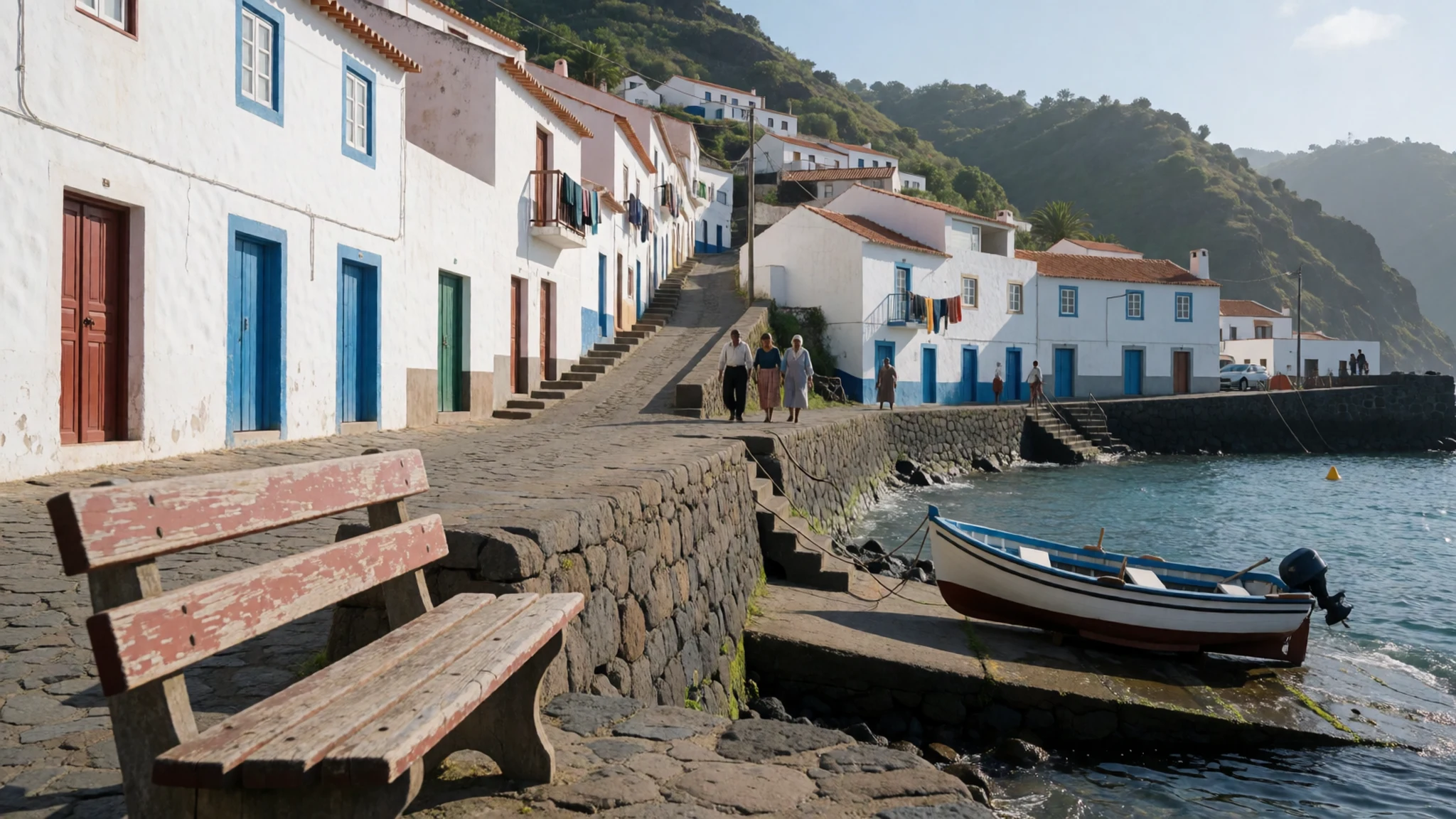
- Furna harbour — South-east coast
The main port and the usual way in by sea. The village curls around a small, nearly circular bay inside an old volcanic crater, with houses stepped up the slope. Come to watch boats and fishermen, and the ferry arrival when the sea allows.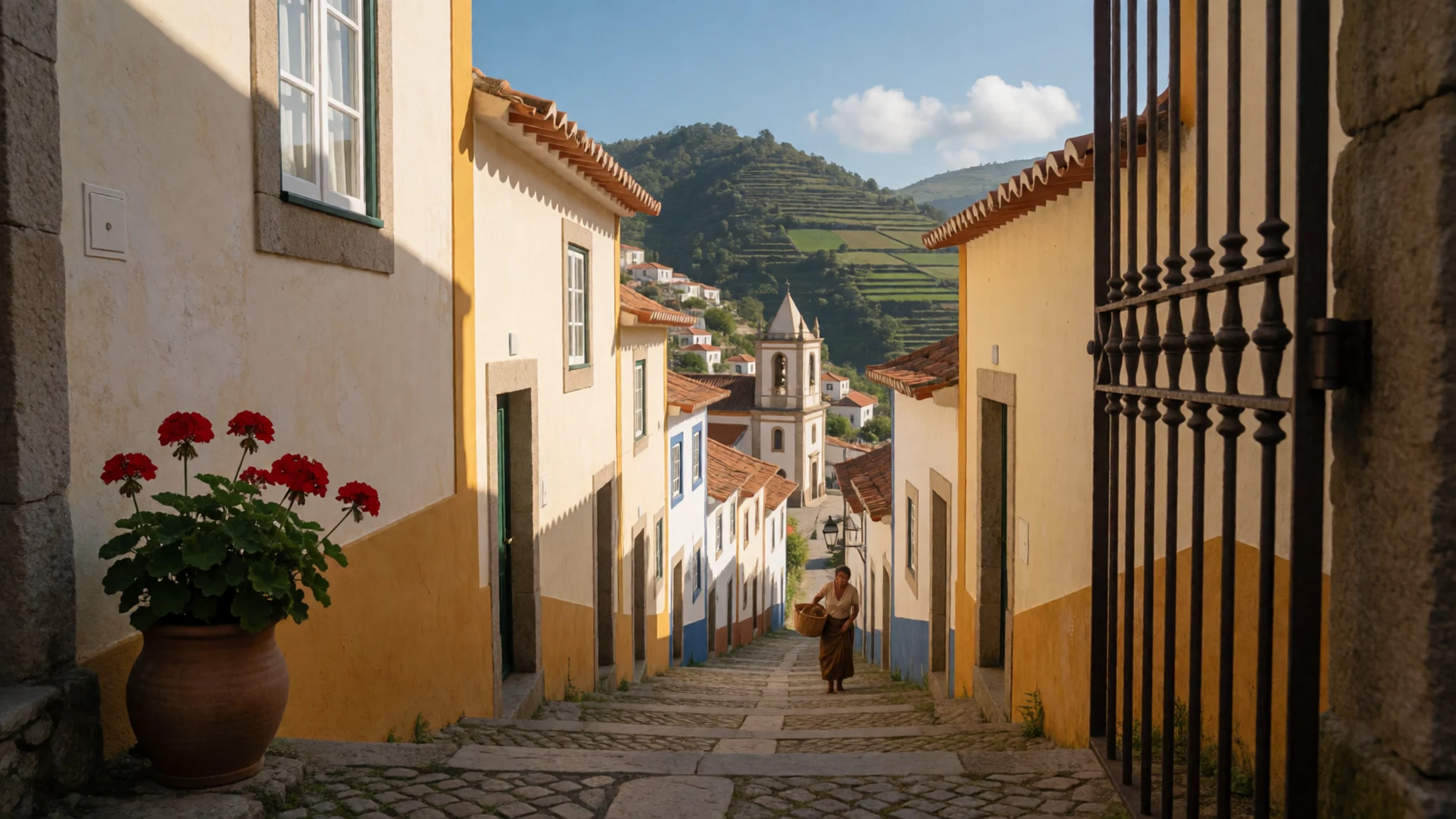
- Fajã de Água — West coast
A small fishing settlement on the western coast, once a stop for whalers wanting fresh water. It is a pleasant place for a slow walk, a look at the boats and, if conditions allow, a swim in natural rock pools. Ask locally about sea conditions first.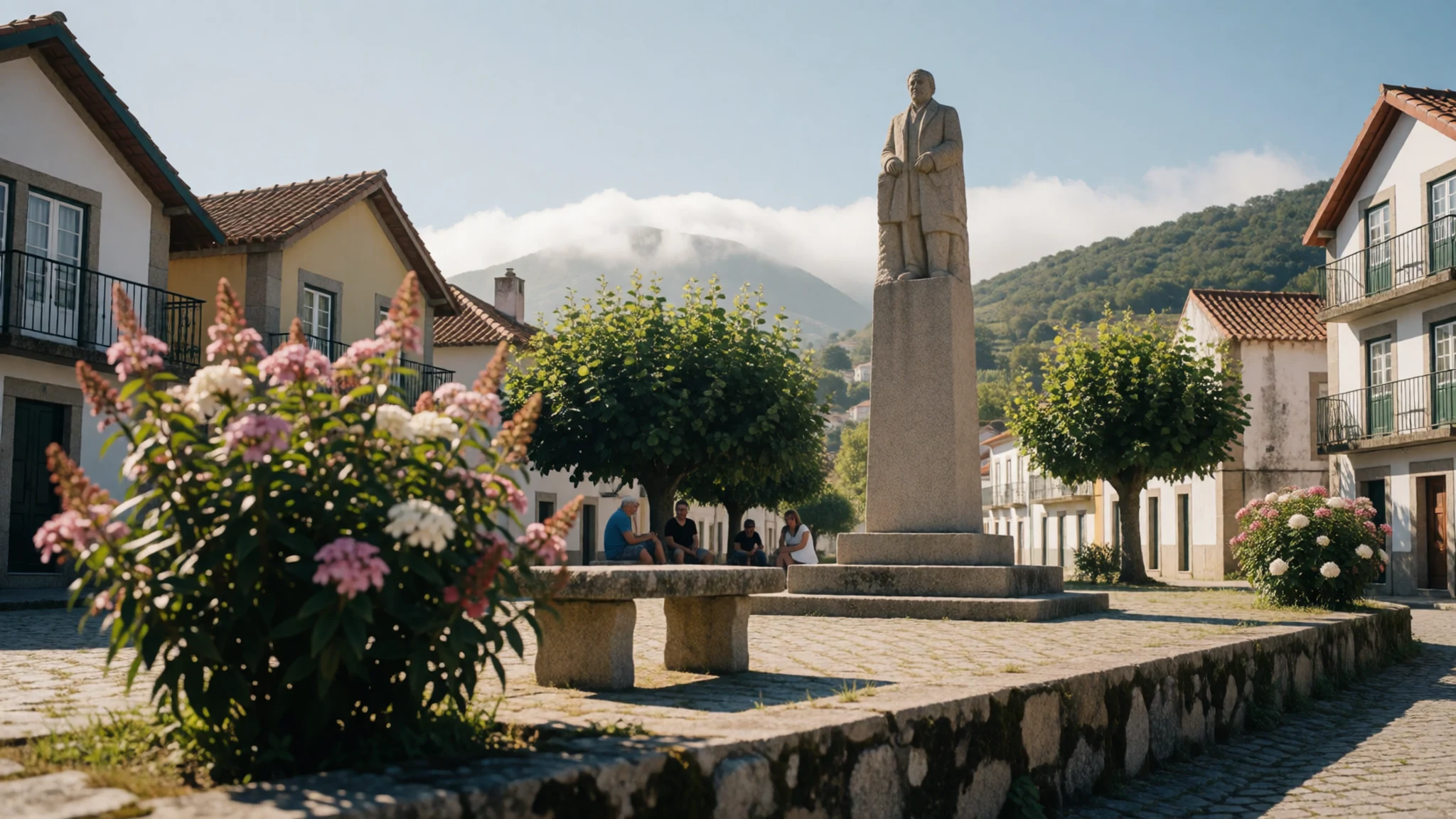
- Monte Fontainhas — Central crest
The island's highest point, at 976 metres, reached on foot along mountain paths. The reward is a wide view over terraced fields and down to the sea, with Fogo's cone often visible across the water. Go early, before cloud gathers, and take a local guide if the weather is uncertain.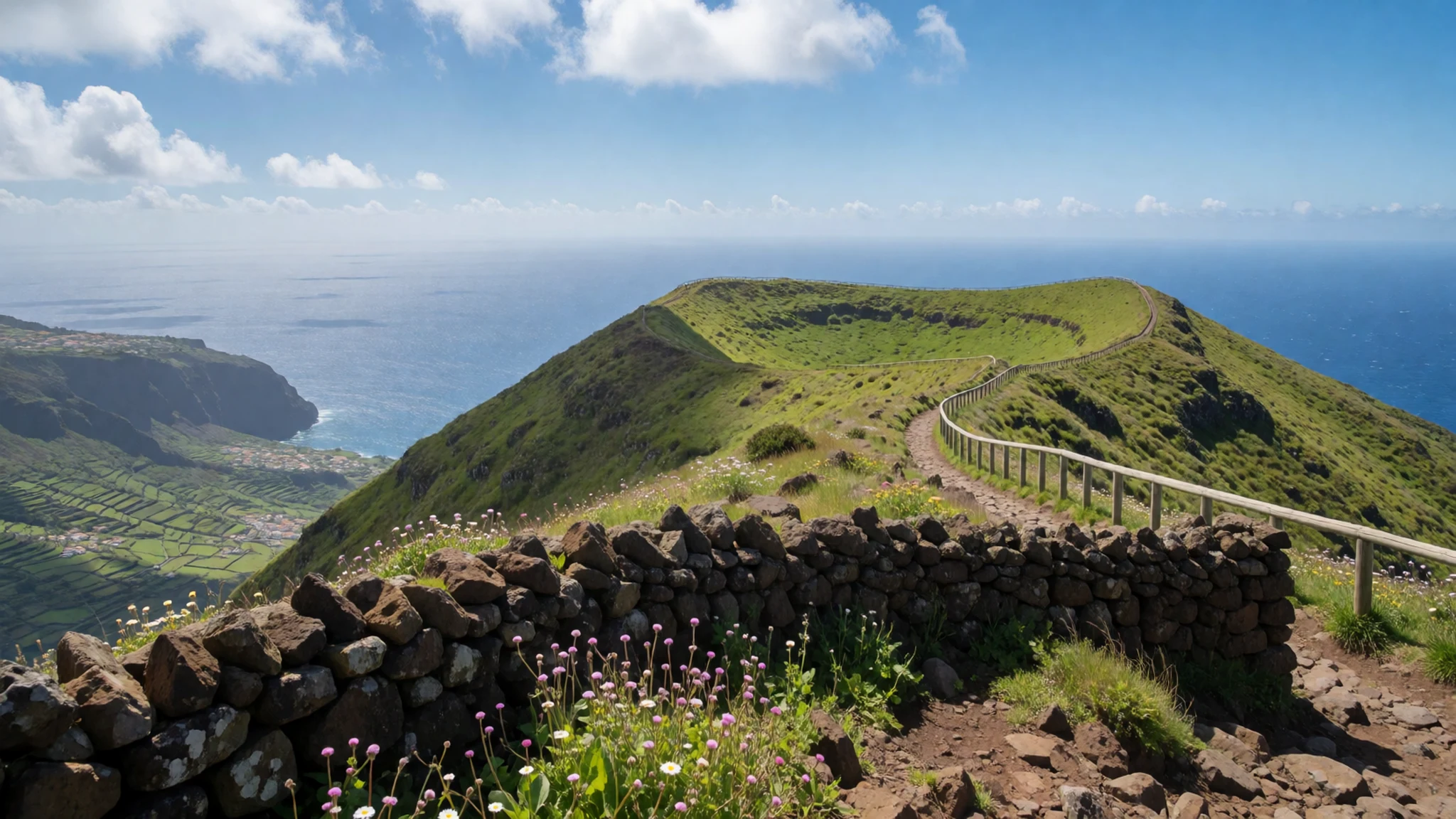
- Ilhéus Secos — North of the island
The small uninhabited islets off the northern coast, including Ilhéu de Cima and Ilhéu Grande. They are best seen from the cliffs above Nova Sintra or from a fishing boat if one can be arranged. They are bare, dry and a sharp contrast with Brava's green slopes.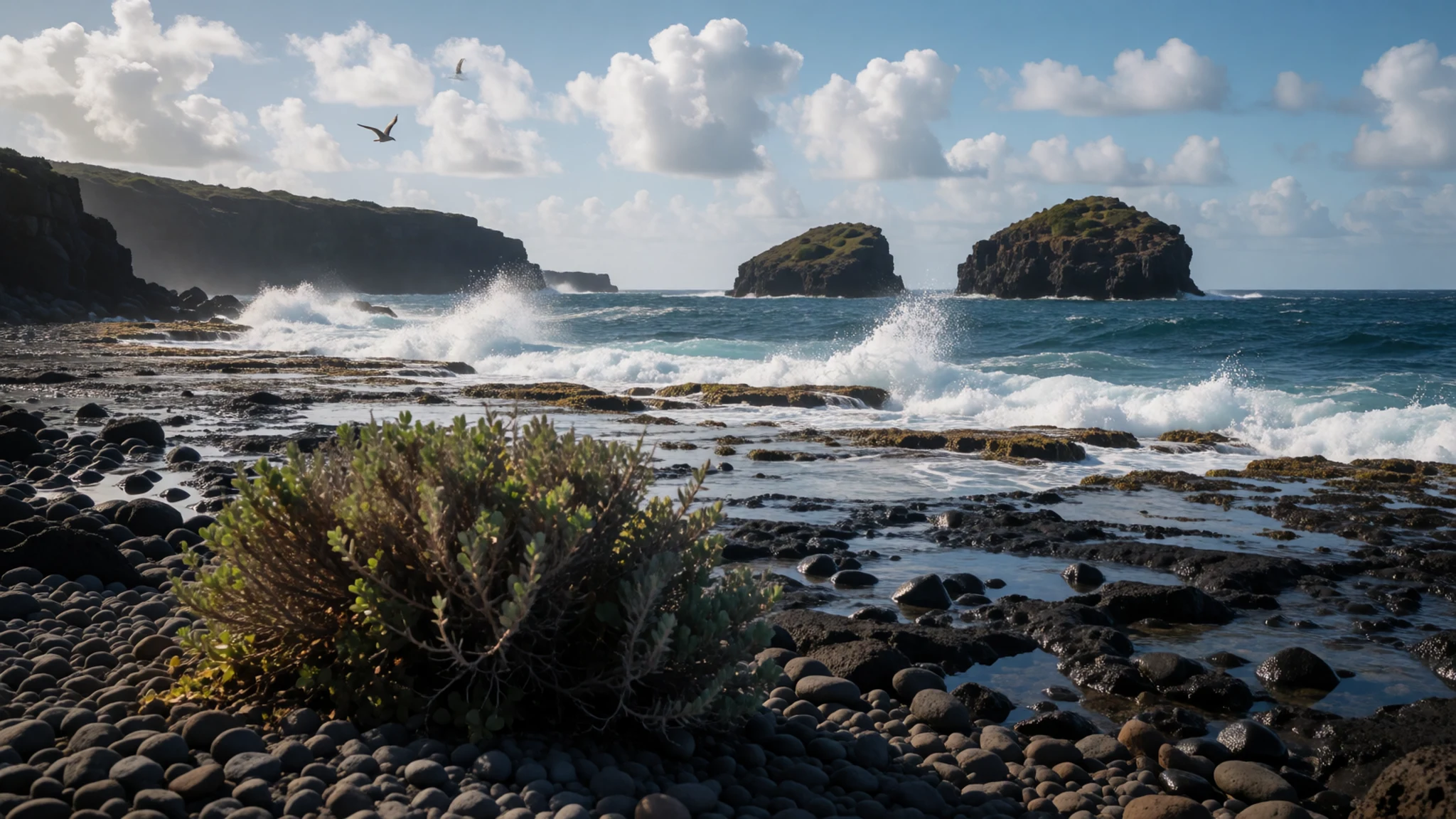
- Aluguer rides — Island roads
The shared pick-up vans called aluguers are how locals move around, and riding one is a sight in itself. They run along the steep roads between villages such as Nossa Senhora do Monte. Ask when the return leaves, since services are infrequent.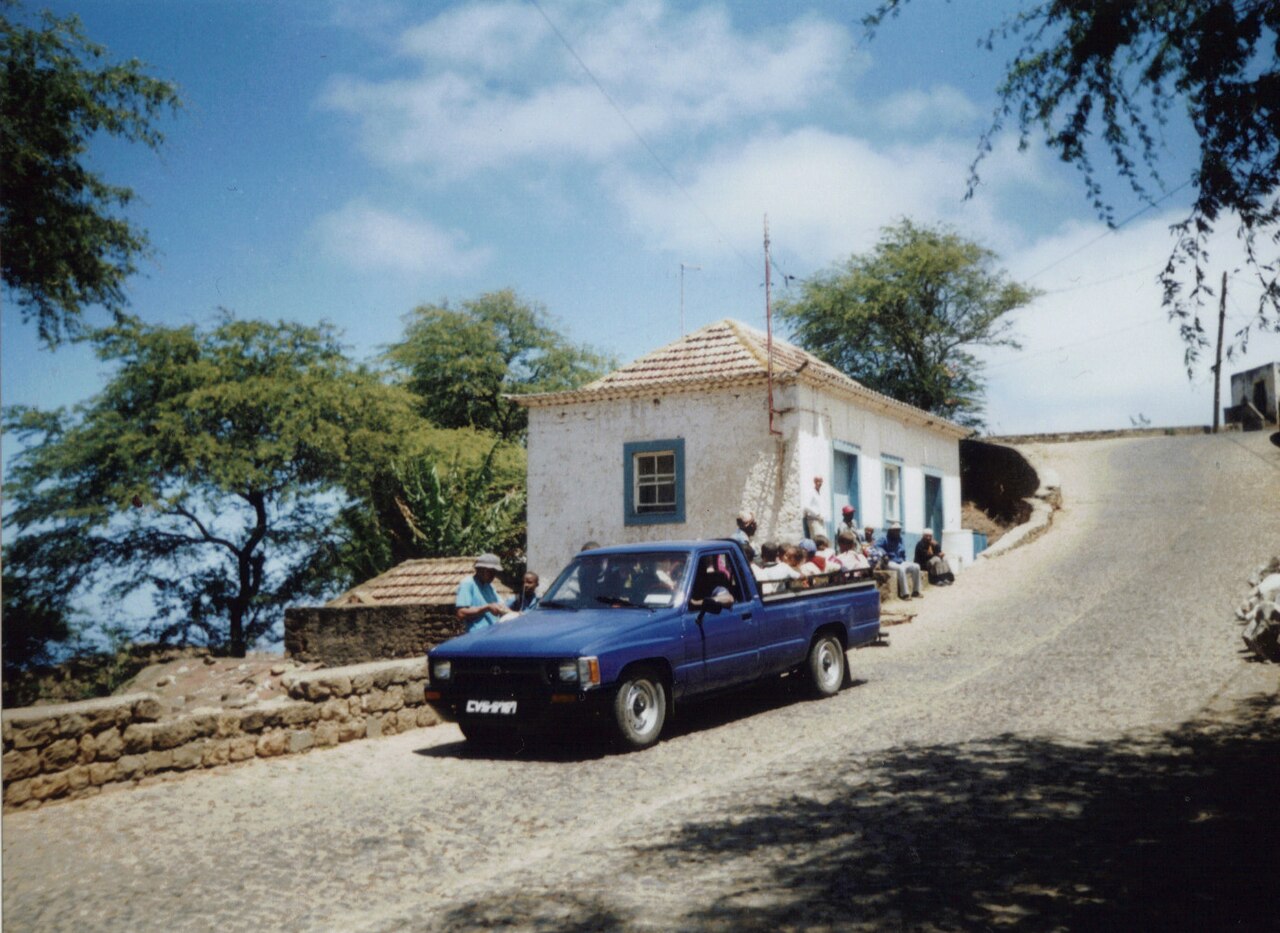
Culture
Brava's culture is shaped by isolation and emigration. For generations many islanders left by sea for the United States and elsewhere, and the longing for home runs through local music, especially the slow, sentimental morna. Eugénio Tavares, the island's celebrated poet and songwriter, wrote some of the best-loved lyrics in Cape Verdean Creole, and his words are still sung across the archipelago.
The language of daily life is Cape Verdean Creole, with Portuguese used in schools and official business. A few words of Portuguese, such as bom dia and obrigado, go a long way. People are polite and friendly, and greetings matter: a handshake and a short exchange before any request is the normal way to begin.
Communities are small and close, and visitors are noticed. Religious life is mostly Catholic, and festivals for saints, with music, food and dancing, are among the main events of the year. Village life follows farming and fishing rhythms, and many families depend on relatives abroad.
Small purchases from local stalls and shops are welcome, and light bargaining is usual at markets, though not in fixed-price shops. Evenings are often spent talking and listening to music rather than going out, so expect a calm pace. Visitors who show interest in the island's stories and songs tend to be warmly received.
Greet people with a handshake and a bom dia before asking anything, and ask permission before photographing individuals or their homes.
What to wear
Brava has no single formal costume that people wear every day. Traditional dress here follows broader Cape Verdean habits, and the clearest textile tradition is the pano, a cloth woven in strips from cotton and sewn together, which women wrap as a skirt or shawl, wear for ceremonies or use to carry loads. Panos are now most visible at festivals and celebrations, and as gifts and keepsakes.
Everyday clothes today are simple and practical: T-shirts, jeans or light trousers, sundresses, and sturdy sandals or trainers. Farmers and fishers favour hard-wearing work clothes and rubber boots in wet weather. People dress tidily for church and for festivals, with men often in shirts and trousers and women in dresses or skirts. Returning emigrants sometimes bring styles from the United States and Europe.
Visitors should plan for a mix of conditions. Walking is the main activity, so bring broken-in shoes with good grip, since paths are steep and can be loose or slippery in mist. Layers work best: a light waterproof or windproof jacket for the higher villages, which are cooler and damper, and breathable clothes for the warmer coast. A hat and sun protection are sensible in all seasons.
There is no strict dress code for visitors, but cover shoulders and knees when entering a church. Beachwear belongs at the water's edge and not in the village streets, where more modest dress is the local norm.
What to eat
- Cachupa — Small eateries and family kitchens in Nova Sintra
The national dish, a slow-cooked stew of maize and beans with potato and often fish, chicken or pork added for flavour. Leftovers are fried for breakfast as cachupa refogada. Ask for it at a family-run eatery in Nova Sintra.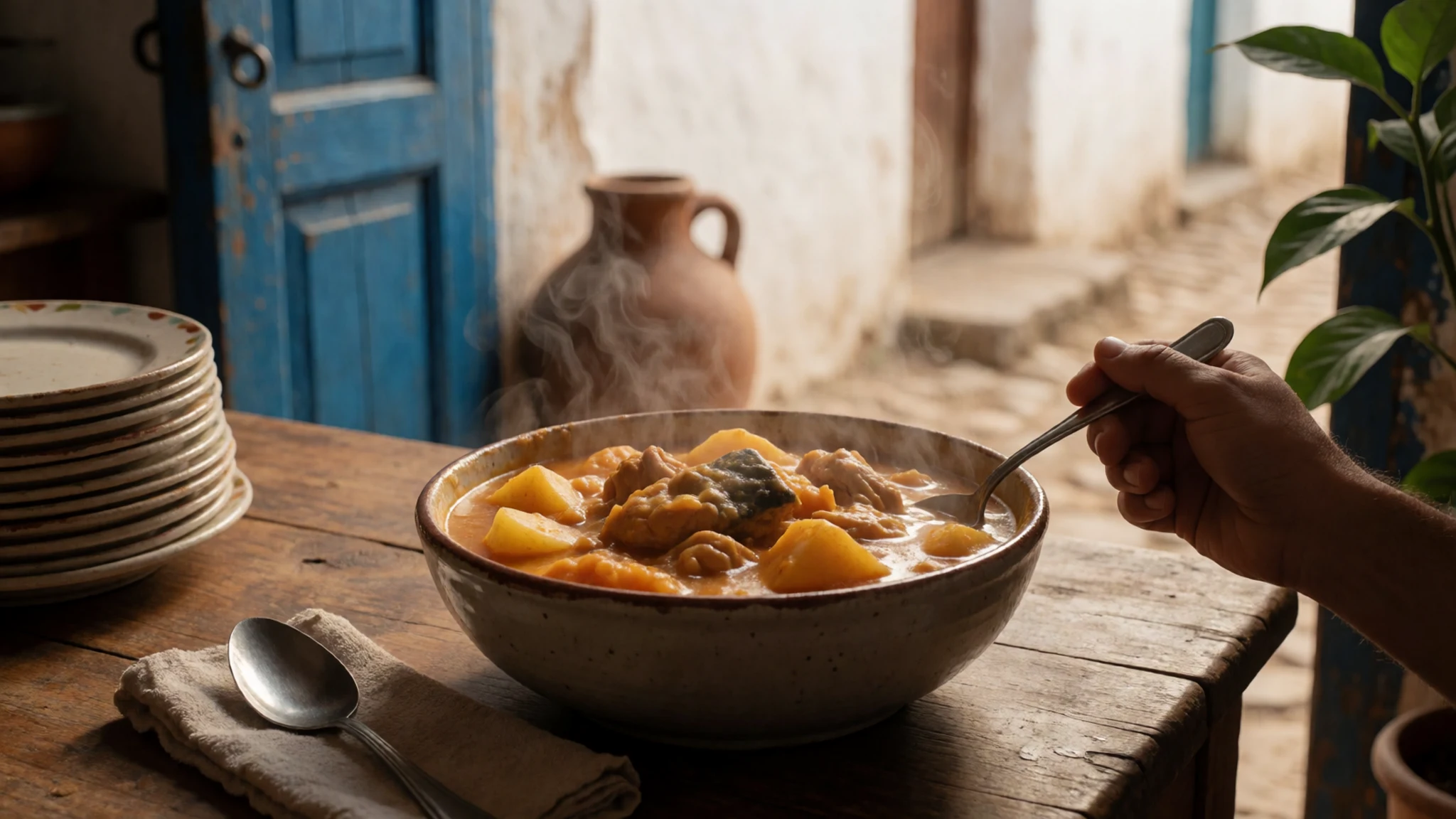
- Fresh grilled fish — Harbour villages such as Furna and Fajã de Água
Tuna is common around the archipelago, as is wahoo, a white-fleshed fish with a firm texture. It is usually grilled simply and served with rice, boiled potato or salad. The best of it comes straight from the day's catch.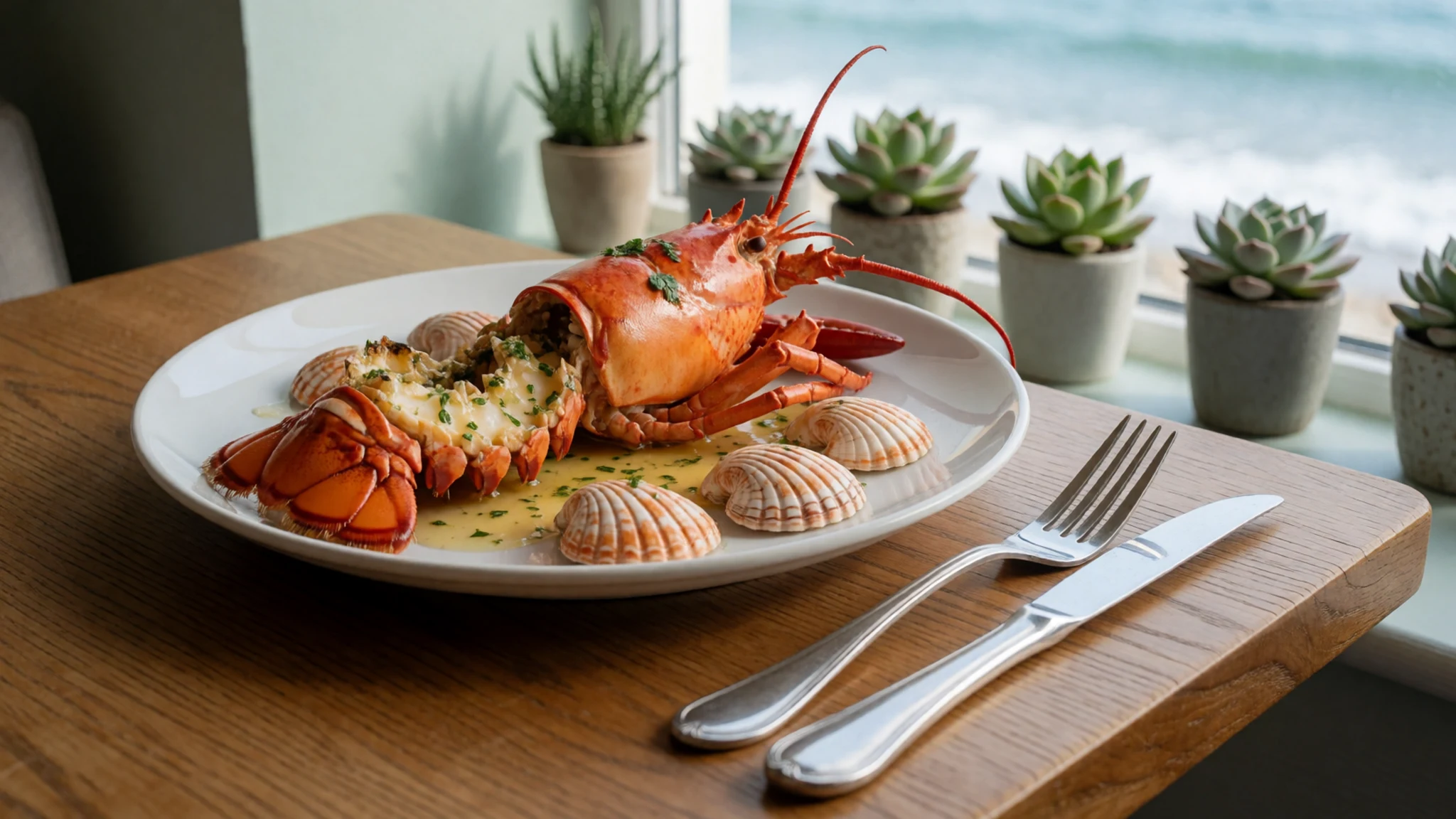
- Lagostada — Eateries near the fishing harbours
A lobster dish, cooked in a rich sauce and served with rice or potatoes. It is a celebratory meal rather than an everyday one, and availability depends on the catch. Ask at a village eatery in advance if you hope to try it. - Tosta mista — Cafés and snack counters in Nova Sintra
A toasted ham and cheese sandwich, found all over the islands. It is a dependable, cheap snack for hikers needing something quick before a climb. Pair it with coffee, a juice or a cold drink from a village shop. - Island-grown produce — Village stalls and roadside sellers
Brava's cooler uplands grow potatoes, sweet potatoes, bananas, sugar cane and some coffee. Buy fruit and vegetables from stalls or directly from farmers, and look for local sugar-cane products.
Plan it
Best time. November to May is the most comfortable, with drier weather and cooler air that suit walking. Late summer and early autumn are hotter and can bring rain and rougher seas, which may disrupt boat crossings. Mist often settles on the higher slopes at any time of year.
How long. 2–4
Getting there. Fly to one of Cape Verde's international airports, such as Amílcar Cabral on Sal or Nelson Mandela in Praia on Santiago, then continue to Brava by inter-island boat, usually via Fogo. Check current ferry schedules with local operators, since sea conditions affect crossings. On arrival at Furna, aluguer vans climb to Nova Sintra.
Budget. mid
Tips
- Check ferry times and weather before you travel, and allow spare days in case sailings change
- Carry cash, as card payment is not reliable in small villages
- Bring bottled water, since tap water quality can vary
- Start walks early, before cloud gathers on the high ground
- Book a guesthouse ahead, as rooms are few
Etiquette
- Greet people before asking for anything
- Ask permission before photographing people or their homes
- Cover shoulders and knees when entering a church
Nearby
Sources
- Wikidata Q492528 (CC0)
- Wikipedia: Brava, Cape Verde (rev 1372000877) (CC BY-SA 4.0)
- Wikivoyage: Cape Verde (rev 5396160) (CC BY-SA 4.0)
- Furna Cape Verde, Ingo Wölbern (Public domain)
- Locator map of Brava, Cape Verde (CC BY 3.0)
- Ilhéus Secos, Ingo Wölbern (Public domain)
- Monument of Eugénio Tavares, Torbenbrinker (CC BY 3.0)
- Aluguer share taxi, Torbenbrinker (CC BY 3.0)
- Apollo 9 image AS09-20-3130, Project Apollo Archive (Public domain)
- Apollo 9 image AS09-22-3426, Project Apollo Archive (Public domain)
- Apollo 9 image AS09-22-3432, Project Apollo Archive (Public domain)


