Cidade Velha
Cidade Velha, Cape Verde
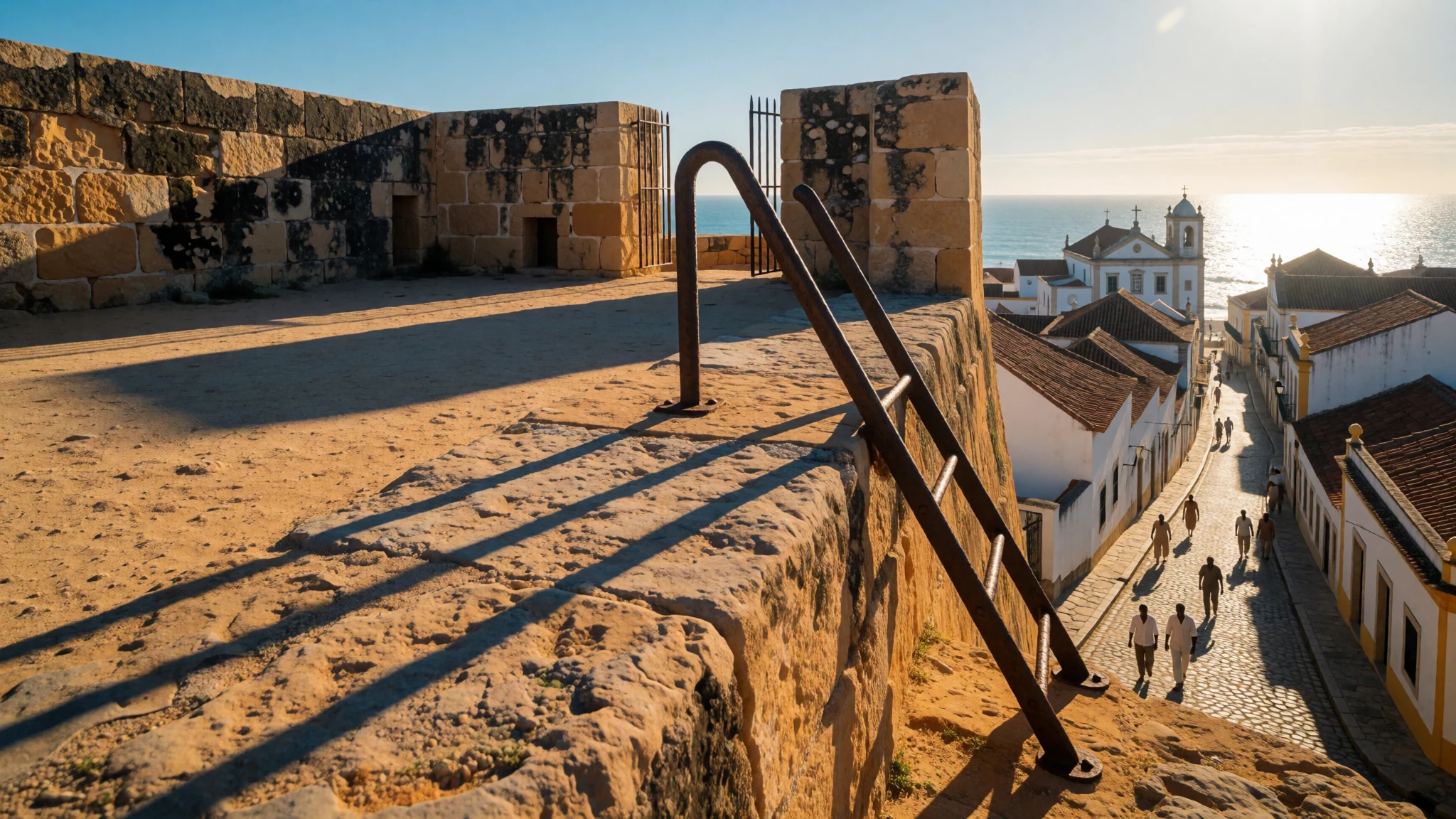
Cidade Velha feels like the start of Cape Verde’s European story—fort, churches and streets set along the Atlantic.
The place
Cidade Velha is a small town on the south coast of Santiago, Cape Verde, where the Portuguese founded their earliest settlement in the tropics. It’s named “old city”, and that idea sticks: the streets and town layout still show a carefully planned colonial footprint, with key structures holding their shape as the town evolved. Despite its tiny population (1156) and low elevation (1 m), it carries big historical weight.
Most first-time visitors come because Cidade Velha was once the capital, before the centre of power moved to Praia. The town’s identity is rooted in that shift. Portuguese traders set it up in 1462, and the settlement grew into a port that linked routes across Africa and beyond. Even today, the Atlantic is present in the atmosphere—sea breeze, bright light, salt on stone—and the coast gives the town a practical feel: life here turns around arriving, trading, and walking from fort to church to square.
The historic core is compact enough to explore on foot, but the pace is different from a “touristy town”. It’s quieter, and you’ll notice how heat changes everything: mornings feel walkable; afternoons flatten plans. Around the main central area there’s a mix of heritage buildings and everyday street life, with local Creole culture forming the real backdrop.
If your travel style likes history you can touch—plus views of the harbour side and the hill above the fort—Cidade Velha is worth the trip from Praia. Just go for the texture of the old town, not for grand resort comfort.
Its story
Cidade Velha’s story begins with Portuguese interest in Santiago’s access to water. The site was established in 1462, and early settlers chose the riverside location for practical reasons. That advantage mattered: when a settlement has reliable water, it can support families, build infrastructure and keep trade moving.
From there, the town became a port of call during the long era of Atlantic navigation. Ships used Cidade Velha as a stepping stone between coasts, so the settlement’s fortunes rose and fell with the routes. The town also sits in the wider Portuguese imperial orbit, because it was tied to the movement of people, goods and—historically—forced labour across the Atlantic world.
Religious buildings add another layer. One church, Nossa Senhora do Rosário, was constructed in 1495 and remains a major landmark in the town’s historic centre. Later, Cidade Velha also became the seat for a Roman Catholic diocese, before that role was transferred to Praia, matching Cidade Velha’s shift from administrative centre to heritage town.
Political pressure and rivalry didn’t always spare the place. Attacks by privateers occurred in the late 1500s and early 1700s. A fort was built to defend the area, but even with that military presence, the town’s dominance weakened. Over time the port’s importance changed, institutions moved on, and the buildings that once anchored everyday life began to decay.
What’s left today isn’t just “old architecture”. It’s a readable map of centuries: fort on the hill, the church in the walkable centre, and the square where the town’s colonial power was staged. Walking the streets, the past feels close because the planned layout still guides where you turn.
What to see
- São Felipe Royal Fort (Forte Real de São Filipe) — Hillside above the town centre
The fort sits above Cidade Velha and sets the rhythm of a day: climb for views, then come back down through the old paths. It’s a good starting point because everything else feels linked to this higher vantage.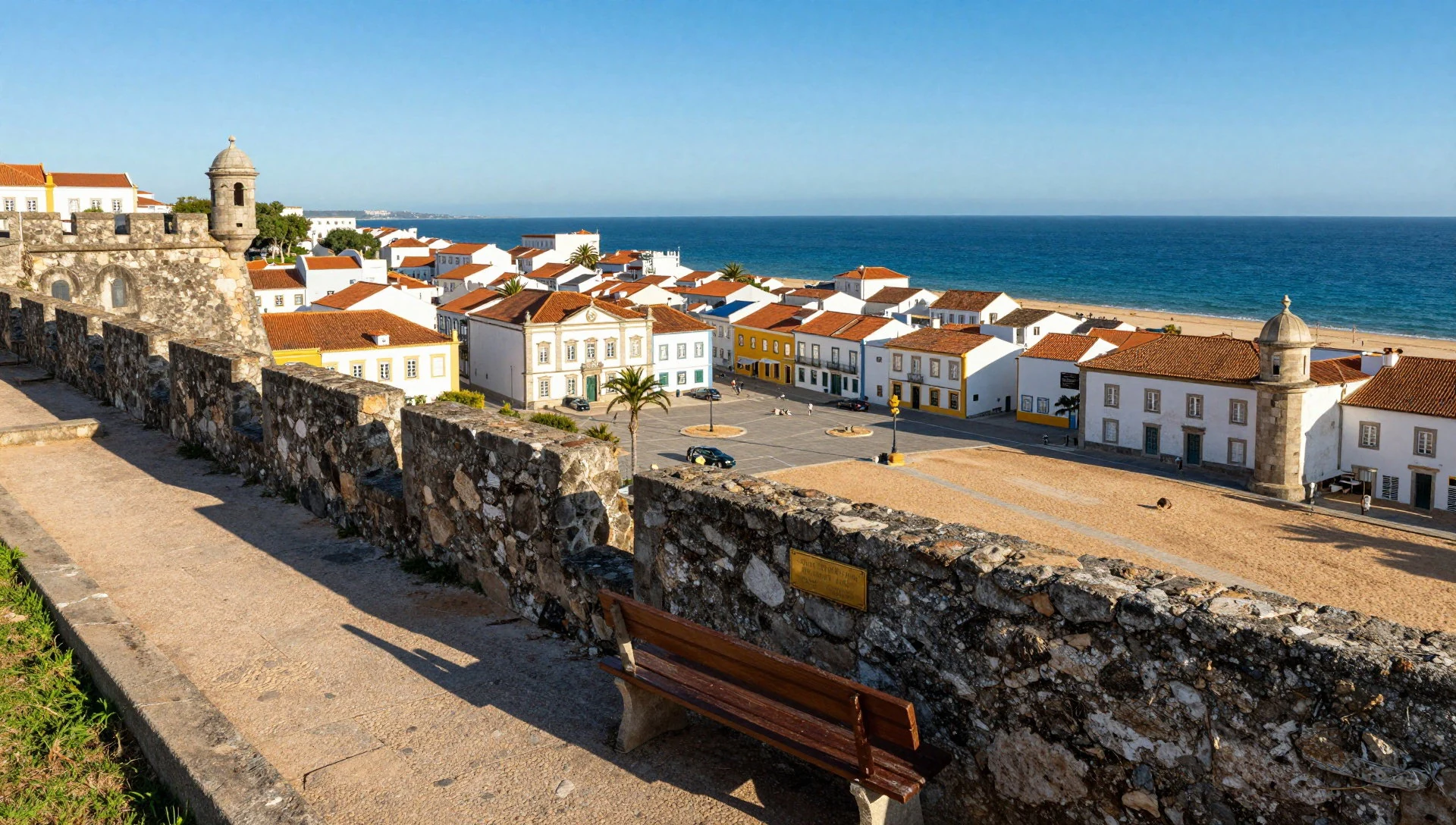
- Pelourinho monument (Pelourinho / picota) — Largo Pelourinho / town centre
In Cidade Velha’s central square, the Pelourinho marks colonial authority in stone. It’s a stark landmark that also helps orient a walking loop through the historic streets—square, streets and church all sit nearby.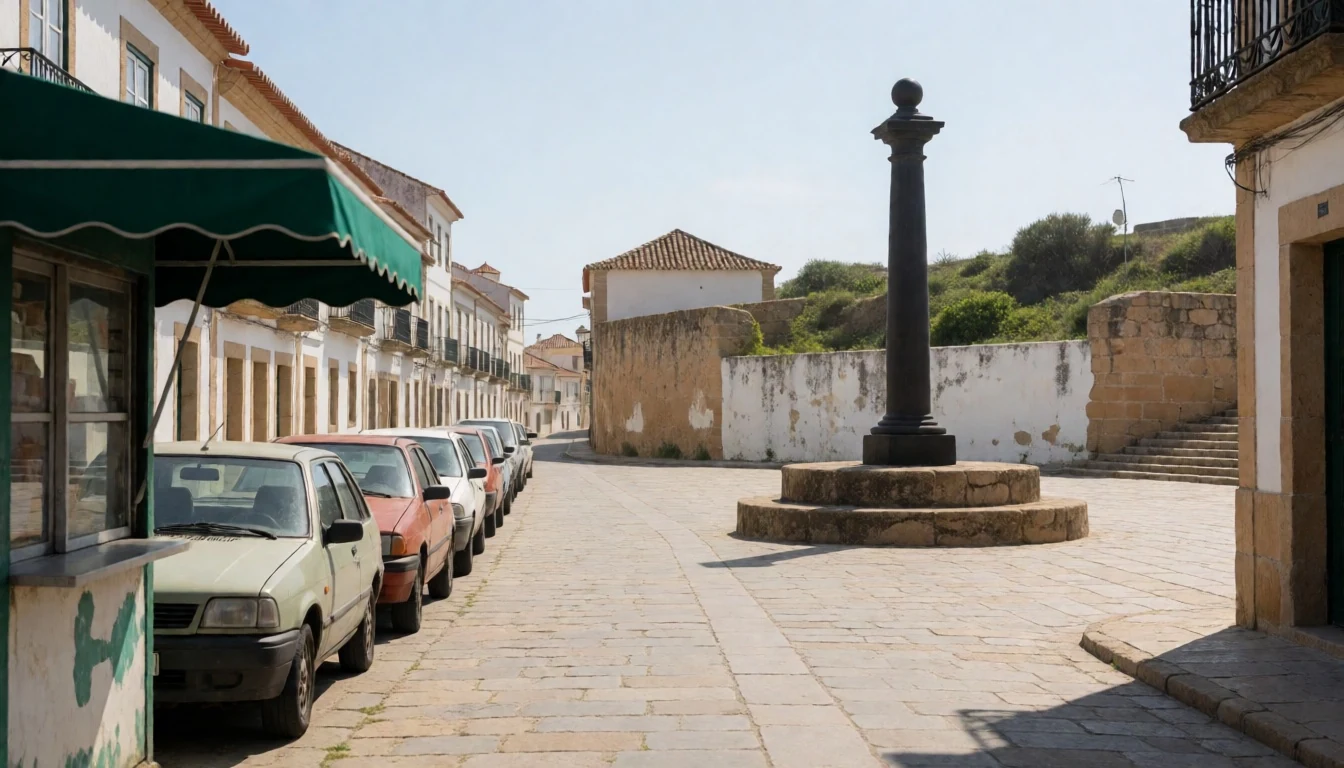
- Nossa Senhora do Rosário church (Igreja Nossa Senhora do Rosário) — Historic centre along the hillside-to-coast route
This church is an anchor for the old-city walk and a reason people come even if they only have a few hours. Its setting in the historic route makes it easy to pair with the square and the downhill approach towards the seafront.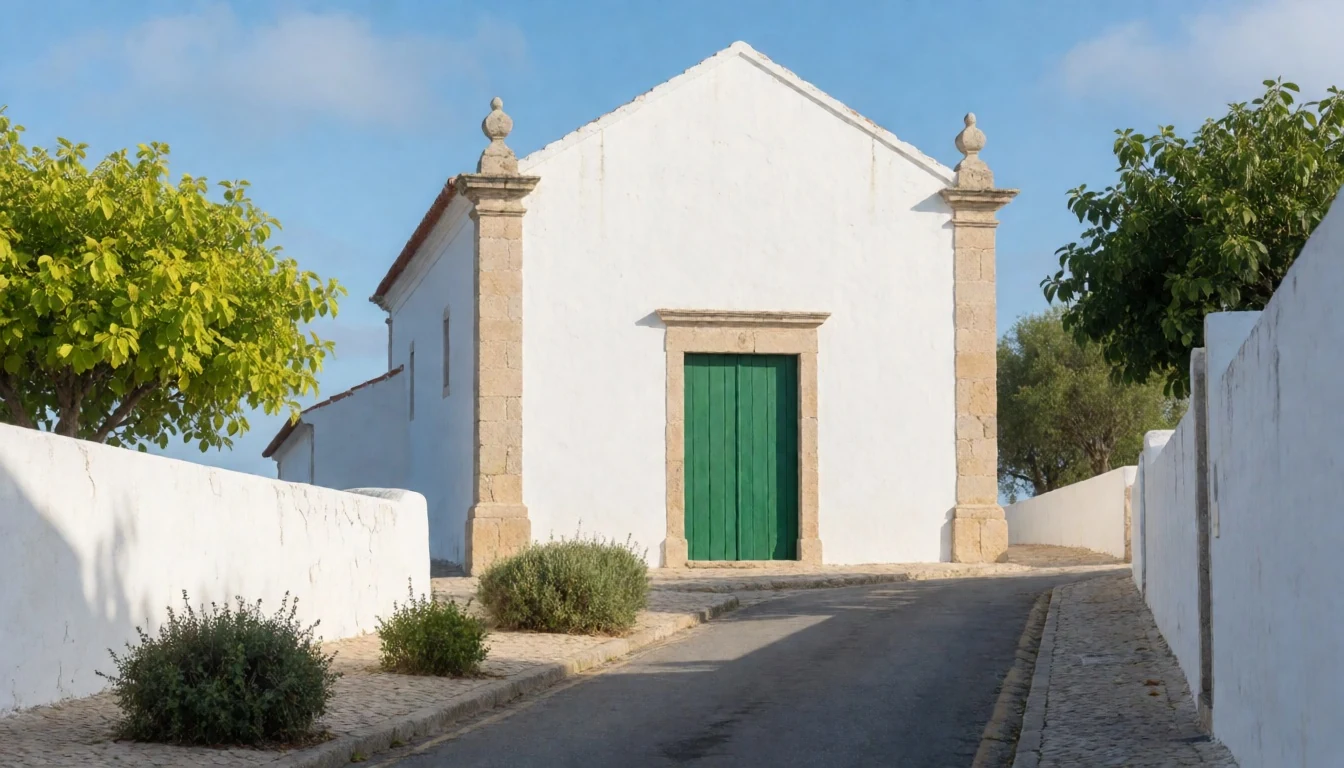
- UNESCO-listed old-city walking circuit — Old town centre and streets connecting fort, church and square
Even without a ticketed stop, the best experience is moving slowly through the historic city centre. The combination of compact streets, heritage structures and sea air creates a “read the town” feeling—especially in cooler morning light.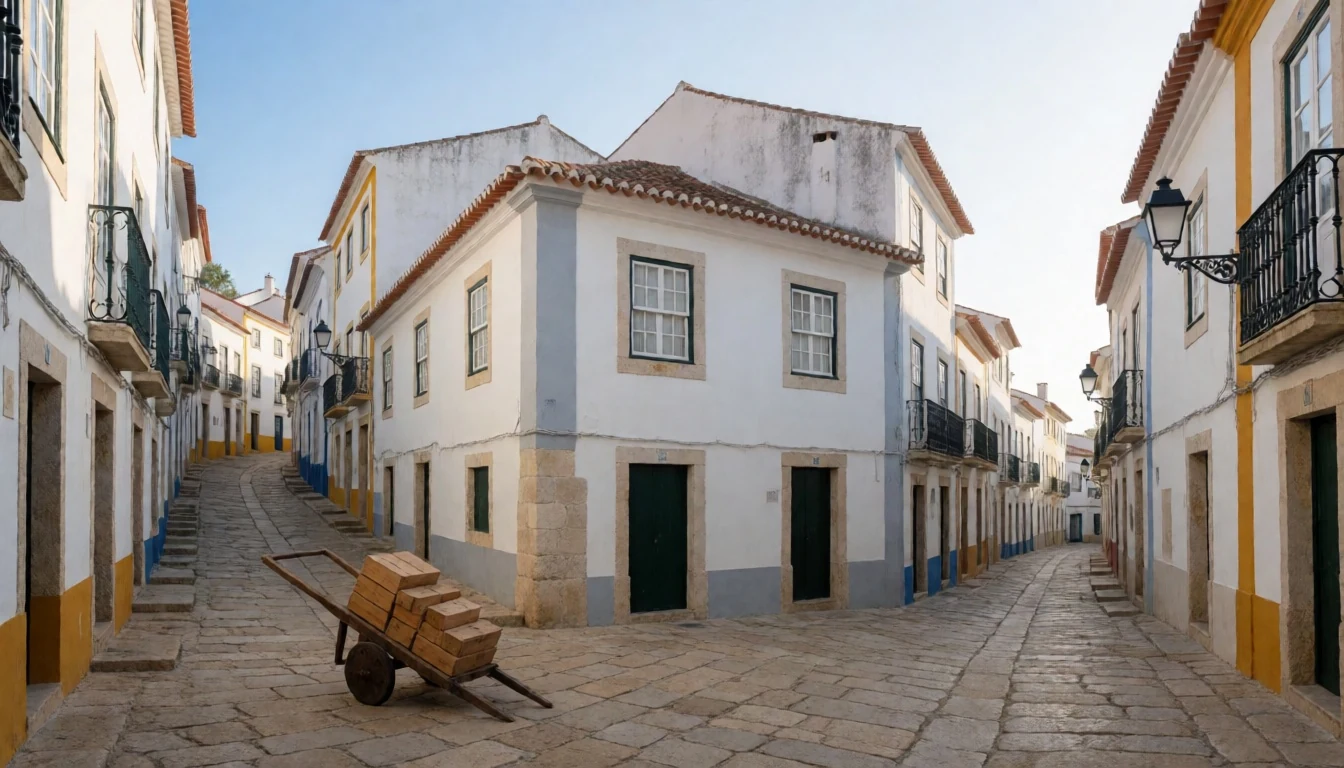
Culture
Cidade Velha is UNESCO World Heritage (true in the facts), but the day-to-day atmosphere is not “museum quiet”. You’ll share space with residents going about errands, children playing near doorways, and small shops around the main square. The town’s Creole culture shows up in how people use the centre—lingering, chatting, and moving between church-side streets and the coastal edge.
What to expect from the heritage itself: the layout is still recognisable, so your route naturally mirrors the old story of power—fort up on the rise, then down into the civic and religious core. That makes the historical sites feel less abstract than in a standalone monument.
Crowds are usually modest compared with bigger international heritage towns. Still, the main sights cluster tightly, so midday heat can make everyone rush to shade at the same time. If you’re sensitive to sun, start earlier, then build in longer pauses as the day warms up.
One more thing: because the town’s history includes the colonial system (including public punishment in the past), some spaces can feel emotionally heavy. It’s okay to slow down or step back; the point is to understand, not just photograph.
Visitor etiquette: dress modestly at church entrances, keep voices low, and ask before photographing people in close-up.
What to wear
In Cidade Velha, dress is mostly practical, but religious sites mean modesty matters. Cape Verde is sunny and hot-leaning, and the town sits at only 1 m elevation, so the air can feel bold and dry. For heritage churches, shoulders and legs covered feels respectful, even if locals don’t all dress formally.
Traditional dress in Cape Verde varies by community and event. You’ll most often see colourful everyday styles in Creole contexts—lightweight fabrics, loose shapes, and patterns that work well in warm weather. For textiles, look for cotton and airy weaves that breathe, rather than heavy, heat-trapping materials.
What you’ll see now is a mix: everyday wear (T-shirts, shorts, linen shirts) around the streets, and slightly more covered clothing when people head to church or formal gatherings. Visitors should plan for both: lightweight breathable layers for walking, plus a thin scarf or overshirt for covering up at entrances.
Footwear is key. Historic streets can be uneven, and you’ll likely do stairs and uphill approaches from the fort. Choose comfortable closed shoes or sandals with secure straps; avoid brand-new blister-prone footwear.
What to eat
- Fish and seafood plates — Around the main square and seafront eateries
Seafood tends to show up around the main square because Cidade Velha sits on the Atlantic side. Look for simple grilled or stewed fish dishes, usually paired with starchy sides and whatever seasonal greens are available.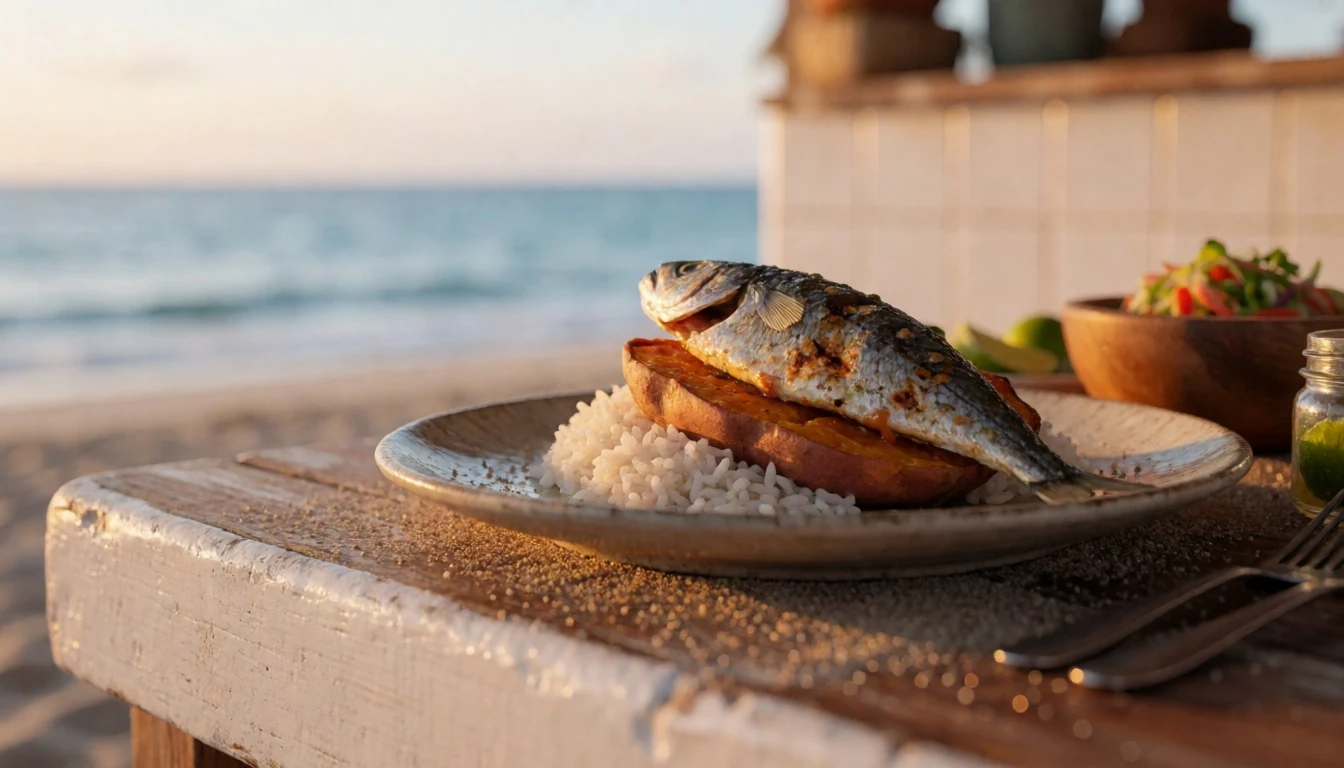
- Catch-of-the-day at a local eatery — Small restaurants and bars near the centre
If a menu feels vague, you can still eat well: ask what’s fresh today and go for the straightforward option. Expect flavour-forward seasoning rather than elaborate presentation.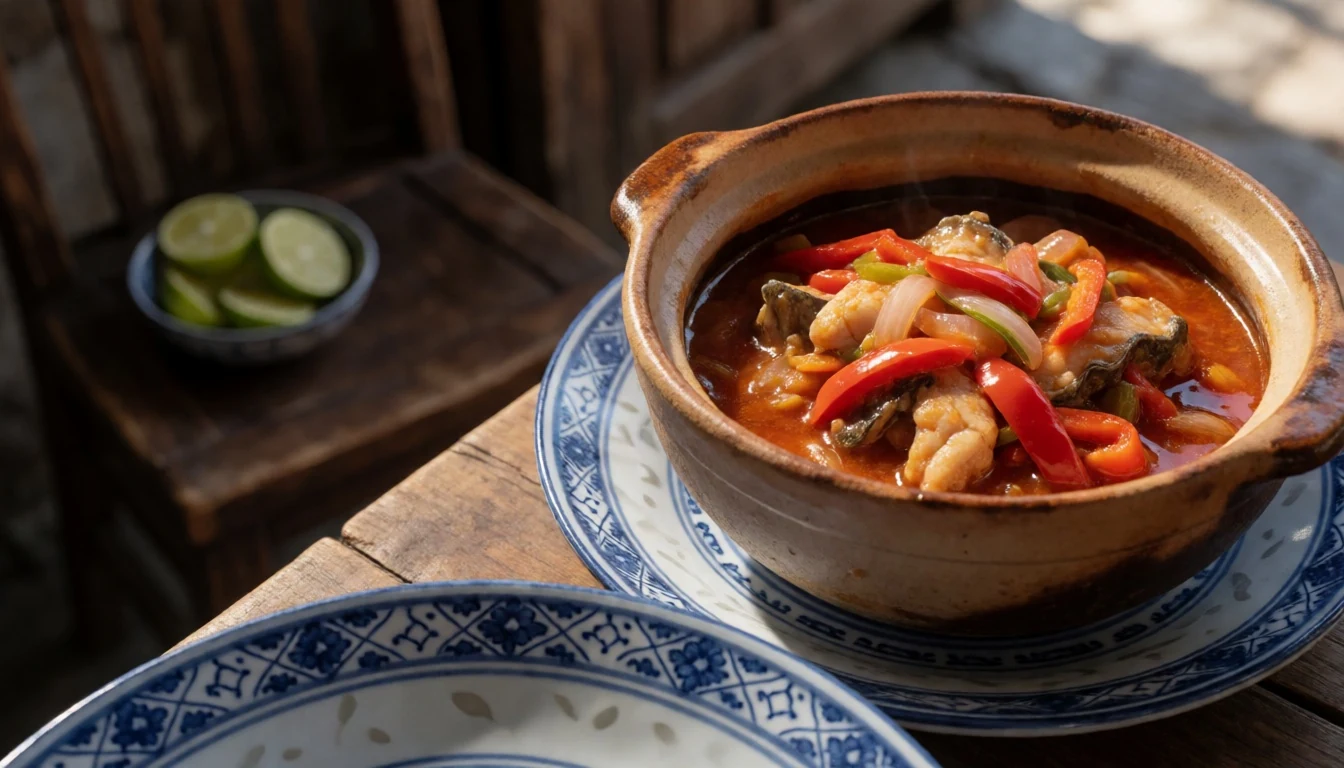
- Creole-style stew — Casual dining spots around Largo Pelourinho
Creole cooking often leans into slow-simmered flavours, with vegetables and protein blended into a warming pot. It’s a reliable choice when it’s hot, because you can eat comfortably in the shade. - Market snacks and drinks — Local market areas around the route between Praia and Cidade Velha
Even without a specific named food, you’ll find small snacks and cold drinks that make a walking day easier. Grab something light before you head uphill toward the fort, then refuel back in the centre.
Plan it
Best time. April–June and September–November for more comfortable walking; temperatures stay high through the year, with the hottest stretch in October and the wettest months running from August to November, when showers become more frequent.
How long. 2–3
Getting there. From Praia, use local shared transport (aluguers) that operate between Praia and Cidade Velha; you can ask to be dropped near Forteleza Real de São Filipe.
Budget. mid
Tips
- Plan your walk for the part of the day that feels most comfortable for you, since heat builds after midday.
- Wear a hat and carry water—shade is limited once you move away from the central square.
- Keep the fort-to-coast route in mind: it helps you structure a loop without backtracking.
- Expect modest crowds, but plan for everyone to seek cool-down stops around midday.
- Bring some cash for small purchases around the centre.
Etiquette
- Modest clothing helps at church entrances; bring a light layer to cover shoulders.
- Keep your voice down in religious spaces and follow any instructions from staff.
- Photograph carefully and ask before taking close-up pictures of people.
Nearby
Sources
- Wikidata Q464913 (CC0)
- Wikipedia (rev 1375645454) (CC BY-SA 4.0)
- Wikivoyage (rev 5238765) (CC BY-SA 4.0)
- Photo photos/01-cidade-velha-bord-de-mer-2.jpg (CC BY 3.0)
- Photo photos/02-cidade-velha-pelourinho-square-b-2011.jpg (CC BY 3.0)
- Photo photos/03-sanct-jago-auf-derselben-insel-caspar-schmalkalden.jpg (Public domain)
- Photo photos/04-cidade-velha-igreja-nossa-senhora-do-ros-rio-1.jpg (CC BY 3.0)
- Photo photos/05-pelourinho-cidade-velha-iw.jpg (Public domain)
- Photo photos/06-cidade-velha-house-by-the-ocean-2014-10-02-12.jpg (CC BY-SA 4.0)
- Photo photos/07-fortesfilipequarteis.jpg (Public domain)
- Photo photos/08-achadacidadevelha.jpg (Public domain)


