Boa Vista
Boa Vista, Cape Verde
Boa Vista is Cape Verde's flat, sun-baked easternmost island, where long empty beaches, white dunes and nesting turtles sit far from the crowds.
The place
Boa Vista is the easternmost island of Cape Verde, a flat, dry, wind-scoured patch of Atlantic sand and rock about 450 km from the coast of Senegal. Its Portuguese name means 'good view', which flatters a landscape that is mostly open plain broken by low hills; the tallest, Monte Estância, reaches 387 m. Nothing here is high enough to pull rain from passing clouds, so the island stays arid, a palette of pale sand, dark volcanic outcrops and thin scrub. About 12,000 people live on it, most of them in and around Sal Rei, the small capital on the north-west coast, which looks across a sheltered harbour to a low islet. The real draw is the shoreline. Wide beaches such as Chaves, Santa Mónica, Cabral and Varandinha run along the coast, often with more space than people, and the steady wind and surf bring kitesurfers and windsurfers as well as sunbathers. Inland, the Deserto de Viana in the north has soft white dunes, and the Ribeira do Rabil, a seasonal watercourse, drains the widest basin in Cape Verde. Turtles nest on the beaches, and morna, the melancholy music of the archipelago, probably began here. The island is straightforward about what it offers: sun, sand and wind, with resorts clustered on the coast and long empty stretches between them. Shade is rare, distances are bigger than they look, and the interior rewards slow, early-morning exploring.
Its story
Boa Vista had no settled population when the navigators António de Noli and Diogo Gomes reached it in 1460. For well over a century its only business was rearing wild cattle. Salt changed that. Around 1620 the first village, Povoação Velha, grew up beside the salt deposits, with English traders as the main operators. Pirates made the open coast risky, and a fort on the islet facing today's capital, built in 1818 after two raids, shows how nervous those years were. In 1820 the islanders gathered at Porto Inglês, a port founded late in the eighteenth century and later renamed Sal Rei. The salt trade, like much of the Cape Verdean economy, rested on enslaved labour. A Portuguese-British commission set up on Boa Vista in 1842 was meant to end the trade, yet slavery was not fully abolished until 1876. Life stayed hard and dry for generations, with salt and dates as the main income. Cape Verde became independent in 1975, but the real turning point came in 2007, when the international airport opened and charter flights began arriving. Tourism now employs a large share of islanders, as taxi drivers, resort staff and souvenir sellers in Sal Rei, though date farming continues. The abandoned village of Curral Velho and a lone eighteenth-century brickworks chimney standing in the dunes are quiet reminders of the earlier chapters.
What to see
- Sal Rei and the shipwreck museum — Sal Rei, north-west coast
Sal Rei is the island's capital and its practical base. The town is a workaday modern place rather than a colonial postcard, best for its waterfront, evening restaurants and small cultural spaces. The Museu dos Náufragos displays wrecks and island history, and an arts centre sometimes stages morna concerts.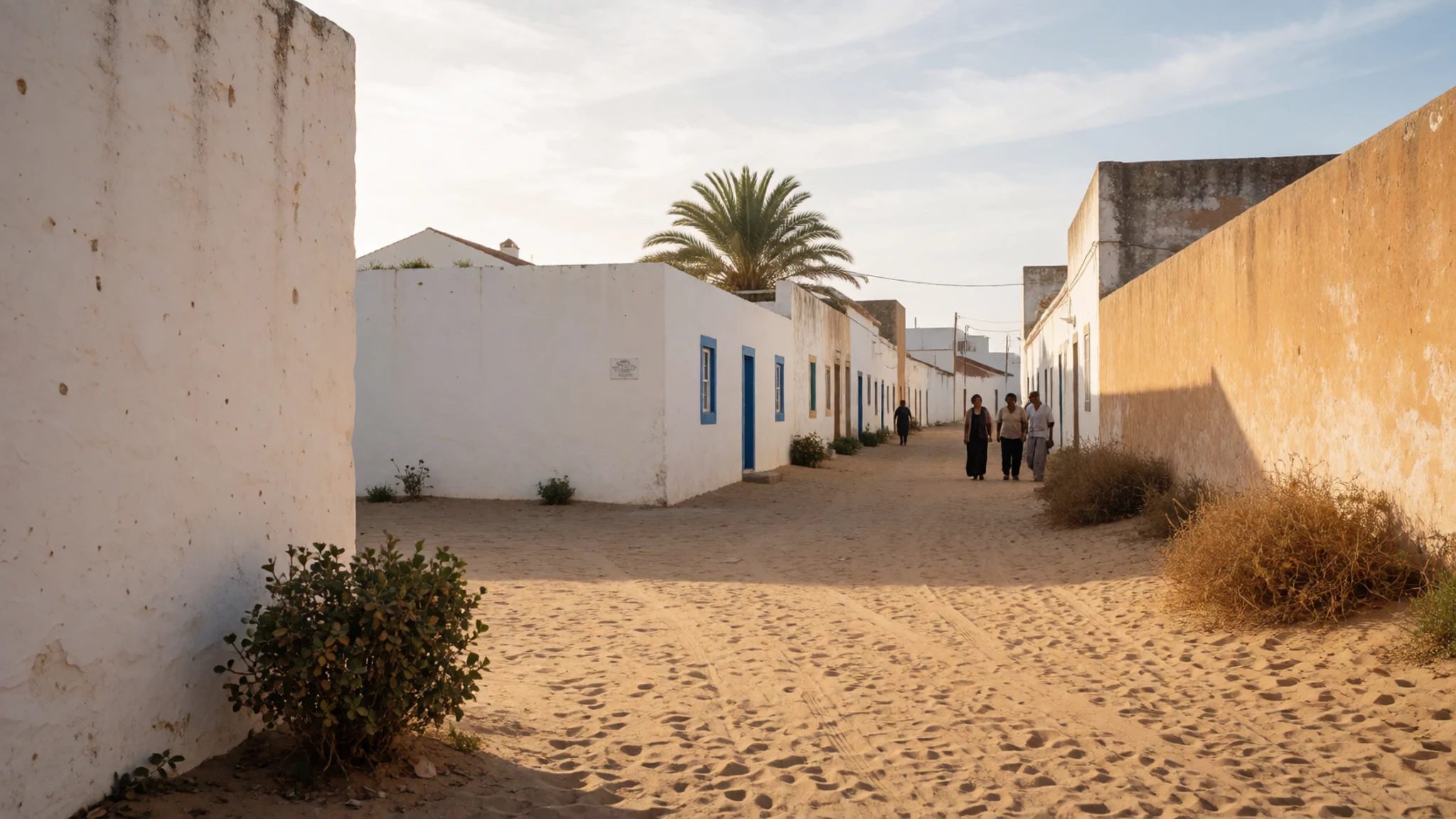
- Ilhéu de Sal Rei — Just off Sal Rei
This scrubby, uninhabited islet shelters Sal Rei's harbour from the open Atlantic. A lighthouse stands near one end and the ruined Forte Duque de Bragança, built in 1818 after pirate raids, sits at the other. There is no regular ferry, but boat trips call and strong kayakers can paddle across.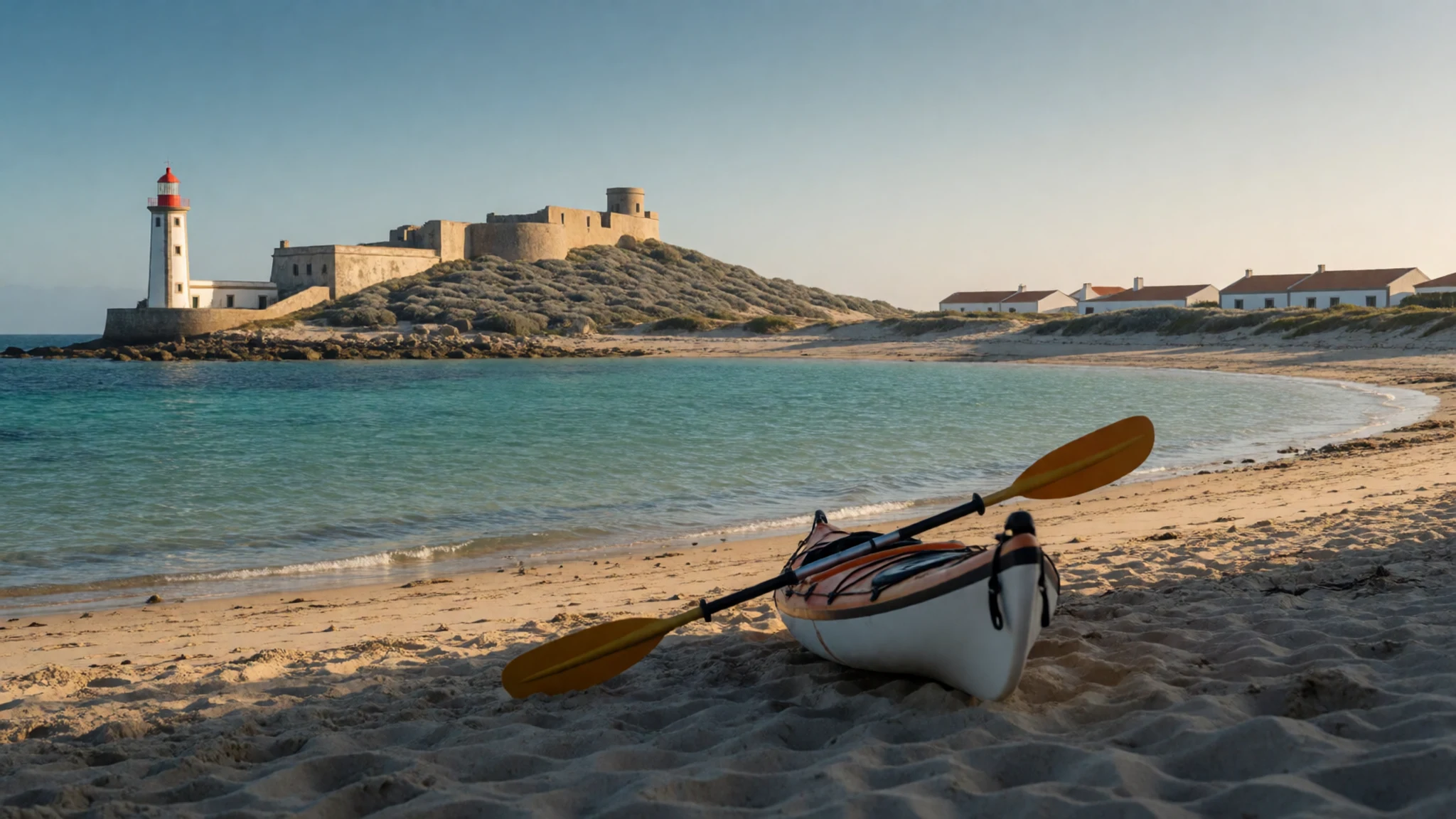
- Deserto de Viana — Northern interior
The Deserto de Viana fills the northern part of the island with drifting white dunes and a dirt track that crosses it. Early morning and late afternoon give the softest light and the kindest temperatures. Go with a driver or guide, because tracks fade quickly in sand and there is no shade.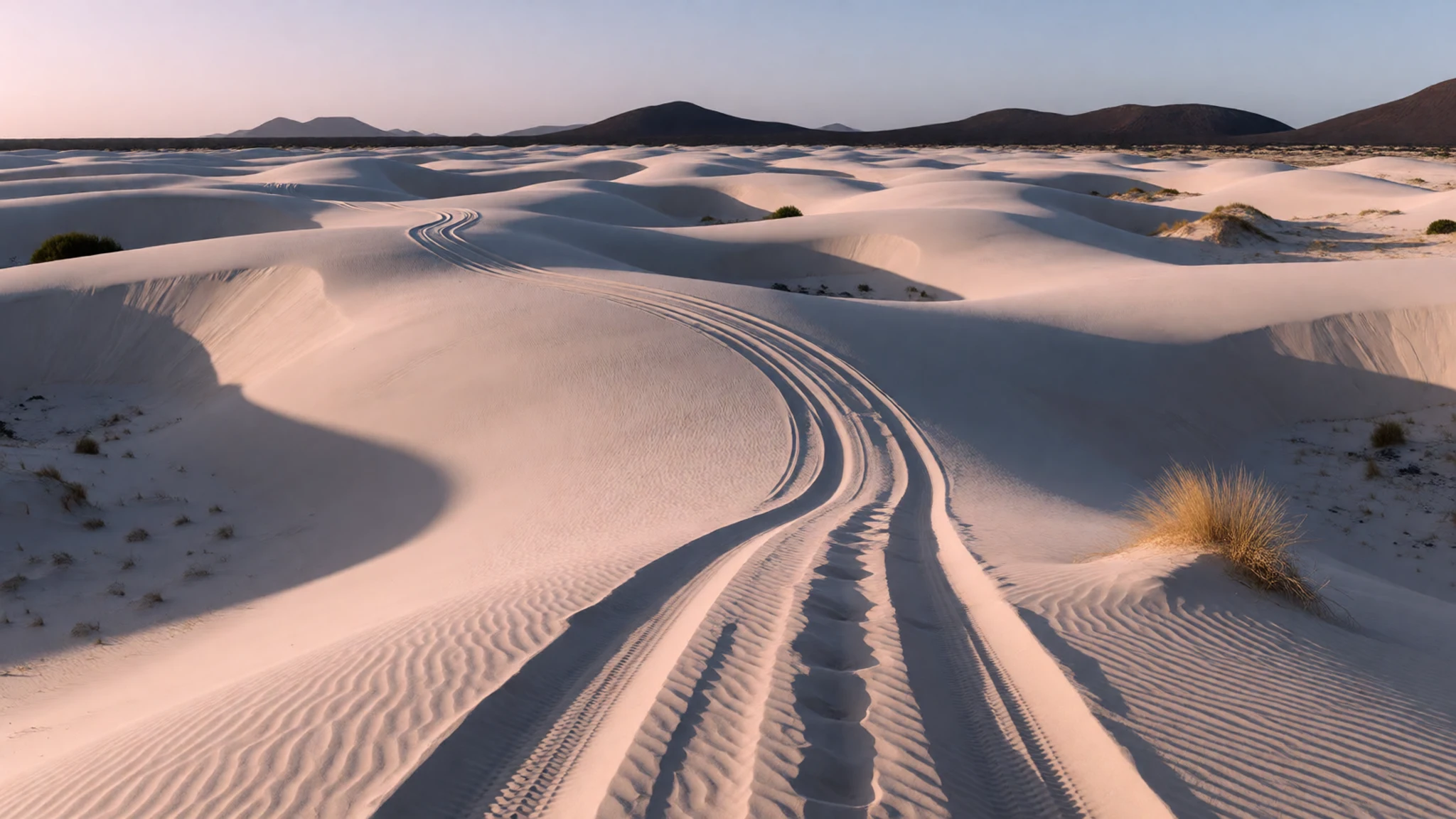
- Chaminé de Chaves — Near Praia de Chaves, west coast
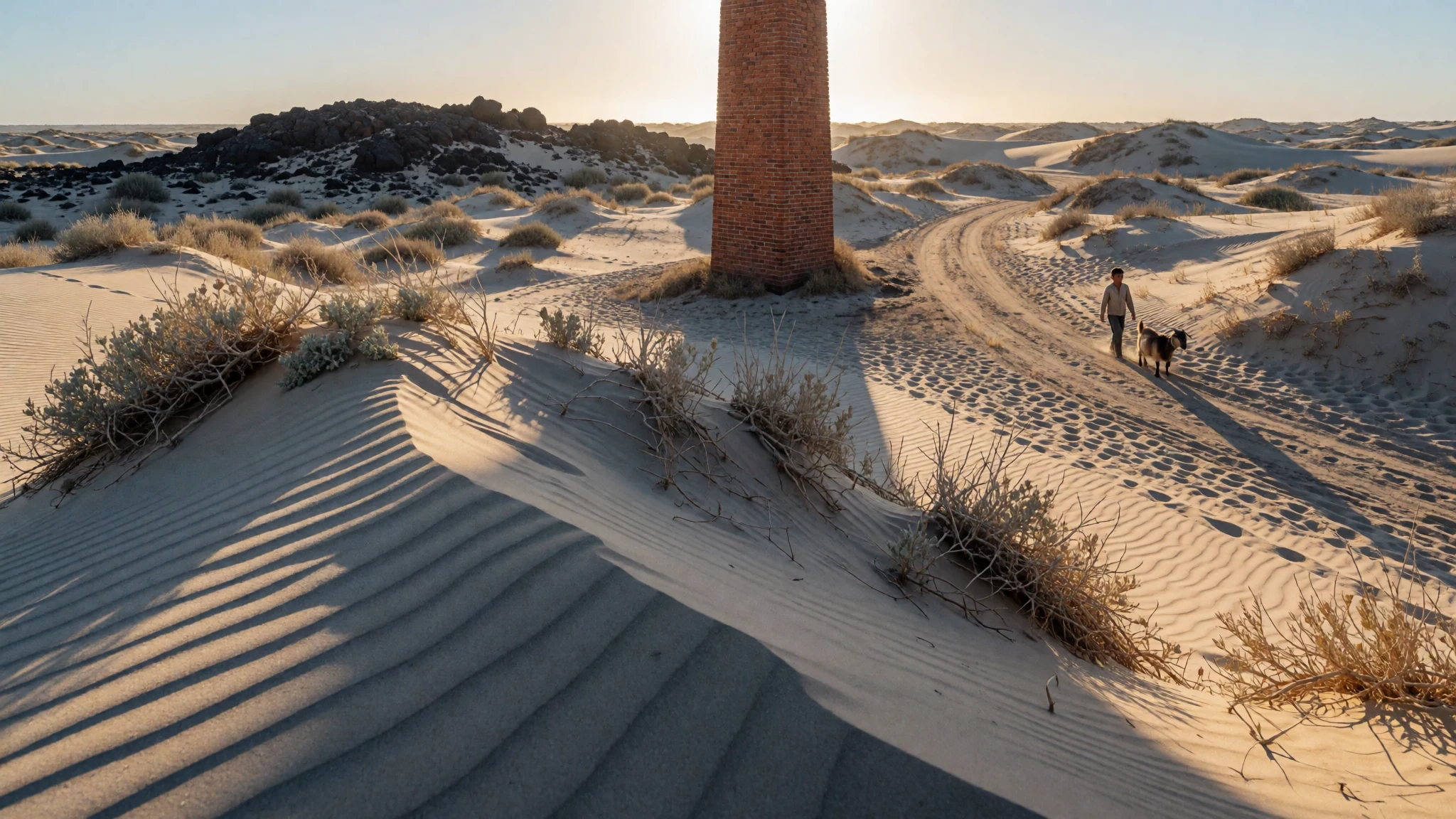
The tall brick chimney of an old brickworks and ceramics factory rises strangely from the dunes, a relic of eighteenth-century industry. It stands on the way to the beach at Praia de Chaves, the island's main surf spot, so the two fit neatly into one outing.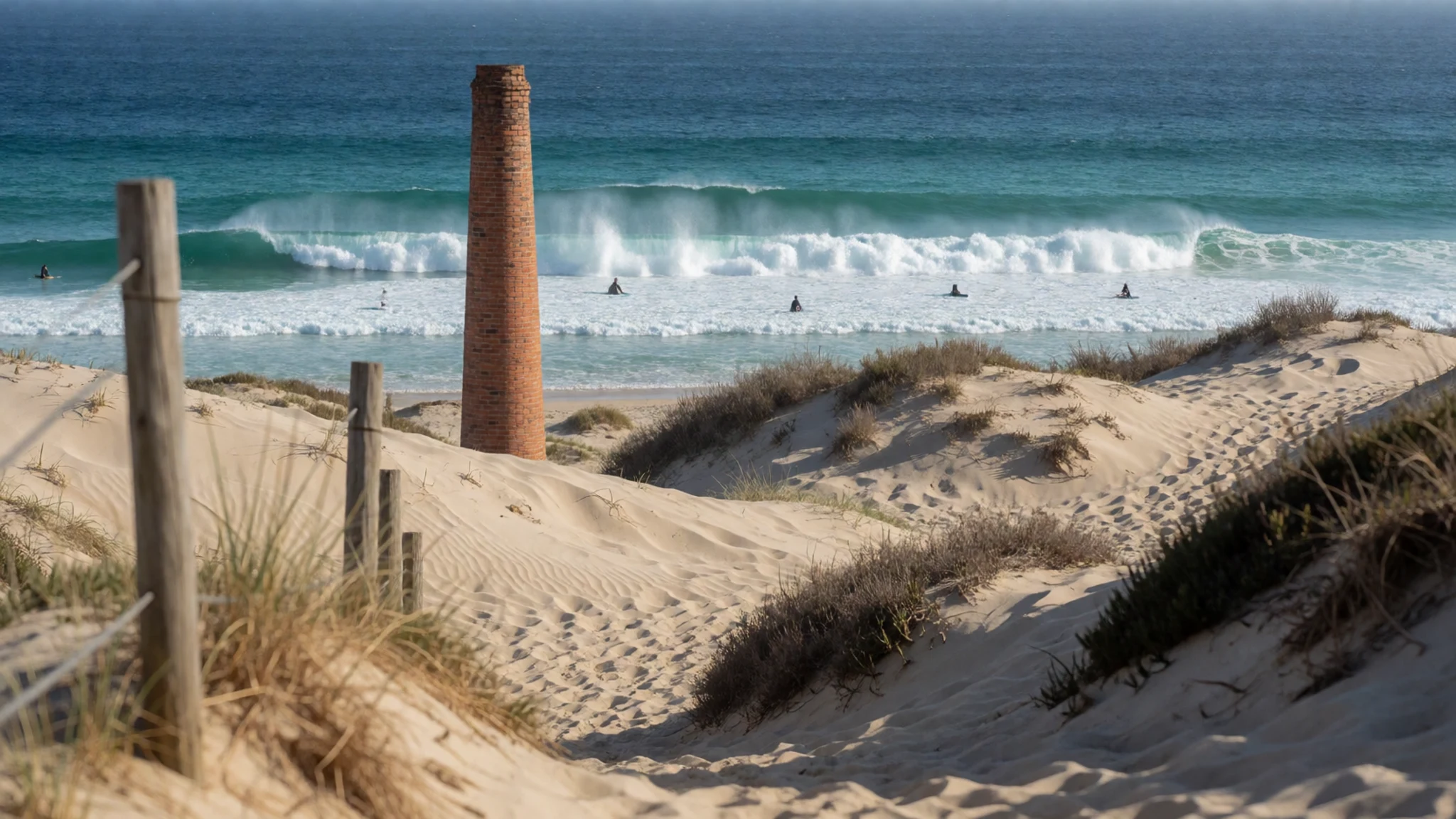
- Praia de Cabral — Beaches of the south and west coasts
Cabral is one of the island's famous beaches, a broad curve of pale sand backed by dunes and open sky. Beaches here have strong wind and currents, so swim where locals do and respect any warning flags. Santa Mónica and Varandinha along the coast offer similar scale and solitude.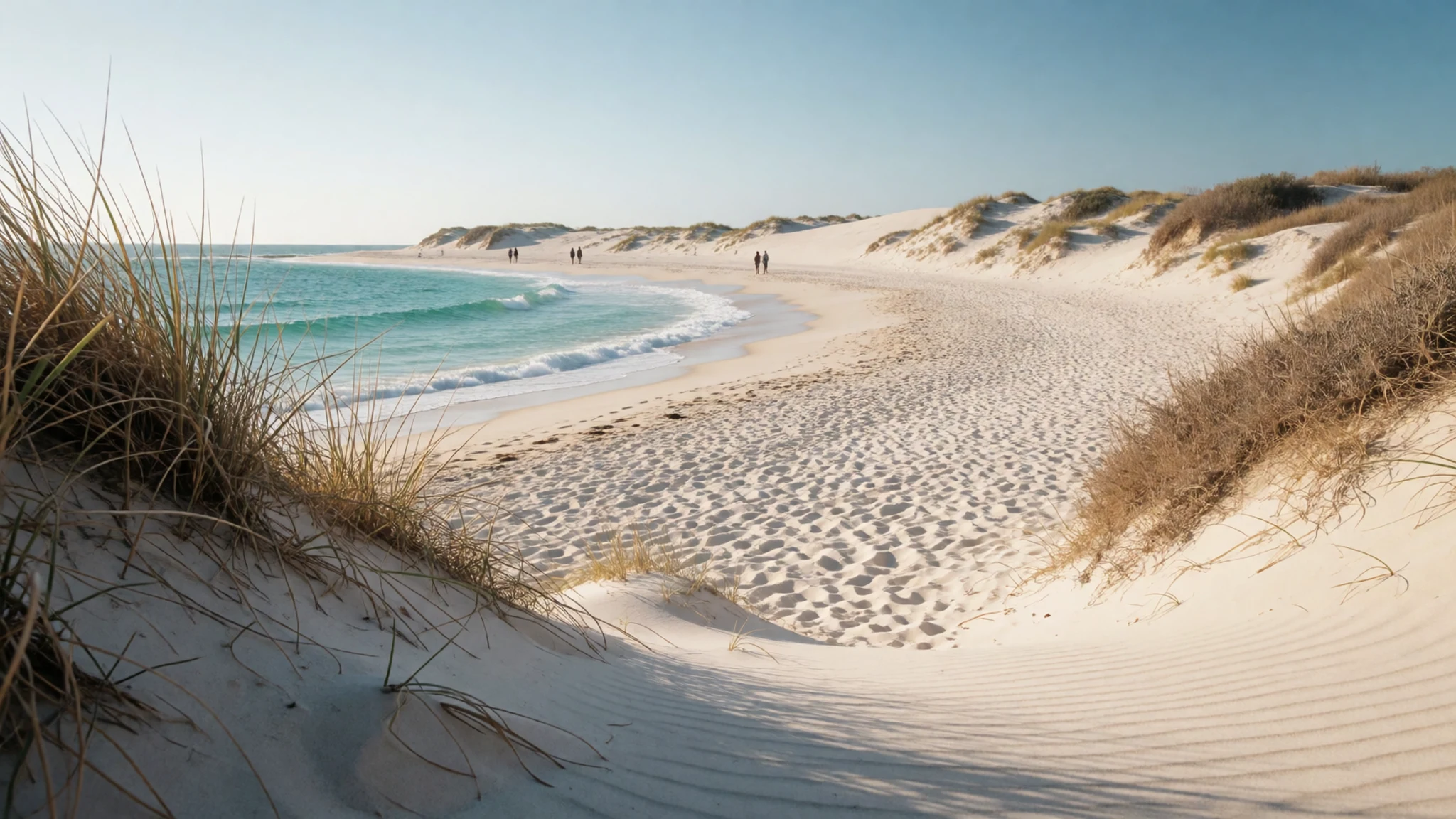
- Monte Estância — South-east interior
Monte Estância, in the south-east, tops the island at 387 m, which makes it a stroll rather than a mountaineering trip. Nearby Monte Santo António is a short climb from the main road south of Rabil. Both give wide views over the plain, so go early, before the heat builds.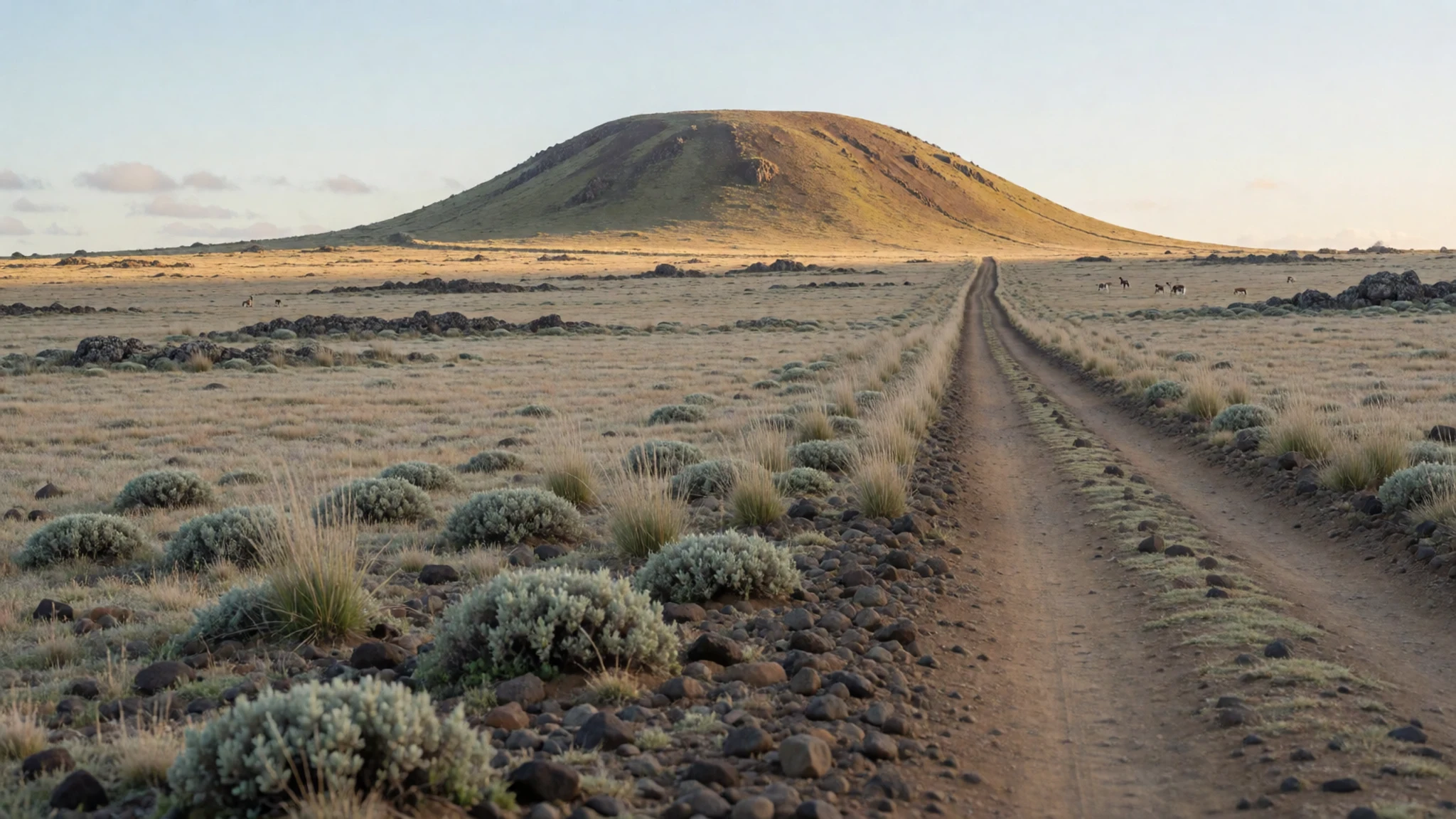
Culture
Boa Vista's culture is Cape Verdean first and island-specific second. People speak Cape Verdean Creole at home and Portuguese in offices and schools, and the Catholic calendar shapes festivals and public life. The island's story of salt, slavery, pirates and drought left a community used to making do, and hospitality, often called morabeza locally, is a point of pride. Music is the clearest expression of that character. Morna, a slow, wistful song style about longing, distance and home, probably took shape on Boa Vista in the eighteenth century before spreading across the archipelago. Live performances turn up at the arts centre in Sal Rei, in waterfront bars and in some of the larger resorts' evening programmes. Daily life has shifted from salt pans and date groves towards tourism, so many families now have someone working in a resort, a taxi or a shop. Visitors will find Sal Rei relaxed, with people chatting outside houses and shops in the evening, and a greeting goes a long way. Fishing boats still work from the harbour, and the sea remains central to food and livelihood. Away from the resorts the pace is slow and modest, and the island's wealth is uneven. A friendly greeting and a request before you photograph anyone in Sal Rei, especially children, market sellers and fishers, is the courteous way to behave.
What to wear
Traditional Cape Verdean dress centres on the pano, a rectangle of woven cotton cloth, historically made in narrow strips stitched together and often patterned in bold stripes. Women wrap it at the waist, over the shoulder or around the head, and it appears mostly at festivals, in dance and music groups, and on older women. Boa Vista has no dress that sets it apart from the rest of the archipelago, so this is a national tradition worn locally. Day to day, people wear what suits heat and wind: cotton shirts, T-shirts, shorts, football jerseys, light dresses and sandals, with smarter clothes for church and for evenings out in Sal Rei. Resort staff wear uniforms, and fishers and builders favour long, loose sleeves against the sun. Visitors should pack light, breathable cotton or linen, a wide-brimmed hat, sunglasses and high-factor sun protection, since the wind masks how hard the sun is burning. Bring a thin windproof layer for evenings and boat trips. Swimwear belongs on the beach and by the pool; cover up with a shirt or wrap when walking through Sal Rei or entering a church. Closed shoes or sturdy trainers help on dunes and hill paths, while reef shoes or sandals suit rocky shallows and the harbour.
What to eat
- Cachupa — Small local eateries in Sal Rei
Cachupa is the national comfort dish, a slow-cooked stew of dried maize and beans with fish or meat, often fried the next morning for breakfast. Order it as a lunchtime plate where local families eat, and expect it to be filling.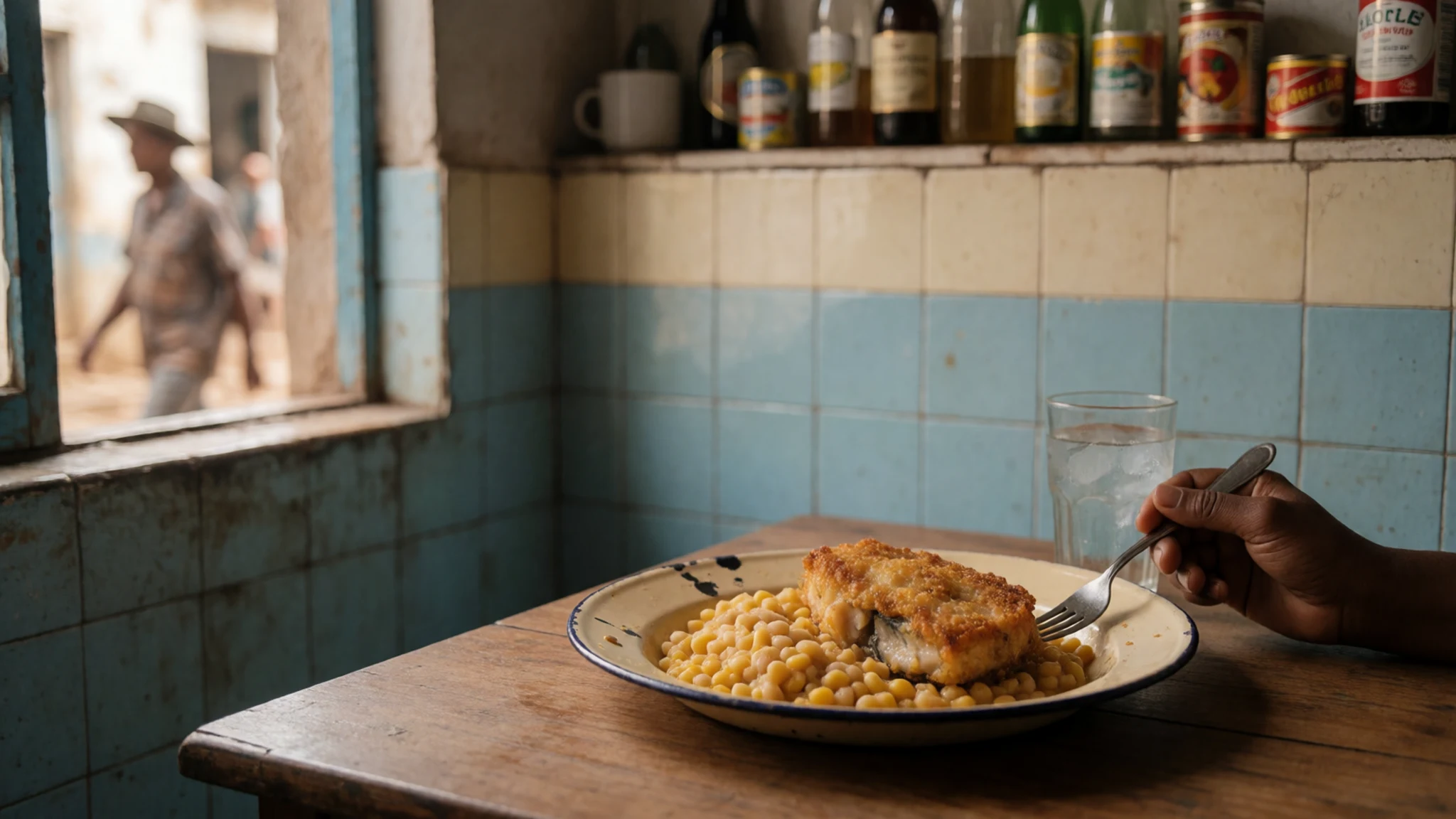
- Grilled fresh fish — Waterfront restaurants in Sal Rei and beach cafés
Fish landed by small boats is simply grilled and served with rice, boiled vegetables and a sharp onion-and-lime sauce. Ask what came in that day, as the catch varies with season and weather. It is a straightforward, satisfying plate after a day in the wind.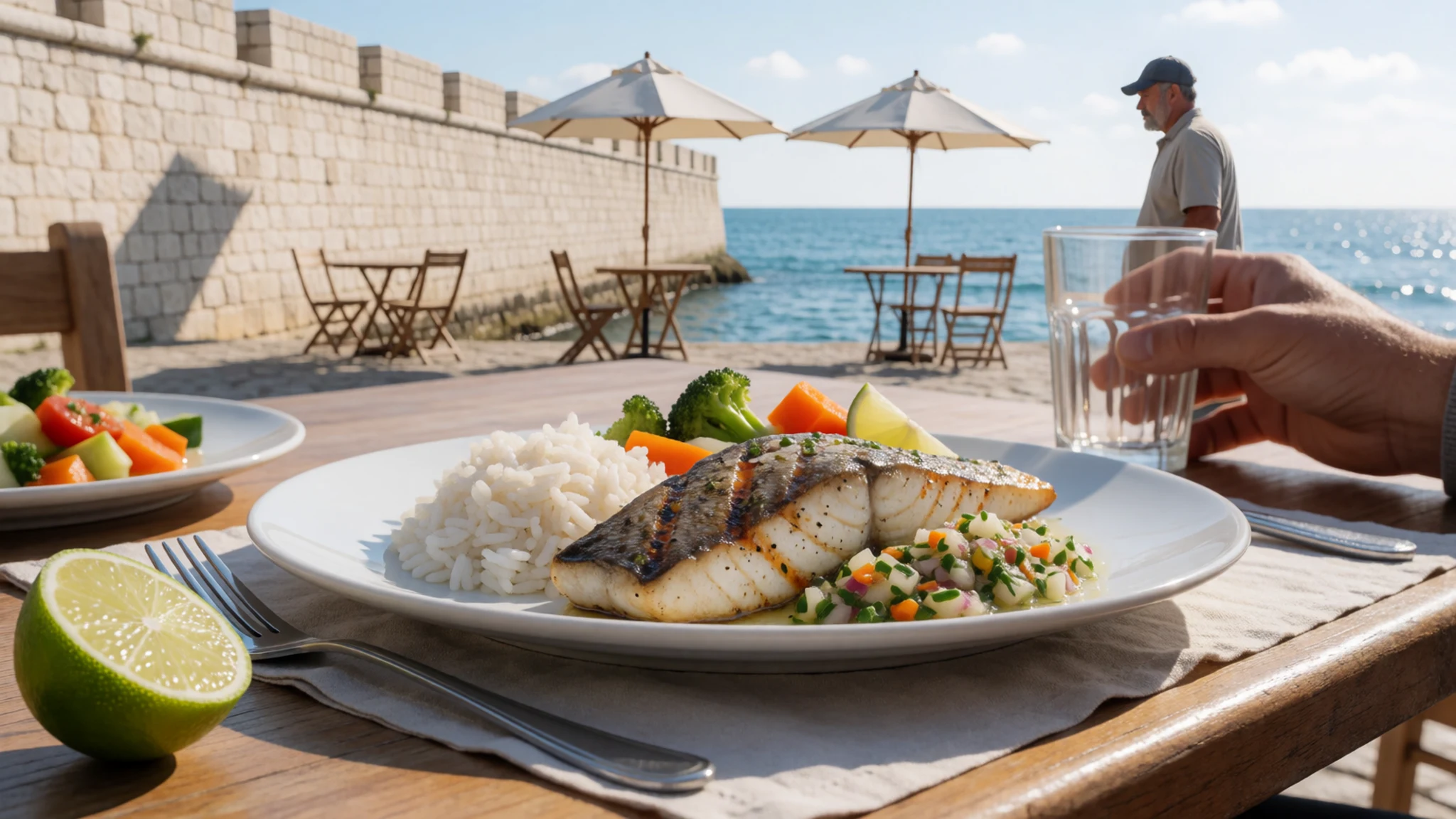
- Pastéis — Snack counters and bakeries in Sal Rei
These small fried pastry parcels are usually filled with spiced tuna or sometimes meat, crisp outside and soft within. They suit a quick snack on the road or at the beach, and are easy to share. Cheese and vegetable versions turn up occasionally. - Grogue and ponche — Bars and evening spots in Sal Rei
Grogue is a strong cane spirit made across Cape Verde, often sipped neat in small measures. Ponche blends it with sugar, fruit and sometimes honey, giving a sweeter drink. Both are potent, so take them slowly, especially in the afternoon sun. - Dates and date sweets — Small shops and stalls around Sal Rei
Date palms tell of the island's farming past, and the fruit still features in local cooking and sweets. Buy them fresh or dried as a portable snack for beach days. Supplies are small, so ask locally rather than expecting a big display.
Plan it
Best time. November to April for dry, sunny days and comfortable beach weather; the sea is calmer for diving from April to November, while the winter months are windier and rougher. The island is arid all year, with very little rain.
How long. 3–5
Getting there. Fly into Aristides Pereira Airport (BVC), a short drive south of Sal Rei; there are tourist flights from Britain (about six hours from London), daily services from Lisbon and inter-island flights from Sal and Praia. Arrange your transfer through your accommodation. Ferries from Sal exist but are unreliable.
Budget. mid
Tips
- Pay the airport security fee online in advance through the official Cape Verde government portal, and check the municipality website (http://www.municipiodaboavista.cv/) for local updates
- Arrange airport transfers and desert or beach trips through your accommodation, as public transport is limited
- Carry some cash for beach cafés, taxis and small shops, because cards are not accepted everywhere
- Tap water is desalinated and safe but tastes flat, so bottled water is the easy option
- Bring strong sun protection and a hat, as shade is scarce and the wind hides the burn
Etiquette
- Ask before photographing people in Sal Rei, especially children and market sellers
- Cover up with a shirt or wrap when away from the beach, in town and in churches
- Do not drive off marked tracks in the dunes or disturb nesting turtles and their beaches
Nearby
Sources
- Wikidata Q110440 (CC0)
- Wikipedia: Boa Vista, Cape Verde (rev 1363902929) (CC BY-SA 4.0)
- Wikivoyage: Boa Vista (Cape Verde) (rev 5348981) (CC BY-SA 4.0)
- Locator maps of Boa Vista, Cape Verde (Waldir) (CC BY-SA 1.0)
- Rock desert (hamada) inside the island of Boa Vista (Ingo Wölbern) (Public domain)
- Clubhotel RIU Karamboa, Boa Vista (Felitsata) (CC BY 3.0)
- Praia de Cabral (Adriao) (CC BY 3.0)
- Sal Rei, Boa Vista (StanleyMacCoy) (CC BY 3.0)
- Ruins of Curral Velho (Ingo Wölbern) (Public domain)
- Sal Rei beach (Kojote) (CC BY 3.0)
- A dry western Boa Vista landscape (Ximonic, Simo Räsänen) (CC BY-SA 4.0)


