Sal
Sal, Cape Verde
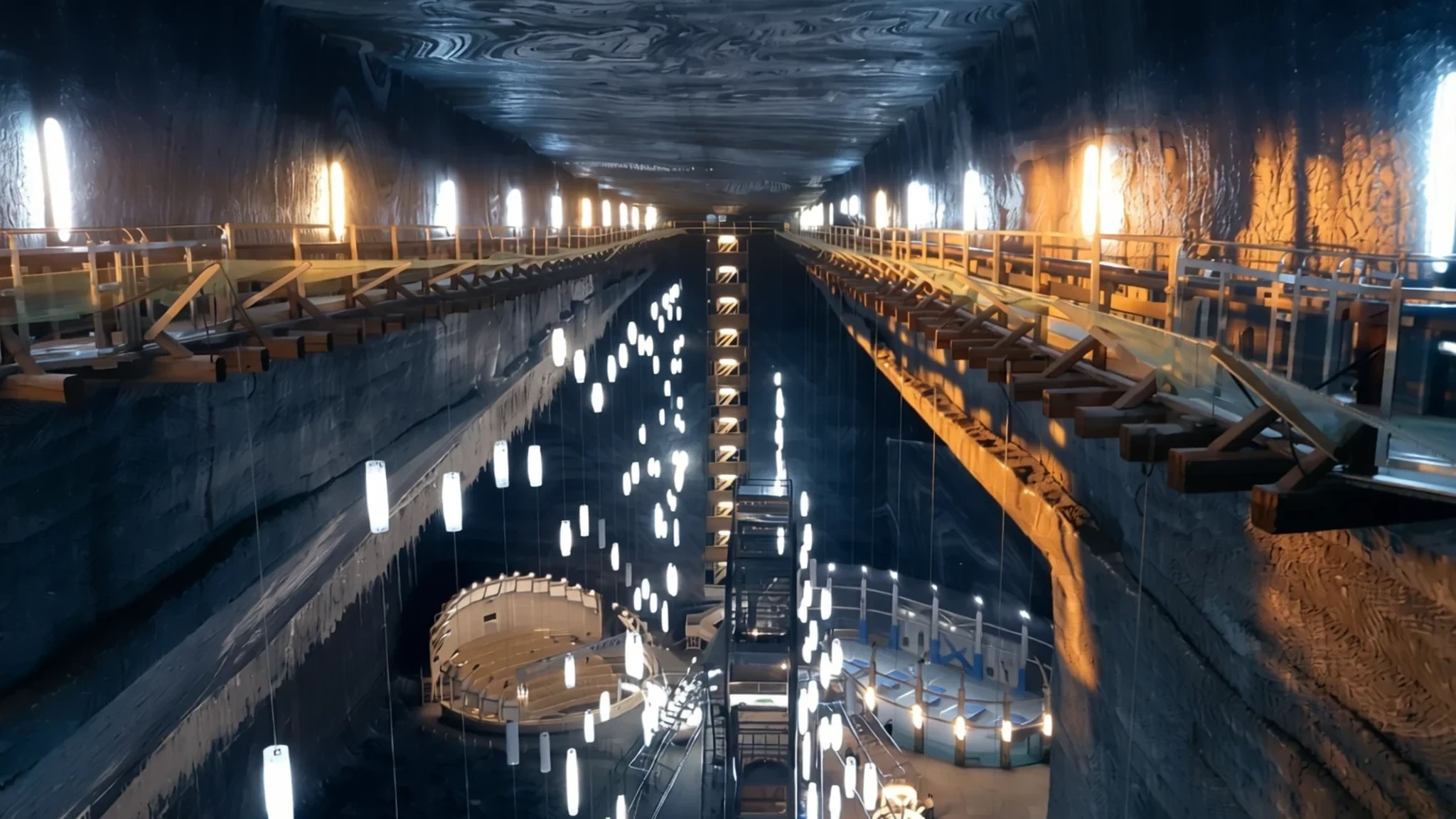
Sal offers flat, sunny, wind-swept Atlantic beaches, working salt flats in a volcanic crater and turtle nesting nights, all within a short drive.
The place
Sal is a low, dry island in the central Atlantic, part of Cape Verde and roughly 560 km off the coast of West Africa. Its name is the Portuguese word for salt. It belongs to the sandy eastern group of the archipelago, alongside Boa Vista and Maio, and the landscape matches: pale beaches, scrubby plains and very little shade. The island is about 30 km from end to end and a dozen wide, and the highest point, Monte Grande, is a modest hill rather than a mountain. Roughly 35,000 people live here.
Most visitors base themselves in Santa Maria, at the southern tip, where a pier, a town square and a lively pedestrian street give the place a relaxed, slightly unfinished feel, with building work never far away. Larger resorts spread west towards the dunes of Ponta Preta. The east end of town is where surfers and windsurfers gather, because the wind blows steadily from the northeast.
Inland, Espargos is the everyday town, with bigger food shops and the airport close by, about twenty minutes' drive from Santa Maria. Palmeira is the working port. Pedra de Lume is a small fishing village beside the old salt pans. Rain is scarce even in the so-called rainy season, so expect sun, wind and dust more than cloud. Nesting loggerhead turtles come ashore in summer, which adds a second reason to visit.
Its story
Sal was first recorded by Europeans in December of the fifteenth century's sixth decade, and it was first called Chã, meaning flat. The name changed once its natural salt ponds, at Pedra de Lume and Santa Maria, were noticed. For a long time almost nobody settled here; a small fishing hamlet near today's Palmeira was about all there was by the early eighteenth century.
Salt changed that. Extraction began in earnest toward the end of that century at Pedra de Lume, inside an old volcanic crater, and thousands of tonnes were shipped out each year, much of it to Brazil. Santa Maria was founded in 1830 by Manuel António Martins as a salt-loading settlement. Production continued under Portuguese and French investors after nationalisation in 1887 and only stopped in 1984.
The next turning point was the sky. Italy began building an airfield in 1939 for flights linking Europe and South America, work stalled around the Second World War, and the Portuguese bought and completed it in 1949. Labourers from São Nicolau made their homes to the northeast of the runway, in Preguiça, which has since been absorbed into Espargos. Tourism has since replaced salt and fishing as the main income. In 2015 Hurricane Fred damaged houses, tourist facilities and boats.
What to see
- Pedra de Lume salt crater — Pedra de Lume, east coast
Salt is still harvested from pans inside an old volcanic crater near the fishing village of Pedra de Lume. The place feels otherworldly: bright white crusts, rusting machinery and a sheltered pool where people float. Go with a guide or driver, and bring sunglasses against the glare.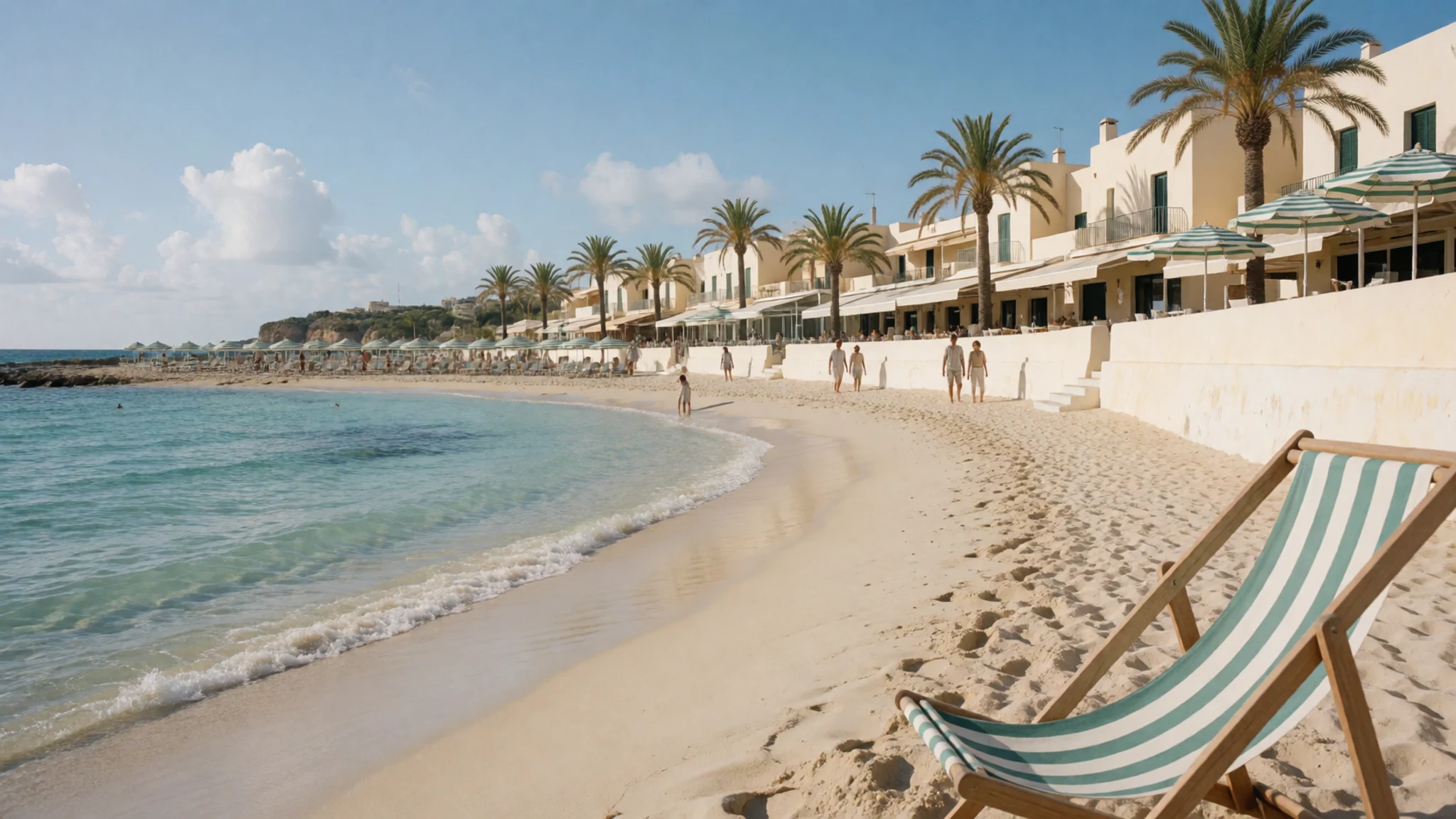
- Santa Maria pier and town square — Santa Maria
The pier and square form the social centre of Santa Maria. Fishing boats unload, children play football, and the pedestrian street behind is lined with shops, bars and craft stalls. It is best late afternoon, when the heat eases and the light turns golden over the water.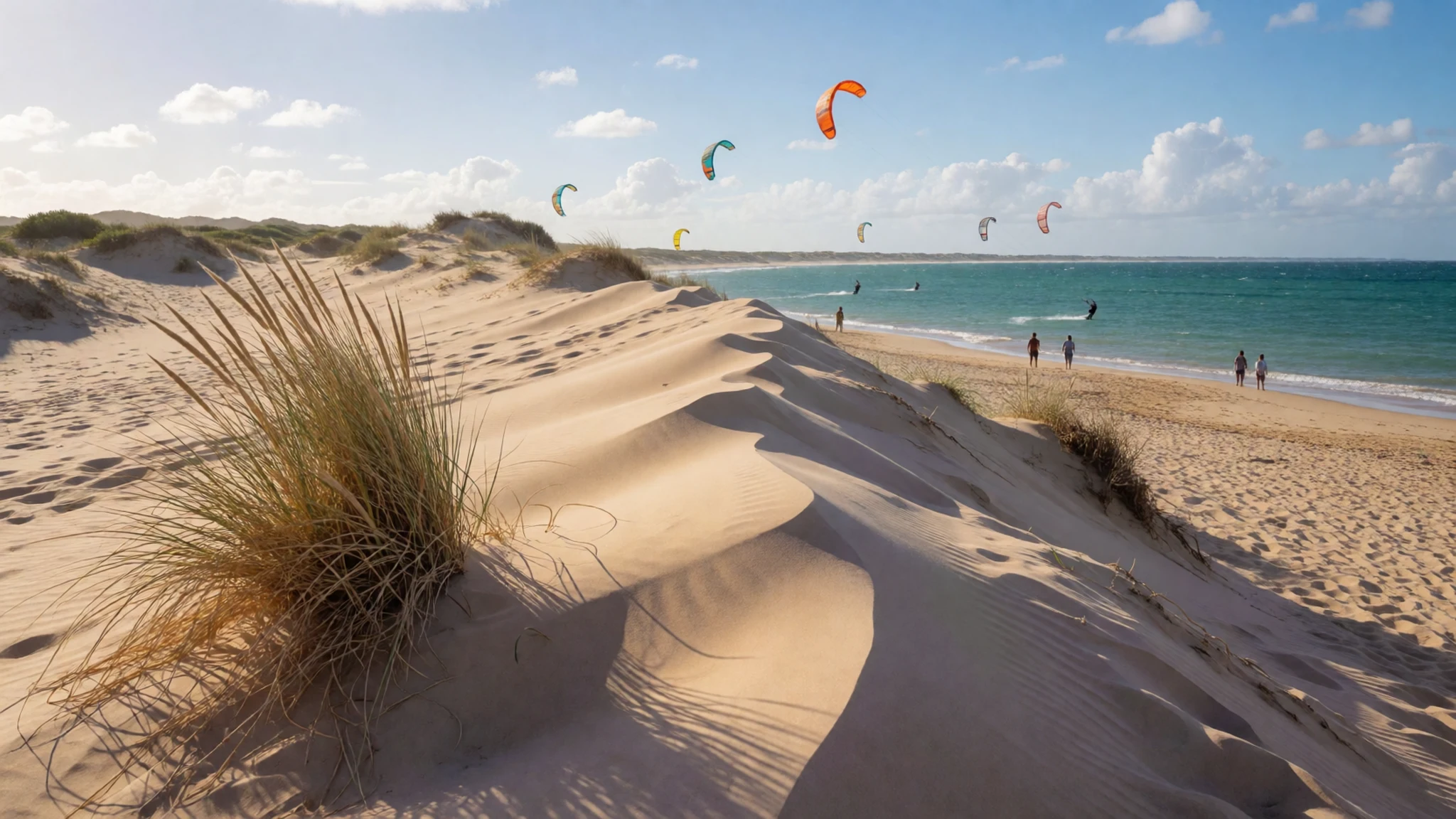
- Ponta Preta — Southwest coast
On the west side of the south end, Ponta Preta has the dunes and a long beach that draw wind and wave sports. The surf can be strong, so watch the flags and ask locals about currents. Larger resorts sit nearby, so it is busier than the island's quieter shores.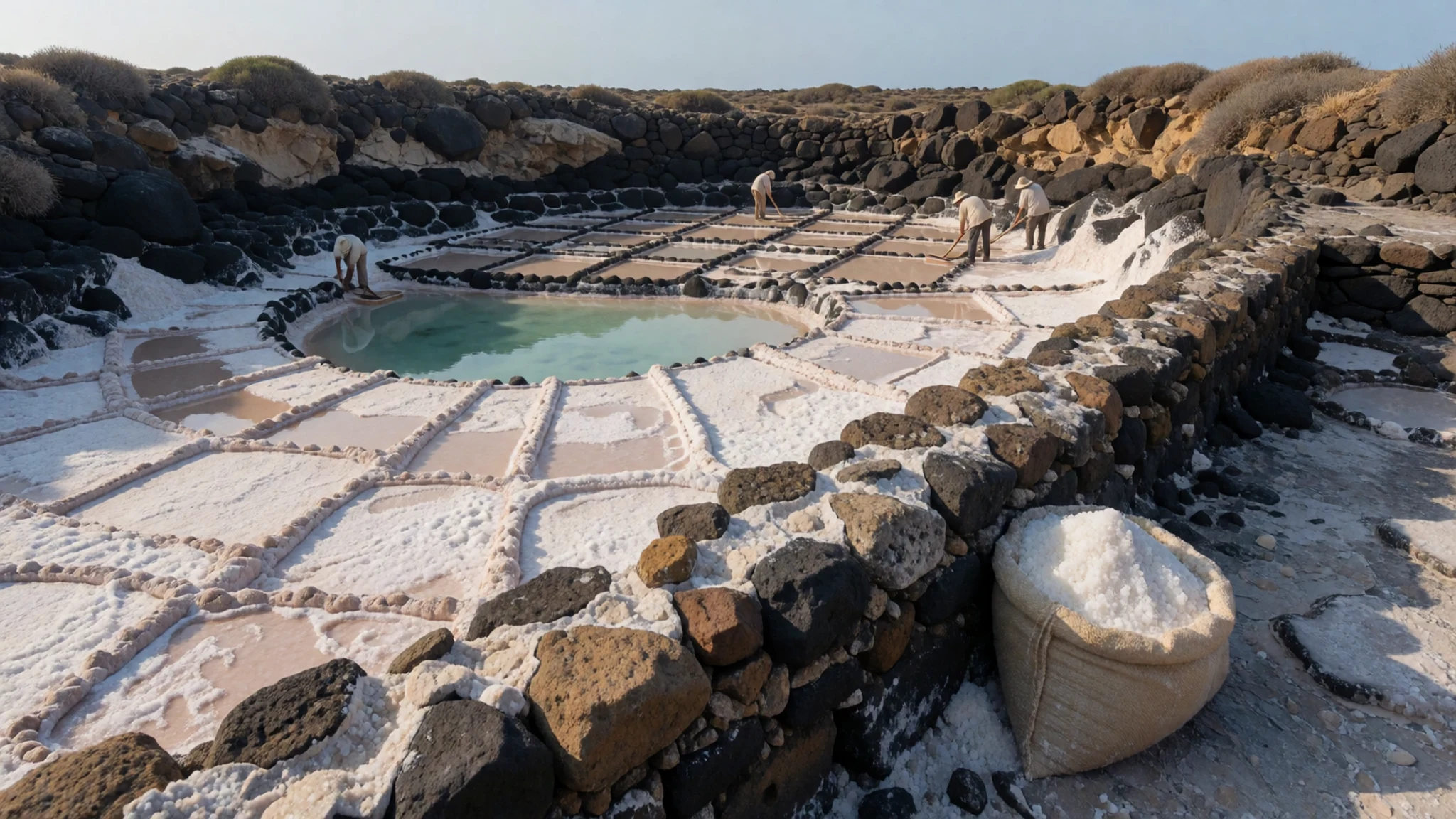
- Espargos — Central Sal
The island's practical, lived-in town is where residents shop and work. It has bigger food shops than Santa Maria, colourful painted houses and a few small cafés. Few visitors linger, which is the appeal: a glimpse of daily life away from the resorts, ideal for an hour's wander.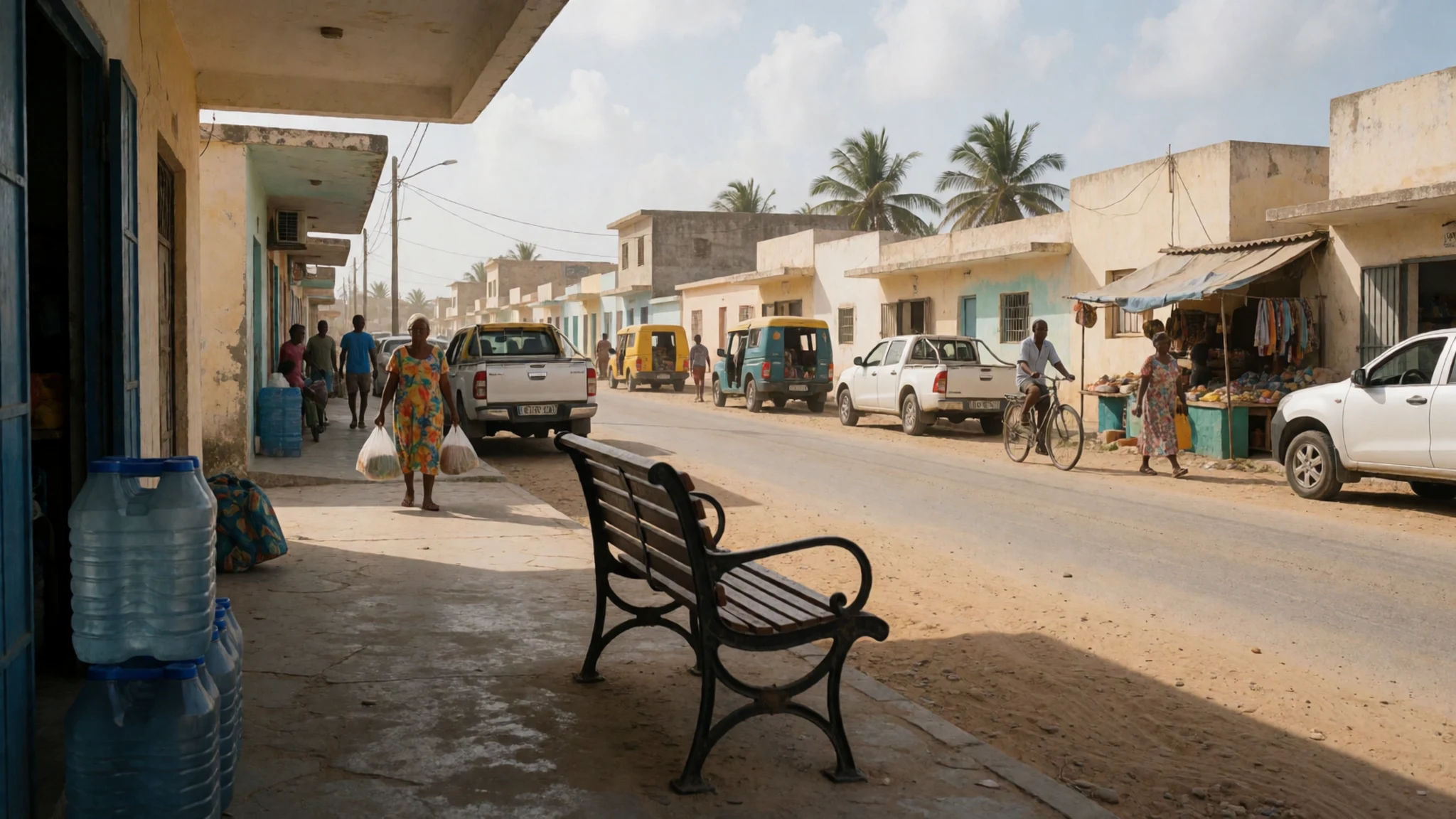
- Turtle nesting beaches — Quieter beaches, summer nights
Loggerhead turtles lay eggs on Sal's beaches, with hatching between July and September. Organised night walks with local conservation groups are the responsible way to watch. Keep lights and flash off, stay behind guides, and never touch the animals or nests.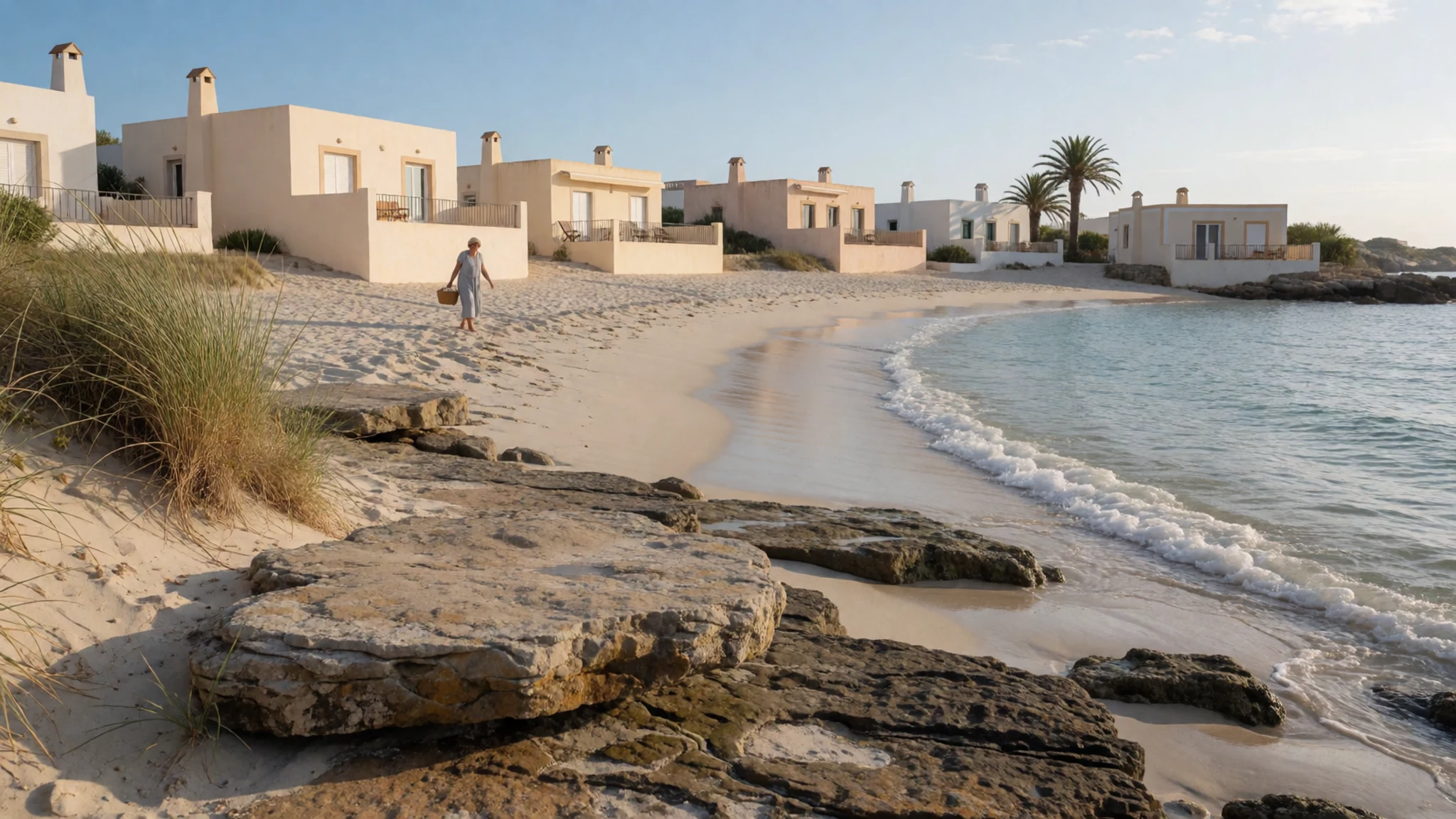
Culture
Sal's culture is Cape Verdean at its core: a blend of Portuguese and West African influences, spoken in Cape Verdean Creole, with Portuguese used officially. The island was settled late and by workers, first for salt and later for the airport, so many residents trace family roots to other islands such as São Nicolau. That gives Sal a mixed, outward-looking character, quite different from older, more rural islands.
Music is the cultural thread most visitors meet. Cape Verde is associated with morna, the slow, yearning song form made famous by Cesária Évora, and with livelier dance styles such as funaná and coladeira. In Santa Maria, bars and restaurants often have live acoustic sets in the evening, and informal music nights happen in the square. Football is the other shared passion, and kickabouts on sandy pitches are common.
Tourism now shapes daily life, and many people work in hospitality. Pace is easy, greetings matter, and a friendly 'bom dia' goes a long way. Fishing still happens off the pier, and the arrival of the catch is a small daily event.
When photographing residents, fishermen or market sellers, ask first and accept a refusal graciously.
What to wear
Sal has no single national costume worn day to day, and its dress traditions come from the wider Cape Verdean mix of Portuguese and West African influence. Women have long worn bright printed cotton wraps, called panos, tied at the waist or used as headscarves and shawls. Panos were historically woven in narrow strips on the islands, and the cotton cloth tradition is still tied to older islands more than to Sal. Such dress is seen mostly at festivals and in music performances.
Everyday clothing on Sal is casual and practical: shorts, T-shirts, sandals and sun hats, with football shirts everywhere. In Espargos, people dress a little smarter for work, and on Sundays families put on their best for church. Resort staff wear uniforms, and in Santa Maria evenings you will see linen shirts and light dresses.
Visitors should dress for strong sun and persistent wind. Pack light, breathable cotton or linen, a hat, sunglasses and high-factor sunscreen. A windproof layer is useful on boat trips and in evenings. Beachwear belongs on the sand; in towns, shops and churches, cover shoulders and thighs. Sturdy sandals or trainers help on the salt crater's rough ground and on stony tracks, and a light scarf keeps dust out of your face.
What to eat
- Cachupa — Local eateries in Espargos and Santa Maria
The national dish is a slow-cooked stew of dried maize and beans with fish, pork or sausage. Leftovers are fried for breakfast as cachupa refogada, often topped with an egg. It is hearty, so many eat it at lunch.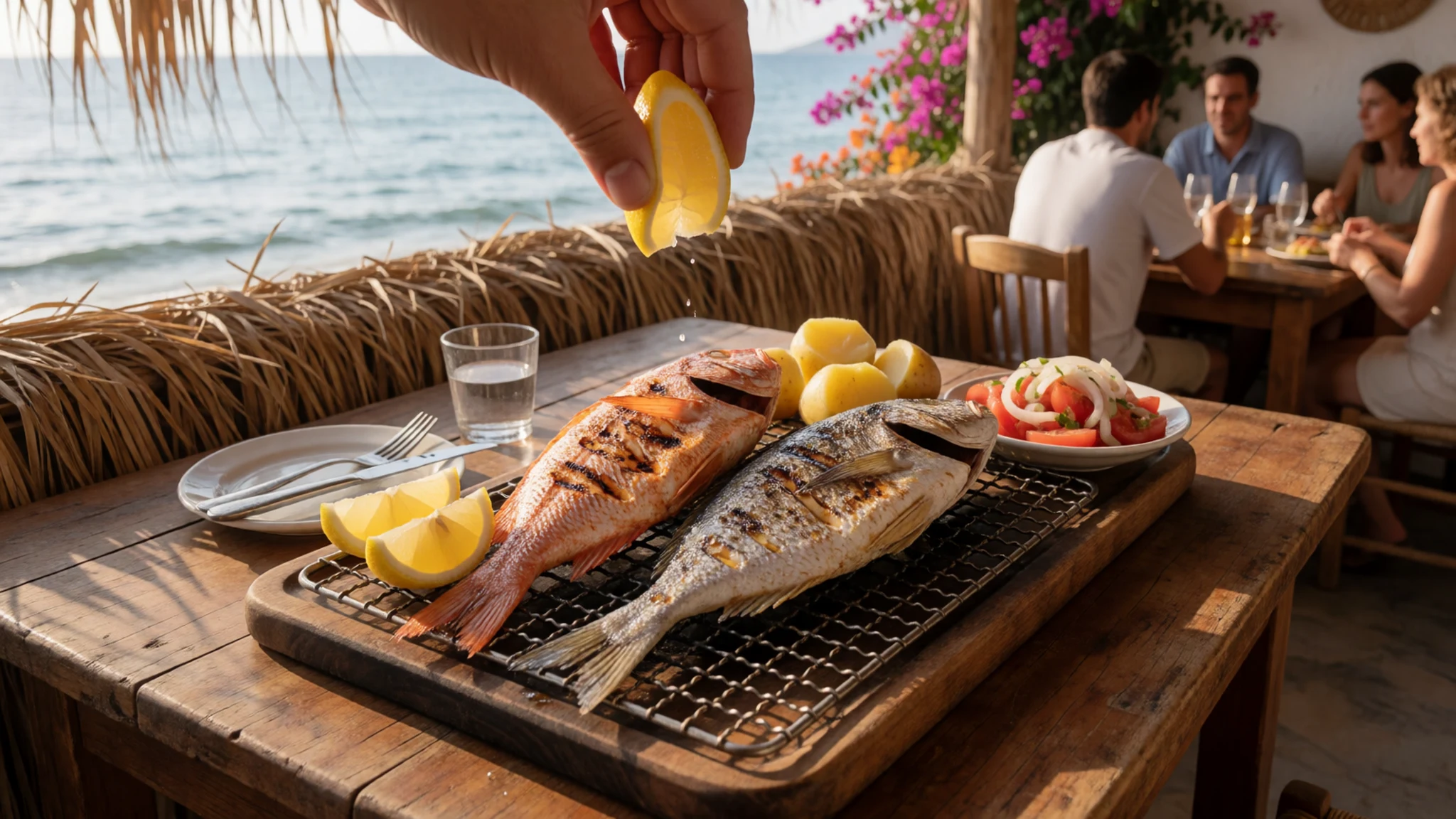
- Grilled fresh fish — Seafront restaurants near Santa Maria pier
Tuna, wahoo, grouper and similar catches come in daily, and the simplest way to eat them is grilled with rice, boiled potato and a squeeze of lime. Ask what came in that morning for the freshest choice.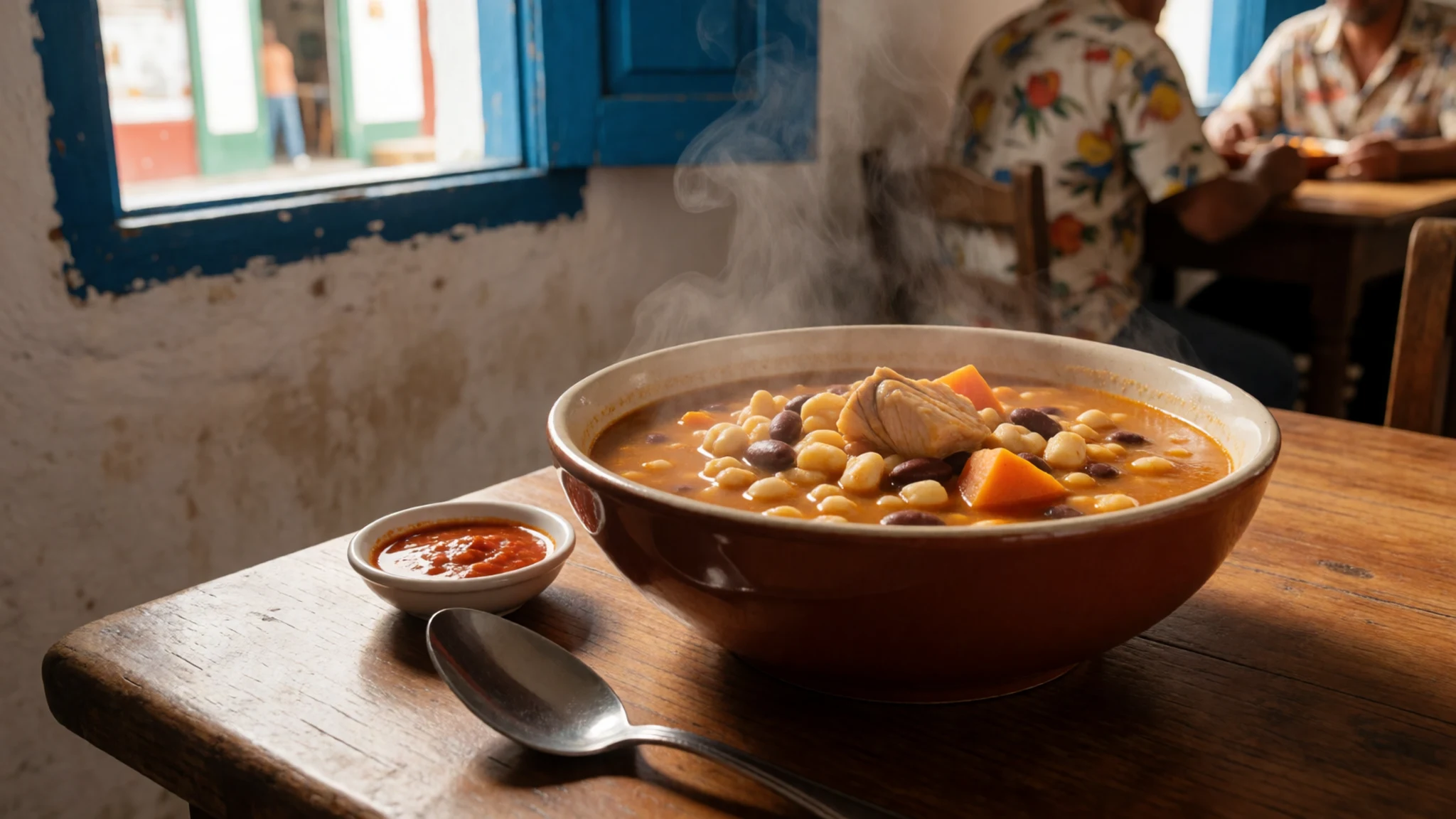
- Pastel com diabo dentro — Snack counters, bakeries and cafés in Espargos
A small fried turnover with a tuna filling, usually spiced with chilli, hence the 'devil inside'. The pastry is crisp and the filling is savoury. It is a typical snack or starter, often sold warm and best eaten at once. - Grogue and ponche — Bars in Santa Maria and village eateries
Grogue is a strong sugar-cane spirit made across Cape Verde, and ponche blends it with sugar syrup or fruit such as passion fruit or tangerine. It is sweet and deceptively strong, so sip slowly and avoid drinking it before swimming. - Cuscuz — Bakeries and breakfast cafés in town
Cape Verdean cuscuz is a steamed maize-meal cake, firm and slightly sweet, usually served at breakfast with butter, milk or coffee. It is quite different from the North African grain of the same name and makes a filling start to the day.
Plan it
Best time. November to June is the most comfortable stretch, with steady sun, little rain and cooler air; the northeast wind is strongest in winter and spring, which suits windsurfing and kiteboarding. July to mid-October is the hotter 'rainy season', though rain is still light, and it is when turtles nest and hatch.
How long. 3–5
Getting there. Amílcar Cabral International Airport, near Espargos, is the main arrival point, with direct flights from Europe and links within Cape Verde. Santa Maria is about twenty minutes by taxi or shared aluguer pickup; many hotels and apartments offer transfers, so ask when booking.
Budget. mid
Tips
- Book transfers with your accommodation in advance
- Carry some cash for small shops, taxis and aluguers
- Drink bottled water and use strong sun protection all year
- Hire a guide or driver for Pedra de Lume and the island's rough tracks
- Check the weather and wind before booking boat trips
Etiquette
- Greet people with 'bom dia' or 'boa tarde' before asking for anything
- Ask before photographing local people
- Keep lights and flash off near nesting turtles
Nearby
Sources
- Wikidata Q111989 (CC0)
- Wikipedia: Sal, Cape Verde (rev 1364197172) (CC BY-SA 4.0)
- Wikivoyage: Sal (rev 5416780) (CC BY-SA 4.0)
- Sal from the south (Martikkk) (CC BY 3.0)
- Locator map of Sal, Cape Verde (Waldir) (CC BY-SA 1.0)
- Sleeping dog by a painted door (Daniel Åhs Karlsson) (CC BY 3.0)
- Salt crater (Daniel Åhs Karlsson) (CC BY 3.0)
- Houses on Sal (Daniel Åhs Karlsson) (CC BY 3.0)
- Shop in Santa Maria (Cayambe) (CC BY 3.0)
- Main street, Santa Maria (Daniel Åhs Karlsson) (CC BY 3.0)
- Cityview, Espargos (Daniel Åhs Karlsson) (CC BY 3.0)


